
Reviewed · WALKING TOURS
Vienna: Old Town Walking Tour with a Local Guide
Vienna’s center packs imperial power, grand music, old streets, and everyday café life into a compact walking route. This two-hour tour takes you from the Vienna State Opera to the Habsburg burial place, then through Ballgasse and Stephansplatz before finishing at the Hofburg. I like the route because it combines the city’s famous sights with smaller streets that are easy to miss on your own. I also like the practical advice at the end, which can help you plan the rest of your stay.
The main consideration is time. Two hours gives you a useful introduction, not a full visit inside every major building. Entry tickets, food, and drinks are not included, so think of this as a guided orientation walk rather than an all-inclusive sightseeing package.
Key points at a glance
- A compact route through central Vienna: Walk between the State Opera, Neuer Markt, Ballgasse, Stephansplatz, and Hofburg Palace.
- The Imperial Crypt adds a serious historical stop: See the burial place of Habsburg emperors along the route.
- Choose English or French: The tour is offered with a live English- or French-speaking guide.
- Martin has earned especially warm praise: He is described as friendly, attentive, informative, and generous with local tips.
- Private tours can be customized: A private option may suit you if you want more control over the pace or focus.
- The meeting point is easy to identify: Look for the guide with the green umbrella at Albertinaplatz.
Starting beneath Vienna’s grandest stage
Meet your guide at Albertinaplatz, near Kärntner Strasse 45, in the center of Vienna. Look for the green umbrella. That small visual cue matters in a busy city center, especially when several walking groups may gather near the same central sights.
From here, the tour brings you into Vienna’s most famous central district on foot. You do not need a bus or subway between stops, and the route is designed around sights that sit close together. Wear comfortable shoes, since the experience takes place outdoors and continues in rain or shine.
Your guide sets the tone for the walk. The tour is available in English or French, and the private option gives you the chance to request a more personal route. The supplied details do not promise a fixed group size for the standard option, so the feel may depend on the departure you choose. If you want the most control, private is the safer choice.
A few more Vienna trips to weigh up
- Vienna: Guided Walking Tour of City Center Highlights
★ 4.7 · 4,989 reviews - Vienna: Vienna Central Cemetery Guided Walking Tour
★ 4.8 · 3,307 reviews - Vienna: Guided Walking Tour of City Highlights & Hidden Gems
★ 4.9 · 2,180 reviews
Vienna State Opera and the city’s music culture
The Vienna State Opera is one of the first major sights on the route. The building has served as a center of operatic excellence since 1869, making it a natural place to begin a city walk focused on Vienna’s imperial and cultural identity.
You can expect a guided look from outside, time for photographs, and an explanation of why the opera house matters to Vienna. This is a photo stop and sightseeing visit, not a performance or backstage tour. The distinction is important. If you want to attend an opera, you will need to arrange that separately.
I like this opening because it gives you an immediate sense of Vienna’s scale. The city does not ease you in with a quiet side street. It begins with one of its grandest cultural buildings, then moves into the commercial and historic center.
The guide can also help connect the building to the rest of the city. Vienna’s major sights are not isolated attractions. Opera, court life, church ceremonies, cafés, and shopping streets all sit within a short walk of one another. A local explanation can make that compact setting easier to understand.
Neuer Markt, where the grand center feels lived in
The route continues toward Neuer Markt, a central square lined with shops, cafés, and bars. This stop gives the tour a change of pace. After the formal character of the opera house, you see a part of Vienna used for everyday city life.
Neuer Markt is useful for getting your bearings. It sits close to several important sights, and the surrounding streets make it easy to continue exploring after the tour. Your guide can point out places to pause for a drink, plan a meal, or continue walking.
The tour includes a photo stop and guided sightseeing here. You should not expect a long café break or included food and drinks. That keeps the experience moving, but it also means you should eat beforehand or plan a stop afterward if you need one.
For me, this is one reason the walk offers more than a checklist of monuments. You see how Vienna’s grand center functions as a real neighborhood, with shopping and dining alongside imperial buildings. That contrast is more useful than seeing only palace façades.
The Imperial Crypt and the Habsburg story
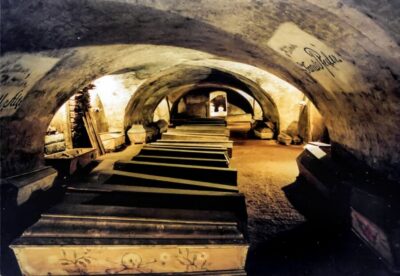
The Imperial Crypt, also known as the Capuchin Crypt, brings the Habsburg dynasty into focus. It is the burial place of Habsburg emperors and other members of the imperial family, and it gives the route a more solemn turn.
The guide provides historical context around the crypt and the dynasty connected with it. The attraction is especially valuable if you want to understand Vienna’s former ruling family without spending half a day in a museum. You get a concise explanation while walking through the center.
Entry tickets are not included. The tour information says the guide can help book tickets for desired visits, but you should treat admission as an additional cost. Ask your guide about the current visiting arrangements if entering the crypt is important to you.
This is also a place where time matters. A two-hour route cannot allow a long, detailed examination of every room or burial monument. You get an introduction and a chance to decide if you want to return for a closer look. That is a sensible setup if you are new to Vienna and still choosing how to spend your time.
Same Alps, a completely different kind of day:
- Vienna: Vivaldi’s Four Seasons Concert in Karlskirche
★ 4.7 · 14,951 reviews - Vienna: Spanish Riding School Training
★ 3.9 · 9,281 reviews - Vienna: Skip-the-cashier-desk-line Giant Ferris Wheel Ride
★ 4.5 · 7,859 reviews - Vienna: Schönbrunn Palace & Gardens Skip-the-Line Tour
★ 4.7 · 7,739 reviews
Ballgasse and Vienna’s older street pattern
Ballgasse is described as the oldest quarter in the city and forms one of the more intimate parts of the route. The street offers a different view of central Vienna from the large squares and monumental buildings.
Here, your guide can focus on the area’s culinary and historical character. The street is a good reminder that Vienna’s past is not found only in palaces. It also survives in small lanes, old building fronts, and the way the center is laid out.
I particularly like having a narrower street in the middle of the walk. Large attractions can blur together after a while. A smaller stop gives you a chance to slow down and notice the shape of the old city.
The information available does not specify particular restaurants or dishes at Ballgasse, so do not book this expecting a food tour. You may receive useful suggestions about where to eat, but food and drinks remain your responsibility.
Stephansplatz and St. Stephen’s Cathedral
Stephansplatz brings you to one of Vienna’s defining sights, St. Stephen’s Cathedral. The cathedral is described as being steeped in centuries of lore, and it gives the tour a strong visual center.
Expect time for sightseeing, photographs, and a guided explanation of the cathedral’s place in Vienna. The route does not include an entry ticket, so you should not assume that interior access, tower access, or any special visit is part of the $34 price.
Even from the square, St. Stephen’s Cathedral gives you a clear sense of Vienna’s long religious and civic story. The surrounding area also makes a useful point for independent exploring. After the walk, you can return to Stephansplatz, continue along Kärntner Strasse, or use the central location to reach other parts of the city.
Your guide’s advice can be particularly useful here. The activity includes recommendations for other things to do during your stay, and Stephansplatz is the kind of central point where several plans can branch out. Ask what deserves your time if you have only a day or two in Vienna.
Hofburg Palace and the Habsburg imperial center
The route also includes Hofburg Palace, one of the most important sights in Vienna’s imperial center. The palace complex is connected with the Habsburg dynasty, and your guide shares anecdotes about the family and its imperial legacy.
The Hofburg is a large complex rather than a single, quick attraction. A walking tour can explain its role and show you the setting, but it cannot replace a dedicated palace visit. If you want to enter museums or state rooms, tickets are not part of this experience.
That limitation is also part of the tour’s value. You can hear the basic story first, then decide which paid attractions deserve your time and money. A guide can help you sort out the difference between a short look at the exterior and a longer indoor visit.
The palace stop works well near the end because it ties together many earlier themes: court life, imperial power, ceremony, music, religion, and the shape of central Vienna. You finish with a clearer sense of why so many major sights are concentrated in this area.
What two hours really gives you
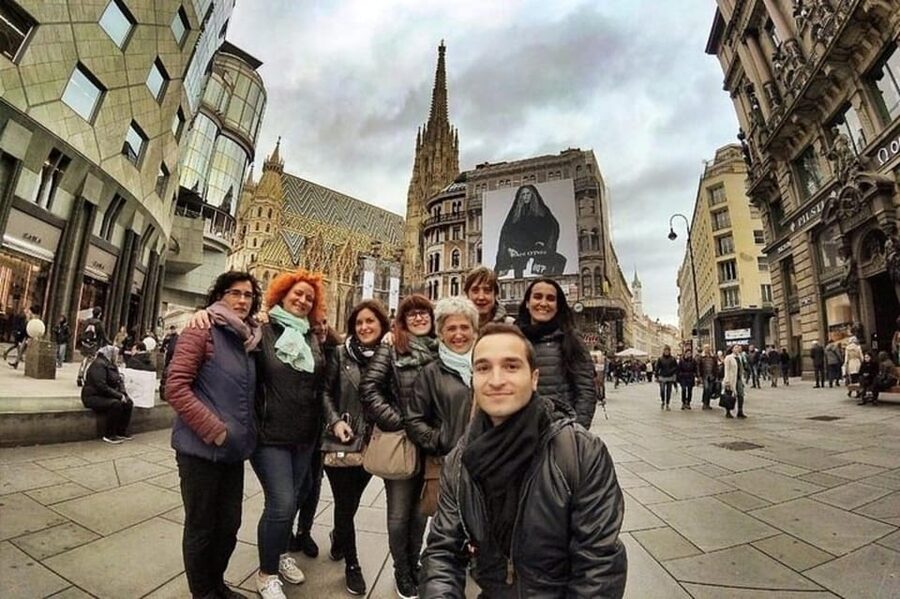
The tour lasts two hours and includes five main sightseeing areas: Hofburg Palace, the Vienna State Opera, Neuer Markt, Ballgasse, and Stephansplatz. The itinerary lists roughly 24 minutes for each stop, with walking and guided sightseeing included in the overall route.
That schedule gives you enough time to hear the basic story at each location and take photographs. It does not give you a leisurely museum visit, a long coffee break, or a detailed architectural study of every building.
I would use this tour as a first morning or first afternoon in Vienna. It helps you learn the layout before you spend money on separate admissions. It also gives you a chance to ask about the places you want to see next.
The tour returns to the meeting point at the end. You can then continue on your own with a better idea of where you are and which sights deserve a closer look.
The guide makes the difference
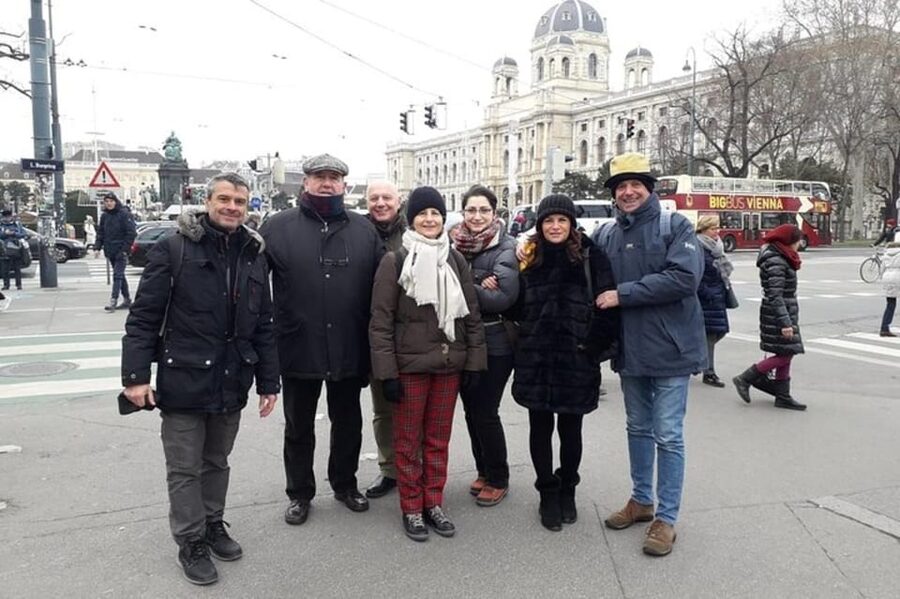
A walking tour succeeds or fails on the guide’s ability to explain, listen, and manage the pace. The strongest feedback here centers on Martin, who is described as friendly, professional, interesting, attentive, and full of useful information. One French-language guide was also praised as very professional.
That matters because this route contains several major sights that you can technically visit without help. The guide’s real value is in linking them together, explaining what you are seeing, and offering practical ideas for the rest of your visit.
Martin is especially worth noting if your departure is assigned to him. You can expect a guide who shares local tips, answers questions, and pays attention to what you want from the walk. The available details do not guarantee a particular guide, so treat Martin’s name as a helpful possibility rather than a promise.
The language choice is another practical point. English and French are available. One French-speaking participant chose this tour because it was the only French option available at the time, so the language offering may be a deciding factor for you.
Group or private: which option fits you?
The standard group tour is the better value if you want a guided introduction at the listed price of $34 per person. You see the main sights, get historical context, and receive suggestions for later without paying for a full private experience.
The private option costs more than the basic per-person price, but it offers customization. That could be useful if you want to spend more time on imperial history, focus on architecture, move at a slower pace, or adjust the route around your interests. The available information does not give a separate private price or guarantee specific changes, so confirm the details before booking.
I would choose the group option if this is your first visit and you mainly want orientation. I would consider private if your schedule is tight or if you already know which part of Vienna interests you most.
The tour is wheelchair accessible, which makes it a practical choice for many visitors. Still, it remains a two-hour outdoor walking experience, so comfortable shoes and suitable clothing are sensible for everyone.
Is $34 a fair price?
At $34 per person, the tour is priced as a guided introduction rather than a package with admissions. You are paying for an English- or French-speaking guide, a planned central route, local recommendations, and help booking tickets for visits you choose to make.
The value is strongest if you are unfamiliar with Vienna. A good guide can save you time by explaining the city’s layout and helping you choose which attractions deserve separate admission. The price is less appealing if you already know the center well or prefer to read about each sight independently.
Remember to budget separately for entry tickets, food, and drinks. The tour itself focuses on walking and guided sightseeing. That keeps the base price clear, but the total cost of your day will rise if you add the Imperial Crypt, Hofburg interiors, or other paid attractions.
Free cancellation up to 24 hours before the activity and a reserve-now, pay-later option make it easier to fit the tour into a changing schedule. The activity operates rain or shine, so check the forecast and bring weather-appropriate clothing.
Who should book this Vienna walk?
I would recommend this tour to first-time visitors who want the major central sights explained in a short period. It also suits you if you enjoy history but do not want a full museum program on your first day.
The route is a good fit for:
- People with a short stay in Vienna
- Visitors who want an introduction before booking palace or crypt admissions
- English- or French-speaking visitors
- Anyone who appreciates local advice about the rest of the city
- Visitors who prefer walking to organized vehicle sightseeing
- Couples, families, and small parties who may want a private option
You may want something else if your main goal is to enter every major attraction. This experience does not include entry tickets, and two hours is not enough for a thorough indoor visit at the Hofburg, the cathedral, or the Imperial Crypt.
Practical tips before you go
Meet at Albertinaplatz and look for the green umbrella. Arrive ready to walk, since the route connects several central sights rather than keeping you in one square.
Wear comfortable shoes. The tour takes place in all weather, so bring clothing that fits the forecast. A small umbrella or rain jacket may be useful, though the supplied information does not specify equipment provided by the guide.
Bring questions. The best use of a central orientation walk is to ask what you should do next. You can ask about the sights you may want to enter, where to spend extra time, and how to shape the rest of your stay.
If you want the Imperial Crypt or a Hofburg interior visit, ask about tickets early. Admissions are not included, but the guide can help with booking desired visits.
Should you book it?
Book this walk if you want a clear, human introduction to Vienna’s Old Town for $34, with the State Opera, Imperial Crypt, St. Stephen’s Cathedral, Ballgasse, Neuer Markt, and Hofburg in one route. The strongest reason to choose it is the guide’s local perspective, particularly if you get Martin or want the French-language option.
Skip it if you want a slow museum tour or a package that includes admissions and meals. For most first-time visitors, though, the combination of central sights, useful orientation, and practical recommendations makes this a sensible way to begin exploring Vienna.
FAQ
Where does the Vienna Old Town walking tour meet?
Meet your guide at Albertinaplatz in central Vienna. Look for the guide with the green umbrella.
How long does the tour last?
The walking tour lasts two hours.
What languages are available?
The live tour guide is available in English or French.
Are entry tickets included?
No. Entry tickets are not included, though the guide can help book tickets for visits you want to make.
Is the tour wheelchair accessible?
Yes, the activity is listed as wheelchair accessible.
Can I book a private tour?
Yes. A private group option is available, and the private tour can be customized.
What happens if it rains?
The activity takes place rain or shine. Bring comfortable shoes and clothing suited to the weather.
Just added around Vienna
- World War II History Vienna Old Town Private Walking Tour★ 4.8 · 9 reviews
- From Krems: Wachau Valley River Cruise on the Danube★ 4.6 · 95 reviews
- Vienna: Winery and Wine Tasting Tour with a Wine Expert★ 5.0 · 5 reviews
- Vienna: Wine Tasting E-Bike Tour★ 4.9 · 46 reviews
- Vienna: Wine Tasting at Schönbrunn Palace★ 4.3 · 71 reviews
- Vienna: Wine Tasting Tour★ 4.8 · 61 reviews
- Vienna: Wiener Schnitzel and Strudel Cooking Class★ 4.9 · 126 reviews
- Vienna Urban Art Tour: Explore a different side of Vienna!★ 3.8 · 14 reviews
Walking Tours, compared.
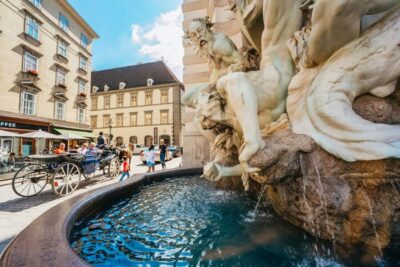
Guided Walking Tour of City Center Highlights
Read our review →
Guided Walking Tour of City Highlights & Hidden Gems
Read our review →
Vienna Historic Center Small Group Walking Tour
Read our review →
Browse the lists this tour appears in