
Reviewed · WALKING TOURS
Vienna: Jewish Life in Leopoldstadt 2-Hour Walking Tour
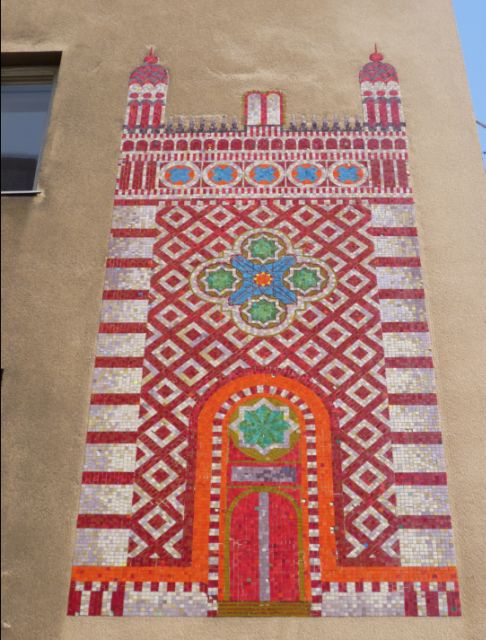
Leopoldstadt tells a side of Vienna that grand palaces and coffeehouses cannot. On this two-hour walking tour, you follow old traces of Jewish life between the Danube Canal and the Danube, including former synagogues, community buildings, and the plaques along the Path of Remembrance. I like that the route leaves the usual city-center circuit, and I like that it connects the past with Jewish life in Vienna today.
The tour costs $25 per person, a fair price for a focused history walk with a certified guide. The main consideration is language: the tour is offered in German, and synagogue entry, food, drinks, and transfers are not included. If you need an English tour, this is not the right booking.
Key points to know before you book
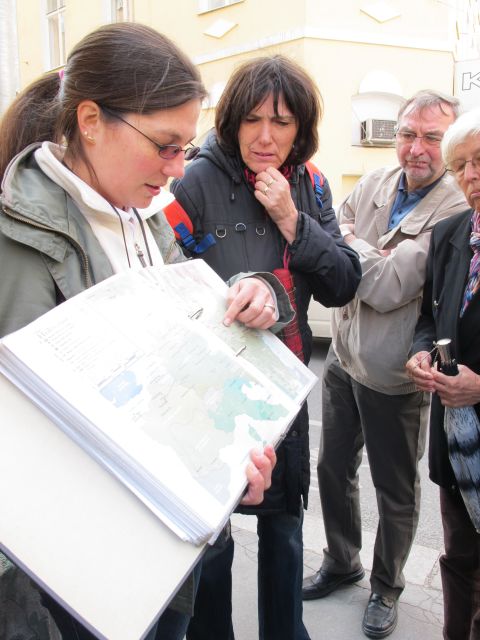
- A walk through former Jewish Vienna: Leopoldstadt was once a major center of Jewish life, and the route focuses on what remains and what has disappeared.
- Synagogues without synagogue entry: You learn about former houses of worship, but the tour does not include interior visits.
- The Path of Remembrance: Commemorative plaques help connect ordinary streets with the people and communities who lived there.
- A quieter alternative to central Vienna: The route explores the 2nd district rather than staying around the Hofburg, St. Stephen’s Cathedral, and Ringstrasse.
- German-speaking guidance: The live tour is conducted in German by a certified guide. Frau Timmermann is one guide associated with the experience.
- Easy public transport meeting point: Meet outside the U2 station at Taborstraße, at Obere Augartenstraße 74.
Why Leopoldstadt matters to Vienna’s Jewish story
Leopoldstadt lies in Vienna’s 2nd district, between the Danube Canal and the Danube. That location matters because the district was once a major center of Jewish life in the city. Its streets held homes, social institutions, houses of worship, and the daily networks of a large community.
This is not a tour built around one spectacular monument. Instead, you read the district through its streets and surviving traces. That approach can be more revealing than a quick stop at a single museum because it shows how a community shaped an entire neighborhood.
You will learn about Jewish life in Vienna at the beginning of the 20th century, when Leopoldstadt contained institutions that served religious, social, and community needs. The route also explains which magnificent synagogues and other houses of worship existed before the Second World War.
The value here is context. A synagogue was not only a place for prayer. Community life also depended on schools, social groups, charitable work, meeting places, and family networks. The tour helps you picture Leopoldstadt as a lived-in community rather than a set of isolated historic references.
A few more Vienna trips to weigh up
- Vienna: Guided Walking Tour of City Center Highlights
★ 4.7 · 4,989 reviews - Vienna: Vienna Central Cemetery Guided Walking Tour
★ 4.8 · 3,307 reviews - Vienna: Guided Walking Tour of City Highlights & Hidden Gems
★ 4.9 · 2,180 reviews
Starting at Taborstraße in the second district
The meeting point is outside the U2 station Taborstraße, at the Taborstraße exit, near Obere Augartenstraße 74. This is a practical starting point because you can reach it by Vienna’s underground system rather than arranging a taxi or private transfer.
Give yourself enough time to find the correct exit. The meeting point is tied to the Taborstraße exit, so coming out at another station exit could cost you a few minutes. Since this is a walking tour, comfortable shoes are a sensible choice, even though the supplied details do not specify the exact distance or walking pace.
The setting also gets you out of Vienna’s most familiar tourist zone from the first minute. You are not beginning beside the Hofburg or St. Stephen’s Cathedral. You are starting in Leopoldstadt, where the subject of the tour is part of the district itself.
A certified guide leads the walk. The experience is listed as wheelchair accessible, which is useful for visitors who need an accessible route. Still, the description does not give detailed information about pavement, slopes, rest stops, or the exact route, so anyone with specific mobility needs should confirm those points before booking.
Reading the old traces of Jewish life
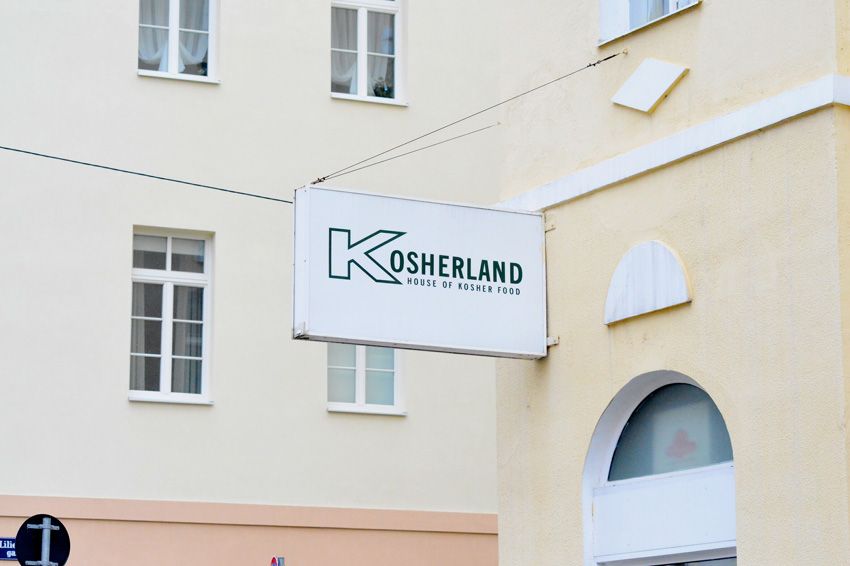
The first major theme is the difference between what remains and what has vanished. Leopoldstadt once had a strong Jewish presence, but the district you see today cannot be read at a glance. Buildings may have new uses, communities may have changed, and former houses of worship may no longer function as they once did.
The guide’s job is to make those lost connections clear. You learn where social and community institutions shaped the district and how Jewish life fit into the wider city. This gives the walk a useful rhythm: you see a street or building, then learn what role it played in the community before the Second World War.
That is also why this experience suits people who prefer local history to a checklist of famous sights. The focus is not on photographing a grand exterior and moving on. It is on understanding how a district worked and how its Jewish identity was expressed in daily life.
The tour’s strongest subject is probably the contrast between physical evidence and historical memory. Some traces can be seen in the urban setting. Others survive through explanations and commemorative markers. You need to listen closely, since the full story is not always obvious from the street.
Synagogues, houses of worship, and what disappeared
The tour gives special attention to the synagogues and houses of worship that existed in Leopoldstadt before the Second World War. These buildings help explain the scale and importance of Jewish life in the district.
The description does not promise entry into a synagogue, and synagogue admission is specifically excluded. You should therefore expect an exterior and historical tour rather than an interior religious visit. That is not a flaw, but it is important if you are hoping to see a functioning sanctuary from inside.
Learning about former synagogues in their neighborhood setting has its own value. You can connect religious buildings with the homes, institutions, and streets around them. The guide can show how worship was part of a wider community pattern, not a separate attraction tucked away from ordinary life.
The story also carries the weight of what happened during the Second World War. The tour looks at Jewish life before that rupture, then connects those earlier communities with the traces visible today. The tone is likely serious, and you should allow room for the subject rather than treating this as light sightseeing between cafés.
Same Alps, a completely different kind of day:
- Vienna: Vivaldi’s Four Seasons Concert in Karlskirche
★ 4.7 · 14,951 reviews - Vienna: Spanish Riding School Training
★ 3.9 · 9,281 reviews - Vienna: Skip-the-cashier-desk-line Giant Ferris Wheel Ride
★ 4.5 · 7,859 reviews - Vienna: Schönbrunn Palace & Gardens Skip-the-Line Tour
★ 4.7 · 7,739 reviews
Following the Path of Remembrance
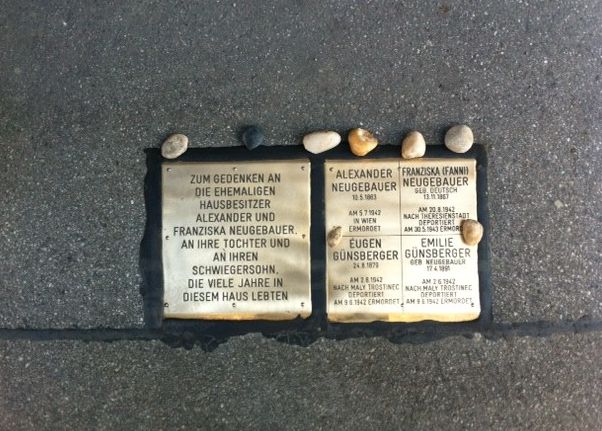
One of the most concrete parts of the walk is the Path of Remembrance. Commemorative plaques marked along the route help you move from broad historical context to specific acts of memory.
These markers matter because they place remembrance in the streets where people lived. Instead of keeping the subject inside a museum, the route asks you to notice the names and memorial signs within the neighborhood. The past becomes part of the walk itself.
You will not get a full list of plaque locations in advance, and the supplied details do not state how many markers the tour includes. What you can expect is a route that uses these plaques to explore Jewish life, loss, and memory in Leopoldstadt.
I like this part of the experience because it gives you something to look for after the tour ends. If you return to the district later, the plaques may mean more because you have learned how they fit into the area’s wider story.
Connecting the past with Jewish life today
The walk does not stop before the Second World War. It also considers how Jewish people live in Vienna today. That present-day angle keeps the tour from treating Jewish life as something that belongs only to the past.
The balance is useful. You first learn about the former center of Jewish life, then see how the city’s Jewish community exists now. The tour does not present Leopoldstadt as a frozen memorial district. It links historical change with a living community.
The available details do not specify which current institutions or buildings you will visit. It is better to think of this portion as a guided discussion of Jewish life in Vienna today, supported by the streets and memorials around you, rather than as a guaranteed visit to a particular modern synagogue or community center.
That distinction matters when you compare tours. If you want a museum collection or an interior religious service, this walk may feel too street-based. If you want to understand how memory and present-day life share the same urban space, the format makes good sense.
The guide and the German-only format
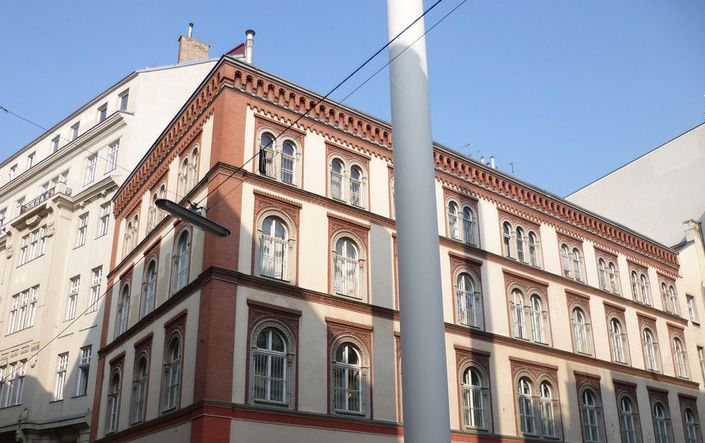
The tour is led in German by a certified live guide. Frau Timmermann is identified as one of the guides, and her approach is described as highly engaged, well informed, and easy to follow. Other guide assignments may vary, so you should not assume she will lead every departure.
The German-only format is the biggest practical filter. If you are comfortable listening to German for two hours, the tour offers a focused way to learn about a subject that can be hard to understand from signs alone. If you are not, the experience will lose much of its value.
The feedback attached to the booking is especially strong on the guide’s presentation. The tour is described as informative, well structured, competent, and entertaining. Those comments point to a walk that aims to hold your attention rather than simply recite dates and names.
You should still match the style to your own interests. This is a history-centered walk with a serious subject. It is not designed as a general introduction to Vienna, and it will not cover the city’s best-known imperial sights.
Is $25 a good value for two hours?
At $25 per person, the price is reasonable if you want a specialist walking tour rather than a broad city overview. You are paying for a certified guide, a carefully focused subject, and two hours of interpretation in the streets of Leopoldstadt.
The value is strongest for visitors who would otherwise pass through the district without understanding its importance. A self-guided walk can show you streets and plaques, but it may not explain how synagogues, social institutions, houses of worship, and present-day Jewish life connect.
The price does not cover transfers, food, drinks, or synagogue entry. Those exclusions keep the tour simple, but they also mean you should budget separately for anything you want before or after the walk. Since the tour begins at a U2 station, you can handle transport yourself with Vienna’s public transit.
Two hours is a useful length for this topic. It is long enough to build a clear story, but short enough to fit around other sightseeing. You will not receive an exhaustive study of Jewish Vienna in that time, and the route cannot cover every institution or memorial. Think of it as a focused introduction to Leopoldstadt.
Who should book this walk?
I would recommend it to anyone interested in Jewish history, Vienna’s 2nd district, memorial culture, or the social history behind the city’s buildings. It also suits repeat visitors who have already seen the central sights and want a more local subject.
German-speaking visitors are the natural audience because the live tour is offered in German. The wheelchair-accessible listing may also make it a useful option for visitors who need an accessible activity, though you should confirm route details if you have particular requirements.
Families with older children may find the subject worthwhile if the children can engage with serious historical material. The tour is not presented as a child-focused activity, so very young children may not get much from it.
I would skip it if you want synagogue interiors, a food experience, or a general tour of Vienna’s headline attractions. I would also skip it if you cannot follow German comfortably. In those cases, the price is not the issue. The format simply will not match what you need.
Practical details for your booking
The tour lasts two hours, with starting times shown according to availability. It includes a certified guide and does not include transfers, food, drinks, or synagogue entry.
You can cancel up to 24 hours before the start for a full refund, and you can reserve now while paying later. Those terms are helpful if your Vienna schedule is still shifting.
The meeting point is in the 2nd district, outside the U2 station Taborstraße at the Taborstraße exit, near Obere Augartenstraße 74. Check the exact starting time and language before confirming, since the live tour is listed in German.
Should you book the Jewish Life in Leopoldstadt tour?
Book this tour if you want a focused, serious walk through Jewish Vienna rather than another circuit of imperial sights. For $25, you get a clear two-hour introduction to Leopoldstadt’s former institutions, vanished and surviving houses of worship, remembrance plaques, and Jewish life today.
The decision comes down to language and expectations. German speakers with an interest in history should find the format useful, especially if they want to understand a district beyond its tourist surface. Visitors seeking English guidance, synagogue entry, or a broader Vienna tour should choose something else.
FAQ
Where does the Jewish Life in Leopoldstadt tour meet?
It meets in Vienna’s 2nd district, outside the U2 station Taborstraße, at the Taborstraße exit near Obere Augartenstraße 74.
How long does the walking tour last?
The tour lasts two hours.
What language is the tour offered in?
The live tour guide speaks German, and German is the listed tour language.
Is the tour wheelchair accessible?
Yes, the activity is listed as wheelchair accessible.
What does the tour include?
It includes a certified tour guide.
Are synagogue visits included?
No. Synagogue entry is not included.
Are transfers included?
No. Transfers are not included, so you need to make your own way to the meeting point.
Can I cancel for a full refund?
Yes. You can cancel up to 24 hours in advance for a full refund.
How much does the tour cost?
The price is $25 per person.
Just added around Vienna
- World War II History Vienna Old Town Private Walking Tour★ 4.8 · 9 reviews
- From Krems: Wachau Valley River Cruise on the Danube★ 4.6 · 95 reviews
- Vienna: Winery and Wine Tasting Tour with a Wine Expert★ 5.0 · 5 reviews
- Vienna: Wine Tasting Tour★ 4.8 · 61 reviews
- Vienna: Wine Tasting E-Bike Tour★ 4.9 · 46 reviews
- Vienna: Wine Tasting at Schönbrunn Palace★ 4.3 · 71 reviews
- Vienna: Wiener Schnitzel and Strudel Cooking Class★ 4.9 · 126 reviews
- Vienna Urban Art Tour: Explore a different side of Vienna!★ 3.8 · 14 reviews
Walking Tours, compared.
Guided Walking Tour of City Center Highlights
Read our review →
Guided Walking Tour of City Highlights & Hidden Gems
Read our review →
Vienna Historic Center Small Group Walking Tour
Read our review →
Browse the lists this tour appears in