
Reviewed · WALKING TOURS
Vienna: Viennese Underworld Guided Walking Tour
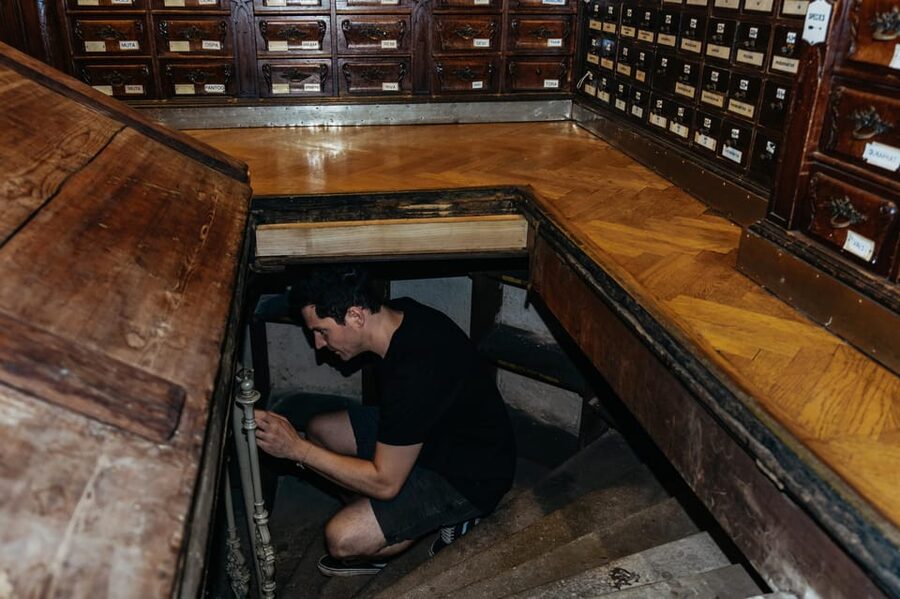
Vienna’s grand streets conceal a gloomier world below: private cellars, wartime shelters, old medicine rooms, and corridors with stories far removed from the city’s polished imperial image. This guided walk gives you a close look at those spaces and the odd purposes they once served.
I like the choice of three tour lengths, and I like that each option has a different focus rather than simply adding more of the same. Guides such as Bella bring a friendly, lively touch to a subject that could otherwise feel grim. The main drawback is the physical setting: stairs, uneven ground, dirt, and tight spaces make this a poor pick if you dislike enclosed areas or have limited mobility.
Key things to know before going underground
- Several private basements: The exact cellars depend on your selected 1, 1.5, or 2-hour option.
- A darker side of Vienna: Expect stories tied to wartime relics, air-raid shelters, medicine, and refuge for outcasts.
- German-led experience: The live guide speaks German, with an optional English audio guide available through your phone.
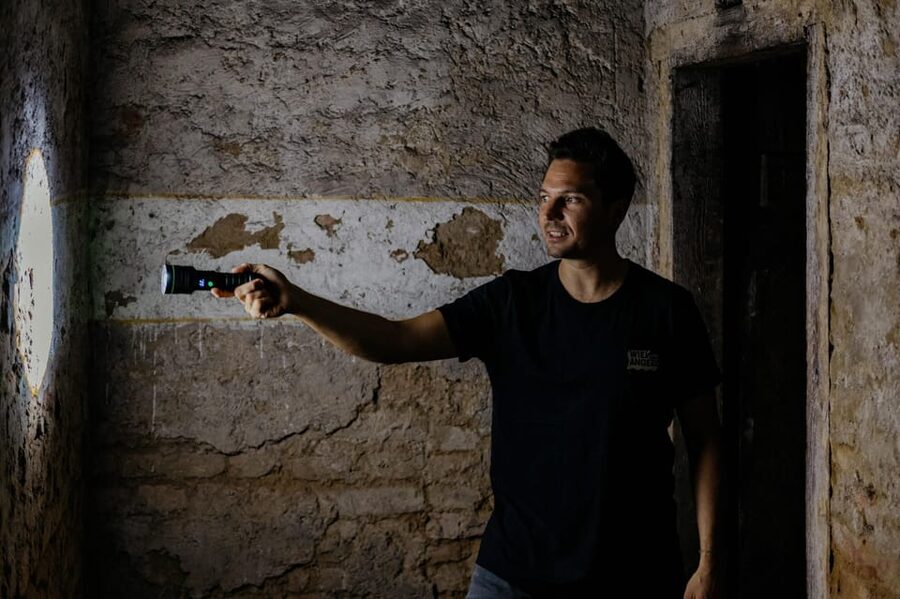
- Bring your own light: A flashlight is required, and your phone light can work in a pinch.
- Rough conditions: Wear closed-toe sports shoes and clothes that can get dirty.
- Small-group option: A smaller group is available, useful in narrow rooms and old corridors.
What this Vienna underground tour is really about
This is not a standard city walk with a few cellar anecdotes added on. You leave the ordinary street level of Vienna and enter a series of historical basements in the city center, each connected with a different chapter of the city’s past.
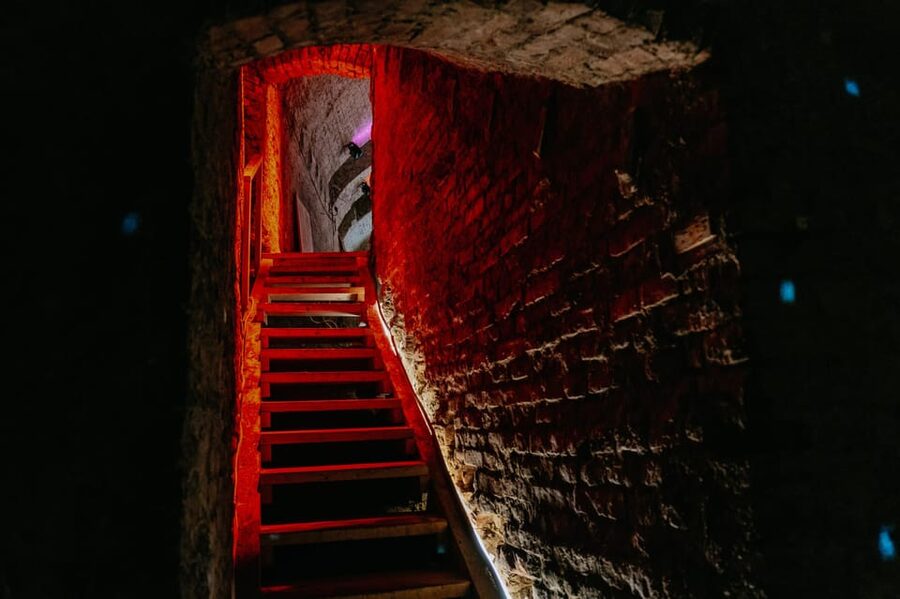
The appeal is partly the setting. A basement with low ceilings, worn surfaces, and limited light changes how you receive a story. A fact about wartime Vienna can feel more immediate when you are standing in a former shelter rather than looking at a photograph in a museum.
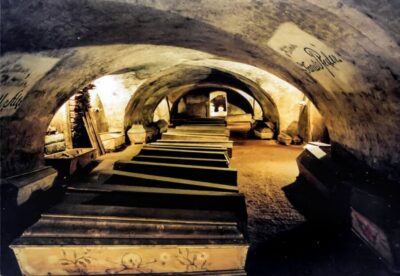
The tour also works because it avoids presenting Vienna as only elegant palaces, coffeehouses, and grand architecture. You get a look at spaces used for practical, secretive, or desperate purposes. Some sites held supplies or medical equipment. Others offered protection during air raids or refuge to people living outside normal society.
The exact route depends on the booking option. That matters. Read the descriptions carefully before paying, since the 1-hour, 1.5-hour, and 2-hour versions do not simply represent the same tour at different speeds. Each has its own combination of basements and subjects.
A few more Vienna trips to weigh up
- Vienna: Guided Walking Tour of City Center Highlights
★ 4.7 · 4,989 reviews - Vienna: Vienna Central Cemetery Guided Walking Tour
★ 4.8 · 3,307 reviews - Vienna: Guided Walking Tour of City Highlights & Hidden Gems
★ 4.9 · 2,180 reviews
Choosing between the 1-hour, 1.5-hour, and 2-hour routes
The 1-hour option makes the most sense if you want an unusual break from sightseeing without committing a large part of your day. It gives you a taste of Vienna below street level and suits a packed schedule. The tradeoff is simple: you will have less time for different sites and fewer layers of the city’s past.
The 1.5-hour option is a useful middle choice. You get more room for explanations and a broader look at the underground spaces without giving up half a day. If you are unsure how comfortable you will feel underground, this length may offer a sensible balance.
The 2-hour option is for people who want the fullest version of the subject. It can include more relics, more basement spaces, and more time for questions, depending on the chosen route. I would pick it if underground history is a main interest, not just a novelty between major Vienna sights.
Do not assume that the longest route is automatically best for everyone. The longer you remain below ground, the more important your comfort with stairs, darkness, and uneven floors becomes. If you have claustrophobia, the tour is not recommended at any length.
Entering Vienna’s private cellars
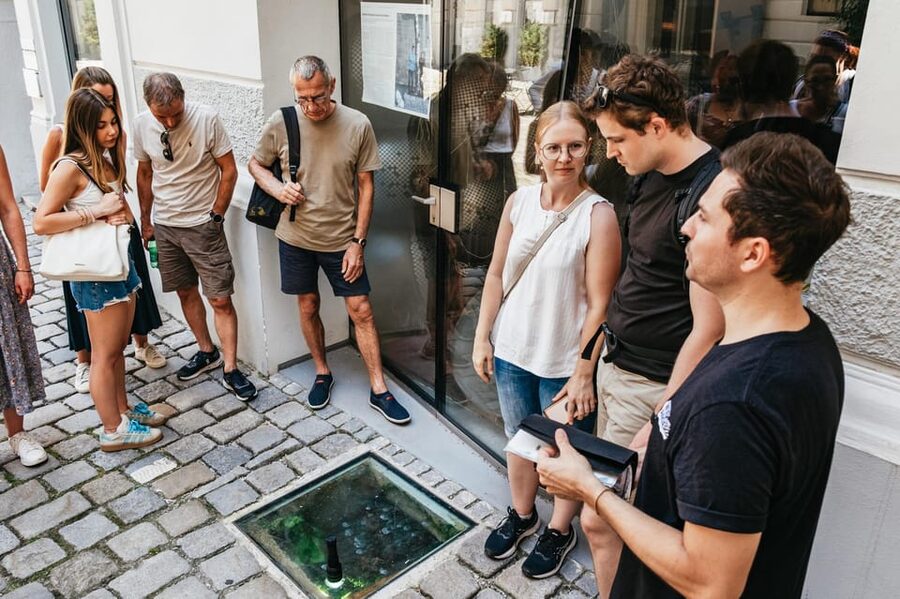
The tour begins at a meeting point that varies by option, so check your booking details closely. From there, the guide leads you to private basements in the heart of Vienna. The entry itself is part of the experience: you move away from the familiar city streets and descend through spaces that most people would never see on a normal walking route.
These are not described as polished museum galleries. You should expect old surfaces, partly uneven terrain, and places that may feel dusty or cramped. That roughness is important. It gives the rooms a sense of use rather than turning them into a neat display about the past.
You will descend several stairs, and there are no elevators. Wear shoes with a firm sole and closed toes. Sports shoes are a good choice, while sandals, smooth dress shoes, and anything you would worry about getting dirty are best left at the hotel.
The guide sets the pace and explains the former uses of the rooms. The guide’s role matters here because the spaces themselves may not explain much. Without context, a cellar can look like an empty room. With a story attached to it, the same room becomes evidence of how people stored goods, prepared medicine, sought shelter, or hid from danger.
Wartime relics and former air-raid shelters
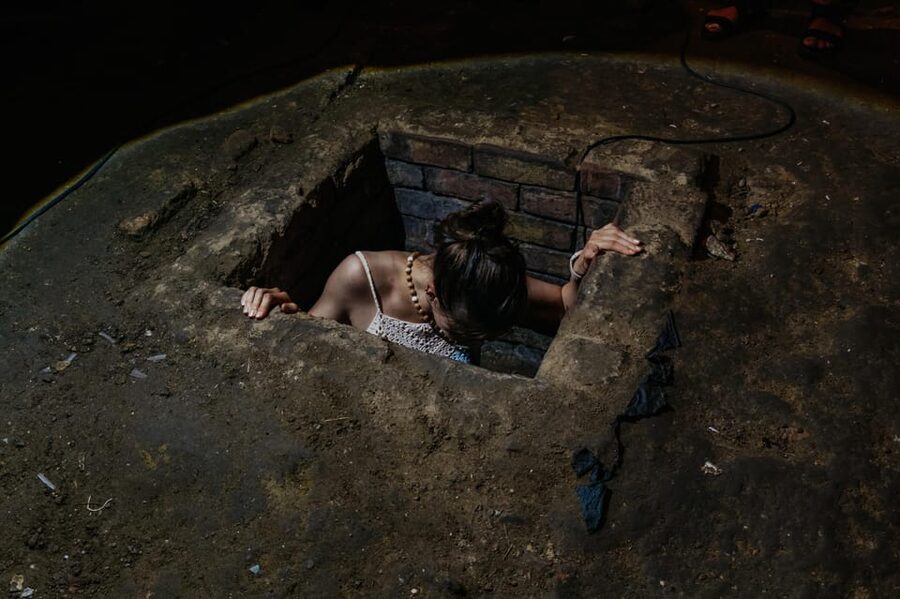
Some route options include World War II relics and former air-raid shelters. These sites offer a more serious part of the tour, showing how Vienna’s underground areas could become places of protection during a period of danger.
The value is not only in seeing an old object or a bare shelter. You begin to understand how ordinary buildings could take on a second function. A basement was no longer just storage. It could become a place where people waited out an attack, guarded essential items, or tried to find safety.
The atmosphere can be unsettling, and that is part of the point. This is not a lighthearted ghost walk built around invented scares. The darker mood comes from the actual uses of the spaces and the knowledge that people once depended on them.
If you prefer cheerful sightseeing, this section may feel heavy. If you want a fuller picture of Vienna, it adds something that palace tours often leave out. The guide’s tone also makes a difference. The supplied information describes German-speaking guides and specifically highlights Bella’s ability to make the walk entertaining, clear, and easy to follow while still covering serious material.
Same Alps, a completely different kind of day:
- Vienna: Vivaldi’s Four Seasons Concert in Karlskirche
★ 4.7 · 14,951 reviews - Vienna: Spanish Riding School Training
★ 3.9 · 9,281 reviews - Vienna: Skip-the-cashier-desk-line Giant Ferris Wheel Ride
★ 4.5 · 7,859 reviews - Vienna: Schönbrunn Palace & Gardens Skip-the-Line Tour
★ 4.7 · 7,739 reviews
The old pharmacy laboratory and medicine cellar
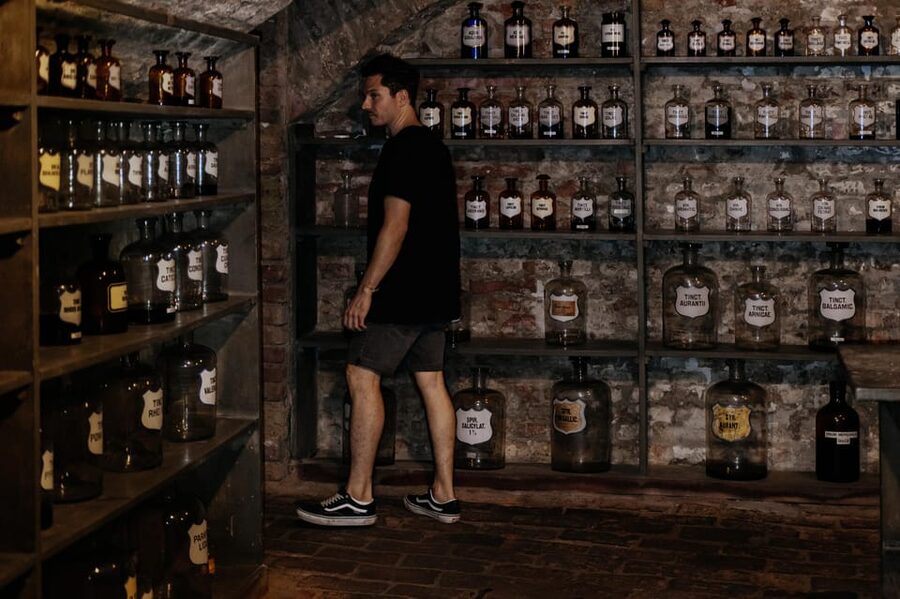
Depending on your selected option, you may visit a historical pharmacy laboratory and medicine cellar. This is one of the more unusual subjects in the tour because it moves away from war and shelter into the history of treatment and preparation.
A former medicine space can tell you about the working side of health care: storage, ingredients, tools, and the practical conditions in which remedies were made or kept. The tour description does not promise a fixed list of objects, so you should not expect the same relics on every route. The attraction is the room and its former purpose, explained on site.
This stop should appeal to you if you enjoy small-scale history. It is less about famous names and major monuments, and more about the rooms that supported daily life. I find that kind of setting useful because it shows how a city functioned behind its public face.
The basement conditions remain a factor. Stairs and limited light apply here too, and your flashlight helps you see surfaces and steps. The phone audio guide is optional, but headphones can improve the sound if you choose the English version.
Refuge spaces and the city’s outcasts
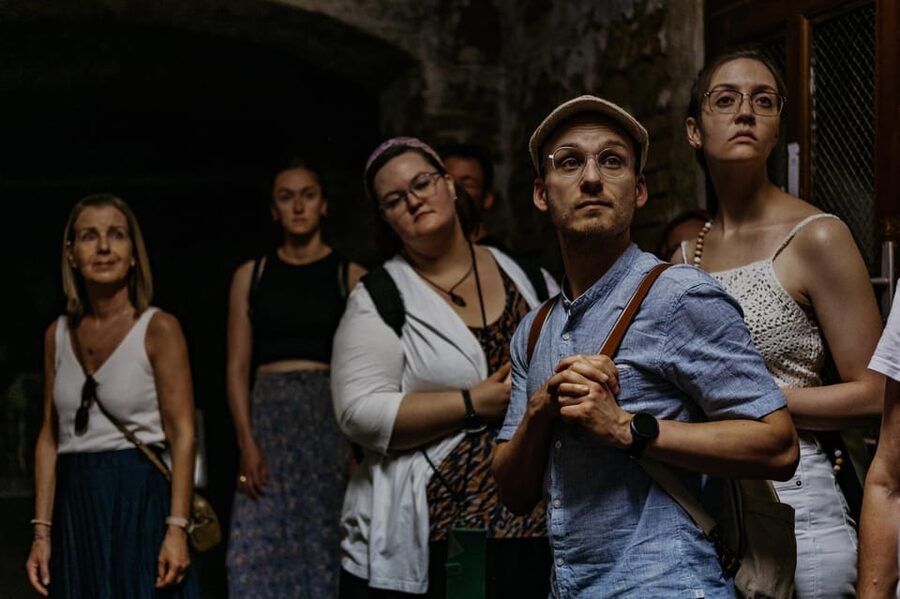
Other route options include places once used as refuge for outcasts. The wording points to a less comfortable part of Vienna’s social past, where certain people existed outside the accepted order and needed shelter or protection.
This part of the tour can broaden your view of the city. Vienna’s history is not only about rulers, composers, grand apartments, and formal institutions. It also includes people who had little power and relied on hidden or marginal spaces.
The information provided does not identify every group connected with these rooms, so I would not book expecting a precise story about one named person or event. Instead, expect the guide to explain the former use of the location and its place in the city’s darker social history.
That uncertainty is one reason to choose the option description carefully. Each route promises different relics and rooms. If a particular subject matters most to you, select the version that names it rather than assuming every tour covers all the locations.
Why the guide makes a difference
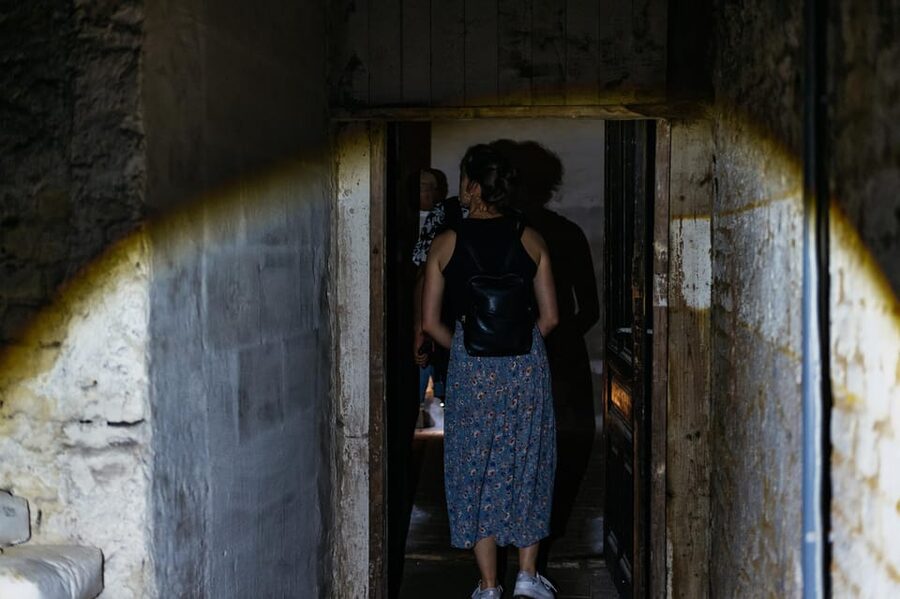
A live guide leads the walk in German. An English audio guide can be downloaded to your phone, which gives English-speaking visitors a way to follow the information while still taking part in the physical tour.
Bring your smartphone before arriving. You will also want your own headphones, since headphones are not included. A phone-based guide is practical, but it may feel less personal than a live tour in your language. You may need to divide your attention between the room, the guide, and your screen.
For German speakers, the live format is the stronger choice. Bella is singled out for being friendly, clear, funny, and willing to answer questions. That combination suits this experience well. A gloomy basement can become slow if the explanation is flat, while a warm guide can keep the pace moving through an otherwise unfamiliar subject.
A guide also helps with safety. You are walking on partly uneven terrain, and the group must move through old spaces with stairs and limited light. Listen closely when the guide points out changes in the floor or the route ahead.
What the 1 to 2 hours feel like
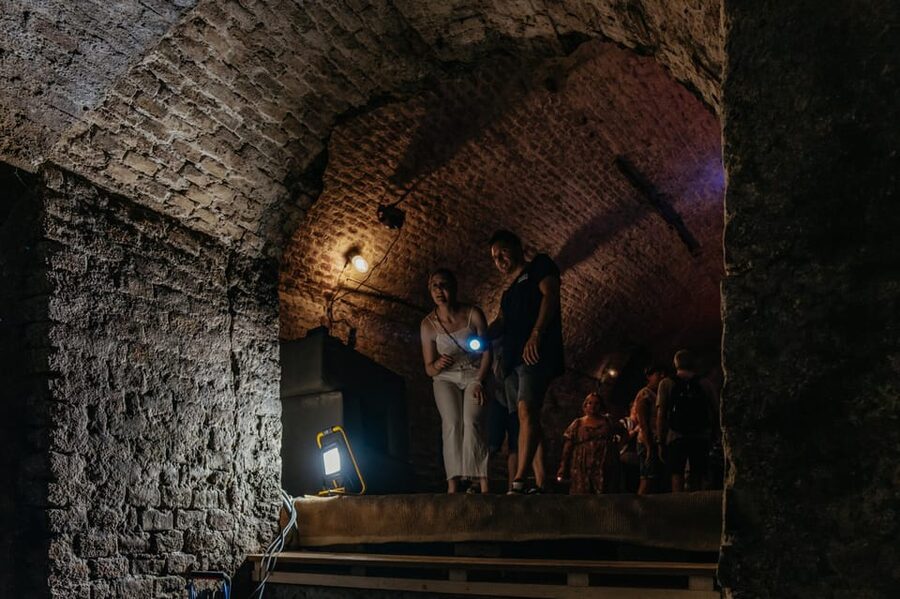
The duration is short enough to fit into a day of sightseeing, but the physical effort makes it feel more active than a typical museum visit. You are walking, standing, and going up and down stairs rather than sitting through a presentation.
The beginning is likely to feel like a transition from ordinary Vienna to something less familiar. Once below street level, the tour shifts toward explanation and discovery. The middle portion depends on the selected route and may focus on wartime material, medicine, refuge, or a mix of these subjects.
At the end, you return to the surface with a different sense of the city. The tour does not replace Vienna’s major museums or historic buildings. It adds a layer that those sights cannot easily provide: the practical, concealed spaces under the streets.
Because the tour lasts no more than two hours, it does not require a full day or a large meal break. Food and drinks are not included, so plan those separately. The experience is best placed when you can walk afterward without rushing to a timed attraction.
Price, group size, and what you receive
At about $37 per person, the cost is reasonable if your chosen option includes several distinctive basement spaces and you value a live explanation. You are paying for the guide, the tour, entry fees for the selected attractions, and access to private areas that are not part of a normal self-guided city walk.
The price is less attractive if you only want a quick look at one old cellar or if you are unlikely to enjoy the physical conditions. The tour’s value depends heavily on your interest in unusual history. For someone focused on Vienna’s major art museums, it may be an optional extra. For someone who has already seen the palaces and wants a different side of the city, it offers a clear change of pace.
A small group is available. That can matter in narrow basement rooms, where a large crowd may make it harder to hear or see. Confirm the group format when you book if personal space and easy access to the guide are important to you.
You can cancel up to 24 hours before the activity for a full refund, and a reserve-now, pay-later option is available. Those terms help if your Vienna schedule is still changing, but they do not remove the need to check the meeting point for your specific route.
What to bring for a safer, easier visit
Pack for conditions below ground, not for a smart city stroll. You should bring:
- A flashlight, or a phone with a reliable light
- Closed-toe sports shoes
- Comfortable clothing
- Clothes that can get dirty
- Your smartphone for the audio guide
- Personal headphones if you want the English audio
A real flashlight is better than relying only on your phone. It leaves your phone free for the audio guide and gives you a steadier beam when watching your footing.
Participation is at your own risk. The warning is worth taking seriously because the terrain is partly uneven and the route includes several stairs. Wheelchair users and people with mobility impairments cannot take part, and the tour is not recommended if you have claustrophobia.
Children under 10 are not permitted. Older children may still find the material or atmosphere too serious, so consider your family’s comfort with wartime subjects and refuge spaces before booking.
Who should book this underground walk?
I would recommend it to you if you have already seen Vienna’s famous surface sights and want history that feels less tidy and less familiar. It suits people who enjoy old buildings, wartime stories, medical history, and places that still show signs of their former purpose.
It is also a good match if you prefer a small, focused activity to a large museum. The 1-hour option works well for a short schedule, while the 1.5-hour and 2-hour versions give the subject more room.
I would skip it if you need step-free access, dislike dirt or darkness, or want an English-speaking guide who explains everything live. The optional English audio guide helps, but it is not the same as a live English tour.
Should you book the Vienna Underworld tour?
Book it if the idea of walking through real basements, shelters, and old working spaces sounds more interesting than another polished monument. At $37, it is a fair use of time for a distinctive Vienna experience, especially when you choose a route that matches your interests.
Choose the 1-hour version for a compact introduction, the 1.5-hour route for balance, or the 2-hour option if you want the broadest underground program and can handle the conditions. Bring a flashlight, wear shoes you trust, and read the option description before booking. If you do that, this tour can give you a memorable look at Vienna that most visitors never see.
FAQ
How long does the Vienna Underworld tour last?
You can choose a tour lasting 1, 1.5, or 2 hours. Starting times vary, so check availability for your selected option.
What language is the tour in?
The live guide speaks German. An optional English audio guide is available through a phone download.
Do I need to bring a flashlight?
Yes. Bring your own flashlight, or use the light on your phone. A real flashlight is more convenient because you can keep your phone available for the audio guide.
Are the different tour options the same route?
No. The 1-hour, 1.5-hour, and 2-hour options have different focuses and may visit different private basements. Read the description of your chosen option before booking.
Is the tour suitable for wheelchair users or people with limited mobility?
No. The route includes several stairs, has no elevators, and contains partly uneven terrain. It is not suitable for wheelchair users or people with mobility impairments.
What should I wear?
Wear comfortable clothing, closed-toe sports shoes, and clothes that can get dirty. The underground areas may have uneven surfaces, so sturdy footwear is important.
Just added around Vienna
- Ottakringer Brewery tour★ 4.0 · 6 reviews
- New Hofburg Palace Tour House of Habsburg★ 4.5 · 5 reviews
- Private Van & Walk Tour – One Perfect Day in Vienna★ 5.0 · 21 reviews
- True Crime mobile puzzle rally Vienna★ 4.0 · 3 reviews
- Vienna Naschmarket Food Tasting Tour★ 4.0 · 30 reviews
- Vienna Nightlife Experience: Food, Wine, Cocktails & Vibes★ 5.0 · 119 reviews
- Myth Mozart★ 4.0 · 80 reviews
- ( Night Tour ) With Private Guide + wine or prosecco★ 4.0 · 12 reviews
Walking Tours, compared.

Guided Walking Tour of City Center Highlights
Read our review →
Guided Walking Tour of City Highlights & Hidden Gems
Read our review →

Vienna Historic Center Small Group Walking Tour
Read our review →
Ghosts and Legends Guided Nighttime Walking Tour
Read our review →Browse the lists this tour appears in