
Reviewed · HISTORICAL TOURS
Vienna: Historical Pharmacy Cellar Guided Tour
Under Vienna’s streets sits a gloomy world of old cellars, corridors, shafts, and medicine rooms. This one-hour tour takes you through a private pharmacy cellar beneath the Schutzengel Apotheke, where 160 years of pharmaceutical history survive in a setting that feels far removed from the grand boulevards above.
I like two things right away: the tour gives you rare access to a non-public cellar, and it connects Vienna’s underground spaces with the practical history of medicine. You will see an old laboratory, a former medicine cellar, and relics from an earlier age of pharmacy. The small group, limited to 10 people, also leaves room for questions.
The main drawback is physical. You must descend many steps, with no elevator, and some of the cellar spaces may feel gloomy or confined. The German-language guide is another important consideration if you do not understand German well.
Key Points to Know Before You Go
- Enter through an operating pharmacy: Meet at the side entrance of Schutzengel Apotheke on Taubstummengasse, opposite number 17.
- Explore a private cellar: This is not a general walk through public streets. You receive access to a normally closed pharmacy cellar.
- See an old laboratory and medicine cellar: The surviving rooms and objects help explain how pharmacy once worked.
- Follow 160 years of medical history: The tour links the underground setting with changing methods of medicine and pharmaceutical work.
- Prepare for steep stairways: There are many steps, no elevator, and participation is not suitable for wheelchair users or people with limited mobility.
- Expect German narration: The live tour is offered in German, and the group size is limited to 10.
Starting at Schutzengel Apotheke on Taubstummengasse
Your meeting point is easy to identify: the side entrance of the Schutzengel Apotheke on Taubstummengasse, opposite Taubstummengasse 17. That detail matters because you are not meeting at a broad city square or a major museum entrance. Look for the pharmacy itself and use the side entrance.
From there, the tour shifts quickly from ordinary Vienna to the city below. The separate entrance also means you skip a standard public queue, though this is a small guided experience rather than a major attraction with long lines.
I recommend arriving with enough time to find the pharmacy and gather before the start. The supplied information does not give a required arrival time, but a cellar tour is not the place to rush in at the last moment. Your guide needs to lead the group through a controlled entrance and down into spaces that are not open for casual exploring.
The guide speaks German. If you understand German, the small group should make it easier to follow the explanation and ask questions. If you do not, you may still appreciate the rooms and objects, but the historical side of the visit will be harder to follow.
A few more Vienna trips to weigh up
- Vienna: Time Travel and Magic Vienna History Tour
★ 4.6 · 3,879 reviews - Vienna: World War II Historical Walking Tour
★ 4.8 · 1,772 reviews - Vienna Historic Center Small Group Walking Tour
★ 5.0 · 1,746 reviews
Going Below Vienna’s Streets
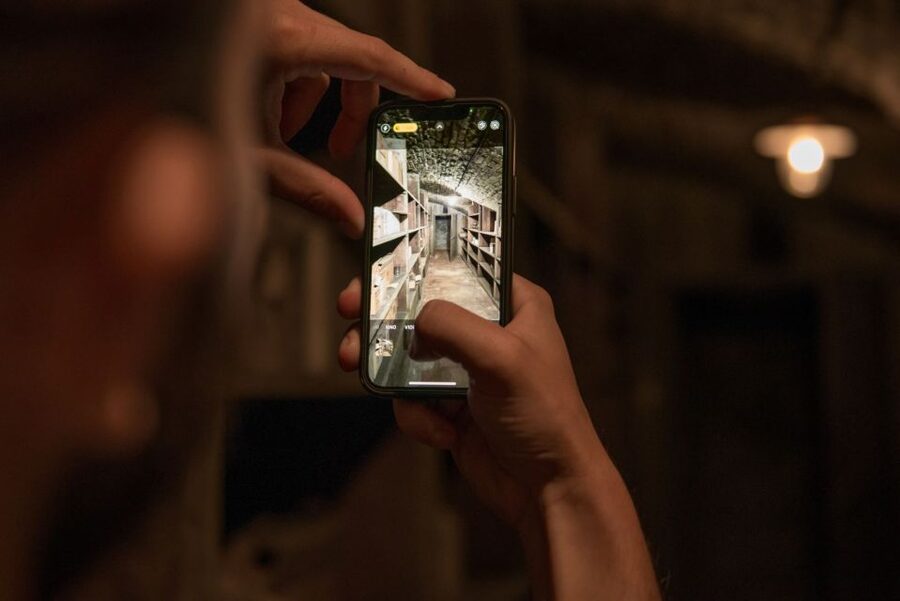
The heart of the experience is the descent into the old pharmacy cellar. Vienna has an extensive underground world of corridors, shafts, and subterranean buildings, and this tour uses one former medicine cellar to show a small, highly specific part of it.
You should think of this as a guided look at an old working space, not as a polished museum. The atmosphere is gloomy and old-fashioned. That is part of the appeal. The cellar offers a look at the less decorative side of Vienna, away from palace rooms, concert halls, and carefully restored façades.
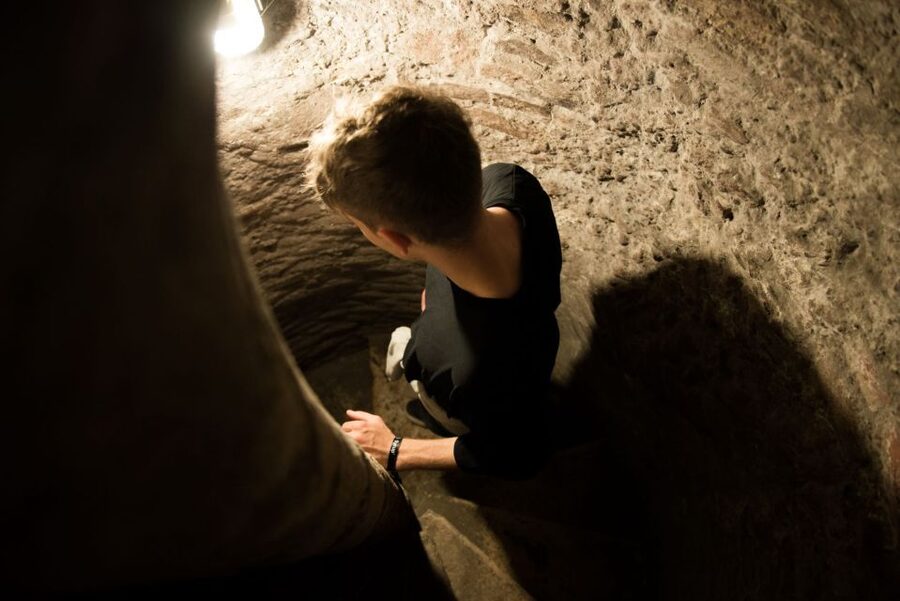
The physical descent shapes the whole visit. You will go down many steps, and there are no elevators. Sports shoes or other closed-toe shoes are required. Comfortable footwear is a sensible choice because uneven or steep stairs are much easier to manage in shoes with a firm sole.
The tour is not recommended for children under 10, people with mobility impairments, or wheelchair users. The operator also makes clear that you participate at your own risk. This is not a good choice if stairs are painful, tiring, or difficult for you.
The Former Medicine Cellar
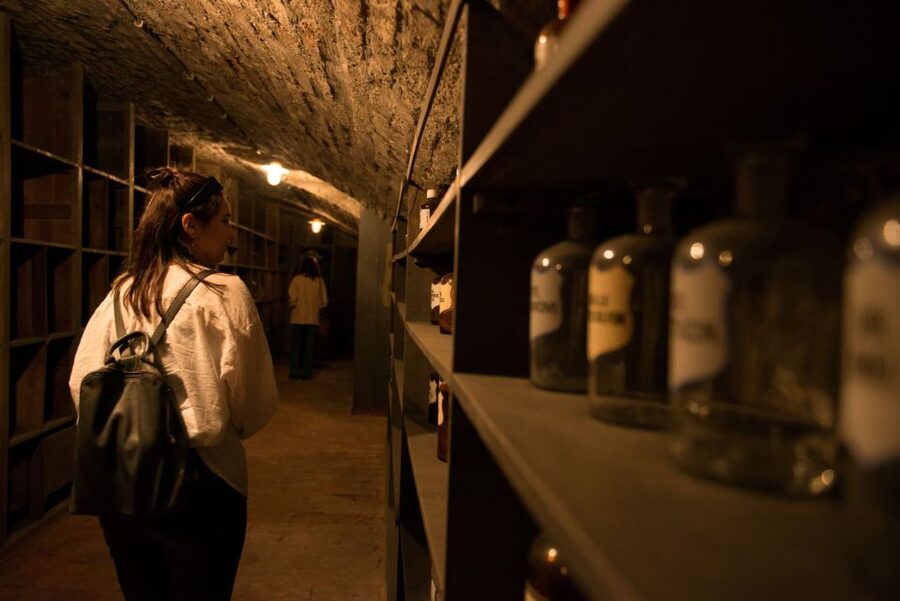
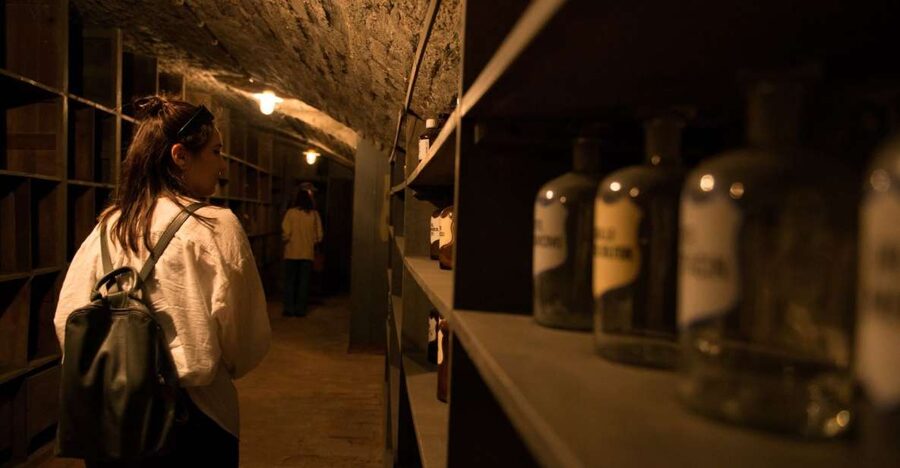
Once below ground, the former medicine cellar gives the tour its strongest sense of place. A pharmacy cellar was a practical work area, not a decorative chamber built for visitors. Its purpose was tied to storing, preparing, and handling medicines.
That setting helps you understand pharmaceutical history in a direct way. Instead of seeing only finished bottles in a display case, you are looking at the sort of space connected with the work behind them. The cellar offers a physical link between medicine and the people who prepared it.
The tour covers about 160 years of pharmaceutical history. The supplied information does not name every object or give a fixed list of displays, so you should not expect a room-by-room museum inventory. What you can expect is an explanation of the cellar, its former use, and the relics that remain from the past.
This is where the live guide matters most. The group is limited to 10, and questions are part of the experience. Wolfgang, an Austrian participant, specifically praised the tour for being interesting and educational, with questions answered in detail. That is useful evidence about the style of the visit: it is not meant to be a silent look around, and the guide has time to explain rather than hurry a large crowd through.
The Old Laboratory and Medical Relics
The old laboratory is one of the tour’s most distinctive features. Laboratories make the history of pharmacy feel active. They show that medicine involved hands-on preparation, tools, storage, and careful processes long before modern pharmacies looked as clean and standardized as they do today.
You will also see relics from the past and learn about the history of medicine. The information does not specify individual instruments, formulas, or treatments, so I would avoid booking this if you need a technical catalog of pharmaceutical objects. The value is in seeing a surviving environment and hearing how it fits into Vienna’s medical past.
The cellar also gives you a different view of the city’s underworld. The description openly refers to both its beautiful and ugly sides. That suggests a less romantic presentation than the usual underground attraction. You are not simply being shown an atmospheric old room. You are being introduced to spaces shaped by work, storage, age, and practical needs.
For me, that is the tour’s best quality. It does not try to compete with Vienna’s grandest sights. Instead, it shows a quieter piece of the city, one that explains how ordinary medical work operated beneath the public face of Vienna.
Same Alps, a completely different kind of day:
- Vienna: Vivaldi’s Four Seasons Concert in Karlskirche
★ 4.7 · 14,951 reviews - Vienna: Spanish Riding School Training
★ 3.9 · 9,281 reviews - Vienna: Skip-the-cashier-desk-line Giant Ferris Wheel Ride
★ 4.5 · 7,859 reviews - Vienna: Schönbrunn Palace & Gardens Skip-the-Line Tour
★ 4.7 · 7,739 reviews
What the One-Hour Schedule Feels Like
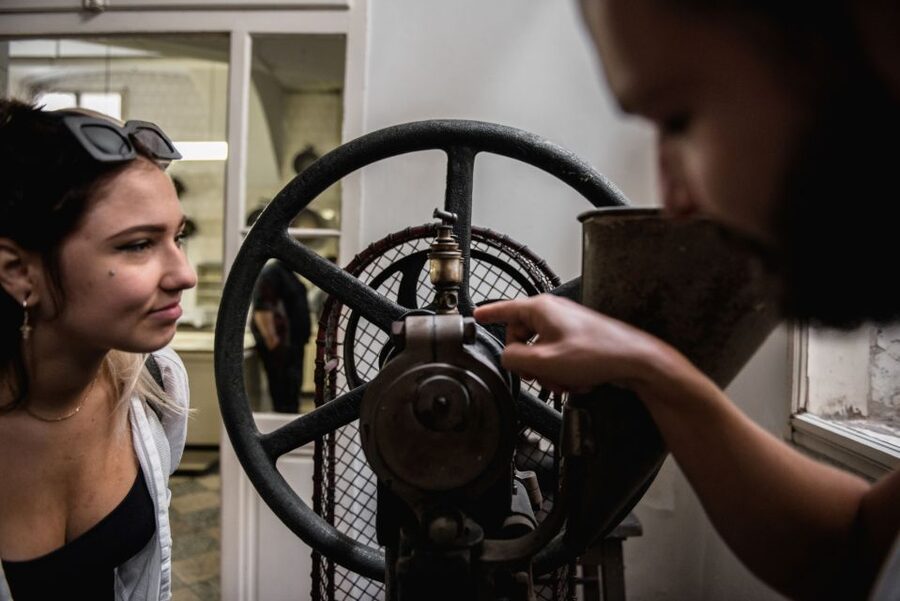
One hour is enough for a focused visit, but it is not long enough for a broad tour of Vienna’s underground network. The experience centers on the pharmacy cellar and its medical history, rather than attempting to cover every subterranean structure in the city.
That short format works well if you are building a full day around Vienna’s central sights. You can fit it between museums, meals, or other activities without giving up half a day. It also keeps the subject focused. You will spend your time on the cellar, laboratory, relics, and history of the pharmacy rather than on a long route with many unrelated stops.
The tradeoff is that the tour may feel brief if underground history is your main interest. The city’s underworld is described as extensive, but this experience gives you access to one private pharmacy cellar rather than a complete survey of Vienna below street level.
I would treat the tour as a concentrated historical stop. You are paying for access to a specific private place and for the guide’s explanation, not for a long walking route or a full museum visit.
Is the $37 Price Worth It?
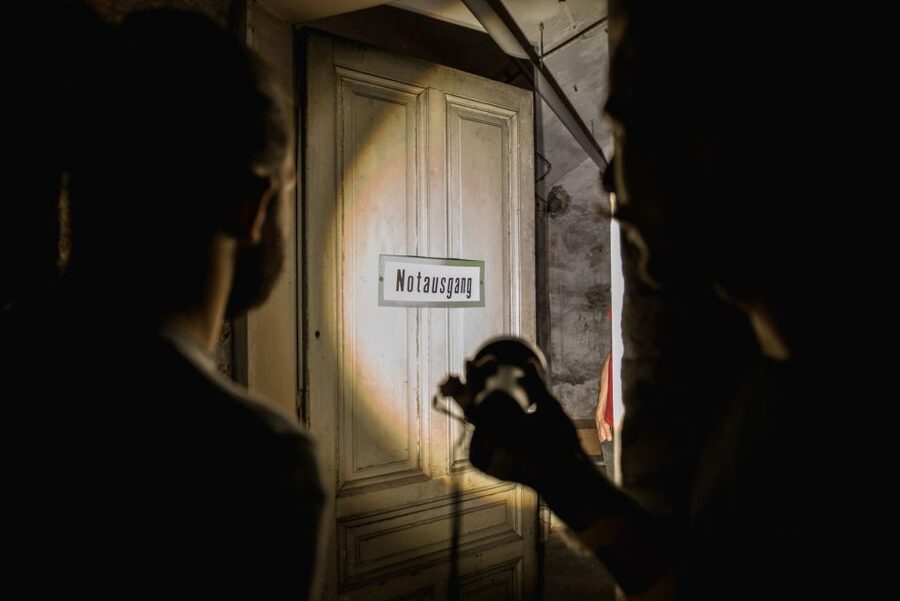
At $37 per person, the price is higher than a basic self-guided look at a public building, but that comparison misses the key point. You are paying for entrance to a private, non-public cellar, a live guide, and a small group capped at 10 people.
The value depends on what you want from Vienna. If you prefer major landmarks and grand interiors, the price may feel high for a one-hour visit. If you enjoy unusual access, working spaces, and small historical collections, the cost is easier to justify.
The lack of food or drinks is not a serious issue because the activity lasts only one hour. Plan to eat before or after, rather than expecting refreshments as part of the visit. The tour is about the place and the explanation, not added services.
The reserve-now-and-pay-later option can help if your plans are still shifting. You can also cancel up to 24 hours ahead for a full refund. Those terms reduce the risk of booking a short activity before your Vienna schedule is settled.
Who Will Enjoy This Pharmacy Cellar Tour?
I would recommend this experience to people who like the less obvious parts of a city. It suits you if you enjoy old workspaces, medical history, underground architecture, and small-group tours where the guide can answer questions.
It is also a good choice for repeat visitors to Vienna. If you have already seen the major palaces and museums, the cellar offers a different angle on the city. Even on a first visit, it can balance the polished image of Vienna with a more practical and shadowy story.
History of medicine is not required. The setting itself gives the tour character, while the guide supplies the context. You should enjoy it more if you are curious about how pharmacies functioned in the past, rather than expecting a dramatic ghost tour or an adventure attraction.
I would be cautious about booking for young children. Anyone under 10 is excluded, and the dark cellar setting plus many stairs may not suit older children either. The tour is also a poor fit for anyone with mobility limits.
Practical Advice for a Better Visit
Wear closed-toe sports shoes or similarly sturdy footwear. Sandals, loose shoes, and thin soles are poor choices for a descent involving many steps.
The tour takes place underground, so dress for comfort rather than display. The supplied details do not give a temperature, clothing requirement, or exact stair count, so I would not promise a particular cellar climate. Still, practical clothes and secure shoes make sense.
Keep the group size in mind. Ten people is small enough for a more personal guide experience, but you may be walking and standing close to others in limited cellar spaces. If you dislike confined areas, consider this carefully before booking.
The tour is offered in German. This is the biggest non-physical limitation. You will probably gain less from the medical explanations if you cannot follow German, even though the old cellar and objects remain visually interesting.
My Verdict on the Historical Pharmacy Cellar Tour
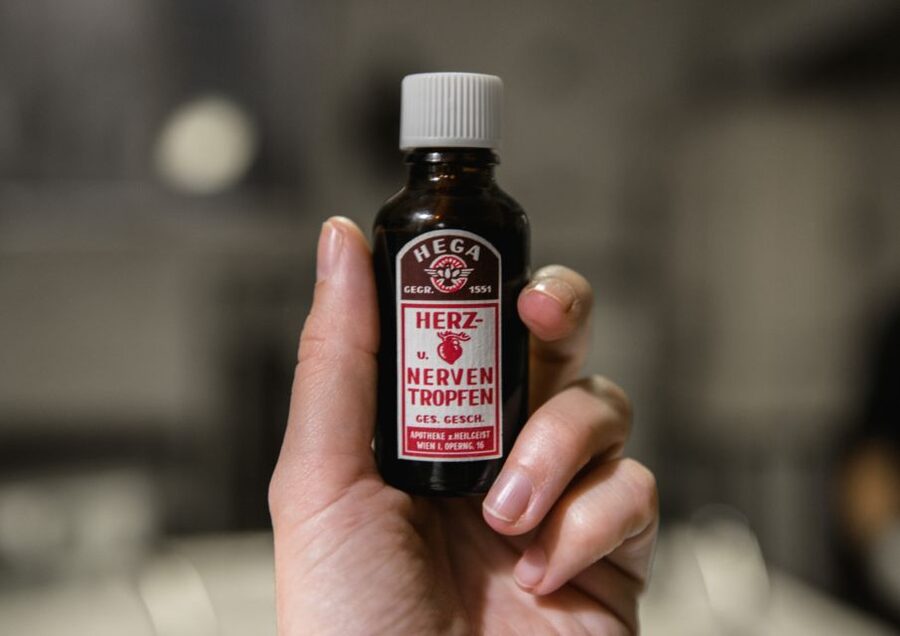
Book this tour if you want private access to an unusual Vienna interior, can handle many stairs, and understand German well enough to follow a live explanation. The old laboratory, medicine cellar, and surviving relics offer a specific story that you will not get from Vienna’s grand public sights.
Skip it if you need step-free access, want a long underground expedition, or prefer tours in English. For the right visitor, $37 is a fair price for a small-group visit to a normally closed space. For everyone else, the physical demands and German-only format may outweigh the novelty.
FAQ
Where does the tour meet?
Meet at the side entrance of the Schutzengel Apotheke in Taubstummengasse, opposite Taubstummengasse 17.
How long does the tour last?
The guided tour lasts one hour.
What language is the tour in?
The live tour guide speaks German.
How large is the group?
The group is limited to 10 participants.
What will I see underground?
You will visit a former medicine cellar, an old laboratory, and areas containing relics connected with pharmaceutical and medical history.
How old is the pharmaceutical history covered?
The tour covers 160 years of pharmaceutical history.
Are there many stairs?
Yes. You will descend many steps into hidden cellars, and there are no elevators.
Is the tour suitable for wheelchair users?
No. The tour is not suitable for wheelchair users or people with mobility impairments.
Can children join the tour?
Children under 10 years old are not permitted to participate.
What should I wear?
Wear sports shoes or other closed-toe shoes suitable for walking down many cellar steps.
Is food or drink included?
No. Food and drinks are not included.
Can I cancel the booking?
You can cancel up to 24 hours in advance for a full refund.
Do I have to pay when I book?
The reserve-now-and-pay-later option lets you book without paying immediately.
Just added around Vienna
- Ottakringer Brewery tour★ 4.0 · 6 reviews
- New Hofburg Palace Tour House of Habsburg★ 4.5 · 5 reviews
- Private Van & Walk Tour – One Perfect Day in Vienna★ 5.0 · 21 reviews
- True Crime mobile puzzle rally Vienna★ 4.0 · 3 reviews
- Vienna Naschmarket Food Tasting Tour★ 4.0 · 30 reviews
- Vienna Nightlife Experience: Food, Wine, Cocktails & Vibes★ 5.0 · 119 reviews
- Naschmarkt Food Tour★ 4.0 · 14 reviews
- Myth Mozart★ 4.0 · 80 reviews
Historical Tours, compared.

Vienna Historic Center Small Group Walking Tour
Read our review →

Skip-the-Line Schonbrunn Palace Guided Tour and Vienna Historical City Tour
Read our review →
Vienna Mozart Concert in Historical Costumes at the Musikverein
Read our review →
Browse the lists this tour appears in