
Reviewed · HISTORICAL TOURS
Vienna: Historical Walking Tour – Hitler and the 1900s
Vienna’s past turns uneasy and fascinating on this two-hour walk. You follow Adolf Hitler’s early years in the city while also seeing how artists such as Klimt and Wagner helped push Vienna away from imperial tradition and toward modern culture. I like the unusual mix of political history, architecture, and art.
I especially like the stops at Karlsplatz and Museumsquartier, since they help connect grand Vienna with its changing artistic life. I also like the guide-led storytelling: Joseph, Cristina, Ángeles, and Mia are among the guides connected with especially warm feedback for clear explanations and memorable anecdotes. The main drawback is the pace. Two hours is enough for a strong introduction, but not enough for long museum visits or a detailed study of every site.
Key points to know
- Hitler’s Vienna is treated as part of a wider story: The tour examines his early years alongside the political and cultural shifts of early-1900s Vienna.
- Karlsplatz anchors the walk: This major central location helps show the move from imperial grandeur to modern design and public life.
- Museumsquartier adds the art angle: Expect discussion of Vienna’s artistic revolution, including Klimt and Wagner.
- The guide makes the difference: Joseph and Cristina are named examples of guides praised for strong storytelling and clear delivery.
- The tour stays outdoors: Museum entry, food, drinks, and transportation are not included, so plan this as a walking introduction rather than a full attraction visit.
Why this Vienna walk takes a different route through the past
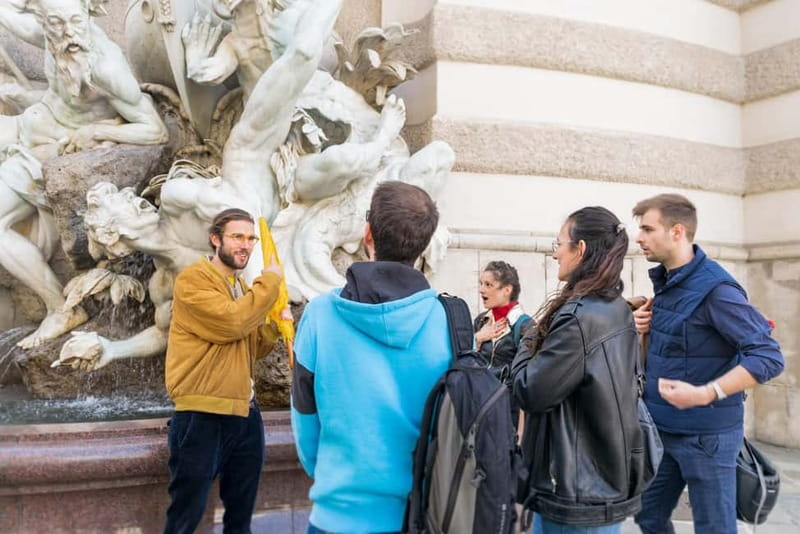
Many first visits to Vienna focus on palaces, classical music, coffeehouses, and the Habsburg court. This tour looks at what happened when that old order began to change.
You move through central Vienna while the guide connects several threads: Hitler’s early life, the city’s political shifts, its architecture, and the artistic work of figures such as Gustav Klimt and Otto Wagner. That combination gives you more than a single-person biography. It places Hitler’s Vienna within a city wrestling with modern ideas and old imperial habits.
I find that approach useful because the subject can easily become narrow or sensational. Here, the focus is not simply on following a notorious figure. You also consider the city he encountered and the cultural forces that were reshaping it.
The tour is conducted in English and lasts two hours. That makes it a manageable choice for your first or second day in Vienna, especially if you want a city walk that adds context to the sights you will see later on your own.
A few more Vienna trips to weigh up
- Vienna: Time Travel and Magic Vienna History Tour
★ 4.6 · 3,879 reviews - Vienna: World War II Historical Walking Tour
★ 4.8 · 1,772 reviews - Vienna Historic Center Small Group Walking Tour
★ 5.0 · 1,746 reviews
Meeting beneath the yellow Prime Tours umbrella
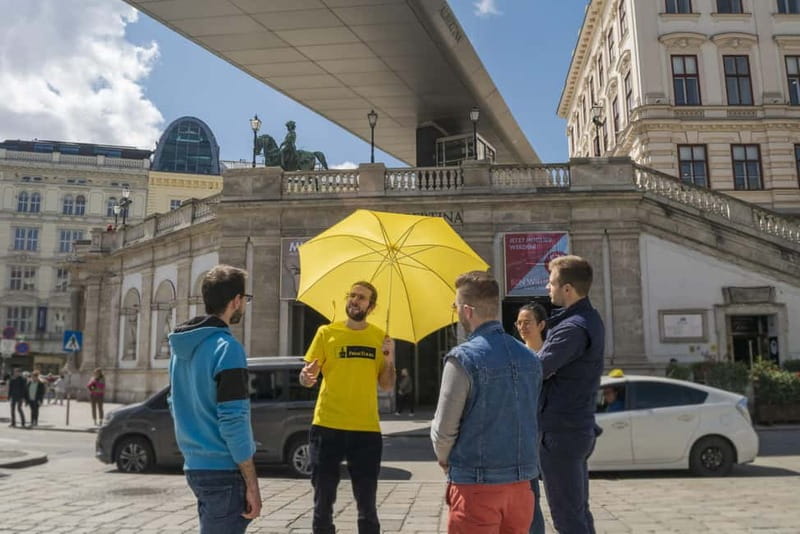
The meeting point is marked by a yellow Prime Tours umbrella. That is the practical detail to remember, since it gives you a visible landmark when you arrive.
The walk both starts and finishes at the meeting point. You do not need to arrange a return transfer, and the tour does not leave you at a distant attraction with a second journey to plan.
Transportation to the meeting point is not included. You should make your own way there and check the available start times when booking. Since the walk is tied to a specific meeting location and lasts two hours, allow a little extra time to get oriented before the guide begins.
The activity is wheelchair accessible. Still, the supplied information does not describe the exact pavement, curb, or route conditions at every stop, so you may want to confirm route details if you need particular assistance.
Hitler’s early Vienna, handled as a city story
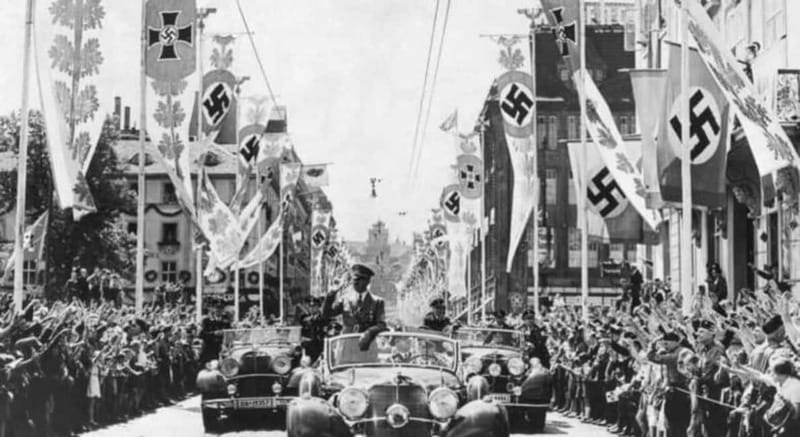
The most sensitive part of the walk is its focus on Hitler’s early years in Vienna. The guide follows his early footsteps and explains how his time in the city influenced his later life.
That subject gives the route a serious tone. You should not expect a light sightseeing stroll built around postcard views. The value lies in examining how a place can form part of a person’s early experience without turning the city into a simple explanation for later events.
The supplied description does not identify every exact location connected with Hitler, so I would not book this expecting a complete catalog of addresses or a specialized military-history tour. Instead, expect a broad historical walk that uses Vienna’s streets and landmarks to explain the political and cultural setting of the early 1900s.
This distinction matters. If you want a tightly focused Hitler biography, you may find the art and architecture sections too prominent. If you want to see how one of Europe’s major capitals changed during a troubled period, the wider approach is more useful.
Karlsplatz and the shift from imperial Vienna
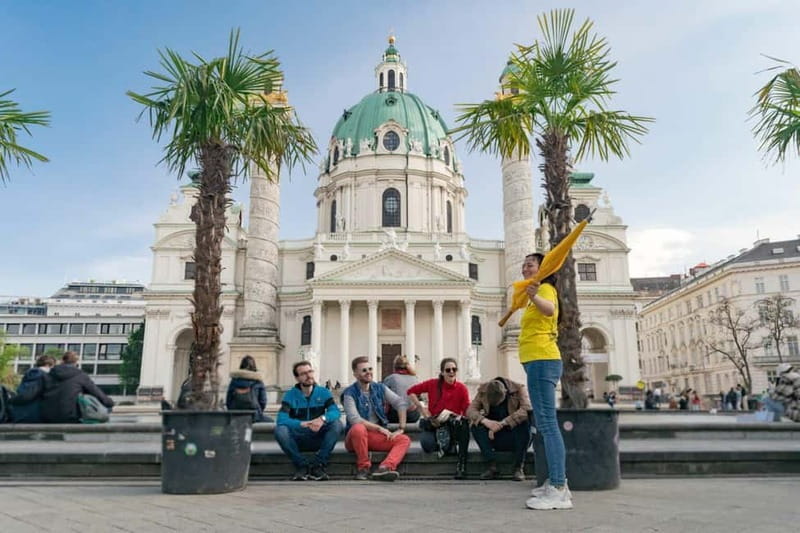
Karlsplatz is one of the named stops, and it gives the guide a strong place to discuss Vienna’s changing identity. Here, the tour examines the city’s movement from Habsburg capital toward a modern metropolis.
You can expect the guide to use the surrounding architecture and public space as evidence of that change. The point is not simply to photograph a grand square. It is to understand how Vienna’s built environment reflects different periods and competing ideas about what a modern city should be.
Karlsplatz also helps connect the tour’s main subjects. The square belongs to the familiar visitor route, yet the guide uses it to point toward less obvious stories about politics, design, and urban change.
I like this kind of stop because it gives you a visual reference for ideas that can otherwise sound abstract. You hear about Vienna’s imperial roots, then look around and consider how the city began making room for new forms and new public life.
Do not expect an included visit inside a museum or attraction here. Entrance fees are not part of the $22 price, and the experience remains a guided walk through historic areas.
Same Alps, a completely different kind of day:
- Vienna: Vivaldi’s Four Seasons Concert in Karlskirche
★ 4.7 · 14,951 reviews - Vienna: Spanish Riding School Training
★ 3.9 · 9,281 reviews - Vienna: Skip-the-cashier-desk-line Giant Ferris Wheel Ride
★ 4.5 · 7,859 reviews - Vienna: Schönbrunn Palace & Gardens Skip-the-Line Tour
★ 4.7 · 7,739 reviews
Museumsquartier and Vienna’s artistic revolution
Museumsquartier brings the art side of the tour into sharper focus. The route explores the artistic revolution associated with figures such as Gustav Klimt and Otto Wagner, while showing how Vienna’s culture was changing at the same time as its politics.
The strength of this section is its connection between art and the city around you. Klimt represents the break from older artistic conventions, while Wagner helps you think about architecture and modern design. The guide uses these names as part of a broader story about Vienna’s early-1900s transformation.
You may already know Klimt from The Kiss or recognize Wagner’s work from photographs. This walk is not a substitute for a museum visit, but it can help you notice why those artists matter before you visit one of Vienna’s collections.
Museumsquartier is also a good reminder that Vienna’s modern identity was not created in one stroke. It grew through arguments about style, public space, tradition, and change. That makes the stop especially worthwhile for you if architecture and art are as important as political history.
The tour does not include museum admission. If you plan to enter a museum afterward, treat the walk as a starting point and allow separate time and money for that visit.
The guide’s storytelling is the real experience
A walking tour lives or dies by its guide. The route matters, but the person leading it determines whether the stops feel connected or merely listed.
The guides associated with this experience include Joseph and Cristina. Joseph has been praised for anecdotes and interesting stories, while Cristina is noted for clear speaking and strong command of the subject. Ángeles and Mia have also been connected with positive feedback about the amount they learned from their guide.
I would use those details as a clue about the tour’s tone. You can expect a guide who explains rather than simply points, and who adds stories that make the city easier to understand. That is valuable on a subject with many dates, names, and political changes.
The guide also provides local tips and recommendations. Those suggestions can help you decide what to see after the walk, though the information provided does not specify particular restaurants, museums, or other businesses.
Tips for the guide are included in the activity information, with additional tipping welcome on the spot. You should see this as a small extra cost if you feel the guide made the history clear and engaging.
What two hours can and cannot cover
Two hours is a good length for an introduction. You have enough time to visit several central locations and follow a clear theme without giving up an entire morning or afternoon.
At the same time, the subject covers a lot. Hitler’s early life, Vienna’s imperial past, political change, Klimt, Wagner, architecture, and the city’s modern development could each fill a separate tour.
I would expect a brisk route with explanations at selected points, not a slow examination of every facade. You may stop for stories and discussion, but this is still a walking activity, so comfortable shoes make sense.
The short format works best if you want a framework for later sightseeing. Afterward, you can visit a museum, return to a building that caught your attention, or read more about the period with a clearer sense of place.
If you prefer long pauses, extensive question time, or in-depth academic detail, two hours may feel limited. The tour gives you a map of the subject rather than the final word.
What the $22 price really covers
At $22 per person, the price is reasonable for a two-hour guided walk in central Vienna. You are paying for an English-speaking local guide, the route through historic sites, and the stories that connect the stops.
The value is strongest if you would otherwise wander through Karlsplatz and Museumsquartier without understanding how they fit into Vienna’s larger changes. A guide can save you the work of assembling those connections yourself.
The price does not include food, drinks, museum admission, or transportation to the starting point. That keeps the basic cost clear, but you should budget for any café stop or attraction you add afterward.
A reserved place and instant booking confirmation are included. You can also reserve now and pay later, which is handy when your Vienna schedule is still shifting. Free cancellation is available up to 24 hours before the tour for a full refund.
Who should book this walk
I would recommend this tour to you if you have already seen some of Vienna’s imperial sights and want a more complicated picture of the city. It also suits anyone interested in 20th-century history, architecture, political change, or the Vienna Secession period.
The walk is a good fit for first-time visitors who want an orientation with substance. It may also work well for repeat visitors who have seen the famous palaces but have not followed the city’s modern transformation.
You should think twice if you want a museum-heavy experience or a tour devoted only to Hitler. This walk combines several subjects, and its purpose is to show how they overlap.
It is also not the best choice if you dislike walking or want a relaxed sightseeing route with little serious discussion. The topic is difficult, and the tour asks you to consider Vienna’s past rather than simply admire it.
A practical way to fit it into your day
Because the walk ends where it starts, you can pair it with nearby sightseeing afterward. You might use the guide’s recommendations to choose your next stop, or return to a museum or architectural site that deserves more time.
I would avoid booking an attraction with a fixed entry time immediately after the tour. The duration is listed as two hours, but questions, street crossings, and the pace of the group can affect the exact finish.
Since the tour is conducted in English, you should be comfortable listening to historical explanations in that language. The route is wheelchair accessible, and the walk’s central locations make it easy to continue exploring once the tour ends.
Bring the basics for a city walk and arrive in time to spot the yellow umbrella. No meals or drinks are supplied, so plan those separately.
Should you book Vienna: Historical Walking Tour, Hitler and the 1900s?
Book it if you want a serious, compact introduction to Vienna’s early-1900s changes, with Hitler’s early life considered alongside Klimt, Wagner, architecture, and the city’s move beyond imperial rule.
At $22, it offers good value when you want interpretation rather than another sightseeing loop. The strongest reason to choose it is the guide-led storytelling, especially if you appreciate clear explanations and well-chosen anecdotes from guides such as Joseph or Cristina.
Skip it if you want a full museum tour, a narrowly focused biography, or a route with little walking. For most curious visitors, though, this is a useful way to see familiar Vienna locations with harder questions in view.
FAQ
How long does the tour last?
The walking tour lasts two hours.
What language is the tour conducted in?
The live tour guide conducts the experience in English.
How much does the tour cost?
The listed price is $22 per person.
Where does the tour meet?
Look for the yellow Prime Tours umbrella at the meeting point.
Where does the tour finish?
The activity ends back at the meeting point.
Is the tour wheelchair accessible?
Yes, the activity is listed as wheelchair accessible.
Are museum entrance fees included?
No. Entrance fees to museums or other attractions after the tour are not included.
Is food or drink included?
No. Food and drinks are not included.
Can I cancel for a refund?
Yes. You can cancel up to 24 hours in advance for a full refund. You can also reserve now and pay later.
Just added around Vienna
- World War II History Vienna Old Town Private Walking Tour★ 4.8 · 9 reviews
- From Krems: Wachau Valley River Cruise on the Danube★ 4.6 · 95 reviews
- Vienna: Winery and Wine Tasting Tour with a Wine Expert★ 5.0 · 5 reviews
- Vienna: Wine Tasting E-Bike Tour★ 4.9 · 46 reviews
- Vienna: Wine Tasting at Schönbrunn Palace★ 4.3 · 71 reviews
- Vienna: Wine Tasting Tour★ 4.8 · 61 reviews
- Vienna: Wiener Schnitzel and Strudel Cooking Class★ 4.9 · 126 reviews
- Vienna: Concert by the Vienna Baroque Orchestra★ 4.6 · 56 reviews
Historical Tours, compared.
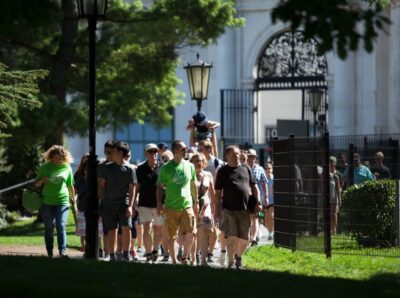
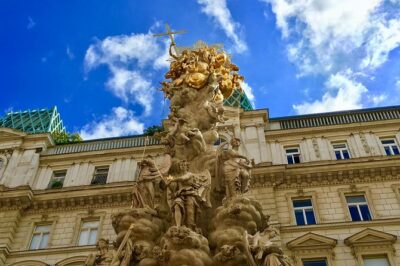
Vienna Historic Center Small Group Walking Tour
Read our review →
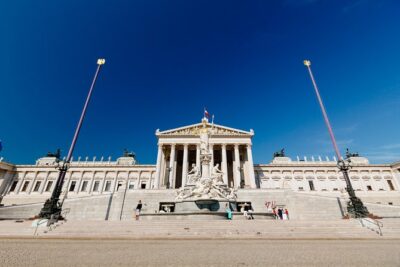
Skip-the-Line Schonbrunn Palace Guided Tour and Vienna Historical City Tour
Read our review →
Vienna Mozart Concert in Historical Costumes at the Musikverein
Read our review →
Browse the lists this tour appears in