
Reviewed · HISTORICAL TOURS
Vienna: World War II Historical Walking Tour
Vienna’s grand center carries plenty of imperial polish, but this walk asks you to look harder. From the Albertina Museum to the Holocaust memorial, you’ll trace how antisemitism, political fear, Hitler’s early years, Nazi annexation, wartime bombing, and postwar occupation shaped the city. The most powerful moments come when ordinary streets become evidence of a much darker past.
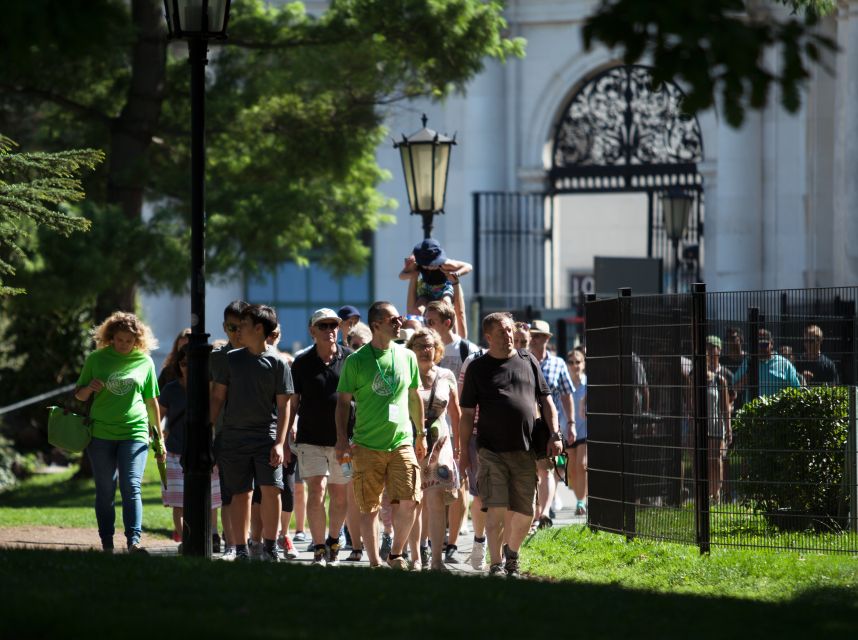
I like the clear Austrian perspective and the way guides such as Dieter, Stefan, Siggi, Michael, and Wolfgang connect broad events to the exact places where they happened. I also like the practical setup: headsets help you hear every word, and the route includes pauses, seats, indoor shelter, and occasional bathroom or snack breaks.
The main consideration is time and weather. This is a 150-minute outdoor walk covering roughly 4 kilometers, and it does not return to the Albertina starting point. Bring comfortable shoes and suitable clothing, especially in Vienna’s colder or wetter months.
Key points to know before you book
- Start beside the Vienna Opera House: Meet under the green umbrella at Albrechtsbrunnen, downstairs from the Albertina Museum.
- Follow Hitler’s Vienna years: The guide explains how the young art student encountered the city’s social and political climate.
- See Vienna’s surviving synagogue: The tour visits the only synagogue described here as having survived the Nazi regime.
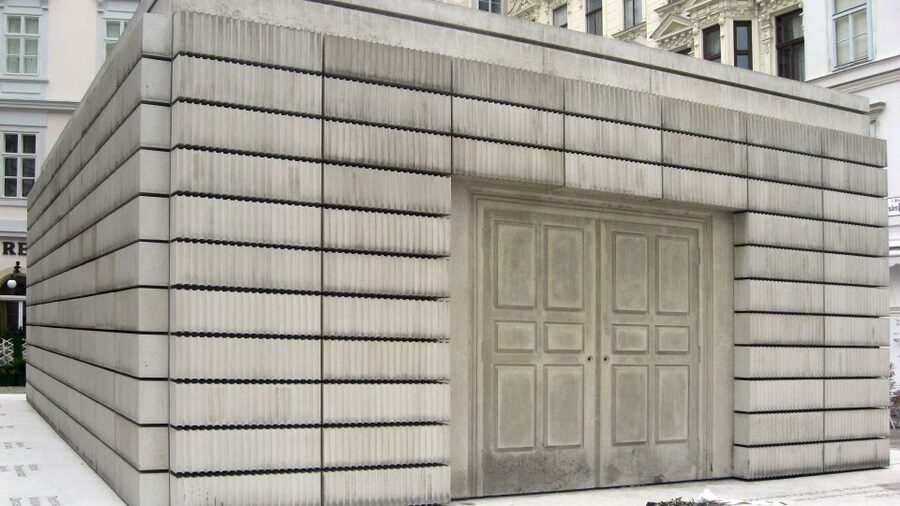
- Pause at the Holocaust memorial: This is a quiet, serious stop that gives the persecution of Vienna’s Jewish community a physical focus.
- Use the supplied headsets: You can listen while walking without staying right beside the guide.
- Finish elsewhere in central Vienna: The walk ends away from the starting point, with a metro stop nearby.
Why this Vienna WWII walk is worth your time
At $31 per person, this is a fairly modest price for two and a half hours with a live English-speaking guide. You are paying for interpretation, not entry tickets. Since the experience is conducted outdoors, you do not spend part of the fee on museum admission, but the tradeoff is that the tour depends on good guiding and your willingness to walk.
That is where this experience earns its keep. Vienna’s WWII story is not always obvious from its elegant boulevards and polished façades. A guide helps you connect the city’s architecture and public spaces with the decisions, loyalties, fears, and crimes that shaped them.
I would not book this as a light sightseeing stroll. The subject is painful, and the tone is serious. But if you want to understand Vienna beyond palaces, coffeehouses, and music, this walk gives you a useful historical frame early in your visit.
A few more Vienna trips to weigh up
- Vienna: Time Travel and Magic Vienna History Tour
★ 4.6 · 3,879 reviews - Vienna Historic Center Small Group Walking Tour
★ 5.0 · 1,746 reviews - Time Travel-Magic Vienna History Tour Ticket
★ 4.5 · 1,099 reviews
Starting at the Albertina and the Opera House
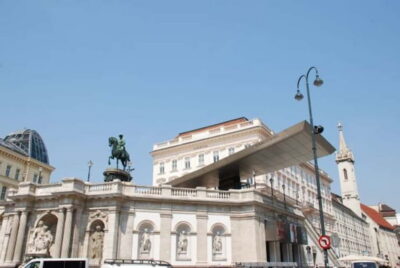
The meeting point is easy to identify if you know what to look for: a green umbrella in front of Albrechtsbrunnen, the fountain downstairs at the Albertina Museum, next to the Opera House. The nearest transport reference is Karlsplatz/Oper, making this a practical start for anyone already in central Vienna.
The opening location also sets up the tour well. You begin among some of Vienna’s most famous cultural sights, then shift attention from imperial splendor to the political climate of the 20th century. That contrast is important. The tour is not about a separate wartime district hidden far from the center. It shows how Nazi rule and the war affected the same city visitors come to admire today.
Arrive with enough time to locate the fountain and green umbrella. The meeting point is downstairs from the Albertina rather than simply at the museum’s main entrance, so a few extra minutes will help.
Hitler’s early years in Vienna
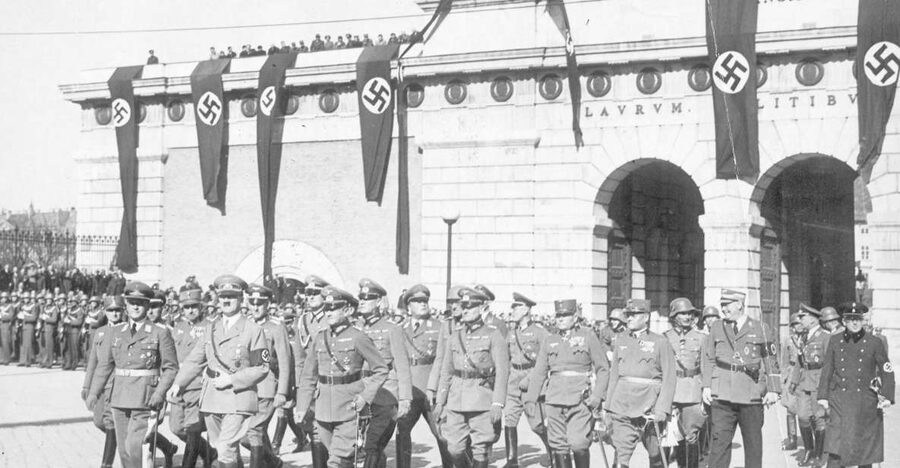
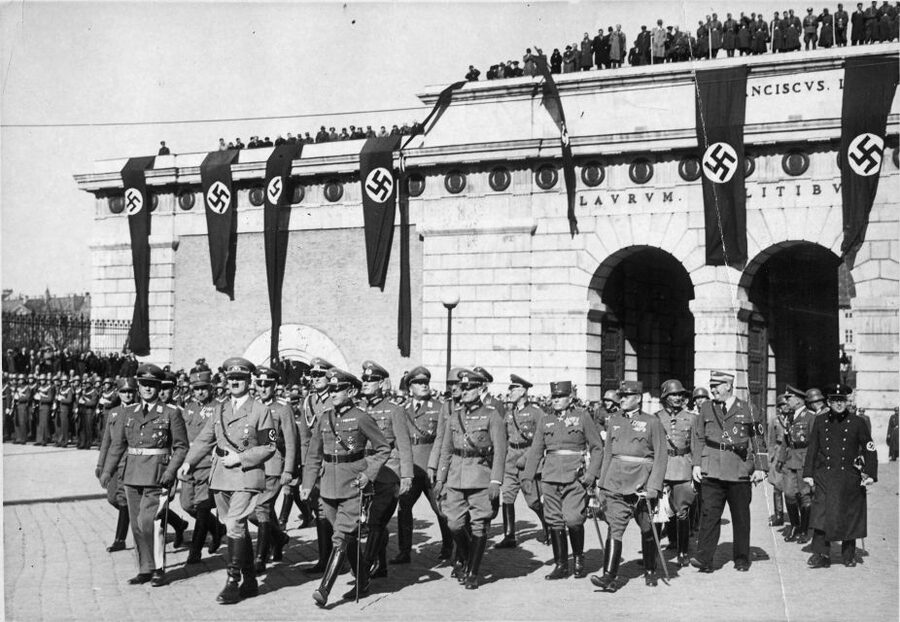
The first part of the walk examines Hitler’s time in Vienna and the setting in which his ideas developed. The guide explains why the young art student came to the city, what he encountered there, and how political and social forces influenced his later ideology.
A good guide must handle this section carefully. The goal is not to turn Hitler into a fascinating hero or to suggest that Vienna alone caused his crimes. The value lies in showing the setting around him: ethnic rivalry, antisemitism, political agitation, and fear within a large imperial capital.
This is also where the tour adds something beyond a list of dates. Dieter, Stefan, Wolfgang, and other guides are described as storytellers who place events in context and invite questions. Several guides use printed photographs to show how locations looked during the period. That can make the contrast between past and present much easier to grasp.
I especially appreciate the balanced approach promised by the format. The tour connects Hitler’s personal path with Vienna’s wider society rather than reducing the story to one villain moving through a city. You should still expect interpretation, not a university lecture with every scholarly argument covered. The experience is designed to keep moving and to make a complicated period understandable on foot.
The Jewish community and Vienna’s synagogue
The tour then turns to what happened to Vienna’s Jewish community as ethnic hostility and political fear took hold. This is one of the hardest parts of the route, but also one of the most necessary. Vienna had a large Jewish population before Nazi persecution destroyed homes, families, businesses, and community life.
The synagogue stop gives that story a concrete place. The experience visits the only synagogue identified in the tour as having survived the Nazi regime. Its survival does not make the surrounding history less grim. Instead, it provides a rare physical link to Jewish Vienna before, during, and after the Holocaust.
Do not expect a standard interior sightseeing visit. Entrances to attractions are not included, and the tour is primarily a walking experience. The importance of this stop comes from the guide’s explanation and the setting itself.
This section also benefits from the guides’ personal connection to Austrian history. One guide has used family accounts to bring the period closer to the present. That kind of detail can make the subject feel less remote, though the quality of delivery naturally depends on the individual guide leading your departure.
Same Alps, a completely different kind of day:
- Vienna: Vivaldi’s Four Seasons Concert in Karlskirche
★ 4.7 · 14,951 reviews - Vienna: Spanish Riding School Training
★ 3.9 · 9,281 reviews - Vienna: Skip-the-cashier-desk-line Giant Ferris Wheel Ride
★ 4.5 · 7,859 reviews - Vienna: Schönbrunn Palace & Gardens Skip-the-Line Tour
★ 4.7 · 7,739 reviews
The Holocaust memorial: a quiet change of tone
The Holocaust memorial is likely to be the emotional center of the walk. It offers a fixed place to pause and remember the Jewish people murdered under Nazi persecution. After the earlier discussion of politics and social tension, the memorial shifts the focus from causes and events to human loss.
Give yourself permission to be quiet here. The guide may explain the memorial and its setting, but this is not a place that needs constant commentary. The strength of the stop is its restraint.
The experience is particularly useful for visitors who have seen Vienna’s grand center but have not yet connected it with the city’s wartime history. The memorial interrupts the normal sightseeing rhythm. You are still in central Vienna, surrounded by daily life, yet the location asks you to confront what happened in that same urban space.
Bomb damage and the physical scars of war
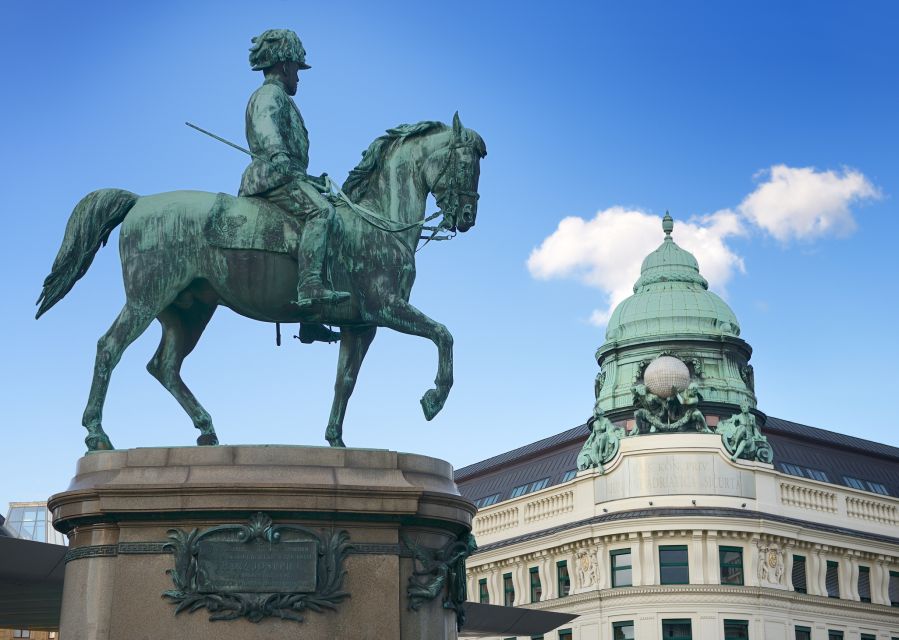
More than 100,000 bombs affected Vienna during WWII, and the walk explains how the city changed under attack. The point is not simply to count damage. It is to show how bombing altered the city people lived in, moved through, and tried to rebuild.
Some wartime scars are easy to miss. Vienna’s historic center contains restored buildings, changed streets, and remnants that make more sense once a guide points them out. You may find that the most useful part of this section is learning to read the city rather than visiting one dramatic ruin.
The route’s steady pace helps here. You are not rushed from one photo stop to another. Guides commonly pause at important locations, and the walk includes opportunities to sit. One route was described as covering about 4 kilometers, a manageable distance for many people but still enough to require proper footwear.
The tour does not promise entry into bomb-damaged buildings or museums. It is an outdoor history walk, so your experience comes from the sites visible along the route and from the guide’s account.
Vienna after 1945 and the four-power occupation
The story continues after the war. Vienna was divided among the Allied powers, and the tour explains why the city became the only city in the world where the Allied powers managed a zone together.
This gives the walk a welcome second half. WWII history does not end with liberation. Vienna had to deal with destruction, occupation, political tension, and the practical reality of being divided after the fighting stopped.
The postwar section also helps you understand why Vienna developed as it did in the years that followed. The tour links the city’s liberation and occupation to visible places along the route, making the political arrangement less abstract.
If your main interest is military history, this may not be the tour for you. The focus is Vienna’s social and political experience, not a detailed account of battles, weapons, or troop movements. If you want the city’s own wartime story, though, this local focus is exactly the point.
Headsets, breaks, and the walking pace
The supplied headsets are one of the tour’s best practical features. You can hear the guide while crossing streets or standing a short distance away, rather than crowding around one person. This matters in a busy city, and it is especially helpful when the group is large.
The equipment also lets you pay attention to your surroundings. You can look at a building, photograph a memorial, or keep your place in the group without losing the explanation. Some guides use microphones and headsets even when groups are smaller, which can still make the walk easier.
The pace is not a forced march. Guides build in pauses, and some have arranged warm or sheltered places to stop in poor weather. There may also be chances for toilets, snacks, or sitting down, depending on the route and guide.
Still, plan for outdoor conditions. Wear shoes you can walk in for 150 minutes, and bring layers or rain protection. The walk can be comfortable for people who need a moderate pace, but it is not a seated tour. Anyone with mobility concerns should consider the distance and city pavements before booking.
How the different guides shape the experience
The tour is led by different English-speaking guides, so the personality of your experience can vary. Dieter is repeatedly singled out for clear explanations, strong storytelling, patient answers, and careful pacing. Stefan is described as engaging and good at asking questions that keep you thinking.
Siggi brings photographs and adapts the discussion to the group’s interests. Michael is noted for linking many separate parts of Vienna’s wartime story. Wolfgang and Charles are praised for presenting difficult material with context, analysis, and sensitivity.
That range is a plus, but it is worth understanding what you are booking. You are not guaranteed one named guide unless the booking details for your date specify one. The common thread is a live guide who can respond to questions, rather than an audio recording or a fixed script delivered without interaction.
I would choose this walk for someone who likes asking questions. It suits curious adults, history students, teachers, and anyone who wants more than dates on a plaque. It also works well near the beginning of a Vienna stay, since the route can give you a stronger sense of the city before you visit other sights.
The route, ending point, and daily planning
The tour begins near Karlsplatz and the Opera House but does not return to the Albertina. A metro stop is close to the endpoint, so you can continue elsewhere in Vienna without a long walk back, but you should avoid scheduling a tight appointment immediately afterward.
The 2.5-hour length is a good middle ground. A shorter walk could skim the subject, while a full-day tour might be too heavy for a first introduction. This one has enough time for Hitler’s early Vienna years, the Jewish community, the Holocaust memorial, bombing, liberation, and Allied occupation without taking your entire day.
Because no attraction entrances are included, you can pair the walk with a museum visit later. The Albertina, the Opera House area, or another central sight can fit before or after the tour, but leave room for the walking time and the serious subject matter.
Free cancellation up to 24 hours before the start gives you some flexibility, and the reserve-now, pay-later option can help if your schedule is still shifting. These policies do not change the content of the tour, but they reduce the risk of booking it too early in an uncertain itinerary.
Who should book this walk?
I recommend it most strongly to you if you want to understand Austria’s role in WWII and the Holocaust from a Vienna-centered viewpoint. It is also a good choice if you already know the basic story and want to see how it connects to real streets, memorials, and surviving buildings.
You should be comfortable with serious material. This is not a cheerful city introduction, and Hitler’s name and ideology form part of the opening discussion. Families with older teenagers may find it useful, but the subject deserves preparation and an honest conversation about what the tour covers.
You might skip it if you dislike guided walking tours, need a fully indoor activity, or want detailed battlefield history. You should also think twice if 4 kilometers on city streets sounds tiring, even though the route includes pauses and is described as manageable for some people with mobility limitations.
Should you book the Vienna WWII Historical Walking Tour?
Book it if you want the city’s difficult past explained with care, context, and a human voice. At $31, the combination of a live English guide, a 150-minute route, headsets, and several meaningful historic locations offers good value, especially early in a Vienna visit.
The strongest reason to go is not one single sight. It is the connection between Hitler’s early years, Vienna’s Jewish community, Nazi annexation, the Holocaust, wartime destruction, and the city’s postwar division. You leave with a more honest understanding of the streets you are seeing.
Bring good shoes, dress for the weather, and leave a little time after the walk before your next appointment. If you want Vienna to be more than a beautiful backdrop, this is a serious and worthwhile choice.
FAQ
How long is the Vienna WWII Historical Walking Tour?
The tour lasts 150 minutes, or 2.5 hours.
What language is the tour conducted in?
The live guided tour is conducted in English.
Where does the tour begin?
Meet under the green umbrella in front of Albrechtsbrunnen, the fountain downstairs at the Albertina Museum beside the Opera House. Karlsplatz/Oper is the nearest subway stop listed for the meeting point.
Where does the tour finish?
The tour does not return to its starting point. A metro stop is located close to the endpoint.
Does the tour visit a synagogue?
Yes. The route includes the only synagogue identified in the tour information as having survived the Nazi regime.
Does the tour include the Holocaust memorial?
Yes. Visiting Vienna’s Holocaust memorial is one of the main stops.
Are museum or attraction entrance fees included?
No. Entrances to attractions are not included. The booking covers the live guide and walking tour.
Should I wear comfortable shoes?
Yes. The tour lasts 2.5 hours and covers roughly 4 kilometers according to route information shared by a participant. Comfortable shoes and clothing suited to the weather are sensible.
Can I cancel the booking?
You can cancel up to 24 hours in advance for a full refund. The reserve-now, pay-later option lets you hold a place without paying immediately.
Just added around Vienna
- Ottakringer Brewery tour★ 4.0 · 6 reviews
- New Hofburg Palace Tour House of Habsburg★ 4.5 · 5 reviews
- Private Van & Walk Tour – One Perfect Day in Vienna★ 5.0 · 21 reviews
- True Crime mobile puzzle rally Vienna★ 4.0 · 3 reviews
- Vienna Nightlife Experience: Food, Wine, Cocktails & Vibes★ 5.0 · 119 reviews
- Vienna Naschmarket Food Tasting Tour★ 4.0 · 30 reviews
- Myth Mozart★ 4.0 · 80 reviews
- ( Night Tour ) With Private Guide + wine or prosecco★ 4.0 · 12 reviews
Historical Tours, compared.
Vienna Historic Center Small Group Walking Tour
Read our review →
Skip-the-Line Schonbrunn Palace Guided Tour and Vienna Historical City Tour
Read our review →
Vienna Mozart Concert in Historical Costumes at the Musikverein
Read our review →
Browse the lists this tour appears in