
Reviewed · HISTORICAL TOURS
Vienna: Walking Tour of the Historic Ringstrasse
Vienna’s Ringstrasse is an enormous 19th-century stage set, but this walk helps you read the details behind the stone. You’ll see palaces built by ambitious bankers, public buildings commissioned by Emperor Francis Joseph, and gardens filled with statues and flowers. I especially like the small stories about palace owners and the chance to stop in spacious green spots instead of marching past everything.
I also like the private group size of up to eight, which should make questions easier and the pace more personal. The main drawback is that two hours can only introduce this long boulevard, and one past review found the content too thin. You’ll also need your own public transport ticket if a tram is useful before or after the walk.
Key points at a glance
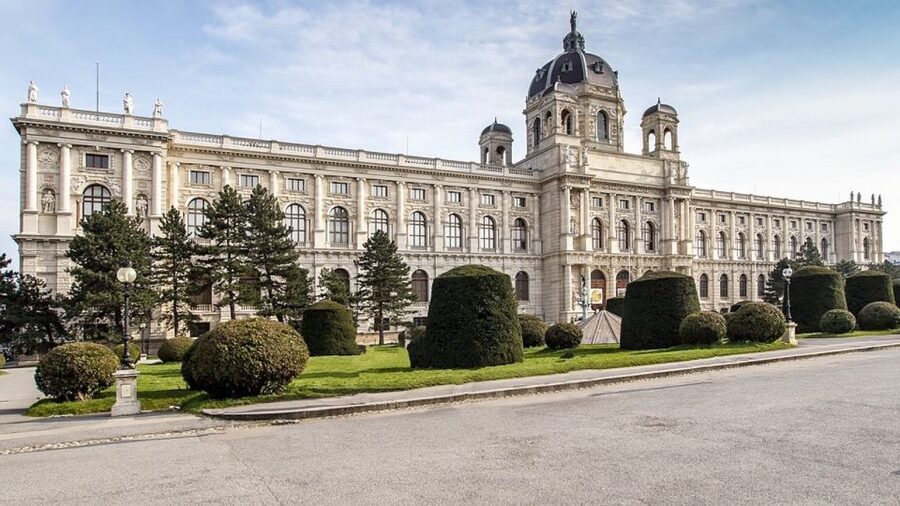
- The Ring opens a window onto imperial Vienna: See the Opera, Burgtheater, Parliament, City Hall, museums, university, and other major buildings created after the city walls came down.
- Palais Ephrusi adds a personal story: Learn about the Jewish banking family connected with the book The Hare with the Amber Eyes.
- Gardens break up the architecture: Volksgarten and other open spaces offer short pauses among flower displays, monuments, and statues.
- The route mixes grand and difficult stories: Famous architects and artists came for work, while poorer workers faced harsh conditions during construction.
- A private group keeps the walk focused: The tour is priced for up to eight people, not per person.
- The finish is beside Vienna’s Opera House: That gives you a useful central point for continuing your sightseeing.
Why the Ringstrasse tells Vienna’s story so well
The Ringstrasse is more than a pretty boulevard. It records a major change in Vienna.
About 150 years ago, Emperor Francis Joseph ordered the old city walls demolished. The open land became a broad ring road lined with trees, paths, gardens, and major public buildings. The plan was bold: put culture, government, education, and civic life on display in one grand urban ensemble.
That explains why the route feels so visually packed. The Opera, theater, museums, university, Parliament, and City Hall were not scattered by accident. They were part of an imperial project meant to show Vienna as a modern European capital.
You’ll see several architectural styles placed close together, with elaborate decoration on nearly every facade. I find that mix more interesting than a single polished style. It shows how Vienna looked backward to imperial tradition while also reaching toward a new public city.
The road itself was carefully planned for different kinds of movement. Carriages, riders, pedestrians, and vehicles had designated spaces. Even the width and layout were designed to make the new boulevard impressive.
A few more Vienna trips to weigh up
- Vienna: Time Travel and Magic Vienna History Tour
★ 4.6 · 3,879 reviews - Vienna: World War II Historical Walking Tour
★ 4.8 · 1,772 reviews - Vienna Historic Center Small Group Walking Tour
★ 5.0 · 1,746 reviews
Starting at Liebenberg-Denkmal
The meeting point is the Liebenberg Monument at Mölker Bastei 8, in Vienna’s 1010 district. Arrive about 10 minutes early so you can find the guide without rushing.
The monument gives the walk an immediate connection to Vienna’s civic past. You are not starting at a random street corner, but near a named public figure and the old defensive edge of the city. From there, the route opens toward the Ring’s major buildings and public spaces.
The exact order of stops can vary, so I would treat the walk as a connected story rather than a fixed checklist. The important thing is the relationship between the buildings: who commissioned them, what purpose they served, and how their grand appearance reflected social ambition.
Because this is a private tour, you can ask for clarification when a facade catches your eye. That matters here. The Ring can look like one long parade of columns and statues if you only take photographs. A guide can point out the details you might otherwise miss, including the lives of the people who owned the palaces.
Palais Ephrusi and the people behind the facades
Palais Ephrusi is one of the more human stops on the route. It was commissioned by a wealthy Jewish banking family, the Ephrusi family, whose story is connected with The Hare with the Amber Eyes.
That reference gives the architecture a personal edge. Instead of seeing another oversized palace, you can think about the family that paid for it, the social world they entered, and the fate that later affected them. The Ring’s grand buildings were not only government projects. Industrialists and bankers also used them to display money, status, and their desire for a title.
This is one of the tour’s strongest themes. The Ring allowed wealthy families to present themselves as part of Vienna’s elite, often through houses that were intentionally large and heavily decorated. The buildings tell you about ambition as much as taste.
I would pay close attention here if you enjoy social history, family stories, or the human side of architecture. The tour is not limited to dates and names. It connects public monuments with the lives of the people who commissioned, designed, built, and occupied them.
Votive Church and the University of Vienna
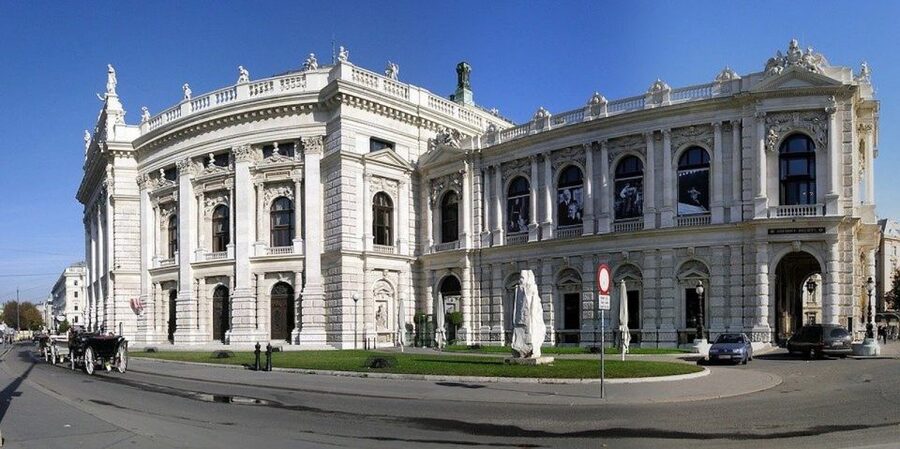
The Votive Church and the main building of the University of Vienna bring religion and education into the Ringstrasse story.
The Votive Church is one of the route’s major visual landmarks. Its size and decoration fit the grand scale of the boulevard, while its religious purpose adds another layer to the imperial vision. The University building represents the importance Vienna placed on scholarship and public learning.
At both stops, the value comes from seeing how different institutions were given prominent places around the Ring. Opera, theater, worship, education, government, and museums all formed part of the city’s public identity.
The supplied information does not promise interior visits, so plan on viewing these buildings from the outside during the walking tour. That is useful to know if you want museum admission or a church visit. This experience is primarily about the city ensemble and the stories attached to it, not extended indoor sightseeing.
Same Alps, a completely different kind of day:
- Vienna: Vivaldi’s Four Seasons Concert in Karlskirche
★ 4.7 · 14,951 reviews - Vienna: Spanish Riding School Training
★ 3.9 · 9,281 reviews - Vienna: Skip-the-cashier-desk-line Giant Ferris Wheel Ride
★ 4.5 · 7,859 reviews - Vienna: Schönbrunn Palace & Gardens Skip-the-Line Tour
★ 4.7 · 7,739 reviews
City Hall, Burgtheater, Parliament, and Heldenplatz
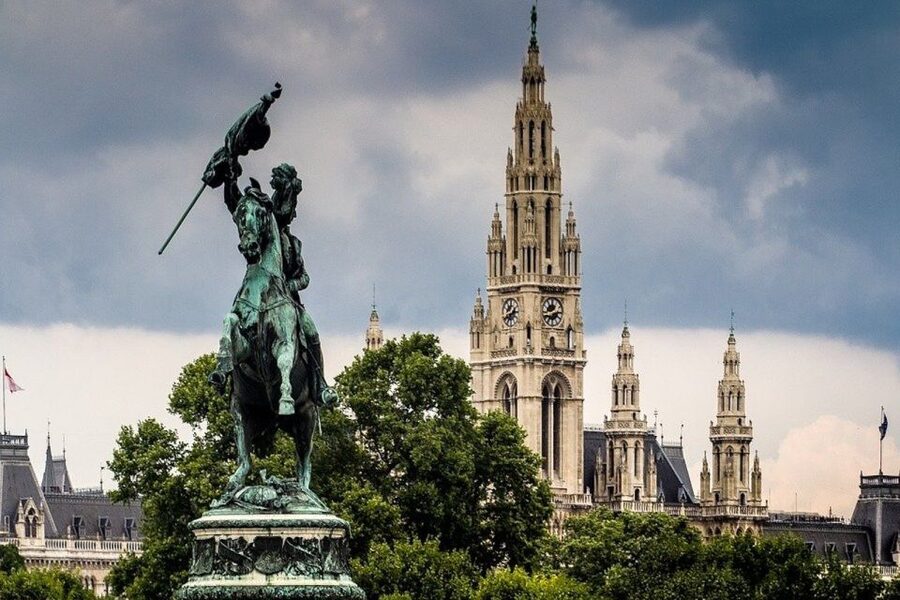
The central stretch of the route brings several of Vienna’s most recognizable public buildings into one walk.
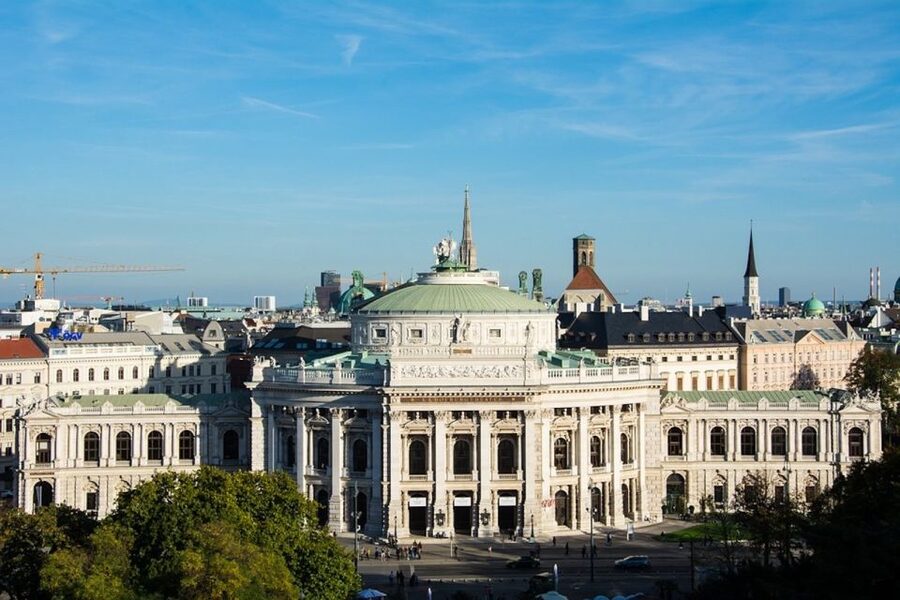
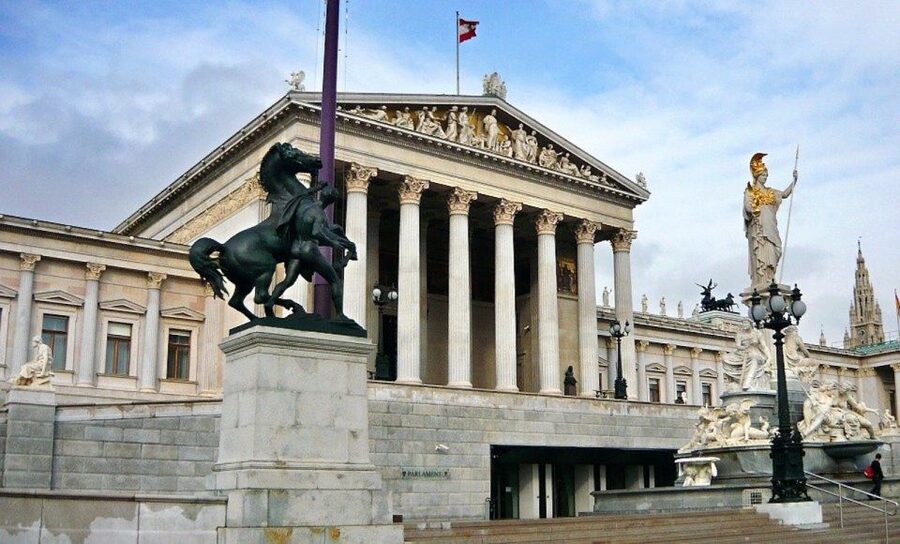
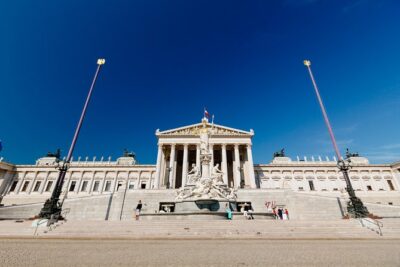
City Hall represents municipal government and civic power. Burgtheater points to Vienna’s theater culture. Parliament adds the language of politics and public institutions. Heldenplatz provides a broad ceremonial space where the scale of imperial Vienna becomes especially clear.
These stops are valuable because you can compare how each building expresses its purpose through design. The decorations are not merely surface detail. They help communicate authority, culture, learning, and national identity.
You will also hear about the architects, artists, and planners drawn to Vienna from different parts of Europe. The Ring project created work and attracted talent, but it also had a harder side. Poor people arrived seeking employment and worked under extremely difficult conditions.
That contrast keeps the walk from becoming a simple celebration of imperial grandeur. Behind the polished facades were laborers dealing with poor conditions, while wealthy patrons used architecture to gain recognition. I appreciate that balance. It gives you a more honest view of how such a monumental boulevard came into being.
One past German-language review described the tour as thin in content, so your experience may depend on how fully your guide develops these stories. Ask direct questions about the buildings, the architects, and the workers if you want more than a quick visual overview.
Museums, statues, and pauses in the gardens
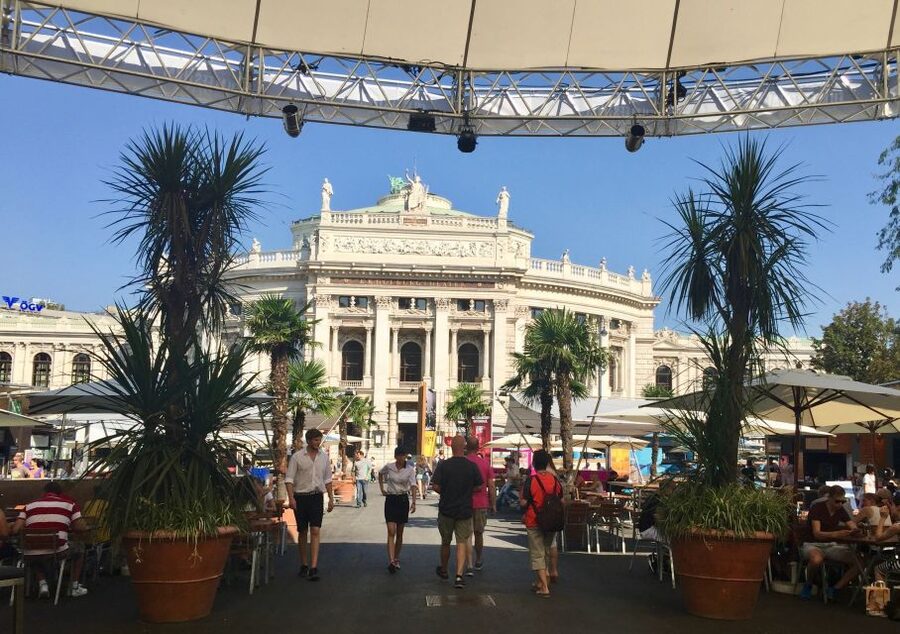
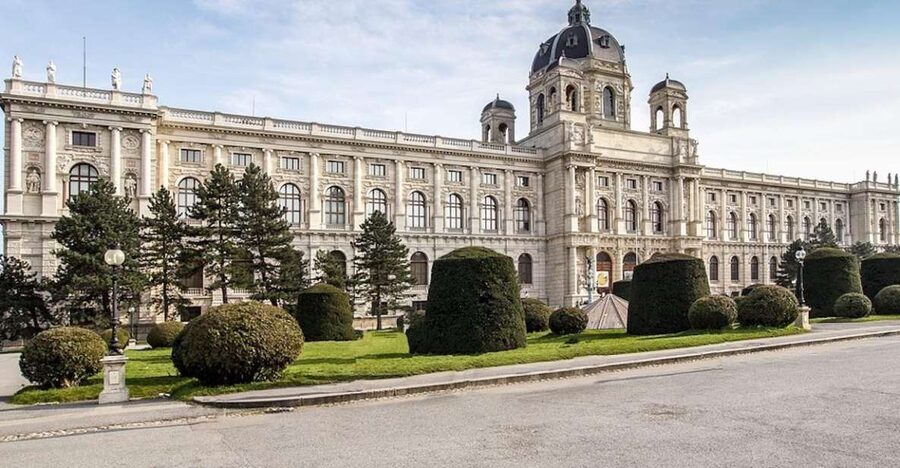
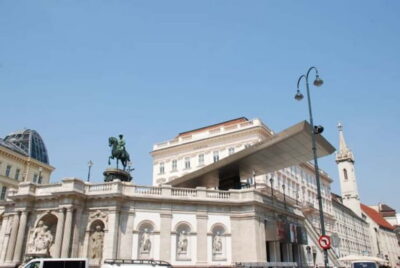
The museum area adds another important piece to the route. These institutions were built to make culture accessible and visible within the imperial city. Their grand facades also show how much effort went into turning the Ring into a coordinated display.
The walk includes open spaces such as the Volksgarten, where you can take short breaks among flower arrangements and statues. This is welcome after a stretch of monumental architecture. The gardens give you room to step back, take photographs, and notice how Vienna combines formal planting with public monuments.
You will encounter statues including the mayor Liebenberg and Pallas Athene. These figures are not just decorative markers. They add civic and classical references to a route already filled with symbols of power and culture.
I like this alternation between buildings and gardens. Two hours on a major boulevard can become tiring, particularly in rain or warm weather. Short pauses make the pace more manageable, though you should still wear comfortable shoes and be prepared for continuous outdoor walking.
Finishing beside the Opera House
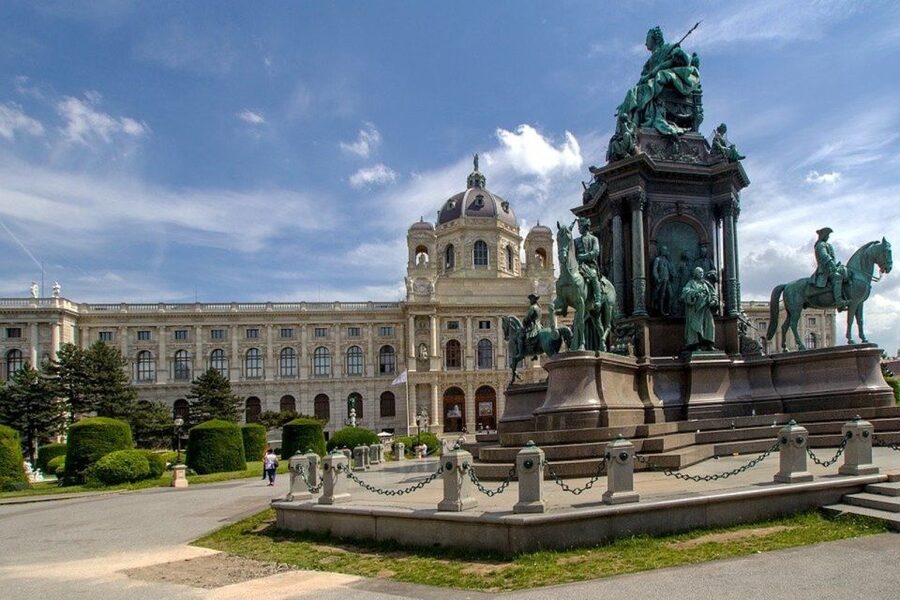
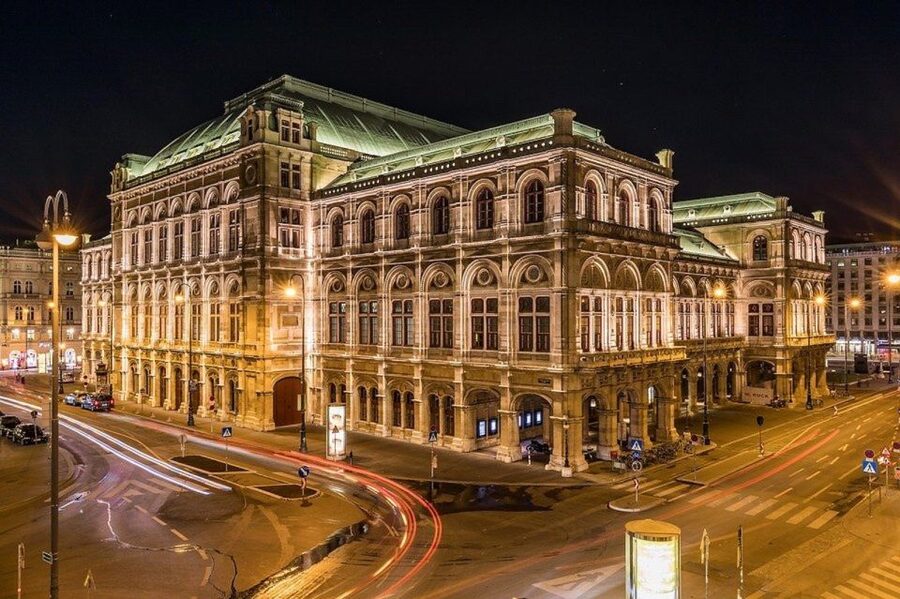
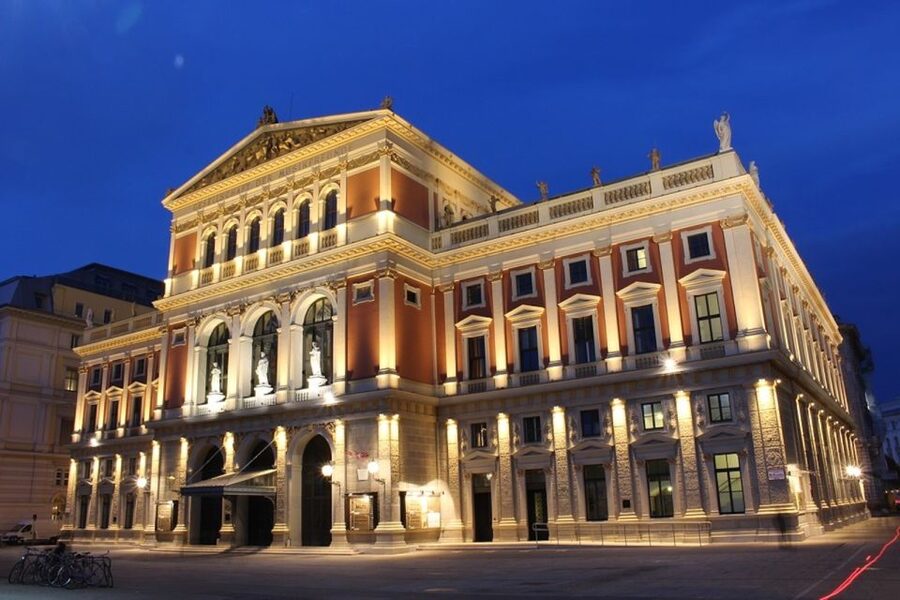
The tour ends next to the Opera House, a practical place to finish your Ringstrasse introduction.
The ending makes sense thematically. The Opera was part of Emperor Francis Joseph’s plan for a cultural capital, and it remains one of the most important landmarks on the boulevard. It also leaves you in a central area for continuing your own plans, though the tour does not include hotel drop-off.
Do not expect the walk to provide a full visit to every building named along the route. The Opera, museums, Parliament, City Hall, Burgtheater, and University are presented as parts of the wider urban story. If you want interiors, performances, or museum collections, you’ll need separate arrangements.
What the two-hour private format is worth
The listed cost is $353 for a group of up to eight. That works out to about $44 per person for eight people, but the per-person cost rises sharply for smaller groups. For two people, the same fee is about $176.50 each.
That makes the format best suited to a family or group of friends who can share the fixed price. The private arrangement gives you a more personal setting than a large public walk, and it may allow more questions about the buildings or the social stories.
The value depends on what you want from Vienna. If you want a quick, organized explanation of the Ringstrasse with a guide in English, German, or Polish, the price can make sense for a full group. If you mainly want photographs or already know Vienna’s architecture well, you may find the cost harder to justify.
The tour lasts two hours, which is a useful first look but not enough time for detailed treatment of every stop. I would pair it with independent visits to one or two museums or interiors rather than expecting this walk to cover everything.
Languages, access, and practical preparation
Live guiding is available in English, German, and Polish. No guide name is provided, so you cannot request a particular person in advance based on the available information.
The tour is wheelchair accessible. Still, this is an outdoor city walk, so check the day’s conditions and wear shoes suited to paved streets and garden paths.
Bring a public transport ticket. Tram travel is not included, and hotel pickup and drop-off are also not part of the experience. The meeting point is central, but you should allow time to reach the Liebenberg Monument and arrive 10 minutes early.
The tour allows cancellation up to 24 hours before the start for a full refund. You can also reserve now and pay later, which helps if your Vienna schedule is still shifting.
Who will get the most from this walk
I would recommend this tour to you if:
- You are new to Vienna and want the Ringstrasse explained in one focused outing.
- You enjoy architecture but also want stories about bankers, artists, workers, and political figures.
- You are traveling with up to eight people and can share the fixed group price.
- You prefer a private guide who can respond to questions.
- You want a walking introduction before choosing which buildings to visit inside.
I would be more cautious if you want extensive historical detail at every stop. One review rated the content as too thin, and a two-hour route necessarily keeps moving. The experience will be strongest when you participate, ask questions, and use the walk as a framework for later sightseeing.
The tour also may not suit you if you dislike outdoor walking or want transport included. A tram ticket is separate, and the experience ends at the Opera rather than returning you to your hotel.
Should you book the Vienna Ringstrasse walk?
Book it if your group wants a private, well-organized introduction to Vienna’s grand boulevard, especially if you enjoy the people behind the architecture. Palais Ephrusi, the Ephrusi family story, the gardens, and the contrast between wealthy patrons and poorly paid workers give the route more substance than a simple monument tour.
For the best value, bring a full group of up to eight and treat the two hours as an orientation. You’ll leave with a clearer sense of how Vienna’s public buildings, gardens, statues, and palaces fit together.
If you are booking for only one or two people, compare the fixed price with a larger shared walking tour. This experience is worth considering for personal attention and flexibility, but its value depends heavily on group size and on how much detail your guide provides.
FAQ
Where does the Vienna Ringstrasse walking tour start?
It starts at the Liebenberg Monument, Liebenberg-Denkmal, Mölker Bastei 8, 1010 Vienna.
Where does the tour finish?
The walking tour ends next to Vienna’s Opera House.
How long does the tour last?
The tour lasts two hours.
How much does the private tour cost?
The price is $353 for a private group of up to eight people.
What languages are available?
Live guiding is available in English, German, and Polish.
Is the tour private?
Yes. It is offered as a private group experience for up to eight people.
Is the walk wheelchair accessible?
Yes, the activity is listed as wheelchair accessible.
Is public transportation included?
No. You should bring a public transport ticket, and the tram ticket is not included.
Can I cancel the booking?
Yes. You can cancel up to 24 hours in advance for a full refund. Reserve now and pay later is also available.
Just added around Vienna
- World War II History Vienna Old Town Private Walking Tour★ 4.8 · 9 reviews
- From Krems: Wachau Valley River Cruise on the Danube★ 4.6 · 95 reviews
- Vienna: Winery and Wine Tasting Tour with a Wine Expert★ 5.0 · 5 reviews
- Vienna: Wine Tasting at Schönbrunn Palace★ 4.3 · 71 reviews
- Vienna: Wine Tasting Tour★ 4.8 · 61 reviews
- Vienna: Wine Tasting E-Bike Tour★ 4.9 · 46 reviews
- Vienna: Wiener Schnitzel and Strudel Cooking Class★ 4.9 · 126 reviews
- Vienna Urban Art Tour: Explore a different side of Vienna!★ 3.8 · 14 reviews
Historical Tours, compared.
Vienna Historic Center Small Group Walking Tour
Read our review →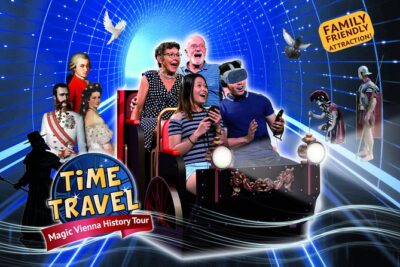
Skip-the-Line Schonbrunn Palace Guided Tour and Vienna Historical City Tour
Read our review →
Vienna Mozart Concert in Historical Costumes at the Musikverein
Read our review →
Browse the lists this tour appears in