
Reviewed · WALKING TOURS
Vienna Highlights: Private Guided Walking Tour
Vienna’s imperial center is compact enough to cover on foot, and this private three-hour walk gives you a quick, clear introduction to its grandest sights. You move from the State Opera to the Hofburg, St. Stephen’s Cathedral, Heldenplatz, Rathaus, and Burggarten without being tied to a large group.
I like the private format, which lets your guide adjust the pace and answer your questions. I also like the chance to get helpful context from guides such as Walter and Nicoleta, who have been praised for lively explanations of Vienna’s architecture and past. The main drawback is price: at $199.10 per person, this is costly for a walk that appears to focus mainly on exterior viewing and does not include museum or palace admission.
Key points to know before booking
- Three hours in central Vienna: The route links the State Opera, Albertina, Hofburg, cathedral, shopping streets, Rathaus, and Burggarten.
- Private English-speaking guide: Only your party takes part, so the pace and questions can be tailored to your interests.
- Mostly an outside look: Admission is listed as free, but a past participant was disappointed not to enter the major buildings.
- Strong guide experience is possible: Walter and Nicoleta have been singled out for clear, energetic storytelling and city knowledge.
- A premium price for orientation: You are paying for private attention and local explanation, not a meal, coffee, rides, or entry tickets.
- Hotel return costs extra: The walk ends at the central meeting point unless you arrange a paid hotel transfer.
Why this Vienna walk works best as a first look
This experience is built around Vienna’s historic center, where one impressive building follows another. In three hours, you can see the city’s old imperial power, its music tradition, its religious center, and its present-day civic life.
I see this as a get your bearings fast walk. It is especially useful at the beginning of a Vienna stay, when you want to understand how the center fits together before returning to the places that deserve more time inside.
The private setup matters. You are not trying to keep up with a crowd, and you can ask why the Habsburgs mattered, how Vienna’s public spaces changed, or which museums deserve your next afternoon. The exact guide is not guaranteed in the information provided, but Walter and Nicoleta are among the guides associated with especially positive experiences.
The format also has limits. Three hours is enough for a strong overview, not a full study of imperial Vienna. You should expect commentary, orientation, and exterior views rather than a long visit inside every palace and museum.
A few more Vienna trips to weigh up
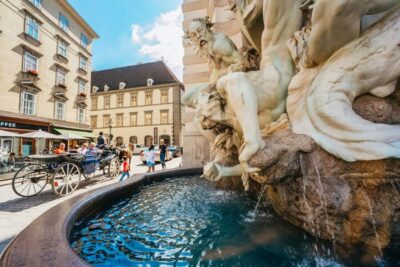
- Vienna: Guided Walking Tour of City Center Highlights
★ 4.7 · 4,989 reviews - Vienna: Vienna Central Cemetery Guided Walking Tour
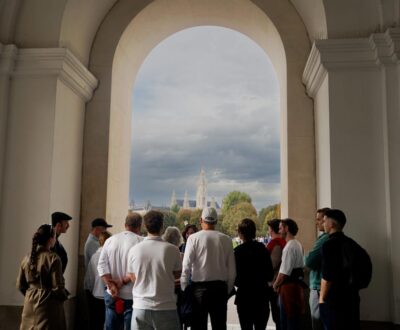
★ 4.8 · 3,307 reviews - Vienna: Guided Walking Tour of City Highlights & Hidden Gems
★ 4.9 · 2,180 reviews
Starting at Mozarthaus near Domgasse
The stated meeting point is Mozarthaus at Domgasse 5, in central Vienna. The stop description refers to a Mozart apartment and then introduces the State Opera, so I would confirm the exact starting spot and first sight with the operator before setting out.
That small check matters because central Vienna has several major sights within a short walk of one another, and the route details use both Mozarthaus and the State Opera as opening references. Confirmation is sent when you book, and the tour is near public transportation.
Mozarthaus itself gives the opening a musical connection, while the State Opera shifts the focus toward Vienna’s long role as a European center for performance. You may not spend time inside either place, but the guide can use them to explain how music, court life, and the city’s public image fit together.
The State Opera and Albertina in the first hour
The Vienna State Opera is the first major architectural sight described. Its elegant exterior and continuing role in the city’s performance life make it a useful introduction to Vienna’s cultural identity.
Your guide is expected to spend about 30 minutes here. That is enough time to look at the building, hear how it fits into Vienna’s story, and ask questions without turning the opening into a long lecture.
Next comes the Albertina, one of the city’s best-known art institutions. The collection includes major works associated with Monet, Picasso, and Dürer. The route allows about 30 minutes, with a possible walk through the surrounding gardens if time permits.
Here is where you should set your expectations carefully. The supplied details list no admission charge for this stop, and the experience price does not include a separate museum ticket. A past participant specifically felt let down by not entering buildings, so I would treat the Albertina as an exterior stop and art-history introduction unless the operator confirms otherwise.
That is not necessarily a flaw. A private guide can explain what the museum holds and help you decide if it deserves a separate visit. But if your main goal is to see paintings by Monet, Picasso, or Dürer, this walk is not a substitute for buying entry and spending time inside.
The Hofburg: Vienna’s imperial center
The Hofburg is the heart of the route. This huge palace complex was the former home of the Habsburg dynasty, and its courtyards and facades help explain the scale of imperial Vienna.
The stop is planned for about 30 minutes, followed later by another 30 minutes around the New Hofburg and Heldenplatz. That split is useful. The first portion can introduce the palace complex and its former residents, while the second gives more space to the public squares and political meaning around it.
The palace complex includes the Imperial Apartments, Sisi Museum, and Imperial Silver Collection. Those are important paid attractions, but they are not included as admissions in this walk. If you want the polished rooms, court objects, and Sisi-focused exhibits, plan a separate visit.
I would pay close attention to the guide’s storytelling here. This is the part of Vienna where dates and names matter, and one past participant reported historical errors and too little background. Other experiences praised guides for giving strong context and showing real enthusiasm for the city. That contrast means the guide can make a major difference.
Ask direct questions if you want more than a quick architectural explanation. A private tour gives you a better chance to request detail on the Habsburgs, palace life, or the transition from empire to modern republic.
Same Alps, a completely different kind of day:
- Vienna: Vivaldi’s Four Seasons Concert in Karlskirche
★ 4.7 · 14,951 reviews - Vienna: Spanish Riding School Training
★ 3.9 · 9,281 reviews - Vienna: Skip-the-cashier-desk-line Giant Ferris Wheel Ride
★ 4.5 · 7,859 reviews - Vienna: Schönbrunn Palace & Gardens Skip-the-Line Tour
★ 4.7 · 7,739 reviews
St. Stephen’s Cathedral and the city’s central streets
St. Stephen’s Cathedral receives about 15 minutes, which makes this a short stop rather than a full cathedral visit. You can take in the Gothic exterior, soaring tower, and colorful tiled roof while hearing about the building’s place in Vienna’s religious and civic life.
The South Tower is mentioned as an option for panoramic views. The information does not say that tower admission is included, so ask before counting on the climb. In any case, 15 minutes is a tight window if you want to inspect the cathedral, hear a full explanation, and climb a tower.
After the cathedral, the walk continues along Graben and Kohlmarkt for about 15 minutes. These streets combine shopping with handsome historic facades. Luxury stores and traditional shops line the route, so you can note places to revisit later rather than trying to shop during the guided portion.
This part works well as a transition between major monuments. You get a feel for central Vienna as a place where court-era architecture, modern retail, cafés, and daily city life share the same streets.
Heldenplatz and the New Hofburg
The New Hofburg and Heldenplatz receive another 30 minutes. This broad public space gives the guide room to explain events that shaped Vienna’s political past.
The setting is grand, but the value comes from context. A quick look at a palace facade can blur together after several stops. In Heldenplatz, the guide can connect the buildings to the public ceremonies and major events that took place there.
This is also a good place to ask about the shift from Habsburg rule to the Austrian republic. One of the most useful comments about the experience praised the way a guide connected Vienna’s imperial character with its modern identity. That is the kind of explanation that turns a string of famous buildings into a coherent city story.
Still, the quality depends heavily on the person leading the walk. The strongest guide comments describe cheerful, energetic explanations. The less favorable experience points to weak historical background and incorrect dates. If your interest is serious history, say so at the start and ask your guide to focus on chronology and evidence rather than broad impressions.
Rathaus and a quiet finish in Burggarten
The final portion includes Vienna City Hall, or Rathaus, followed by Burggarten and the Mozart Monument. About 30 minutes is allowed here.
Rathaus is a striking neo-Gothic civic building and a useful reminder that Vienna is not only a former imperial capital. Your guide can explain its role in city administration and point out the cultural events and festivals held around it during the year.
Burggarten provides a calmer finish. The park and Mozart Monument offer a pause after a route filled with palace fronts, church towers, and formal squares. I like this ending because it gives you a moment to stop looking upward and simply absorb the city.
The tour ends back at the meeting point. You can also request a hotel transfer for an additional charge. That option may help if you are tired, carrying luggage, or staying outside the center, but it is not part of the stated tour price.
What $199.10 per person really buys
At $199.10 per person, this is a premium walking tour. You are paying for a private English-speaking guide, a fixed block of personal attention, and the ability to shape the conversation around your group.
That can be good value for a family or small party that wants a flexible introduction. It can also make sense if you have limited time and prefer not to plan the center yourself.
The price is harder to justify if you expect a full sightseeing package. There is no stated meal, coffee, tram ride, boat trip, or museum entry. One past participant received only a small packet of candy and had to buy coffee separately, which gives you a clear picture of the extras: do not expect refreshments to be included.
Group discounts are available, but the amount is not specified. Check the final price for your party before booking. Since the activity is non-refundable and cannot be changed after purchase, you should also be certain about your date and group size.
How the private format affects the day
Only your group takes part. That is the clearest advantage over a standard city walk.
You can ask for more architecture, more imperial politics, more Mozart, or a faster pace. If the weather turns cold or rainy, a private guide may also be better able to adjust the rhythm, although the route remains a walking experience.
Past guide feedback points to both sides of this format. Walter was praised for cheerful explanations of Austrian and Viennese history and architecture. Nicoleta was praised for staying energetic and informative during cold, rainy conditions. Another guide was described as outgoing and somewhat forceful, but well informed.
That last point is worth noting. A private guide’s personality fills the whole experience. Some people like a bold, high-energy style. Others prefer a quieter and more academic approach. You can reduce the risk by stating your preferences before the walk begins.
Who should book this experience
I would recommend it to first-time visitors who want a fast introduction to central Vienna and do not want to build their own route. It also suits families, couples, or small groups who value private attention and can share the cost.
It is a good fit if you want to see many famous places from outside, understand how they relate to one another, and choose which interiors to visit later.
I would be more cautious if you are mainly interested in museum collections or palace rooms. The Albertina, Hofburg museums, and cathedral tower all need more time than this route provides, and admission is not clearly included.
I would also think twice if you want a low-cost city walk. The duration is short, the tour is on foot, and extras are limited. The value rests almost entirely on the guide’s ability to explain Vienna well.
Practical details that matter
The experience lasts about three hours and is offered in English. Most people can participate, and the meeting point is near public transportation.
Wear comfortable shoes. The route links several central sights, and even short stops can involve standing on hard streets while listening. Bring a plan for afterward, since the walk ends at the central meeting point unless you pay for a hotel transfer.
Confirm two details before the day: the precise first meeting location near Mozarthaus and whether any interior admission or South Tower visit is included. The published information identifies free admission at each stop, while the tour content and one past experience point toward exterior viewing.
Should you book it?
Book this walk if you want private guidance through Vienna’s central monuments, especially at the start of your stay. The route is efficient, the sights are major, and a strong guide such as Walter or Nicoleta can turn a quick walk into a useful lesson in architecture, music, empire, and modern civic life.
Skip it if you expect a full palace-and-museum tour or if $199.10 per person feels high for three hours without entries or refreshments. For the right group, the personal attention can justify the price. For everyone else, a self-guided route plus separate museum tickets may offer more time inside Vienna’s grand buildings.
FAQ
How long does the Vienna Highlights private walking tour last?
The tour lasts approximately three hours.
What language is the tour offered in?
The tour is offered in English.
Is this a private tour?
Yes. Only your group participates in the activity.
Where does the tour start?
The stated meeting point is Mozarthaus, Domgasse 5, 1010 Vienna, Austria. The tour information also refers to the Wien Museum Mozart apartment, so confirm the exact first meeting spot when booking.
Where does the tour finish?
The activity ends back at the meeting point in central Vienna. Hotel transfers are available for an additional cost.
Are museum and palace admission tickets included?
The listed stops show admission as free, but the experience information does not confirm entry into the Albertina, Hofburg interiors, Imperial Apartments, Sisi Museum, or other buildings. One past participant specifically noted not visiting interiors, so confirm this before booking.
Can I cancel or change the booking?
No. The experience is non-refundable and cannot be changed for any reason.
Just added around Vienna
- World War II History Vienna Old Town Private Walking Tour★ 4.8 · 9 reviews
- From Krems: Wachau Valley River Cruise on the Danube★ 4.6 · 95 reviews
- Vienna: Winery and Wine Tasting Tour with a Wine Expert★ 5.0 · 5 reviews
- Vienna: Wine Tasting E-Bike Tour★ 4.9 · 46 reviews
- Vienna: Wine Tasting at Schönbrunn Palace★ 4.3 · 71 reviews
- Vienna: Wine Tasting Tour★ 4.8 · 61 reviews
- Vienna: Wiener Schnitzel and Strudel Cooking Class★ 4.9 · 126 reviews
- Vienna Urban Art Tour: Explore a different side of Vienna!★ 3.8 · 14 reviews
Walking Tours, compared.
Guided Walking Tour of City Center Highlights
Read our review →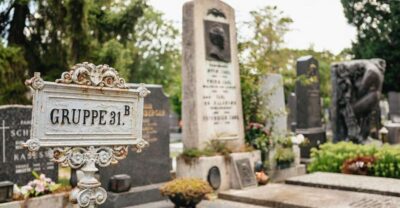
Guided Walking Tour of City Highlights & Hidden Gems
Read our review →
Vienna Historic Center Small Group Walking Tour
Read our review →
Browse the lists this tour appears in