
Reviewed · KUNSTHISTORISCHES MUSEUM TOURS
Vienna Kunsthistorisches Museum Day Admission Ticket
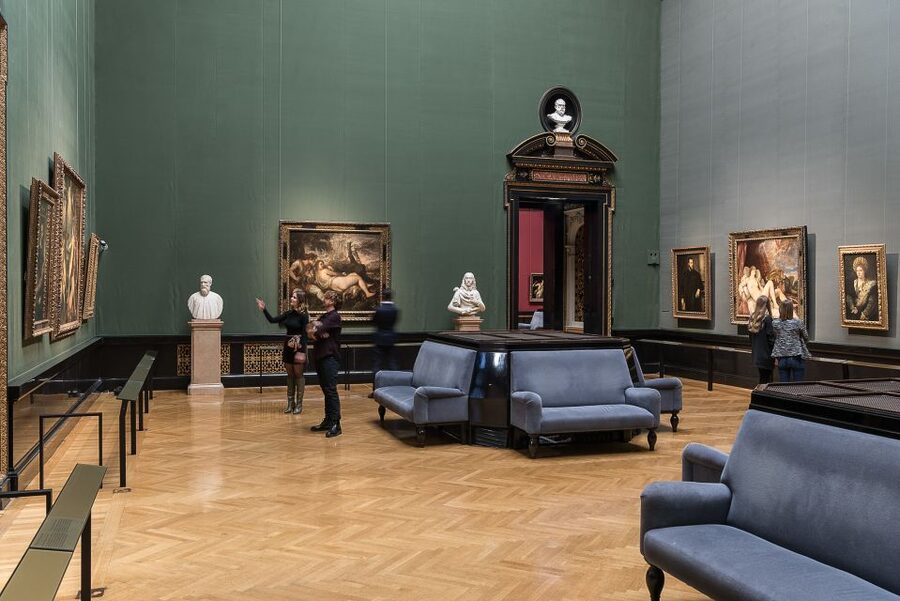
Vienna’s Kunsthistorisches Museum is not just a place to look at paintings. The building itself is part of the collection, with an imposing staircase, grand halls, and ceiling paintings made with Gustav Klimt’s collaboration. Inside, you move from ancient Egypt and classical antiquity to some of Europe’s finest Old Master art.
I especially like two things here: the range of the imperial collection, and the chance to see major works by Rubens, Rembrandt, Raphael, Vermeer, Velázquez, Titian, and Dürer under one roof. The main drawback is scale. Two hours will give you a taste, but four or five hours is more realistic if you want to explore without rushing.
Key points to know
- Start with the building: The staircase, painted ceilings, and grand interior deserve your attention before you reach the galleries.
- Plan for at least several hours: The museum covers Egyptian and classical antiquities, Old Master paintings, decorative arts, and unusual historic objects.
- Choose a short list of must-sees: The collection is large enough that you cannot absorb everything in one visit.
- Budget for the audio guide: It costs €5, or €7 for two, and helps explain both the museum and selected works.
- Exchange your voucher first: A printed voucher must be exchanged at the museum’s ticket office, often at the group ticket booth outside the entrance.
- Under-19 admission is generally free: This can make the museum a particularly good choice for families.
The grand entrance at Maria-Theresien-Platz
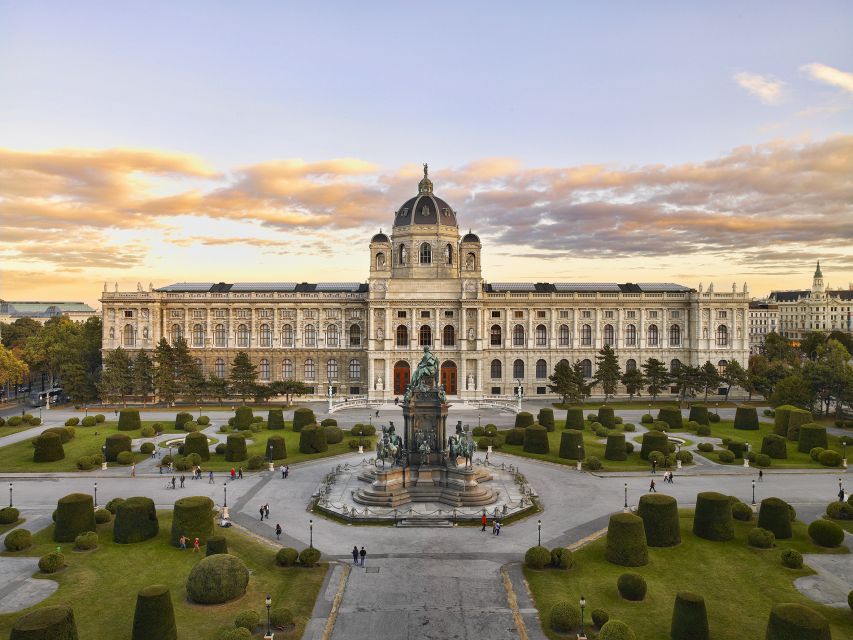
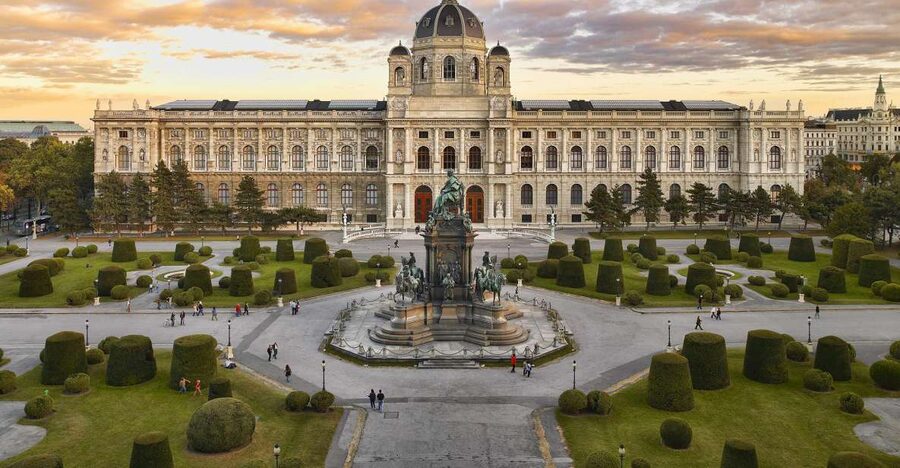
The Kunsthistorisches Museum sits at Maria-Theresien-Platz in Vienna’s 1010 district, opposite the Natural History Museum. You can begin appreciating it before you pass through the doors. Its broad facade and imperial proportions announce the purpose of the place: this was built by Emperor Franz Joseph to hold the Habsburg collections.
Inside, take a few minutes before charging toward the famous paintings. The entrance staircase is a work of art in its own right, with paintings and decorative details that reward a slow look upward. Gustav Klimt collaborated on a series of paintings connected with this grand approach, giving the stairway a direct link to Vienna’s later art history.
This matters because the museum experience is not limited to objects in glass cases. The rooms, staircases, ceilings, and painted decoration were designed to make the imperial collection feel important. That can be overwhelming at first, but it also gives the visit a sense of place that a plain white gallery cannot provide.
The building has plenty of steps, so wear comfortable shoes. It is wheelchair accessible, and one recent visit specifically noted that the climate control was welcome on a very hot day. Food and drinks are also available in the museum, but expect the cafe to be expensive by ordinary cafe standards.
More Kunsthistorisches Museum Tours in Vienna:
- Combo Ticket: Kunsthistorisches Museum & Imperial Treasury
★ 4.7 · 785 reviews - Skip the Line: Kunsthistorisches Museum Vienna Entrance Ticket
★ 4.5 · 466 reviews - Vienna: Kunsthistorisches and Leopold Museum Combo Ticket
★ 4.6 · 352 reviews
Ancient Egypt and classical antiquity
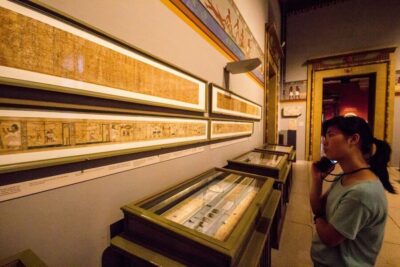
The first major choice is how much time to give the ancient collections. The museum takes you back to ancient Egypt, then onward through Greek and Roman antiquity. These rooms provide a useful change of pace after the ornate entrance halls and before the great European painting galleries.
You might find Egyptian tomb objects, sculptures, and other historic pieces that are best understood slowly rather than scanned in a few minutes. Signage is described as clear and interesting, which helps if you are not already familiar with the periods on display.
The Roman antiquities section has drawn particular attention, and the Egyptian exhibition is a strong reason to visit even if paintings are not your main interest. The range also helps families. Younger visitors can move between sculpture, objects, and painted scenes instead of facing room after room of similar canvases.
Pay attention to museum rules around the cases and displays. One visitor had an unpleasant exchange with a security guard after getting too close to an Egyptian tomb. The practical lesson is simple: keep a little distance, do not touch anything, and follow staff instructions, even when a display invites a closer look.
Do not try to inspect every ancient object in detail on your first pass. I suggest choosing one section for a proper look, then saving time for the Picture Gallery and Kunstkammer. If antiquities are your main interest, you can reverse that plan and spend much of the day here.
The Picture Gallery and its major names
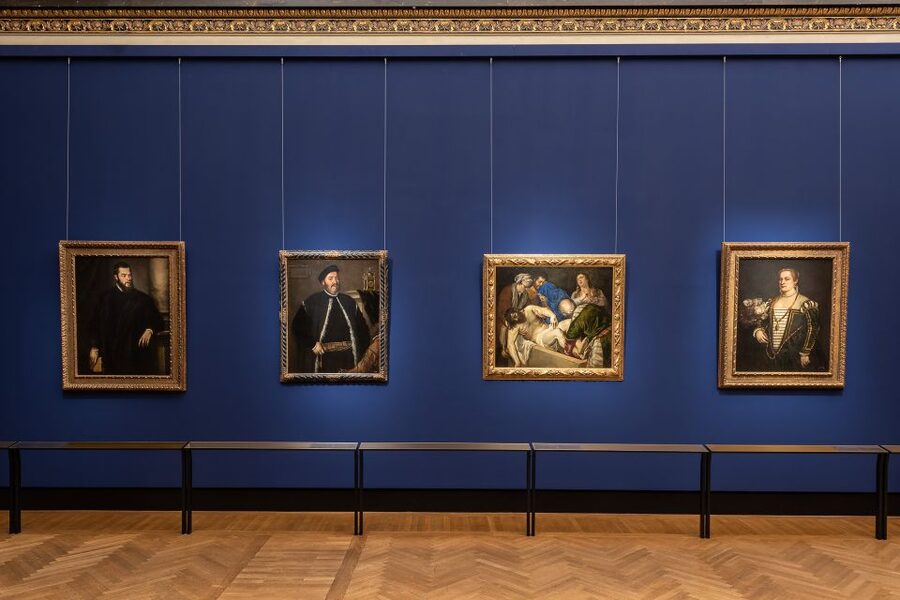
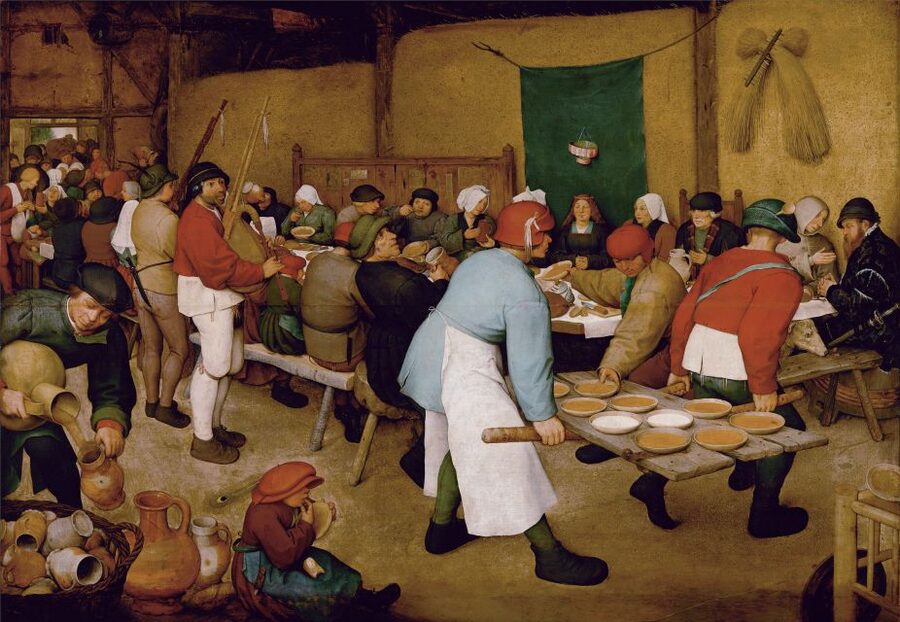
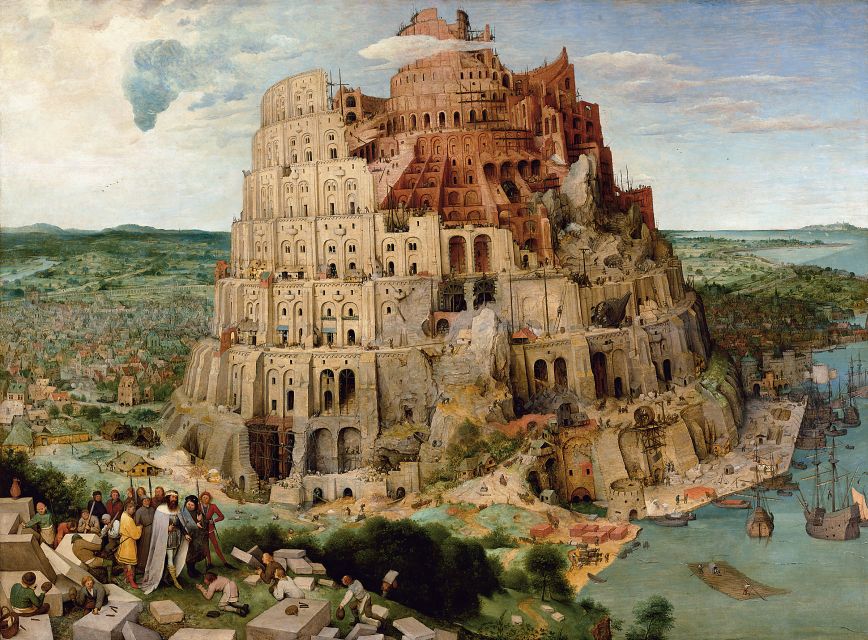
The Picture Gallery is the museum’s main draw for many people. It brings together works associated with Rubens, Rembrandt, Raphael, Vermeer, Velázquez, Titian, and Dürer, among others. This is not a room where one famous picture carries the whole visit. The appeal is the steady run of important paintings across several schools and periods.
Rubens is a highlight worth planning around. The Rubens section has been singled out as a favorite, and it is easy to see why the large, energetic compositions can hold your attention for a long time. Give yourself room to step back. These paintings often need distance before their arrangements and movement make sense.
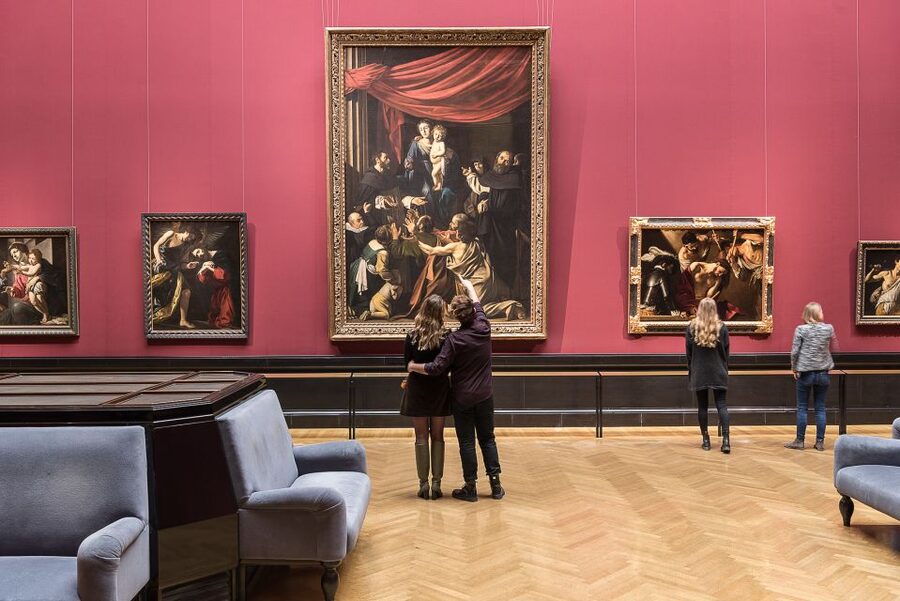
Rembrandt is another strong stop, especially if you like paintings that reward close attention to faces, light, and texture. The museum has also hosted displays focused on Rembrandt, adding further context to his work. Raphael offers a different experience, with a chance to sit on a sofa directly in front of one of his paintings and take it in without being pushed along by a crowd.
Vermeer’s presence is important precisely because his surviving body of work is small. A Vermeer can attract a great deal of attention, so check the room carefully and allow time to stand back from the painting. Velázquez, Titian, and Dürer broaden the picture beyond the best-known Dutch and Flemish names.
I recommend deciding on three or four artists before you arrive. Write them down, or keep the list on your phone. The museum is big enough that a first-time visitor can spend an hour simply wandering through impressive rooms and then realize the one painting they most wanted is still waiting upstairs.
The galleries are generally arranged so that you can move through periods and collections in a sensible way, but the exact path matters less than having a plan. You can spend two and a half to three and a half hours seeing the major areas at a comfortable pace, while a serious visit may take four to five hours or more.
Kunstkammer, Cellini, and imperial craftsmanship
The Kunstkammer shifts your focus from large paintings to objects made for courts, collectors, and rulers. Here you can see goldsmith work connected with artists such as Benvenuto Cellini, along with sculpture, finely worked ivory, and decorative pieces made with remarkable skill.
This section is valuable because it shows how the imperial collection was built around more than paintings. A small object can reveal the taste, wealth, and technical ambition of its period as clearly as a monumental canvas. Look closely at the materials, surfaces, and tiny details rather than rushing from case to case.
You will also encounter jewels and diamonds, including parts of the original jewelry associated with Empress Elisabeth. These pieces add a personal thread to the imperial story. They are not simply decorative objects. They connect the museum’s grand political history with the people who wore, commissioned, or displayed them.
Among the more unusual treasures are legendary objects identified with the Holy Grail and the horn of the unicorn. Whether you approach them as religious relics, courtly curiosities, or examples of old collecting habits, they show how earlier rulers understood the value of rare and mysterious things.
The collection also includes automata. Some visitors may wish there were more chances to see these mechanisms operating, but even when they are static, they offer a glimpse of the fascination with moving objects and mechanical spectacle. If you like unusual historic objects more than formal portraits, give the Kunstkammer extra time.
A few more Vienna trips to weigh up
- Vienna: Skip-the-Line Sisi Museum, Hofburg and Gardens Tour
★ 4.8 · 5,918 reviews - Tickets for the Albertina Exhibitions
★ 4.7 · 2,126 reviews - Vienna: Chocolate Workshop in Chocolate Museum w/ Tasting
★ 4.5 · 1,802 reviews - Sigmund Freud Museum Ticket
★ 4.6 · 1,668 reviews
A museum that can fill most of a day
The ticket is valid for one day, not for a timed guided tour. That gives you freedom to choose your pace, but it also means you need to manage your energy. The museum can become tiring simply because there is so much to see and because the route involves walking and steps.
I would plan on three hours for a focused visit. Four to five hours is better if you want to cover the Picture Gallery, antiquities, Kunstkammer, and the building without constant rushing. A full day is possible for someone who wants to read the labels, return to favorite paintings, and take a proper cafe break.
Do not treat the word one day as a challenge to inspect every display. The collection is too large for that to be enjoyable. Instead, use a two-pass method:
- First, walk through the main sections to understand the layout.
- Next, return to your chosen paintings, objects, or periods.
- Leave time for the building and the cafe, rather than treating them as optional extras.
The museum can be a good wet-weather plan, and its interior offers plenty to occupy you even if you have only a morning. It is also comfortable in hot weather, thanks to effective climate control noted by a visitor during a 33-degree day.
The cafe and the practical rhythm of the visit
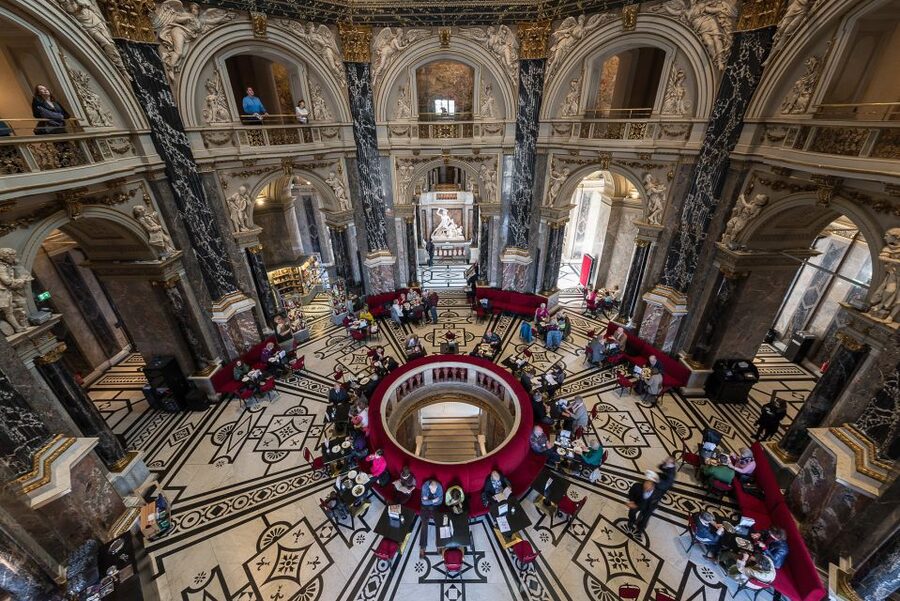
The cafe is one of the most memorable parts of the building. It is set within the ornate museum interior, so a coffee and cake break becomes part of the architecture rather than a routine stop in a plain cafeteria.
Seating can involve a short wait, and prices are high. Still, the setting makes it worthwhile if you have already spent several hours on your feet. I would use the cafe as a planned pause, not an emergency snack stop. Food is expensive, so take that cost into account when setting your museum budget.
Bring water with you if you expect to stay for much of the day. The museum is large, and it is easy to underestimate how much walking is involved. Comfortable shoes matter more here than dressing for a formal imperial building.
If you prefer quiet galleries, arrive near opening time. The museum can feel manageable rather than overcrowded, but popular works and the cafe may become busier at certain times. Buying ahead can also save time, provided you handle the voucher exchange correctly.
The $25 ticket and what you actually receive
At $25 per person, this is a strong value for anyone who will spend several hours inside. The ticket covers entrance for one day, and the collection is broad enough that the price compares well with other major European museums, especially when the architecture is treated as part of the experience.
The ticket does not include an audio guide. You can rent one inside for €5, or pay €7 for two. I consider that a sensible extra if you want more than labels. The guide adds information about the building and selected paintings, and it can direct your attention to details you might otherwise pass.
If you are visiting with children or teenagers, check the age rule carefully. Children and young people under 19 generally receive free admission. School groups under 19 must be registered through the museum’s booking department at [email protected], without exception.
The booking format is described as a small group limited to 10 participants, but this is best understood as the size attached to the admission booking rather than a museum-led sightseeing tour. You are not paying for a personal art historian or a named guide. You are buying entry and exploring independently.
The voucher exchange is the key detail
The most important practical point is easy to miss. You need a printed voucher, then you must exchange it for the museum’s actual admission ticket at the ticket office before entering.
The exchange point is outside the museum entrance area, at the group ticket booth. Several people have lost time by joining the wrong line or walking straight to the entrance with only the booking voucher. Look for the group ticket office, show the printed voucher, collect the physical ticket, and then proceed inside.
This extra step is not difficult, but it is worth allowing time for it. Buying in advance can save money and help with queues, yet the benefit is reduced if you arrive without the printed voucher or do not know where to exchange it.
State-certified tourist guides generally receive free entrance. For adult groups of more than 10 people, one guide per voucher booking can receive free admission while accompanying the group. Groups of fewer than 10 do not receive a free guide place, and guides are charged as paying participants.
The meeting address is Kunsthistorisches Museum Wien, Maria-Theresien-Platz, 1010 Wien. The activity is wheelchair accessible. Free cancellation is available up to 24 hours before the visit, and the reserve-now, pay-later option can help if your Vienna plans are still shifting.
Who will enjoy this museum most
I would choose this ticket if you care about European painting, imperial collecting, ancient objects, or grand architecture. It suits solo visitors who like to set their own pace, couples who want a long indoor cultural stop, and families who can make use of the under-19 admission rule.
It is also a good choice if you want one museum that covers several periods. You can see Egyptian objects, Roman antiquities, Renaissance painting, Baroque art, court jewelry, ivory work, and mechanical curiosities in one visit.
I would be more cautious if you have only 60 to 90 minutes in Vienna. The building alone deserves time, and a rushed visit will leave you with a blur of famous names and ornate rooms. In that case, choose a small list of works and accept that you are making a short visit, not seeing the whole museum.
The same advice applies if your group has very different interests. One person may want Rubens, another may prefer Egypt, and a third may care most about the cafe. The museum works well for that mix because the collections vary so much, but agree on a meeting plan if you separate.
Should you book the Kunsthistorisches Museum ticket?
Yes, if you can spare at least three hours and enjoy more than one kind of art. The $25 entry price gives you access to an exceptional collection and a building that deserves its own visit. Add the audio guide if you want helpful context, and plan your route before entering.
Book it with one warning in mind: print the voucher and exchange it at the group ticket booth before joining the entrance line. If you remember that detail, this is one of Vienna’s best museum values, especially for families with children under 19 and anyone who wants a substantial indoor cultural experience rather than a quick photo stop.
FAQ
Where is the Kunsthistorisches Museum?
The museum is at Maria-Theresien-Platz, 1010 Wien, Vienna, Austria.
How much does the admission ticket cost?
The listed price is $25 per person.
How long is the ticket valid?
The ticket is valid for one day.
What does the ticket include?
It includes entrance to the Kunsthistorisches Museum.
Is an audio guide included?
No. An audio guide costs €5 each, or €7 for two.
Do children under 19 need to pay?
Children and young people under 19 generally receive free admission.
Do I need to exchange my voucher?
Yes. Bring the required printed voucher and exchange it for the actual museum ticket at the ticket office, generally at the group ticket booth outside the entrance.
Can I cancel the booking?
You can cancel up to 24 hours in advance for a full refund.
Just added around Vienna
- Ottakringer Brewery tour★ 4.0 · 6 reviews
- New Hofburg Palace Tour House of Habsburg★ 4.5 · 5 reviews
- Private Van & Walk Tour – One Perfect Day in Vienna★ 5.0 · 21 reviews
- True Crime mobile puzzle rally Vienna★ 4.0 · 3 reviews
- Vienna Naschmarket Food Tasting Tour★ 4.0 · 30 reviews
- Vienna Nightlife Experience: Food, Wine, Cocktails & Vibes★ 5.0 · 119 reviews
- Myth Mozart★ 4.0 · 80 reviews
- ( Night Tour ) With Private Guide + wine or prosecco★ 4.0 · 12 reviews
Kunsthistorisches Museum Tours, compared.
Combo Ticket: Kunsthistorisches Museum & Imperial Treasury
Read our review →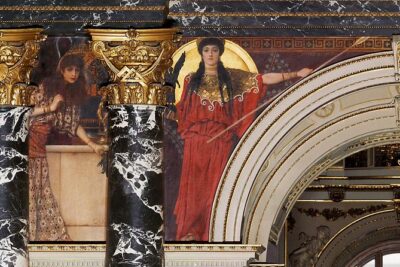
Skip the Line: Kunsthistorisches Museum Vienna Entrance Ticket
Read our review →
Kunsthistorisches and Leopold Museum Combo Ticket
Read our review →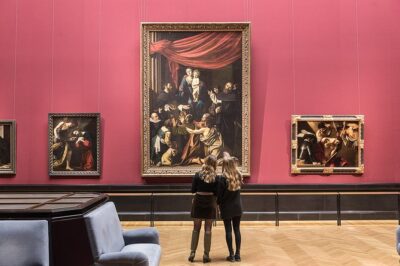
Kunsthistorisches Museum Vienna and Imperial Treasury of Vienna
Read our review →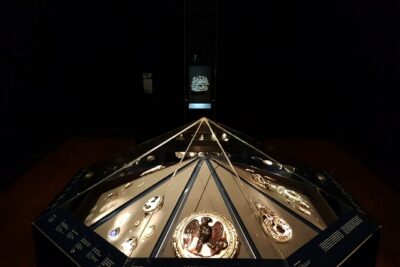
Private Tour of the Kunsthistorisches Museum: Secrets of Masterpieces | Tickets included
Read our review →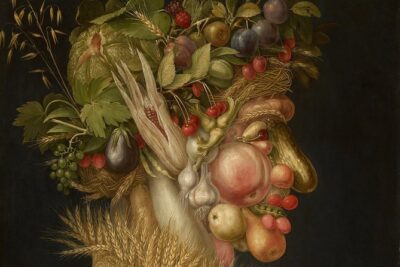
Kunsthistorisches Museum Wien Guided Tour including admission
Read our review →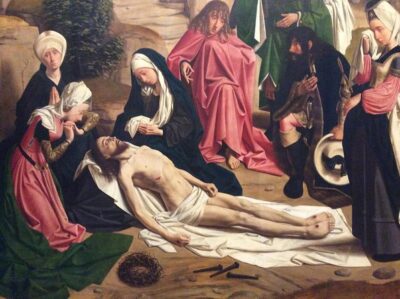
Private Tour of the Picture Gallery of the Fine Arts Museum VIenna (Kunsthistorisches Museum) with an Art Historian
Read our review →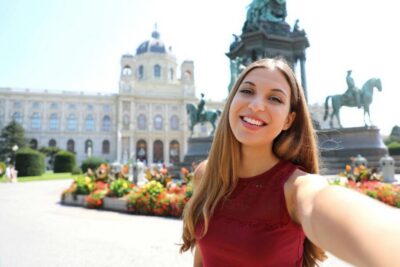
Skip-the-line Private Tour Kunsthistorisches Museum Vienna
Read our review →Browse the lists this tour appears in