
Reviewed · MUSEUMS
Sigmund Freud Museum Ticket
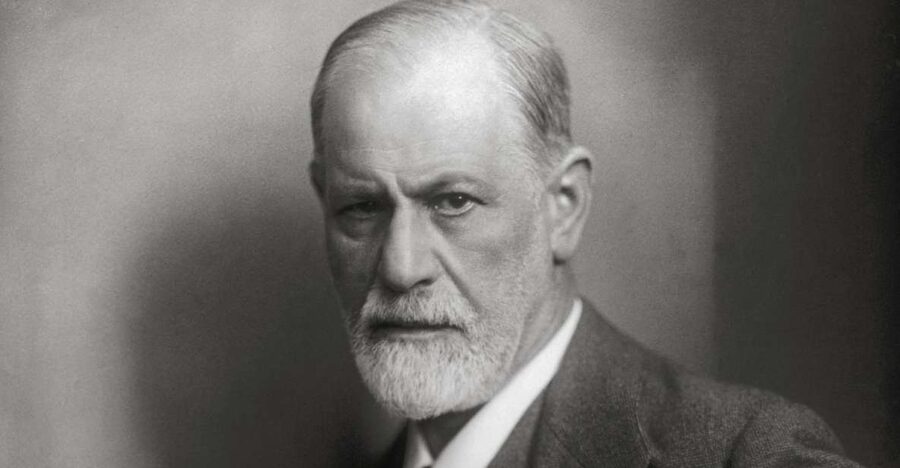
Sigmund Freud’s old address, Berggasse 19, is more than a stop for psychology students. It is the place where Freud lived and worked, where psychoanalysis took shape, and where a Viennese family later faced the terror of Nazi rule. The museum combines rooms, documents, recordings, film, and art to show both the famous thinker and the man at home.
I like the original setting and the rare recordings of Sigmund and Anna Freud. I also like the careful attention to the wider Freud family, including the painful story of his sisters. The main drawback is that the famous couch is not here, and several rooms can feel sparse because Freud took much of the household with him when he fled Vienna in 1938.
Key points at a glance
- Enter through Freud’s original doorway: Use the entrance shared by Freud, his family, and his patients, then climb the historic stairs to the mezzanine.
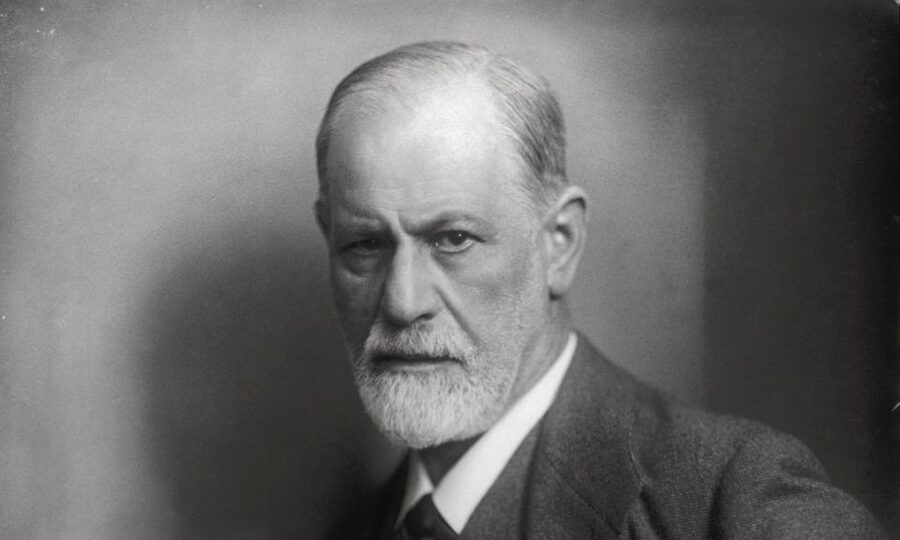
- Hear Freud’s actual voice: Audio recordings and family films give the museum a personal quality that labels alone cannot provide.
- See the site of psychoanalysis: Former living areas, work spaces, and professional displays explain how Freud’s ideas developed.
- Use your phone with Freud’s Couch: An augmented-reality installation shows where the famous couch once stood and explains what happened to it.
- Follow the family story: Exhibits cover Freud’s escape to London and the fate of his sisters under Nazi persecution.
- Allow 1.5 to 3 hours: An hour is enough for a brisk visit, but careful readers can spend much longer with the displays.
Entering Berggasse 19, Freud’s most famous address
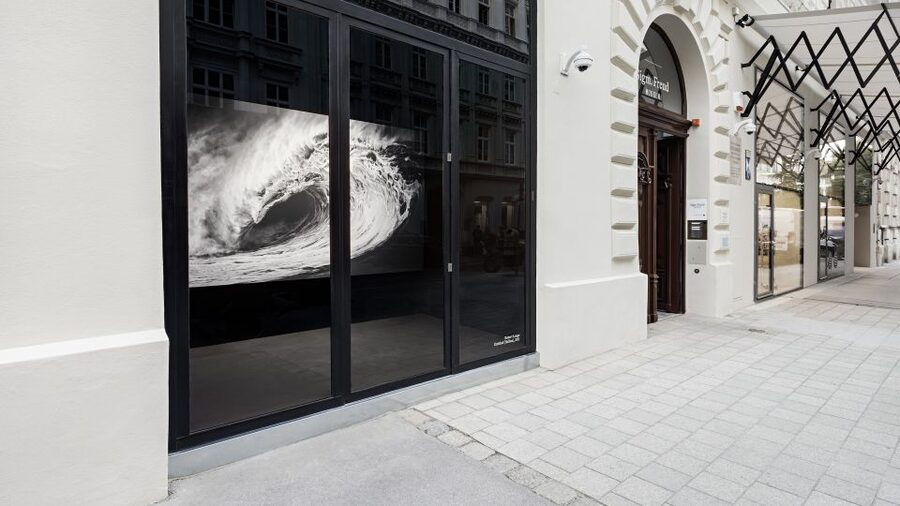
The visit begins at the main entrance of the Sigmund Freud Museum on Berggasse 19. Present your voucher there, and you can use the skip-the-ticket-line access rather than waiting to buy admission on site.
The address matters. This is not a museum built around a distant collection of objects. You are entering the house where Freud lived and received patients, then walking the same stairway toward the mezzanine where the Freud family lived. That simple act gives the visit a useful sense of place.
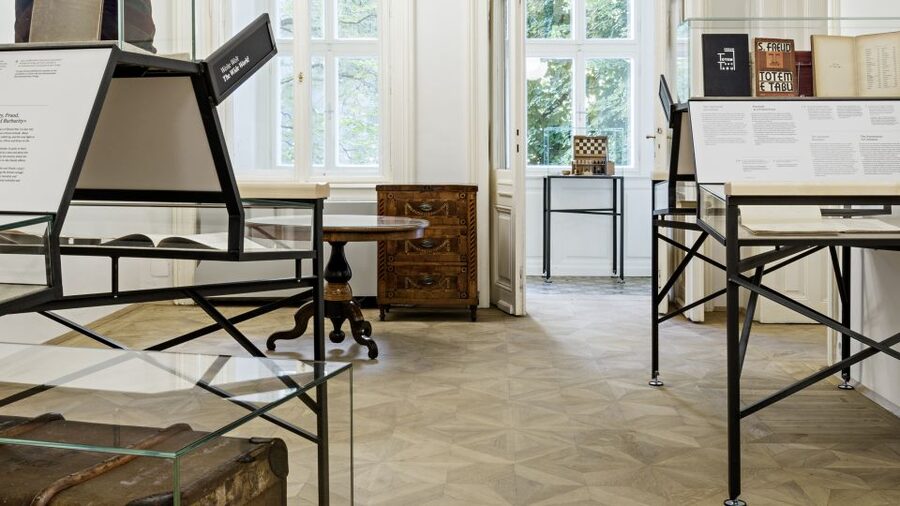
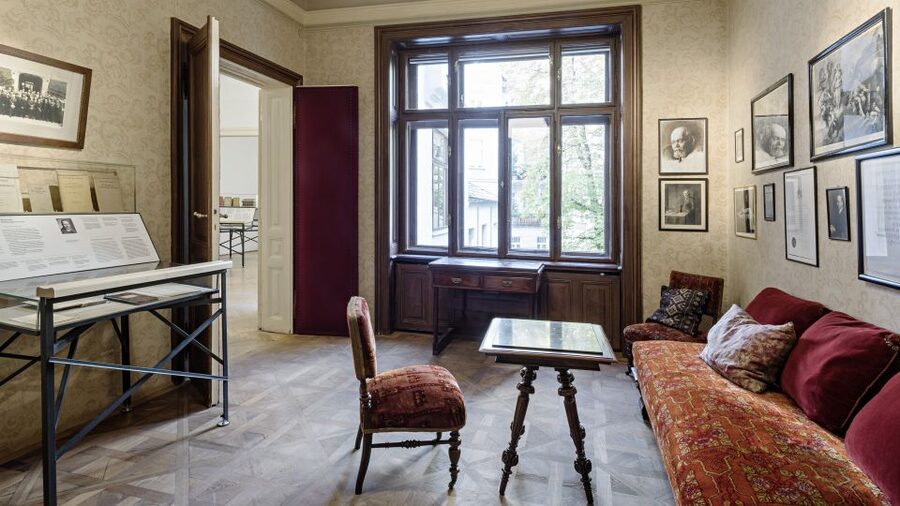
The building itself is not a preserved time capsule. Freud left Vienna under pressure in 1938, and much of the furniture and personal property went with him. That absence is important. You will not find every room dressed as it looked during Freud’s lifetime, and visitors expecting a fully furnished apartment may feel let down.
Still, the bare spaces make the documents, sounds, and stories more important. The museum asks you to picture the household rather than simply admire furniture. I found that approach more honest than a polished reconstruction would have been.
A few more Vienna trips to weigh up
- Vienna: Skip-the-Line Sisi Museum, Hofburg and Gardens Tour
★ 4.8 · 5,918 reviews - Vienna Kunsthistorisches Museum Day Admission Ticket
★ 4.6 · 3,690 reviews - Tickets for the Albertina Exhibitions
★ 4.7 · 2,126 reviews
How the museum explains the birth of psychoanalysis
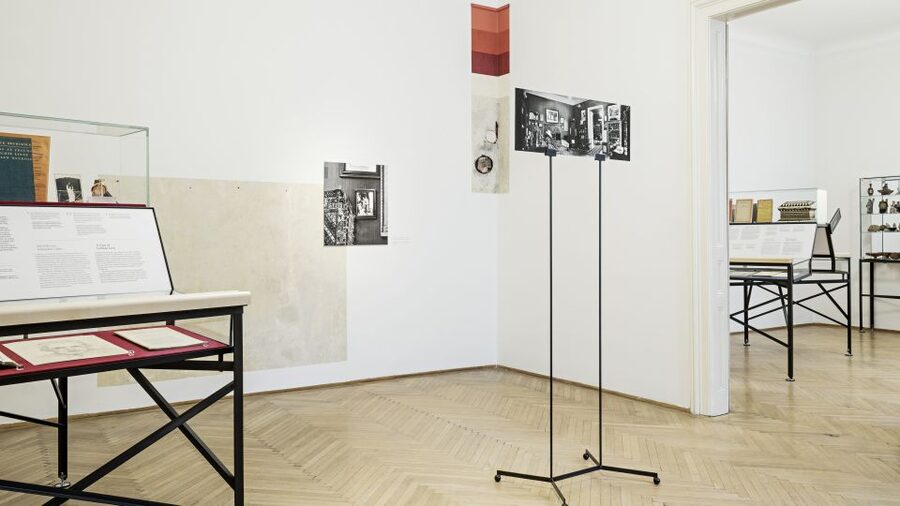
The first major part of the visit focuses on Freud’s professional life and the development of psychoanalysis. Displays cover his medical work, intellectual interests, and the ideas that changed the way many people thought about dreams, memory, the unconscious mind, and human behavior.
You will find rare first editions, offprints, presentation copies, and other printed material connected with Freud’s theoretical work. These objects are especially useful if you want to understand how his ideas moved from private study into published debate. The museum does not reduce Freud to a portrait of a stern old man with a beard. It shows the work in progress.
Several visitors have found the summaries of the five main developments of psychoanalysis helpful. Look for these if Freud’s writing feels dense or unfamiliar. They provide a basic path through a subject that can otherwise become a thicket of terminology.
The museum also includes selected notes, correspondence, images, and biographical material. You can move through the exhibits at your own speed, but the layout does not always provide a perfectly clear chronological route. I suggest reading the room introductions first, then using the dates on individual labels to build your own timeline.
This is a museum for curious beginners as well as specialists. Psychologists, psychiatrists, and other mental health professionals may treat the visit as a kind of pilgrimage, but you do not need professional training to appreciate the displays. The museum gives enough context to explain why Freud mattered, while leaving room for you to question his methods and conclusions.
Freud’s rooms, family life, and the missing couch
The private rooms add a different layer to the visit. Here, Freud becomes a husband, father, brother, collector, and friend, not simply the founder of a controversial field.
You will see the areas connected with family life and learn about Anna Freud, who grew up at Berggasse 19 and later became an important figure in her own right. The family material is one of the strongest parts of the museum because it places Freud’s public work beside ordinary domestic life.
Do not expect the famous psychoanalytic couch to be waiting in the office. It is not part of the museum’s physical collection at Berggasse 19. This is one of the visit’s most important practical details, since many people arrive expecting to see the object most closely associated with Freud.
Instead, use your phone to activate the augmented-reality installation Freud’s Couch. It appears in the place where the couch once sat and explains its later whereabouts. The installation is a smart way to address what is missing without pretending that the original object remains in Vienna.
The museum also presents Freud’s former office and the permanent art display Hidden Thoughts of a Visual Nature. It includes conceptual works by artists such as John Baldessari, Joseph Kosuth, Susan Hiller, Franz West, and Haim Steinbach.
That contemporary art section may surprise you. It is not a replica of Freud’s consulting room, nor is it simply decoration. It creates a modern conversation around thought, interpretation, language, and visual meaning. If your interest is strictly biographical, you may pass through quickly. If you enjoy art that raises questions rather than offers easy answers, give it time.
Voices and films that make the visit personal
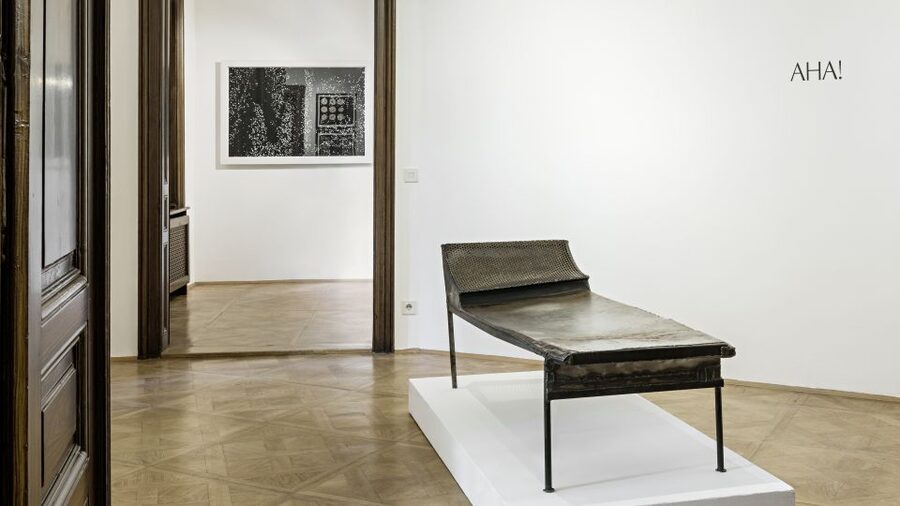
The audio material is among the most memorable parts of the museum. Hearing Sigmund Freud’s actual voice changes the scale of the experience. Text can tell you what a person believed, but a recording gives you tone, rhythm, and presence.
Anna Freud’s voice adds another personal connection. Together, the recordings help move the museum away from a purely academic presentation. You are not only reading about a major thinker. You are hearing members of the family who lived inside this address.
Unique Freud family films from the 1930s offer another window into daily life. These moving images are valuable because they show people rather than just documents. They also carry an uncomfortable awareness of what was about to happen in Vienna.
Some audio exhibits may occasionally be out of order, so do not build your entire visit around every recording working perfectly. The film material and written displays still carry the story, but a faulty audio station can interrupt the flow.
The rooms are sometimes dimly lit. That protects the atmosphere and helps preserve materials, but it can make labels harder to read. If you have trouble with small print, take your time and do not rush from room to room.
Same Alps, a completely different kind of day:
- Vienna: Vivaldi’s Four Seasons Concert in Karlskirche
★ 4.7 · 14,951 reviews - Vienna: Spanish Riding School Training
★ 3.9 · 9,281 reviews - Vienna: Skip-the-cashier-desk-line Giant Ferris Wheel Ride
★ 4.5 · 7,859 reviews - Vienna: Schönbrunn Palace & Gardens Skip-the-Line Tour
★ 4.7 · 7,739 reviews
The staircase from Freud’s Vienna to Nazi persecution
A newly built staircase connects the museum’s floors and gives the building a wider purpose. It tells the story of the house and its occupants, then follows the period after Freud’s departure.
This section is difficult, and it should be. Berggasse 19 was tied not only to psychoanalysis but also to the persecution of Jewish residents after the Anschluss. The museum documents the moment when Jews were collected at the address, placing Freud’s private story within the larger violence taking place in Vienna.
The gallery foyer includes a separate section about Freud’s flight into exile in London with his closest family. It also follows his brother Alexander and the fate of his sisters Rosa, Marie, Pauline, and Adolfine, who were murdered in Nazi extermination camps.
I consider this essential viewing, even if you came mainly for psychology. Without it, the museum could become a shrine to a celebrated intellectual. With it, the building becomes a place of memory, responsibility, and loss.
The contrast is sharp. Freud and his immediate family escaped to London, while other members of the family did not. The exhibits handle that difference directly, without turning the story into a simple tale of successful flight.
How long to spend and how to plan your visit
The ticket is valid for one day, and most people should allow at least 90 minutes. A brisk visit can take about an hour, while a careful reading of the displays can fill two or even three hours.
An 11 a.m. entry has been a useful choice for some visitors because the museum can be quieter early in the day, with more activity later. Opening hours can change, so check them before setting out rather than relying on an old schedule.
The museum is easy to reach by public transport, and a tram stop is about a four-minute walk away. It also has lockers for luggage and a restroom, useful if you are fitting the museum between trains or other Vienna sights.
The building is wheelchair accessible. Flash photography is not allowed, so set your phone or camera accordingly. Since the displays include a large amount of reading, comfortable clothing and a little patience will improve the visit.
During hot weather, the interior can feel warm. Dress lightly in summer, especially if you plan to stay for several hours. The dim rooms and heat can make a slow visit more tiring than expected.
Is the $18 ticket good value?
At $18 per person, this is not Vienna’s cheapest small museum visit. The value depends on your interest.
You are paying for more than access to a former apartment. The ticket covers the professional displays, family rooms, rare printed material, audio recordings, family film, the Nazi-era section, contemporary art, and the AR couch installation. That is a substantial amount for a museum that can occupy an hour or much of an afternoon.
The price may feel high if you expect a preserved interior filled with original furniture. Freud’s departure means the museum cannot offer that kind of domestic reconstruction. The rooms can also feel underlit and undecorated.
I think the ticket earns its cost if you have an interest in psychology, modern European thought, Jewish history, Vienna, or Freud’s family. It is less essential if you are trying to see every grand imperial attraction in the city and have little curiosity about Freud himself.
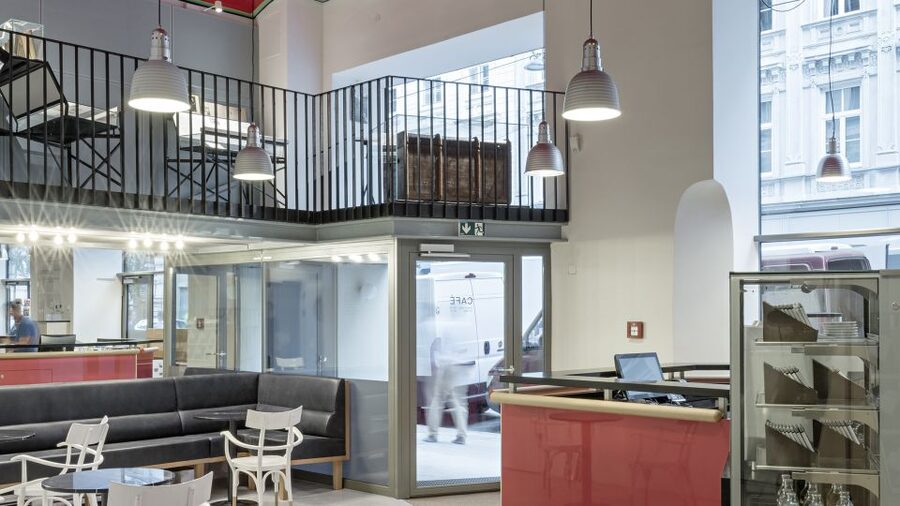
The café helps round out the visit. You can finish with a Viennese coffee and cake, or choose Viennese wine instead. The shop is strongest for books and Freud-related reading, with less variety in general souvenirs. If you are traveling light, you may need to resist the temptation to buy a board game or another substantial book.
Who will appreciate this museum most?
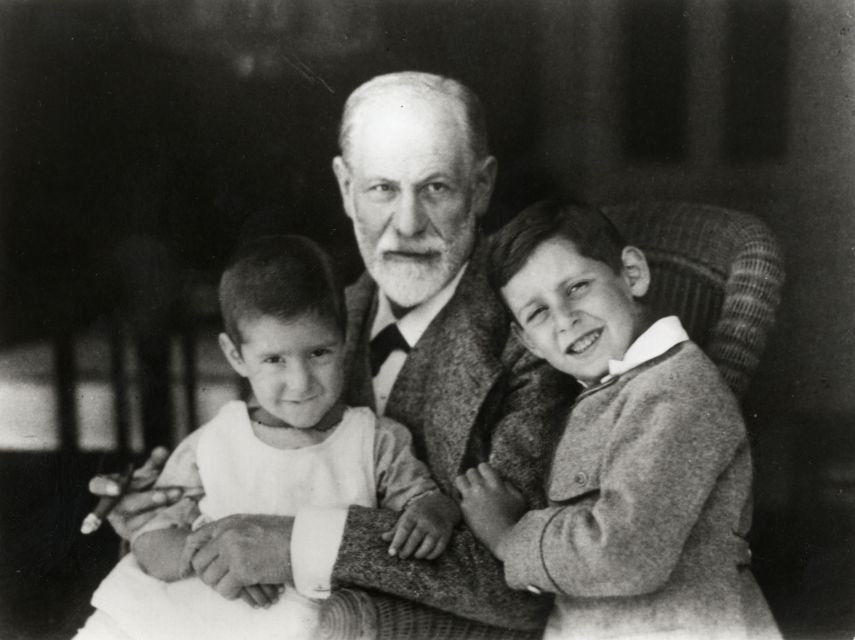
I would recommend it first to anyone who has studied psychology or works in mental health. The chance to stand in Freud’s former clinic and see material connected with his practice gives the visit unusual weight.
It also suits readers, students, and anyone interested in Vienna around the turn of the 20th century. You do not need to admire all of Freud’s theories. The museum is valuable partly because it lets you examine his influence while considering the limits and controversies of his work.
Families can make it work, but the amount of reading may test younger children. A small child may enjoy searching for puzzle stickers hidden in the rooms, including clues connected with Freud’s dog. That feature gives children something active to do while adults read.
Older children and teenagers with an interest in science, history, or human behavior may find the material rewarding. For a child who needs constant movement, the quiet rooms and long labels may be a poor match.
The museum also suits visitors who want a serious stop away from Vienna’s grand palaces. It is intimate, thoughtful, and sometimes sad. Do not expect a quick photo opportunity. Expect a place that asks you to pay attention.
Should you book the Sigmund Freud Museum?
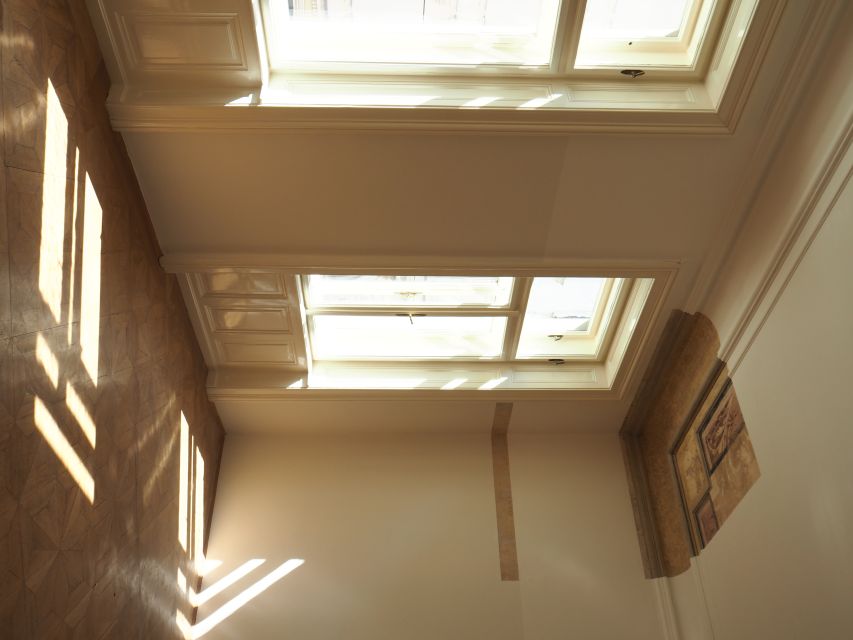
Book it if you want to connect Freud’s ideas with the actual rooms, family, and political crisis that shaped his life. The recordings, 1930s films, family story, and Nazi-era displays give the museum emotional force beyond the usual biography.
Keep your expectations realistic about the missing couch and sparse rooms. Use the AR installation, read the labels carefully, and allow at least 90 minutes. At $18, it is a sound choice for psychology fans and thoughtful museumgoers, while casual sightseers may prefer a shorter stop or another Vienna attraction.
You can cancel up to 24 hours ahead for a full refund, and reserve now while paying later if you want to keep your plans flexible. That makes it easier to fit Berggasse 19 into a changing Vienna schedule.
FAQ
Where is the Sigmund Freud Museum located?
The museum is at Berggasse 19 in Vienna, Austria. This is the address where Sigmund Freud lived and worked.
What does the ticket include?
The ticket includes admission to the Sigmund Freud Museum. It covers the former private rooms, professional displays, family material, recordings, films, the AR installation, contemporary art, and the museum café and shop areas.
How long is the ticket valid?
The ticket is valid for one day. Check availability for the available starting times.
How long should I plan for the visit?
Plan on about 1.5 hours for a complete visit at a steady pace. You can spend two or three hours if you read the displays carefully, while a quick visit may take about an hour.
Is Freud’s famous couch in the museum?
The original couch is not physically in the museum. You can use your phone to activate the AR installation Freud’s Couch in the place where the couch once stood and learn about its whereabouts.
Can I hear Sigmund Freud’s voice?
Yes. The museum includes recordings of Sigmund Freud and Anna Freud.
Is the museum suitable for children?
Children can find puzzle stickers hidden in the rooms, including clues connected with Freud’s dog. Much of the museum consists of reading and historical displays, so younger children may need help staying engaged.
Is the museum wheelchair accessible?
Yes, the museum is wheelchair accessible.
Can I take photographs inside?
Photography is permitted with restrictions, but flash photography is not allowed. Opening hours can change, so check current information before visiting.
Just added around Vienna
- Ottakringer Brewery tour★ 4.0 · 6 reviews
- True Crime mobile puzzle rally Vienna★ 4.0 · 3 reviews
- New Hofburg Palace Tour House of Habsburg★ 4.5 · 5 reviews
- Private Van & Walk Tour – One Perfect Day in Vienna★ 5.0 · 21 reviews
- Vienna Naschmarket Food Tasting Tour★ 4.0 · 30 reviews
- Vienna Nightlife Experience: Food, Wine, Cocktails & Vibes★ 5.0 · 119 reviews
- Myth Mozart★ 4.0 · 80 reviews
- ( Night Tour ) With Private Guide + wine or prosecco★ 4.0 · 12 reviews
Museums, compared.

Skip-the-Line Sisi Museum, Hofburg and Gardens Tour
Read our review →
Vienna Kunsthistorisches Museum Day Admission Ticket
Read our review →
Chocolate Workshop in Chocolate Museum w/ Tasting
Read our review →
St. Stephen’s Cathedral & Dom Museum Wien Tickets
Read our review →
Browse the lists this tour appears in