
Reviewed · KUNSTHISTORISCHES MUSEUM TOURS
Kunsthistorisches Museum Vienna and Imperial Treasury of Vienna
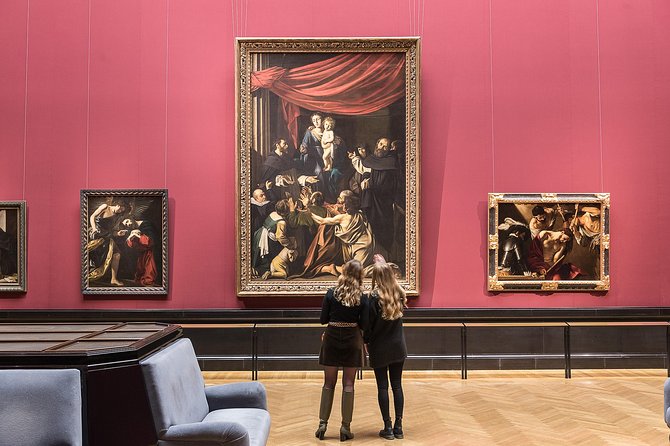
Vienna’s grandest art museum and its most important royal treasure room come together on one ticket. At the Kunsthistorisches Museum, you can face masterpieces by Bruegel, Rubens, Raphael, Rembrandt, Titian, Velázquez, and Dürer beneath an equally impressive imperial interior. Then, at the Imperial Treasury, you’ll see crowns and ceremonial objects tied to the Habsburgs and the Holy Roman Empire.
I like the freedom here: you set your own pace, and you can spend five minutes or half an hour with a single painting. I also like the range, from Egyptian and Roman antiquities to gold, ivory, robes, jewels, and imperial regalia. The catch is practical: the voucher may need to be exchanged for a museum ticket, and the correct queue is not always obvious.
Key points to know before you go
- Two major museums on one admission: Visit the Kunsthistorisches Museum and the Imperial Treasury of Vienna with a combined ticket.
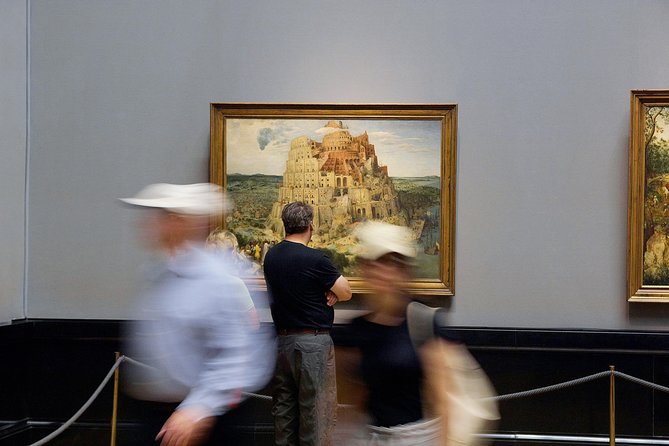
- Bruegel is the star for many art lovers: The museum holds the world’s most important collection of paintings by Pieter Bruegel the Elder.
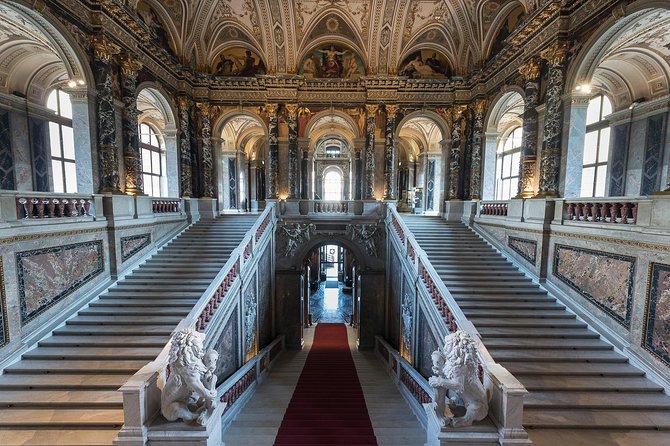
- The building is part of the experience: The Kunsthistorisches Museum is grand enough to admire before you even reach the galleries.
- The Imperial Treasury is compact but powerful: Look for the Austrian imperial crown, German imperial crown, Holy Roman Empire insignia, robes, and jewels.
- Plan much more than three minutes: The listed duration refers to the admission arrangement, not the time needed to see the museums.
- Allow time for ticket redemption: Join the line marked Voucher or Group Priority, not the regular Ticket line, if you need to exchange your paper voucher.
What this combined Vienna ticket really gives you
This is best understood as a self-guided museum pass, not a guided tour. You receive entrance to two institutions, with no hotel pickup, food, drinks, or named guide included. The ticket is useful because it links two very different parts of Vienna’s imperial story.
The Kunsthistorisches Museum is the larger commitment. Its collections cover paintings, sculpture, decorative objects, and antiquities. The Imperial Treasury is more focused, presenting the physical symbols of Habsburg power: crowns, ceremonial clothing, jewels, and sacred or imperial objects.
The listed experience time of one to three minutes can look strange. It describes the ticket component, not a realistic museum visit. I would set aside at least several hours if you want to enjoy the Kunsthistorisches Museum properly, then add time for the Treasury. One visitor found four hours barely enough for the art museum, while another felt the Treasury could be handled in about an hour.
That difference matters. If you arrive late in the day after a morning of sightseeing, you may have enough energy for only the highlights. Start early if you want both places to feel pleasurable rather than like a race through grand rooms.
More Kunsthistorisches Museum Tours in Vienna:
- Vienna Kunsthistorisches Museum Day Admission Ticket
★ 4.6 · 3,690 reviews - Combo Ticket: Kunsthistorisches Museum & Imperial Treasury
★ 4.7 · 785 reviews - Skip the Line: Kunsthistorisches Museum Vienna Entrance Ticket
★ 4.5 · 466 reviews
Inside the Kunsthistorisches Museum
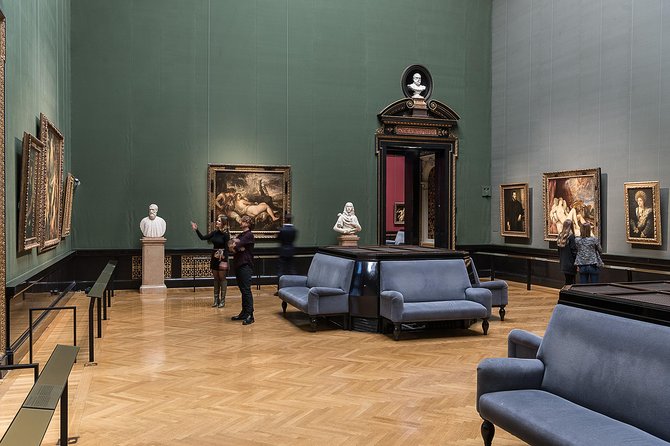
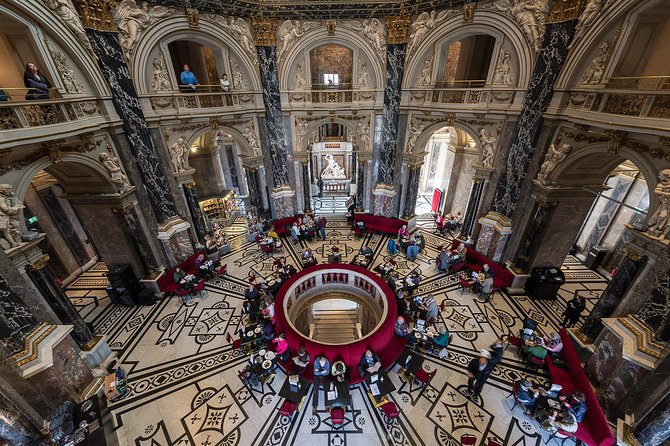
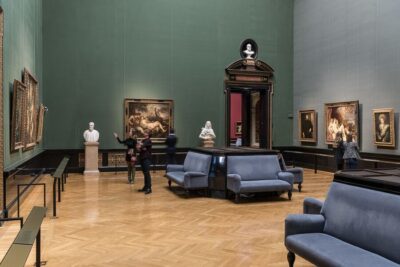
The Kunsthistorisches Museum is one of those places where the architecture competes with the collection. High ceremonial rooms, elaborate decoration, and the scale of the former imperial collections give the visit a formal feel. You are not simply walking into a neutral gallery. The setting reminds you that these objects were assembled by rulers who wanted to display wealth, taste, learning, and authority.
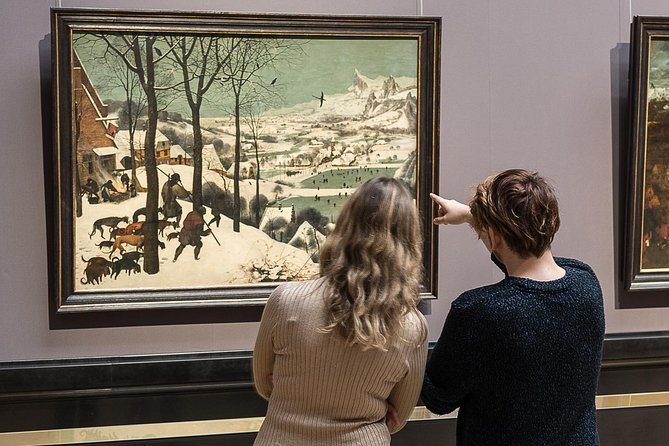
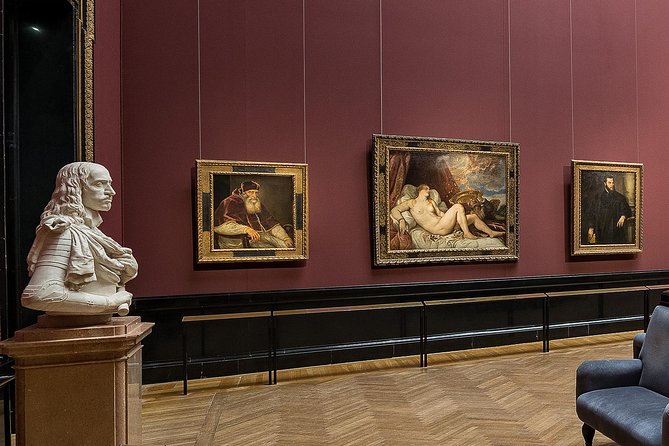
The painting collection is the main reason many people buy this ticket. You can see major works associated with Rubens, Rembrandt, Raphael, Velázquez, Titian, and Albrecht Dürer. The largest draw for many art lovers is the group of paintings by Pieter Bruegel the Elder, described as the world’s most important collection of his work.
Bruegel rewards patience. His paintings are crowded with activity and small details, so a quick pass through the room will not do them justice. I recommend choosing one or two works and looking closely before moving on. The museum has seating in many rooms, which makes that slower approach much easier.
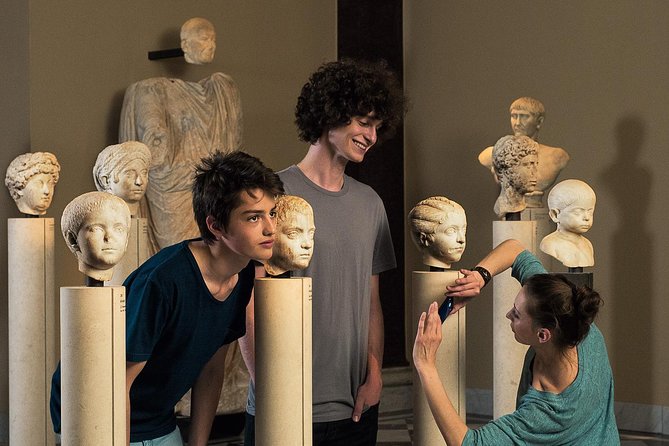
The collection also reaches beyond famous European painting. Egyptian, Greek, and Roman antiquities add a different layer to the visit, while the Kunstkammer Vienna presents unusual imperial objects, sculpture, and decorative works. The Neue Burg is included as part of the Kunsthistorisches Museum experience, giving you more to see than a standard old-master gallery.
That variety is a strength, but it can also make the museum feel overwhelming. You need a plan. Pick your priorities before entering: perhaps Bruegel and the major painters first, then the Kunstkammer or antiquities if you still have time and attention.
The museum also has a well-regarded café with drinks, cakes, and a coffee bar. It is a useful place to rest, especially if you are visiting with children or simply need a break from looking upward at paintings and ceilings. Seating can be limited at busy times, so do not count on finding a table immediately.
The Imperial Treasury and its Habsburg symbols
The Imperial Treasury of Vienna is smaller than the Kunsthistorisches Museum, but its objects carry enormous ceremonial weight. This is where you see the material signs of the House of Habsburg and the Holy Roman Empire.
The Austrian imperial crown is one of the central sights. You can also see the German imperial crown and insignia connected with the Holy Roman Empire. Ceremonial robes, crowns, jewels, and other regalia help explain how monarchy was presented in public life.
The collection includes a striking emerald described as the largest cut emerald in the world. It is the sort of object that makes the Treasury feel less like a conventional museum and more like a secure chamber of royal possessions.
The clothing and ceremonial robes deserve attention, too. They can seem less immediately dazzling than a crown, but they show how rulers used fabric, color, decoration, and ritual to communicate rank. I find the Treasury most rewarding when I look beyond the sparkle and consider what these pieces were meant to do.
Finding the entrance can take a little care. If you walk from the Kunsthistorisches Museum toward the Spanish Riding School, look for the red and gold archway on the right-hand side before you reach it. The Treasury is in the Hofburg area, so it can be easy to assume you are heading toward another palace entrance.
How to handle the paper ticket and queues
The ticket is described as a paper ticket, and this is the part of the visit that requires the most attention. In some cases, you must exchange the voucher for the museum’s actual admission ticket. The regular ticket queue is not the line you want for that exchange.
Look for the counter or queue marked Voucher or Group Priority. It may still involve waiting, but it should be shorter than the standard ticket line. Several visitors lost substantial time by joining the normal Ticket queue first, then having to start over after reaching the entrance.
Once exchanged, the ticket should function as a combined admission for both venues. You can begin at the Kunsthistorisches Museum or the Imperial Treasury and use the same combination ticket at the other site. Keep the paper ticket safe between visits.
I would not describe this as a guaranteed skip-the-line product. It can save time if you use the right queue, but it does not eliminate the need to redeem a voucher. Arrive with a little patience and read the signs carefully.
There have also been isolated problems with printed or downloaded tickets not being accepted at the museum entrance. Because of that, I would keep your confirmation available, arrive well before any fixed train departure, and ask staff where voucher holders should go before joining a line. If you have a tight schedule for Budapest or another destination, do not plan the museum visit down to the last minute.
A few more Vienna trips to weigh up
- Vienna: Skip-the-Line Sisi Museum, Hofburg and Gardens Tour
★ 4.8 · 5,918 reviews - Tickets for the Albertina Exhibitions
★ 4.7 · 2,126 reviews - Vienna: Chocolate Workshop in Chocolate Museum w/ Tasting
★ 4.5 · 1,802 reviews - Sigmund Freud Museum Ticket
★ 4.6 · 1,668 reviews
Timing your visit around opening hours
The opening information supplied for this experience contains two schedules, so check the current hours for your date before setting your plan. The seasonal information lists the Kunsthistorisches Museum as open daily from 10 a.m. to 6 p.m. in June through August, with Thursday hours extending to 9 p.m. From September through May, it lists Tuesday through Sunday from 10 a.m. to 6 p.m., again with Thursdays until 9 p.m.
The Imperial Treasury is listed as open daily except Tuesday, from 9 a.m. to 5:30 p.m. Another booking schedule lists Wednesday through Sunday from 10 a.m. to 5 p.m. for 2026. Those differences are important, particularly if you are planning a Tuesday visit or a late afternoon entrance.
The safest plan is to confirm both museums’ hours close to your visit. If you want to see the two on the same day, start with the museum that has the more restrictive opening time for your date. Give the Kunsthistorisches Museum several hours and the Treasury about an hour or more, depending on how closely you examine the displays.
The combination ticket is not presented as a two-day ticket. If you tire easily or prefer a relaxed pace, one day may feel demanding. Splitting the visit over two days would be more comfortable, but you should confirm the ticket’s validity before relying on that plan.
Is $38.62 a fair price?
At about $38.62 per person, this ticket can be good value if you intend to visit both institutions. You are paying for access to two of Vienna’s major cultural sights, including one of Europe’s great old-master collections and a concentrated display of imperial regalia.
The value drops if you only have time for one museum. The Kunsthistorisches Museum alone can occupy half a day or more, and adding the Treasury makes sense only if you have enough time to appreciate both. You can also purchase admission directly at the museums, so prebooking is not necessarily essential when queues are short.
The benefit of buying ahead is planning. You have both museums on one arrangement, and the cost is clear before you arrive. The drawback is that the voucher exchange can make the process feel less direct than simply presenting a museum-issued ticket.
For art lovers, the price is easier to justify because the painting collection is exceptional. For someone mainly interested in royal history, the Treasury may be the priority, with the main museum serving as a bonus. Families should note that children under 19 are free of charge, although the adult pricing applies to all adult participants.
Who will enjoy this most?
I would recommend this combination to anyone interested in European painting, Habsburg Vienna, royal ceremony, or museum architecture. It also works well for independent visitors who do not want to follow a fixed guide or group schedule.
It can suit families, particularly because the Kunsthistorisches Museum has benches and a café. Still, the scale of the art collection may be too much for younger children unless you set a short list of objects to find.
Older visitors or anyone with limited energy should plan carefully. The collections are extensive, and seeing everything in one push can turn a pleasure into an endurance test. A morning start, a café break, and a firm decision to skip some rooms will help.
If you want a guided explanation, check the exact product you are booking. This admission arrangement does not name a guide or promise a guided tour. Some guided options may exist separately, but you should not assume one is included here.
My practical plan for the day
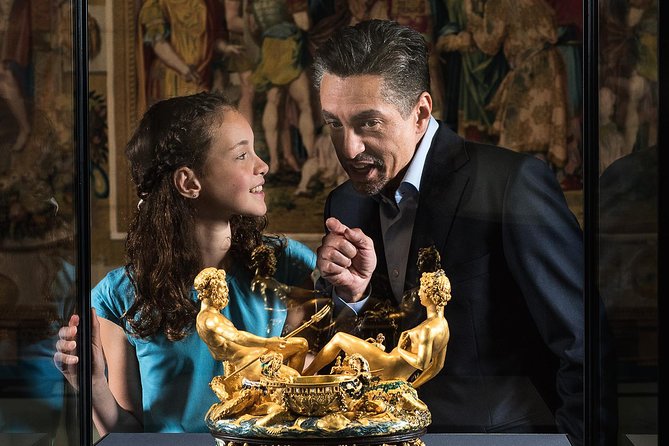
I would begin by checking the opening hours for both museums and choosing the earlier one. Bring the paper voucher, allow time to find the Voucher or Group Priority queue, and do not join the standard Ticket line until staff direct you there.
At the Kunsthistorisches Museum, I would see the Bruegel collection and major painting rooms first. After that, I would choose either the Kunstkammer Vienna, the Neue Burg displays, or the Egyptian, Greek, and Roman collections, depending on my interests.
Take a café break before leaving the building. Then walk toward the Hofburg and find the Imperial Treasury near the red and gold archway before the Spanish Riding School. At the Treasury, focus on the crowns, Holy Roman Empire insignia, emerald, jewels, robes, and ceremonial objects.
You do not need to see every room to have a worthwhile day. The best experience comes from giving the most important works enough time, rather than collecting galleries like stamps.
Should you book the Kunsthistorisches Museum and Imperial Treasury ticket?
Book it if you want both museums and value the convenience of arranging them together. The strongest reasons are the Bruegel collection, the remarkable old-master paintings, the imperial interiors, and the Habsburg crowns and regalia.
Buy directly at the museums if your schedule is flexible and you want to avoid voucher redemption. Prebooking does not always mean walking straight in, and you must still find the correct queue.
I would choose this ticket for a full cultural day in central Vienna, not for a quick stop between trains. Go early, wear comfortable shoes, bring water, and leave room for a café break. With that preparation, this is one of the better ways to connect Vienna’s great art collections with the objects that once represented imperial power.
FAQ
What does this ticket include?
It includes entrance fees to the Kunsthistorisches Museum Vienna and the Imperial Treasury of Vienna.
Is a guided tour included?
No guided tour or named guide is included in the stated ticket details. This is admission to both museums for you to explore at your own pace.
How long should I allow for the visit?
The listed duration of one to three minutes refers to the ticket arrangement, not the museum visit. Allow several hours for the Kunsthistorisches Museum, with about an hour or more for the Imperial Treasury depending on your pace.
Can I visit both museums with the same ticket?
Yes. The ticket is intended as a combined admission, and you can begin at either museum before visiting the other.
Are children charged the adult price?
Children under 19 are free of charge. Adult pricing applies to adult participants.
Can I cancel for a full refund?
Yes, if you cancel at least 24 hours before the experience start time. Cancellations or changes made less than 24 hours in advance are not accepted for a refund.
Just added around Vienna
- Ottakringer Brewery tour★ 4.0 · 6 reviews
- New Hofburg Palace Tour House of Habsburg★ 4.5 · 5 reviews
- Private Van & Walk Tour – One Perfect Day in Vienna★ 5.0 · 21 reviews
- True Crime mobile puzzle rally Vienna★ 4.0 · 3 reviews
- Vienna Naschmarket Food Tasting Tour★ 4.0 · 30 reviews
- Vienna Nightlife Experience: Food, Wine, Cocktails & Vibes★ 5.0 · 119 reviews
- Myth Mozart★ 4.0 · 80 reviews
- ( Night Tour ) With Private Guide + wine or prosecco★ 4.0 · 12 reviews
Kunsthistorisches Museum Tours, compared.
Vienna Kunsthistorisches Museum Day Admission Ticket
Read our review →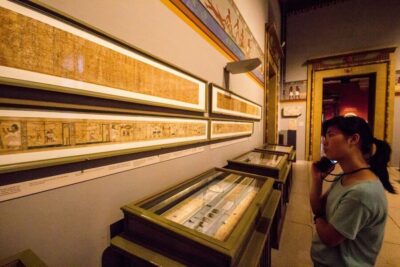
Combo Ticket: Kunsthistorisches Museum & Imperial Treasury
Read our review →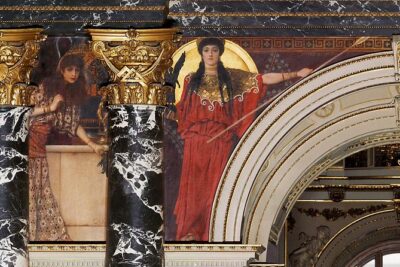
Skip the Line: Kunsthistorisches Museum Vienna Entrance Ticket
Read our review →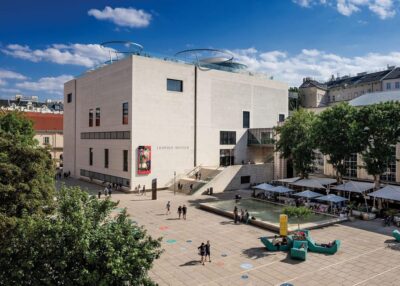
Kunsthistorisches and Leopold Museum Combo Ticket
Read our review →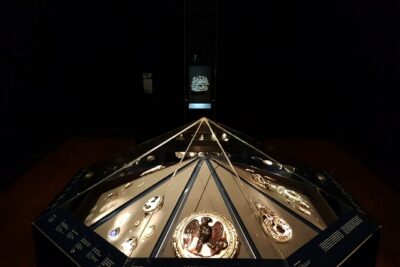
Private Tour of the Kunsthistorisches Museum: Secrets of Masterpieces | Tickets included
Read our review →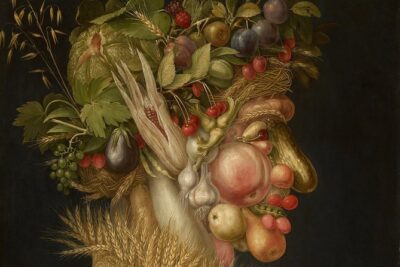
Kunsthistorisches Museum Wien Guided Tour including admission
Read our review →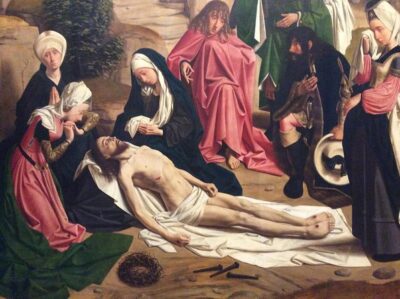
Private Tour of the Picture Gallery of the Fine Arts Museum VIenna (Kunsthistorisches Museum) with an Art Historian
Read our review →
Skip-the-line Private Tour Kunsthistorisches Museum Vienna
Read our review →Browse the lists this tour appears in