
Reviewed · 2-HOUR EXPERIENCES
Vienna: Romantic Old Town 2-Hour Discovery Tour
Vienna’s old town reveals its best secrets in the spaces between the famous sights. This private walk begins at the Anchor Clock and moves through the Greek Quarter, Jesuit quarter, narrow lanes, courtyards, and layers of architecture that most quick visits miss. The focus is on six themes, not a checklist of monuments.
I like the way this tour connects everyday streets with big chapters of Vienna’s past, and I like the private format, which lets you ask questions and set the pace. Guides such as Wolfgang Auinger and Max have been singled out for clear, engaging presentations and sharp local detail. The main consideration is time: two hours goes quickly, and a particularly talkative guide may leave less room for questions or quiet looking.
Key points to know before booking
- Hoher Markt is the starting point: See the Anchor Clock, Vienna’s first public waterworks, and what is described as the city’s oldest building.
- The Greek Quarter adds a less familiar side of Vienna: Trading, Ottoman conflict, and Greek independence all enter the story here.
- Six themes shape the walk: Romans, Jews and traders; the Greek Quarter; architecture; myths; the old university quarter; and narrow lanes.
- The private format suits curious small groups: The price is $352 for up to seven people, so the value improves sharply when the group is full.
- The route is strong on architecture: Expect Gothic towers, Renaissance courtyards, Baroque palaces, Rococo streets, Gründerzeit houses, and Art Nouveau details.
- Good guides make a real difference: Wolfgang Auinger and Max have been praised for charm, motivation, clear speaking, and detailed explanations.
Why this old-town walk feels different
Many Vienna sightseeing walks revolve around the city’s grand imperial face. This one takes a more local and layered route. You still see important buildings, but the guide’s job is to explain how the city developed around trade, religion, public works, legends, and changing architectural tastes.
That approach is useful if you have only just arrived. In two hours, you get a map of the inner city in your head, not just a string of names. You begin at Hoher Markt, move toward the Danube side of the old town, pass through the Greek Quarter, and reach the old university district before finishing with the tight lanes and courtyards that give central Vienna its older texture.
The tour is private, so you are not tied to a large group’s pace. For a family or group of friends, that can make the $352 price reasonable. With seven people, it works out to about $50 per person. With two people, the cost is much harder to justify unless personal attention matters more to you than saving money.
A few more Vienna trips to weigh up
- Vienna: 2 Hours Sightseeing Walking Tour
★ 4.8 · 332 reviews - Hallstatt: 2-Hour Guided Walking Tour with Photographer
★ 5.0 · 152 reviews - From Salzburg: 8-hour Horse-Drawn Tour w/ 2-hour Sleigh Ride
★ 4.5 · 73 reviews
Starting at Hoher Markt and the Anchor Clock
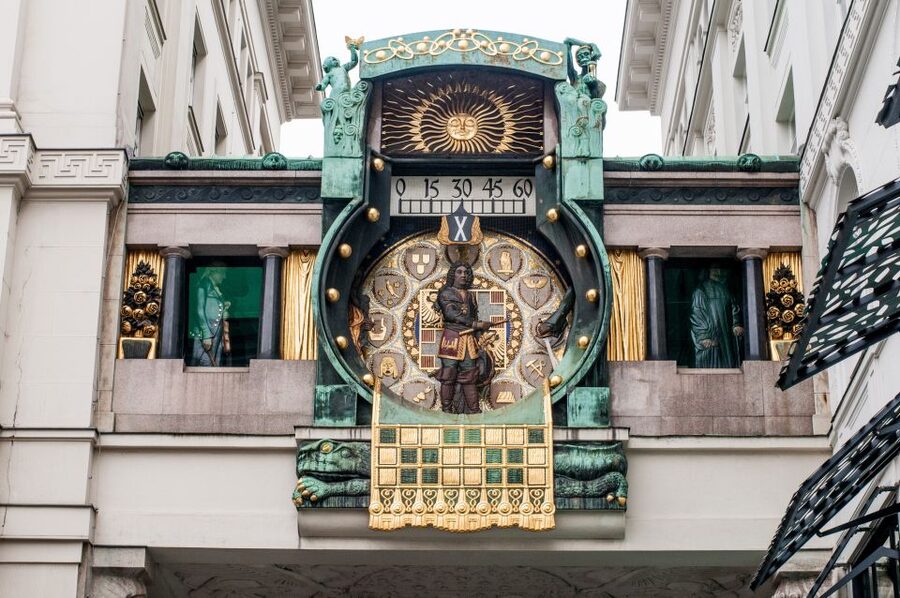
Meet your guide at the Anchor Clock on Hoher Markt ten minutes before the start. This is a sensible meeting point because it places you in one of the city’s oldest civic spaces from the first minute.
Hoher Markt has drawn politicians, architects, and tradespeople over many centuries. The square’s appeal is not only visual. It lets your guide explain how power, commerce, and public life met in the center of Vienna.
The Anchor Clock is the obvious opening attraction, but it is not treated as a quick photo stop. The clock has surprises built into its design, and the guide uses it to open a wider conversation about Vienna’s past. You also learn about the city’s first public waterworks and see a building described as Vienna’s oldest.
That combination makes the first section especially useful for first-time visitors. You get a famous object, a practical piece of urban history, and a sense of how old the city center really is. I would pay close attention here, since the details from Hoher Markt help make sense of the later stops.
The Greek Quarter beside the Danube
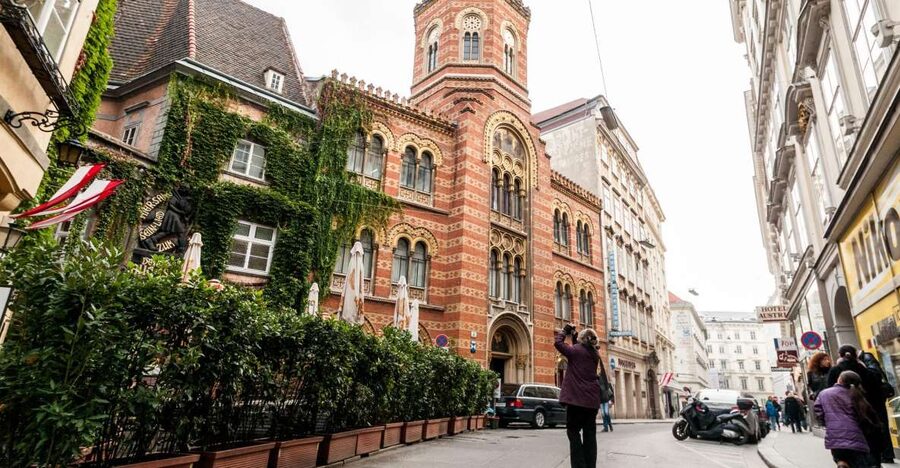
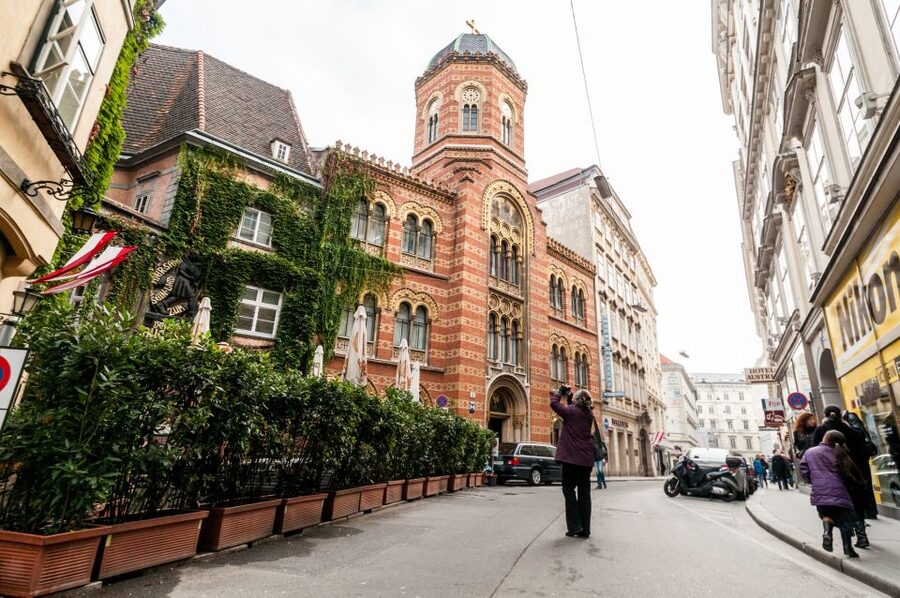
The route then turns toward the innermost arm of the Danube and the Greek Quarter. This is one of the more distinctive parts of the walk because it challenges the familiar image of Vienna as only imperial, musical, and grand.
The neighborhood grew through trade. Its position near the river made it a natural place for merchants and goods to pass through, and the area carries traces of several communities and conflicts. The Turks fought here, while Greek residents and supporters prepared their struggle for independence here.
You should expect history at street level rather than a formal museum-style presentation. The guide points out signs of the area’s past and explains why the quarter developed as it did. Since the lanes can be hectic, it is worth staying close to the guide and listening as you walk.
This part will suit you if you like city stories that cross borders. It also gives the tour a useful change of tone. After Hoher Markt’s civic and commercial past, the Greek Quarter adds migration, faith, conflict, and political ambition.
Vienna’s architectural layers from Gothic to Art Nouveau
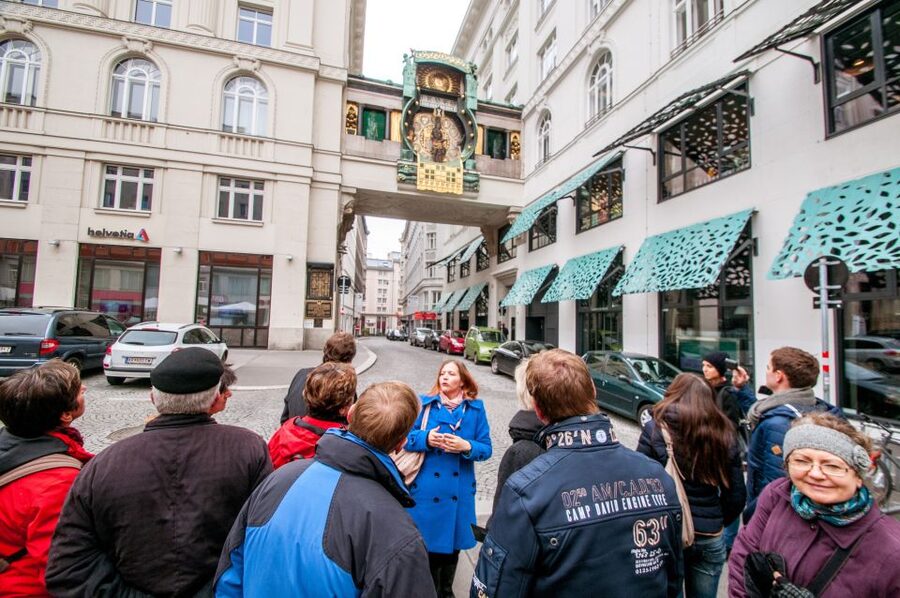
The most visually rewarding theme is architectural diversity. Vienna’s old town is not built in one style, and this walk helps you read the changes instead of treating every old facade as simply beautiful.
You may see or discuss:
- Gothic residential towers
- Medieval paving
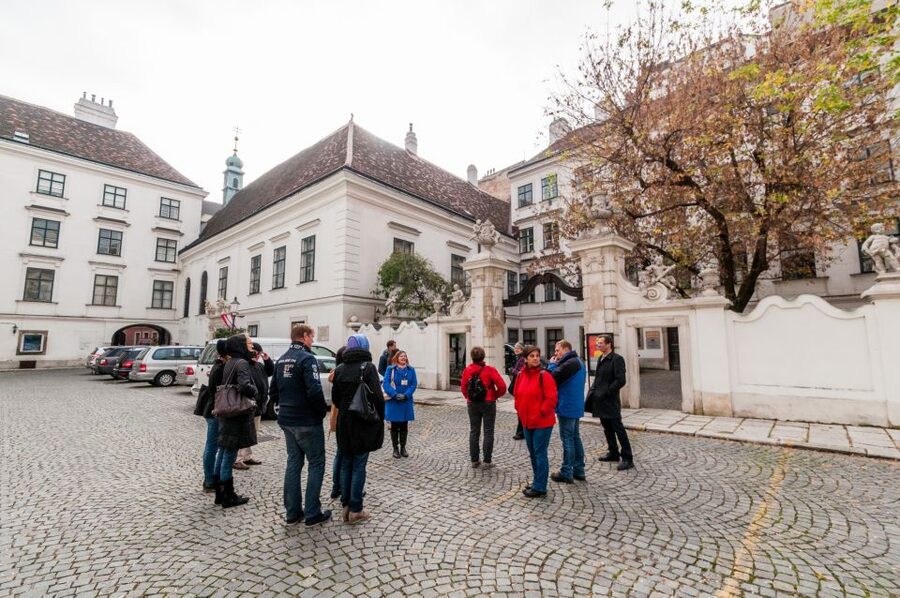
- Renaissance back courtyards
- Baroque city palaces
- Rows of Rococo houses
- Grand Gründerzeit buildings
- Elegant Art Nouveau houses
The value here is comparison. A Gothic tower tells you something different from a Baroque palace, while a Gründerzeit block reflects another period of growth and confidence. Art Nouveau details then bring the story closer to the modern city.
A guide can point out these changes much faster than you can on your own. Without help, you might notice that one building looks older than the next, but miss the pattern across the street. With the six-theme structure, architecture becomes a way to track Vienna’s growth.
You will not study every style in full during two hours. The point is to build a working picture of the old town and learn what to notice later. If architecture interests you, keep your eyes up, but also look into doorways and side passages. Some of the best details are not on the grandest facade.
Same Alps, a completely different kind of day:
- Vienna: Vivaldi’s Four Seasons Concert in Karlskirche
★ 4.7 · 14,951 reviews - Vienna: Spanish Riding School Training
★ 3.9 · 9,281 reviews - Vienna: Skip-the-cashier-desk-line Giant Ferris Wheel Ride
★ 4.5 · 7,859 reviews - Vienna: Schönbrunn Palace & Gardens Skip-the-Line Tour
★ 4.7 · 7,739 reviews
Myths, animals, and the stories behind the stone
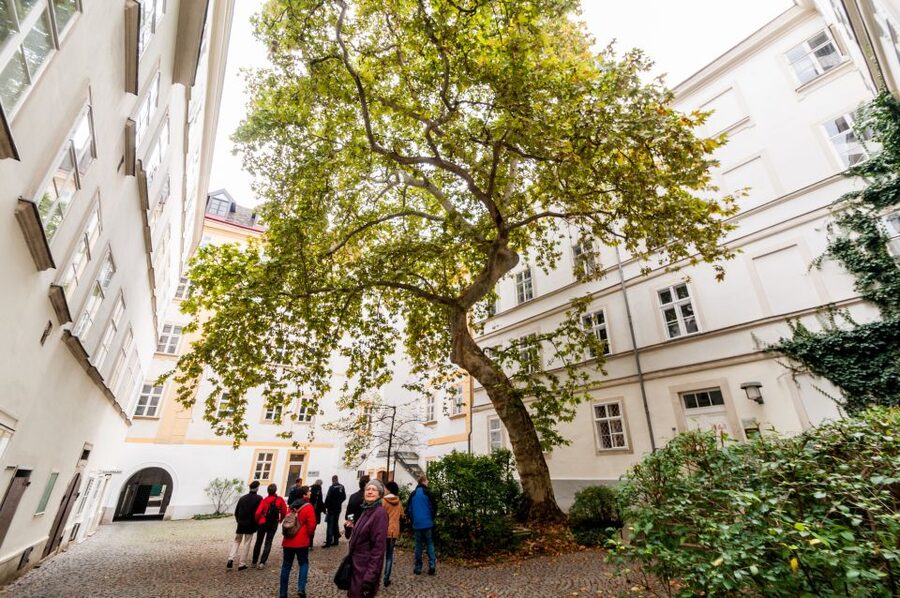
Vienna’s old streets come with plenty of legends. This section looks at the stories people created to explain unusual places, buildings, and events.
The guide also draws attention to animals in the city’s mythology. They appear as ornaments on facades and fountains, so you may begin spotting creatures carved into places you would otherwise walk past. That makes this theme practical as well as entertaining.
The tour does not treat legends as proven fact. Instead, it considers where story and reality separate. That is a good way to hear old tales without losing the historical thread.
This section may appeal most to families and anyone who enjoys a little mystery with their city sightseeing. It also offers a break from dates and architectural terms. Still, the balance depends on the guide. One account describes a guide as warm and highly informed, while another found the presentation too talkative and heavy on Viennese humor. If you prefer a tight, academic tour, say so early and ask the guide to focus on documented history.
Entering the old university and Jesuit quarter
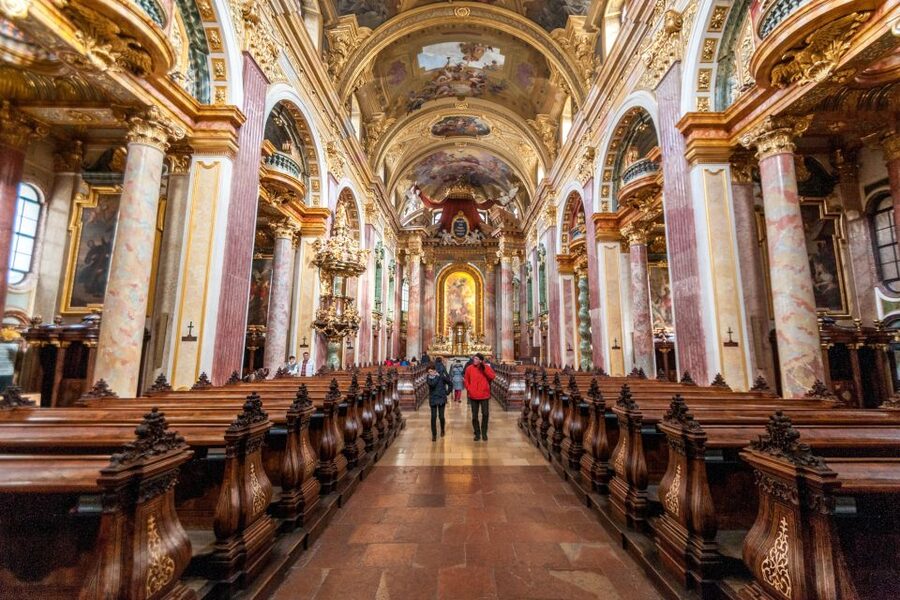
The old university quarter sits in the center of the old town, away from traffic. Its sealed-off streets should make this a calmer part of the walk, and the change in setting helps explain how different parts of Vienna served different roles.
At the square’s fountain, you can look into the Jesuit Church. The church is presented as a display of Baroque excess, a statement of church power, and an example of the creative rivalry between painters and architects in Vienna.
That is a lot to take in, but it gives the church more meaning than its decoration alone. Baroque design was not modest. It aimed to impress, persuade, and shape the viewer’s emotions. Your guide connects the church’s appearance with the competition behind it, so you can look at the interior as both art and argument.
The old university quarter is also a useful stop for understanding Vienna’s intellectual life. The tour does not promise an extended university visit, so think of this as a focused look at the district and the church rather than a full interior tour.
Narrow streets, courtyards, and medieval daily life
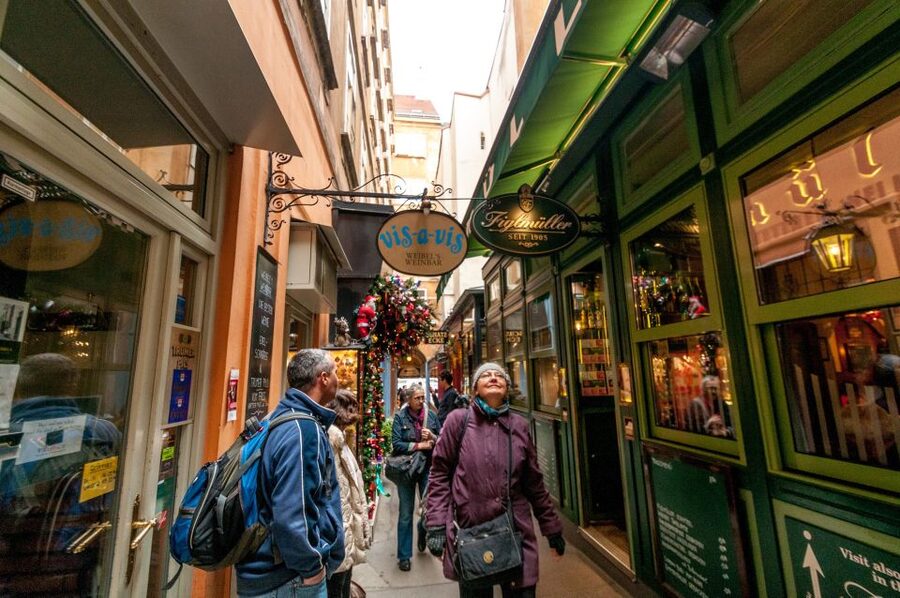
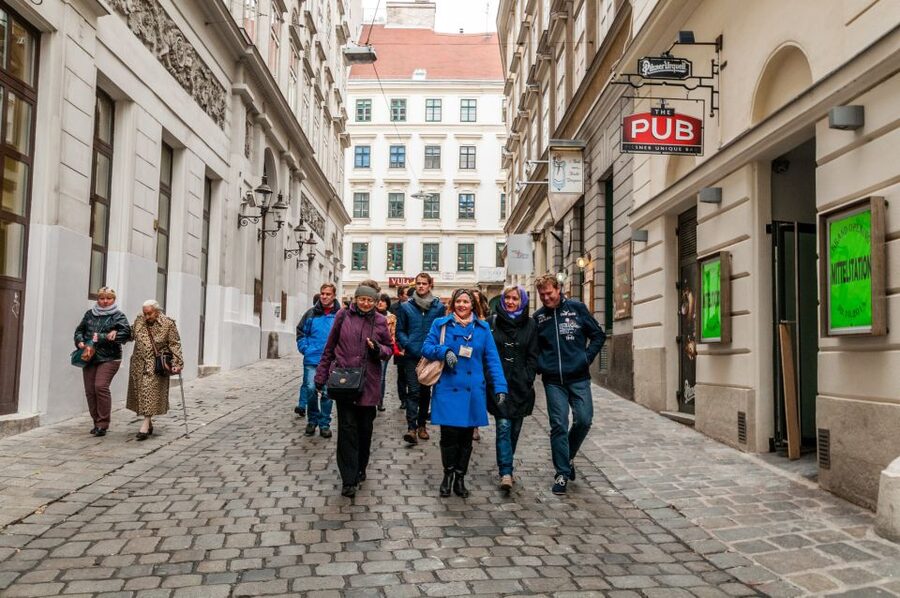
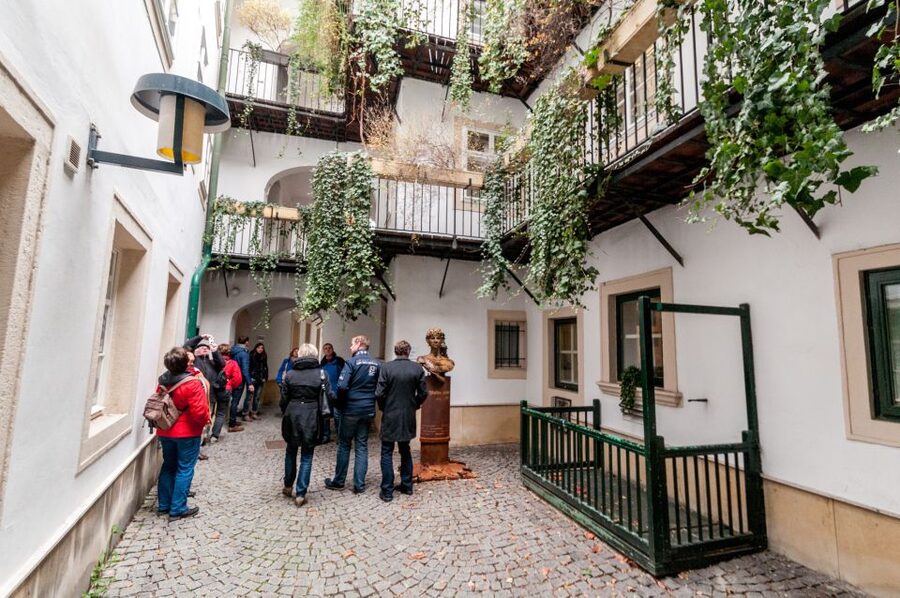
The final theme turns away from grand public spaces and toward the old town’s narrow streets and back courtyards. Many lanes wind, narrow, and refuse to follow a neat straight line.
That awkward shape is part of the appeal. It hints at a city that grew over time rather than being planned all at once. The walk asks you to imagine daily life in the Middle Ages, including poor hygiene and crowded conditions. Even the simple act of opening a window could have been unpleasant.
This is where the tour’s practical storytelling matters most. A courtyard or narrow passage can look quaint in a photograph, but the guide adds the human detail that makes the space understandable. You begin to see the old town as a place where people lived and worked, not just an attractive backdrop.
The route may involve uneven medieval paving and tight passages, so comfortable shoes are sensible. No accessibility details are provided, and the description emphasizes narrow lanes and old paving. If anyone in your group has mobility concerns, contact the operator before booking.
Guides, languages, and the private-group advantage
The tour includes a private guide, and that is the main feature that shapes the experience. You are not simply following a fixed audio route. You can ask why a building matters, request more architectural detail, or spend an extra moment at the Anchor Clock if something catches your eye.
Wolfgang Auinger has been praised for an interesting, charming presentation that left people eager to return to Vienna. Max has been described as competent, friendly, motivated, and rhetorically strong, with a talent for pointing out small details in the old town, especially north and east of the cathedral.
Those names are useful if you are able to request a guide, but they do not guarantee who will lead your departure. The operator offers German, English, French, Spanish, Italian, Portuguese, Russian, Dutch, Chinese, Japanese, Arabic, and Korean for group tours. Other language arrangements should be requested directly.
The private setup is best for a group that enjoys conversation. It is less ideal if you want a silent, self-directed stroll. One negative account points to a guide who talked too much and leaned more on Viennese humor than solid historical explanation. That is a fair reminder to state your interests at the beginning.
Is $352 a fair price for two hours?
The cost is $352 for a group of up to seven. That is not a budget walking tour, but the calculation changes with group size.
For seven people, the cost is about $50 per person. For four, it is $88 each. For two, it is $176 each. The experience makes the most financial sense for a family or group of friends who would otherwise book several separate tickets or prefer not to join strangers.
You are paying for a private guide, not food, refreshments, or a long list of admissions. The tour is a walking experience built around streets, public spaces, facades, courtyards, and views into the Jesuit Church. If you want major museum interiors or extended time inside several monuments, this is not the right product.
I see the strongest value in the route design. The six themes prevent the walk from becoming a random collection of facts, and the guide can adapt the level of detail. For a small group that wants a quick orientation with real context, the price can work.
How to plan the two hours
Arrive at the Anchor Clock ten minutes early. Hoher Markt is a central meeting point, but the old town has many streets and busy corners, so do not cut the timing close.
Wear shoes that can handle old paving. The route includes winding streets and narrow lanes, and you will get more from the walk if you are not thinking about your feet.
There is no food or refreshment included. Two hours is short enough that this should not be a major issue, but plan your coffee or lunch before or after the tour.
Free cancellation is available up to 24 hours before the start, and you can reserve now and pay later. Starting times depend on availability. The tour lasts two hours, so consider scheduling it near the beginning of your Vienna visit if you want its orientation to guide later walks.
Who should book this Vienna walk?
I would choose this tour if you want more than the usual imperial highlights. It suits first-time visitors who need a clear introduction to the old town, repeat visitors looking for less familiar districts, and small groups that enjoy asking questions.
It is also a good match for architecture fans. The range from Gothic to Art Nouveau gives you a useful visual guide to Vienna, while the Greek Quarter and old university district provide stories that many standard routes skip.
Families may enjoy the myths, animals, clocks, and narrow lanes, though the amount of historical explanation depends on your guide. If you prefer a fast, tightly scripted tour with minimal commentary, the private format may feel too conversational.
Should you book the Romantic Old Town Discovery Tour?
Book it if you want a private, story-led introduction to Vienna’s old center and can share the cost with several people. The strongest parts are the Greek Quarter, the architectural comparisons, Hoher Markt, and the Jesuit quarter. Together, they show a Vienna that is commercial, religious, scholarly, and sometimes wonderfully odd.
I would hesitate if you are traveling alone or as a couple on a tight budget, since $352 is a steep total for two hours. I would also confirm your preferred language and mention whether you want more history or more local legends.
For a group of up to seven, this is a useful first-day walk. It gives you the city’s main layers, points out details you can revisit later, and goes beyond the famous sights without sending you far from central Vienna.
FAQ
Where does the tour meet?
The meeting point is the Anchor Clock at Hoher Markt, 1010 Vienna.
How early should I arrive?
Arrive ten minutes before the tour begins.
How long does the tour last?
The tour lasts two hours.
Is the tour private?
A private group is available, and the price is listed for a group of up to seven people.
What is included?
A private guide is included.
Are food and refreshments included?
No. Food and refreshments are not included.
What languages are available?
The listed languages include German, Spanish, Chinese, Dutch, English, French, Italian, Japanese, Portuguese, and Russian. Group tours also list Arabic and Korean. Contact the operator if you want to arrange another language.
Just added around Vienna
- Ottakringer Brewery tour★ 4.0 · 6 reviews
- New Hofburg Palace Tour House of Habsburg★ 4.5 · 5 reviews
- Private Van & Walk Tour – One Perfect Day in Vienna★ 5.0 · 21 reviews
- True Crime mobile puzzle rally Vienna★ 4.0 · 3 reviews
- Vienna Naschmarket Food Tasting Tour★ 4.0 · 30 reviews
- Vienna Nightlife Experience: Food, Wine, Cocktails & Vibes★ 5.0 · 119 reviews
- Myth Mozart★ 4.0 · 80 reviews
- ( Night Tour ) With Private Guide + wine or prosecco★ 4.0 · 12 reviews
2-Hour Experiences, compared.

Private transfer in a Sanitized Car Prague to Vienna with 2h stop Cesky Krumlov
Read our review →
Private Transfer from Salzburg to Munich with 2 hours for sightseeing
Read our review →
Private transfer from Salzburg to Vienna, 2 hours for sightseeing
Read our review →Browse the lists this tour appears in