
Reviewed · KUNSTHISTORISCHES MUSEUM TOURS
Kunsthistorisches Museum Wien Guided Tour including admission
The best part of this Kunsthistorisches Museum tour is its sharp focus. Instead of wandering through a palace-sized collection and hoping you find the famous works, you go straight to Bruegel’s Tower of Babel, Vermeer’s The Art of Painting, major Old Master paintings, and the curious treasures of the Kunstkammer. I like the small group, capped at 15, and the priority entry, which saves precious museum time.
I also like that the ticket remains useful after the guide finishes. You can continue through the Greek, Roman, and Egyptian collections on your own. The main consideration is pace and mobility: two to two and a half hours on foot can be tiring, the tour is not suitable for wheelchair users or people with walking disabilities, and temporary exhibitions cost extra.
Key points to know before booking
- Bruegel and Vermeer are the artistic anchors: See Peter Bruegel the Elder’s Tower of Babel and Vermeer’s The Art of Painting with context from an English-speaking guide.
- The Kunstkammer adds surprises: The golden Saliera and Madonna of Krumau offer a change from paintings and show the strange, luxurious side of Habsburg collecting.
- Small groups make a difference: No more than 15 people join the guided visit, allowing for questions and clearer conversations.
- Priority entry keeps the morning moving: Admission is included, and you avoid waiting in the regular ticket line.
- Stay after the tour: Your museum ticket lets you continue through ancient Greek, Roman, Egyptian, and other permanent displays.
- The guide can shape the experience: Dieter, Cornelia, and Brenda are among the guides associated with especially strong tours, though the guide assigned to your date may differ.
Why this Vienna museum deserves a guided visit
The Kunsthistorisches Museum is not simply a box filled with paintings. It grew from the collections of the Habsburg dynasty, and the building itself has the grand scale you would expect from an imperial family. Even before you reach the galleries, you are entering a place designed to display power, taste, and wealth.
That scale is both its charm and its problem. The museum holds paintings by Raphael, Rembrandt, Vermeer, Rubens, Titian, Caravaggio, and Bruegel, along with ancient Greek, Roman, and Egyptian art. You could spend most of a day here and still leave important rooms unseen.
That is where this tour earns its keep. A good guide gives you a clear route and explains why selected works matter. You are not trying to read every label while also figuring out where the next famous painting is located. Instead, you get a guided introduction to the Picture Gallery and Kunstkammer, then decide how much more energy you have for the rest.
The public tour is offered in English and begins at 10:15 in Maria-Theresien-Platz. Plan to arrive early enough to locate the meeting point and settle yourself before the group moves inside.
More Kunsthistorisches Museum Tours in Vienna:
- Vienna Kunsthistorisches Museum Day Admission Ticket
★ 4.6 · 3,690 reviews - Combo Ticket: Kunsthistorisches Museum & Imperial Treasury
★ 4.7 · 785 reviews - Skip the Line: Kunsthistorisches Museum Vienna Entrance Ticket
★ 4.5 · 466 reviews
Bruegel’s Tower of Babel and the Picture Gallery
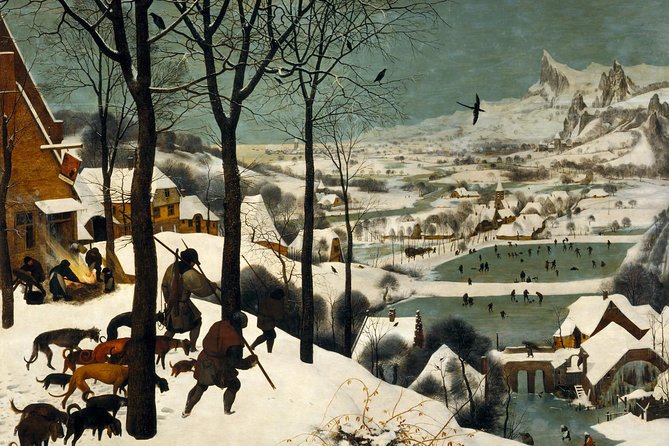
Peter Bruegel the Elder’s Tower of Babel is the headline work for many people, and rightly so. The painting gives you plenty to look at, from the enormous structure at its center to the tiny human activity spread across the scene. A guide can help you see how Bruegel uses detail, scale, and storytelling rather than leaving you to admire the picture from a distance.
The museum’s Bruegel collection is one of the strongest reasons to book this experience. The tour does not focus on a single isolated masterpiece and then rush you away. It places Bruegel among other works in the Picture Gallery, helping you notice different approaches to subject, technique, and visual storytelling.
You will also see Vermeer’s The Art of Painting. Vermeer’s work rewards quiet attention, and a guide can point out details that are easy to miss when you are moving quickly through a crowded room. The tour also includes selected paintings by artists such as Raphael, Rembrandt, Rubens, Titian, and Caravaggio, depending on the guide’s route and the day’s gallery conditions.
One advantage of a live guide is the chance to ask questions. The strongest guides on this tour have been described as able to discuss artistic techniques, biographies, historical setting, and different painting media. That mix is useful because Old Master art can feel remote if you only receive names and dates.
The tour is not meant to cover every painting in the Picture Gallery. Think of it as a well-chosen introduction. You will see major works, learn how the museum is arranged, and gain enough background to return to favorite rooms later.
The Kunstkammer and the Habsburg taste for unusual objects
The second major section is the Kunstkammer, a collection that moves beyond conventional painting. This is where the Habsburg appetite for rare, precious, and unusual objects becomes visible.
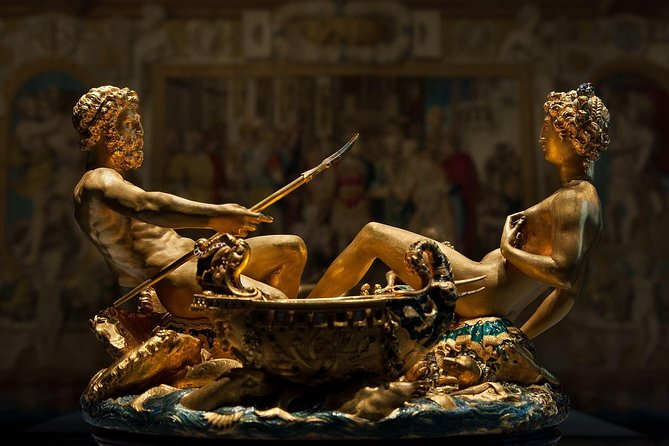
The golden Saliera by Cellini is a major draw. Its material alone catches your attention, but the object also shows the level of craftsmanship and luxury prized by royal collectors. A guide can give you a sense of why an object like this belonged in an imperial collection and how it differs from a painting made for a church, palace, or private patron.
You will also see the Madonna of Krumau, another distinctive item in the Kunstkammer. This section helps break up the rhythm of looking at framed paintings. If your interest is mainly in modern art, the displays may not be your first choice, but they offer a more rounded picture of the museum’s origins.
I like this part of the itinerary because it keeps the visit from becoming a parade of famous names. The Habsburg collections included objects meant to astonish, puzzle, and display technical skill. That gives you a better understanding of the people who assembled the museum’s holdings.
The guide may also use these objects to connect art, politics, religion, craftsmanship, and collecting. That broader frame is one reason a guided visit can be more rewarding than simply taking photographs of the best-known paintings.
A small group, clear commentary, and a steady pace
The group limit of 15 is important. In a large museum, a group of 30 or 40 can clog a gallery and make it hard to hear. Fifteen people is still a group, but it is small enough for questions and personal attention.
Some guides provide earpieces, which can help when you are standing at the back of a group or when other museum sounds compete with the commentary. Dieter, for example, has been noted for using earpieces and keeping the talk lively. This is not guaranteed for every departure, but it is a useful feature to expect from a professionally organized tour.
The pace appears designed to be thorough without becoming a marathon. The full experience lasts about two to two and a half hours, and the best guide approach is to stop long enough for the art to make sense. One guide was praised for allowing older participants to sit while discussing works, which is a good reminder to use the seats provided in several galleries.
You should still prepare for substantial standing and walking. The museum is large, and the tour cannot avoid moving between rooms. If you tire easily, wear comfortable shoes and take advantage of gallery seating when it is available.
Families can also make good use of this tour. A guide has led groups with children aged five to nine by including them in questions, interactive activities, and simple art projects to try at home. That does not mean every tour will follow the same format, but the experience can work well for families when children are interested in stories, pictures, and making things.
A few more Vienna trips to weigh up
- Vienna: Skip-the-Line Sisi Museum, Hofburg and Gardens Tour
★ 4.8 · 5,918 reviews - Tickets for the Albertina Exhibitions
★ 4.7 · 2,126 reviews - Vienna: Chocolate Workshop in Chocolate Museum w/ Tasting
★ 4.5 · 1,802 reviews - Sigmund Freud Museum Ticket
★ 4.6 · 1,668 reviews
What happens after the guided portion
Your time at the museum does not end when the guide says goodbye. The included admission allows you to remain inside and continue exploring the permanent collections.
This is a real value point. The guided route concentrates on the Picture Gallery and Kunstkammer, but the museum also includes ancient Greek, Roman, and Egyptian art. You can use the rest of your visit to see sculpture, decorative objects, and archaeological material at your own pace.
I recommend deciding before the tour whether you want to stay afterward. If you only have a short morning in Vienna, the guided highlights may be enough. If you have several hours, staying on gives the admission more weight and lets you revisit a painting that went by too quickly.
Do not assume that the tour covers temporary exhibitions. Those are not included, so you will need to check separately if a special display interests you. The permanent galleries are the core of this experience.
Photography without flash is permitted. Umbrellas, backpacks, and rain coats must be left in the cloakroom, so keep what you carry to a minimum. This is a practical point, especially on a wet Vienna morning when you may arrive with extra layers.
Is $119.09 a fair price?
At $119.09 per person, this is not a bargain museum entry. You are paying for admission, an English-speaking professional guide, a small group, and a focused route through some of the museum’s most important rooms.
The value depends on how you use the experience. If you would happily spend hours reading labels and finding the main works on your own, a standard museum visit may cost less. If you have limited time, want the famous paintings explained, or find large museums confusing, the tour can justify its price by giving you structure and context.
The group limit matters here. You are not paying for a private guide, but a maximum of 15 people is a more manageable arrangement than a large coach-style group. You also avoid the regular ticket wait, which is helpful when your Vienna schedule includes other sights.
A private-guide upgrade is available if you want the guide reserved only for your party. That option may make sense for a family with different ages, a group with specific art interests, or anyone who prefers to set the pace. The standard tour is the more economical choice for most people.
Gratuities are not included and are optional. Hotel pickup and drop-off are also not included, so you need to reach the museum independently.
Who will get the most from this tour?
I would choose this tour if you have one morning for the Kunsthistorisches Museum and want a strong introduction without attempting every room. It suits first-time visitors who know the names Bruegel or Vermeer but want help understanding what they are seeing.
It also works well for people who enjoy history alongside art. The Habsburg background, royal collecting, biographies, and artistic methods give the tour more substance than a simple list of masterpieces.
Families should consider the small group and the possibility of child-friendly explanations. The tour lasts long enough to be useful but is not an all-day commitment. Younger children may still need breaks, and the museum’s seating can help.
Art specialists may find the route selective rather than exhaustive. If you already know the museum well, a private upgrade could offer more control over the subjects discussed. The public tour is built for a broad audience, so the guide must balance paintings, objects, history, and questions from different interests.
The tour is not suitable for wheelchair users or people with walking disabilities. That limitation should be taken seriously rather than treated as a minor footnote.
Meeting point, timing, and cancellation terms
The tour starts at Maria-Theresien-Platz 1, 1010 Vienna, at 10:15 am, and ends back at the meeting point. The museum is near public transportation, but no hotel transport is provided.
Confirmation is sent when you book. Free cancellation is available if you cancel at least 24 hours before the local start time. Cancellations or changes made inside that 24-hour window are not refunded or accepted.
The experience requires a minimum number of participants. If that minimum is not reached and the activity is canceled, you are offered another date or experience, or a full refund.
FAQ
How long does the Kunsthistorisches Museum guided tour last?
The tour lasts approximately two to two and a half hours.
What time does the tour start?
The tour starts at 10:15 am.
Where does the tour meet?
The meeting point is Maria-Theresien-Platz 1, 1010 Vienna, Austria.
Is museum admission included?
Yes. All entrance fees for the included museum visit are covered.
How large is the group?
The group has a maximum of 15 participants.
Is the tour offered in English?
Yes. The experience is offered in English.
Can I stay in the museum after the tour?
Yes. After the guided portion, you are free to continue exploring the remaining museum collections.
Are temporary exhibitions included?
No. Temporary exhibitions are not included in the tour.
Can I take photographs inside?
Yes. Photography is permitted without flash.
Is the tour accessible for wheelchair users?
No. The tour is not available for people with walking disabilities or people using a wheelchair.
What items must go in the cloakroom?
Umbrellas, backpacks, and rain coats must be left in the cloakroom and cannot be taken into the museum.
Can I cancel for a full refund?
Yes, if you cancel at least 24 hours before the experience start time. Cancellations made less than 24 hours in advance are not refunded.
Should you book this Kunsthistorisches Museum tour?
Book it if you want to see the museum’s major artistic sights in a clear order and hear useful background from a live guide. Bruegel’s Tower of Babel, Vermeer’s The Art of Painting, the Saliera, and the Madonna of Krumau make a strong two-hour route, and the included admission gives you time to continue alone.
I would especially recommend it for first-time visitors, families, and anyone with limited time in Vienna. The small group, priority entry, and option to stay afterward make the morning practical.
Skip it if you prefer complete independence, already know the museum well, or want to spend all day with one narrow collection. In that case, standard admission or a private guide may suit you better. For most first visits, though, this tour offers a sensible way to get your bearings in one of Vienna’s grandest museums without getting lost among its many rooms.
Just added around Vienna
- Ottakringer Brewery tour★ 4.0 · 6 reviews
- New Hofburg Palace Tour House of Habsburg★ 4.5 · 5 reviews
- Private Van & Walk Tour – One Perfect Day in Vienna★ 5.0 · 21 reviews
- True Crime mobile puzzle rally Vienna★ 4.0 · 3 reviews
- Vienna Naschmarket Food Tasting Tour★ 4.0 · 30 reviews
- Vienna Nightlife Experience: Food, Wine, Cocktails & Vibes★ 5.0 · 119 reviews
- Myth Mozart★ 4.0 · 80 reviews
- ( Night Tour ) With Private Guide + wine or prosecco★ 4.0 · 12 reviews
Kunsthistorisches Museum Tours, compared.
Vienna Kunsthistorisches Museum Day Admission Ticket
Read our review →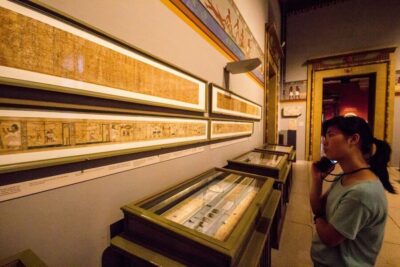
Combo Ticket: Kunsthistorisches Museum & Imperial Treasury
Read our review →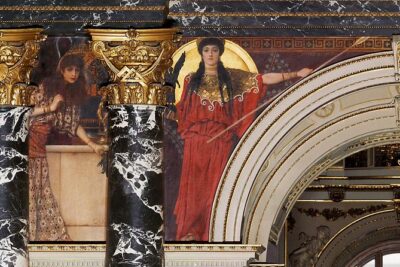
Skip the Line: Kunsthistorisches Museum Vienna Entrance Ticket
Read our review →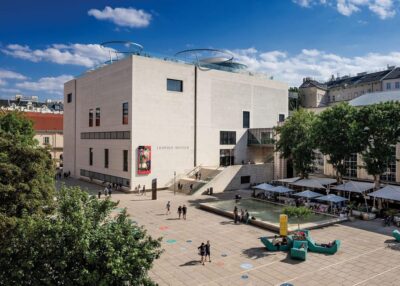
Kunsthistorisches and Leopold Museum Combo Ticket
Read our review →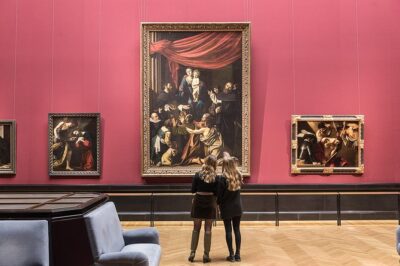
Kunsthistorisches Museum Vienna and Imperial Treasury of Vienna
Read our review →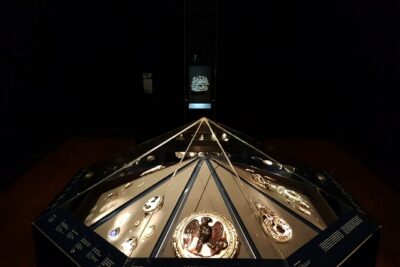
Private Tour of the Kunsthistorisches Museum: Secrets of Masterpieces | Tickets included
Read our review →
Private Tour of the Picture Gallery of the Fine Arts Museum VIenna (Kunsthistorisches Museum) with an Art Historian
Read our review →
Skip-the-line Private Tour Kunsthistorisches Museum Vienna
Read our review →Browse the lists this tour appears in