
Reviewed · CITY TOURS
Vienna: Small Group Guided Walking Tour of City Highlights
Vienna reveals itself best on foot, and this compact tour moves through the city’s grandest sights without the usual large-group shuffle. In two hours, you’ll connect the Habsburg court, Mozart, Empress Sisi, coffeehouse culture, and modern Vienna while walking from the Ringstrasse to St. Stephen’s Cathedral.
I like the small group of 14 or fewer, which makes it easier to ask Maria questions and keep up with the story. I also like the practical finish: you receive suggestions for coffee, strudel, restaurants, and sights worth visiting after the tour.
The main consideration is that this is an exterior-only tour. You’ll see the Hofburg, Opera, museums, and cathedral from outside, but entrance fees and interior visits are not included. Expect a brisk city walk, not a palace tour.
Key points to know before you book
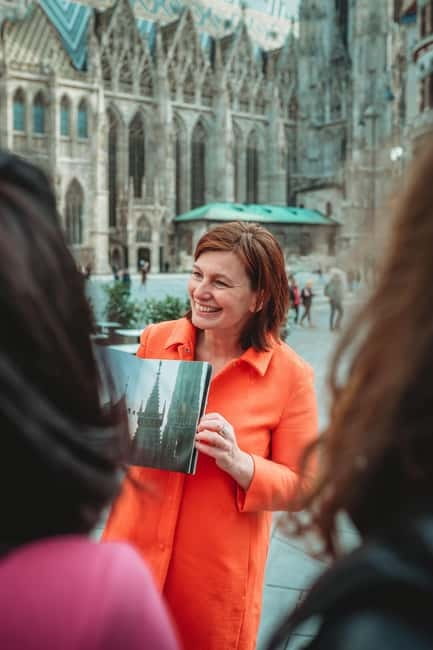
- Maria brings the city to life: Her approach mixes dates and dynasties with personal stories, jokes, local advice, and time for questions.
- A strong first-day overview: The route links Vienna’s main imperial and cultural sights in a useful two-hour introduction.
- Small groups matter: With a maximum of 14 people, you get more room for conversation and clearer access to the guide.
- The route is packed: You cover museums, palaces, churches, squares, cafés, and monuments, so comfortable shoes are essential.
- No interiors are included: Plan separate visits if you want to enter the Hofburg, museums, Spanish Riding School, or St. Stephen’s Cathedral.
- Best for independent explorers: Maria’s restaurant, coffee, strudel, and sightseeing advice can shape the rest of your Vienna stay.
Why this two-hour walk works well in Vienna
Vienna’s center is compact, but its story is not. A single block can take you from imperial power to music, religion, coffee, and modern city life. This tour gives you a framework before you start exploring on your own.
Maria Tours Live keeps the group limited to 14 people or fewer. That is a useful middle ground. You get the efficiency of a planned route without being swallowed by a crowd. Maria can include questions, point out details you might miss, and adjust her explanations to the group.
The guide’s style is a major part of the experience. Maria is described as lively, patient, friendly, and passionate about Vienna. She uses pictures and maps to make the past easier to follow, and her talks include anecdotes about the Habsburgs, Empress Sisi, Mozart, Beethoven, Johann Strauss, coffeehouses, and lesser-known corners of the old center.
You should book this near the start of your stay if possible. The local suggestions are especially useful early on, when you still need to decide where to eat, which museums deserve your time, and where to find a good coffee or strudel. Several people found the advice so useful that they wished they had taken the tour sooner.
A few more Vienna trips to weigh up
- Vienna: Guided Walking Tour of City Center Highlights
★ 4.7 · 4,989 reviews - Vienna: Vienna Central Cemetery Guided Walking Tour
★ 4.8 · 3,307 reviews - Vienna: Guided Walking Tour of City Highlights & Hidden Gems
★ 4.9 · 2,180 reviews
Starting near the Ankeruhr or Maria Theresa Memorial
There are two possible starting points, depending on the option you book. Your confirmation should tell you which meeting point applies, so check it carefully before setting out.
The listed options are the Ankeruhr and the Maria Theresa Memorial. The Ankeruhr, or Anchor Clock, puts you near the old center and the city’s historic lanes. The Maria Theresa Memorial begins you near the pair of major museums on the Ringstrasse.
Because the starting place can vary, allow enough time to reach it. Latecomers are subject to a no-show policy, and a walking tour cannot easily wait once the group has moved into the center.
Museums and the Maria Theresa Memorial
The route includes photo stops at the Kunsthistorisches Museum and the Naturhistorisches Museum. These two monumental buildings face each other across Maria-Theresien-Platz, with the large Maria Theresa Memorial between them.
Even without entering, this is a useful place to hear how Vienna presented imperial power through art, architecture, and public monuments. The Kunsthistorisches Museum is linked to the Habsburg art collections, while the Naturhistorisches Museum presents the scientific side of the imperial age.
You will not have time to tour either museum during this experience. Treat the stops as an introduction, then return later if one fits your interests. Art lovers may want the Kunsthistorisches Museum, while the natural history collection offers a different look at Vienna’s cultural institutions.
Walking the Ringstrasse toward the Hofburg
The Ringstrasse is one of the tour’s key connecting routes. Rather than seeing Vienna’s sights as isolated buildings, you watch the city’s imperial center unfold along the grand boulevard.
The walk makes clear how much of Vienna’s public face was shaped by the Habsburg era. Maria explains the people and decisions behind that power, including royal marriages, political struggles, and the family’s role in European affairs.
This is also where the group begins to appreciate Vienna’s scale. The buildings are imposing, but the route is still manageable on foot. The guide keeps the pace moving while allowing time for pictures, which is important when the schedule includes so many stops.
Same Alps, a completely different kind of day:
- Vienna: Vivaldi’s Four Seasons Concert in Karlskirche
★ 4.7 · 14,951 reviews - Vienna: Spanish Riding School Training
★ 3.9 · 9,281 reviews - Vienna: Skip-the-cashier-desk-line Giant Ferris Wheel Ride
★ 4.5 · 7,859 reviews - Vienna: Schönbrunn Palace & Gardens Skip-the-Line Tour
★ 4.7 · 7,739 reviews
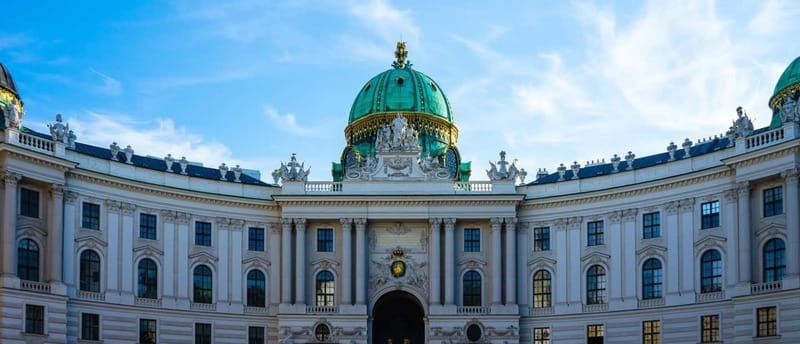
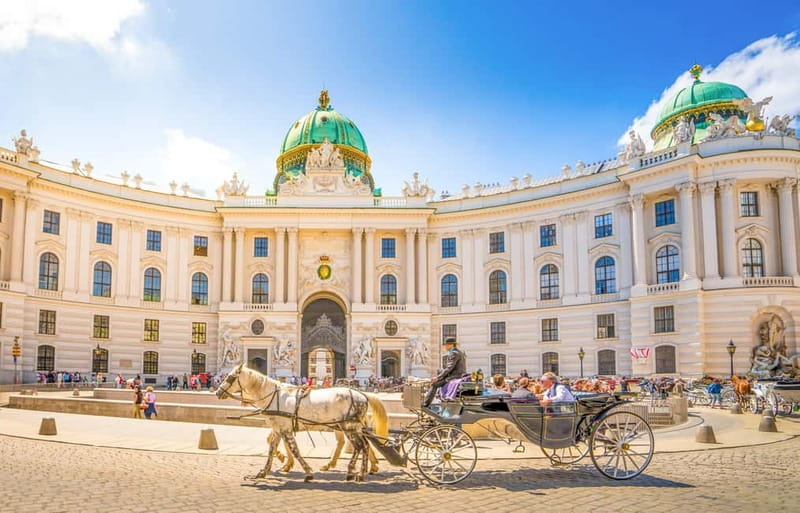
Hofburg Palace and the Habsburg story
The Hofburg Palace is the heart of the imperial section of the walk. You’ll see the palace exterior, courtyards, and surrounding spaces while Maria explains the Habsburg family’s long rule.
The palace story is more interesting when it includes people rather than just dates. Expect discussion of Empress Sisi, whose public image as an elegant empress often hides a more troubled personal life. Maria connects Sisi’s royal duties, private difficulties, and the drama surrounding her life to the larger Habsburg story.
The Hofburg area also introduces the idea of Vienna as a court city. Power, ceremony, music, art, and social rules all met here. Since this tour stays outside, you will need a separate ticket if you want to see the imperial apartments, museums, or other palace interiors.
Burggarten, the Palm House, and Albertina views
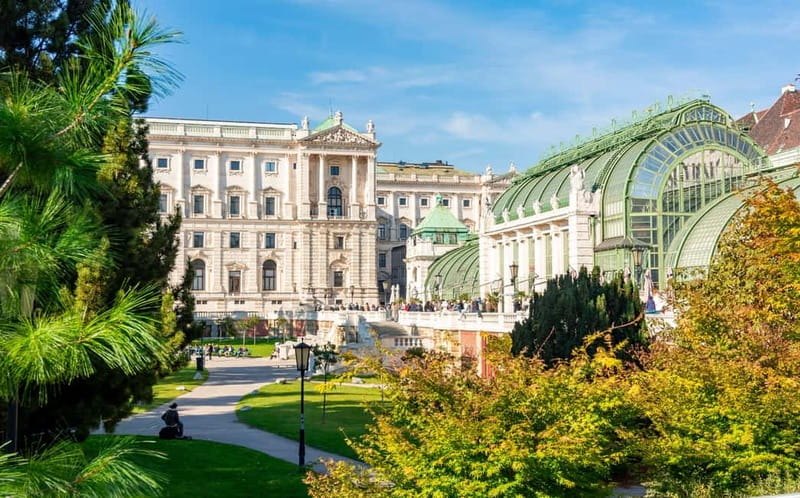
After the Hofburg, the route passes through Burggarten, an imperial garden park. This offers a change from formal palace façades and broad streets. The walk continues by the Schmetterlinghaus, or Butterfly House, before reaching the Palm House at Brasserie Palmenhaus Wien.
The Palm House is a handsome photo stop and a pleasant reminder that the imperial center was built for leisure as well as ceremony. The route does not include a meal or drink, but you can note the location for a later visit.
At the Albertina Museum, Maria points out one of the best views toward the Vienna State Opera. The Albertina itself is a major art institution, but the tour does not include admission. You’ll get the outside setting and a useful orientation to the surrounding sights.
This part of the route is also practical for photographers. The Opera, Albertina, Palm House, and palace gardens offer different backdrops within a short walk. Maria makes room for photos without allowing the group to lose the thread of the tour.
Hotel Sacher and the Vienna State Opera
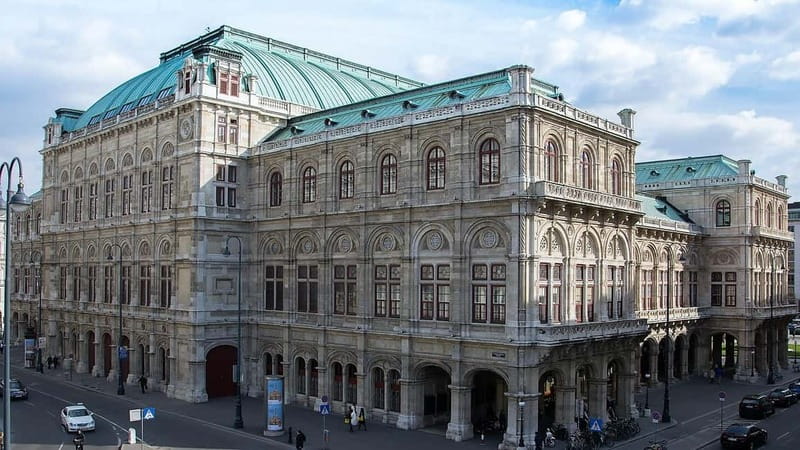
The walk continues past Hotel Sacher and to the Vienna State Opera. These stops connect Vienna’s grand public culture with its café and dessert traditions.
Hotel Sacher is associated with the famous Sacher-Torte, while the Opera represents the city’s long musical life. Maria places these landmarks within the broader story of composers such as Mozart, Beethoven, and Johann Strauss.
The Opera is a strong exterior photo stop, but again, there is no performance ticket or interior visit. If you plan to attend a concert or take an Opera tour, use this walk to understand where the building sits and how it fits into the city center.
I appreciate this combination of sights because it avoids treating Vienna as only a palace town. The route gives equal attention to music, food, public life, and architecture.
The National Library and Spanish Riding School
The Austrian National Library is another exterior stop, with time for a photo and a short explanation as you pass. Its presence reinforces Vienna’s role as a center of learning and court culture.
Nearby, the Spanish Riding School brings in one of Vienna’s most recognizable traditions. Maria explains the history of the school and the Lipizzaner horses. You’ll see the relevant buildings from outside, but a performance, exercise session, or interior visit is not included.
This distinction matters. The Spanish Riding School is a separate attraction with its own schedule and tickets. If seeing the horses is high on your list, ask Maria about planning it for another time. The walking tour gives you context, not access to the full experience.
Michaelerplatz, Kohlmarkt, and Demel
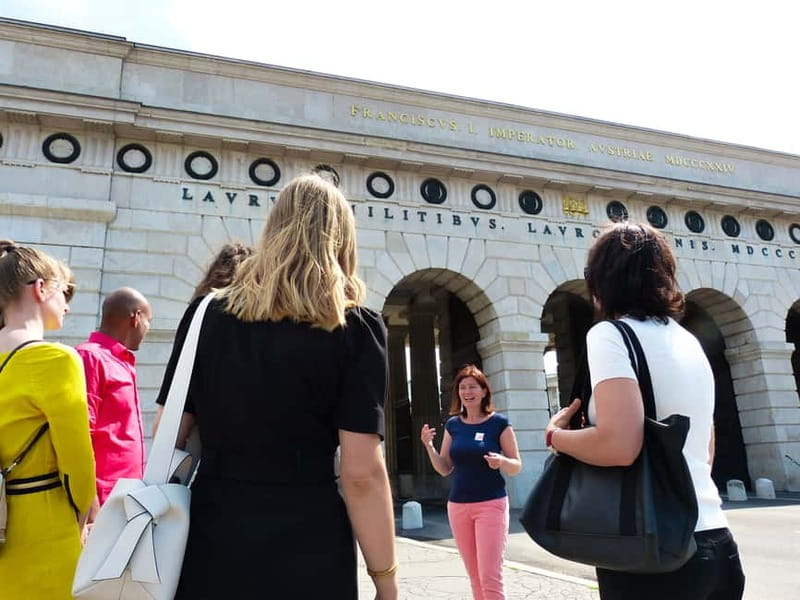
Michaelerplatz is one of the most revealing squares on the route. It brings together imperial architecture, busy city movement, and traces of Vienna’s older center. From here, the walk continues along Kohlmarkt, one of the city’s best-known central streets.
Demel provides another coffeehouse and pastry reference. Vienna’s café culture is not just about ordering a drink. It is tied to writers, artists, musicians, political thinkers, and long stretches of conversation. Maria’s Coffee House Stories add a human side to the city’s polished façades.
Do not expect a sit-down coffee break during the two-hour route. Instead, make a note of Maria’s suggestions and return after the walk. That is a better use of the limited tour time, especially since the itinerary is already full.
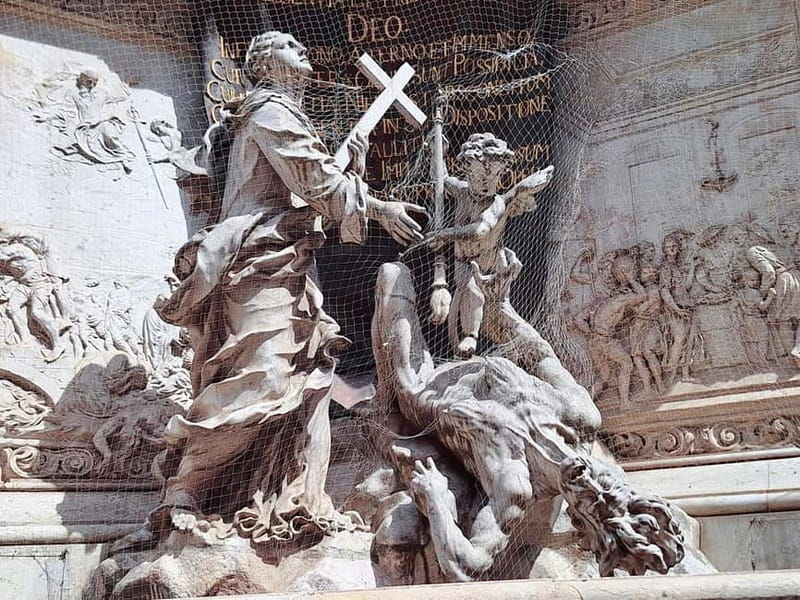
Graben, St. Peter’s Church, and the Plague Column
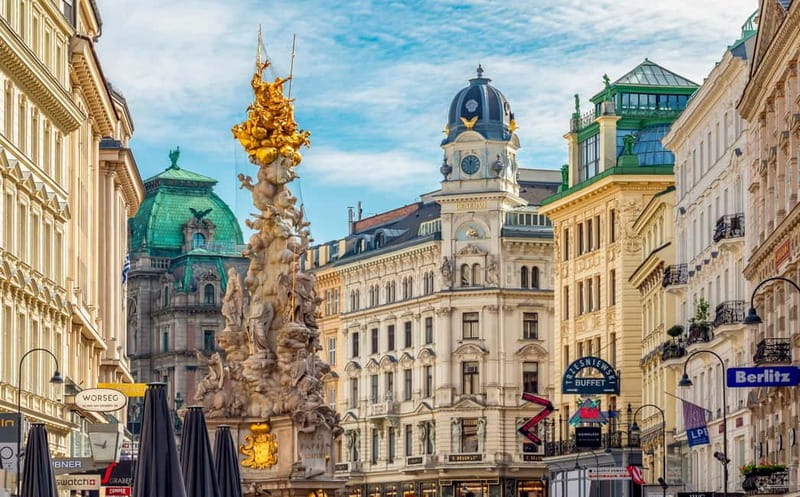
Graben is one of Vienna’s most famous central streets and a natural place to watch the city’s historic core come together. The route continues past St. Peter’s Church and the Vienna Plague Column.
St. Peter’s offers a striking exterior and another reminder of Vienna’s religious past. The Plague Column, also called the Pestsäule, gives Maria a chance to explain how public monuments carried religious and political meaning.
These stops are close together, so the route begins to feel especially efficient here. You are not spending long stretches crossing the city. Instead, the walk moves through one connected district, with each square and building adding another piece to the story.
St. Stephen’s Cathedral and the end of the walk
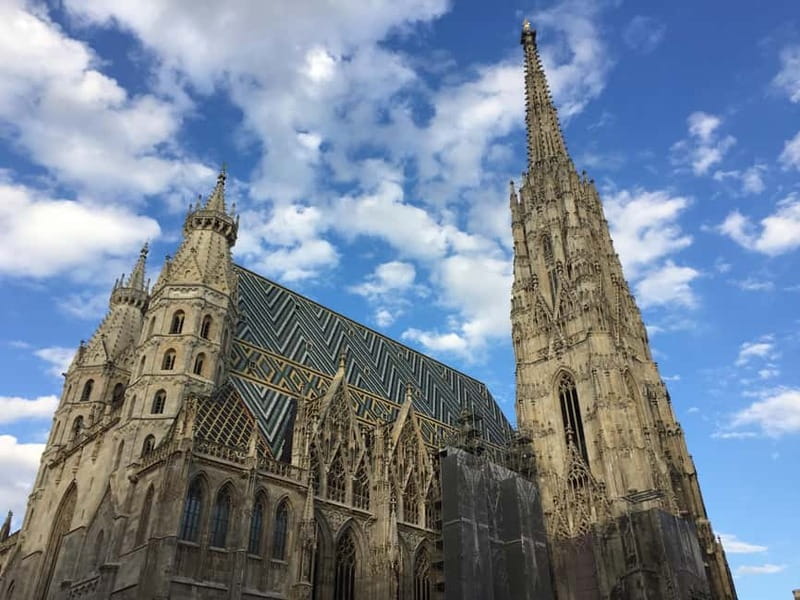
The tour concludes near St. Stephen’s Cathedral, in the center of Vienna. This is a sensible ending point because you can continue directly into the old city after saying goodbye to Maria.
The cathedral’s roof and exterior architecture make it one of the city’s essential sights. The tour includes a photo stop and exterior viewing, but it does not include entry. If you want to see the interior, towers, or other paid areas, plan that separately.
The finish also gives you two useful options. You can remain near St. Stephen’s Cathedral and explore the surrounding streets, or walk back toward the Albertina area, one of the listed drop-off points. Confirm the exact ending option for your booking, since the activity may finish at St. Stephen’s Cathedral or Albertina.
What the $40 price gets you
At $40 per person, this is priced as an orientation tour rather than a full attraction package. You are paying for two hours with an English-speaking local guide, a carefully linked central-city route, visual aids, and a small-group format.
The value is strongest if you are new to Vienna. In two hours, you get the location and basic context for many of the sights you would otherwise have to piece together yourself. You also receive advice that can save time later, especially around food, coffee, strudel, and which attractions may be worth entering.
The price is less compelling if you want interior access. Entrance fees are not included, and the tour does not provide a meal or drinks. You should budget separately for museums, palace rooms, the Spanish Riding School, or cathedral access.
Still, the small group changes the calculation. A guide who can answer questions and keep the group involved is more useful than a cheaper, oversized walk where you only hear fragments. The feedback about Maria points repeatedly to her personal attention, clear explanations, flexibility with questions, and willingness to offer extra help after the scheduled finish.
Pace, comfort, and practical limits
This is a city walking tour with many stops, not a slow stroll. Wear comfortable shoes, bring water, and dress for the weather. The tour operates in all weather conditions, so rain, cold, or heat will not automatically cancel the walk.
Bring a camera if you want photos of the Opera, palace façades, museums, squares, and cathedral. Large bags and luggage are not allowed, and baby strollers, electric wheelchairs, and audio recording are also not permitted.
The tour is not suitable for people with mobility impairments or wheelchair users. The provided information does not specify the exact walking distance, so you should be comfortable walking between many central sights for two hours.
Because there are no scheduled meals or drinks, eat beforehand if you need a full breakfast or lunch. Maria’s café suggestions are useful, but the route is designed to keep moving.
Who should book this Vienna walking tour
I would choose this tour for a first visit, a short stay, or the first morning of a longer trip. It gives you a clear map of the historic center and helps you decide where to spend more time later.
It also suits visitors who prefer stories over a list of dates. Maria’s talks cover the Habsburgs and Sisi, but they also bring in composers, café life, local personalities, jokes, and current city observations. That mix makes the walk feel connected to Vienna as a lived-in place.
Solo visitors and couples may particularly like the small group because it provides company without the formality of a private tour. Families with very young children should think carefully about the two-hour outdoor format and the rule against strollers.
Choose another experience if you need wheelchair access, want to tour museum interiors, or prefer a private itinerary. A separate private walking option is available for visitors seeking an exclusive tour.
Should you book it?
Book this tour if you want a well-paced introduction to Vienna’s center, especially with a guide who can answer questions and help shape the rest of your visit. Maria’s strongest qualities are her enthusiasm, personal attention, clear storytelling, and useful local tips.
Skip it if you dislike walking, need indoor shelter, or expect admission to the Hofburg, museums, Opera, cathedral, or Spanish Riding School. For most first-time visitors who can manage a two-hour walk, $40 is a fair price for the orientation, especially when you take advantage of Maria’s recommendations afterward.
Free cancellation is available up to 24 hours before the tour, and you can reserve now and pay later. Check the available start times and confirm the meeting point before booking.
FAQ
How long is the Vienna walking tour?
The tour lasts two hours. Starting times vary, so check availability when you book.
What language is the tour conducted in?
The live tour is conducted in English by a professional local guide.
Who is the guide?
The tour is led by Maria Tours Live, with Maria identified as the main local guide. One listed experience also names a guide called Marie-Theresa, so check the booking details for the guide assigned to your selected departure.
How many people are in the group?
The group is limited to a maximum of 14 participants or fewer.
Where does the tour start?
The meeting point may vary according to the option booked. The two listed starting options are the Ankeruhr and the Maria Theresa Memorial.
Where does the tour end?
The listed drop-off options are St. Stephen’s Cathedral and Albertina. The tour information also says the activity ends back at the meeting point, so confirm the exact end point for your selected option.
Are entrance fees included?
No. The tour is exterior-only, and entrance fees for museums, palaces, churches, the Opera, and other attractions are not included.
Are food and drinks included?
No. Meals and drinks are not included. Maria may provide recommendations for coffee, strudel, and restaurants.
What should I bring?
Bring comfortable shoes, water, a camera, and clothing suited to the weather.
Is the tour wheelchair accessible?
No. The activity is not suitable for wheelchair users or people with mobility impairments. Baby strollers, electric wheelchairs, luggage, and large bags are not allowed.
Just added around Vienna
- Ottakringer Brewery tour★ 4.0 · 6 reviews
- New Hofburg Palace Tour House of Habsburg★ 4.5 · 5 reviews
- Private Van & Walk Tour – One Perfect Day in Vienna★ 5.0 · 21 reviews
- True Crime mobile puzzle rally Vienna★ 4.0 · 3 reviews
- Vienna Naschmarket Food Tasting Tour★ 4.0 · 30 reviews
- Vienna Nightlife Experience: Food, Wine, Cocktails & Vibes★ 5.0 · 119 reviews
- ( Night Tour ) With Private Guide + wine or prosecco★ 4.0 · 12 reviews
- Naschmarkt Food Tour★ 4.0 · 14 reviews
City Tours, compared.
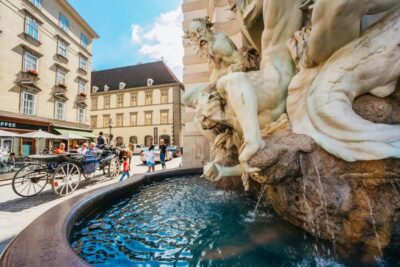
Guided Walking Tour of City Center Highlights
Read our review →
Guided Walking Tour of City Highlights & Hidden Gems
Read our review →
Skip-the-Line Schonbrunn Palace Guided Tour and Vienna Historical City Tour
Read our review →
Browse the lists this tour appears in