
Reviewed · MUSEUMS
Vienna: Skip-The-Line Ticket to the Museum of Technology
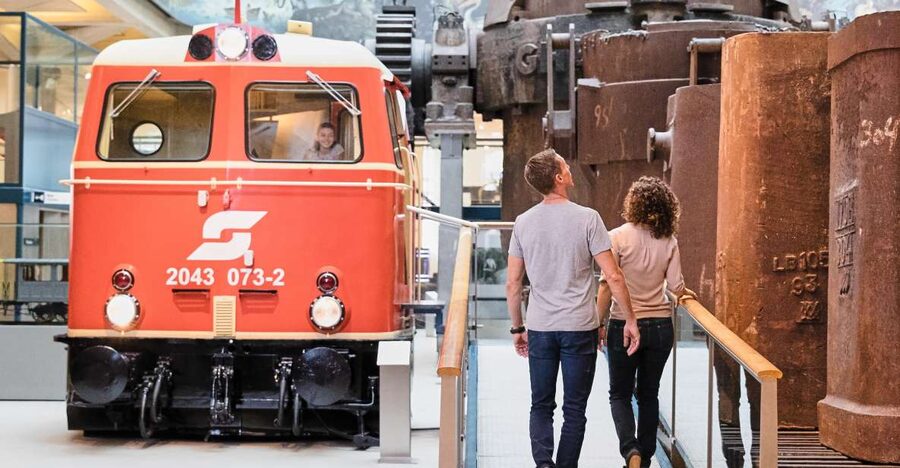
A working steam locomotive is the star here, and it does more than sit behind a rope. The Vienna Museum of Technology uses machines, displays, and hands-on activities to show how technology changed daily life and shaped history. I like the chance to see technology in action, and I like that children can take part rather than simply read labels.
The main thing to consider is time. A one-day ticket gives you plenty of freedom, but the museum covers many subjects, so a quick visit can feel rushed. The museum is especially well suited to families, with activities designed for children, yet adults who want quiet, detailed study may need to choose their sections carefully.
Key points to know before you go
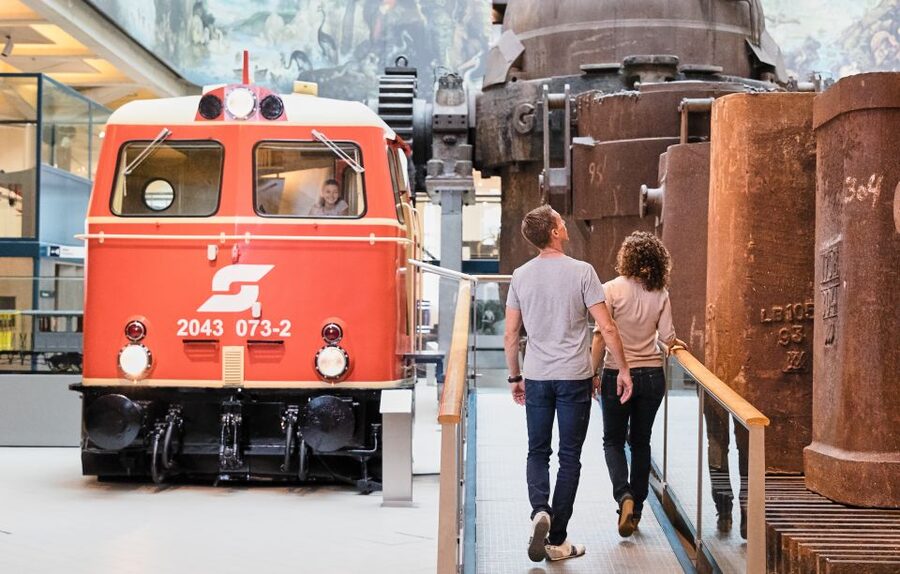
- See a steam locomotive in action: This is one of the museum’s most memorable demonstrations and a strong reason to visit.
- Try hands-on technology displays: You can take part in interactive exhibits instead of only looking at objects.
- Explore Empress Sisi’s personal carriages: These historic vehicles connect technology with imperial life.
- Anchor your own news show: A media exhibit lets you experiment with television presentation and broadcasting.
- Use one flexible day: Your admission is valid for one day, so you can set your own pace.
- Plan around holiday closures: The museum closes on January 1, May 1, December 25, and December 31.
Why the Museum of Technology is worth your time
Vienna is famous for imperial rooms, grand churches, and old master paintings. The Museum of Technology offers a different way to understand the city and Austria. Here, machines are not treated as cold objects. They are placed in the story of human life, showing how transport, communication, industry, and science altered the way people worked and lived.
That approach gives the museum more purpose than a collection of old equipment. You can look at a carriage and think about travel, status, and engineering. You can watch a locomotive and think about the speed and scale of industrial change. You can step in front of a news set and consider how modern media shapes what people know.
I especially like the mix of reflection and play. The museum asks you to consider how technology creates new possibilities, but also new problems. Since development keeps moving quickly, the displays can help you think about the choices behind each invention rather than treating progress as automatically good.
The setting is also useful on a practical level. A museum about machines and science can fill a rainy afternoon, give children a break from formal sightseeing, or add variety to a Vienna itinerary built around palaces and art.
A few more Vienna trips to weigh up
- Vienna: Skip-the-Line Sisi Museum, Hofburg and Gardens Tour
★ 4.8 · 5,918 reviews - Vienna Kunsthistorisches Museum Day Admission Ticket
★ 4.6 · 3,690 reviews - Tickets for the Albertina Exhibitions
★ 4.7 · 2,126 reviews
Starting with the steam locomotive
Begin with the museum’s operating steam locomotive if you can. A locomotive in action gives you something that a static display cannot: movement, sound, and a clear sense of mechanical power. You do not need to be a railway expert to appreciate the appeal. The machine makes industrial technology easier to understand because you can see a large object working in front of you.
For children, this may be the easiest exhibit to remember. For adults, it provides historical context. Railways changed how people traveled, moved goods, and connected cities. The locomotive represents that shift in a direct and physical way.
I would make this one of your early priorities, especially if you are visiting with children. The supplied information does not give a precise operating schedule, so check the current details when you arrive or before your visit. If the locomotive is running at a set time, plan around it rather than assuming you can catch it at any moment.
This is also a good example of the museum’s larger method. You are not simply told that steam power mattered. You are given a chance to see the machine operate, then place that experience within the wider story of technological change.
Getting hands-on with science and technology
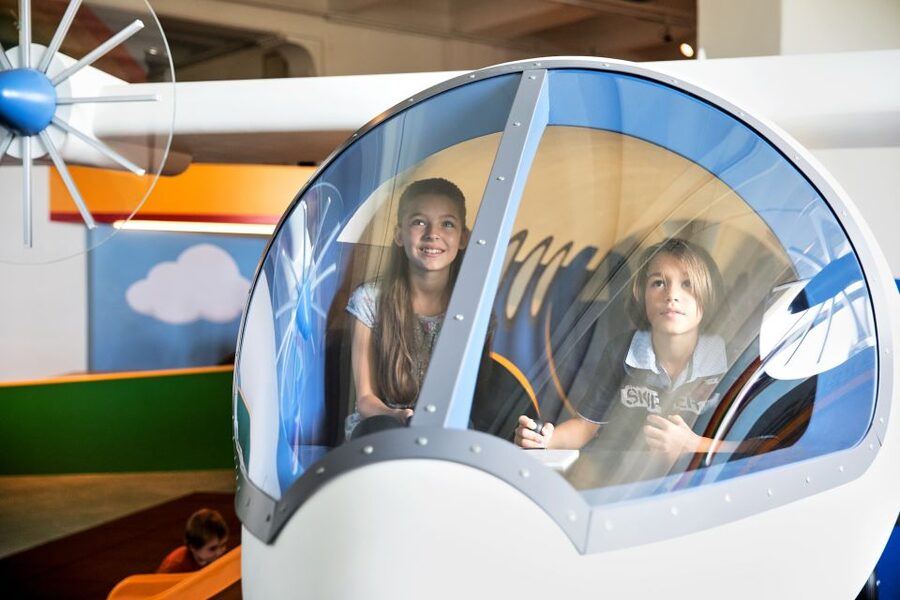
The museum is designed around the idea that technology should be experienced, not just viewed. Interactive displays allow you to handle ideas in a practical way. That matters because many scientific concepts are hard to grasp from text alone.
You might test how a system works, observe a process, or take part in an activity that turns an abstract idea into something physical. The exact selection of exhibits can vary, but the central promise is clear: you are encouraged to experiment and reflect.
This format works well for mixed-age groups. A child may enjoy the action first and understand the wider point later. An adult may begin with the historical context and then enjoy the same activity for its clever design. Families do not have to split up immediately because different ages can engage with one exhibit at different levels.
The museum also gives technology a cultural setting. That is important. A machine is not only a machine. It affects jobs, communication, travel, entertainment, and ordinary household routines. The displays help connect those changes to real life.
I would allow extra time in sections that interest you. The museum can be approached as a quick outing, but its interactive format rewards patience. If you rush from one activity to the next, you may remember the buttons and levers while missing the reason the exhibit matters.
Taking the presenter’s seat in a news show
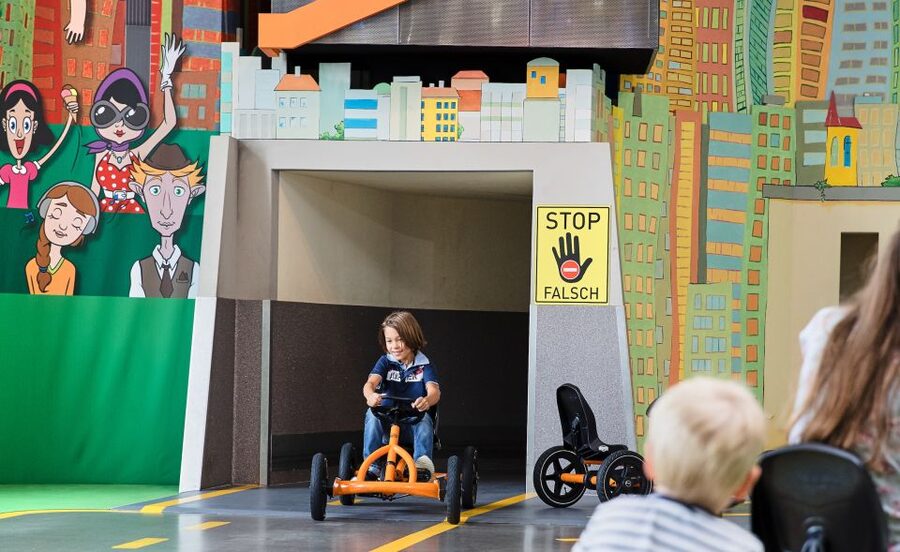
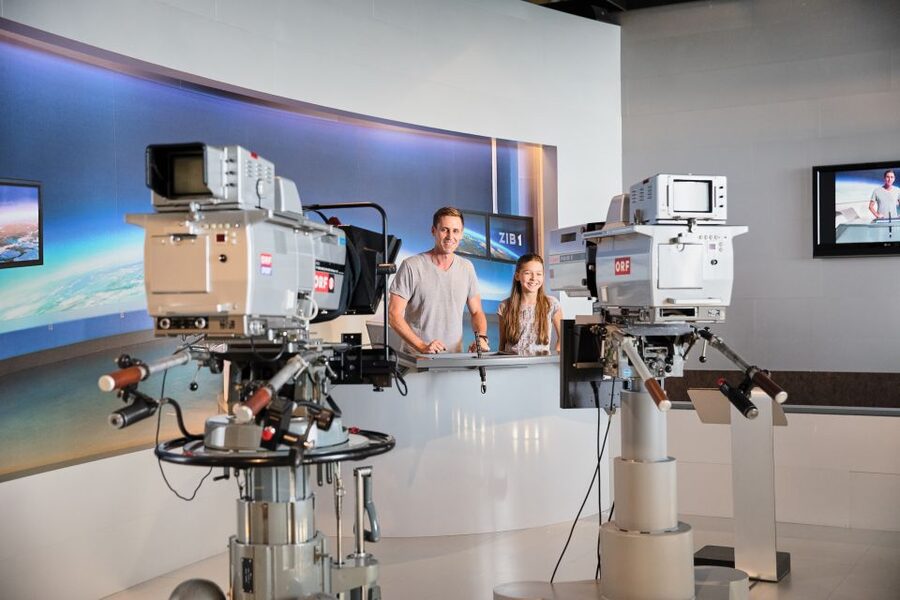
One of the more unusual activities lets you anchor your own news show. It is a playful exhibit, but it also points to a major change in modern technology: the movement from printed information to broadcast and digital media.
You get to think about how news is presented, not only how it is gathered. A studio setting can make you more aware of cameras, scripts, delivery, and the role of the presenter. Children may enjoy pretending to be on television, while adults may notice the connection to media production and public information.
This is the sort of activity that makes the museum feel different from a traditional collection. You are not only studying a technological development from the outside. You briefly take part in it.
I would not expect a full television production or a guided lesson here. The supplied information identifies it as an interactive opportunity, so treat it as a hands-on station within the museum rather than a scheduled show. It is best enjoyed as one piece of a broader visit.
Same Alps, a completely different kind of day:
- Vienna: Vivaldi’s Four Seasons Concert in Karlskirche
★ 4.7 · 14,951 reviews - Vienna: Spanish Riding School Training
★ 3.9 · 9,281 reviews - Vienna: Skip-the-cashier-desk-line Giant Ferris Wheel Ride
★ 4.5 · 7,859 reviews - Vienna: Schönbrunn Palace & Gardens Skip-the-Line Tour
★ 4.7 · 7,739 reviews
Seeing Empress Sisi’s personal carriages
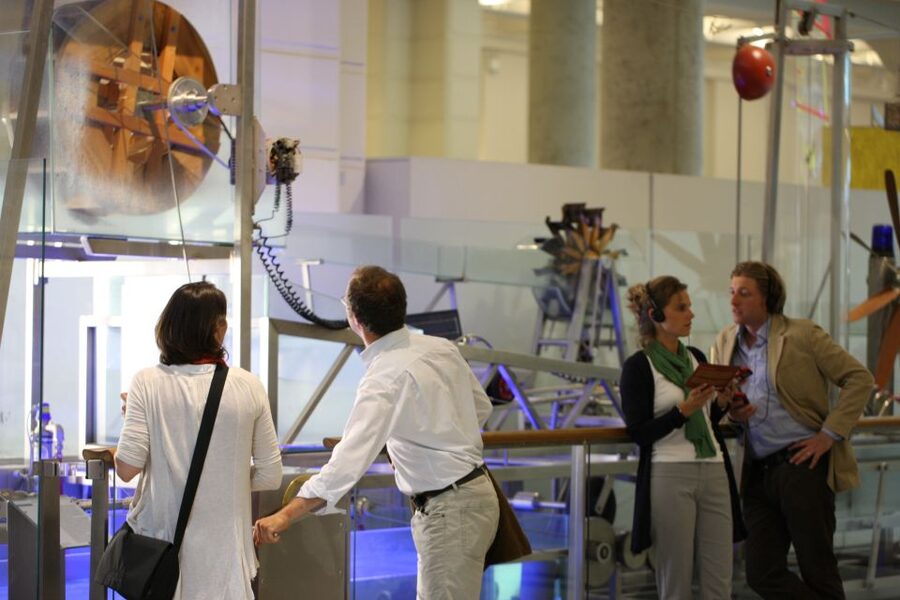
The carriages linked to Empress Sisi add a human and imperial angle to the museum. They show how technology operates within a social world. A carriage is transport, but it is also a statement about comfort, rank, design, and the experience of moving through the city and countryside.
These displays may appeal to you if Vienna’s imperial story is already part of your sightseeing plan. They give you a different view of court life than a palace interior does. Instead of standing in a ceremonial room, you can consider the practical object that carried an empress.
For children, the carriages can make history easier to picture. The size, decoration, and purpose of the vehicles help turn an abstract name into a person who traveled in a particular way. For adults, the exhibit shows how engineering and social status often developed together.
I like this contrast within the museum. One moment you are looking at industrial machinery, and the next you are considering an imperial carriage. That range helps show that technology is not limited to factories or laboratories. It includes the tools and systems that shape daily movement and public life.
How to plan your one-day visit
Your ticket is valid for one day, and that is useful because the museum is broad. You can move quickly through familiar subjects, then spend more time with displays that catch your attention. A flexible visit is better here than a tightly scheduled route.
If you have children, begin with the most active displays and the locomotive. Young attention spans can fade before you reach the sections you most want to see. Once the family has had a chance to interact with the exhibits, you can slow down for historical objects and explanations.
If you are visiting as an adult without children, you may prefer to start with the historical collections and then use the interactive stations as a change of pace. The museum’s subject range lets you build your own route rather than follow a fixed tour.
There is no guide or guided commentary included in the admission described here. You are buying entry, not a hosted tour. That gives you independence, but it also means you should be prepared to read, explore, and make your own connections between exhibits.
The museum is wheelchair accessible, which makes the one-day format easier to use for visitors who prefer a measured pace. You can spend time where you wish instead of trying to keep up with a group.
Who will enjoy this museum most
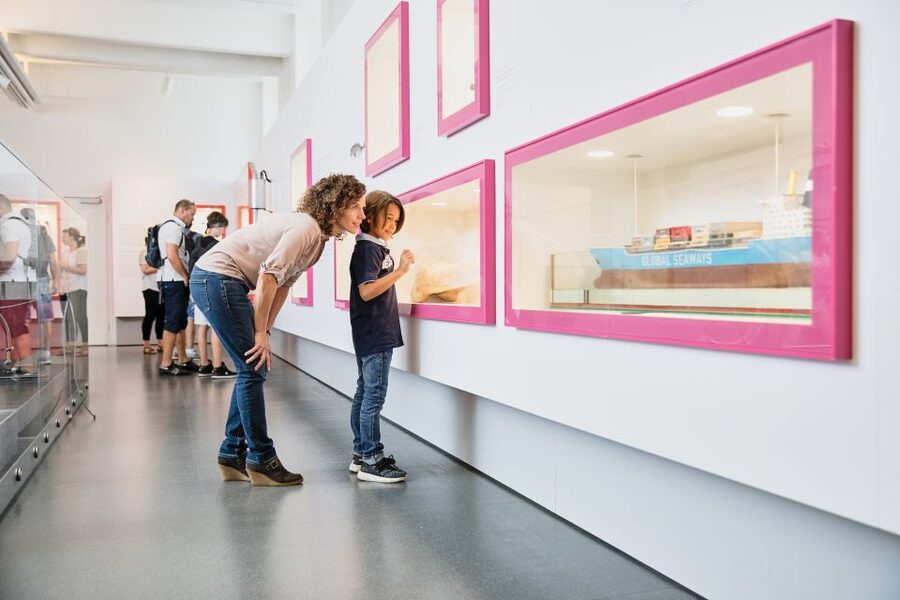
Families are the clearest match. A verified booking from Austria specifically praised how well the museum is suited to children and noted that a reservation is required. The first point fits the museum’s design: children can operate, observe, and play with technology while adults help connect those activities to history.
I would also recommend it to adults who have an interest in transport, engineering, science, media, or social change. You do not need specialist knowledge. The exhibits are presented as experiences, so curiosity matters more than technical training.
It is a good choice when your group has mixed interests. One person can focus on locomotives, another on imperial objects, and another on media technology. That is more forgiving than a small specialist museum where everyone must care about the same narrow subject.
You may enjoy it less if you want a short, polished presentation with a clear beginning and end. This is a large subject spread across many fields, and the freedom to explore also means you must decide how much time to give each area.
Is $21 good value?
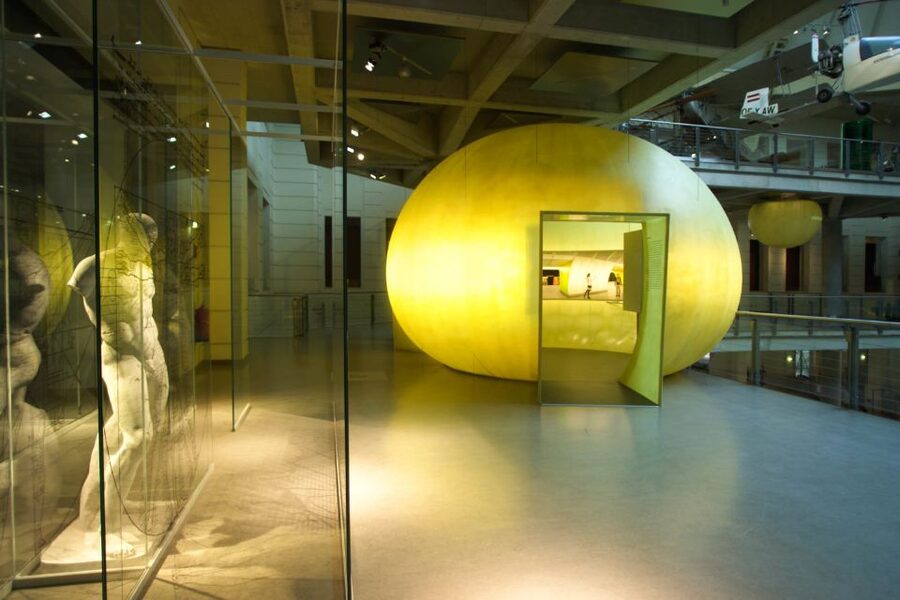
At $21 per person, the ticket is reasonably priced if you plan to use the full day. The value comes from the museum’s range rather than from a single attraction. You are paying for access to historical objects, interactive technology displays, the steam locomotive experience, media activities, and the carriage collection.
The price is particularly fair for families who want an indoor activity with enough variety to keep different ages interested. A short visit may make the ticket feel less worthwhile, especially if you only come to see one object. If you can give the museum several hours, the cost becomes easier to justify.
Skip-the-line admission adds convenience, but it does not turn the museum into a guided experience. Its main benefit is saving you from waiting at the ticket line. The more useful question is how long you expect to stay. If you already plan to spend much of the day here, the ticket offers better value than a quick stop between other sights.
The reserve-now-and-pay-later option is practical when your Vienna schedule is still changing. You can reserve a place without paying immediately, and cancellation is available up to 24 hours in advance for a full refund. Check the available starting times before booking because the ticket is valid for one day, not an unlimited period across several dates.
The drawbacks to keep in mind
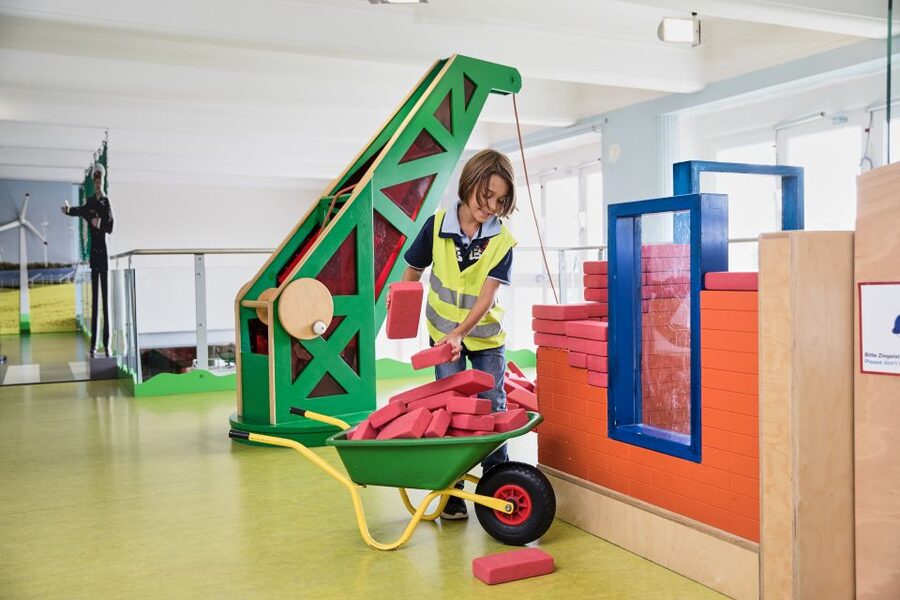
The museum’s broad subject range can be both its strength and its weakness. You may find yourself interested in several sections but unable to study all of them properly in a single visit. If you have only an hour, choose your priorities before entering.
The interactive approach may also mean more noise and activity than you would expect from a quiet museum. That is not a flaw for families, but it may matter if you prefer still galleries and long stretches of silence.
The available information does not specify individual exhibit schedules, show times, or the exact operating times for the steam locomotive. Because that activity is a major attraction, it is wise to confirm the current timing on the day.
Finally, the museum closes on January 1, May 1, December 25, and December 31. Those dates matter during a holiday visit, when many Vienna sights already have altered schedules.
Practical booking advice
Reserve ahead if the museum is a priority, particularly when visiting with children. The booking information indicates that a reservation is required, and skip-the-line admission saves you time at the entrance.
Check availability for the starting time that suits your plans. The ticket is valid for one day, so you are not tied to a short timed session once inside, but you still need to select from the available entry options.
Plan the museum as a main activity rather than a rushed add-on. You can combine it with other Vienna sights on the same day, but give yourself enough time for the locomotive, interactive displays, media activity, and carriage collection.
If your plans change, the stated cancellation rule allows a full refund when you cancel at least 24 hours in advance. Reserve and pay later is also available, which helps if you are still adjusting your schedule.
Should you book the Museum of Technology?
Book it if you want a hands-on museum that explains how technology changed society, especially if you are visiting with children. The working steam locomotive, Sisi’s carriages, and the chance to anchor a news show give the visit a useful mix of machinery, history, and play.
Skip it if you are looking only for a quick landmark or a quiet collection of paintings. This museum rewards time and curiosity. At $21, it is strongest value when you treat it as a substantial half-day or full-day visit, not a brief stop.
For most families and science-minded adults, I would put it on the Vienna list. Reserve in advance, check the locomotive schedule, and arrive with a few hours to spare.
FAQ
Where is the Museum of Technology experience located?
The experience takes place at the Museum of Technology in Vienna, Austria.
How long is the ticket valid?
The ticket is valid for one day.
What does the ticket include?
It includes skip-the-line admission to the Vienna Museum of Technology.
Is the museum wheelchair accessible?
Yes, the activity is wheelchair accessible.
Can I cancel my booking?
Yes. You can cancel up to 24 hours in advance for a full refund.
Can I reserve now and pay later?
Yes. You can reserve your place and pay nothing today.
When is the museum closed?
The museum is closed on January 1, May 1, December 25, and December 31.
Just added around Vienna
- Ottakringer Brewery tour★ 4.0 · 6 reviews
- New Hofburg Palace Tour House of Habsburg★ 4.5 · 5 reviews
- Private Van & Walk Tour – One Perfect Day in Vienna★ 5.0 · 21 reviews
- True Crime mobile puzzle rally Vienna★ 4.0 · 3 reviews
- Vienna Naschmarket Food Tasting Tour★ 4.0 · 30 reviews
- Vienna Nightlife Experience: Food, Wine, Cocktails & Vibes★ 5.0 · 119 reviews
- Naschmarkt Food Tour★ 4.0 · 14 reviews
- Myth Mozart★ 4.0 · 80 reviews
Museums, compared.

Skip-the-Line Sisi Museum, Hofburg and Gardens Tour
Read our review →
Vienna Kunsthistorisches Museum Day Admission Ticket
Read our review →

Chocolate Workshop in Chocolate Museum w/ Tasting
Read our review →
St. Stephen’s Cathedral & Dom Museum Wien Tickets
Read our review →

Browse the lists this tour appears in