Reviewed · TICKETS
Vienna: Imperial Crypt Entrance Ticket
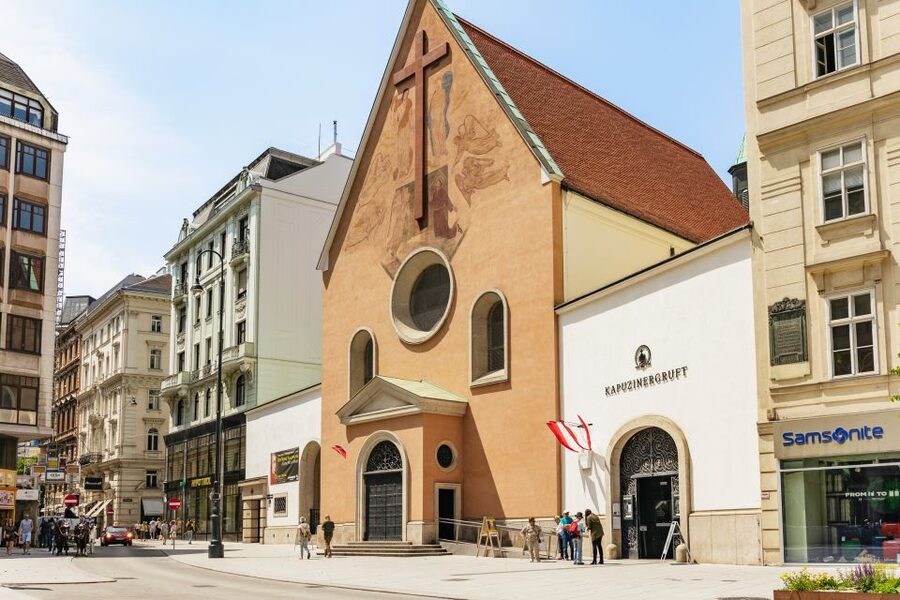
The Imperial Crypt puts you face to face with the Habsburg dynasty, not in a grand palace but beneath a modest Capuchin church in central Vienna. Ten connected vaults hold the tombs of emperors, empresses, archdukes, and children across four centuries. The contrast between the plain church above and the elaborate metal sarcophagi below is the first thing that catches you.
I like the astonishing craftsmanship of the tombs, especially the copper, tin, bronze, silver, and gold details. I also like the quiet, personal side of the place: flowers and notes still appear beside some tombs, including those of Maria Theresa and Empress Elisabeth, known as Sisi. The main drawback is the limited interpretation. If you do not know Habsburg history, an English guided tour or audio guide would make the visit much more rewarding.
Key points to know before you go
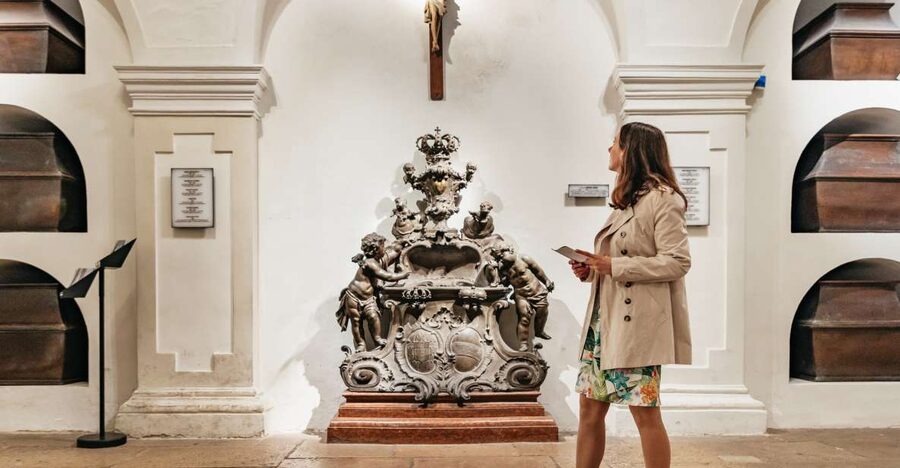
- 150 Habsburg burials: See the final resting places of Maria Theresa, Emperor Franz Joseph, Empress Elisabeth, Rudolph, and many other family members.
- Ten connected vaults: The crypt grew through repeated additions over more than 400 years.
- Spectacular sarcophagi: Expect ornate funerary metalwork rather than rows of simple stone graves.
- Self-guided visit: The entrance ticket covers admission, while guided tours may cost extra.
- Short but flexible stop: Some people finish in 30 minutes, while history fans can spend around 90 minutes or more.
- Optional evening pairing: A combo ticket can link the crypt visit with an A Little Night Music concert.
Why the Imperial Crypt feels different from Vienna’s palaces
Vienna gives you grand imperial rooms at the Hofburg, polished galleries, and formal gardens. The Imperial Crypt offers something more direct. Here, you are looking at the physical remains and burial monuments of the people who shaped Austria and much of Europe.
The entrance is beneath the Capuchin Church, whose modest exterior does not prepare you for the metalwork underground. That setting matters. The Habsburgs ruled a vast empire, yet their family crypt remains under the care of the Capuchin Order rather than inside a grand palace complex.
I find that contrast more affecting than another room covered in gold leaf. The crypt is solemn, but it is not automatically grim. The ornate tombs are works of sculpture and design, and the small chapels and vaults create a quiet setting for considering power, family, illness, and death.
The crypt contains about 150 Habsburg personalities. The collection includes emperors and empresses, but also less famous relatives whose lives help show how dynastic families worked. You can trace changing fashions in funerary art as the rooms were built, extended, and altered over a period of roughly four centuries.
A few more Vienna trips to weigh up
- Vienna: Classic Ensemble Vienna in St. Peter’s Church Ticket
★ 4.7 · 4,819 reviews - Vienna Kunsthistorisches Museum Day Admission Ticket
★ 4.6 · 3,690 reviews - Vienna: Tickets for Mozarthaus Vienna with Audio Guide
★ 4.2 · 2,344 reviews
Entering the ten vaults beneath the Capuchin Church
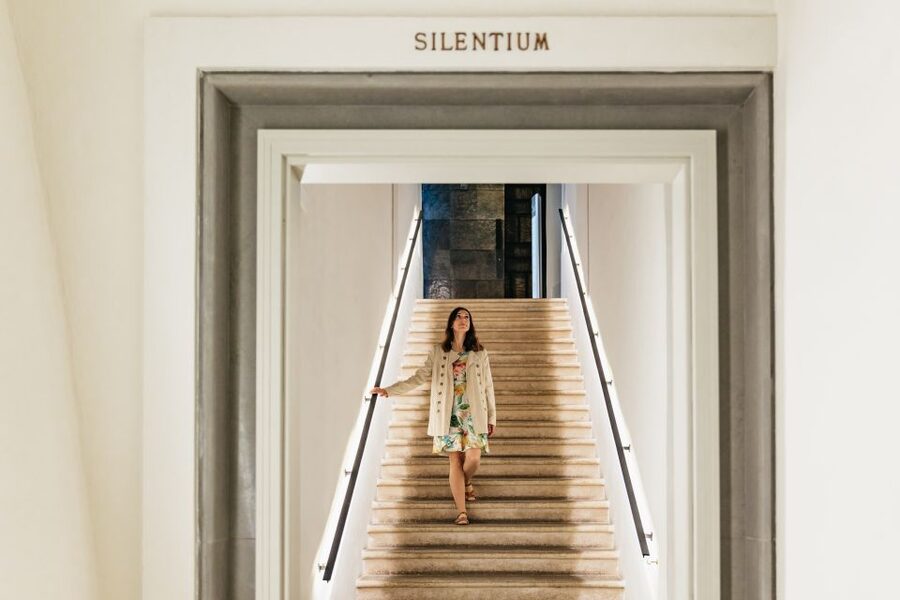
Your visit begins with the entrance ticket and a descent into the crypt system. The experience is not a guided route with scheduled performances or staged scenes. You move through the rooms at your own pace, stopping at the tombs that interest you.
The ten vaults were not created all at once. Extensions and modifications were added over time, so the crypt feels like a record of the dynasty’s changing fortunes. One room may feel restrained, while another is packed with elaborate sarcophagi and funerary monuments.
Give yourself time to look at the shapes and surfaces of the coffins. The most memorable pieces are not simply large. They are covered with sculpted decoration, coats of arms, religious symbols, and fine metalwork. The craftsmanship is the reason this visit works even if you arrive with only a basic knowledge of Austrian history.
Small booklets provide useful details about the people and tombs. Labels also identify many of the occupants, but the amount of information in English can feel thin. You may find enough to follow the main story, yet not enough to answer every question about an unfamiliar archduke or family member.
That is why I would plan the visit in one of two ways. If you know the Habsburg family already, use the crypt as a visual record and take your time with the objects. If you are starting from zero, read a little about the main figures before arriving or arrange an English guided tour if available.
The tombs of Maria Theresa, Franz Joseph, Sisi, and Rudolph
Several burials will draw you in even if you are not a serious student of monarchy.
Maria Theresa is one of the central figures here. Her tomb reflects the scale and authority associated with one of the Habsburg dynasty’s most important rulers. It is also one of the places where the crypt’s combination of political history and personal memory becomes clear.
Emperor Franz Joseph and Empress Elisabeth are another major focus. Franz Joseph ruled for decades, while Elisabeth, or Sisi, remains one of the best-known figures in Austrian imperial history. Her public image has been shaped by films, books, and popular culture, but the crypt gives you a quieter place to consider her as a member of a real family rather than only a romanticized empress.
Their son Rudolph is also buried here. Seeing the family members together adds a human dimension that a palace portrait cannot provide. The crypt is not only a list of rulers. It shows a dynasty dealing with marriage, succession, grief, and remembrance.
Look for the flowers and handwritten notes left at some of the tombs. These small gestures make the space feel less like a museum display. They also remind you that the Habsburgs are not only distant names from a textbook. Some still inspire personal loyalty, curiosity, or affection.
One unusual detail is that the hearts of Habsburg family members are not all kept in the Imperial Crypt. Some are located inside the monastery. The dynasty’s burial customs were divided among different locations, so the crypt does not contain every part of each person’s remains.
The art of the sarcophagi is the main attraction
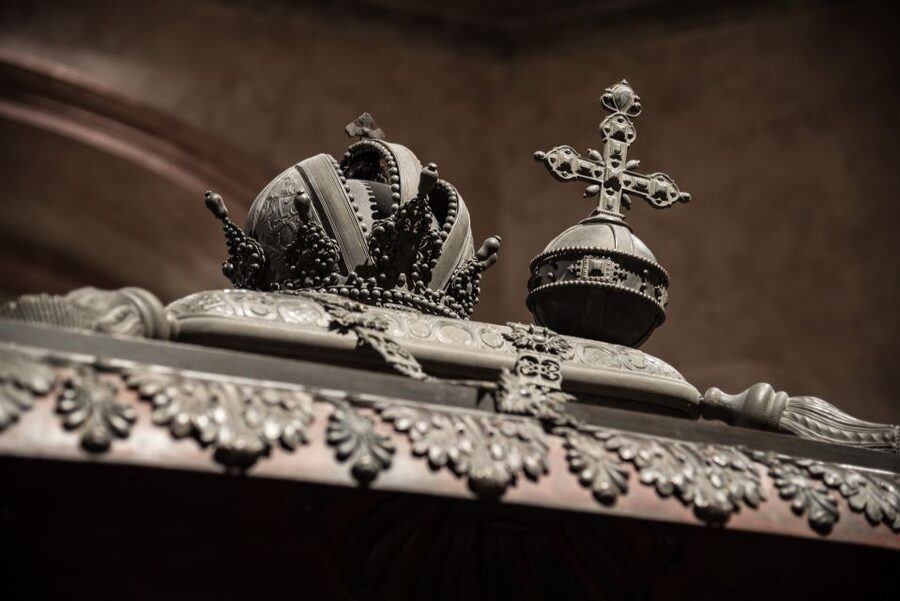
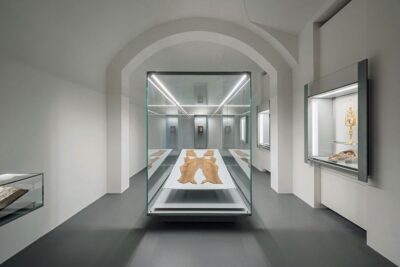
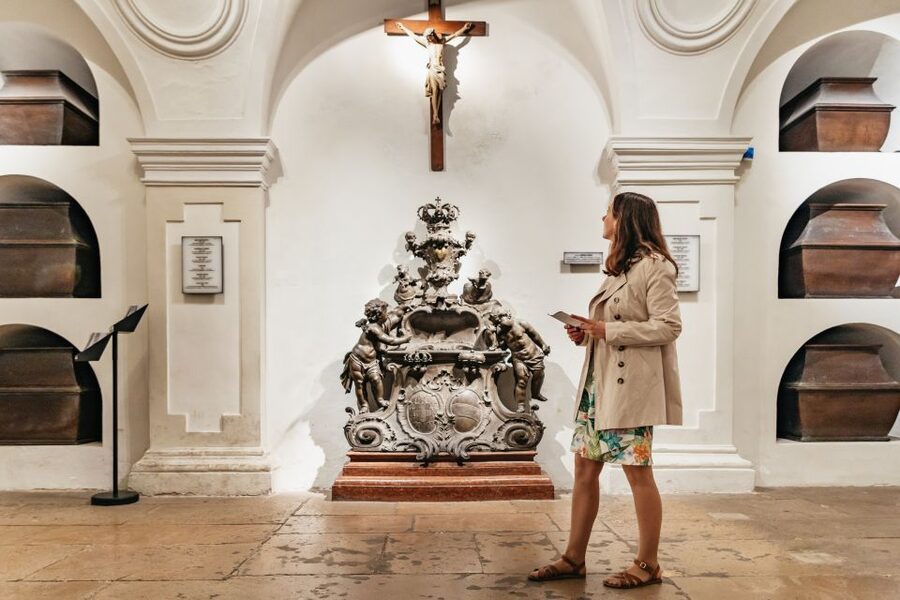
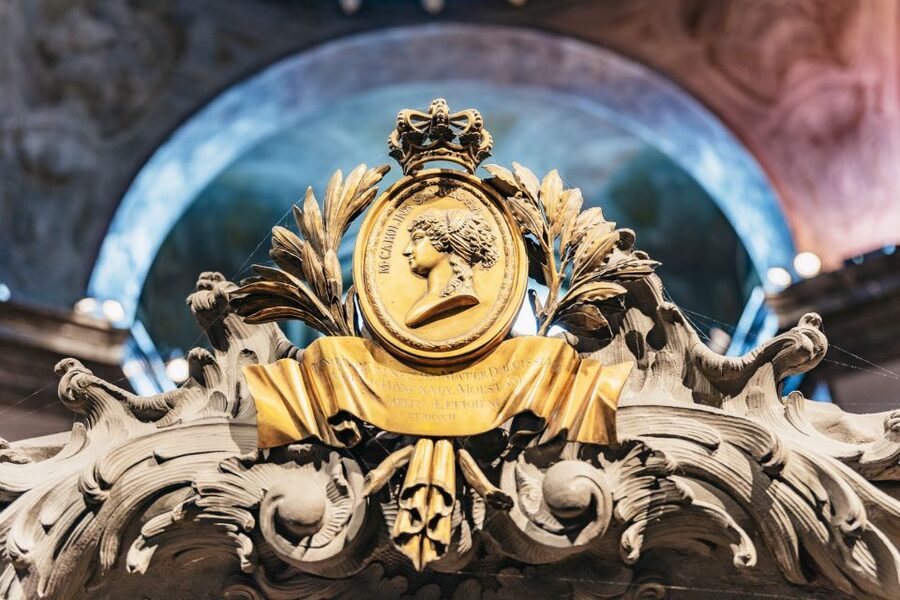
The tombs are the reason to come. Their materials include tin, copper, and bronze, with silver and gold decoration on some pieces. You will see a range of styles, from imposing imperial designs to more restrained funerary monuments.
I suggest looking at the tombs from several angles rather than walking straight past them. Notice the raised ornament, the sculpted figures, and the way the metal catches the limited light. Even visitors with little interest in dynastic politics can appreciate the design work.
The craftsmanship also helps you understand how the Habsburgs wanted to be remembered. These were not practical containers alone. They were statements about faith, rank, family, and imperial authority.
At the same time, the presentation is not lavish in the modern museum sense. This is a working religious site and burial place, not a large multimedia attraction. You will not find a full cinematic presentation or a long sequence of interactive displays. The reward comes from looking carefully.
Photography and video recording are not allowed. This rule is meant to respect the dead, and you should follow it. Do not count on taking a quick phone picture inside. The visual details are worth remembering, but this is one place where putting the phone away improves the visit.
Same Alps, a completely different kind of day:
- Vienna: Vivaldi’s Four Seasons Concert in Karlskirche
★ 4.7 · 14,951 reviews - Vienna: Spanish Riding School Training
★ 3.9 · 9,281 reviews - Vienna: Skip-the-cashier-desk-line Giant Ferris Wheel Ride
★ 4.5 · 7,859 reviews - Vienna: Schönbrunn Palace & Gardens Skip-the-Line Tour
★ 4.7 · 7,739 reviews
How long to allow, and what the ticket is worth
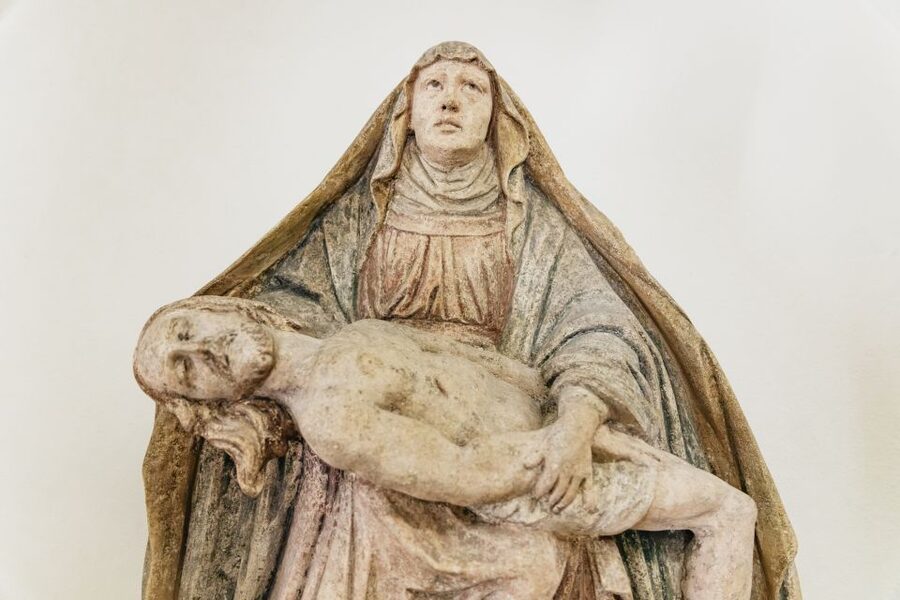
The ticket costs about $17 per person and is valid for one day. For a central Vienna sight with roughly 150 burials and unusual artwork, I consider that a fair price, especially if you spend an hour or more reading and looking closely.
Your time inside may vary sharply. A quick visit can take about 30 minutes. If you stop at many tombs and read the available information, plan on roughly 90 minutes. People who enjoy history and decorative art may stay longer.
The ticket is best value for visitors who already have some interest in the Habsburgs, imperial history, religious architecture, or funerary art. It is less useful if you want a large palace interior, a fully narrated tour, or a major collection of paintings.
The experience is also easy to fit into a Vienna day. It does not require a half-day commitment, and its central location makes it practical between other sights. You can keep the visit short if you have a packed schedule, or use it as a calm pause after the noise and grandeur of the Hofburg area.
A combo ticket may pair the crypt with an A Little Night Music concert afterward. That option could suit you if you want to connect the Habsburg setting with an evening of classical music. Check the exact combo details when booking, since the supplied information does not specify the concert time, venue, or seating.
Guided or self-guided: choose based on your history knowledge
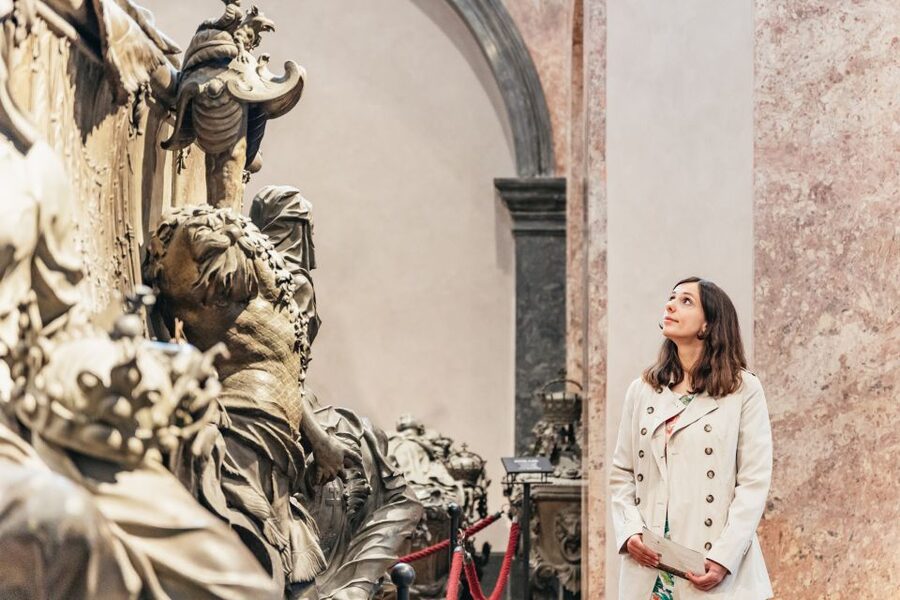
The standard entrance ticket is a self-guided experience. That gives you control over the pace, which I appreciate. You can move quickly through names you do not recognize and spend more time with the famous tombs.
The weakness is context. Several people found the on-site information too limited, especially in English. If German is not your first language, or if you cannot easily place Maria Theresa, Franz Joseph, Sisi, and Rudolph in the larger story, you may leave with more questions than answers.
A guided tour can change the visit. An English guided tour may be available directly through the ticket office for an extra €3, according to one recent visit. The guided option lasted about an hour and added background about the occupants. Confirm availability at the time you plan to go, since the entrance ticket itself does not include a guide.
I would choose the guide if this is your only Habsburg history stop or if you want to understand the family connections. I would choose the self-guided ticket if you have already visited the Hofburg, read about the dynasty, or mainly want to admire the tombs.
Practical details that affect your visit
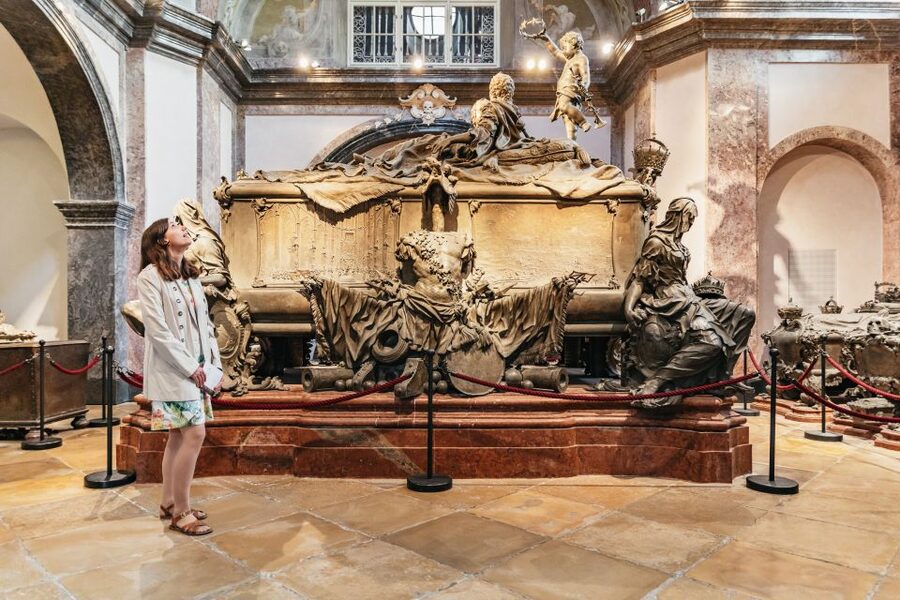
The activity is listed as wheelchair accessible, but the crypt remains a quiet religious and historic space rather than a large visitor center. If you have specific mobility needs, confirm the current access arrangements before setting out.
Pets are not allowed. Large bags and luggage are also prohibited, so do not arrive with a suitcase expecting to carry it inside. Lockers are available, with a refundable €1 or €2 coin deposit according to visit information.
Sleeveless shirts are not allowed. Dress with the church setting in mind, particularly during warm weather. Video recording is prohibited, and photography is not allowed inside.
The ticket is valid for one day, with availability shown when you book. One visitor reported being told at the desk that the selected time was flexible, but I would still treat your booked time as the safest arrival plan, especially near closing. If you choose a late slot, allow enough time to see the crypt without rushing.
The activity is suitable for a small group format, limited to nine participants. That figure matters most if you add a guided component. The regular crypt visit lets you move at your own pace rather than follow a large tour group.
Free toilets are available. These are small practical details, but they make the stop easier to combine with a full day of sightseeing.
Who should book the Imperial Crypt
I would book this for anyone who enjoys European royal history, unusual religious sites, sculpture, or carefully made objects. It is particularly worthwhile if you have already seen Vienna’s imperial palaces and want a different view of the Habsburg family.
Families with older children may also find it interesting, especially if you explain beforehand that the attraction is about tombs and history rather than entertainment. Younger children who need constant activity may not get much from the quiet rooms.
I would not make it a top priority if you have only a few hours in Vienna and no interest in the Habsburgs. The crypt is small, and its appeal depends on your willingness to read labels and examine details. It does not offer panoramic views, theatrical displays, or a broad art collection.
For many people, the best plan is to pair it with a nearby imperial sight. See the palace rooms or museums first, then come here to consider where the people behind that power ended up. The modest setting makes the grand story feel more human.
Should you book the $17 ticket?
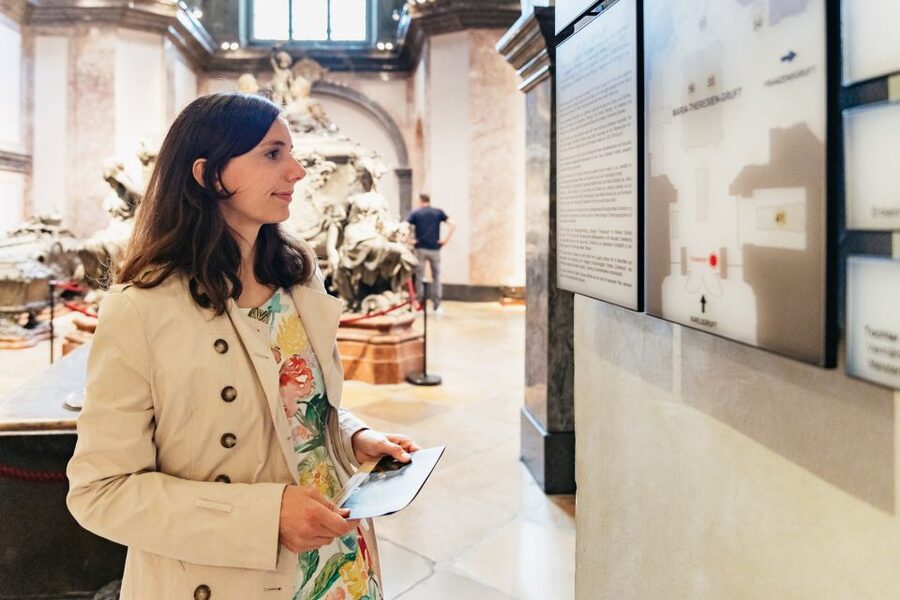
Book it if you want a quiet, unusual stop with some of Vienna’s finest funerary metalwork and a direct connection to 400 years of Habsburg history. The tombs of Maria Theresa, Franz Joseph, Sisi, and Rudolph give the visit clear anchors, while the lesser-known family members fill out the story.
The ticket offers good value for an independent visit lasting 30 to 90 minutes. I would spend the extra money for a guided tour if you need English context, since the printed and posted information may not fully explain the dynasty.
Skip it if you want a fully narrated attraction or dislike solemn historic spaces. For the right visitor, though, the Imperial Crypt is one of Vienna’s most memorable reminders that imperial grandeur eventually leads to a quiet room beneath a church.
FAQ
Where is the Imperial Crypt?
The Imperial Crypt is beneath the Capuchin Church and monastery in central Vienna, Austria.
What does the entrance ticket include?
The ticket includes entrance to the Imperial Crypt. It does not include a guided tour or concert unless you select a separate option or combo ticket.
How much does admission cost?
The listed price is $17 per person.
How long is the ticket valid?
The ticket is valid for one day. Check availability for the starting times offered when you book.
How long should I allow for the visit?
You can see the crypt in about 30 minutes, but allowing around 90 minutes gives you time to examine the sarcophagi and read the available information.
Is the Imperial Crypt wheelchair accessible?
The activity is listed as wheelchair accessible.
Can I bring luggage or a large bag?
No. Luggage and large bags are not allowed inside. Lockers are available with a refundable €1 or €2 coin deposit.
Can I take photographs or record video?
No. Video recording is not allowed, and photography is prohibited inside the crypt.
Is a guided tour included?
No. The standard ticket is for admission. A guided tour may be available directly through the ticket office for an additional €3, but availability and language should be confirmed before your visit.
Just added around Vienna
- Ottakringer Brewery tour★ 4.0 · 6 reviews
- New Hofburg Palace Tour House of Habsburg★ 4.5 · 5 reviews
- Private Van & Walk Tour – One Perfect Day in Vienna★ 5.0 · 21 reviews
- True Crime mobile puzzle rally Vienna★ 4.0 · 3 reviews
- Vienna Naschmarket Food Tasting Tour★ 4.0 · 30 reviews
- Vienna Nightlife Experience: Food, Wine, Cocktails & Vibes★ 5.0 · 119 reviews
- Myth Mozart★ 4.0 · 80 reviews
- ( Night Tour ) With Private Guide + wine or prosecco★ 4.0 · 12 reviews
Tickets, compared.
Classic Ensemble Vienna in St. Peter’s Church Ticket
Read our review →
Vienna Kunsthistorisches Museum Day Admission Ticket
Read our review →
Tickets for Mozarthaus Vienna with Audio Guide
Read our review →
Skip-the-Line Entrance Ticket to the Danube Tower
Read our review →