
Reviewed · CITY TOURS
Vienna: City Highlights Guided Walking Tour & Old Town
Vienna’s historic center is a compact storybook of Roman ruins, medieval lanes, imperial grandeur, Jewish history, and coffeehouse traditions. This two-hour walk connects those pieces on foot, ending at St. Stephen’s Cathedral, the city’s unmistakable landmark.
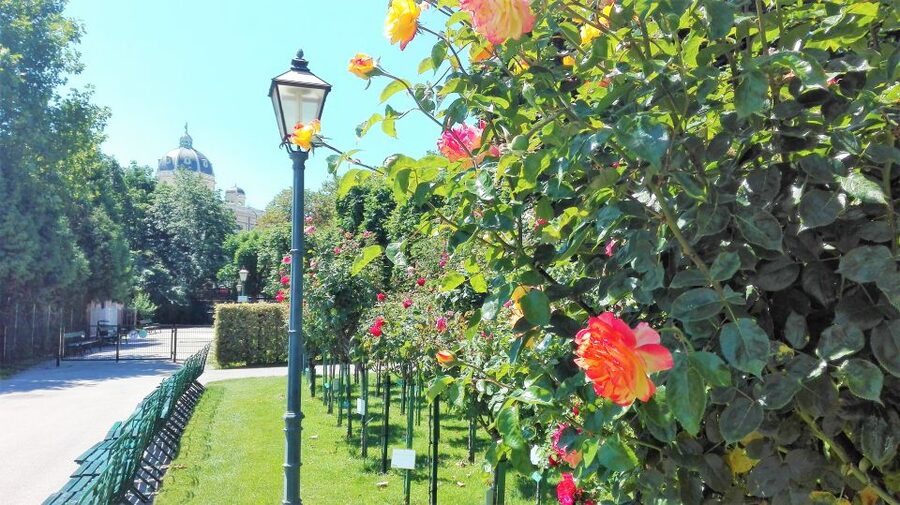
I like the mix of famous sights and tucked-away passageways, and I like that the tour explains Vienna’s past rather than simply pointing at ornate buildings. The walk also includes the Hofburg surroundings and former palace gardens, where 3,000 rose bushes add a pleasant pause.
The main consideration is pace and depth. Two hours gives you a useful first look, but not a full treatment of a city as layered as Vienna. One Italian-language assessment felt the information was lighter than Vienna deserved, so book this for orientation and stories, not an exhaustive history seminar.
Key points to know before booking
- Roman and medieval Vienna in one walk: Begin with the city’s ancient foundations and move through its medieval center.
- Jewish history has a clear place: The route crosses the former medieval Jewish quarter rather than treating Vienna as only an imperial capital.
- Hofburg and palace gardens: You’ll hear about the Habsburg residence, present-day museums, and the former gardens with 3,000 roses.
- A practical introduction to Vienna’s food culture: The guide explains the story of Sacher cake and suggests other cakes to try.
- A strong finishing point: The walk ends at St. Stephen’s Cathedral in Stephansplatz.
- Good value for a first day: At $25 per person, it costs less than many longer city tours, though the two-hour format keeps the discussion fairly broad.
Why this walk is useful on a first day in Vienna
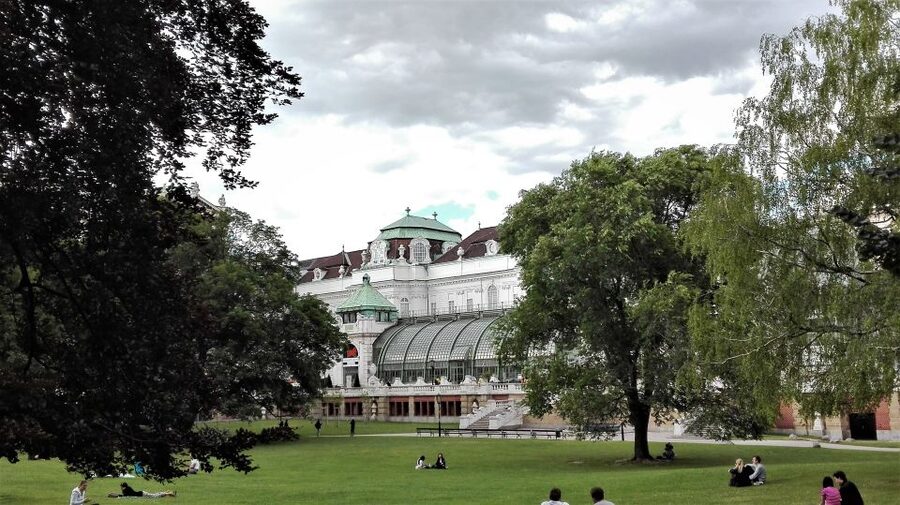
Vienna can look easy to understand at first. The grand Ring Street buildings, palace facades, and church towers sit close together, but each belongs to a different chapter. Roman Vindobona, medieval Vienna, Habsburg rule, Jewish life, and the modern city overlap in a small area.
That is where a guided walk earns its fee. You are not simply moving from one photograph stop to another. You get a framework for the city, along with ideas for what to see after the tour ends.
At $25 per person, the price is modest for a licensed local guide and two hours of walking in central Vienna. I see this as a good orientation purchase, especially if you are arriving without much background. It is less compelling if you already know the historic center well or want extended access inside the major museums and churches.
The tour is offered in English and Italian. The listed experience provider is Astrid Stangl, but the supplied information does not identify the individual guide who will lead each departure. That means you should book for the route and subject matter rather than for a named guide.
A few more Vienna trips to weigh up
- Vienna: Guided Walking Tour of City Center Highlights
★ 4.7 · 4,989 reviews - Vienna: Vienna Central Cemetery Guided Walking Tour
★ 4.8 · 3,307 reviews - Vienna: Guided Walking Tour of City Highlights & Hidden Gems
★ 4.9 · 2,180 reviews
Starting near the Roman Museum or Carré d’artistes
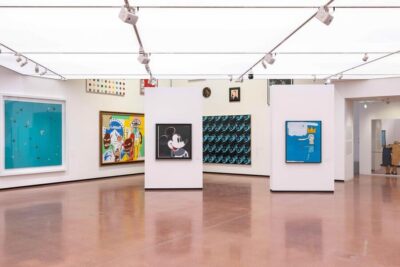
There are two possible starting locations: the Art Gallery Carré d’artistes Wien or the Wien Museum Römermuseum. Your exact meeting point depends on the option you book, so check the confirmation carefully before setting out.
The Römermuseum connection is especially fitting for a walk that discusses Vienna’s Ancient Roman period. Vienna began as a Roman military settlement called Vindobona, and the Roman remains help explain why this part of the city developed as it did. The tour does not promise a full museum visit, so think of the starting area as a historical launch point rather than a separate attraction included in the price.
The other meeting point, Carré d’artistes Wien, places you in the central city area. Both options put you close to the walking portion, but they are not interchangeable in practical terms. Leave time to find the correct address, particularly if you are unfamiliar with Vienna’s pedestrian streets.
The tour lasts two hours. That is long enough to cover a lot of ground without taking over your entire day, but you should arrive ready to walk continuously. Comfortable shoes are specifically recommended, and that advice matters on old paving, passageways, and city sidewalks.
Roman foundations and medieval lanes
The early portion of the walk covers Vienna in Roman times and the Middle Ages. This gives you a useful contrast: the city did not begin as a palace capital. It grew from an ancient settlement into a fortified medieval town, then expanded into the imperial center associated with the Habsburgs.
The medieval section focuses on the historic center, where narrow streets and older building lines can be read as clues to the city’s past. You may pass through picturesque passageways and stop in a courtyard that is easy to miss when you are walking alone.
That is one of the tour’s strongest features. Vienna’s grand buildings attract attention, but the smaller spaces often explain how the old city worked. A passageway can show how streets changed over time. A quiet courtyard can offer a break from the main routes and give you a better sense of the center as a lived-in place.
The guide also shares surprising facts about Vienna’s past and present. The information provided does not list each story, so I would not book expecting a fixed set of famous anecdotes. The value comes from having someone connect the places as you move between them.
The former Jewish quarter
The walk crosses the area of Vienna’s medieval Jewish quarter. This is an important part of the route because Vienna’s story is not only one of emperors, palaces, and classical music.
The Jewish history section places the old town in a broader social context. It helps you see that medieval Vienna included different communities, beliefs, trades, and neighborhoods. The exact stops and the amount of time devoted to this subject are not specified, so the treatment may be introductory rather than extensive.
Still, its presence on a short city-center tour is worthwhile. A two-hour overview cannot cover every period in detail, but it can make you more alert to the less obvious histories beneath the polished facades. If this subject is central to your visit, you will likely want a separate, more focused museum or memorial visit after the walk.
Same Alps, a completely different kind of day:
- Vienna: Vivaldi’s Four Seasons Concert in Karlskirche
★ 4.7 · 14,951 reviews - Vienna: Spanish Riding School Training
★ 3.9 · 9,281 reviews - Vienna: Skip-the-cashier-desk-line Giant Ferris Wheel Ride
★ 4.5 · 7,859 reviews - Vienna: Schönbrunn Palace & Gardens Skip-the-Line Tour
★ 4.7 · 7,739 reviews
The Hofburg, Habsburg residents, and modern museums
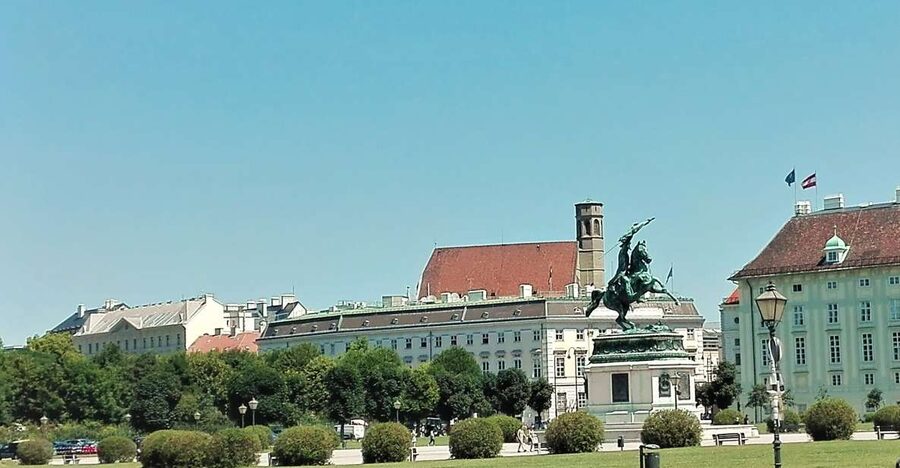
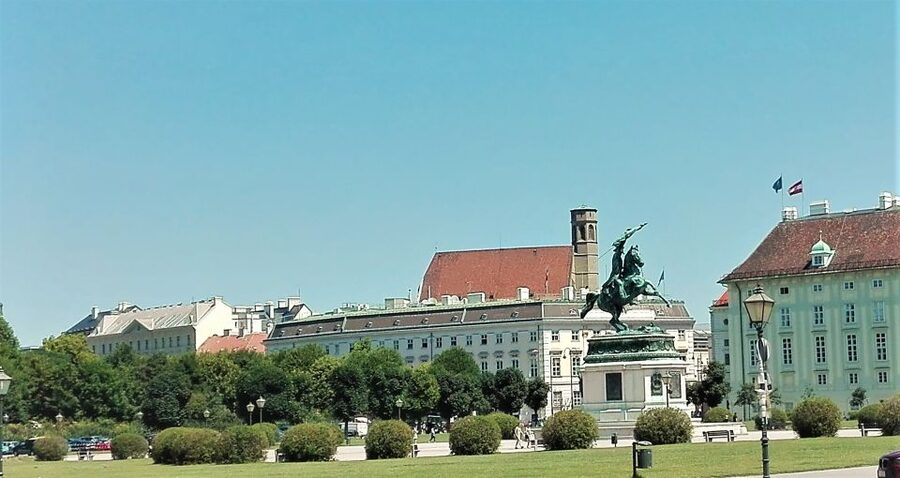
The route continues toward the Hofburg, the former residence of the Habsburgs. This is Vienna at its grandest, with imposing buildings and a long list of imperial associations.
The guide explains stories about former residents and discusses how the Hofburg is used today. That present-day angle is useful. The palace is not frozen in the past, and several museums now operate within its buildings. The walk helps you understand the complex before you decide which interior spaces deserve your time.
You should not confuse the Hofburg portion with an entrance tour. The experience takes you through the surrounding area and explains the buildings from outside. There is no stated admission to museums or palace interiors, so budget separately if you want to visit them.
I like this arrangement for a first visit. You get the broad setting without spending your limited first-day hours inside one large complex. You can then return to the museum or collection that matches your interests.
A pause among 3,000 roses
The former palace gardens provide a change of mood. After Roman remains, medieval streets, and imperial buildings, you get a chance to breathe among the gardens and take in the scent of 3,000 rose bushes.
The roses are a distinctive detail, and they give the walk a sensory moment that a standard architecture tour might miss. This is also a useful place for photographs, though the tour does not promise a long stop or a particular seasonal display.
The garden section should appeal to you if you want a little calm built into a history walk. It is not a separate garden tour, and the experience remains focused on the city center. Think of it as a short, attractive pause within the larger route.
Ring Street architecture and Vienna’s changing face
The tour explains the history of Vienna’s famous Ring Street and its impressive buildings. The Ringstrasse is important because it reflects the city’s move beyond its older walls and the grand urban ambitions of the imperial era.
The buildings along the ring tell a different story from the narrow medieval center. Their scale is more formal and public, with architecture designed to express the importance of government, culture, and civic life. The tour uses the street to show how Vienna changed as the city expanded.
This is another reason a guide helps. On your own, you may admire the facades without knowing why they were built together or what they represent. A short explanation can turn a long row of grand buildings into a readable part of Vienna’s growth.
The walk does not promise entry into the Ring Street buildings. You will learn about their history and see them as part of the route. If you want detailed architectural analysis, two hours will feel brief, but the overview should help you choose which buildings to revisit.
Sacher cake, other pastries, and the Capuchin Crypt
Vienna’s food traditions make an appearance through the story of Sacher cake. The guide also suggests other cakes to try during your stay, which gives the tour a practical edge.
This is more useful than a simple reminder to eat dessert. Vienna’s pastry culture is part of how the city spends time, socializes, and presents itself. Knowing a few names before you enter a café can make your later stops more confident and less random.
The route also passes the Capuchin Crypt, the Habsburg family crypt. Its location in the center is a reminder that imperial power was not an abstract idea. The people who ruled from the Hofburg were buried nearby, beneath a church connected to the city’s daily life.
The experience only promises a pass-by, not entry into the crypt. If you want to see the imperial tombs inside, you will need to arrange that separately. Even from the street, the stop works well in the sequence of the walk because it connects the palace, the ruling family, and the old town.
Ending at St. Stephen’s Cathedral
The final stop is St. Stephen’s Cathedral, reached through the historic center and ending at Stephansplatz or nearby Schulerstraße. This is a satisfying finish because the cathedral is Vienna’s most famous landmark and a natural reference point for exploring the old town afterward.
Ending here also leaves you in a useful location for the rest of your day. The activity information lists Stephansplatz as the drop-off area, with Stephansplatz also shown as an end point, so confirm the precise finish location when booking.
The cathedral itself is not listed as an included interior visit. You should treat the tour as an exterior and historical introduction unless your booking details say otherwise. Afterward, you can decide if you want to enter, take photographs, explore nearby streets, or stop for cake.
The route promises plenty of photographic opportunities. That does not mean the guide will wait for a long photo session at every stop, so keep your camera ready and avoid planning a tight appointment immediately afterward.
How much history fits into two hours
The tour covers a large range: Roman Vienna, the Middle Ages, Jewish history, the Habsburgs, the Hofburg, palace gardens, Ring Street, Sacher cake, the Capuchin Crypt, and St. Stephen’s Cathedral.
That is a lot for one short walk. The advantage is variety. You will get a broad map of the city’s story and several ideas for further exploration. The trade-off is that each subject receives only limited time.
A rating of 4.5 from 36 ratings suggests a generally strong response, but the written feedback also includes a three-out-of-five assessment in Italian that found the amount of information modest for a city as important as Vienna. I would take that as a fair warning about expectations, not a reason to dismiss the tour.
If you want a clear introduction, the breadth works in your favor. If you want a specialist lecture on medieval Jewish Vienna, Habsburg politics, or architecture, choose a longer or more focused experience instead.
Who should book this Vienna walk
I would recommend it most to you if:
- You are visiting Vienna for the first time.
- You want a short overview before choosing museums and monuments.
- You enjoy history mixed with streets, gardens, food, and architecture.
- You prefer walking to a bus-based city tour.
- You want English or Italian guiding.
- You value a low-cost activity that leaves most of the day free.
Families and older visitors may appreciate the two-hour limit, though the route still requires regular walking. The activity is listed as wheelchair accessible, but the supplied details do not explain the exact surfaces, slopes, or passageway conditions. If you use a wheelchair, confirm the route details before booking.
This is less suitable if you dislike broad introductions or want substantial time inside Vienna’s major sights. There is no stated museum admission, palace admission, or crypt admission included.
Practical details that affect your day
The tour costs $25 per person and lasts two hours. Starting times vary, so you need to check availability for the date you want.
There are two possible starting points, and the meeting point may vary by booking option. Do not assume the Roman Museum location unless it appears on your confirmation.
The walk is offered in English and Italian. Comfortable shoes are the one item specifically recommended, and you should take that seriously. The route includes the historic center, passageways, courtyards, palace surroundings, gardens, and central streets.
Free cancellation is available up to 24 hours before the activity for a full refund. You can also reserve now and pay later, which is useful if your Vienna plans are still changing.
My verdict: a good-value orientation, with modest depth
At $25, this is a sensible first look at Vienna. I like its broad route, its attention to medieval and Jewish history, its palace gardens, and its practical food notes. Ending at St. Stephen’s Cathedral gives you an easy launch point for the rest of your visit.
Book it if you want a friendly two-hour introduction and a guide to help you notice more than the postcard buildings. Skip it if you already know the old town or want a detailed specialist account of one period.
Go in expecting a well-rounded overview, not a full history course. With that expectation, the tour offers solid value and a useful first map of central Vienna.
FAQ
How long does the Vienna walking tour last?
The tour lasts two hours.
How much does the tour cost?
The listed price is $25 per person.
What languages are available?
The tour is offered in English and Italian.
Where does the tour start?
There are two possible starting locations: Art Gallery Carré d’artistes Wien and Wien Museum Römermuseum. The exact meeting point depends on the option booked.
Where does the tour end?
The listed drop-off locations are Stephansplatz and Schulerstraße, 1010 Wien, with Stephansplatz also shown as an end point. Check your booking details for the exact finish location.
Does the tour visit St. Stephen’s Cathedral?
The tour ends at St. Stephen’s Cathedral in the heart of Vienna’s old town. The provided details do not state that interior admission is included.
Does the tour include entry to the Hofburg or museums?
The tour explores the area around the Hofburg and discusses its former residents and present use. Museum or palace admission is not listed as included.
Is the tour wheelchair accessible?
The activity is listed as wheelchair accessible. The supplied information does not give further details about surfaces or access conditions along the route.
What should I bring?
Bring comfortable shoes, since the experience is a walking tour through Vienna’s historic center.
Just added around Vienna
- World War II History Vienna Old Town Private Walking Tour★ 4.8 · 9 reviews
- From Krems: Wachau Valley River Cruise on the Danube★ 4.6 · 95 reviews
- Vienna: Winery and Wine Tasting Tour with a Wine Expert★ 5.0 · 5 reviews
- Vienna: Wine Tasting E-Bike Tour★ 4.9 · 46 reviews
- Vienna: Wine Tasting at Schönbrunn Palace★ 4.3 · 71 reviews
- Vienna: Wine Tasting Tour★ 4.8 · 61 reviews
- Vienna: Wiener Schnitzel and Strudel Cooking Class★ 4.9 · 126 reviews
- Vienna Urban Art Tour: Explore a different side of Vienna!★ 3.8 · 14 reviews
City Tours, compared.
Guided Walking Tour of City Center Highlights
Read our review →
Guided Walking Tour of City Highlights & Hidden Gems
Read our review →

Skip-the-Line Schonbrunn Palace Guided Tour and Vienna Historical City Tour
Read our review →

Browse the lists this tour appears in