
Reviewed · CITY TOURS
The unknown Vienna City- a guided walking tour in 3 hours
Vienna’s grand sights are only half the story. This three-hour walk leads you from the Dr. Karl Lueger monument near Stubentor through winding lanes, courtyards, churches, and old corners that are easy to miss between the city’s famous boulevards. Along the way, you’ll meet monsters, musicians, emperors, and the curious legends of old Vienna.
I like the focus on small details and local stories, especially the basilisk tale, the Legend of Augustine, and the traces of Vienna’s medieval past beside modern buildings. I also like the small group, limited to 10 people, which gives guide Nicoleta room to answer questions and adjust the walk to your interests.
The main consideration is pace. Three hours on foot, over historic streets and lanes, can be tiring, and this is not a highlights tour built around entering major museums. Eat before you start, wear comfortable shoes, and come ready to listen while walking.
Key points at a glance
- Start near Stubentor: Meet around the Dr. Karl Lueger monument, close to the Stubentor subway station.
- Legends with a local flavor: Hear the stories of Lugeck, Augustine, and the Vienna basilisk.
- Music and architecture together: Visit the Deutscher Orden Haus, linked with Mozart’s concert life.
- A medieval side of the Hofburg: Learn about older imperial buildings and the less obvious layers of the first district.
- Small groups matter: The tour is limited to 10 participants, with English, Italian, or German guiding.
- Good value for curious walkers: At $63 per person, the price makes most sense if you want context, stories, and less familiar streets rather than a quick photo stop.
Starting at Stubentor, where Vienna’s layers begin
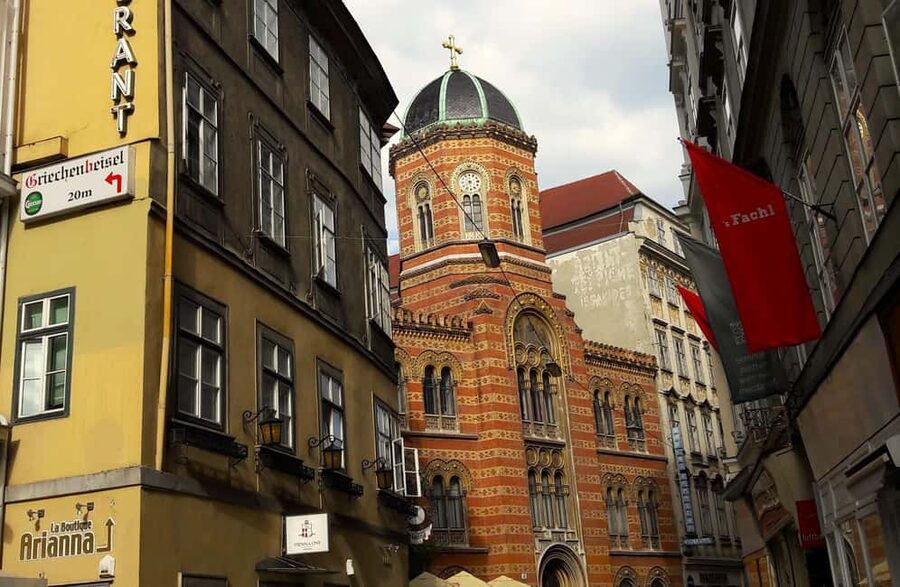
The meeting point is around the Dr. Karl Lueger monument near Stubentor subway station. That makes the start fairly simple to reach, especially if you are already staying near Vienna’s central district.
Stubentor is a useful place to begin because this tour is not trying to present Vienna as one polished imperial postcard. It sets up the city as a place built in layers, with medieval traces, later religious changes, imperial ambition, and modern architecture close together.
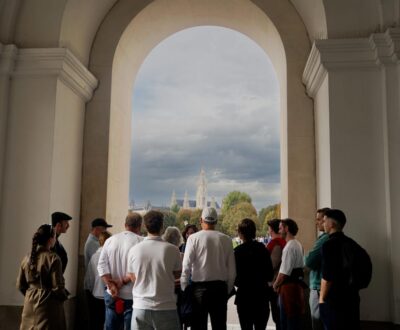
Your guide leads the group toward the historic center on foot. The route covers Vienna’s first district, but it does not stick only to the broad, familiar streets. You may turn into narrow passages, courtyards, and side streets where the city’s story is easier to miss when you are exploring alone.
That approach suits you if you like to understand how a city developed. It is less suitable if you want a fast checklist of the State Opera, St. Stephen’s Cathedral, and every major square. The emphasis here is on what sits between the headline sights.
A few more Vienna trips to weigh up
- Vienna: Guided Walking Tour of City Center Highlights
★ 4.7 · 4,989 reviews - Vienna: Vienna Central Cemetery Guided Walking Tour
★ 4.8 · 3,307 reviews - Vienna: Guided Walking Tour of City Highlights & Hidden Gems
★ 4.9 · 2,180 reviews
Legends at Lugeck and the old city lanes
One of the tour’s pleasures is the use of stories to make old places memorable. The Legend of Lugeck, the Legend of Augustine, and the Legend of the Basilisk give the walk a storybook edge without turning it into a simple ghost tour.
The basilisk story is especially useful for understanding how medieval city life mixed fact, fear, religion, and popular imagination. You hear about the monster, where the tale came from, what it meant to people, and how Vienna dealt with such threats in its own storytelling tradition.
The Legend of Augustine adds another human thread. Instead of hearing only about rulers and grand buildings, you get a sense of the beliefs and characters that shaped local memory. These stories help explain why certain places were remembered long after the original events had passed.
The guide’s role matters here. Nicoleta is identified as one of the guides, and the experience gives time for questions. A past booking with only two participants worked particularly well because the guide could respond to specific interests. Group size can vary, but the stated limit of 10 keeps the walk from feeling like a crowd following a flag.
Mozart at the Deutscher Orden Haus
Music enters the tour through the Deutscher Orden Haus, associated with Mozart’s concert life. This is a welcome change from seeing Vienna’s famous composers only through large memorials and formal concert venues.
The stop connects architecture, patrons, and music. You are not simply hearing that Mozart lived or performed in Vienna. You are looking at a place tied to the social and architectural world that supported music in the city.
The tour describes Vienna in the footsteps of musicians and their patrons. That wider view is valuable because musical history does not happen in isolation. It depends on buildings, religious institutions, wealthy supporters, audiences, and the urban spaces where people met.
The available details do not promise a concert or a performance, so you should treat this as a historical stop rather than a music show. If your main goal is to hear Mozart live, you will need a separate concert booking. If you want to understand how music fits into Vienna’s old center, this part adds useful context.
The unknown medieval Hofburg
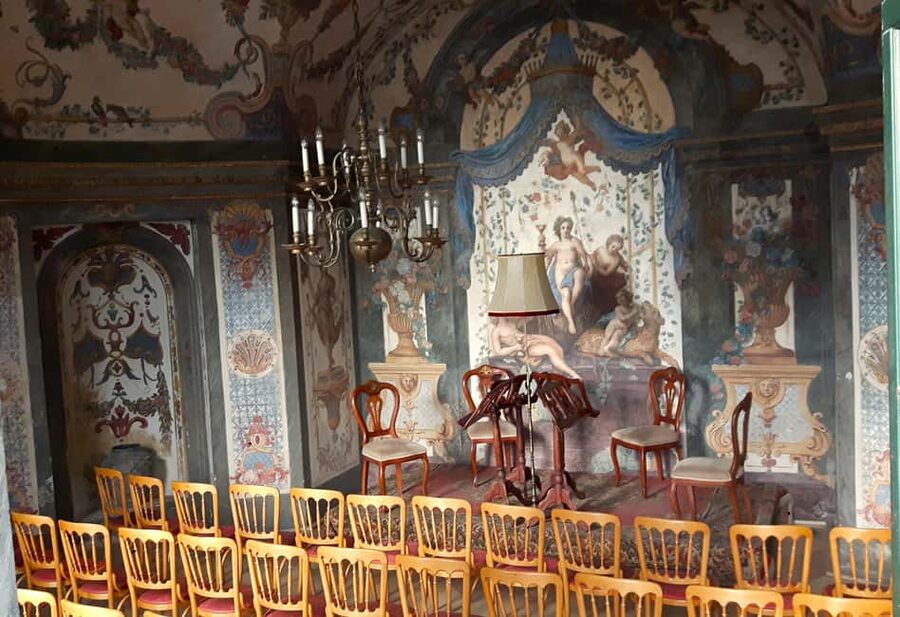
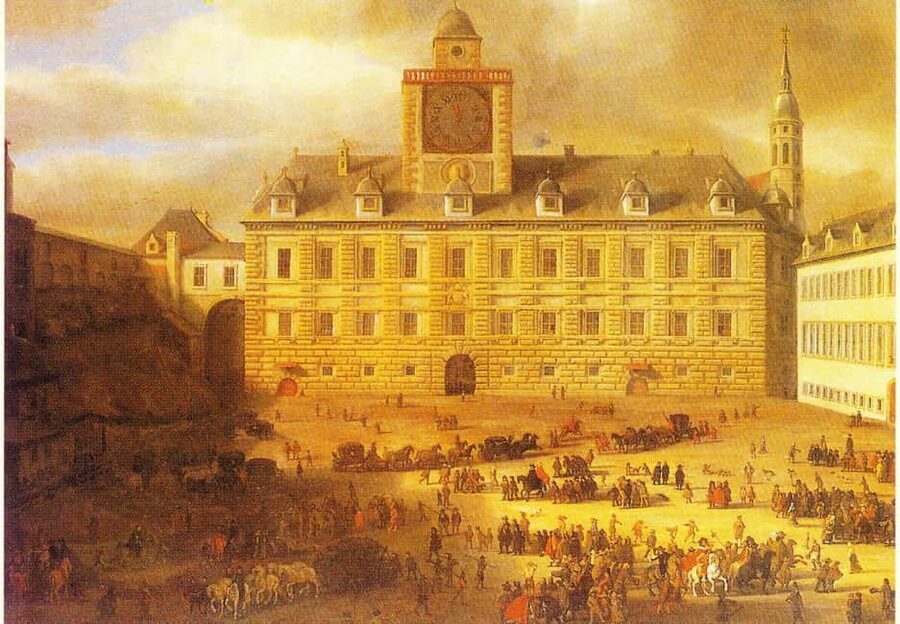
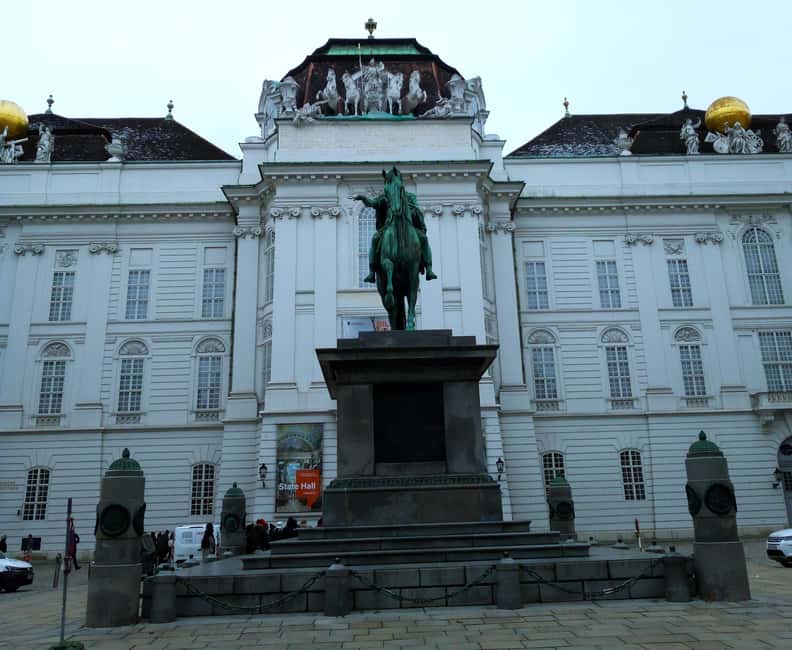
The route finishes around the Hofburg, with attention to medieval parts that can disappear beneath the later imperial image. Most people associate the complex with Habsburg ceremony, grand facades, and formal state rooms. This walk asks you to look for the older structure beneath that later power.
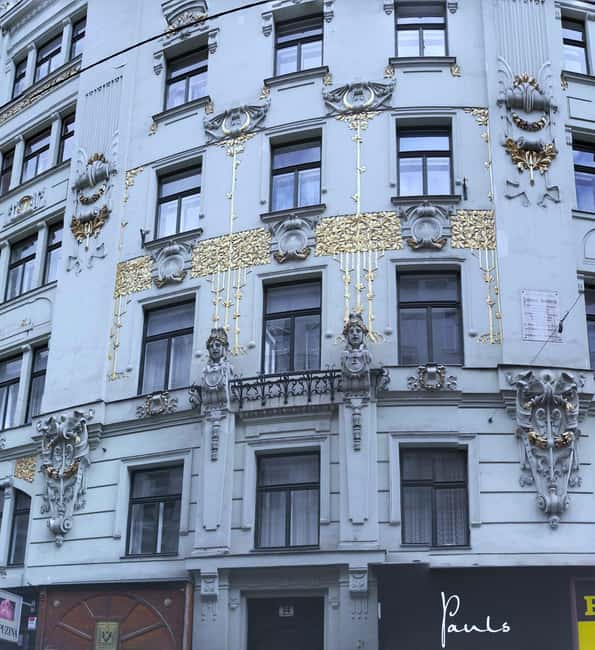
You learn about the development of Vienna from the 13th century through the 21st century. That span gives the guide room to connect medieval foundations with Gothic, Renaissance, Baroque, Art Nouveau, and modern architecture.
I like this kind of comparison because Vienna’s buildings often sit close together without announcing their age. A Gothic detail may be beside a later Baroque facade, while a modern building changes the view only a few steps away. The guide helps you read those contrasts instead of treating them as unrelated decoration.
The route also includes architectural traces of the re-Catholicization of Vienna. This subject gives the walk a more serious edge. Religious change left marks on buildings, public spaces, and the city’s visual character. You do not just hear that Vienna changed faith and political direction. You look for signs of that change in the built environment.
The exact finish deserves a quick check before you go. The route information gives In der Burg 1 at the Hofburg as the finish, while the meeting-point information says the activity ends back at the meeting point. Ask the provider to confirm the final stopping place if you need to meet someone, catch transport, or plan a meal immediately afterward.
Same Alps, a completely different kind of day:
- Vienna: Vivaldi’s Four Seasons Concert in Karlskirche
★ 4.7 · 14,951 reviews - Vienna: Spanish Riding School Training
★ 3.9 · 9,281 reviews - Vienna: Skip-the-cashier-desk-line Giant Ferris Wheel Ride
★ 4.5 · 7,859 reviews - Vienna: Schönbrunn Palace & Gardens Skip-the-Line Tour
★ 4.7 · 7,739 reviews
From Gothic details to modern Vienna
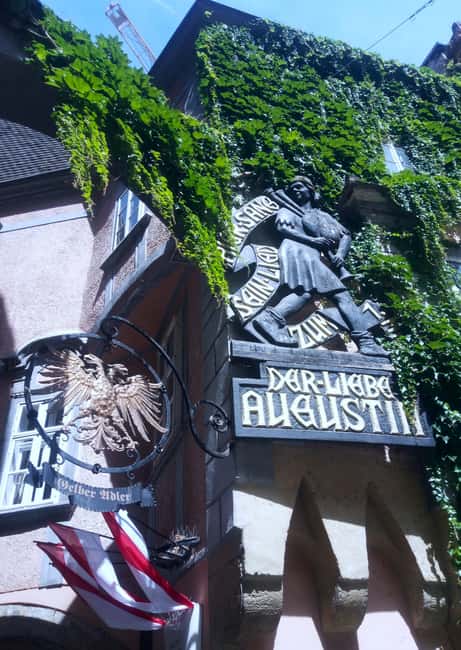
This tour covers a large stretch of architectural time in only three hours. You may see or discuss Gothic, Renaissance, Baroque, Art Nouveau, and modern buildings, with the guide explaining how they fit into Vienna’s long development.
That does not mean every style receives a full architectural lecture. The benefit is the connection between them. You begin to notice how Vienna was rebuilt, reshaped, and visually reinterpreted as its political and religious fortunes changed.
The walk also places major events between the Ottoman Wars and the end of the Habsburg Monarchy. These subjects can become heavy if presented as a list of dates, but the route gives them physical reference points. A street, church, courtyard, or palace corner becomes a prompt for discussing a period of conflict, reform, ceremony, or decline.
You should expect interpretation rather than extensive indoor sightseeing. The information provided does not promise entry into every church or building along the route. The experience is strongest for people who enjoy seeing details from the street and asking questions about what they are looking at.
Why the small group improves the experience
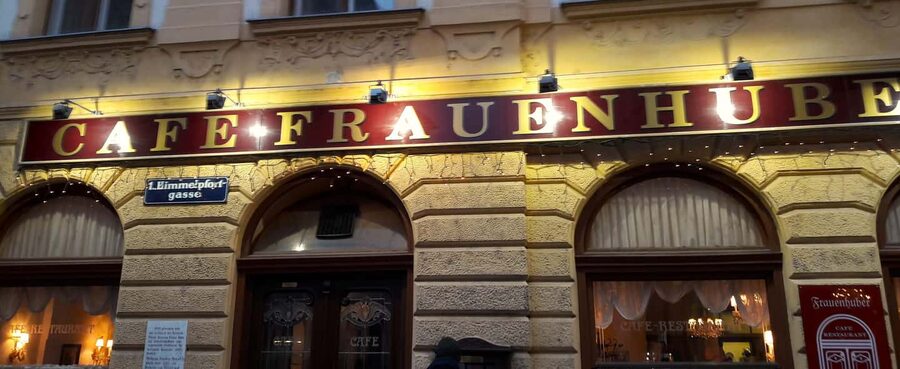
The tour limits attendance to 10 people. That is a practical advantage on narrow streets and in courtyards, where a large group can block the view or make it hard to hear.
A small group also supports the tour’s less formal style. The guide can stop to explain a question, spend longer on a particular building, or adjust the emphasis if the group is especially interested in music, architecture, legends, or political history.
Nicoleta receives especially strong praise for answering questions and explaining details carefully. One private-feeling booking allowed the guide to adapt the walk to the couple’s wishes, including unusual places they had passed without noticing. You should not assume every departure will be private, but the 10-person limit gives you a reasonable chance of a personal exchange.
The language options are English, Italian, and German. In rare cases, the walk may be conducted in two languages, particularly with short-notice bookings or during very busy holiday periods such as Easter or Christmas. The provider says the already-booked language mix cannot be shown in advance, so email [email protected] if this matters to you.
Is $63 a fair price?
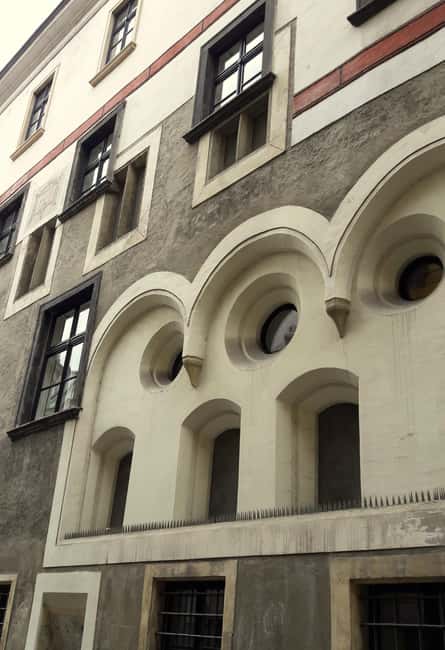
At $63 per person, this is not the cheapest way to see Vienna’s center. You can walk through many of these streets without paying anything. The question is what you want from the three hours.
The price makes sense if you value a guide who can join the pieces together: medieval legends, Mozart’s setting, religious change, Habsburg power, and architecture from several centuries. You are paying for interpretation and route design, not simply for access to a monument.
The value improves for a small party. A booking with only two participants received a particularly personal experience at a favorable price for that group. A full group of 10 will feel less exclusive, but it should still be manageable and easier to hear than a large city tour.
The price is less convincing if your main aim is to enter major attractions or see every famous landmark quickly. This tour does not list museum admission, concert tickets, meals, or transport as included. You are buying a guided walking experience, so plan separate visits for interiors and performances.
Who will enjoy this walk most?
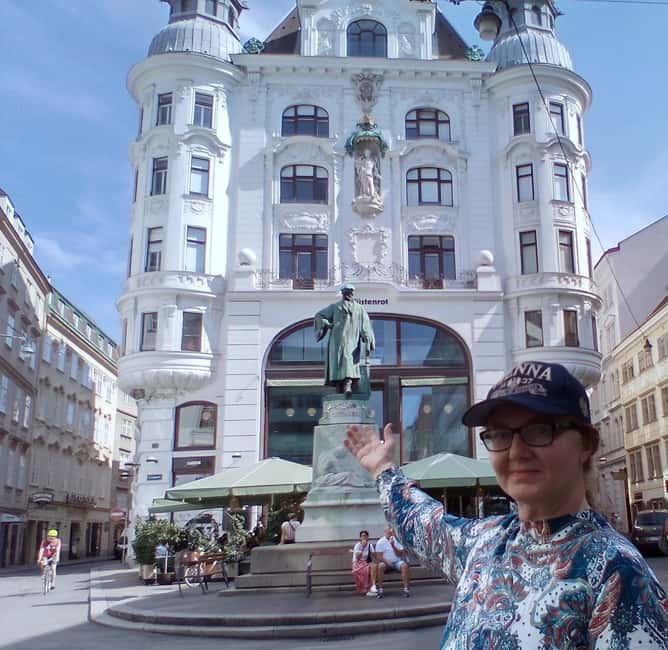
I would choose this experience if you have already seen some of Vienna’s main sights and now want to understand the streets around them. It also works well early in a stay if you prefer to get your bearings through stories rather than a standard orientation walk.
History-minded visitors should find plenty to enjoy, especially if they like medieval legends, religious politics, royal families, and the way architecture records change. People interested in music will appreciate the Mozart connection, though this is not a concert tour.
The walk also suits repeat visitors. The route includes side streets, courtyards, local legends, Mark Twain’s former residence, and churches that are easy to pass without noticing. Those details can give a second or third visit a fresh purpose.
Families with young children may enjoy the monster stories, but the three-hour length and steady walking require some stamina. The activity is not suitable for wheelchair users, and comfortable shoes are strongly advised for everyone.
Practical advice for the three hours
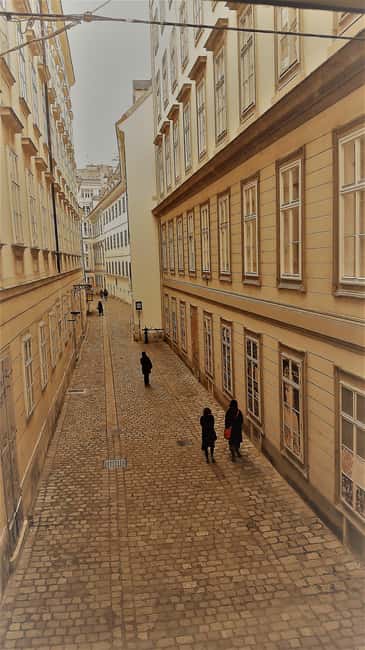
Eat something before the tour starts. The instructions specifically recommend this, and there is no meal included. A hungry walker has less patience for a long explanation, even when the subject is fascinating.
Wear shoes that handle old city streets comfortably. Vienna’s center is easy to walk in overall, but a route through narrow historic lanes and courtyards is not the place for footwear chosen only for appearance.
Arrive at the Dr. Karl Lueger monument near Stubentor with enough time to identify the group. The start is near the subway station, which is convenient, but a clear meeting point still matters in a central district with many streets and passing pedestrians.
Keep your schedule flexible after the walk until you confirm the final location. The route description names In der Burg 1 at the Hofburg, while another instruction says the activity ends at the meeting point. This may be a simple wording difference, but it is worth checking.
Do not plan to record the guide’s explanations. Recording is prohibited because the tour content is protected by copyright. Take notes afterward instead, or mark the buildings you want to revisit.
Free cancellation is available up to 24 hours before the start for a full refund. You can also reserve now and pay later, which helps if your Vienna plans are still changing.
Should you book The Unknown Vienna?
Book this tour if you want Vienna explained through overlooked streets, legends, architecture, and the people behind the city’s musical and political life. The strongest reasons are the small group, the unusual route, and the chance to ask detailed questions of a guide such as Nicoleta.
Skip it if you want a grand-palace interior tour, a concert, or a quick introduction to only the famous sights. At $63, the experience earns its price through storytelling and close observation, not through included admissions.
For a first visit, I would pair it with your own visit to Vienna’s major museums and imperial sights. For a repeat visit, it may be exactly the sort of walk that helps the city feel new again.
FAQ
How long does The Unknown Vienna walking tour last?
The tour lasts three hours. Check the available dates for the starting times.
Where does the tour start?
You meet around the Dr. Karl Lueger monument near the Stubentor subway station in Vienna.
Where does the tour finish?
The route information gives In der Burg 1 at the Hofburg as the finish. The meeting-point information also says the activity ends back at the meeting point, so confirm the final location with the provider before booking transport or a timed activity.
Which languages are available?
The live guide can conduct the tour in English, Italian, or German.
Could the tour be conducted in two languages?
Yes. In rare cases, the guide may conduct the tour in two languages, such as with short-notice bookings or during crowded holiday periods. You can email [email protected] to ask about the language combination already booked.
How large is the group?
The tour is limited to 10 participants.
Is the tour suitable for wheelchair users?
No. The activity is not suitable for wheelchair users.
What should I wear or bring?
Eat before the tour and wear comfortable shoes for the three-hour walk. Recording the guide’s explanations is not allowed.
Can I cancel or pay later?
You can cancel up to 24 hours before the tour for a full refund. You can also reserve your place and pay later.
Just added around Vienna
- Ottakringer Brewery tour★ 4.0 · 6 reviews
- New Hofburg Palace Tour House of Habsburg★ 4.5 · 5 reviews
- Private Van & Walk Tour – One Perfect Day in Vienna★ 5.0 · 21 reviews
- True Crime mobile puzzle rally Vienna★ 4.0 · 3 reviews
- Vienna Naschmarket Food Tasting Tour★ 4.0 · 30 reviews
- Vienna Nightlife Experience: Food, Wine, Cocktails & Vibes★ 5.0 · 119 reviews
- ( Night Tour ) With Private Guide + wine or prosecco★ 4.0 · 12 reviews
- Naschmarkt Food Tour★ 4.0 · 14 reviews
City Tours, compared.
Guided Walking Tour of City Center Highlights
Read our review →
Guided Walking Tour of City Highlights & Hidden Gems
Read our review →

Skip-the-Line Schonbrunn Palace Guided Tour and Vienna Historical City Tour
Read our review →

Browse the lists this tour appears in