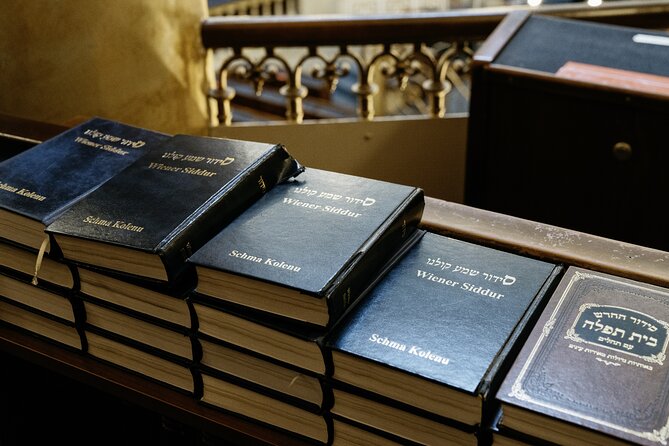
Reviewed · TICKETS
Stadttempel Admission Ticket with a guided tour
Vienna’s Stadttempel is remarkable for a reason you might not expect: its plain street facade helped hide the synagogue in a city where Jewish life faced growing danger. Inside, the building opens into a grand, richly decorated space, and a local guide connects its design to Vienna’s Jewish past and present.
I like the direct access and the way the tour fits neatly into a morning. I also like that guides such as Yehudit explain both Jewish customs and the living Jewish community, rather than treating the synagogue as only a historic monument. The main concern is practical: one booking was reportedly cancelled without advance notice, so confirm the tour before setting your day around it.
Key points to know before you book
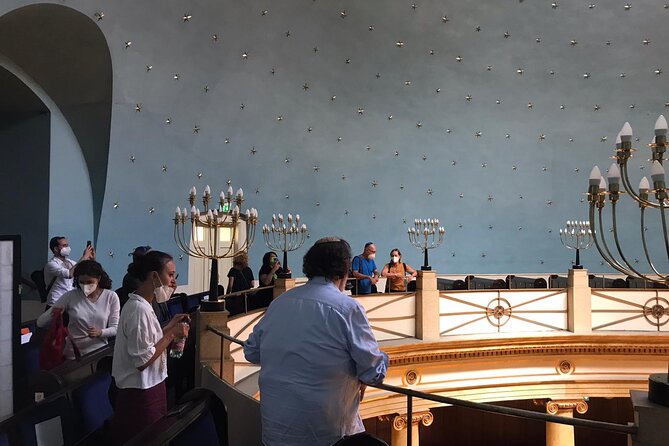
- The Stadttempel survived the Novemberpogrom of 1938: It was the only synagogue in Vienna to remain standing during that period of destruction.
- The hidden exterior has a serious purpose: Emperor-approved construction in 1826 required the synagogue to blend with nearby buildings.
- Local Jewish guides lead the visit: Yehudit is one guide praised for her personal, patient explanations.
- The tour lasts about one hour: That makes it easy to pair with Vienna’s Jewish quarter and other central sights.
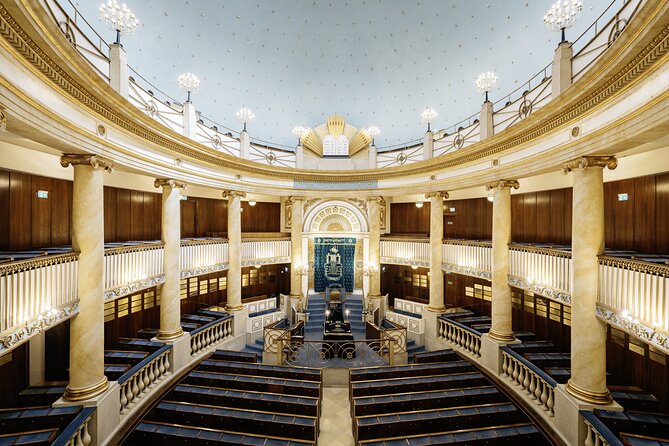
- The interior is the main visual reward: The contrast between the discreet outside and grand inside makes the visit especially memorable.
- The price is $23.13 per person: You are paying for admission plus an informed guided explanation, not just entry to a building.
Why the Stadttempel tells Vienna’s story so well
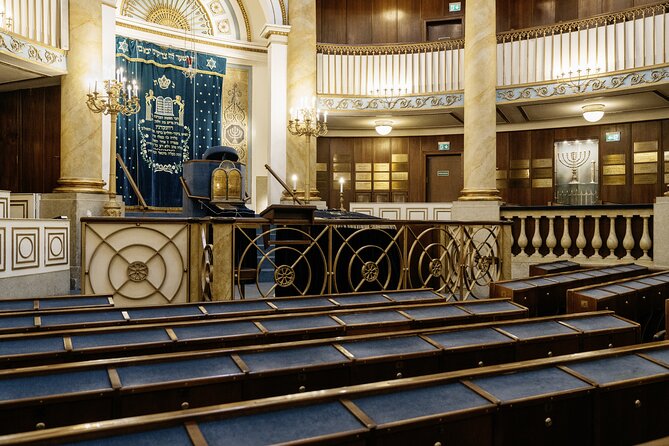
The Stadttempel is considered Vienna’s main synagogue because of its long history and continuing role in the city’s Jewish community. It was built in 1826 with permission from the Emperor, an important detail that tells you something about the legal and social limits surrounding Jewish life at the time.
The architect was Joseph Kornhäusel, a respected Viennese designer. His work gives the synagogue a formal, elegant interior, yet the building does not announce itself boldly from the street. That contrast is central to the visit. You first encounter a facade designed to blend into its surroundings, then enter a place with a very different sense of scale and purpose.
I find that this makes the Stadttempel more than a pretty interior. The building itself reflects a compromise between public worship and the restrictions placed on Vienna’s Jewish population. A guide can explain that tension far better than a short label or audio recording.
The synagogue also carries a painful wartime story. During the Novemberpogrom of 1938, synagogues and Jewish buildings across Vienna were attacked and destroyed. The Stadttempel was the only synagogue in Vienna to survive. That fact gives the tour a serious emotional center, but the experience is not limited to wartime memory.
You also learn how the synagogue fits into Jewish life in Vienna today. This matters because the building is not presented as a frozen relic. It remains connected to the city’s present-day Jewish community, and the tour gives you a chance to understand traditions, worship, and community life in a more personal way.
A few more Vienna trips to weigh up
- Vienna: Classic Ensemble Vienna in St. Peter’s Church Ticket
★ 4.7 · 4,819 reviews - Vienna Kunsthistorisches Museum Day Admission Ticket
★ 4.6 · 3,690 reviews - Vienna: Tickets for Mozarthaus Vienna with Audio Guide
★ 4.2 · 2,344 reviews
Entering a discreet facade and a grand interior
The most striking part of the visit is the change between outside and inside. From the street, you might not recognize the building as Vienna’s principal synagogue. The facade was intentionally designed to blend with the neighboring buildings, rather than making a grand public display.
Once inside, the mood changes. The interior is described as stunning and beautiful, with a design that gives the building a more ceremonial presence than its exterior suggests. Your guide explains the symbolism and layout, helping you notice details that could easily pass without context.
I like this kind of architectural surprise because it rewards close attention. You are not simply walking into a famous building and taking a quick look around. You are learning why the building looks the way it does, and how the design reflects the period in which it was created.
The interior also gives the guide a natural way to explain Jewish traditions. If you are Jewish, the setting may have an especially personal meaning. If you are not, the tour still works well because the explanations focus on the building, its customs, and the community that uses it.
One practical point: this is a guided visit, not a casual drop-in sightseeing stop. You should expect the guide to shape the pace and explain the space for the full tour period. That is useful if you want context, though less so if you prefer to wander alone in silence.
The 1826 construction and Joseph Kornhäusel’s design
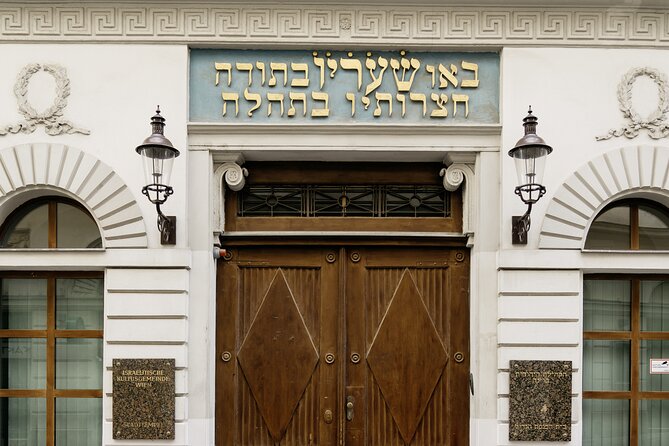
The synagogue’s construction in 1826 is one of the first facts worth placing in context. It was built with the Emperor’s permission, and that approval shaped more than the date on a plaque. The synagogue’s location and appearance reflect a time when Jewish institutions could not always present themselves openly in the same way as Christian churches.
Joseph Kornhäusel designed the building with a formal interior and a street presence that does not immediately reveal its religious purpose. During the tour, you can connect the practical design choice to the wider history of Jewish life in Vienna.
This is where a good guide adds real value. A short visit on your own could show you columns, curves, decoration, and the overall shape of the room. A guide such as Yehudit can explain what the design meant, why the facade was discreet, and how the synagogue developed its role over time.
The information also helps you see Vienna beyond its imperial palaces and grand avenues. The Stadttempel shows another side of the city, one shaped by minority communities, official restrictions, religious practice, and changing political conditions.
How the synagogue survived 1938
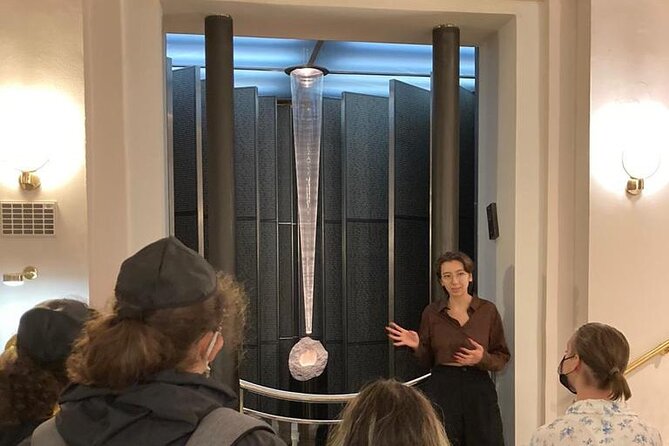
The survival of the Stadttempel during the Novemberpogrom is the fact most likely to stay with you after the tour. In 1938, Jewish buildings across Vienna faced destruction. The Stadttempel alone survived among the city’s synagogues.
That survival was not simply a stroke of architectural luck. The discreet exterior helped the building blend into its surroundings, which is why the guide’s explanation of the facade matters so much. A design decision made in 1826 took on a much darker meaning in the twentieth century.
The tour places this event within the history of Vienna’s Jewish community. It does not treat the synagogue as an isolated structure, separated from the people who built it, worshipped there, and continue to connect with it today.
I would set aside time after the tour to think about what you have seen. The visit lasts about one hour, but the historical material is not lightweight. It is presented as part of a larger account of Jewish life in Vienna, including the community’s role in the present day.
Because the tour focuses on one synagogue, it cannot tell the full story of every Jewish site in Vienna. If you want a wider picture, you will need to explore the surrounding Jewish quarter on your own or add other city sights. One useful improvement would be a map of the Jewish quarter, but a map is not included.
Same Alps, a completely different kind of day:
- Vienna: Vivaldi’s Four Seasons Concert in Karlskirche
★ 4.7 · 14,951 reviews - Vienna: Spanish Riding School Training
★ 3.9 · 9,281 reviews - Vienna: Skip-the-cashier-desk-line Giant Ferris Wheel Ride
★ 4.5 · 7,859 reviews - Vienna: Schönbrunn Palace & Gardens Skip-the-Line Tour
★ 4.7 · 7,739 reviews
A guide-led hour with personal insight
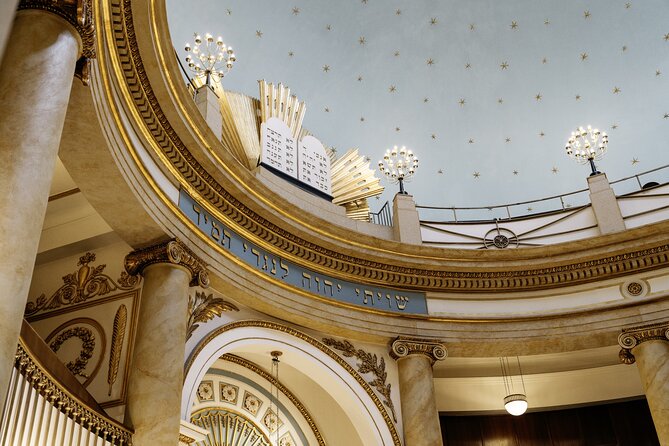
The experience includes an expert guide for the duration of the tour, and the strongest part of the guiding appears to be the human connection. Yehudit is specifically praised for being passionate, patient, and personal in her explanations. Another important point is language: English-language guiding is available.
That personal element matters inside a synagogue. You are not only hearing dates and architectural terms. You are learning from someone connected to Vienna’s Jewish community, which can make the discussion of traditions and current community life feel less abstract.
The guide also explains the surrounding area and the history of Vienna’s Jewish community. This is helpful if you are using the tour as an introduction to the city’s Jewish quarter. You will leave with a better sense of what to look for during your own walk, even though a neighborhood map is not supplied.
The tour is about one hour, with a listed start time of 10:00 am. That schedule works well for a morning plan. You could visit the Stadttempel first, then continue through the Jewish quarter, or use it as a focused historical stop before moving to another part of central Vienna.
The tour is not described as private, and group size is not specified. You should therefore avoid assuming you will receive a one-to-one conversation with the guide. The quality of the experience will depend partly on the group and on the guide leading that particular visit.
What the $23.13 price really covers
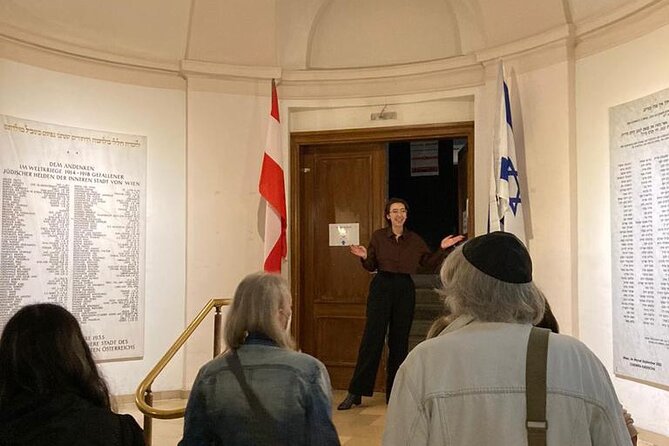
At $23.13 per person, the cost is reasonable if you want guided interpretation rather than simple admission. The price includes the entry fee, all taxes and fees, and an expert guide for the tour. It does not include coffee, tea, snacks, transportation, or a tip.
The best value comes from the explanation. The building may be worth seeing on its own, but the key facts are not obvious from the outside. Without a guide, you could miss why the facade is restrained, what happened in 1938, and how the synagogue relates to the Jewish community today.
The one-hour format also keeps the cost practical for a busy Vienna visit. You are not committing half a day to a museum-style program. If you have a strong interest in religious buildings, architecture, or twentieth-century European history, the price buys a focused experience with a clear subject.
If you are mainly looking for a quick interior photograph, the ticket may feel less worthwhile. The visit is built around explanation and history, not just visual access. You should book it because you want to understand the place, not merely enter it.
Timing, transport, and the cancellation concern
The Stadttempel is near public transportation, making it easy to reach without arranging private transport. Since the tour begins at 10:00 am, plan to arrive with enough time to find the meeting point and settle in. The supplied information does not give a detailed street meeting location, so check the booking confirmation carefully.
Confirmation is provided when you book. The experience is also described as suitable for most travelers, though no further accessibility details are supplied. If you have a specific access need, ask the provider before booking rather than assuming every part of the visit will suit you.
There is one important booking warning. A booking was once cancelled without the customer being contacted in time, leading to a wasted day and a visit arranged independently for the next day. That appears to be an isolated problem rather than the main character of the experience, but it is worth taking seriously.
I would confirm the start time and operating status shortly before the visit, especially if the synagogue tour is a fixed part of your morning. The provider is Infopoint Jewish Vienna, and direct confirmation can help you avoid building a tight schedule around a cancelled appointment.
Free cancellation is available if you cancel at least 24 hours before the start time. Inside that window, the amount paid is not refunded, and changes are not accepted. The cut-off follows Vienna local time.
Who will get the most from this visit
This tour suits you if you want to understand Vienna through a less familiar part of its story. It is a good choice for people interested in Jewish traditions, religious architecture, World War II history, or the way a historic building continues to serve a living community.
You do not need to be Jewish to benefit from the visit. The tour explains the building and its traditions in a way that can work for visitors from other faiths or for anyone curious about religious life in Vienna. A Christian visitor described the subject as both refreshing and historically engaging, which fits the broad appeal of the experience.
It is also useful for repeat visitors who have already seen Vienna’s imperial highlights. The Stadttempel offers a different view of the city, one that connects architecture with law, persecution, survival, and community.
I would be less likely to recommend it to someone who wants an unstructured sightseeing stop or a general walking tour of the entire Jewish quarter. The focus is firmly on the Stadttempel, and the one-hour visit does not include snacks, drinks, transportation, or a broader neighborhood itinerary.
Should you book the Stadttempel tour?
Book it if you want a short, focused visit with real historical and religious context. The contrast between the discreet 1826 facade and the grand interior is memorable, while the synagogue’s survival in 1938 gives the tour unusual weight.
The strongest reason to go is the local guiding. A guide such as Yehudit can make the architecture, symbolism, Jewish traditions, and present-day community easier to understand. At $23.13, that added context makes the ticket a fair buy for history-minded visitors.
Before you commit, confirm the booking and leave room in your schedule in case plans change. If you do that, the Stadttempel offers one of Vienna’s most meaningful one-hour cultural visits, especially for anyone willing to look beyond the city’s familiar palaces.
FAQ
Where does the tour take place?
The tour takes place at the Stadttempel, Vienna’s main synagogue.
What time does the tour start?
The listed start time is 10:00 am.
How long does the tour last?
The tour lasts approximately one hour.
What is included in the ticket?
The ticket includes admission, all fees and taxes, and an expert guide for the tour duration.
Is transportation included?
No. Private transportation is not included, though the Stadttempel is near public transportation.
Are food and drinks included?
No. Coffee, tea, and snacks are not included.
Is the tour suitable for non-Jewish visitors?
Yes. The tour explains Jewish traditions, the synagogue’s history, and Vienna’s Jewish community, so visitors from other faiths can take part.
Can I cancel for a full refund?
Yes, if you cancel at least 24 hours before the experience start time. Cancellations made within 24 hours are not refunded.
Is the Stadttempel accessible to everyone?
The experience states that most travelers can participate, but it does not provide detailed accessibility information. Contact the provider if you have a specific access question.
Just added around Vienna
- Ottakringer Brewery tour★ 4.0 · 6 reviews
- New Hofburg Palace Tour House of Habsburg★ 4.5 · 5 reviews
- Private Van & Walk Tour – One Perfect Day in Vienna★ 5.0 · 21 reviews
- True Crime mobile puzzle rally Vienna★ 4.0 · 3 reviews
- Vienna Naschmarket Food Tasting Tour★ 4.0 · 30 reviews
- Vienna Nightlife Experience: Food, Wine, Cocktails & Vibes★ 5.0 · 119 reviews
- Myth Mozart★ 4.0 · 80 reviews
- ( Night Tour ) With Private Guide + wine or prosecco★ 4.0 · 12 reviews
Tickets, compared.
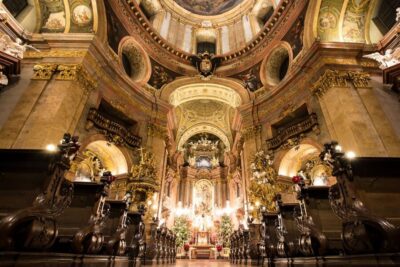
Classic Ensemble Vienna in St. Peter’s Church Ticket
Read our review →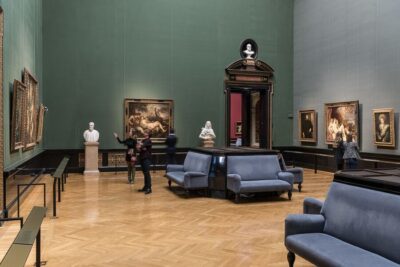
Vienna Kunsthistorisches Museum Day Admission Ticket
Read our review →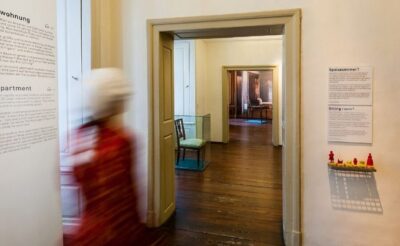
Tickets for Mozarthaus Vienna with Audio Guide
Read our review →
Skip-the-Line Entrance Ticket to the Danube Tower
Read our review →