
Reviewed · MUSEUMS
Leopold Museum Vienna Entrance Ticket
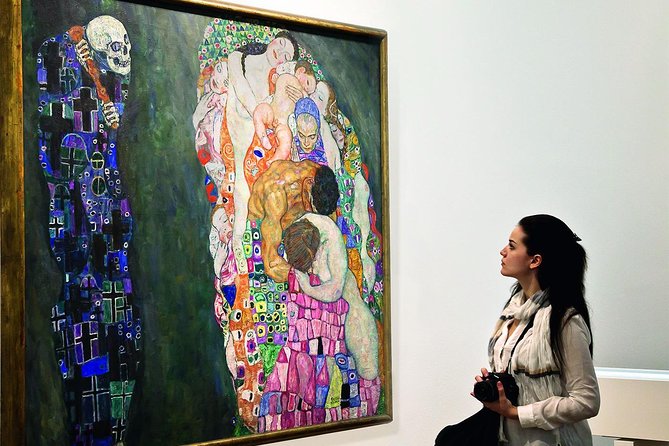
The Leopold Museum gives you one of the clearest introductions to Vienna’s artistic revolution, especially through the world’s largest collection of Egon Schiele works. You can also see Gustav Klimt’s Death and Life, modern Austrian design, and views across Maria Theresa Square toward the Hofburg Palace.
I like the freedom to arrive when you choose and pause wherever you want, with no guide or group setting to manage. I also like the breadth of the collection, which moves from nineteenth-century painting to Jugendstil, the Wiener Werkstätte, Expressionism, and Austrian art after the First World War.
The main caution is scale and focus. You may finish the art galleries in about two hours, and the museum has fewer Klimt paintings than some first-time visitors expect. At $22.98, the ticket makes the most sense if Schiele and Austrian modernism are high on your Vienna list.
Key points to know before you go
- Egon Schiele takes center stage: The museum holds the largest Schiele collection in the world, with paintings and drawings.
- Klimt’s major work is here: Death and Life is the headline Klimt painting, but this is not a museum packed with Klimt canvases.
- You explore independently: No guide is included, so you set the pace and decide how long to spend in each gallery.
- Allow two to three hours: The art collection can be seen in less time if you move briskly, but the extra time helps with the special exhibitions and building views.
- The museum sits in the MuseumsQuartier: Its modern, light-filled building puts you close to central Vienna sights.
- Print your voucher: Although the booking is described as mobile-ticket friendly, the instructions say to present the Viator voucher at the cashier desk and recommend printing it.
Why the Leopold Museum matters in Vienna
Vienna is famous for imperial palaces, grand Ringstrasse buildings, and classical music. The Leopold Museum shows the city in a different mood: the moment when old artistic rules began to loosen at the end of the nineteenth century.
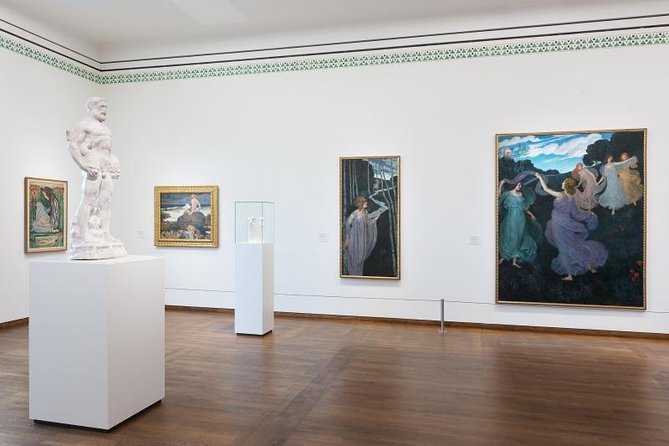
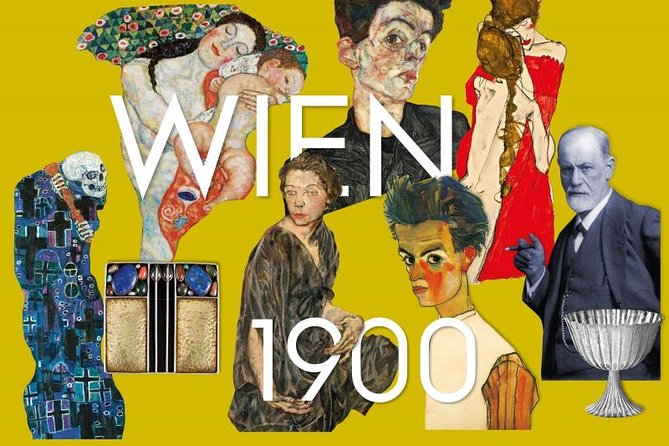
The collection follows that change in a useful way. You can see how Austrian art moved from formal Historicism and softer Mood Impressionism toward the daring work of Gustav Klimt, Egon Schiele, Oskar Kokoschka, Richard Gerstl, Koloman Moser, and others.
That context matters. Schiele’s angular figures and restless line work make more sense when you have first seen the decorative elegance of the Vienna Secession and the design ideals of the Wiener Werkstätte. You are not just looking at isolated famous paintings. You are watching a local art scene change direction.
I find this especially helpful if you are new to Austrian art. The museum gives you a concentrated lesson in Viennese modernity without requiring a full day or a specialist guide.
A few more Vienna trips to weigh up
- Vienna: Skip-the-Line Sisi Museum, Hofburg and Gardens Tour
★ 4.8 · 5,918 reviews - Vienna Kunsthistorisches Museum Day Admission Ticket
★ 4.6 · 3,690 reviews - Tickets for the Albertina Exhibitions
★ 4.7 · 2,126 reviews
Entering the light-filled MuseumsQuartier building
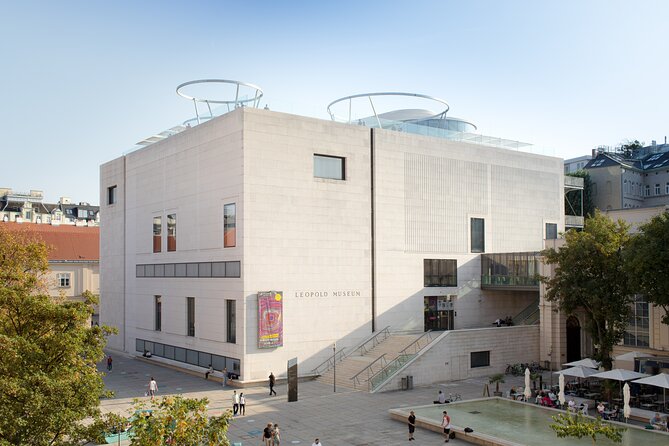
The Leopold Museum is in Vienna’s MuseumsQuartier, one of the city’s main cultural areas. Before you reach the galleries, take a moment to look at the building itself. Its modern exterior can feel cool and somewhat severe, but the interior is much more welcoming, with broad, light-filled spaces.
That contrast is worth knowing before you arrive. If you judge the museum by its outside, you may expect a stark experience. Inside, the light helps the paintings and drawings feel easier to study, and the building provides a clean setting for work that can be emotionally demanding.
Your prepaid admission gives you access to the permanent collection and exhibitions available during your visit. You are not joining a fixed group, so you can begin with Schiele, follow the museum’s chronological flow, or head to a temporary exhibition first.
The ticket is listed at $22.98 per person. That is not a throwaway museum admission, but it is reasonable for a major collection if you plan to spend two or three hours inside. The value drops if you only want to see one Klimt painting and leave quickly.
Finding Schiele’s Vienna
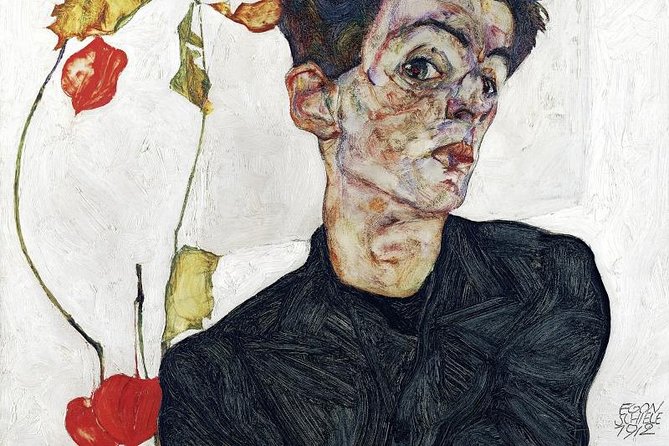
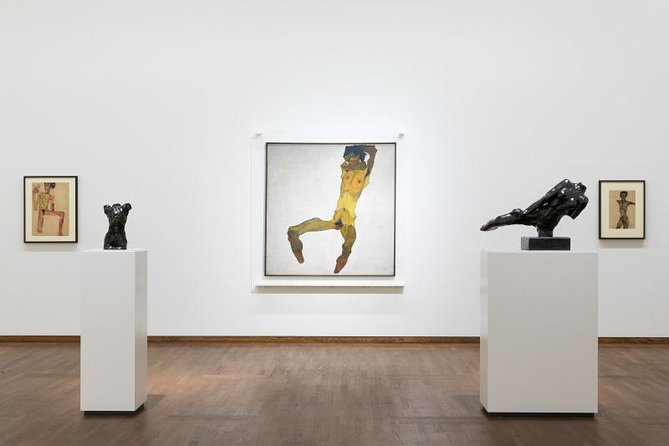
The Egon Schiele collection is the museum’s biggest reason to come. It is described as the largest of its kind in the world, and you can expect a substantial group of paintings and drawings rather than a single token masterpiece.
Schiele’s work is not gentle decoration. His figures can look tense, exposed, and deliberately unfinished. The drawings are especially important because they show how much power he could create with a spare, nervous line.
I recommend giving this section time instead of treating it as a quick stop between more familiar names. Look at how the bodies are posed, how the lines press against the edges of the paper, and how the work differs from Klimt’s ornamental style nearby.
The museum’s Schiele holdings also help explain why Vienna’s modern art story is not simply the story of Klimt. Klimt opened the door to a new visual language, but Schiele pushed it toward something more personal and unsettling.
If you prefer cheerful or traditionally beautiful art, this section may feel austere. One criticism of the museum experience is that some of the paintings can seem depressing, and the mood is not softened by a wide mix of styles in every room. That is a matter of taste, but you should know what kind of visit you are choosing.
Seeing Klimt’s Death and Life
Gustav Klimt’s Death and Life is the museum’s best-known Klimt work. It is an important figurative painting and a strong reason to include the Leopold Museum in a Vienna art itinerary.
Still, keep your expectations in check. This is not the best choice if you want room after room of Klimt. The museum has important Klimt works, but Death and Life is the main Klimt focus highlighted here.
I like the way the painting fits into the larger collection. Rather than seeing Klimt as a stand-alone celebrity, you can place him among the artists and designers who shaped the Wiener Moderne. The surrounding material helps show the connection between painting, pattern, furniture, and urban design.
For a wider Klimt visit, you would need other Vienna museums, but that is not a flaw in this ticket. The Leopold Museum has a different strength: it brings Klimt, Schiele, Kokoschka, Gerstl, Moser, and related artists into one compact setting.
Same Alps, a completely different kind of day:
- Vienna: Vivaldi’s Four Seasons Concert in Karlskirche
★ 4.7 · 14,951 reviews - Vienna: Spanish Riding School Training
★ 3.9 · 9,281 reviews - Vienna: Skip-the-cashier-desk-line Giant Ferris Wheel Ride
★ 4.5 · 7,859 reviews - Vienna: Schönbrunn Palace & Gardens Skip-the-Line Tour
★ 4.7 · 7,739 reviews
Beyond Schiele and Klimt: design, interwar art, and older Vienna
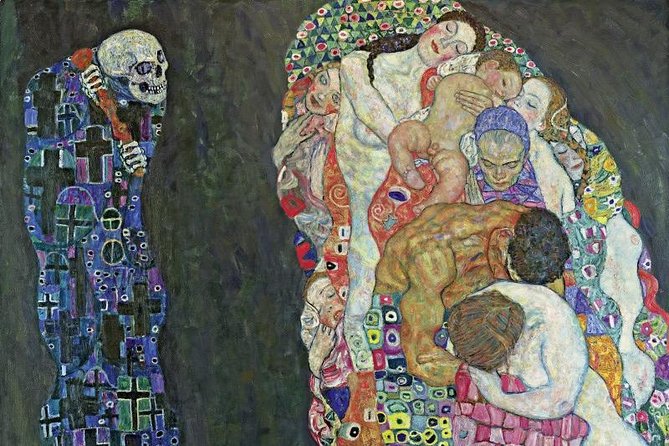
The collection reaches well beyond the two names most people know. You can find major works by Oskar Kokoschka, Richard Gerstl, Koloman Moser, Herbert Boeckl, and Otto Wagner.
The Otto Wagner and Wiener Werkstätte material is particularly useful for understanding Vienna’s design culture. The Wiener Werkstätte treated everyday objects as part of modern life, not as secondary items beneath painting and sculpture. Pieces connected with Josef Hoffmann, Koloman Moser, Adolf Loos, and Dagobert Peche show how the period’s ideas reached into furniture and household design.
The museum also covers Austrian art between the two world wars. Artists such as Albin Egger-Lienz, Anton Kolig, and Herbert Boeckl connect the earlier Viennese modern period with the art of the later twentieth century.
You will also find selected nineteenth-century works by artists including Ferdinand Georg Waldmüller, Friedrich Gauermann, August von Pettenkofen, Anton Romako, Emil Jakob Schindler, and Carl Schuch. These earlier paintings help set up the changes that follow.
Do not expect every artist to receive equal space. The museum’s identity is firmly tied to Austrian modern art, Schiele, and the Vienna around 1900. The older and postwar works broaden the story, but they are supporting chapters rather than the main event.
Planning your two to three hours inside
The experience is self-guided, so your timing depends on how closely you read labels and how much time you give the drawings. Two hours is enough for a focused visit. Three hours works better if you want the permanent collection, special exhibitions, architecture, and a break at the café.
A useful approach is to divide your visit into three parts:
- Start with the artists and movements connected to Viennese modernism.
- Spend your longest pause with Schiele and Death and Life.
- Finish with design objects, interwar art, the building views, or a café stop.
There are also areas that are not devoted to paintings. Some floors include photographs and the museum shop, while the main artwork galleries occupy three floors according to one detailed account of the visit. That layout helps explain why the museum can feel smaller than its reputation suggests.
You should not rush simply because the museum is not enormous. The collection rewards looking closely, especially when comparing Schiele’s line with Klimt’s surface decoration or noticing how the Wiener Werkstätte carried modern art into ordinary objects.
Views, Café Leopold, and a useful pause
The museum windows look toward Maria Theresa Square and the Hofburg Palace. These views give you a welcome break from the galleries and help place the Leopold Museum within Vienna’s grand civic center.
I would save this pause for the end. After several rooms of intense Expressionist work, looking across the square gives the visit a change of rhythm. It also makes the building feel more connected to the city outside rather than like an isolated art container.
Café Leopold offers food and drinks at your own expense. It is a practical place to review what you have seen, though you should budget separately because refreshments are not part of the admission ticket.
The café also fits the museum’s subject. Vienna’s coffeehouses were meeting places for artists, designers, writers, and thinkers during the period represented in the collection. A coffee break here is not just a convenience. It echoes the social world that helped shape the city’s modern art.
Audio guide, ticket details, and timing
A guide is not included, and there is no guided group experience attached to this admission. If you want more explanation, an audio guide is available in German, English, French, and Italian for an additional EUR 4.
That extra charge may be worthwhile if you do not already know the difference between Jugendstil, the Wiener Werkstätte, and Expressionism. If you prefer to move quickly or read the wall text, you can keep the visit simple and skip it.
You receive confirmation at booking. The instructions say to present your voucher at the cashier desk in exchange for the current ticket and recommend printing the voucher, even though the experience is also described as offering a mobile ticket. I would print it if possible, or keep a clear digital copy ready, because one particularly serious complaint involved a voucher not being accepted and a second ticket having to be purchased.
The listed opening information gives Monday hours of 10 a.m. to 6 p.m. for the period from February 1, 2024, through February 14, 2027. Check the current schedule for your date before setting your plans, since the supplied hours do not provide a full weekly calendar.
Children must be accompanied by an adult. A reduced child ticket requires the relevant identification card. Most people can participate, but the available details do not provide a fuller accessibility breakdown.
Is $22.98 good value?
The price is fair if you are interested in Austrian modern art and will use the full two to three hours. You are paying for an important permanent collection, a major Schiele holding, Klimt’s Death and Life, special exhibitions, and an independent visit with flexible timing.
It is less convincing value for a visitor who wants only Klimt or expects a huge museum. The art galleries are not endless, and some of the building is used for photographs and the shop. You may be finished in about two hours if you take your time but do not study every work.
Prebooking has a practical benefit because it helps prevent disappointment at arrival. It does not replace planning, though. If your schedule is tight, check the opening details, bring the correct voucher, and decide in advance whether the audio guide is worth the extra EUR 4.
The experience has an overall rating of 4.6 from 440 ratings, with 92 percent recommending it. That matches the basic picture I would give you: the art collection is the strength, while complaints tend to center on ticket handling, the price, the relatively compact size, and occasional strictness about items such as a water bottle in a handbag.
Who should book this Leopold Museum ticket?
I would choose this ticket for anyone who wants Schiele, Vienna around 1900, or a focused museum visit between palace and cathedral stops. It also suits independent art lovers who dislike fixed tours and want to linger over a few works.
Families can use the flexible format, but the intense subject matter may not suit every child. The café, views, and manageable size can make the visit easier to fit into a busy day, but the collection itself is more serious than playful.
I would choose another museum first if your priority is a large survey of European art, a broad Klimt collection, or a fully explained guided tour. This ticket includes no guide and no audio commentary unless you pay extra.
Should you book it?
Book the Leopold Museum if Schiele is a priority and you want to understand the artistic changes that made Vienna famous beyond its imperial sights. The museum offers a strong, focused collection, an easy independent format, and a valuable look at painting, drawing, and design together.
Skip it if you only want many Klimt paintings or prefer a lighter, more varied art experience. For the right audience, $22.98 buys a thoughtful half-day stop. For everyone else, the compact size and serious mood may make the cost feel high.
FAQ
How long does the Leopold Museum visit take?
Plan on approximately two to three hours. A focused visit can take about two hours, while extra time allows for special exhibitions, detailed viewing, the building’s city views, and Café Leopold.
Is a guide included with the ticket?
No. The ticket includes admission only. You explore independently, and an audio guide is available separately for EUR 4.
In which languages is the audio guide available?
The audio guide is available in German, English, French, and Italian.
What is the main collection at the Leopold Museum?
The museum holds a major collection of modern Austrian art, with particular strength in Viennese Jugendstil, the Wiener Werkstätte, and Expressionism. Its Egon Schiele collection is described as the largest in the world.
Can I see Gustav Klimt at the museum?
Yes. The museum displays Klimt’s Death and Life. You should not expect a large number of Klimt paintings, since the museum’s strongest focus is broader Austrian modern art and especially Egon Schiele.
What does the admission ticket include?
The ticket includes admission to the Leopold Museum, its permanent collection, and exhibitions available during your visit. Food, drinks, a guide, and the audio guide are not included.
Can I cancel the booking for a refund?
Yes. You can cancel up to 24 hours before the experience start time for a full refund. Cancellations or changes made less than 24 hours in advance are not accepted for a refund.
Just added around Vienna
- Ottakringer Brewery tour★ 4.0 · 6 reviews
- New Hofburg Palace Tour House of Habsburg★ 4.5 · 5 reviews
- Private Van & Walk Tour – One Perfect Day in Vienna★ 5.0 · 21 reviews
- True Crime mobile puzzle rally Vienna★ 4.0 · 3 reviews
- Vienna Naschmarket Food Tasting Tour★ 4.0 · 30 reviews
- Vienna Nightlife Experience: Food, Wine, Cocktails & Vibes★ 5.0 · 119 reviews
- Myth Mozart★ 4.0 · 80 reviews
- ( Night Tour ) With Private Guide + wine or prosecco★ 4.0 · 12 reviews
Museums, compared.

Skip-the-Line Sisi Museum, Hofburg and Gardens Tour
Read our review →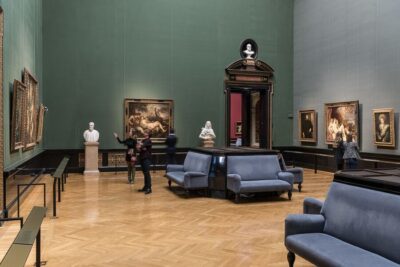
Vienna Kunsthistorisches Museum Day Admission Ticket
Read our review →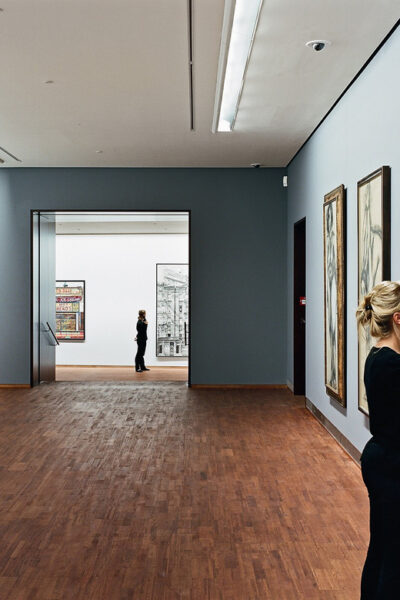
Chocolate Workshop in Chocolate Museum w/ Tasting
Read our review →
St. Stephen’s Cathedral & Dom Museum Wien Tickets
Read our review →
Browse the lists this tour appears in