Reviewed · TICKETS
Entrance ticket Heidi Horten Collection Vienna
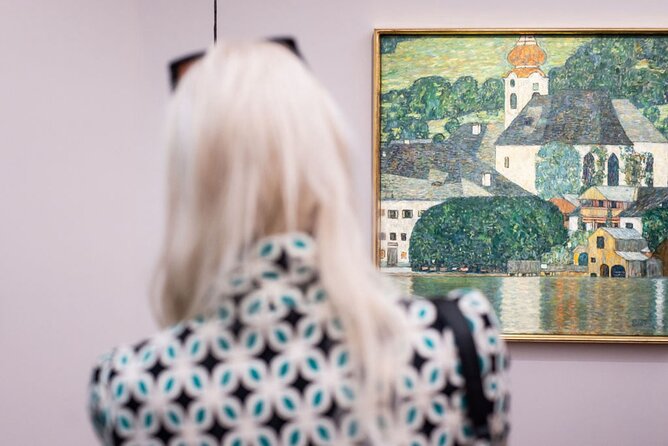
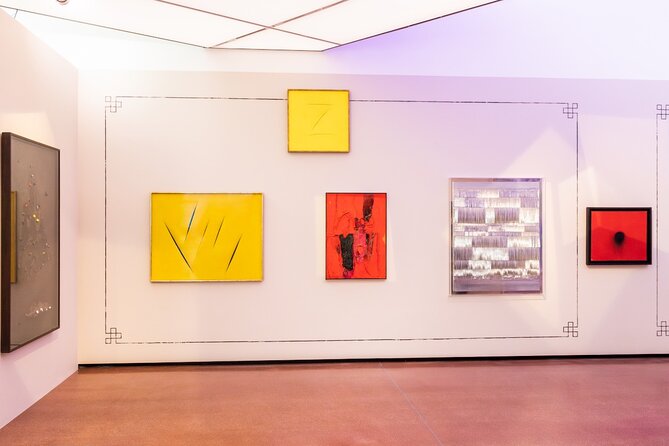
The Heidi Horten Collection is not a quiet march through one school of art. It is a brisk, often surprising trip from Gustav Klimt to Andy Warhol, with Picasso, Basquiat, Rothko, Chagall, Bacon, Klee, and other major names along the way. The building itself is part of the show, using open sightlines, bold colors, and unusual displays instead of a plain white gallery.
I like two things right away: the museum gives you a strong collection in a manageable one to two hours, and the included audio guide helps connect artists who may otherwise seem randomly placed. Its location beside the Vienna State Opera and near the Albertina also makes it easy to add to a central Vienna museum day.
The main consideration is the museum’s deliberately personal approach. If you want a traditional, orderly account of modern art, the mix may feel loose. The open design can also carry sound between rooms, and the collection’s private origins raise questions that the museum addresses but does not fully settle for every visitor.
Key points at a glance
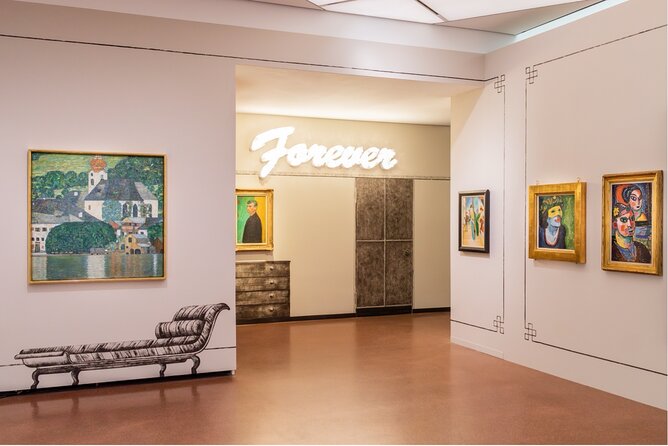
- Klimt ⇄ Warhol: The permanent display links famous modern and contemporary artists through the taste of founder Heidi Horten.
- A compact museum visit: Plan on about one to two hours, with enough substance for serious art fans but little risk of museum fatigue.
- The Line, September 19, 2025, to March 8, 2026: This special exhibition examines the many uses of the line, from Egon Schiele and Paul Klee to Jackson Pollock and Chiharu Shiota.
- Architecture as part of the experience: Open interiors and long sightlines make the building feel more like an installation than a standard gallery.
- Audio guide included: Use the guide to put the broad range of artists into context rather than relying only on labels.
- Easy central stop: The museum is near the Opera and Albertina and close to public transportation.
Why the Heidi Horten Collection feels different
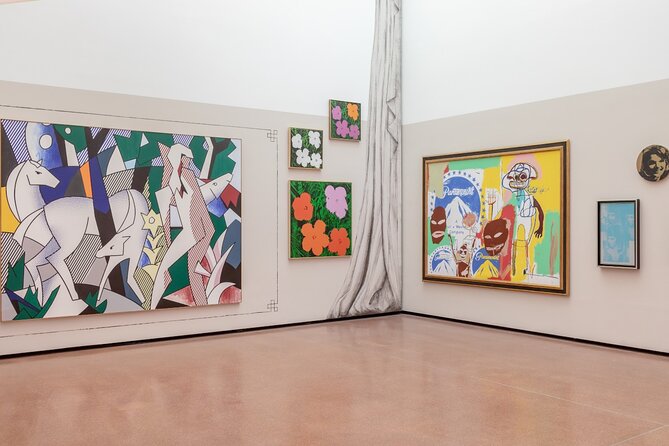
Many Vienna museums give you a clear historical route. You begin at one point and move through time, style, or geography. The Heidi Horten Collection takes another path. Its permanent exhibition, titled Klimt ⇄ Warhol, reflects the founder’s personal collecting taste rather than a complete survey of twentieth-century art.
That means you may move from Vienna around 1900 to postwar abstraction, pop art, and contemporary work in a short span. The reward is variety. The risk is a feeling of disconnection. A Klimt beside a Basquiat can make you think about color, line, fame, or the role of the artist, but the museum does not always provide the smooth historical bridge you might expect.
I find this format useful when you want to see major names without spending half a day in one large institution. It also gives you a chance to compare artists directly. A work by Roy Lichtenstein may sharpen your eye for graphic outlines, while a Rothko asks for a slower look at color and space. The museum is at its best when you treat the rooms as visual conversations rather than a textbook.
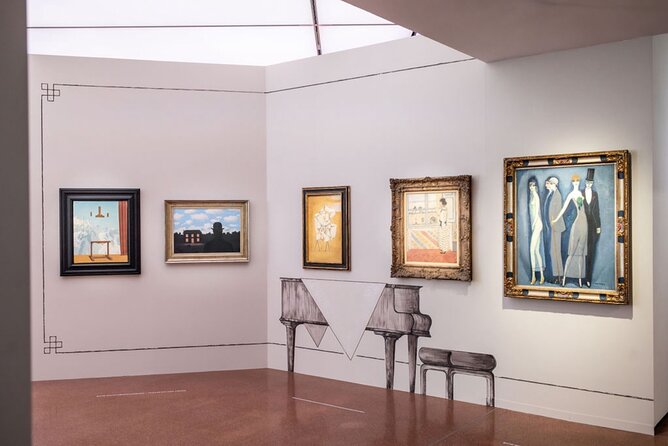
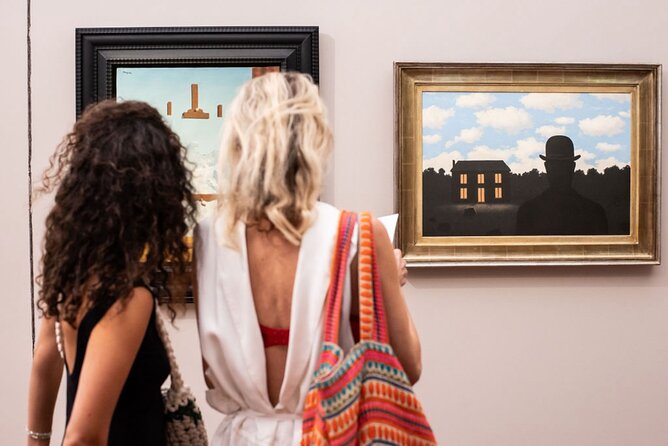
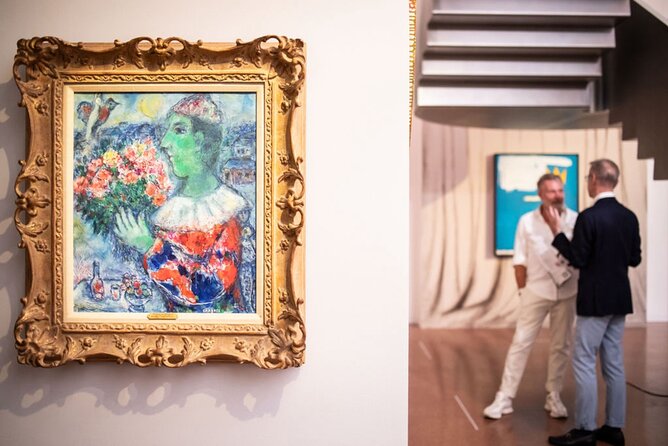
The collection includes works associated with Bacon, Baselitz, Basquiat, Chagall, Fontana, Haring, Klee, Klein, Klimt, Lichtenstein, Magritte, Nolde, Picasso, Rothko, Warhol, and others. You will not see a full account of each artist’s career. Instead, the selection aims for impact, recognition, and contrast.
A few more Vienna trips to weigh up
- Vienna: Classic Ensemble Vienna in St. Peter’s Church Ticket
★ 4.7 · 4,819 reviews - Vienna Kunsthistorisches Museum Day Admission Ticket
★ 4.6 · 3,690 reviews - Vienna: Tickets for Mozarthaus Vienna with Audio Guide
★ 4.2 · 2,344 reviews
The building is part of the art
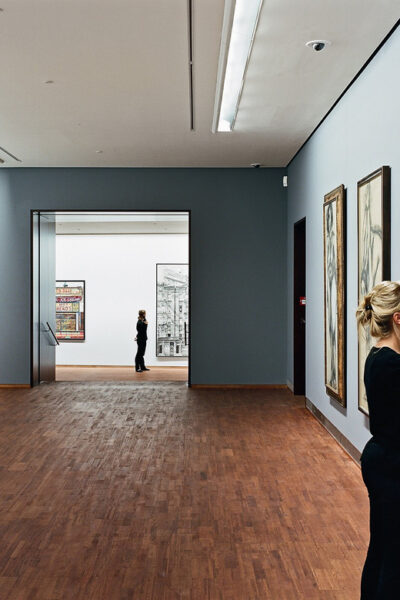
The architecture gives the visit much of its personality. The museum uses an open and transparent interior, with views from one area into another. Art is not always isolated in calm, rectangular rooms. Instead, you can often see several displays at once, creating a layered visual experience.
Some people will love this. I like the way it makes the building feel active, especially when you pause at a viewpoint and let several works enter your field of vision. It also helps a small museum feel more expansive than its size suggests.
The tradeoff is practical. Sound and movement can carry across the open spaces. If a sensory installation is running nearby, it may affect the atmosphere in another room. Lines on the floor and instructions about where to stand can also make some passages feel narrow. Take your time, but do not expect the hushed, spacious rhythm of a large old-master gallery.
The museum’s design is clearly intentional. It does not try to hide the private character of the collection behind a neutral institutional shell. The displays, furnishings, and visual choices make the setting part of the argument: this is art gathered through personal taste, then opened to the public.
What you see in Klimt ⇄ Warhol
The permanent exhibition on the ground floor is the main reason to book this ticket. Its title points to a broad sweep of modern and contemporary art, not a literal line from Klimt to Warhol. You get a sequence of visual encounters, with famous artists sharing space with artists who may be less familiar.
Klimt gives the collection a strong Viennese anchor. His presence connects the museum to the city’s art around 1900, while the later works push the visit into American pop art, European postwar art, and newer forms of expression. Warhol provides an obvious endpoint for the title, but the collection does not stop with pop art.
The inclusion of Basquiat, Lichtenstein, Rothko, Bacon, and others makes this a good choice if you enjoy recognizable twentieth-century names but also want a few discoveries. You may know the artist before you know the particular work. That can be more rewarding than seeing the same familiar image again.
The selection also suits a mixed group. One person can focus on Klimt and early modernism, another on Warhol and Lichtenstein, and another on color, gesture, or portraiture. Because the museum is not huge, you can split up for a while and regroup without losing much time.
Use the audio guide. It is included in the ticket and can help explain why works from different periods appear together. The guide is especially useful if you are not already comfortable with modern art, where the importance of a piece may depend on process, context, or the artist’s challenge to older ideas about painting.
The museum has also made it possible to access the audio guide through Smartify from home, according to its visitor information. If that option remains available for your visit, checking it before arrival may help you plan how much time to allow.
The Line: a focused idea across continents
From September 19, 2025, through March 8, 2026, the special exhibition is The Line. It treats the line as one of art’s basic tools and asks how artists use it to describe, divide, suggest, control, or express movement.
That sounds simple, but it gives the exhibition a clear thread. Instead of presenting a period or a single national school, the show brings together art from Europe, Africa, Asia, North America, and South America. The result is broad, but the central idea gives you something to hold onto.
Artists named for the exhibition include Paul Klee, Lucio Fontana, Roy Lichtenstein, Egon Schiele, Jackson Pollock, Agnes Martin, Andy Warhol, and Chiharu Shiota. These artists use line in very different ways. Schiele’s drawn contours can feel tense and searching. Pollock turns lines into movement and accumulation. Agnes Martin uses restraint and repetition. Fontana challenges the boundary between a painted surface and physical space.
This special exhibition may be the strongest choice for visitors who prefer a clear theme. It can also make the permanent collection easier to understand, because you begin noticing formal links between artists who come from very different periods.
The museum’s educational program is another plus here. One activity described in the supplied information paired guidance from an art historian with a chance to put an idea onto canvas. That suggests the museum is not limiting itself to passive viewing. If a public program or art activity is available during your date, it could add a creative, hands-on layer to the visit.
Exhibitions change, so check the dates before you book. The Line is scheduled to end on March 8, 2026, and a new exhibition is planned afterward. The permanent collection remains the steadier reason to visit, while the temporary display determines whether a return trip is worthwhile.
Same Alps, a completely different kind of day:
- Vienna: Vivaldi’s Four Seasons Concert in Karlskirche
★ 4.7 · 14,951 reviews - Vienna: Spanish Riding School Training
★ 3.9 · 9,281 reviews - Vienna: Skip-the-cashier-desk-line Giant Ferris Wheel Ride
★ 4.5 · 7,859 reviews - Vienna: Schönbrunn Palace & Gardens Skip-the-Line Tour
★ 4.7 · 7,739 reviews
The audio guide makes the mixed collection easier
A museum that jumps between Klimt and Warhol needs some help with context. Without it, you may simply move from one striking object to another. That can be enjoyable, but the audio guide gives you a better chance to understand the choices behind the display.
I would use it selectively rather than listening to every entry. Start with artists you know, then choose a few unfamiliar names. This keeps the visit from becoming a long lecture and lets you look closely before moving on.
The guide is particularly helpful for visitors who are educated about art but prefer a different interpretation from the museum’s display. The institution does not present itself as a standard chronological museum, so the audio material can provide the missing background and explain the founder’s personal approach.
Bring your mobile phone, since the audio guide is part of the digital experience. The ticket information says it is offered in English. All entrance fees and taxes are included, so you do not need to budget for a separate guide charge.
How long to spend and what the ticket is worth
The expected visit lasts about one to two hours. That is a useful length in Vienna, where you can easily combine this museum with the Albertina, the Opera, or other central sights.
At about $14.38 per person, the ticket is not the cheapest museum admission in the city, but it is reasonable if you make time for both the permanent collection and the special exhibition. The value comes from the concentration of high-profile artists in a small space, the included audio guide, and the chance to see a presentation unlike Vienna’s more traditional museums.
If you only have 30 minutes, the price feels harder to justify. You would be rushing past too much of the display. Give yourself at least an hour, and closer to two hours if you listen to the guide or want to study the works carefully.
The museum can also work as a flexible backup plan. It is near major central sights, so you can visit after another museum or fit it into a rainy afternoon. The location means you are not committing to a long trip across the city for a relatively short experience.
Snacks and private transportation are not included. That is unlikely to be a serious issue for a central museum visit, but you should plan your own transport and food around it.
The difficult questions behind the collection
The Heidi Horten Collection has a complicated public context. The museum’s founder, Heidi Goëss-Horten, built the private collection, and the institution openly presents its personal origins as part of its identity.
The museum also includes a room addressing the historical and financial questions surrounding the collection’s source of funding. Its stated financing comes from admission income, the museum shop, other services, and significant support from the founder’s private foundation. That explanation may satisfy some people, while others may want more public financial detail.
I would not ignore this issue, but I also would not pretend it has a single easy answer. If provenance and museum funding are central to your cultural choices, read the museum’s own material before purchasing. If you are comfortable visiting a privately founded institution that now makes its holdings accessible to the public, the artistic experience may still be worthwhile.
This is one reason the museum does not suit everyone. It asks you to consider both the art on the walls and the conditions that put it there. The visit is not only about famous names and attractive rooms.
Who will enjoy this museum most
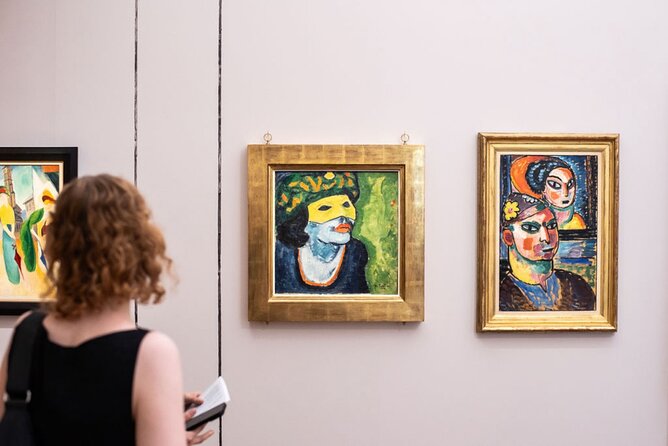
I would recommend the Heidi Horten Collection to you if you like modern and contemporary art, especially pop art, abstraction, expressionism, and bold presentation. It is also a good pick if you have already visited the Albertina and want a shorter, less conventional museum nearby.
You do not need a degree in art history. The range of artists gives beginners several familiar entry points, and the audio guide helps fill in the gaps. The museum’s compact size also makes it easier to stay focused than in a huge collection.
You may be less satisfied if you want a strict timeline, a complete survey of Austrian art, or quiet galleries with plenty of space around every work. The design is part of the experience, and that design can feel theatrical. Some displays may strike you as playful or made for photographs rather than close study.
The museum is also suitable for most people, and service animals are allowed. It is near public transportation. Confirmation is provided at booking, and the experience is offered in English.
Practical booking advice for Vienna
This admission is usually booked around five days ahead, so reserving several days before your visit is sensible, especially if you want to fit it into a tight museum schedule. You receive confirmation at the time of booking.
The ticket allows free cancellation if you cancel at least 24 hours before the scheduled start time. Inside that 24-hour window, the payment is not refunded, and changes are not accepted. The cut-off follows local Vienna time.
For the smoothest visit, check which special exhibition is running on your date. The permanent display is Klimt ⇄ Warhol, but the temporary exhibition can change the feel of the museum. At the time period listed here, The Line runs from September 19, 2025, to March 8, 2026.
I would place this museum after the Albertina or near an Opera visit, rather than treating it as a full-day destination. Bring your phone for the audio guide, allow at least an hour, and leave room to pause. The most interesting connections may not be obvious at first glance.
Should you book the Heidi Horten Collection?
Book it if you want a concentrated dose of major modern and contemporary artists in a visually unusual setting. The location is excellent, the audio guide is included, and the one to two-hour length makes it easy to add to a central Vienna itinerary.
Think twice if you need a traditional museum narrative or feel strongly that a private collection should provide fuller financial transparency. The Heidi Horten Collection is personal, selective, and sometimes theatrical. That is its appeal, but also its limitation.
For many art fans, the best plan is to visit with an open mind and compare it with the Albertina or Leopold Museum. You will not get the same kind of experience at each. Here, the pleasure comes from seeing powerful works collide across time, style, and place.
FAQ
How much does the entrance ticket cost?
The listed price is $14.38 per person.
How long does a visit take?
The expected duration is approximately one to two hours.
Is an audio guide included?
Yes. The ticket includes an audio guide, and the experience is offered in English.
Which permanent collection can I see?
The permanent exhibition is titled Klimt ⇄ Warhol and includes works by artists such as Klimt, Warhol, Bacon, Baselitz, Basquiat, Chagall, Fontana, Haring, Klee, Klein, Lichtenstein, Magritte, Nolde, Picasso, and Rothko.
When can I see The Line exhibition?
The Line is scheduled for September 19, 2025, through March 8, 2026.
Is transportation included?
No. Private transportation is not included, but the museum is near public transportation.
Can I cancel for a refund?
Yes, if you cancel at least 24 hours before the experience start time. Cancellations made less than 24 hours before the start time are not refunded, and changes are not accepted within that period.
Just added around Vienna
- Ottakringer Brewery tour★ 4.0 · 6 reviews
- New Hofburg Palace Tour House of Habsburg★ 4.5 · 5 reviews
- Private Van & Walk Tour – One Perfect Day in Vienna★ 5.0 · 21 reviews
- True Crime mobile puzzle rally Vienna★ 4.0 · 3 reviews
- Vienna Naschmarket Food Tasting Tour★ 4.0 · 30 reviews
- Vienna Nightlife Experience: Food, Wine, Cocktails & Vibes★ 5.0 · 119 reviews
- Myth Mozart★ 4.0 · 80 reviews
- ( Night Tour ) With Private Guide + wine or prosecco★ 4.0 · 12 reviews
Tickets, compared.
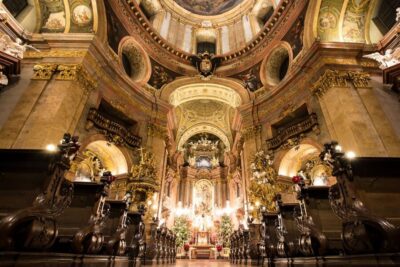
Classic Ensemble Vienna in St. Peter’s Church Ticket
Read our review →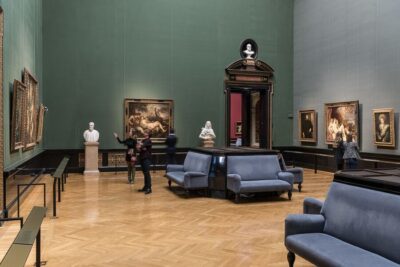
Vienna Kunsthistorisches Museum Day Admission Ticket
Read our review →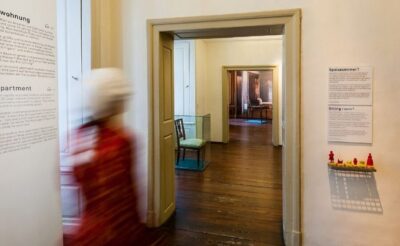
Tickets for Mozarthaus Vienna with Audio Guide
Read our review →
Skip-the-Line Entrance Ticket to the Danube Tower
Read our review →