
Reviewed · MUSEUMS
Vienna: Jewish Museum Vienna and Museum Judenplatz Tickets
Vienna’s Jewish story is not confined to one dark chapter. At the Jewish Museum Vienna, you move from medieval synagogue foundations to the city’s small but active postwar Jewish community, with the Holocaust treated frankly but without turning the galleries into a place of spectacle. The two museum locations give you a fuller view than either could manage alone.
I like the way the Dorotheergasse museum links objects to the synagogues, collectors, and communities they came from. I also like the ticket’s flexibility: you can visit both sites over several days rather than race through them in one morning. The main consideration is that some displays are text-heavy, so visitors hoping for a highly guided or theatrical experience may find parts of it more like reading a well-made history book.
Key points
- Two central museums on one ticket: Visit Dorotheergasse and Judenplatz, both in Vienna’s first district.
- A history told in two directions: Start with Jewish Vienna after 1945, then trace the story back from the Middle Ages to the Holocaust.
- Medieval synagogue remains: See the foundations at Museum Judenplatz along with a 3D reconstruction of the synagogue.
- English and German audio guide: Add context to the objects and exhibitions at your own pace.
- Temporary exhibitions and events: Allow time for changing displays, not just the permanent galleries.
- Good value at $17: The ticket is especially useful if you visit both museums instead of treating it as a single short stop.
Two Museums, Two Views of Jewish Vienna
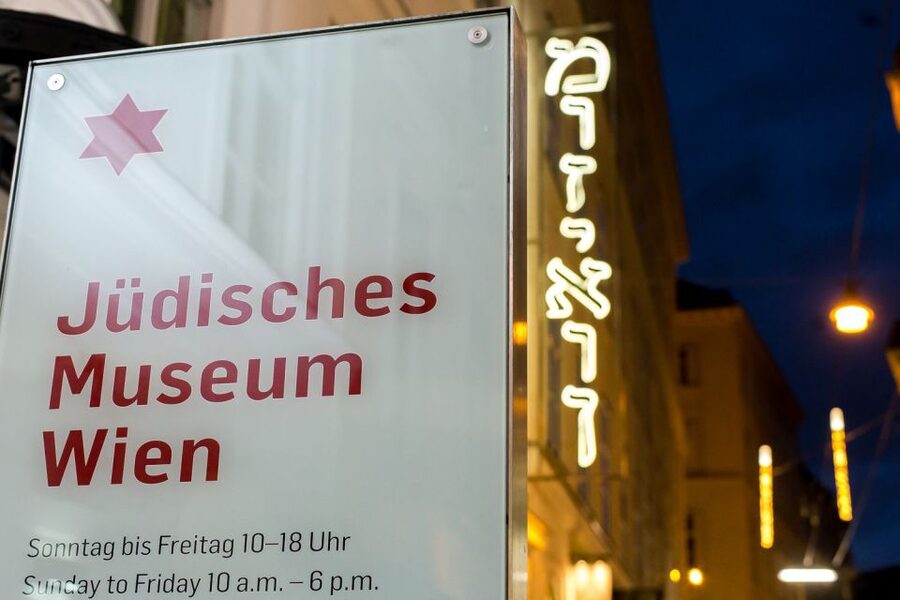
This experience covers two sites in Vienna’s historic center. The main Jewish Museum Vienna is at Dorotheergasse 11, close to St. Stephen’s Cathedral, in an old palace. Museum Judenplatz is at Judenplatz 8, where the remains of a medieval synagogue are presented.
The short distance between them makes this an easy museum pairing during a day in central Vienna. You do not need to build a special transport plan around it. The practical challenge is simply finding the right entrance and understanding which exhibitions are in which building. One booking experience prompted a request for clearer arrival guidance, so take a moment to check the address before setting off.
The ticket covers both locations. The supplied details describe it as valid for three days from first activation, while the inclusion notes also describe the tickets as valid for four days from the date of issue. Because those terms differ, check the exact validity shown on your booking confirmation. Either way, this is not a ticket that forces you to see everything in one hurried visit.
A few more Vienna trips to weigh up
- Vienna: Skip-the-Line Sisi Museum, Hofburg and Gardens Tour
★ 4.8 · 5,918 reviews - Vienna Kunsthistorisches Museum Day Admission Ticket
★ 4.6 · 3,690 reviews - Tickets for the Albertina Exhibitions
★ 4.7 · 2,126 reviews
Starting at Dorotheergasse Near St. Stephen’s Cathedral
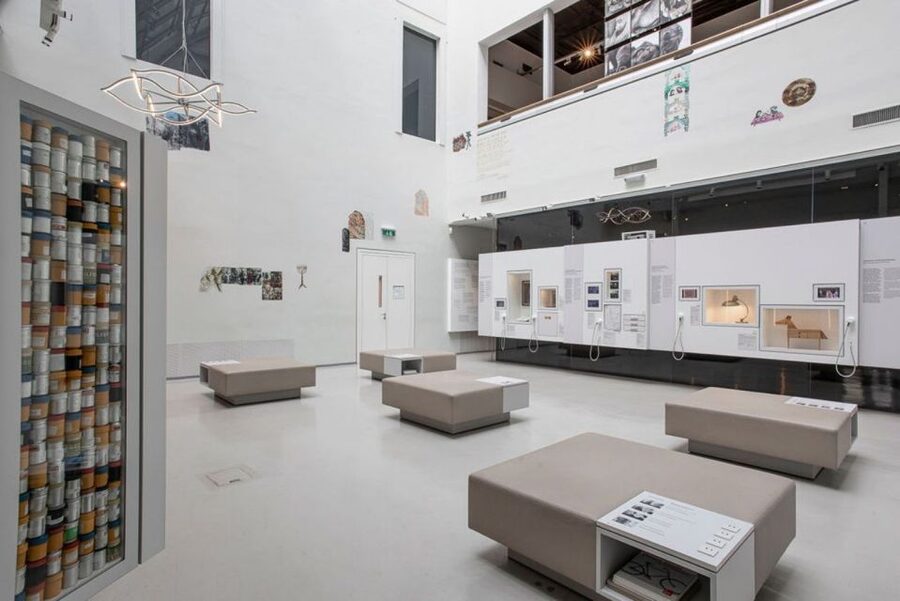
I would begin at Dorotheergasse. It is the larger site, and it gives you the broadest introduction to Jewish life, religion, traditions, and persecution in Austria.
The permanent exhibition, Our City! Jewish Vienna: Then to Now, is arranged in a way that may surprise you. On the ground floor, you begin with Jewish Vienna from 1945 to the present. This puts the emphasis first on survival, rebuilding, and community life after the near destruction of Vienna’s Jewish population.
From there, the exhibition takes you back in time on the second floor, covering Jewish Vienna from the Middle Ages through the Holocaust. This backward movement is useful. You first meet the fact that Jewish life continued after 1945, then gain a clearer sense of what had been lost and what had been rebuilt.
The postwar section is especially important because it avoids treating Jewish history in Vienna as something that ended in 1945. The community that developed after the war was modest in size but varied in outlook and experience. The displays show how it formed and maintained a life despite resistance from Austrian postwar policies.
That framing gives you a more complete picture of Vienna. You see discrimination and violence, but you also see work, worship, family life, collecting, and the steady effort to remain part of the city.
Objects With Places and People Attached
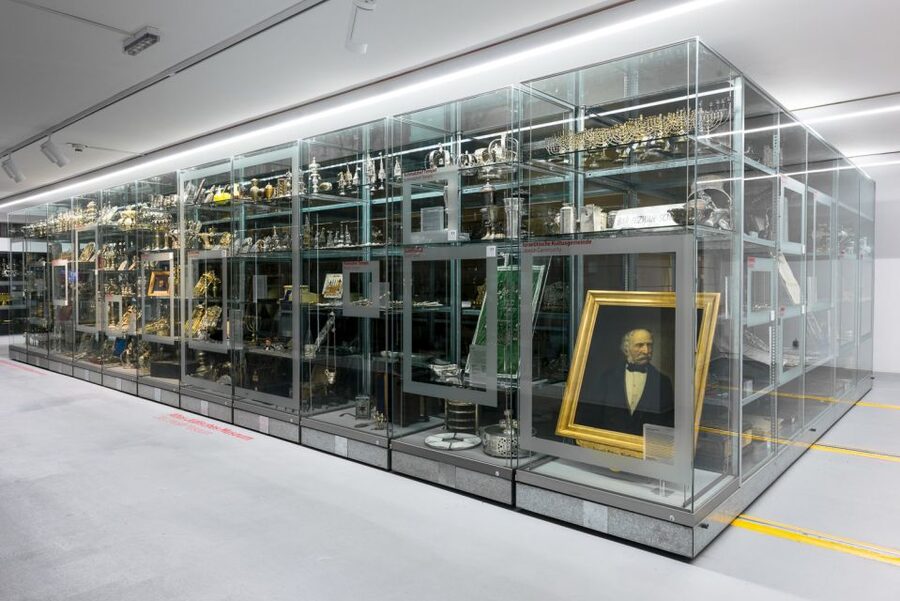
A strong part of the Dorotheergasse museum is the way it presents its collections in context. Objects are not left as isolated pieces behind glass. You are told about their places of origin, including synagogues, and about collectors such as Max Berger and Martin Schlaff.
That detail matters. A religious object can look decorative if you do not know how it was used or who preserved it. Connecting it to a synagogue or collector gives it a place in a real chain of Jewish life, loss, preservation, and return.
The displays cover Jewish history, religion, and traditions in Austria. You might find the material most rewarding if you already have some interest in how a religious community adapts to changing laws, rulers, neighborhoods, and political pressure. At the same time, the basic presentation is accessible to first-time learners.
The museum does not soften suffering. It deals with persecution and the Holocaust directly, but the tone is described as factual rather than morbid. That balance is one of its strengths. You are given room to think instead of being pushed toward a single emotional response.
The Medieval Story at Museum Judenplatz
Museum Judenplatz focuses on an earlier layer of Jewish Vienna. Its central feature is the remains of a medieval synagogue, with a 3D reconstruction that helps you picture the building as more than a set of foundations.
The physical remains are impressive precisely because they are incomplete. You are looking at traces of a community and its place of worship, then using the reconstruction to understand the structure that once stood there. It is a compact but powerful counterpoint to the larger Dorotheergasse museum.
Judenplatz also helps you understand that Jewish Vienna reaches back centuries before the modern city most people picture. The site brings the medieval community into the center of your visit, rather than allowing the story to begin only with the 20th century.
The museum is not described as a full-day attraction. Most visitors can see both locations in a morning, especially if they read at a steady pace. I would still avoid squeezing the pair between two tightly timed appointments. The material deserves a little quiet, and the two sites work better when you allow time to think between them.
Same Alps, a completely different kind of day:
- Vienna: Vivaldi’s Four Seasons Concert in Karlskirche
★ 4.7 · 14,951 reviews - Vienna: Spanish Riding School Training
★ 3.9 · 9,281 reviews - Vienna: Skip-the-cashier-desk-line Giant Ferris Wheel Ride
★ 4.5 · 7,859 reviews - Vienna: Schönbrunn Palace & Gardens Skip-the-Line Tour
★ 4.7 · 7,739 reviews
Temporary Exhibitions Add a Fresh Angle
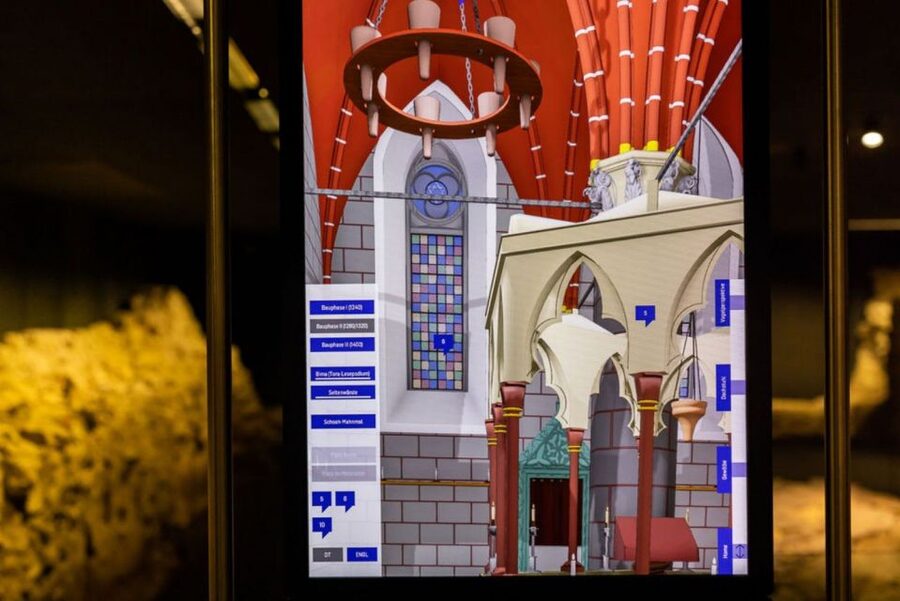
Both Dorotheergasse and Judenplatz host temporary exhibitions and events. These displays change the focus from the permanent story and may explore a particular artist, period, collection, tradition, or question in Jewish life.
That changing program is one reason the ticket can be worthwhile even if you have visited a Jewish museum elsewhere. The permanent galleries provide the backbone, while temporary shows can offer a narrower and more personal view.
Check what is showing during your visit if the temporary program is important to you. The details provided here do not specify the current exhibition subjects, so I would not assume that every temporary display will appeal equally to every visitor. The museum’s main historical galleries remain the dependable reason to go.
Audio Guide or Guided Visit?
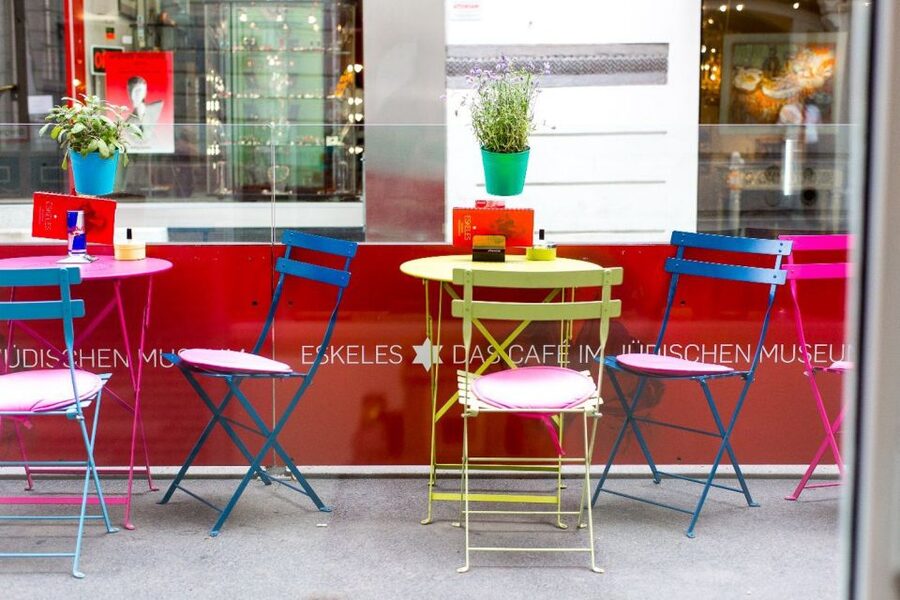
An audio guide is included in English and German. This is useful because several parts of the collection depend on written explanation and historical setting. You can move at your own pace, pause when an object catches your attention, and avoid relying on a fixed group schedule.
The audio guide is also a good answer to the text-heavy quality of some displays. One visitor found the experience informative but somewhat like reading a book. That is fair. If you prefer visual spectacle or a constantly moving tour, you may need to make your own visit more active by using the audio material and spending time with the objects rather than skimming labels.
Some bookings connected with the experience have included guides named Miki, Wolfgang, and Victoria. Miki was praised for giving a broad explanation, Wolfgang for making the history creative and entertaining while finding shade during an outdoor portion, and Victoria for explaining the background and current events of the shul. These comments suggest that some visit formats may include a live guide or related guided component, but the ticket information itself guarantees the English or German audio guide, not a named guide at every visit.
If your confirmation lists a live guide, check the meeting instructions carefully. If it does not, plan on a self-guided museum visit with the audio guide.
How Long Should You Allow?
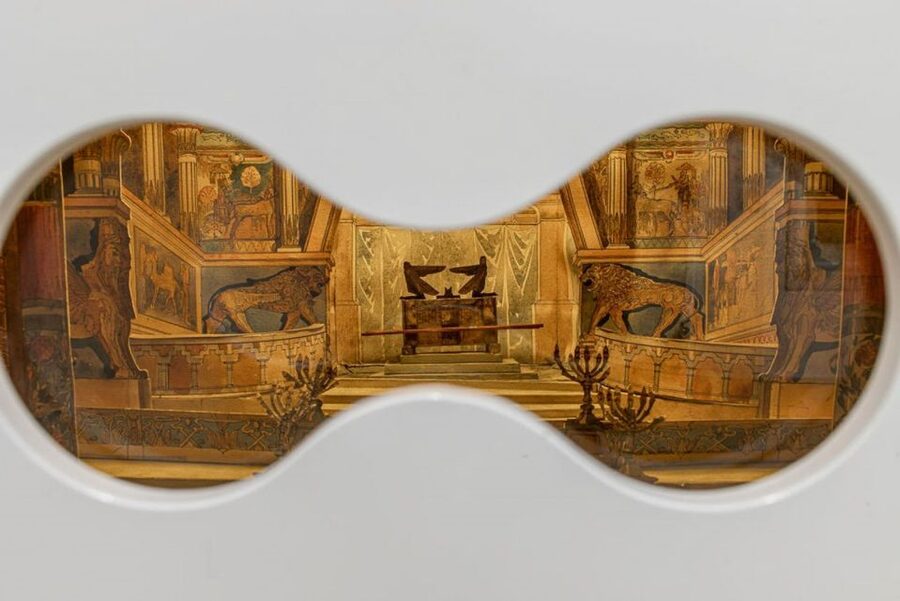
Both museums can be visited in a morning. That makes the experience easy to add to a central Vienna sightseeing day, but I would allow more time if you read every label, use the audio guide fully, or want to see a temporary exhibition.
A sensible plan is:
- Start at Dorotheergasse and see the permanent exhibition.
- Pause before moving on, especially after the sections on postwar Jewish life and the Holocaust.
- Walk to Judenplatz for the medieval synagogue remains and 3D reconstruction.
- Return to any temporary exhibition that deserves more time.
The ticket’s multi-day validity gives you another option. You can visit Dorotheergasse on one day and Judenplatz on another, which may suit families, older visitors, or anyone combining museums with a packed Vienna schedule. Both locations are wheelchair accessible, and seating is available in the exhibition areas.
The one point to verify is the exact validity period. The activity information says three days from first activation, while the ticket inclusion says four days from issue. Since activation and issue are different starting points, read the final ticket terms before you plan separate visits.
What the $17 Price Buys You
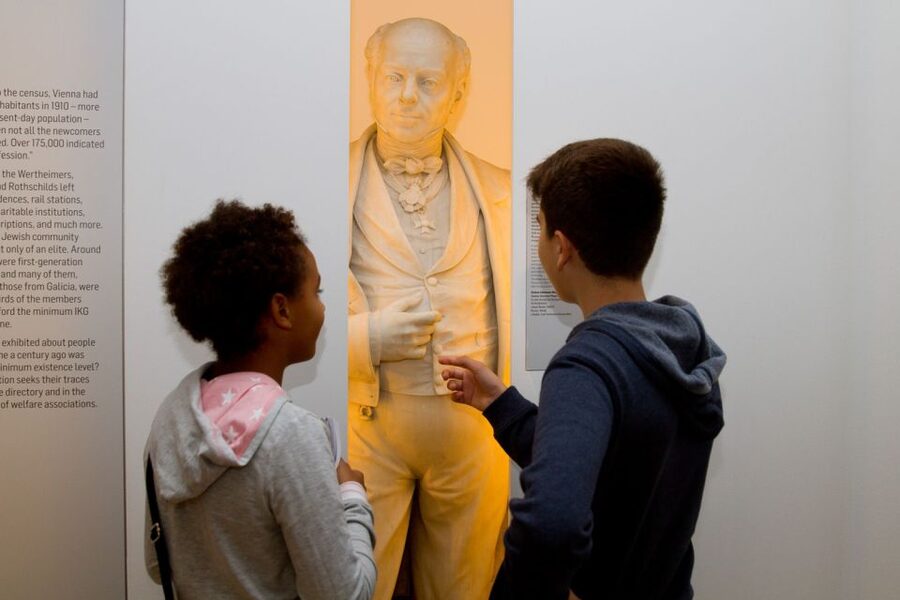
At $17 per person, the value depends on visiting both museums. For a single quick stop, the price may feel less compelling, especially if you are likely to spend only a short time reading the galleries. For the two-site experience, the cost is more reasonable because you receive access to the main museum, Museum Judenplatz, permanent displays, and whatever temporary exhibitions are running during your dates.
The strongest value is flexibility. You are not paying for a tightly packed guided route that ends after a set number of hours. You can take the material at your own pace and spread the visits across the ticket’s active period.
The price also includes the audio guide in English and German. That matters for English-speaking visitors because the objects and historical links are central to the experience. Without context, the medieval remains and collection pieces would carry less meaning.
Free cancellation up to 24 hours before the visit and reserve-now, pay-later terms add practical flexibility. These policies are useful if your Vienna plans are still shifting, but check the conditions attached to your particular booking before relying on them.
Who Will Get the Most From This Visit?
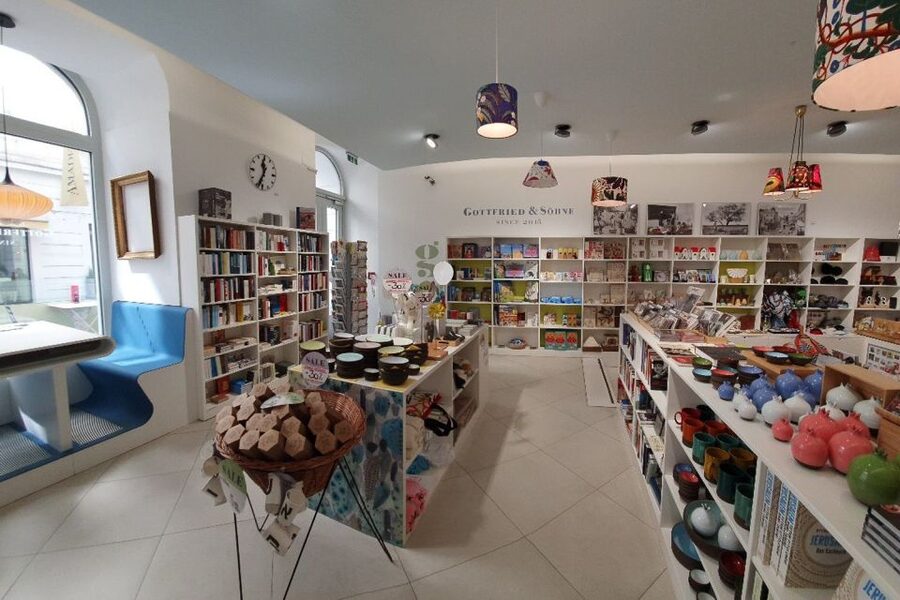
I would recommend these museums to anyone who wants to understand Vienna beyond imperial palaces, classical music, and coffeehouses. The experience adds a necessary viewpoint to the city’s story and shows Jewish life as a continuing part of Vienna, not a footnote to the Second World War.
It is especially suitable for:
- First-time visitors who know little about Jewish life in Vienna or Central Europe.
- Adults and older children who can engage with serious historical material.
- Visitors interested in religion, traditions, collecting, architecture, or urban history.
- Anyone who wants a quieter museum visit with time to sit and reflect.
- People who have visited Jewish museums elsewhere and want a local Austrian perspective.
Families can make the visit work, though the text-heavy displays may be less engaging for very young children. The galleries are appropriate for children, teenagers, and adults, but your group will get more from the visit if you set aside time afterward to talk about what you saw.
You may want to choose another attraction if you are looking for a live performance, a short visual stop, or a tour built mostly around dramatic storytelling. The museum’s strength is its careful presentation of evidence and context.
A Frank Look at Austria’s Past and Present
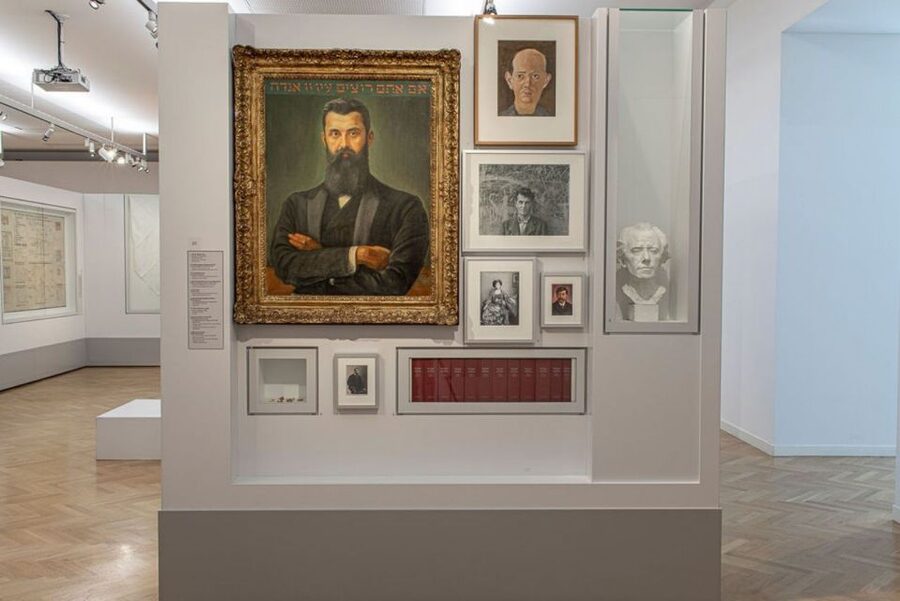
The most valuable thing here is the combination of honesty and restraint. The museums describe suffering, exclusion, and destruction without making those subjects the only story.
You also see how Jewish people worked to maintain community life through long periods of challenge. That wider view helps correct the common habit of studying the Holocaust without learning enough about the Jewish culture and daily life that existed before it, or the community that continued afterward.
The postwar material is vital in this respect. It shows Jewish Vienna from 1945 onward, including the development of a modest but diverse community. You leave with a sense of continuity, even though the damage and absence cannot be ignored.
The experience can also feel relevant to the present. One visitor described leaving with a desire to study further, and that is a fair measure of a museum like this. It gives you facts, objects, and historical structure, then leaves room for you to ask harder questions.
Should You Book the Jewish Museum Vienna Ticket?
Book it if you want a serious, well-organized look at Vienna’s Jewish past and present, and if you can visit both locations. The medieval synagogue remains at Judenplatz, the postwar focus at Dorotheergasse, the English audio guide, and the temporary exhibitions create a useful two-part visit for $17.
I would plan on a morning at minimum, or split the museums across the ticket’s active period if your schedule allows. Expect reading, reflection, and a direct account of persecution rather than a flashy attraction.
Skip it only if you have very little patience for written exhibits or are seeking a purely entertaining museum. For everyone else, this is a valuable way to see Vienna from a fuller angle, with enough historical detail to stay with you after you leave.
FAQ
Where are the two museums located?
The Jewish Museum Vienna is at Dorotheergasse 11, 1010 Vienna. Museum Judenplatz is at Judenplatz 8, 1010 Vienna.
Does one ticket cover both museums?
Yes. The ticket covers the Jewish Museum Vienna and Museum Judenplatz.
How long is the ticket valid?
The activity details state that it is valid for three days from first activation. The ticket inclusion also describes validity for four days from the date of issue, so check the exact terms on your booking confirmation.
What languages are available for the audio guide?
The included audio guide is available in English and German.
What can I see at the Dorotheergasse museum?
You can see permanent exhibitions on Jewish history, religion, and traditions in Austria, including Our City! Jewish Vienna: Then to Now. The displays cover Jewish Vienna from the Middle Ages through the Holocaust and from 1945 to the present.
What is at Museum Judenplatz?
Museum Judenplatz presents the foundations of a medieval synagogue and a 3D reconstruction that shows what the synagogue may have looked like.
Are temporary exhibitions included?
The museum offers temporary exhibitions and events at both locations. The ticket covers both museum sites, but the specific temporary exhibition program depends on your visit dates.
Is the experience wheelchair accessible?
Yes. Both museum locations are described as wheelchair accessible.
Can I cancel the booking?
You can cancel up to 24 hours in advance for a full refund, according to the supplied booking terms. Reserve-now, pay-later booking is also available.
Just added around Vienna
- Ottakringer Brewery tour★ 4.0 · 6 reviews
- New Hofburg Palace Tour House of Habsburg★ 4.5 · 5 reviews
- Private Van & Walk Tour – One Perfect Day in Vienna★ 5.0 · 21 reviews
- True Crime mobile puzzle rally Vienna★ 4.0 · 3 reviews
- Vienna Naschmarket Food Tasting Tour★ 4.0 · 30 reviews
- Vienna Nightlife Experience: Food, Wine, Cocktails & Vibes★ 5.0 · 119 reviews
- Myth Mozart★ 4.0 · 80 reviews
- ( Night Tour ) With Private Guide + wine or prosecco★ 4.0 · 12 reviews
Museums, compared.

Skip-the-Line Sisi Museum, Hofburg and Gardens Tour
Read our review →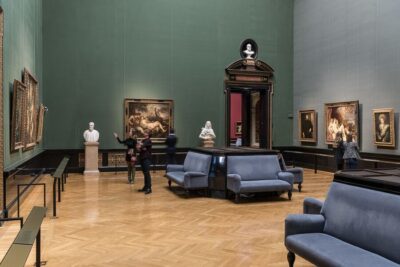
Vienna Kunsthistorisches Museum Day Admission Ticket
Read our review →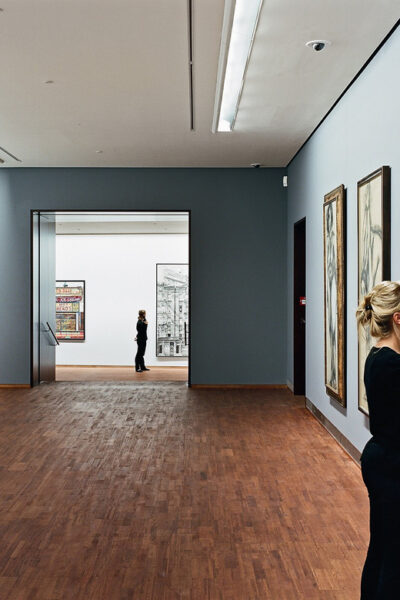
Chocolate Workshop in Chocolate Museum w/ Tasting
Read our review →
St. Stephen’s Cathedral & Dom Museum Wien Tickets
Read our review →
Browse the lists this tour appears in