
Reviewed · MUSEUMS
Vienna: Leopold Museum Skip-the-Line Entry Ticket
The Leopold Museum gives you Vienna around 1900 in one compact, handsome package. I especially like the world’s largest Egon Schiele collection and the chance to see important Gustav Klimt works, including Life and Death. The museum’s views toward the Hofburg and Maria-Theresien-Platz are an extra treat.
I also like that the $22 ticket covers both the permanent displays and all special exhibitions. The main caution is that the museum may feel small if you expect a vast national collection, and the ticket has one fixed price, so seniors, students, and families may find better value at the door if reduced rates are available.
Key points at a glance
- Schiele in depth: See about 130 paintings and letters connected with Egon Schiele, rather than only one or two famous works.
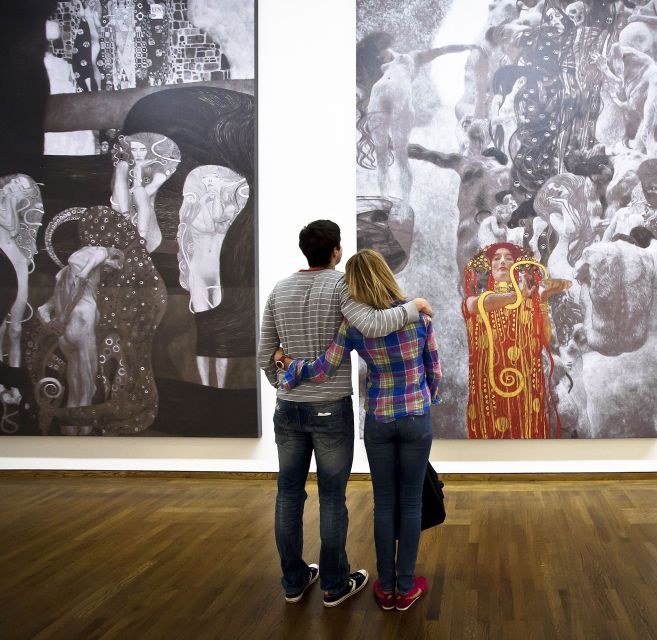
- Klimt highlights: Look for major paintings by Gustav Klimt, including Life and Death.
- Vienna 1900: Follow the artistic break from imperial convention through the Vienna Secession, Art Nouveau, and Expressionism.
- Design history: See work linked to the Wiener Werkstätte, including artists such as Josef Hoffmann and Kolo Moser.
- A fine city view: The light-filled atrium and panoramic windows look toward Maria-Theresien-Platz, the Hofburg, and central Vienna.
- Flexible museum day: Your ticket is valid for one day and includes the permanent collections plus changing special exhibitions.
Why the Leopold Museum matters in Vienna
The Leopold Museum is not simply a place to tick off a Klimt painting. It tells the story of a city at the end of the Habsburg era, when artists began pushing hard against old rules.
Around 1900, Vienna was full of imperial ceremony, new ideas, and artistic tension. The Vienna Secession gave artists a way to break from established institutions. Gustav Klimt helped lead that movement, while Egon Schiele and Oskar Kokoschka pushed Expressionism in more personal and unsettling directions.
That context makes the museum especially useful if you are seeing other Vienna sights. After the Hofburg, Ringstrasse, and grand imperial buildings, the Leopold shows you the artistic revolt taking place behind those polished facades.
I like this combination of art and place. You are looking at paintings, furniture, drawings, and design objects, but you are also seeing how Vienna changed its visual language. Old traditions did not vanish overnight. They were challenged by artists who wanted new forms, sharper emotions, and more direct ways to show the human body and inner life.
A few more Vienna trips to weigh up
- Vienna: Skip-the-Line Sisi Museum, Hofburg and Gardens Tour
★ 4.8 · 5,918 reviews - Vienna Kunsthistorisches Museum Day Admission Ticket
★ 4.6 · 3,690 reviews - Tickets for the Albertina Exhibitions
★ 4.7 · 2,126 reviews
Entering the white limestone museum
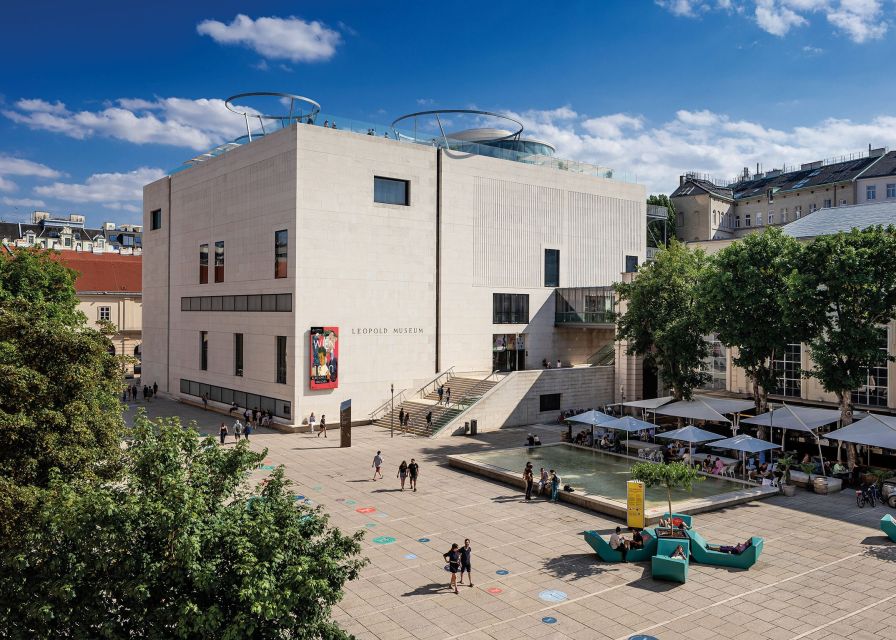
The Leopold Museum sits in Vienna’s MuseumsQuartier, inside a modern cube of white shell limestone. Its pale color recalls the bright buildings along the Ringstrasse, yet the clean modern structure looks quite different from the former imperial stables around it.
That contrast is part of the experience. You move from the historic setting of the MuseumsQuartier into a building filled with light and open views. The museum is not a dark, cramped series of rooms. Its atrium helps you get your bearings, and the architecture gives the visit a calm rhythm between galleries.
Take a moment in the atrium before rushing to the art. The building itself frames Vienna in an unusual way, with views toward Maria-Theresien-Platz and the Hofburg. I find this useful because it connects the museum’s artistic story to the city outside. You can look at the works of Vienna 1900, then glance through the windows at the imperial center those artists questioned.
The building also helps if you prefer a visit with pauses. You can stop, look outside, and reset before moving into another group of galleries. That matters because Schiele and some of the Expressionist works demand attention rather than a quick glance.
The Egon Schiele collection
The main reason to come is Egon Schiele. The museum has the largest Egon Schiele collection in the world, with about 130 paintings and letters. That scale lets you see more than his familiar style. You can follow his interests, changes, and recurring concerns across a broad group of works.
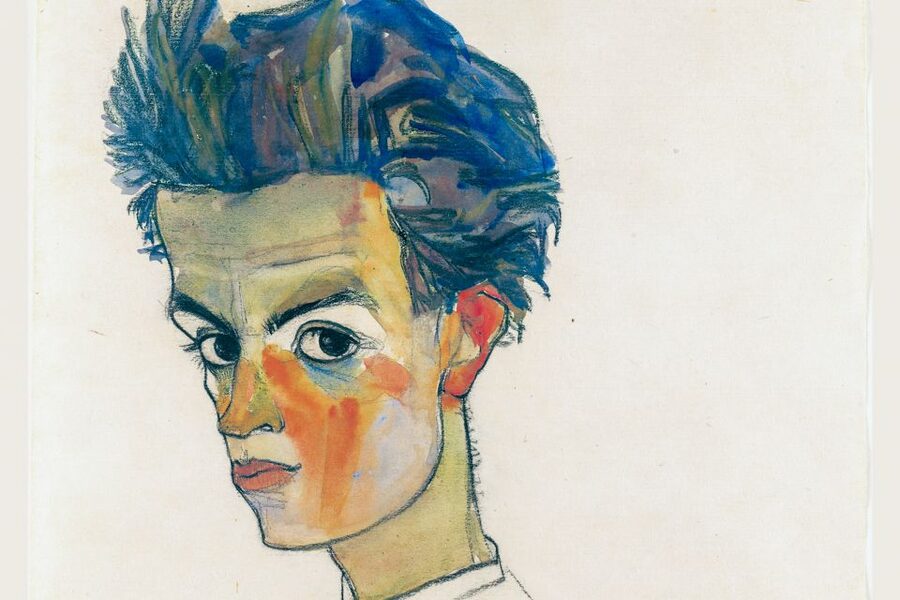
Schiele’s art can be direct, awkward, and intensely personal. His figures are not polished salon decorations. They often look exposed, tense, or physically fragile. If you know only his most famous drawings, a larger collection gives you a better sense of the artist behind those images.
I recommend taking your time here rather than trying to see every gallery at the same speed. Look at how the bodies are arranged, how lines carry emotion, and how much Schiele can say with a spare background. His work can be uncomfortable, but that is part of its force.
The letters add another layer. They help place the paintings within the artist’s life and working world, though the ticket does not include an audio guide or guided tour. If you want detailed explanations, you will need to read the gallery text carefully or arrange your own guide separately.
This is also a good museum for people who want to see the less familiar side of a major artist. One visitor found the collection worth the time and money precisely because it placed so much Schiele alongside other important artists. Another described the paintings as a chance to see his talent without softening it for the audience.
Schiele died young, along with his wife, Edith, during the Spanish flu pandemic. You do not need that biographical detail to appreciate the art, but knowing how short his career was can make the size of the collection feel even more remarkable.
Klimt’s major works and Vienna Secession
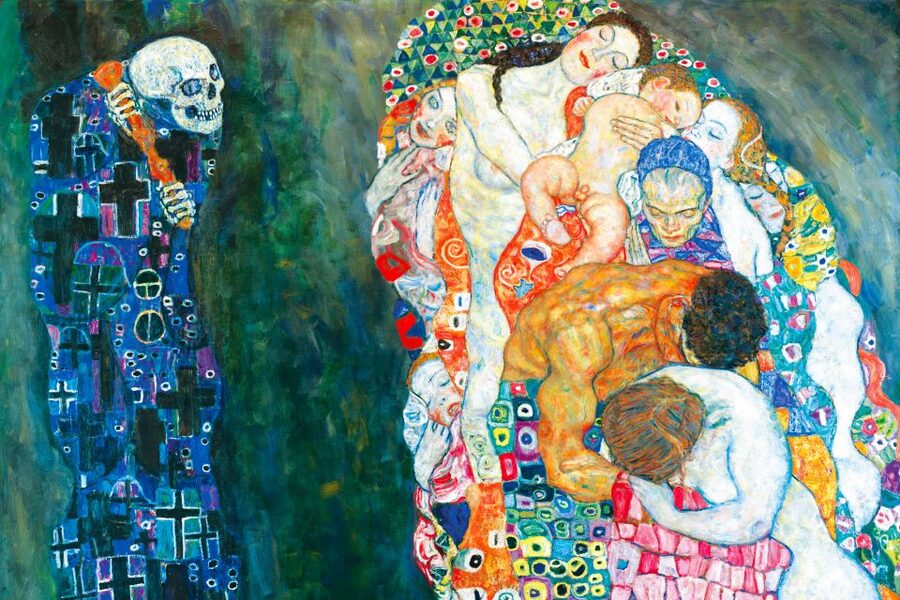
Gustav Klimt receives less total space than Schiele, but the key works make a strong impression. The museum is one of the useful places in Vienna to see Klimt beyond the most familiar golden images.
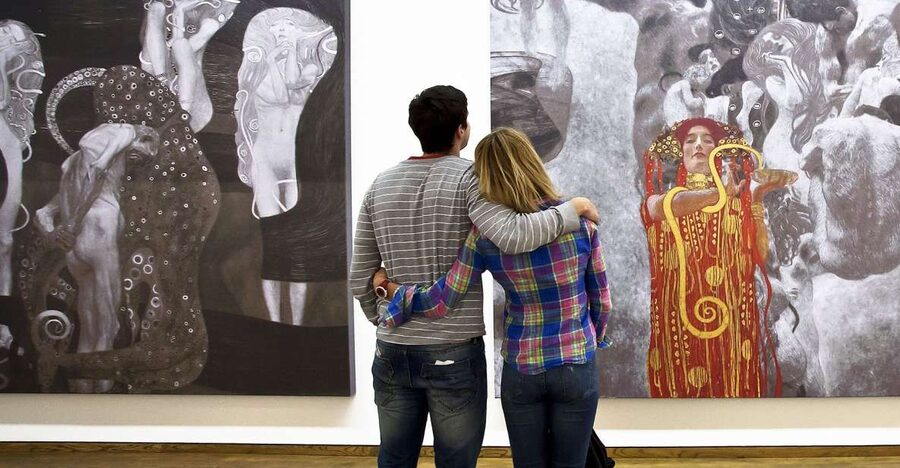
Life and Death is a major draw. Its subject is clear, but Klimt handles it with a mixture of decoration, symbolism, and unease. Give it a few minutes. The first look catches the surface, while a longer look reveals the contrast between the figure of death and the crowded group of human lives.
The collection also helps you understand Klimt as a founder of the Vienna Secession. He was not working in isolation. His art belonged to a broader movement that included new architecture, design, exhibition ideas, and a rejection of strict academic taste.
If you are visiting the Secession building elsewhere in Vienna, the Leopold makes a helpful companion stop. The two places show different parts of the same cultural shift. At the Leopold, you can compare Klimt with Schiele, Kokoschka, and other artists who took the new freedom in different directions.
The museum is a particularly good fit if you have already seen Klimt’s The Kiss reproduced on souvenirs and want a more serious look at his work. You may not find every famous Klimt painting here, but the works on display give you a stronger sense of his range and his role in Vienna around 1900.
Same Alps, a completely different kind of day:
- Vienna: Vivaldi’s Four Seasons Concert in Karlskirche
★ 4.7 · 14,951 reviews - Vienna: Spanish Riding School Training
★ 3.9 · 9,281 reviews - Vienna: Skip-the-cashier-desk-line Giant Ferris Wheel Ride
★ 4.5 · 7,859 reviews - Vienna: Schönbrunn Palace & Gardens Skip-the-Line Tour
★ 4.7 · 7,739 reviews
Oskar Kokoschka and the wider art story
The Leopold is not only a Schiele and Klimt stop. The collection places their work beside other artists connected with Vienna’s creative upheaval, including Oskar Kokoschka.
That wider view matters. Schiele’s sharp, exposed figures and Klimt’s decorative surfaces can seem like separate worlds if you see them one at a time. Within the museum, they become part of a larger argument about modern art: how much should an artist follow tradition, and how much should a painting reveal the artist’s private response?
You will also find works from different media and periods, including early career pieces that are not always shown in more narrowly focused displays. One useful feature of the museum is this mixture. It gives you famous names, but it also lets you see how ideas changed across artists and formats.
The result is not a single smooth story. Some galleries may appeal to you more than others. If you want only Klimt’s best-known masterpieces, the museum could feel spread out. If you enjoy comparisons and artistic development, the variety makes the visit more worthwhile.
Wiener Werkstätte design and the decorative arts
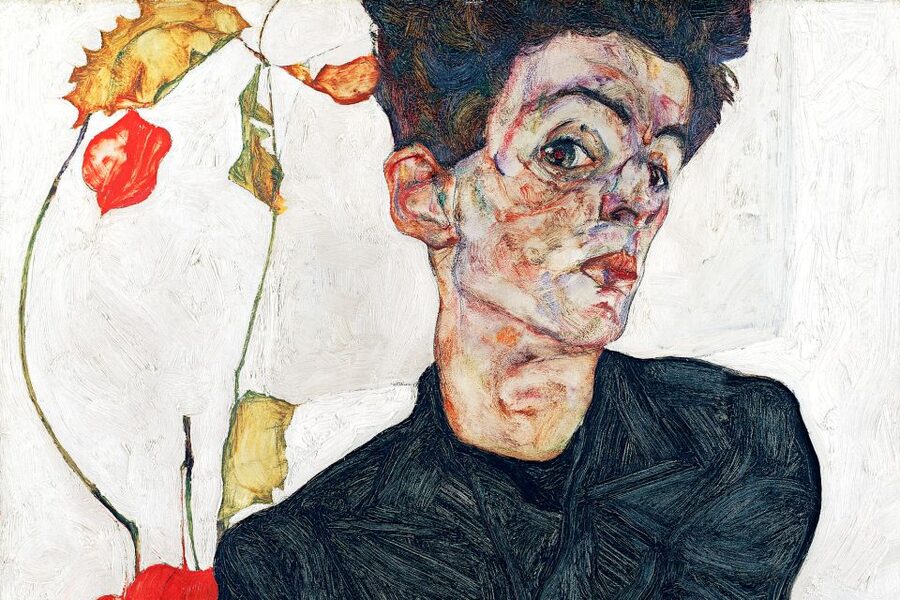
The museum’s story continues beyond paintings. Objects linked to the Wiener Werkstätte show how Vienna 1900 reached into everyday design.
Josef Hoffmann and Kolo Moser are among the names connected with this movement. Their work is important because the Wiener Werkstätte treated furniture, objects, interiors, and visual design as serious art rather than minor decoration.
This section changes the pace of the visit. After Schiele’s emotional intensity and Klimt’s elaborate surfaces, design objects can seem quieter. Look closely at their shapes, patterns, and clean use of materials. They show how the same period that produced daring paintings also searched for a new modern way to live.
I like this part for that reason. It keeps the museum from becoming a parade of famous paintings. Vienna’s artistic change was not limited to canvases in galleries. It affected the objects people used and the rooms they inhabited.
If design is your main interest, you may want to allow extra time here. The ticket includes the permanent collections, so there is no need to choose between the painting galleries and the Wiener Werkstätte displays.
Special exhibitions included in your ticket
The $22 admission includes all special exhibitions showing during your visit. These change several times a year and may feature important loans from collections around the world.
That inclusion improves the ticket’s value, especially when a strong Vienna 1900 exhibition is on. One recent display was singled out as excellent, while another visit included modern art alongside Austrian works. The exact exhibition will depend on your date, so check the museum’s current program before booking if the temporary display is a major reason for your visit.
Special exhibitions can also change the size and feel of your day. A focused exhibition may take an hour or more, while a quick visit to the permanent collection might be enough for someone with limited time. Since the ticket is valid for one day, you have flexibility to set your own pace within the museum’s opening hours.
Do not assume the temporary show will always center on Klimt or Schiele. The program changes, and the museum may feature a different artist, theme, or period. That uncertainty is a drawback if you are seeking one specific painting, but it is an advantage for repeat visits.
How much time should you allow?
The ticket lasts for one day, but you do not need to spend an entire day inside. The museum is often described as a smaller institution with around five floors of mixed art. That makes it manageable, though the number of floors and changing exhibitions can still add up.
For a focused visit, allow enough time for:
- The Schiele collection
- Klimt’s major works
- The Wiener Werkstätte displays
- The current special exhibition
- The atrium and city views
I would plan at least two hours if you want more than a quick look. Add time if you read labels carefully, study the letters, or visit a special exhibition. A rushed hour may cover the highlights, but it will not give Schiele’s work enough room to settle in.
The museum can also serve as a useful half-day stop within a larger MuseumsQuartier visit. You can see the Leopold, take a break, and continue to another cultural venue nearby. The ticket itself is valid for one day, but the supplied information does not specify re-entry rules, so ask at the entrance if you plan to leave and return.
The café and practical comforts
Café Leopold is a handy place for a light lunch or a pause after the galleries. It is not included in the ticket, and food and drinks are separate, but it adds convenience when you want to keep your museum visit in one area.
If you plan to eat there at a busy time, booking ahead is sensible. The café has been praised as a good lunch stop, but you should not count on walking in at the exact moment you want a table.
The museum is wheelchair accessible. An audio guide and guided tours are not included, so factor that into your plans if you prefer structured commentary. An audio guide was found useful on an earlier visit, but availability and arrangements should be confirmed with the museum.
The online ticket is designed for quick entry. A phone QR code has been accepted at the entrance, although an older booking instruction said that printed tickets were required. Since those details have conflicted over time, I would keep the voucher available on your phone and print it as a backup if that is easy.
Is $22 good value?
At $22 per person, the ticket is fairly priced if you want the full Leopold experience. You are paying for the permanent collections, the Schiele holdings, Klimt highlights, Wiener Werkstätte objects, and any special exhibition running that day.
The value is strongest when the temporary exhibition interests you. A museum ticket that includes both parts saves you from having to decide at the door which display to skip.
The value is less clear if you want only one famous Klimt painting. The Leopold has important Klimt, but the museum’s real strength is the complete Vienna 1900 story and the unusually large Schiele collection. You are paying for depth and context, not just a single postcard image.
There is also a price comparison to make. The online ticket has one standard price, while reduced rates for seniors, students, or families may be available directly at the museum. If you qualify for one of those categories, check the door price before buying online. On a quiet day, there may be little or no queue, which reduces the practical advantage of skip-the-line entry.
For many visitors, the phone ticket is still worthwhile because it is simple to scan and removes one small task from a busy sightseeing day. The booking also allows cancellation up to 24 hours before the visit and reserve-now, pay-later terms, which can help if your Vienna schedule is still moving around.
Who will enjoy the Leopold Museum most?
I would recommend this museum first to anyone who wants a serious look at Schiele. It also suits people who like Klimt but want to place him among the Secession, Expressionism, and Wiener Werkstätte movements.
You will get the most from it if you enjoy:
- Austrian art from around 1900
- Klimt, Schiele, and Kokoschka
- Art Nouveau and modern design
- Museums with both famous works and lesser-known pieces
- A self-guided visit at your own pace
- Temporary exhibitions that change through the year
Families and casual art viewers can still enjoy it, but some works are intense and the collection rewards patience. If your time in Vienna is very short, the museum may not outrank the city’s best-known imperial sights. If you have already seen those sights, the Leopold offers a valuable change of tone.
Should you book the Leopold Museum ticket?
Book it if Schiele is high on your Vienna list, if you want to see Klimt in context, or if the current special exhibition catches your eye. The combination of the world’s largest Schiele collection, major Klimt works, Wiener Werkstätte design, and central city views gives you a strong artistic half-day.
Think twice about booking online if you qualify for a discounted ticket and the museum is unlikely to be busy. In that case, buying at the door may be cheaper. For everyone else, the $22 ticket is a sensible choice, particularly when you value an easy phone entry and access to every exhibition.
I would not describe the Leopold as enormous. I would describe it as focused, varied, and unusually strong in its chosen period. Go for Schiele, stay for Klimt and Vienna 1900, and leave time to look out across the city before you move on.
FAQ
Where is the Leopold Museum?
The Leopold Museum is in MuseumsQuartier Vienna, in Vienna, Austria.
What is the main attraction at the Leopold Museum?
The museum’s main attraction is the world’s largest Egon Schiele collection. It also has important works by Gustav Klimt and other Austrian artists.
Does the ticket include Gustav Klimt’s work?
Yes. The museum includes Klimt masterpieces, including Life and Death.
Are special exhibitions included?
Yes. Admission includes the permanent collections and all special exhibitions running during your visit.
How long is the ticket valid?
The ticket is valid for one day.
What are the opening hours?
The museum is open daily except Tuesdays from 10:00 AM to 6:00 PM. In June, July, and August, it is open every day from 10:00 AM to 6:00 PM. Holiday hours are also 10:00 AM to 6:00 PM.
Is the Leopold Museum wheelchair accessible?
Yes. The museum is wheelchair accessible.
Is an audio guide included?
No. Audio guides and guided tours are not included in the admission ticket.
Can I cancel the booking?
Yes. You can cancel up to 24 hours in advance for a full refund. You can also reserve now and pay later.
Just added around Vienna
- Ottakringer Brewery tour★ 4.0 · 6 reviews
- New Hofburg Palace Tour House of Habsburg★ 4.5 · 5 reviews
- Private Van & Walk Tour – One Perfect Day in Vienna★ 5.0 · 21 reviews
- True Crime mobile puzzle rally Vienna★ 4.0 · 3 reviews
- Vienna Naschmarket Food Tasting Tour★ 4.0 · 30 reviews
- Vienna Nightlife Experience: Food, Wine, Cocktails & Vibes★ 5.0 · 119 reviews
- Myth Mozart★ 4.0 · 80 reviews
- ( Night Tour ) With Private Guide + wine or prosecco★ 4.0 · 12 reviews
Museums, compared.

Skip-the-Line Sisi Museum, Hofburg and Gardens Tour
Read our review →
Vienna Kunsthistorisches Museum Day Admission Ticket
Read our review →

Chocolate Workshop in Chocolate Museum w/ Tasting
Read our review →
St. Stephen’s Cathedral & Dom Museum Wien Tickets
Read our review →

Browse the lists this tour appears in