
Reviewed · MUSEUMS
Third Man Museum Admission Ticket Vienna
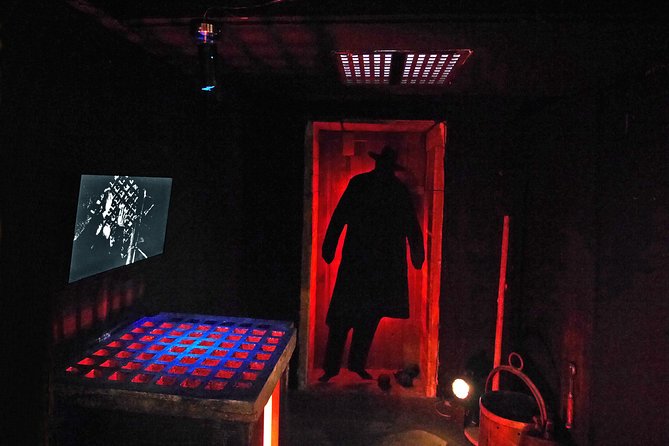
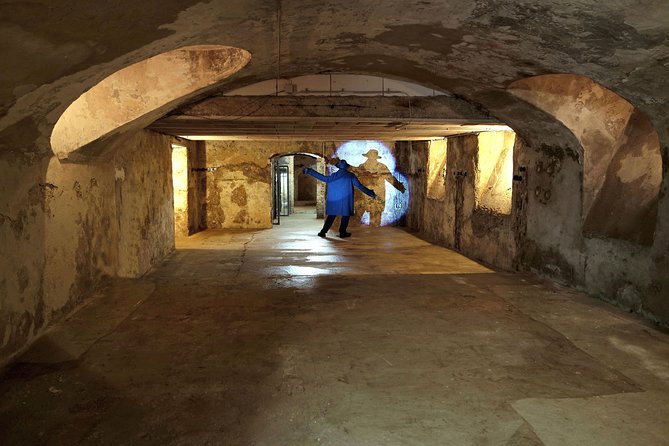
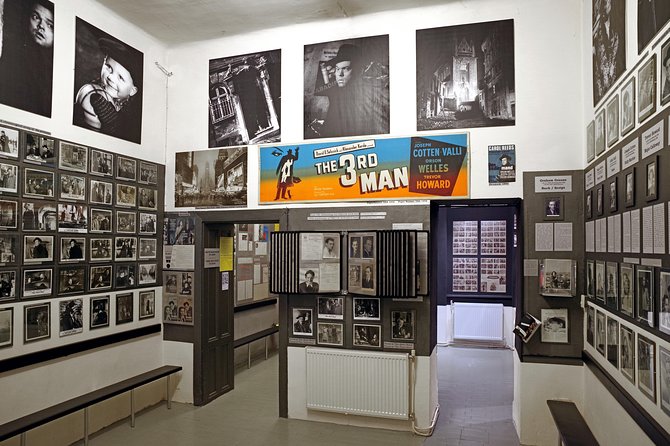
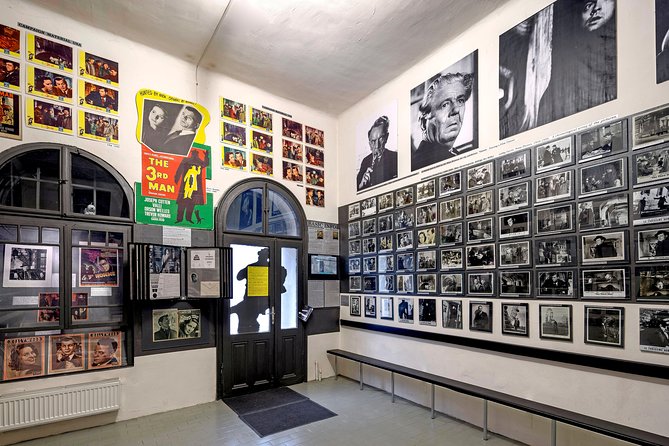
Vienna’s Third Man Museum is not a standard film display with a few lobby cards behind glass. It is a lovingly assembled collection of more than 3,000 original objects, including the zither used for Anton Karas’s famous film music, working film equipment, scripts, posters, and documents tied to Vienna after World War II. You get both movie history and a close look at daily life in occupied Vienna from 1945 to 1955.
I like the museum’s original, hands-on evidence. Seeing the actual cameras rented for special effects, the film drafts, and the 1936 Ernemann VIIb projector gives the movie a physical presence. I also like the small scale and quiet focus. You can take in the displays in roughly one to two hours without giving up half a day.
The main drawback is the narrow opening schedule. Admission is listed for Saturdays from 2 to 6pm, so you need to plan around that window. The published material also refers to both thirteen and sixteen rooms, so the exact room count may vary, but the collection itself is clearly extensive.
Key points to know before you go
- See Anton Karas’s original zither, the instrument connected with the film’s unforgettable music.
- Study scripts from early draft to final release, a rare look at how the movie changed before reaching the screen.
- Examine two cameras rented in Vienna for special effects, along with historic posters, lobby cards, and cinema programs.
- Connect the film to occupied Vienna, with displays covering daily life between 1945 and 1955.
- Allow one to two hours, enough time to read and inspect the collection without rushing.
- Plan carefully for Saturday afternoon hours, listed as 2 to 6pm, with a $20 admission fee and mobile ticketing.
Why The Third Man Museum feels different
The Third Man is often remembered through its mood: shadowy streets, crooked staircases, postwar tension, and that bright, plucked zither score. This museum lets you move past the mood and examine the work behind it.
You see how a film grows from paper to screen. The scripts range from the first draft through the final release version, so the displays can help you think about the movie as a changing project rather than a fixed classic. That is valuable if you have watched the film many times and want to know how its story and scenes developed.
The museum also places the film in Vienna’s difficult postwar setting. The displays cover occupied Vienna and the years from 1945 to 1955, a period shaped by the aftermath of war and the presence of occupying powers. You are not simply looking at movie souvenirs. You are also getting a compact picture of the city in the years that helped give The Third Man its uneasy tone.
The collection was assembled with obvious care and personal commitment. That matters here. A large museum can make film history feel polished and distant. This one is built around original objects and close observation, giving the visit a more personal feel.
A few more Vienna trips to weigh up
- Vienna: Skip-the-Line Sisi Museum, Hofburg and Gardens Tour
★ 4.8 · 5,918 reviews - Vienna Kunsthistorisches Museum Day Admission Ticket
★ 4.6 · 3,690 reviews - Tickets for the Albertina Exhibitions
★ 4.7 · 2,126 reviews
Entering the collection of more than 3,000 objects
The museum’s scale is its first surprise. More than 3,000 original items are presented across the exhibition rooms, with material gathered from around the world to show the film’s international success.
You might find yourself moving between several kinds of evidence:
- Film production material, including scripts and cameras
- Music and sound history, represented by the zither
- Publicity material, including posters and cinema programs
- Personal or character-related objects, such as Little Hansel’s original cap
- Historical displays about occupied Vienna
- Working cinema equipment, including the Ernemann VIIb projector
That mix keeps the visit from becoming a simple wall of photographs. One display may explain a production detail, while the next gives you a glimpse of how the film was marketed or remembered.
The information provided describes the museum as having thirteen rooms in one place and sixteen rooms in another. I would not make the room count a deciding factor. The practical point is that you should expect a substantial exhibition, not a single-room display, and give yourself enough time to read the material.
The original zither and the sound of the film
The original zither used by Anton Karas during the recording of the film music in London is one of the strongest reasons for film fans to visit.
The instrument connects the physical world of the museum with the sound that defines the movie. Even if you are not a music specialist, you can understand its importance. The score is not background decoration in The Third Man. It helps create the film’s identity, and the zither gives that sound a tangible object.
This is also a good example of the museum’s approach. Instead of simply telling you that Karas played the music, the exhibition presents the instrument itself. You can look at the object and consider how an unusual musical choice became one of the film’s most recognizable features.
If you have never seen The Third Man, the zither still makes a good starting point. It introduces the movie through sound before you get into the darker story and the political setting.
Scripts, cameras, and the work behind the screen
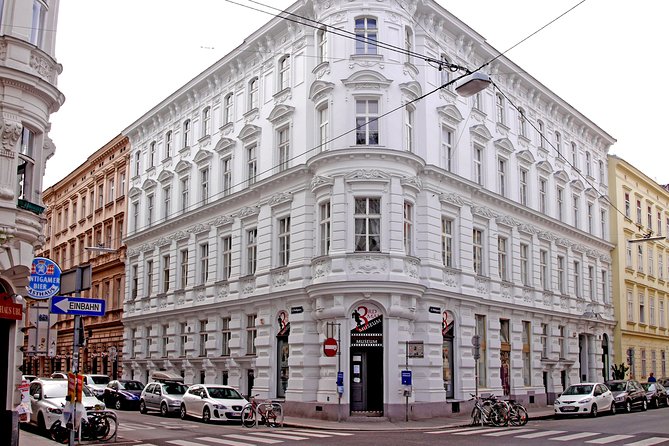
The original scripts are another major attraction. The collection includes versions from the first draft to the final release script, offering a rare chance to trace the film’s development.
You should not expect a full screenwriting workshop, since the available details do not specify how each script is presented. Still, the range of drafts gives you a reason to slow down. Differences between versions can show how scenes, dialogue, and structure changed before production finished.
The two cameras rented by the film crew in Vienna for special effects add a different kind of interest. These are not just props connected to the story. They are pieces of the equipment used to create the film’s visual world.
For me, this is where the museum has value beyond fandom. The movie’s strange angles and tense atmosphere can seem effortless when you watch the finished film. Production equipment reminds you that those effects came from practical decisions, rented tools, and careful work.
You will also find the original cap worn by Little Hansel. It is a small object, but small objects often make a film collection feel human. A cap can say more about a character’s place in the story than another large poster.
Same Alps, a completely different kind of day:
- Vienna: Vivaldi’s Four Seasons Concert in Karlskirche
★ 4.7 · 14,951 reviews - Vienna: Spanish Riding School Training
★ 3.9 · 9,281 reviews - Vienna: Skip-the-cashier-desk-line Giant Ferris Wheel Ride
★ 4.5 · 7,859 reviews - Vienna: Schönbrunn Palace & Gardens Skip-the-Line Tour
★ 4.7 · 7,739 reviews
A working 1936 projector adds real texture
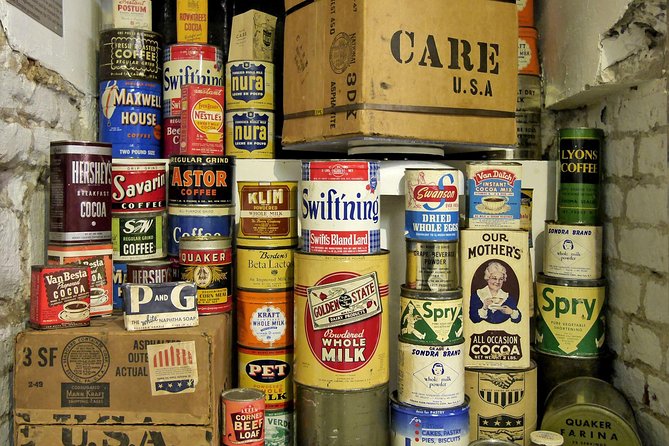
The fully functional Ernemann VIIb projector, dating from 1936, gives the museum a link to the cinema itself.
You are not only seeing materials connected to one famous film. You are also seeing the machinery that helped audiences experience movies in the period. Its working condition makes it more than an old object with a label. It represents the mechanical side of film exhibition, before digital projection became normal.
The projector also helps broaden the visit for anyone interested in cinema history. You do not need to know the technical details of projection to appreciate its size, age, and purpose. It gives the exhibition a strong physical anchor.
Because food and drinks are not included, plan to have them before or after your visit rather than expecting a café-style stop inside the experience. The museum is best treated as a focused cultural visit, not a long leisure outing.
Posters, lobby cards, and the film’s international life
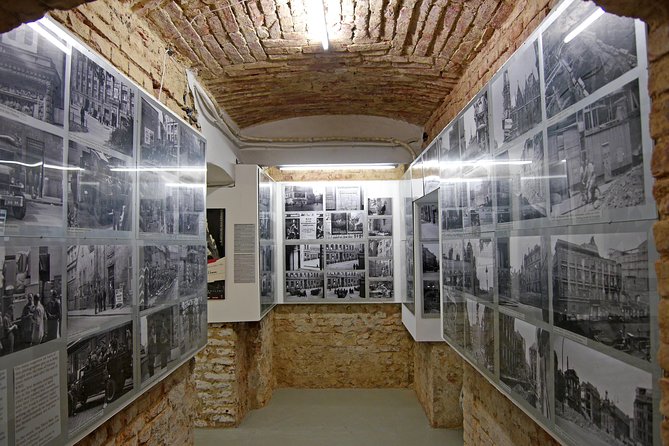
The historic film posters, lobby cards, and cinema programs show how The Third Man traveled beyond Vienna.
These items help you see the difference between making a film and selling it. A poster presents a particular image of the movie. A cinema program places it in a specific period of public entertainment. Lobby cards give you another view of how scenes and characters were presented to potential audiences.
The international material also explains why the museum collects objects from around the world. The film’s reputation did not remain limited to its original setting. Its imagery and characters reached cinemas in many countries, and the exhibition reflects that wider life.
I would spend time comparing the publicity material rather than treating it as decoration. The design choices can show which elements were considered most important for different audiences. Even if you are not a collector, you will see how a classic film becomes part of popular culture.
Occupied Vienna from 1945 to 1955
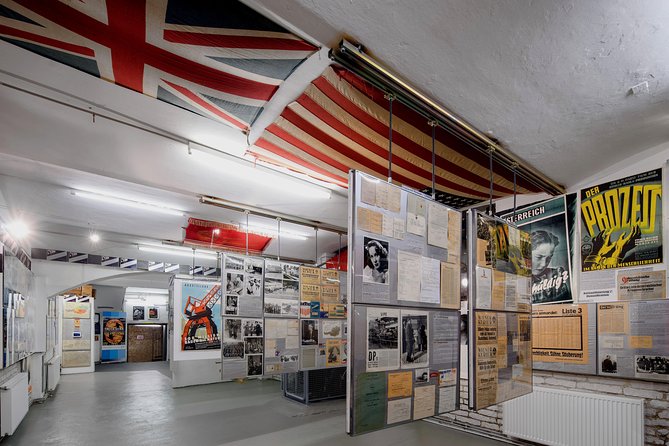
The museum’s historical side is just as important as its film side.
The exhibition gives an impression of daily life in occupied Vienna between 1945 and 1955. That period provides essential context for The Third Man, which is closely tied to a city marked by war, division, uncertainty, and recovery.
The museum does not present the film in isolation. It places the production alongside the city that appears on screen. That makes the visit useful for anyone interested in World War II history or postwar Europe, even if they are not devoted film fans.
You will not be taking a full course in Austrian history here. The experience lasts about one to two hours, and the supplied information does not promise a guided lecture. Think of it as a compact historical layer running through the film displays. It can sharpen your understanding of why the movie feels so unsettled and why Vienna is more than a backdrop.
If you plan to watch the film before visiting, the historical displays will likely make more sense. If you watch it afterward, the museum can help you spot the connection between the movie’s fictional world and the city’s real postwar condition.
How long to allow and how the schedule affects your day
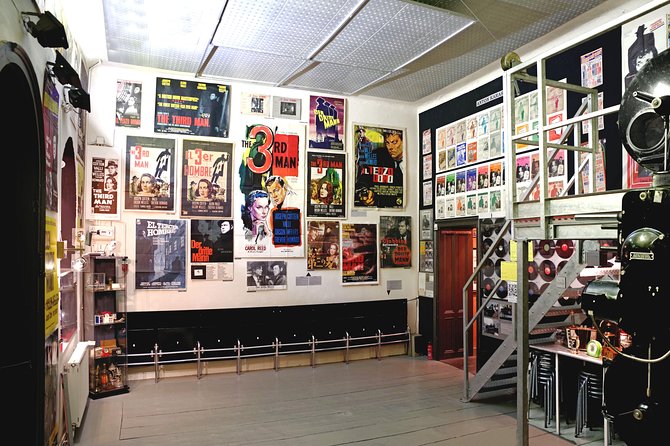
The suggested visit takes about one to two hours. That is enough time for a careful look at the main objects, though a serious film enthusiast may want longer to read every document.
Opening hours are listed as Saturdays from 2 to 6pm, for the period from March 29, 2025, through June 13, 2026. This is the most important practical detail. A Saturday afternoon-only museum does not fit casually into every Vienna itinerary.
You should check the current hours when booking, especially if your trip falls near the dates provided. The additional information also lists a closure from January 5 through March 28, 2024, which is an older date range and may not apply to a later visit. The safe advice is simple: rely on the current booking information for your travel dates.
The museum is near public transportation, but transportation to and from attractions is not included. You arrange your own way there and back. Since the visit is short, it can work well alongside another Vienna activity, provided you can reach the museum during the Saturday afternoon window.
Is $20 a fair price?
At $20, the ticket is not the cheapest small museum admission in Vienna. The value depends on what you want from the visit.
If The Third Man is one of your favorite films, the price is easier to justify. You are paying to see original objects that cannot be replaced by a book or a standard city tour. The zither, scripts, cameras, projector, and character prop give the collection a level of authenticity that a general film display may not offer.
The ticket also has value for visitors interested in postwar Vienna. You get film production, cinema publicity, and historical context in one compact stop. That combination makes the admission more useful than a single-theme souvenir collection.
If you have never seen the movie and are not interested in film equipment, $20 may feel high for a one to two hour visit. You may still appreciate the occupied Vienna material, but the experience is built around a specific film. Watch The Third Man first if you have time. It will give every script page, camera, and poster more meaning.
A mobile ticket makes entry simple, and the admission fee is included. Food, drinks, and transportation are separate, so budget for those independently.
Who should make time for this museum?
I would recommend the museum most strongly to four kinds of visitors.
First, classic movie fans will find the original production material especially rewarding. The exhibition lets you study the film as an object made by people, not just as a finished story.
Second, World War II and postwar history enthusiasts will appreciate the focus on occupied Vienna from 1945 to 1955. The historical displays give the film a clearer setting and help explain its mood.
Third, visitors who enjoy small, specialist museums may prefer this over a large general collection. The subject is narrow, but the material is deep enough to fill a focused visit.
Fourth, anyone who has only a short block of free time can consider it. One to two hours is manageable, though the Saturday schedule is not flexible.
I would be less likely to recommend it to someone seeking a broad survey of Vienna’s art, imperial history, or major landmarks. This is a specialist stop. Its appeal rises sharply if you care about The Third Man or the city’s postwar story.
Booking, cancellation, and group details
The experience is listed as a private activity, with only your group participating. The data does not name a guide, so you should not expect a specific guide-led presentation or plan around meeting a named staff member.
Confirmation is provided at booking, and the mobile ticket is useful for a simple arrival. Most people can participate, and the museum is near public transportation.
Free cancellation is available if you cancel at least 24 hours before the experience start time. Cancellations made within 24 hours are not refunded, and changes inside that period are not accepted. The cutoff follows local Vienna time.
Should you book The Third Man Museum?
Book it if you have seen the film, care about classic cinema, or want a focused look at occupied Vienna. The strongest reason to go is the care shown in the collection: original scripts, equipment, posters, a working 1936 projector, Little Hansel’s cap, and Anton Karas’s zither give the visit real substance.
Skip it if your Vienna schedule cannot accommodate Saturday afternoon hours or if The Third Man means little to you. At $20, the museum asks for a clear interest in its subject.
For the right visitor, this is a thoughtful two-hour stop with plenty of genuine material and very little filler. Watch the movie first, set aside Saturday from 2 to 6pm, and you will get much more from the collection.
FAQ
Where is the Third Man Museum located?
The museum is in Vienna, Austria, and it is near public transportation.
How much does admission cost?
The listed price is $20 per person.
How long does a visit take?
The visit takes approximately one to two hours.
When is the museum open?
Opening hours are listed as Saturdays from 2 to 6pm for the period from March 29, 2025, through June 13, 2026.
What is included in the ticket?
The entrance fee is included. Food, drinks, and transportation to or from attractions are not included.
Is a mobile ticket available?
Yes. The experience provides a mobile ticket, and confirmation is received when you book.
Can I cancel for a full refund?
Yes, if you cancel at least 24 hours before the experience start time. Cancellations within 24 hours are not refunded.
Is this a private activity?
Yes. The activity is listed as private, with only your group participating.
Just added around Vienna
- World War II History Vienna Old Town Private Walking Tour★ 4.8 · 9 reviews
- From Krems: Wachau Valley River Cruise on the Danube★ 4.6 · 95 reviews
- Vienna: Winery and Wine Tasting Tour with a Wine Expert★ 5.0 · 5 reviews
- Vienna: Wine Tasting E-Bike Tour★ 4.9 · 46 reviews
- Vienna: Wine Tasting at Schönbrunn Palace★ 4.3 · 71 reviews
- Vienna: Wine Tasting Tour★ 4.8 · 61 reviews
- Vienna: Wiener Schnitzel and Strudel Cooking Class★ 4.9 · 126 reviews
- Vienna Urban Art Tour: Explore a different side of Vienna!★ 3.8 · 14 reviews
Museums, compared.

Skip-the-Line Sisi Museum, Hofburg and Gardens Tour
Read our review →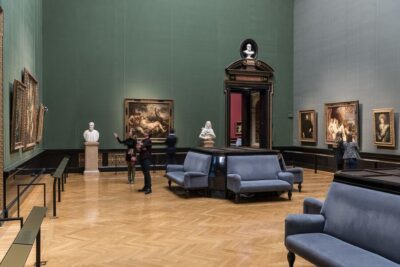
Vienna Kunsthistorisches Museum Day Admission Ticket
Read our review →

Chocolate Workshop in Chocolate Museum w/ Tasting
Read our review →
St. Stephen’s Cathedral & Dom Museum Wien Tickets
Read our review →
Browse the lists this tour appears in