Reviewed · TOURS
Vienna: Spooky Ghost Tour in English
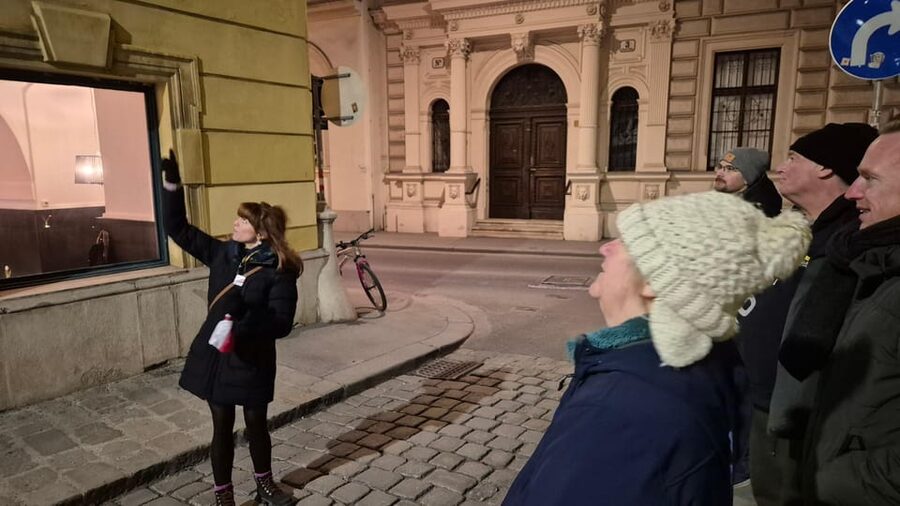
Vienna’s grand center has a wonderfully grim underside. On this 90-minute evening walk, you’ll hear why Countess Bathory supposedly needed enough blood to fill a bathtub, who lies beneath St. Stephen’s Cathedral, and why the city has two phantoms of the opera. I like the way the tour connects macabre tales to real streets and famous landmarks. I also like its lively storytelling, especially from guides such as Lisa, who has earned a strong following for her humor and energy.
The main consideration is the price: $28 per person is fair for a guided city walk, but it is more than a basic orientation stroll. You’ll also be walking over cobblestones in all weather, so good shoes and a rain layer matter.
Key points at a glance
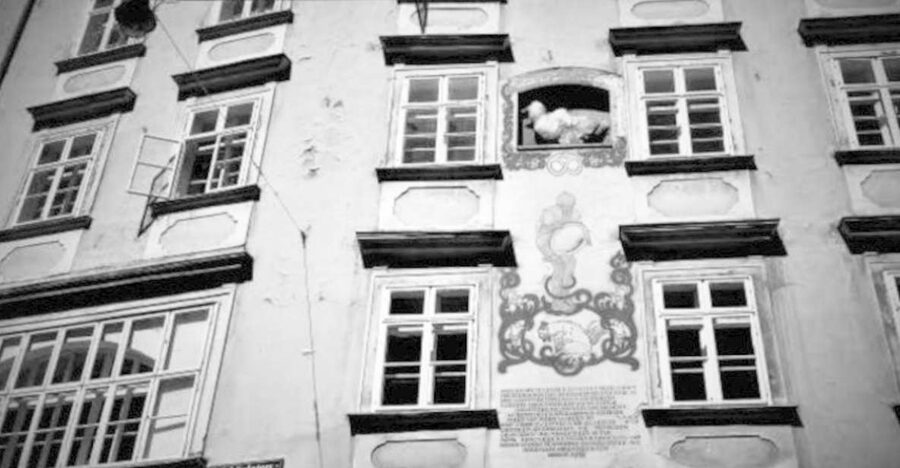
- Blood Alley and dark city legends: Hear stories of murders, executions, strange deaths, and the grim past behind ordinary-looking streets.
- A history tour with a spooky filter: The route covers major parts of Vienna’s first district while focusing on tales left out of standard sightseeing walks.
- Energetic English-speaking guides: Lisa is often praised for her theatrical delivery, while Trim and Luis have also led well-received tours.
- Family-friendly but macabre: Children as young as seven and ten have enjoyed the walk, though the subject includes blood, death, and murder.
- Easy central route: Begin at Helmut Zilk Square and finish beside St. Stephen’s Cathedral, with no transport needed during the tour.
- Good first-night activity: The guide may point out other Vienna sights and spooky places, making this useful near the start of your stay.
Why Vienna’s dark side makes a good walking tour
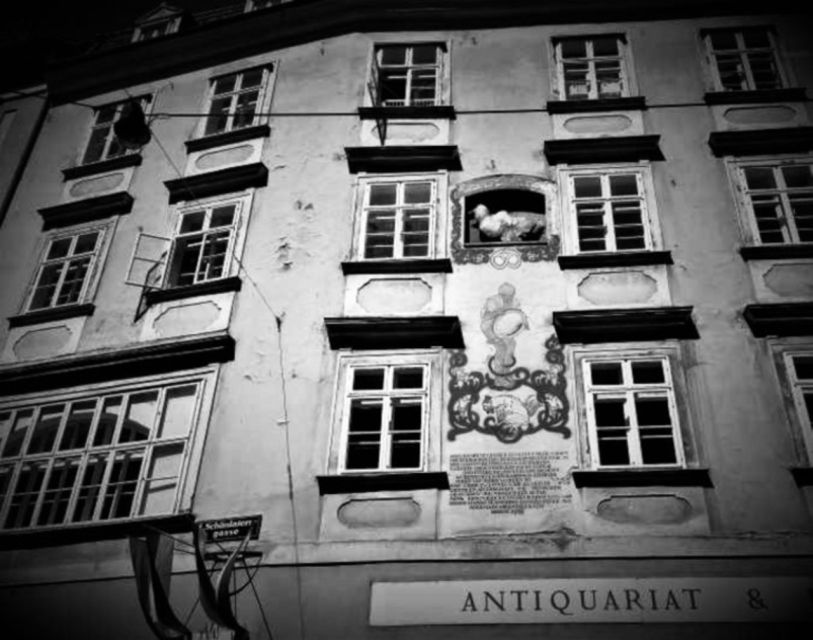
Vienna can feel polished, musical, and grand. Imperial facades, coffeehouses, and monumental churches often dominate a first visit. This tour changes the mood without abandoning the city’s main sights. Instead of treating the center as a list of palaces and churches, it asks what happened there after sunset, behind the elegant stonework, and beneath the streets.
That approach gives you a different way to read Vienna. A square can become the setting for an execution. A cathedral can carry stories of buried remains and restless spirits. A narrow lane can suggest the fear and violence of earlier centuries. I like this because the supernatural stories act as a hook, while the places themselves give you a clearer sense of Vienna’s past.
The tone is more playful than terrifying. You should expect spooky legends, gruesome details, and dark humor, but not a serious haunted-house production or a high-intensity scare attraction. The guide’s performance does much of the work. Lisa, in particular, is repeatedly singled out for a warm, energetic style that keeps the subject accessible even when the stories turn bloody.
Other Vienna days people book alongside this one:
- Vienna: Vivaldi’s Four Seasons Concert in Karlskirche
★ 4.7 · 14,951 reviews - Vienna: Spanish Riding School Training
★ 3.9 · 9,281 reviews - Vienna: Skip-the-cashier-desk-line Giant Ferris Wheel Ride
★ 4.5 · 7,859 reviews
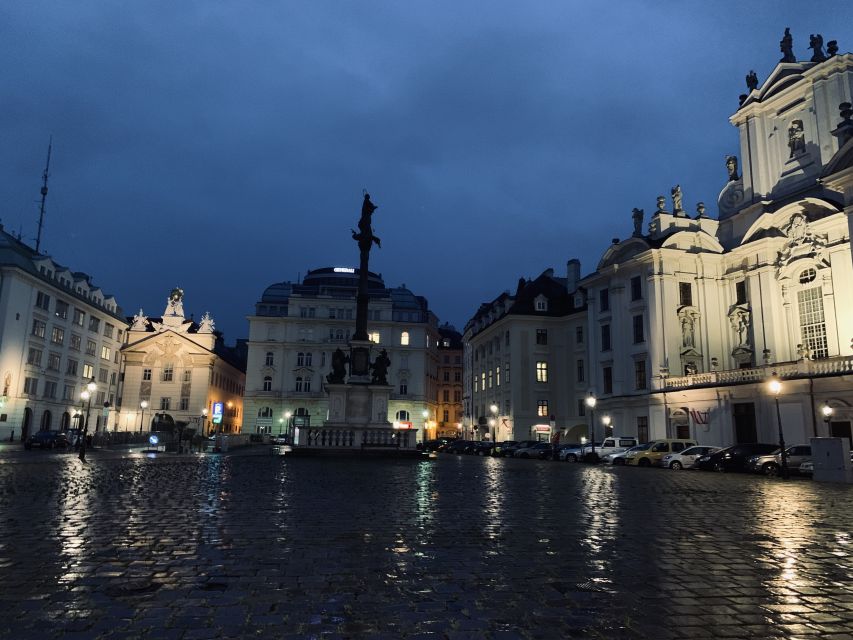
Starting at Helmut Zilk Square
The meeting point is Helmut Zilk Platz in Vienna’s 1010 district. Look for the guide in front of the memorial against war and fascism, on the left side, beneath a red-and-white-striped umbrella.
This is a useful starting point because it places you right in the historic center, rather than sending you to a distant neighborhood or requiring a special transfer. Arrive with enough time to locate the memorial and identify the umbrella. In a busy central area, that small visual marker can save you from circling the square looking for the group.
The opening sets the tone for the walk. You’ll be introduced to Vienna as a city with several cheerful nicknames, then quickly shown that its past includes far more than music and imperial ceremony. The guide’s job here is to make you curious, not simply to recite dates. Expect questions, anecdotes, and a performance style that may include direct interaction with people in the group.
That interaction is one of the tour’s strengths. The walk is not designed as a silent procession from one speech to the next. Guides have been praised for welcoming questions, speaking with people individually, and waiting until everyone arrives before beginning at a stop. That matters on cobbled streets, where a group can easily stretch out.
Following the cobblestones through Vienna’s first district
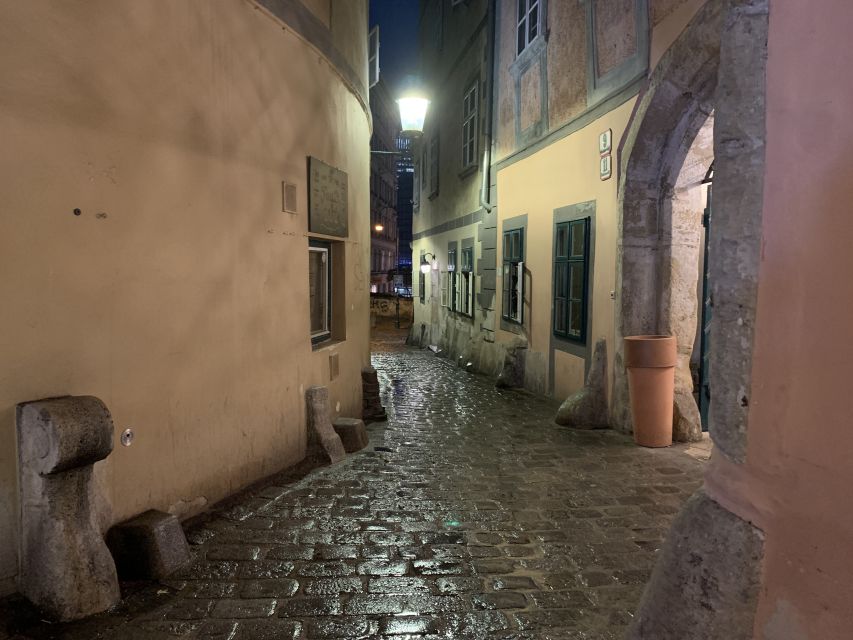
The central walking route lasts about an hour and a half. You’ll move through the old city on foot, stopping at famous landmarks, small lanes, squares, and buildings linked to unsettling stories.
The pace appears manageable for a broad range of ages. Older participants have kept up easily, and families with young children have enjoyed the presentation. Still, this is a walking tour, not a seated storytelling session. You’ll want comfortable sneakers, especially because the route includes plenty of cobblestones.
The cobbles add atmosphere, of course. They also create the clearest practical drawback. The experience is wheelchair and stroller friendly, but the uneven surfaces may make the walk less comfortable or slower for some people. If you use a wheelchair or stroller, allow extra attention to the ground and keep close enough to hear the guide at each stop.
I like the way the route shows you side streets you might otherwise ignore. A standard first-district walk usually points you toward grand entrances and celebrated facades. This one encourages you to notice narrow passages, older squares, and the corners where grim stories took place. Several people have found it a useful way to see parts of central Vienna they would not have explored on their own.
Blood Alley, murders, and public punishment
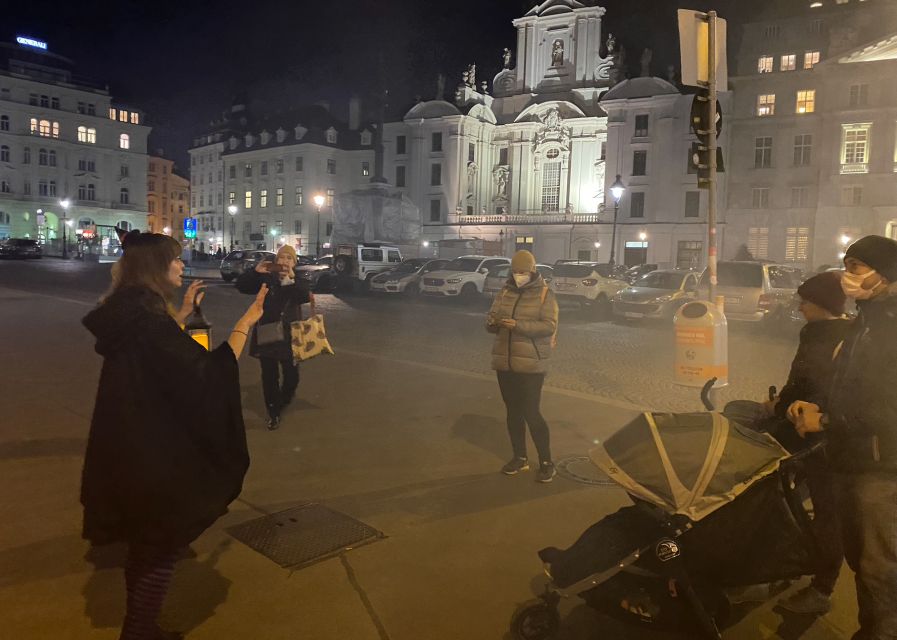
Blood Alley is one of the tour’s most natural stops. The name alone gives the guide plenty to work with, but the value lies in connecting the nickname to Vienna’s earlier culture of public punishment and violence.
You’ll hear about murders, executions, and other gruesome events tied to central streets and squares. The material is not sanitized, but it is presented with enough humor and energy to keep the mood from becoming oppressive. I would describe the tone as morbid but family-friendly, not horror for horror’s sake.
This part of the walk also shows why a ghost tour can teach you more than a collection of supernatural claims. Legends often preserve how people once understood crime, disease, death, and punishment. The stories reveal what frightened earlier residents and how public spaces were used. Even if you do not believe in ghosts, you can still appreciate the social history behind the tales.
The guide may also invite the group to think about how stories change over time. A reported crime becomes a warning, a warning becomes a legend, and eventually the location acquires a spooky reputation. That makes Blood Alley more than a photo stop. It becomes a reminder that Vienna’s attractive center was also a place where people lived with public violence close at hand.
Same Alps, a completely different kind of day:
- Vienna: Schönbrunn Palace & Gardens Skip-the-Line Tour
★ 4.7 · 7,739 reviews - Vienna: Light of Creation Votive Church Immersive Light Show
★ 4.8 · 6,779 reviews - Vienna Spanish Riding School Guided Tour
★ 4.7 · 6,765 reviews - Vienna: Classical Concert in the World-Famous Musikverein
★ 4.6 · 6,673 reviews
The imperial palace after dark
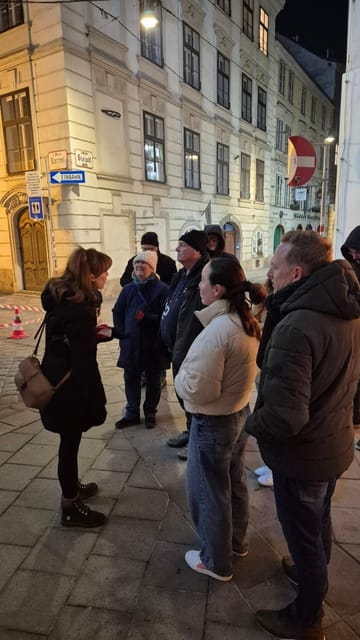
The imperial palace is one of Vienna’s most impressive daytime sights. At night, its scale and heavy architecture create a different impression, which suits this tour well.
The palace material focuses on the spooky stories and legends attached to the imperial world. You may hear about powerful figures, strange behavior, death, and the darker side of court life. The tour does not treat Vienna’s rulers as polished names in a textbook. It brings attention to the human fears, scandals, and odd tales attached to them.
This is where the activity works best for people who already plan to visit the Hofburg area. You’ll recognize the setting from your daytime sightseeing, but the guide gives you another layer to remember. I like that contrast. Seeing the palace in ordinary daylight and then hearing its sinister associations after dark makes the landmark more memorable without requiring a separate museum ticket.
Do not expect an interior palace visit. The advertised experience is a guided walk through the historic center, with the palace as an outdoor stop. The appeal comes from the setting and the storytelling, not from entering private rooms or seeing a staged ghost display.
St. Stephen’s Cathedral and the people below
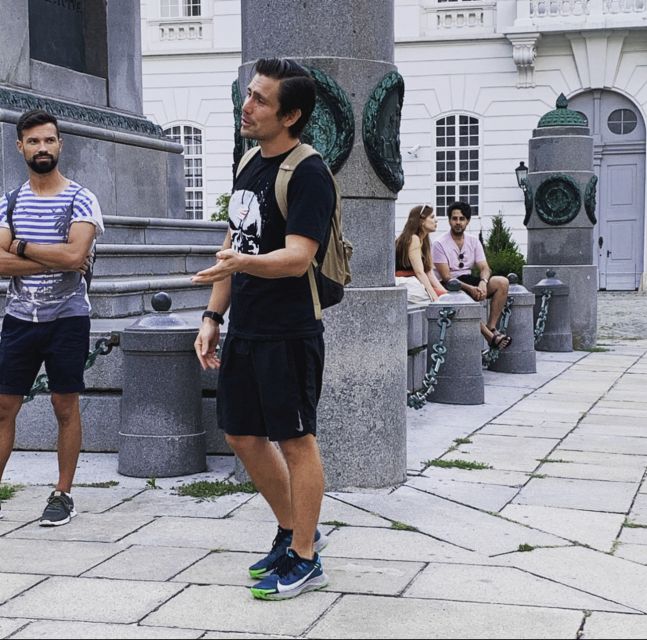
The walk finishes at St. Stephen’s Cathedral, one of Vienna’s essential landmarks. Ending here gives the tour a strong final setting, since the cathedral is visually striking and carries its own stories of death, burial, and spirits.
One central question is who is buried beneath the cathedral. The answer and the surrounding legends give the guide a chance to discuss Vienna’s relationship with religious power, prominent figures, and the dead. The cathedral is not just a beautiful Gothic building in this context. It becomes a place where the city’s past is physically close beneath your feet.
The stop should also help you look at St. Stephen’s differently when you return during daylight. I find that useful. A ghost story can make architectural details easier to remember, and a familiar building gains a stronger sense of place when you know what lies beneath it and what tales have gathered around it.
Because this is the finishing point, you can continue your evening from a central location. The activity does not include a separate return transfer, but that is hardly a burden here. You are left in the middle of Vienna, near many restaurants, bars, and sights. The tour’s playful closing invitation to eat, drink, and be scary fits the setting nicely.
Countess Bathory, the opera ghosts, and unusual stories
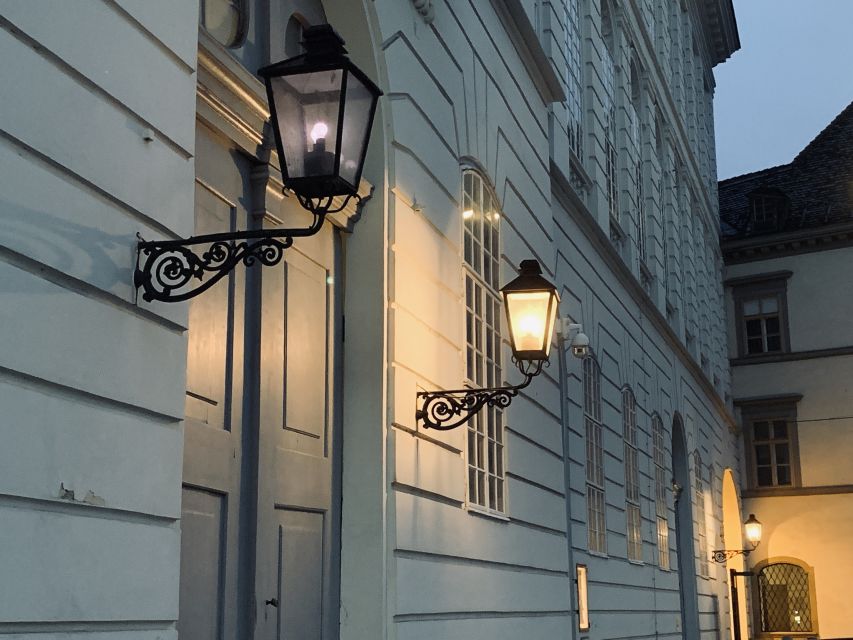
The tour’s advertised questions give you a good idea of its range. Countess Bathory brings in one of Europe’s most notorious blood-soaked legends. The two phantoms of the opera connect Vienna’s musical reputation with a more unsettling theatrical tradition.
You’ll also encounter stories involving famous musicians, mixed-up bones, and the unsettling practice of ringing a bell to check if someone was truly dead. These details are memorable because they combine recognizable Vienna subjects with odd facts and local folklore.
The content is not limited to ghosts floating through buildings. It includes murders, executions, burial customs, and the strange beliefs that shaped daily life. That balance is important. A tour made only of ghost appearances might feel thin after 90 minutes, but this one uses supernatural material to open a broader conversation about the city.
Some stories are gruesome. If your group includes children, prepare them for references to blood, death, and murder. The presentation is suitable for families according to the supplied details, and children as young as seven and ten have stayed engaged, but sensitive children may still prefer a lighter activity.
The guide makes or breaks the evening
A ghost walk depends heavily on the person holding the umbrella. Facts matter, but delivery matters just as much. The strongest praise for this experience centers on the guides’ energy, clear English, humor, and ability to tell a story rather than simply list information.
Lisa is the name most often associated with the tour. She is described as upbeat, funny, welcoming, and able to keep a group involved from stop to stop. Other named guides include Trim and Luis, who have also received praise for clear and enthusiastic storytelling. You cannot assume which guide you will get, but the repeated strength of the guide team is a reassuring sign.
I especially value the reports of guides giving extra suggestions for Vienna. Lisa has pointed people toward additional spooky locations, including Vienna’s Central Cemetery, and offered ideas for other things to do. This is one reason to schedule the walk early in your stay. You can use the guide’s recommendations to shape the rest of your visit.
The English is intended to be fluent and easy to follow. One participant even translated the stories for family members between stops, which suggests the pauses make it possible to share the information with someone who does not understand English well. Still, the official tour language is English, so you should book only if the group can follow a live English presentation.
Is $28 good value for 90 minutes?
At $28 per person, this is not the cheapest way to walk around Vienna. You can see many of the exterior landmarks for free, and a self-guided stroll costs nothing. The price makes more sense if you want a structured route, a live storyteller, and access to local legends that are difficult to find while wandering alone.
You are paying for interpretation rather than transport or admission. There are no museum entries listed, and the value comes from the guide’s preparation, timing, narration, and ability to connect separate locations. For a first evening in Vienna, that can be worthwhile because you get both an orientation to the center and a memorable set of stories.
One participant felt the price was high despite enjoying the guide. That is a fair warning. If you mainly want a cheap overview of the first district, choose a free walk or a standard sightseeing route. If you enjoy unusual history and want to spend 90 minutes hearing stories in the actual places where they belong, the cost is easier to justify.
Free cancellation up to 24 hours before the start and the reserve-now, pay-later option add useful flexibility. You can book without paying immediately and change plans within the stated cancellation period.
Weather, clothing, and practical comfort
The tour operates rain or shine. Bring suitable clothing for the forecast, including an umbrella in wet weather and warm layers during colder months. Vienna evenings can feel chilly when you are standing still listening, even if the walking itself keeps you comfortable.
Wear sneakers or another pair of shoes with good support. The route is wheelchair and stroller friendly, but the many cobblestones are the main physical issue. Keep this in mind if anyone in your group has difficulty with uneven ground.
The 90-minute length is well judged for the subject. It is long enough to cover several locations and stories, yet short enough to fit before dinner or after an afternoon of sightseeing. The start and finish are both central, which keeps the plan simple.
Who should book this Vienna ghost walk?
I would recommend it to adults who enjoy folklore, unusual facts, and a little theatrical humor. It is also a good choice for families with older children who can handle stories about death and murder. Children have enjoyed the interactive style, but the subject is not designed for very young kids who may be upset by grisly details.
It suits repeat visitors particularly well. If you have already seen the Hofburg and St. Stephen’s Cathedral, this walk gives those places a new angle. It also works for first-time visitors because the route introduces major sections of the inner city while keeping the focus narrow and entertaining.
I would skip it if you dislike group walking, uneven pavement, dark humor, or stories that mix fact with legend. It is not a haunted attraction with actors and special effects. Its success depends on your willingness to listen, imagine, and accept that some tales are folklore rather than proven events.
Should you book it?
Book this tour if you want Vienna’s famous center with the polish rubbed off. The strongest reasons are the lively guides, the unusual stories, the convenient central route, and the way the walk works as both evening entertainment and a history lesson.
Choose an early date in your stay if you want recommendations for more sights and spooky places. Choose comfortable shoes, dress for the weather, and expect cobblestones. At $28, it is best value for someone who wants a personable guide and a fresh way to understand Vienna, not simply a checklist of landmarks.
FAQ
Is the Vienna ghost tour conducted in English?
Yes. The tour language is English, and it includes a live English-speaking guide.
How long does the tour last?
The guided walking tour lasts 90 minutes, or one and a half hours.
How much does the tour cost?
The listed price is $28 per person.
Where does the tour begin?
It begins at Helmut Zilk Platz, 1010 Vienna, in front of the memorial against war and fascism. The guide waits on the left side and uses a red-and-white-striped umbrella.
Where does the tour finish?
The walk finishes at St. Stephen’s Cathedral.
Is the tour suitable for children?
Yes. The activity is described as family-friendly, and children aged seven and ten have enjoyed it. The stories still include blood, death, murder, and other macabre subjects.
Is the tour wheelchair and stroller accessible?
Yes, the tour is wheelchair and stroller friendly. There are many cobblestones, so uneven surfaces may make parts of the walk less comfortable.
Does the tour run if it rains?
Yes. The tour operates rain or shine. Bring suitable clothing, comfortable shoes, and an umbrella when needed.
Can I cancel or pay later?
You can cancel up to 24 hours before the tour for a full refund. The reserve-now, pay-later option lets you hold a place without paying at the time of booking.
Just added around Vienna
- Ottakringer Brewery tour★ 4.0 · 6 reviews
- New Hofburg Palace Tour House of Habsburg★ 4.5 · 5 reviews
- Private Van & Walk Tour – One Perfect Day in Vienna★ 5.0 · 21 reviews
- True Crime mobile puzzle rally Vienna★ 4.0 · 3 reviews
- Vienna Naschmarket Food Tasting Tour★ 4.0 · 30 reviews
- Vienna Nightlife Experience: Food, Wine, Cocktails & Vibes★ 5.0 · 119 reviews
- Myth Mozart★ 4.0 · 80 reviews
- ( Night Tour ) With Private Guide + wine or prosecco★ 4.0 · 12 reviews
Tours, compared.
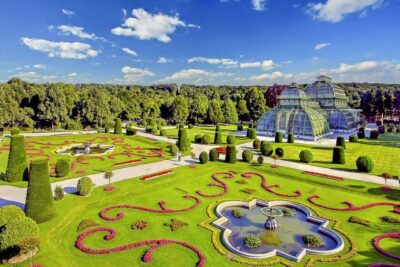
Schönbrunn Palace & Gardens Skip-the-Line Tour
Read our review →

Skip-the-Line Sisi Museum, Hofburg and Gardens Tour
Read our review →
Skip-the-Line Schönbrunn Palace & Gardens Tour
Read our review →
Guided Walking Tour of City Center Highlights
Read our review →