
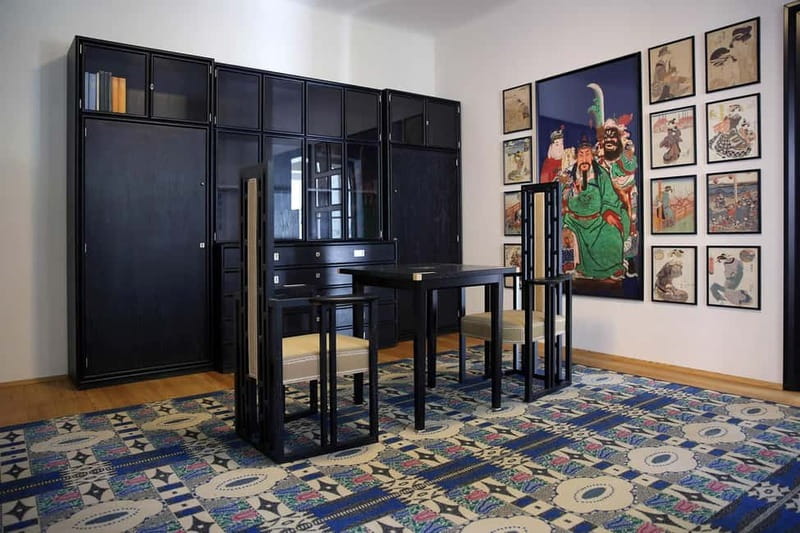
Reviewed · BELVEDERE PALACE AND KLIMT TOURS
Vienna: Klimt Villa (Gustav Klimt Atelier & Museum) Ticket
Gustav Klimt’s final studio is the heart of this visit. At the Klimt Villa, you step into the place where he worked from 1911 until his death in 1918, then follow the uneasy story of art stolen from Jewish collectors during National Socialism. The room-in-room construction helps preserve the studio, while the Klimt Lost exhibition adds a serious historical edge.
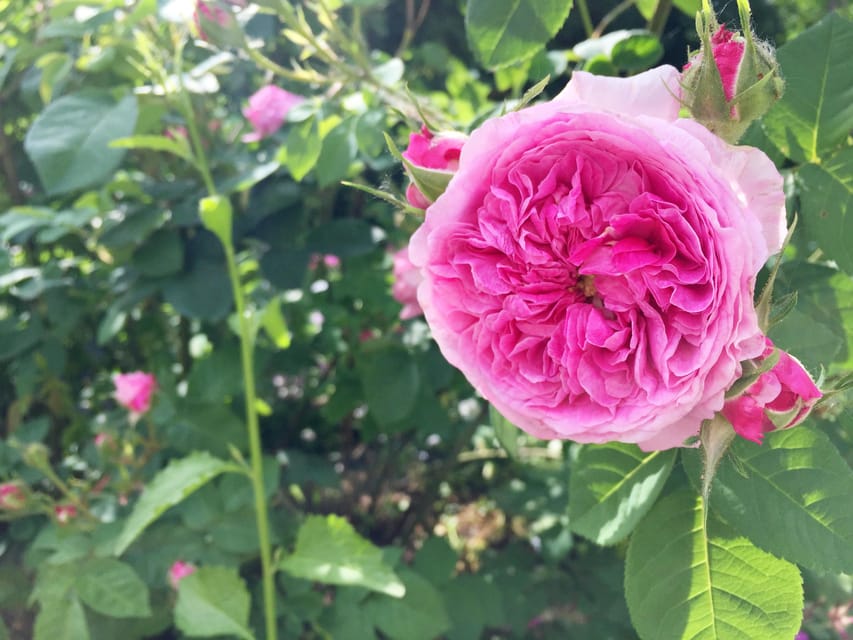
I like two things here in particular: the chance to see a reconstructed working space rather than only framed reproductions, and the garden, where Damask roses known as Klimt roses bloom from mid-May to late June. At $11 per person, the ticket also gives you a quiet, focused Klimt experience without the scale of a major museum.
The main consideration is size. This is not a full museum of Klimt’s paintings, and the first-floor gallery may be closed for a private event. Exhibition information is in German and English, so you may want the optional smartphone guide if you prefer more language choices.
Key points to know before you go
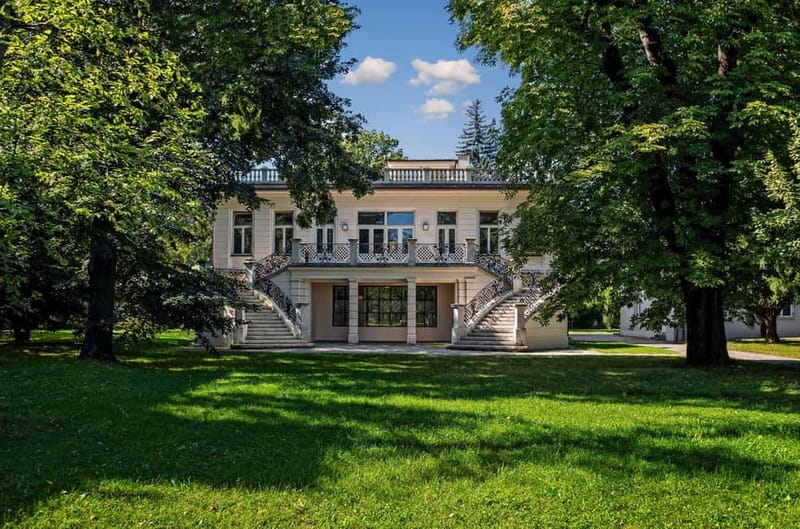
- Klimt’s final studio: See the preserved working environment where he created art during the last years of his life.
- Klimt Lost exhibition: Learn how collectors and artworks were persecuted and looted during National Socialism, followed by long fights for restitution.
- Historic garden: See Damask roses, cultivated today as the Klimt rose, at their best from mid-May through late June.
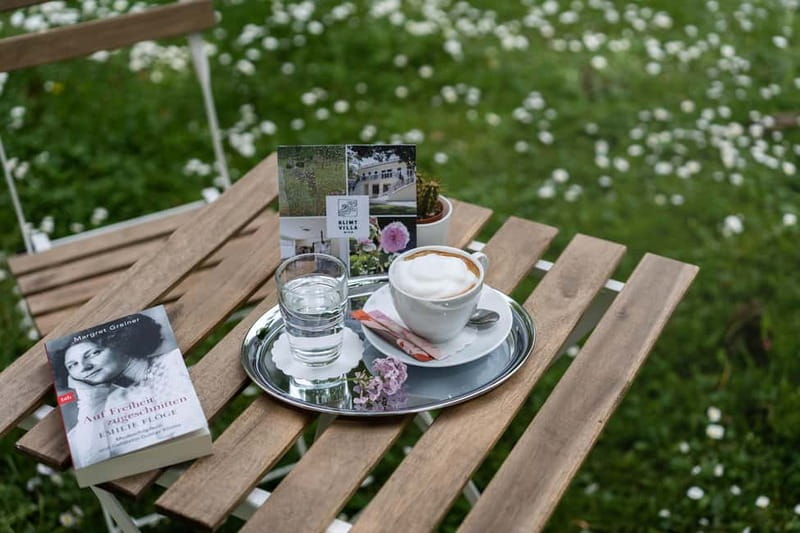
- Garden Café: Plan a weekend visit from May to September if coffee and cake outdoors appeal to you.
- Upper-floor gallery: Browse premium print editions featuring Klimt, Egon Schiele, and Oskar Kokoschka, though access is not guaranteed.
- Simple, flexible ticket: Admission costs $11 per person, is valid for one day, and can be canceled up to 24 hours ahead for a full refund.
Why Klimt’s final studio matters
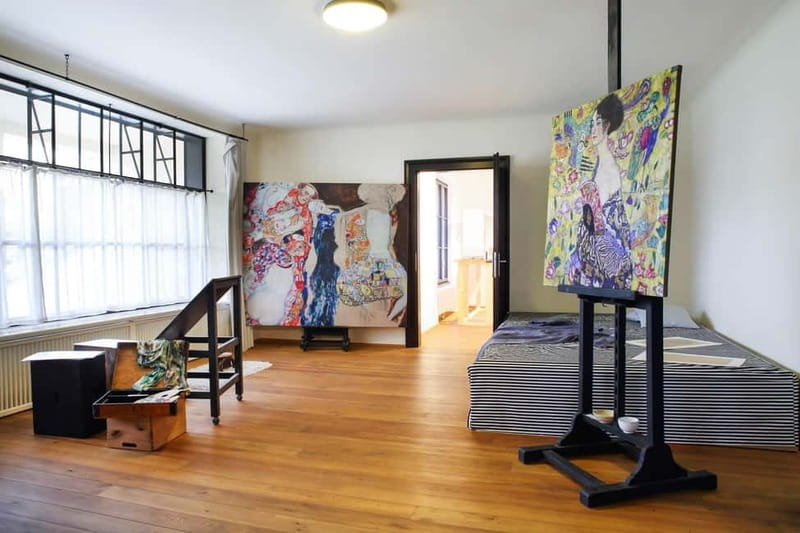
Klimt is often encountered through famous images, gold patterns, and polished art reproductions. The Klimt Villa offers something different: a place connected to his daily work. The building served as his creative sanctuary from 1911 until 1918, the final period of his life.
That setting changes the visit. Instead of moving through a large collection of finished paintings, you focus on the room where ideas took shape. The studio and reception room are the central sights, and the surrounding garden helps explain why this location had appeal for Klimt.
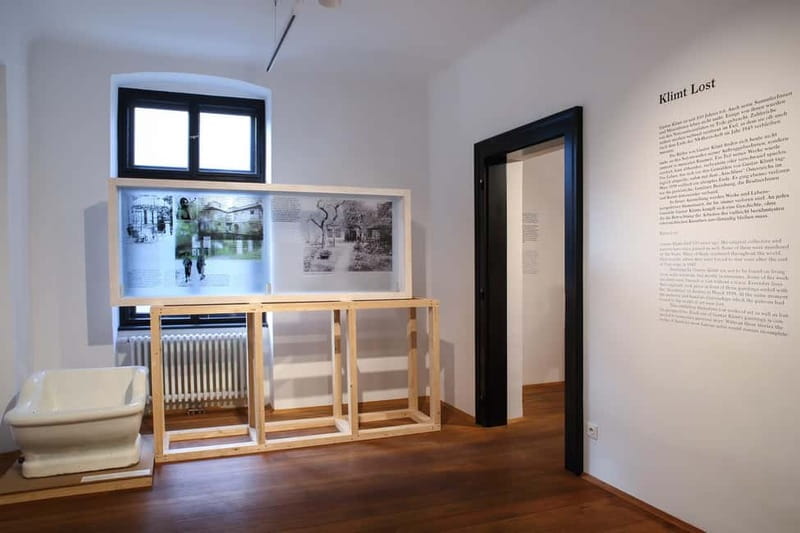
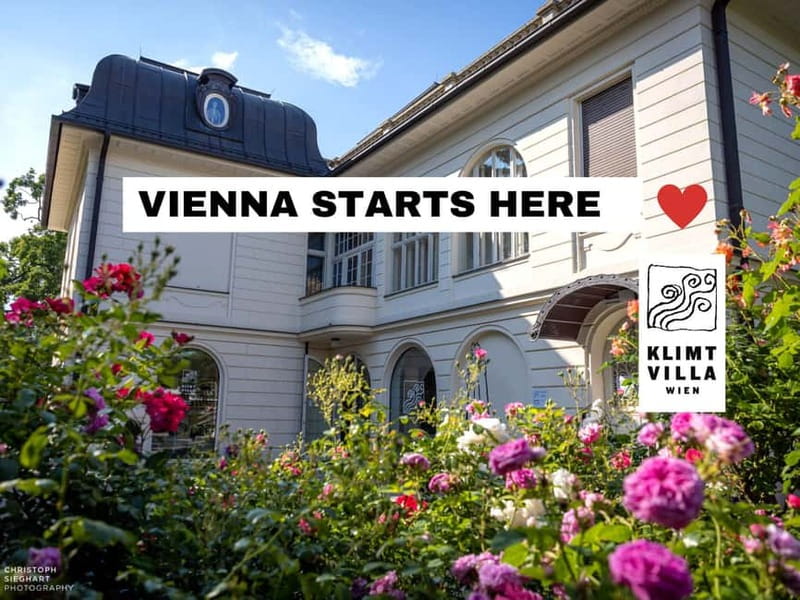
The building you see today is not exactly the modest garden house that existed during Klimt’s lifetime. After his death, the studio underwent changes and was transformed into the neo-baroque, two-story villa now open to the public. The preservation work uses a room-in-room method, creating a protective structure around the reconstructed studio.
That detail is worth understanding before you arrive. You are not simply entering an untouched room with every object frozen in place. You are seeing a carefully reconstructed and protected version of the place, designed to keep the memory of the studio alive while adapting the building for modern use.
For me, that makes the villa most valuable to visitors who want context. If your main goal is to see a large number of original Klimt paintings, this will feel limited. If you want a closer sense of his final workplace and the setting behind his late career, the visit makes much more sense.
More Belvedere Palace and Klimt Tours in Vienna:
- Entry Ticket Upper Belvedere, Klimt’s Kiss & Permanent Collection
★ 4.5 · 831 reviews - Vienna: Lower Belvedere Entry Ticket & Temporary Exhibitions
★ 4.1 · 275 reviews - Vienna: Belvedere Palace Skip-the-Line Tour
★ 4.9 · 197 reviews
Inside the studio and reception room
The reconstructed studio gives you the clearest link to Klimt himself. It is the part of the villa where the building’s purpose becomes easy to understand. This was not merely a display space. It was the place where Klimt worked during the years when he produced major paintings such as Adele Bloch-Bauer II, Friederike Beer, The Bride, Adam and Eve, and Lady with Fan.
The villa does not promise that these original paintings are on display. Instead, the value comes from location and atmosphere. You can consider the contrast between the quiet studio setting and the bold, highly decorated works associated with Klimt’s name.
The reception room adds another layer. Together, the two rooms show how the studio functioned as both a workplace and a place where art, patrons, and visitors came together. The scale is more personal than a grand city museum, which suits anyone who prefers a short cultural stop with a clear theme.
Give yourself time here rather than rushing directly to the garden. Look at the room as a working environment, and use the optional smartphone guide if you want more background. The guide is available in a long list of languages, including English, French, German, Italian, Spanish, Polish, Korean, Chinese, Czech, Portuguese, Hungarian, Russian, Japanese, Greek, Romanian, Turkish, Danish, Dutch, and Hindi.
The exhibition labels and descriptions are available in German and English. That is enough for many English-speaking visitors, but the smartphone guide is useful if you want more explanation in your own language or prefer listening to reading.
Klimt Lost and the uncomfortable side of art history
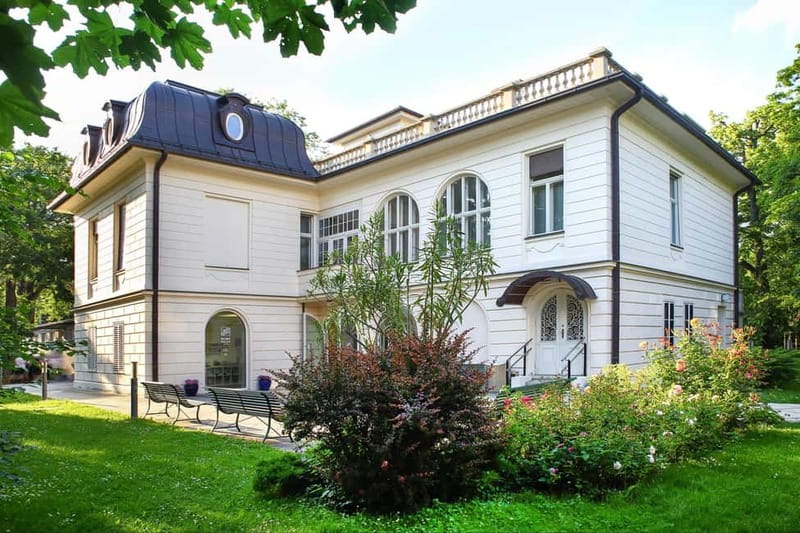
The Klimt Lost exhibition is not a light add-on to the studio visit. It deals with the persecution and looting of Klimt’s collectors and artworks during National Socialism. It also follows the later lives of surviving collectors and their often decade-long efforts to recover property and seek justice.
This is important because Klimt’s paintings do not exist outside history. Many works passed through collectors, families, museums, and legal claims shaped by political violence. An exhibition that focuses on loss and restitution helps you see the human cost behind the ownership stories attached to famous art.
The subject can be difficult, but that is also its value. You are asked to consider more than who painted a picture or where it hangs today. You also confront who was forced to give up art, what happened to families, and why returning stolen works has taken so long.
Plan your pace accordingly. The studio may be the emotional highlight for art lovers, but Klimt Lost may be the part you remember most clearly afterward. It gives the visit moral and historical weight, rather than treating Klimt only as a stylish figure from Viennese Modernism.
The exhibition descriptions are in German and English. If you want to follow every detail and do not read either language comfortably, the multilingual smartphone guide should help, provided the service is available as expected during your visit.
The garden and the Klimt rose
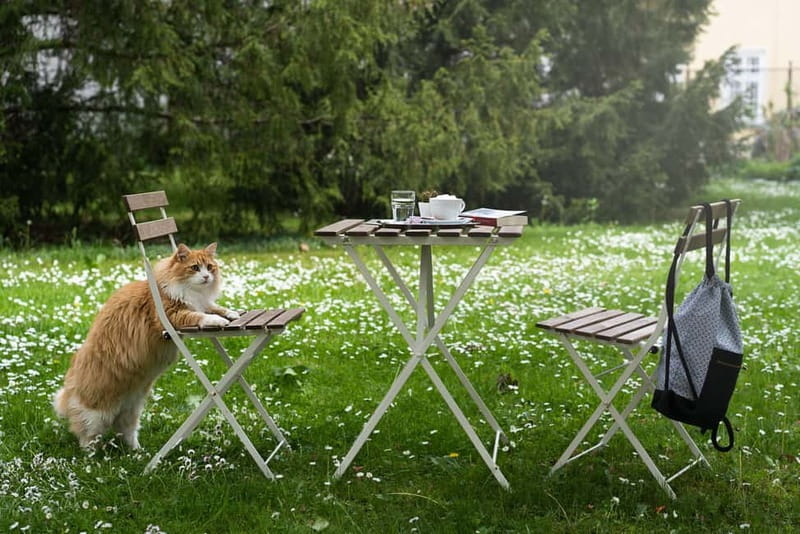
The garden is more than a pleasant break between indoor rooms. It helps you picture the setting around Klimt’s studio and shows why nature appears so often in discussions of his work.
The garden is being restored to preserve its historic character. Its most distinctive feature is the Damask rose, planted around 1900 and now cultivated under the name Klimt rose. The flowers are at their best from mid-May to late June, so that short seasonal window is the ideal time for anyone who particularly wants to see them.
Outside that period, the garden can still add breathing room to the visit, but you should not expect the same rose display. The supplied information does not promise a full bloom outside mid-May through late June, so set your expectations around the season rather than treating the roses as a year-round feature.
I would allow extra time in the garden if you visit during flowering season. The villa itself is a compact cultural stop, and the garden gives you a chance to slow down after the more serious Klimt Lost exhibition.
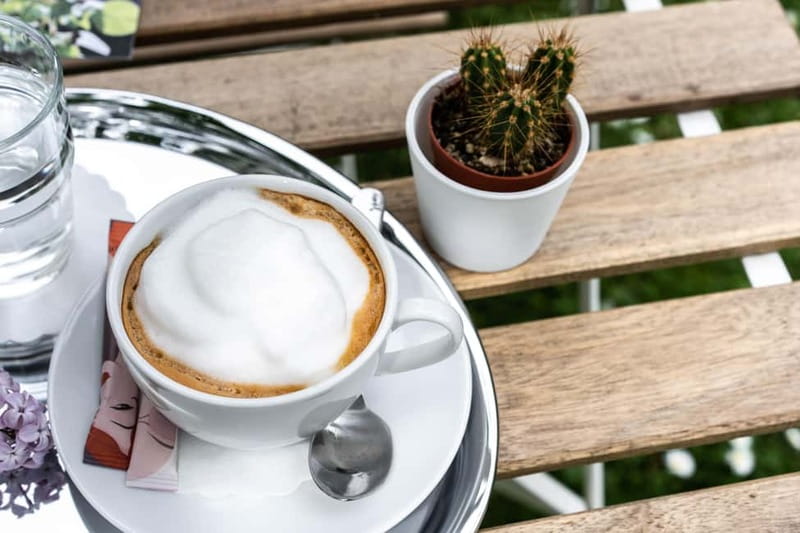
The Garden Café operates on weekends from May to September, and only in fair weather. It is a seasonal extra, not a guaranteed part of every visit. If coffee and cake are important to your plan, check the day and weather rather than counting on the café during a weekday or winter visit.
A few more Vienna trips to weigh up
- Vienna: Skip-the-Line Sisi Museum, Hofburg and Gardens Tour
★ 4.8 · 5,918 reviews - Vienna Kunsthistorisches Museum Day Admission Ticket
★ 4.6 · 3,690 reviews - Tickets for the Albertina Exhibitions
★ 4.7 · 2,126 reviews - Vienna: Chocolate Workshop in Chocolate Museum w/ Tasting
★ 4.5 · 1,802 reviews
The upper-floor gallery and Viennese Modernism
The first-floor gallery presents high-quality light prints and art reproductions of work by Gustav Klimt, Egon Schiele, and Oskar Kokoschka. This section broadens the visit beyond Klimt alone and places him within the larger world of Viennese Modernism.
These are prints and reproductions, not a promise of original paintings. That distinction matters. The gallery is useful if you want to browse images, compare the three artists, or find a quality reproduction, but it should not be mistaken for a major original-art collection.
Access to the gallery is not guaranteed because the room may be reserved for a private event. If the gallery is open, it makes a worthwhile final stop. If it is closed, the main experience remains the studio, Klimt Lost, and garden.
The upper floor may appeal most to visitors who want something tangible to take home or who enjoy looking at art reproductions after learning about the artist’s workplace. It is less important for someone making a quick visit focused only on the studio.
How long to plan and how the $11 price works
The ticket is listed at $11 per person and is valid for one day. No fixed tour length is given, so you can set your own pace within the opening period shown for your selected date.
At this price, the value is strongest if you care about Klimt, studio history, or the difficult ownership stories connected to modern art. You receive access to the villa and garden, the final studio, and Klimt Lost. The optional guide adds language flexibility without changing the basic admission.
The price is less compelling if you expect a large collection of original Klimt paintings. The villa is a focused site visit, not a substitute for every Klimt display in Vienna. Its appeal comes from place, context, and the combination of art with garden and restitution history.
A smooth arrival also matters. The ticket shop is the starting point, and admission is designed to be straightforward. The booking arrangement allows payment later, and cancellation is free up to 24 hours before the visit for a full refund. That is useful if your Vienna schedule is still shifting.
You should also plan around the restrictions. Food and drinks are not allowed inside, large bags and luggage are not allowed, pets are not allowed except assistance dogs, and smoking indoors is forbidden. These are simple rules, but leaving large luggage elsewhere will make arrival easier.
Accessibility and language choices
The Klimt Villa is wheelchair accessible, which makes this a practical option for visitors who need step-free access. The provided information does not give further detail about every room or facility, so anyone with specific access needs should confirm the arrangements before booking.
German and English appear on the exhibition labels and descriptions. The optional smartphone guide covers many additional languages, including French, Italian, Spanish, Chinese, Japanese, Dutch, and Hindi.
Because the visit is self-paced, you can spend more time with sections that matter to you and less time with the gallery if it does not suit your interests. This flexibility is one of the advantages of a museum ticket rather than a tightly timed guided tour.
No guide name is provided, and the experience is not presented as a tour led by a named person. You should expect a visit you manage yourself, supported by labels and the optional smartphone guide.
Who will enjoy the Klimt Villa most
I would recommend this experience most strongly to:
- Klimt fans who want to see his final studio rather than only his paintings
- Art-history students and curious visitors interested in Viennese Modernism
- People who want to understand restitution and the fate of looted art
- Garden lovers visiting during the Klimt rose season
- Visitors seeking a shorter cultural stop with a calm setting
- Anyone who likes museums that connect objects to real places and difficult events
It may be less suitable for someone looking for a large, original-painting collection or a guided tour with extended commentary. The first-floor gallery can also be closed for a private event, so do not book solely for that section.
Families can make their own decision based on interest and attention span. The garden may provide a welcome outdoor change, but Klimt Lost deals with persecution, theft, and justice in serious terms. The subject is valuable, though not designed as a playful attraction.
Practical advice for choosing your visit
If the roses are your priority, aim for mid-May through late June. For the Garden Café, choose a weekend between May and September and hope for fair weather.
If the historical side matters most, give yourself enough time for Klimt Lost rather than treating it as a quick corridor exhibit. Read the German and English labels, or use the smartphone guide in your preferred language.
If you want to see the first-floor gallery, remember that private events can close it. The gallery is an extra benefit, not a guaranteed feature of admission.
Arrive without large luggage, food, or drinks. Start at the Klimt Villa Ticket Shop, and expect the activity to finish back at the same meeting point. Since the ticket is valid for one day, you have some flexibility, but starting times depend on availability for your chosen date.
The admission process is reported as efficient, with no waiting at entry and friendly, helpful staff. That makes a difference at a small site, where a slow start can eat into the time you have for the studio and exhibition.
Should you book the Klimt Villa?
Book it if you want a focused look at Gustav Klimt’s final workplace, a thoughtful account of stolen art and restitution, and a garden visit with seasonal roses. The $11 price is fair for that combination, especially if you already plan to explore Vienna’s art and design traditions.
Skip it if you need a major collection of original Klimt paintings or if the first-floor gallery is your only reason for going. The gallery can be unavailable, and the villa’s main strength is its setting and historical explanation rather than quantity.
For many visitors, this works best as a calm half-day-area stop within a larger Vienna art itinerary. Visit during rose season for the prettiest garden, choose a weekend in warmer months for the café, and allow enough time for Klimt Lost. That approach gives you the full point of the place: not just Klimt’s style, but his working world and the complicated history surrounding his art.
FAQ
Where is the Klimt Villa located?
The Klimt Villa is in Vienna, Austria. Your visit begins at the Klimt Villa Ticket Shop and ends back at the same meeting point.
What does the ticket include?
The ticket includes entrance to the Klimt Villa and garden, access to Gustav Klimt’s final studio, and entry to the Klimt Lost exhibition.
How much does admission cost?
The listed price is $11 per person.
How long is the ticket valid?
The ticket is valid for one day. Starting times depend on availability for your selected date.
Is the visit wheelchair accessible?
Yes. The Klimt Villa is wheelchair accessible.
Is an audio guide available?
An optional smartphone guide service is available in several languages, including English, French, German, Italian, Spanish, Chinese, Japanese, Dutch, and Hindi.
What languages are used for the exhibition information?
Exhibition labels and descriptions are available in German and English.
When can I see the Klimt roses?
The Damask roses known as the Klimt rose bloom from mid-May to late June.
Is the Garden Café open every day?
No. The Garden Café is open on weekends from May to September in fair weather.
Can I visit the first-floor gallery?
You can visit the first-floor gallery when it is open, but access is not guaranteed because it may be reserved for a private event.
Just added around Vienna
- World War II History Vienna Old Town Private Walking Tour★ 4.8 · 9 reviews
- From Krems: Wachau Valley River Cruise on the Danube★ 4.6 · 95 reviews
- Vienna: Winery and Wine Tasting Tour with a Wine Expert★ 5.0 · 5 reviews
- Vienna: Wine Tasting E-Bike Tour★ 4.9 · 46 reviews
- Vienna: Wine Tasting at Schönbrunn Palace★ 4.3 · 71 reviews
- Vienna: Wine Tasting Tour★ 4.8 · 61 reviews
- Vienna: Wiener Schnitzel and Strudel Cooking Class★ 4.9 · 126 reviews
- Vienna Urban Art Tour: Explore a different side of Vienna!★ 3.8 · 14 reviews
Belvedere Palace and Klimt Tours, compared.
Entry Ticket Upper Belvedere, Klimt’s Kiss & Permanent Collection
Read our review →
Lower Belvedere Entry Ticket & Temporary Exhibitions
Read our review →
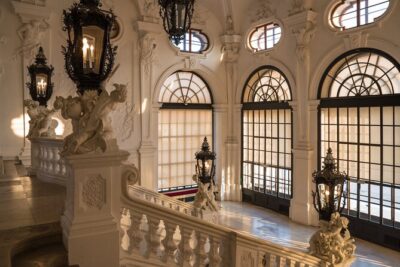
Skip-the-line Upper Belvedere Tickets and Guided Tour Vienna
Read our review →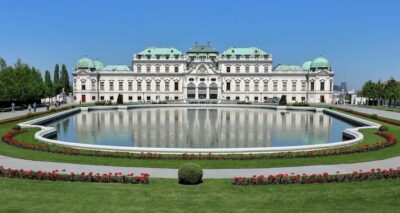
Schönbrunn, Belvedere, Big Bus, Giant Wheel & Cruise
Read our review →
Skip-the-line Upper Belvedere Tickets and Guided Tour Vienna
Read our review →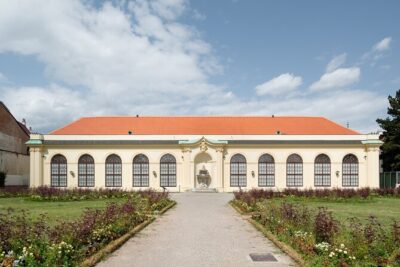
Entry Ticket Lower Belvedere with Orangery & Palace Stables
Read our review →Browse the lists this tour appears in