
Reviewed · MOZART AND STRAUSS CONCERTS
Vienna: King of Waltz – immersive Johann Strauss Museum
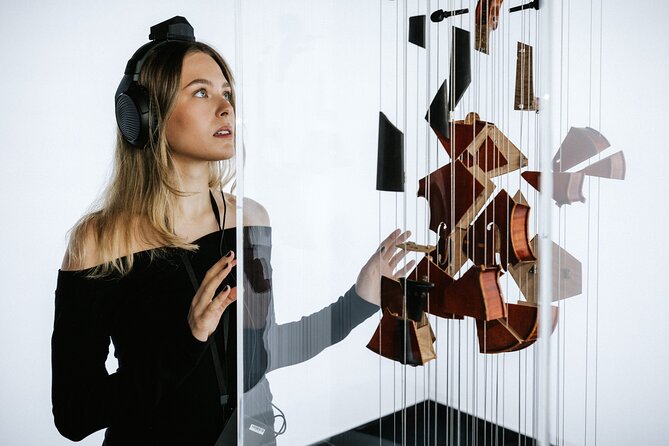
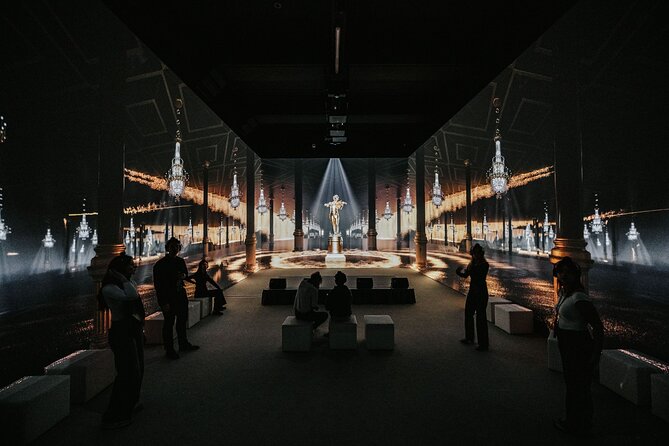
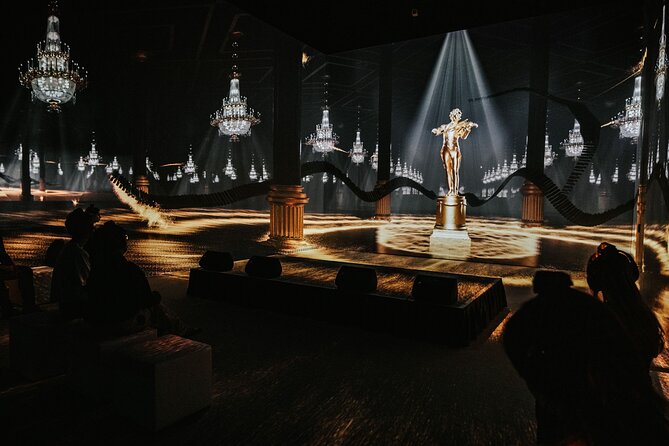
Johann Strauss comes alive here through location-based 3D sound, moving images, and interactive stations rather than glass cases and long labels. In about 75 minutes, you follow seven acts covering the Waltz King’s life while music shifts around you as you move through the 800-square-meter space.
I like the personal composing machine, which lets you create a waltz and take home personalized sheet music. I also like the practical pacing: there are places to sit, and the exhibition is long enough to feel worthwhile without taking over your day.
The main consideration is that this is a multimedia show, not a traditional guided museum visit. If you want original manuscripts, paintings, or a quiet scholarly presentation, the technology-heavy approach may not be your ideal fit.
Key points at a glance
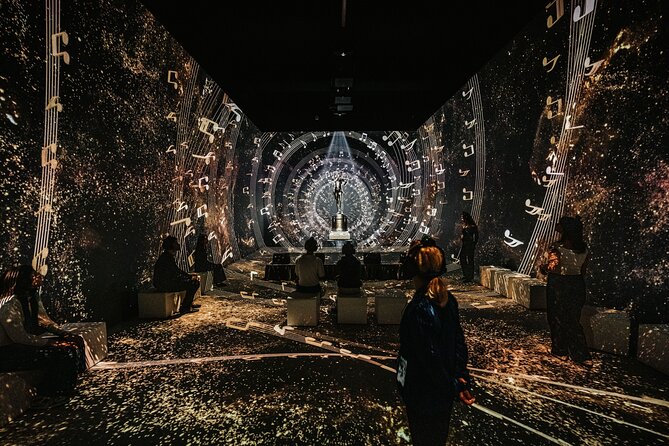
- Seven acts in 75 minutes: Follow major stages of Johann Strauss’s life through audiovisual scenes and interactive displays.
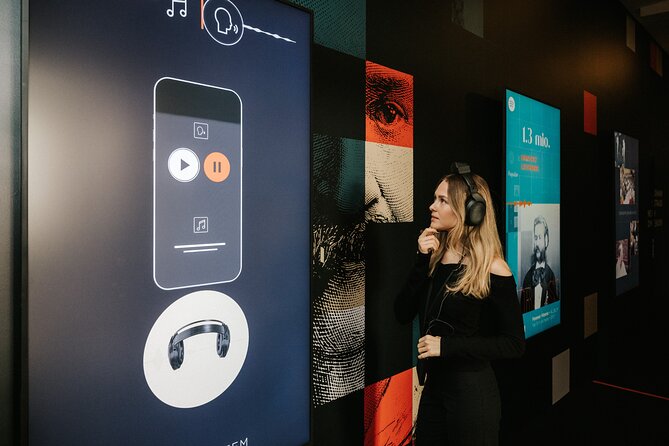
- 3D sound follows your position: Motion-sensitive headphones and GPS-controlled audio make the music change as you move.
- Compose your own waltz: Create a personal piece at the composing station and take home printed sheet music.
- Make a Strauss-style portrait: Use the photo station and receive a printed image on the spot.
- Located at Kleines Haus der Kunst: The 800-square-meter exhibition is near public transportation in Vienna.
- Good pacing for a city break: Seating is available, and most people can take part.
Meeting Johann Strauss through sound and motion
At Kleines Haus der Kunst, the Johann Strauss experience takes a modern route into Vienna’s musical past. Instead of simply reading about the composer, you move through a series of scenes built from sound, projection, animation, and hands-on activities.
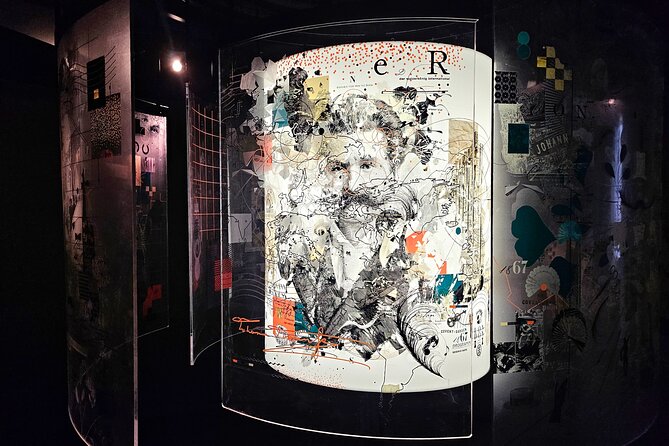
The exhibition is arranged in seven acts. That structure matters because it gives your visit a clear rhythm. You are not left to wander through a large room wondering what to see next. Each act presents another phase of Strauss’s life and work, with the technology changing the way you receive the story.
The setting covers 800 square meters, enough room for several types of displays without making the visit feel enormous. The full experience takes about 75 minutes, which makes it easy to fit between a morning at Schönbrunn Palace, an afternoon in the historic center, or an evening concert.
The presentation is designed for curious visitors, music lovers, and anyone who wants something different from a standard museum. You do not need to arrive as a Strauss expert. The audio and visual material guide you from one section to the next.
More Mozart and Strauss Concerts in Vienna
- Vienna: Mozart Concert at the Golden Hall
★ 4.6 · 3,986 reviews - Vienna: Mozart and Strauss Concert at Schönbrunn
★ 4.5 · 2,364 reviews - Vienna Mozart Concert in Historical Costumes at the Musikverein
★ 4.5 · 888 reviews
Seven acts that turn a biography into an experience
The central itinerary is a journey through seven acts focused on important phases of Johann Strauss’s life. The supplied details do not name each act individually, so you should think of the exhibition as a staged biography rather than a room-by-room catalog of objects.
This approach gives the composer’s story a sense of movement. Strauss is presented not only as a name linked to The Blue Danube and Vienna’s waltz tradition, but as a working musician, composer, and public figure whose music can be explored through different senses.
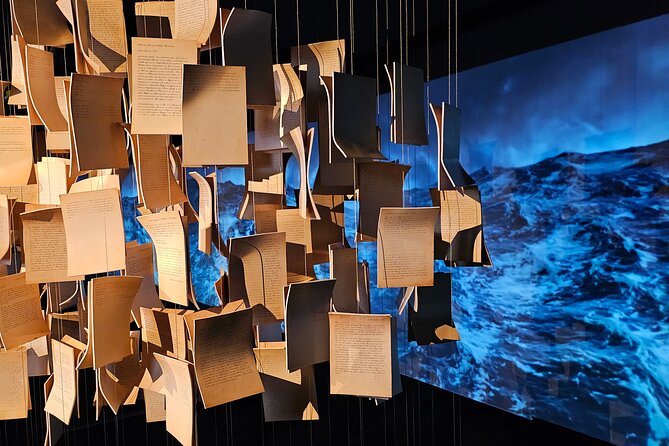
The audiovisual installations are the main attraction. Animations help fill in the story, while soundscapes bring the music into the rooms. At some points, the exhibition asks you to take an active role. You can try composing, playing, or dancing rather than standing back for the whole visit.
That active format is especially useful if you are visiting with children or with someone who does not usually choose museums. The experience gives you things to do, not only information to absorb.
There is a tradeoff. Technology can explain a subject quickly and vividly, but it does not replace original historic objects. If your main goal is to examine Strauss’s handwritten scores, personal possessions, or period documents, you should treat this as a companion experience rather than a complete music museum.
How the headphones and GPS audio work
Your admission includes headphones and an audio guide. The system uses motion-sensitive headphones and GPS control, so the material responds to your position within the exhibition.
The location-based 3D sound is a clever fit for Strauss. A waltz is about movement, space, and changing musical lines, so sound that shifts as you walk gives the visit a physical quality. You are not simply pressing play on a standard audio tour and standing still.
The headphones also help keep the exhibition focused. Vienna can be crowded and noisy, especially in popular cultural areas, but the audio creates a private layer around the visit. You can pay attention to the music and narration at your own pace.
I would still allow a little patience at the start while you get used to the equipment. This is not a conventional museum audio guide with a numbered handset and a button for every room. The GPS-controlled system is part of the experience, and you need to move through the exhibition for it to make sense.
The headphones are included, so you do not need to bring your own listening equipment. Since the tour lasts roughly 75 minutes, the setup should not dominate your visit. The goal is to let the technology fade into the background while the music takes over.
The composing machine gives you a souvenir with meaning
The most distinctive activity is the composing machine. You can try your hand at creating a waltz, then receive personalized sheet music to take home.
This is more useful than a standard gift-shop souvenir because it connects directly to what you have just learned. You leave with a small record of your own participation in the exhibition, even if your musical career ends at the museum door.
The station also helps explain composition in a simple way. You do not have to understand musical notation or know how to write a complete score. The point is to experiment and make choices, then see those choices turned into a piece of sheet music.
I would make time for this station rather than rushing through it. With a 75-minute visit, the schedule is manageable, but the interactive elements can slow you down. If you are interested in creating your own piece, do not spend the entire visit simply watching the projections.
For families, this is likely to be one of the easiest ways to keep younger visitors involved. For adults, it offers a playful break from listening and reading. Either way, the printed sheet music gives the museum a personal touch that many multimedia exhibitions lack.
Same Alps, a completely different kind of day:
- Vienna: Vivaldi’s Four Seasons Concert in Karlskirche
★ 4.7 · 14,951 reviews - Vienna: Spanish Riding School Training
★ 3.9 · 9,281 reviews - Vienna: Skip-the-cashier-desk-line Giant Ferris Wheel Ride
★ 4.5 · 7,859 reviews - Vienna: Schönbrunn Palace & Gardens Skip-the-Line Tour
★ 4.7 · 7,739 reviews
Take a printed portrait as Johann Strauss
Another hands-on feature lets you photograph yourself as Johann Strauss and have the image printed immediately.
It is a lighthearted activity, but it fits the tone of the experience. The exhibition does not ask you to treat Strauss as a distant monument. Instead, it invites you to step into his world for a moment, adopt the image, and take away a physical reminder.
The printed photograph may appeal most to families, couples, and anyone who enjoys a little theater during a museum visit. It also makes the experience easier to remember later, especially if you are spending several days in Vienna and collecting standard photographs of palaces and churches.
As with the composing machine, this feature means the visit is participatory. You are not expected to remain silent and passive from start to finish. If you prefer a serious, quiet museum atmosphere, the photo station may feel less important to you. If you like cultural experiences with a playful edge, it adds character.
Why the 75-minute length works well in Vienna
Vienna offers enough museums, churches, palaces, cafés, and concert halls to fill several days. That makes the length of an attraction important. At approximately 75 minutes, this experience fits neatly into a busy itinerary.
You get a complete visit rather than a quick display that feels over before it begins. At the same time, you are unlikely to lose an entire afternoon to it. The seven-act structure gives you a clear beginning and end, which helps when you are planning another timed activity afterward.
Seating is available in the museum. I consider that a real advantage because multimedia exhibitions often ask you to stand for long periods while watching projections or listening to narration. You can pause, sit, and let the music catch up with you.
The pacing may also work well for visitors who tire easily in large museums. You are still moving between sections, but the experience is contained and organized. Most people can participate, according to the practical information provided for the activity.
Keep in mind that 75 minutes is an approximate duration. Your visit may take a little less if you move quickly, or longer if you spend extra time at the composing and photo stations. Do not schedule another activity with no gap at all.
What the $28.94 price buys you
At about $28.94 per person, this is not a free city attraction, but the price includes admission, headphones, and the audio guide. You are also paying for a purpose-built multimedia presentation rather than simply entering a room with information panels.
The value depends on how you like to learn. If you respond to music, projections, and interactive stations, the ticket covers a complete experience with several different elements. The personal sheet music and printed portrait add more than a basic audio tour would provide.
If you mainly want to see historic artifacts, the price may feel less convincing. The exhibition is built around audiovisual technology and participation, so you should book it for the format as much as for Johann Strauss himself.
The fact that the visit lasts about 75 minutes also helps with value. You are getting a focused cultural activity that can fit into a larger day. In Vienna, where major attractions can require hours of planning, a self-contained musical experience has practical appeal.
Parking fees are not included. The location is near public transportation, so public transit is the sensible choice for most city visitors.
Who will enjoy this Johann Strauss experience most
I would recommend this experience to you if you like museums that ask you to interact with the subject. The composing station, dance and music activities, soundscapes, animations, and photo setup give you several ways to take part.
It is also a good choice if you have a general interest in Vienna but do not know much about Strauss. The seven acts provide an introduction without requiring previous study. You can arrive curious and let the exhibition supply the background.
Families may appreciate the variety of activities. A child who is not interested in reading long displays may still enjoy making a waltz or posing for a portrait. The available seating is another practical advantage for a mixed-age group.
Music lovers will find the sound design especially relevant. The 3D audio system is not an unrelated technical trick. It places the music at the center of the visit and connects the physical act of walking with the sound around you.
I would be more cautious about booking it if you want a traditional museum based on authentic objects. The experience tells Strauss’s story through technology, and that is both its main strength and its clearest limitation.
Practical planning before you go
Your mobile ticket is convenient, and confirmation is provided when you book. The experience is near public transportation, so plan to reach Kleines Haus der Kunst by transit rather than relying on parking.
Set aside the full 75 minutes, plus a little extra time for getting oriented and enjoying the interactive stations. If you are especially interested in the composing machine, avoid arriving with a schedule that forces you to leave early.
The attraction is suitable for most people. The available information does not provide a detailed accessibility breakdown, so if you need specific arrangements, confirm those before booking.
You can cancel for a full refund if you do so at least 24 hours before the local start time. Changes or cancellations inside that window are not refunded, so keep your Vienna schedule firm once the final day approaches.
Should you book the King of Waltz Museum?
Book this experience if you want a compact, playful introduction to Johann Strauss with strong sound design and things to do. The 75-minute format, seating, personal waltz, and printed portrait make it easy to fit into a Vienna sightseeing day.
Skip it if your ideal museum visit means original artifacts, quiet galleries, and detailed academic interpretation. For the right audience, the $28.94 ticket offers a focused way to connect with Strauss through music and movement. Just know that you are buying an interactive multimedia show, not a conventional collection museum.
FAQ
Where is the Johann Strauss Museum experience located?
The experience takes place at Kleines Haus der Kunst in Vienna, Austria.
How long does the experience last?
The visit lasts approximately 1 hour and 15 minutes, or 75 minutes.
What is included with admission?
Admission includes the entry fee, an audio guide, and headphones.
Is a mobile ticket available?
Yes. The experience includes a mobile ticket.
Does the exhibition use an audio guide?
Yes. You receive an audio guide, and the exhibition uses motion-sensitive headphones with GPS-controlled audio.
What are the seven acts about?
The seven acts present important phases of Johann Strauss’s life through interactive exhibits, audiovisual installations, and staged scenarios.
Can I create my own music?
Yes. An interactive composing machine lets you create your own waltz and take personalized sheet music home.
Can I take a photograph at the museum?
Yes. You can take a photo of yourself as Johann Strauss, and the image can be printed on the spot.
Is the museum near public transportation?
Yes. The experience is near public transportation.
What is the cancellation policy?
You can cancel at least 24 hours before the local start time for a full refund. Cancellations or changes made less than 24 hours before the start time are not refunded.
More Museums in Vienna
- Vienna: Skip-the-Line Sisi Museum, Hofburg and Gardens Tour
★ 4.8 · 5,918 reviews - Vienna Kunsthistorisches Museum Day Admission Ticket
★ 4.6 · 3,690 reviews - Tickets for the Albertina Exhibitions
★ 4.7 · 2,126 reviews - Vienna: Chocolate Workshop in Chocolate Museum w/ Tasting
★ 4.5 · 1,802 reviews
Just added around Vienna
- Ottakringer Brewery tour★ 4.0 · 6 reviews
- New Hofburg Palace Tour House of Habsburg★ 4.5 · 5 reviews
- Private Van & Walk Tour – One Perfect Day in Vienna★ 5.0 · 21 reviews
- True Crime mobile puzzle rally Vienna★ 4.0 · 3 reviews
- Vienna Naschmarket Food Tasting Tour★ 4.0 · 30 reviews
- Vienna Nightlife Experience: Food, Wine, Cocktails & Vibes★ 5.0 · 119 reviews
- Myth Mozart★ 4.0 · 80 reviews
- ( Night Tour ) With Private Guide + wine or prosecco★ 4.0 · 12 reviews
Mozart and Strauss Concerts, compared.
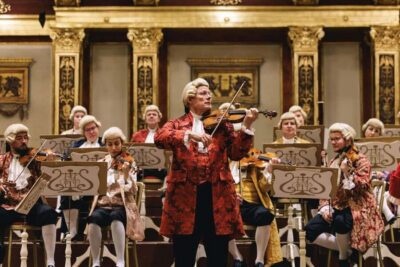
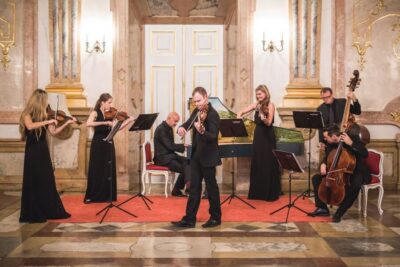
Vienna Mozart Concert in Historical Costumes at the Musikverein
Read our review →
Mozart & Strauss Classical Concert at Börse Palace
Read our review →

Best of Mozart Concert and Dinner or VIP Dinner at Fortress Hohensalzburg
Read our review →Browse the lists this tour appears in