
Reviewed · HOFBURG PALACE AND SISI MUSEUM TOURS
Vienna: Imperial Treasury in the Hofburg Palace
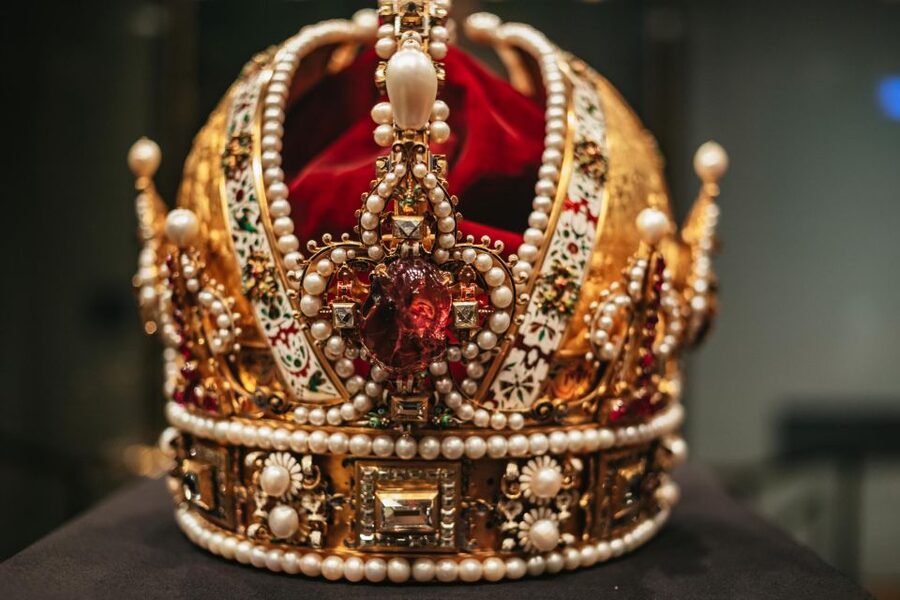
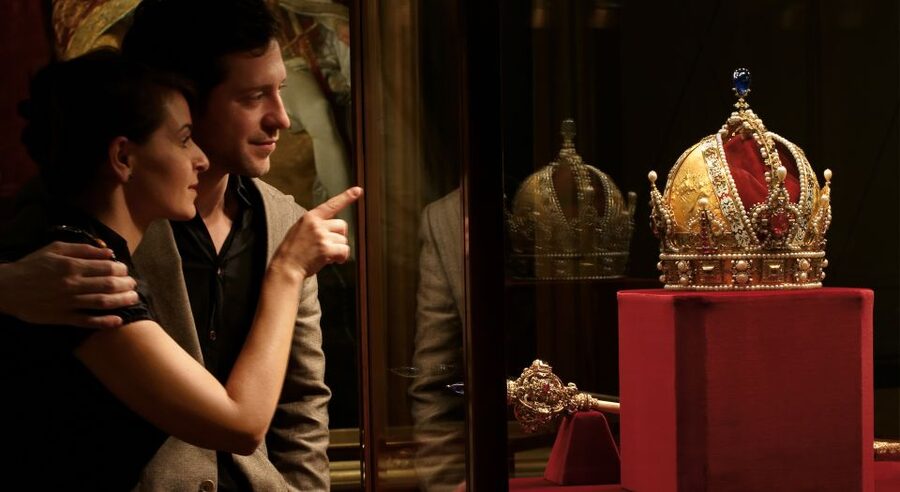
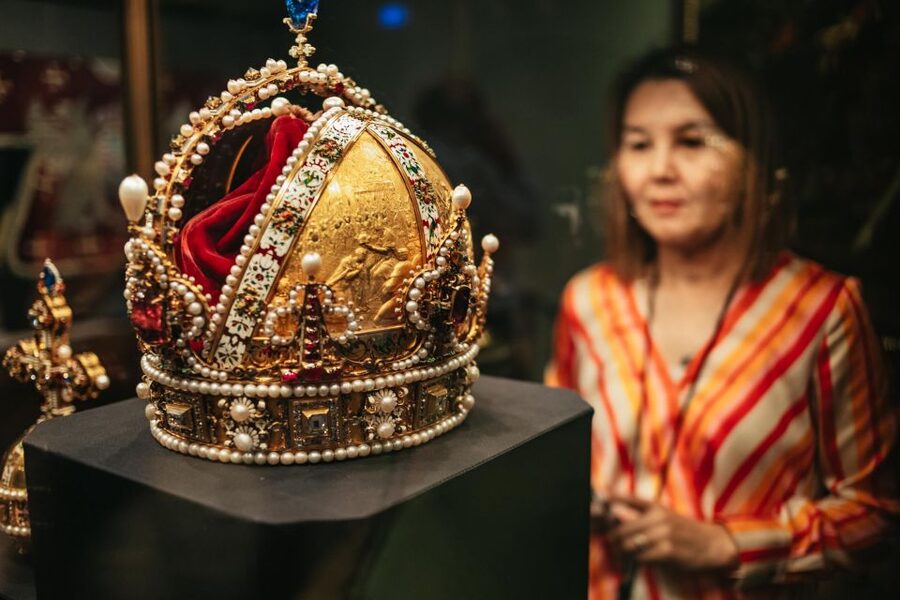
The most arresting sight here is the Austrian Imperial Crown, a serious piece of medieval power with a high, arched design and glittering stones. You’ll also see the imperial crown of the Holy Roman Empire, one of Europe’s most important royal objects, in the oldest part of the Hofburg Palace.
I like the collection’s range: royal jewels sit beside religious relics and curious legendary objects, so the visit never feels like a simple crown display. I also like its manageable size. You can see the main rooms in about an hour, though careful reading or an audio guide can stretch the visit much longer. The main drawback is the ticket system: a printed voucher is required, and you may still need to exchange it at the counter instead of walking straight in.
Key points to know before you go
- The Austrian Imperial Crown is the star object: See the famous Habsburg crown along with the crown jewels of the Holy Roman Empire.
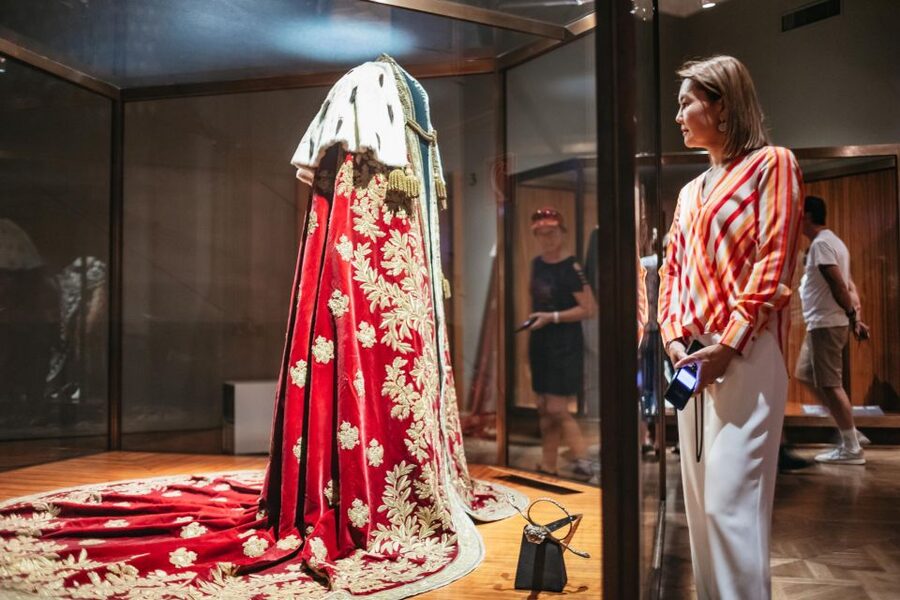
- The collection is more than royal jewelry: Religious relics, ceremonial clothing, keys, tabards, and dynastic treasures add welcome variety.
- Legendary objects share the cases: Look for the 8th-century Holy Lance, an enormous agate bowl known as the Holy Grail, and the horn of a unicorn.
- Plan on one to one and a half hours: That is enough for a brisk visit, but detailed labels and audio commentary can occupy several hours.
- The entry ticket costs $18: It is fair value if you care about imperial history, sacred objects, or fine craftsmanship, but less compelling if you want a guided palace tour.
- Bring the printed voucher: The attraction is in the Hofburg’s Swiss Wing, and the voucher may need to be exchanged for an admission ticket.
What the Imperial Treasury actually offers
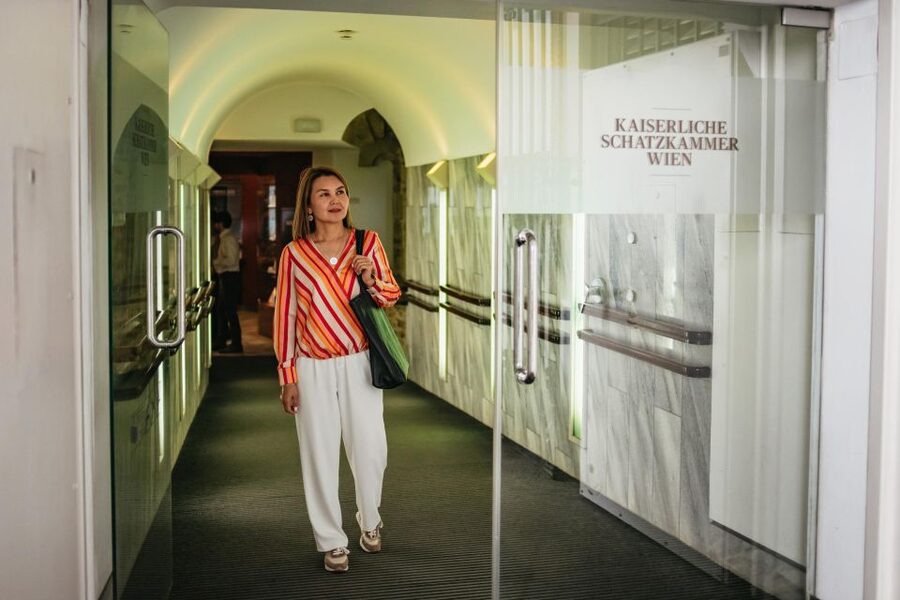
Vienna’s Imperial Treasury, also called the Schatzkammer, occupies the Swiss Wing of the Hofburg Palace. This is not a theatrical palace tour with furnished rooms and costumed interpreters. It is a museum visit built around objects once tied to the Habsburg court, the Holy Roman Empire, the Austrian Empire, and the church.
That distinction matters. You are coming to examine crowns, regalia, ceremonial clothing, relics, and jewels at close range. The rooms are compact enough to cover without tiring quickly, but the objects carry centuries of political and religious meaning.
I find the collection strongest when you move beyond the famous crown. The treasury shows how rulers presented authority through metalwork, stones, robes, keys, and ritual objects. A crown tells you who ruled. A ceremonial garment shows how that ruler wanted to appear. A relic explains how faith and government once worked side by side.
The result is a visit with several different moods. One case may hold polished imperial regalia. The next may contain a sacred relic or a strange object connected to medieval belief. That mix gives the treasury more character than a standard display of royal jewelry.
More Hofburg Palace and Sisi Museum Tours in Vienna:
- Vienna: Skip-the-Line Sisi Museum, Hofburg and Gardens Tour
★ 4.8 · 5,918 reviews - Vienna: Hofburg and Empress Sisi Museum Guided Tour
★ 4.7 · 1,460 reviews - Vienna: Skip-the-Line Hofburg and Empress Sisi Museum Tour
★ 4.8 · 801 reviews
Entering through the Hofburg’s Swiss Wing
The meeting point is the Swiss Wing, part of the Hofburg Palace complex. The palace is large, and signs around the complex can be confusing, so allow time to find the correct entrance. This is especially important if you have booked close to another activity in central Vienna.
The admission arrangement is worth understanding before you arrive. The ticket information requires a printed voucher, and several people found that a QR code alone did not always provide direct entry. In some cases, you need to exchange the voucher at the ticket counter for the actual museum ticket.
That process weakens the skip-the-line benefit you might expect from booking ahead. You may still need to wait at the counter, and the ticketing system can feel more complicated than it should. Bring the printed document if possible, and do not assume that a digital booking will take you directly to the exhibition rooms.
Once inside, the visit is self-guided unless you arrange a guide separately. A small group limit of 10 is listed for the activity, but this does not mean you are joining a continuous guided tour. It refers to the booking format. If you want a guide, you can come with your own, subject to the museum’s group rules.
The crowns and imperial regalia
The crown collection provides the main reason many people come. The Austrian Imperial Crown is the visual centerpiece, with its distinctive shape, colored stones, and careful workmanship. It was not merely decoration. Objects like this helped make royal authority visible during ceremonies and public appearances.
You will also see the Imperial Crown of the Holy Roman Empire. This is one of the most important objects in the collection because it connects the Habsburgs to a much older political tradition. The crown represents the office of the Holy Roman Emperor, not simply one Austrian ruler.
Take time to compare the two crowns rather than rushing from one to the next. Their forms, materials, and settings tell different stories about power. One is closely tied to Austrian imperial identity. The other points to a wider central European realm with a long and complicated political past.
The regalia section also includes objects associated with the Order of the Golden Fleece. This gives you a look at court ceremony and elite membership. Royal power was not expressed only through a throne or crown. It was also reinforced through orders, insignia, clothing, and formal rituals.
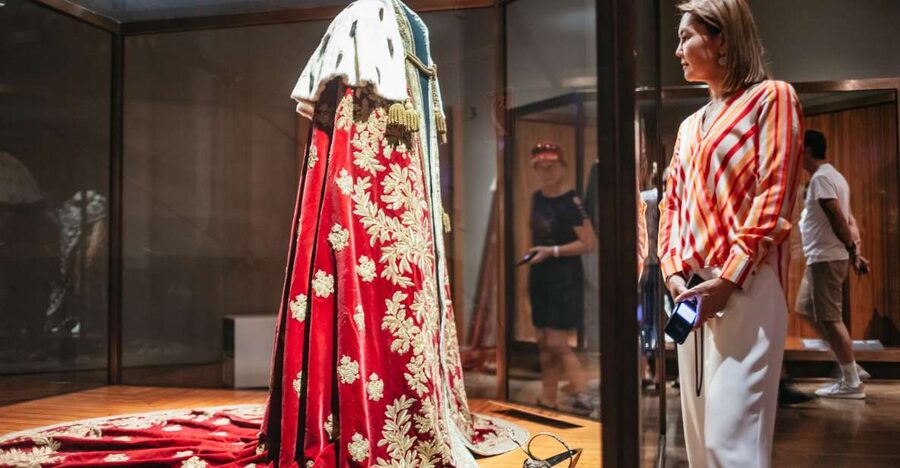
Ceremonial garments can be just as revealing as the jewels. One visitor found the tabards especially interesting, and that is a useful tip. Look closely at the textiles and patterns. They show how the court turned rank into something immediately visible.
Jewels, emeralds, and Empress Elisabeth
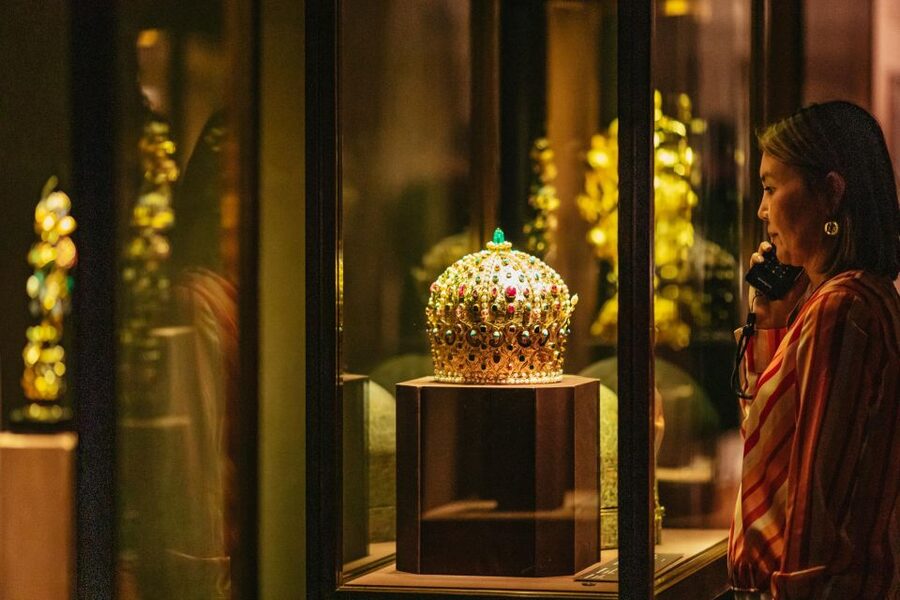
The treasury contains precious stones on a scale that can be difficult to take in at first. Among the highlights is a very large emerald, described as one of the largest in the world. Another claim identifies a cut emerald as the largest in the world. Since displays and descriptions can vary, focus on the stone itself: its size and color are impressive even without the superlative.
You will also find jewelry linked to Habsburg empresses and princesses. Parts of the original jewelry associated with Empress Elisabeth, better known as Sisi, are included. These pieces add a more personal dimension to a collection otherwise dominated by state objects.
Sisi’s jewelry is not presented as a complete portrait of her life, so do not expect a full museum devoted to the empress. Instead, these pieces offer brief glimpses of court fashion, family status, and the image surrounding one of Austria’s best-known royal figures.
This section rewards patience. Small pieces can be easy to overlook beside the crowns, especially when the lighting is subdued. Look at the cases from different angles and read the labels where you can. One past visitor found the lighting too dim for comfortable viewing, and that concern is fair. The low light protects sensitive objects, but it can make fine details harder to see.
Same Alps, a completely different kind of day:
- Vienna: Vivaldi’s Four Seasons Concert in Karlskirche
★ 4.7 · 14,951 reviews - Vienna: Spanish Riding School Training
★ 3.9 · 9,281 reviews - Vienna: Skip-the-cashier-desk-line Giant Ferris Wheel Ride
★ 4.5 · 7,859 reviews - Vienna: Schönbrunn Palace & Gardens Skip-the-Line Tour
★ 4.7 · 7,739 reviews
Holy Lance, Holy Grail, and the unicorn horn
The most unusual objects are the ones that challenge modern expectations. The treasury includes the Holy Lance, identified as dating from the 8th century, along with a large agate bowl known as the Holy Grail and a horn presented in legend as a unicorn horn.
These objects are valuable not only for their materials. They show how people in earlier centuries understood sacred power, royal possession, and the boundary between fact and legend. A ruler who owned a famous relic could claim a connection to biblical events or ancient authority.
The agate bowl is particularly memorable because of its size and the story attached to it. It is called the Holy Grail, though the museum experience is about seeing the object and understanding its place in the collection, not proving a medieval legend.
The unicorn horn offers a similar lesson. It is a striking example of how rare animal material could acquire a magical or sacred identity. Today, you can view it with a more skeptical eye, but that does not make it less interesting. In some ways, the object says as much about medieval belief as any crown says about kingship.
These displays keep the visit from becoming a parade of expensive stones. If you enjoy unusual museum objects, give the relic cases as much attention as the imperial regalia.
Burgundy, the Golden Fleece, and dynastic connections
The treasury also reaches back to 15th-century Burgundy. These holdings help explain how Habsburg power grew through inheritance, marriage, and dynastic connections. The collection is not only about objects made in Vienna or owned by Austrian emperors. It reflects the wider network of territories and families gathered under Habsburg rule.
The Order of the Golden Fleece adds another layer. Its treasures connect ceremony with political membership. The order helped create bonds among powerful nobles, and its objects were designed to be seen and recognized.
You might find this section less immediately dramatic than the crowns, but it gives the displays needed context. Without it, the treasury could seem like a pile of costly possessions. With it, you begin to see how objects helped organize a vast dynasty.
The storytelling is not always as clear as it could be. One visitor felt the narrative needed stronger organization, and I agree that some visitors may want more explanation about how each group of objects connects to the next. Read the labels carefully, or consider adding audio commentary if you want a fuller account.
The cradle of Napoleon II
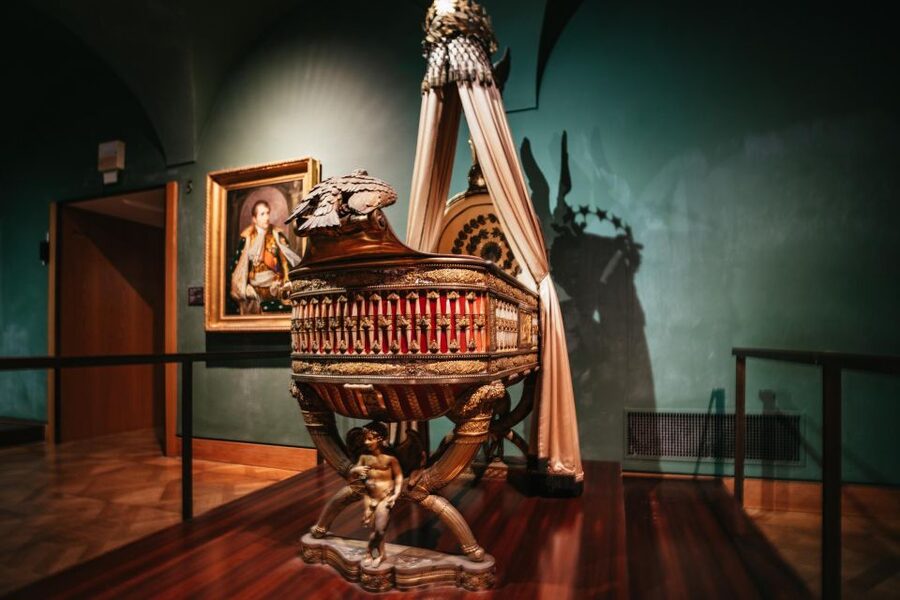
Among the more unexpected displays is the cradle of the King of Rome, Napoleon II. The title refers to Napoleon Bonaparte’s son, whose connection to the Habsburg family reflects the marriage alliances and political shifts of early 19th-century Europe.
The cradle is a useful reminder that royal objects were made for ceremonies and family life as well as warfare and government. It also adds variety to the visit. After several cases of crowns and relics, a large royal nursery object offers a change of scale and subject.
Look for these less famous pieces as you move through the rooms. The treasury is at its best when you allow yourself to notice objects beyond the famous names. Chamberlains’ keys, tabards, and ceremonial items can reveal how the court functioned day by day.
How long to spend inside
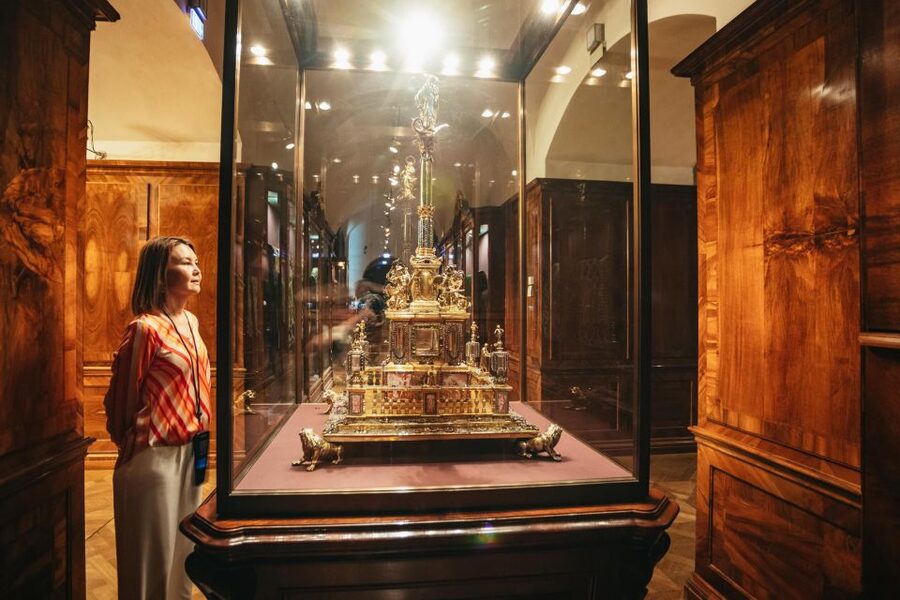
For a quick visit, plan on about an hour. That allows time to see the main displays and pause at the crowns, jewelry, relics, and unusual objects.
An hour and a half is more comfortable. It gives you time to read labels and compare objects instead of moving from case to case. One visitor found that this was enough to finish the exhibition at a relaxed pace.
The audio guide changes the calculation. One person noted that listening to everything could take several hours. The ticket information lists the audio guide as not included, so check the current arrangement before you arrive. Some visitors have found audio guidance available at no extra cost, while others treated it as an optional purchase.
If you are visiting the Hofburg early in your Vienna stay, the treasury can provide useful background for other palace-related sights. You will recognize repeated references to the Habsburgs, Sisi, Franz Joseph, the Holy Roman Empire, and dynastic ceremony elsewhere in the city.
There is also flexibility during the visit. A visitor who needed a break was shown how to leave and return easily. Ask museum staff before exiting so you understand the current reentry procedure.
Is $18 a fair price?
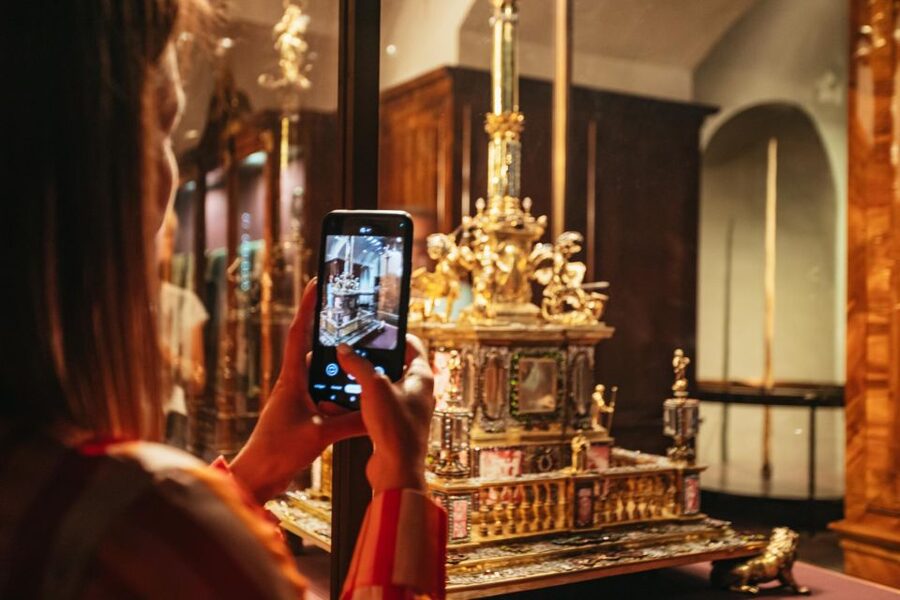
At $18 per person, the Imperial Treasury is reasonably priced for a focused museum visit in central Vienna. The cost makes sense if you want to see major imperial regalia, famous relics, and objects that are difficult to encounter anywhere else.
The value is strongest for people who take time with the labels or use audio guidance. If you rush through in 30 minutes, the ticket may feel expensive for the length of the visit. If you spend 60 to 90 minutes examining the displays, it becomes a solid addition to a Hofburg day.
Children and young people under 19 generally receive free admission, which makes the attraction more appealing for families. School groups under 19 must register through the museum’s booking department. Adult groups of more than 10 have separate rules for complimentary guide admission, while groups of fewer than 10 do not receive free guide places under the stated policy.
The ticket is valid for one day, and free cancellation is available up to 24 hours before the scheduled visit. You can also reserve now and pay later, useful when your Vienna schedule is still changing. These are practical advantages, but they do not remove the need to check the printed voucher requirement.
Guided visit or self-guided visit?
The basic experience is self-guided. That works well if you like moving at your own pace, stopping for photographs where allowed, and choosing which objects deserve your attention.
A guide would help with the wider political story. Ann and Mike’s named guides in the supplied feedback were Petee and Alex, both praised for giving clear explanations of the Habsburgs, Franz Joseph, and Sisi. Those comments also point to the main strength of a live guide: the ability to select important objects and answer questions as you go.
However, you should not book this ticket assuming a guide is included. Guided tours are not part of the listed admission. You may come with your own guide, and state-certified tourist guides generally enter free. For a small independent group, the audio option may be enough.
The collection is clearly labeled and easy enough to follow once you find the correct route, though the layout can feel slightly confusing at first. A little patience at the beginning saves time later.
Who should visit the Imperial Treasury?
I recommend it most strongly to:
- Fans of royal history, especially anyone interested in the Habsburgs or the Holy Roman Empire.
- People who enjoy jewelry and metalwork, with enough patience to study small details.
- Museum visitors who like unusual objects, including relics and items tied to medieval legend.
- Families with older children, since admission is generally free for those under 19.
- Visitors with limited time, because the main collection can be seen in roughly an hour.
- People already visiting the Hofburg, since the treasury adds context to the palace complex without requiring a full day.
I would be more cautious if your main goal is a guided palace tour, an interactive museum, or a large collection of furnished royal rooms. This experience focuses on objects behind glass, labels, and historical associations.
The treasury is wheelchair accessible. It is also a good choice for a short indoor stop in Vienna, although the subdued lighting may make some pieces harder to see clearly.
Should you book it?
Book the Imperial Treasury if you want Vienna’s royal story told through actual crowns, robes, jewels, relics, and ceremonial objects. The Austrian Imperial Crown and the Holy Roman Imperial Crown alone justify the visit for many people, while the Holy Lance, agate Holy Grail, unicorn horn, and Sisi jewelry add welcome surprises.
I would schedule about 90 minutes, bring a printed voucher, and decide in advance if you want audio guidance. If the ticket counter has a line, remember that the museum itself is compact and the wait may take a noticeable share of your visit.
At $18, it is a sensible choice for history-minded visitors and a particularly good addition to a Hofburg day. Skip it only if you have little interest in royal objects, religious relics, or careful museum viewing.
FAQ
Where is the Imperial Treasury located?
The Imperial Treasury is in the Swiss Wing of Vienna’s Hofburg Palace.
How much does admission cost?
The listed price is $18 per person.
How long is the visit?
The ticket is valid for one day, but most people can see the collection in about one to one and a half hours. Using audio guidance and reading every label can take several hours.
Is a guided tour included?
No. The entrance ticket includes admission only. You can come with your own guide, and guided tours are available separately.
Is an audio guide included?
The activity information lists the audio guide as not included. Some admission arrangements may offer audio guidance separately, so check the current conditions before booking.
Do children pay admission?
Children and young people under 19 generally receive free admission. School groups under 19 must be registered through the museum’s booking department.
Do I need a printed voucher?
Yes. A printed voucher is required, and you may need to exchange it at the ticket counter for an admission ticket.
Just added around Vienna
- Ottakringer Brewery tour★ 4.0 · 6 reviews
- New Hofburg Palace Tour House of Habsburg★ 4.5 · 5 reviews
- Private Van & Walk Tour – One Perfect Day in Vienna★ 5.0 · 21 reviews
- True Crime mobile puzzle rally Vienna★ 4.0 · 3 reviews
- Vienna Naschmarket Food Tasting Tour★ 4.0 · 30 reviews
- Vienna Nightlife Experience: Food, Wine, Cocktails & Vibes★ 5.0 · 119 reviews
- Myth Mozart★ 4.0 · 80 reviews
- ( Night Tour ) With Private Guide + wine or prosecco★ 4.0 · 12 reviews
Hofburg Palace and Sisi Museum Tours, compared.

Skip-the-Line Sisi Museum, Hofburg and Gardens Tour
Read our review →
Skip-the-Line Hofburg and Empress Sisi Museum Tour
Read our review →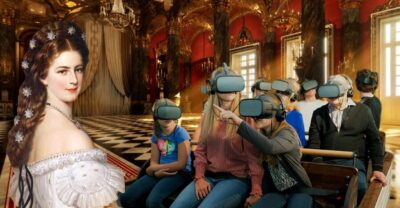
“Sisi’s Amazing Journey” Virtual Reality Experience
Read our review →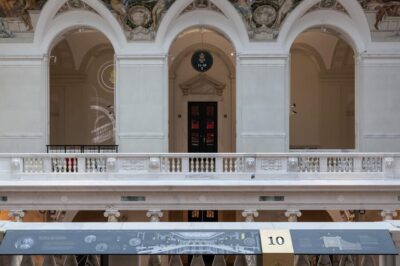
Imperial Treasury & New Hofburg Palace Combo Ticket
Read our review →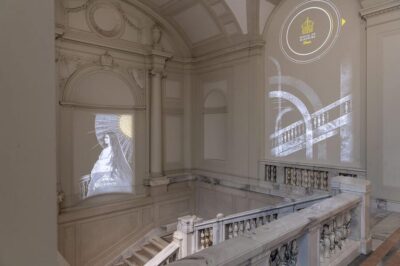
New Hofburg Palace Audio-Guided Tour & Entry Ticket
Read our review →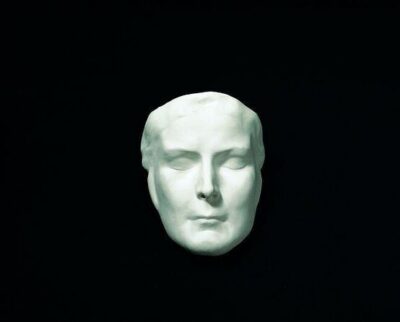
Skip-the-Line Sisi Museum, Hofburg and Gardens Tour Vienna
Read our review →
Browse the lists this tour appears in