
Reviewed · DESSERT TOURS
Vienna: Highlights Private Tour, Palaces & Sacher Cake
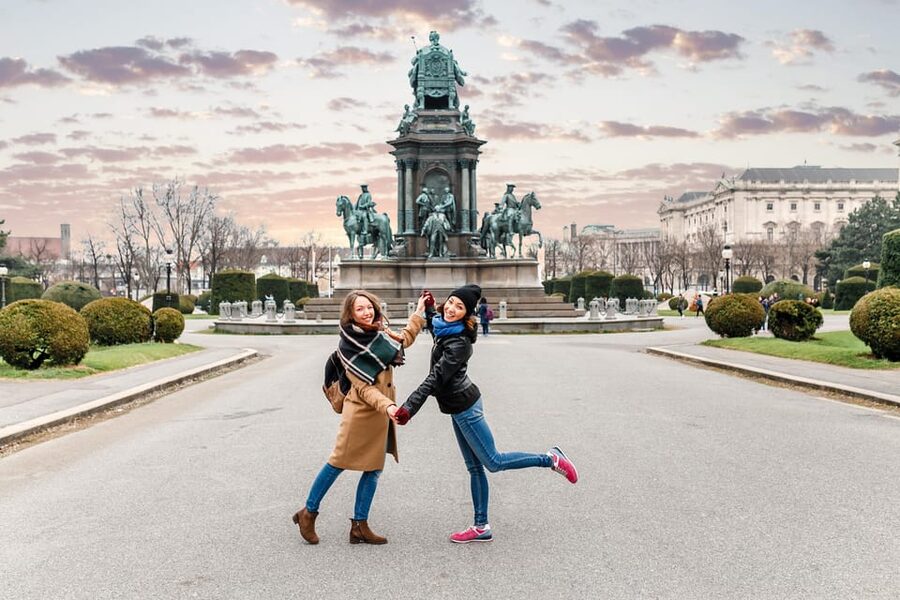
Vienna’s city center packs imperial palaces, Roman ruins, Gothic churches, Jewish heritage, classical music, and coffeehouse culture into a remarkably small area. This private three-hour walk gives you a fast but thoughtful introduction, ending with coffee and a taste of Sacher cake.
I like the personal format, especially because guide Aida has shown a knack for adjusting the conversation to a guest’s interest in history. I also like the route’s range: you get the grand Hofburg and Opera House, but also the Anker Clock, Ruprechtskirche, and Michaelerplatz excavations. The main drawback is time. Seventeen stops in three hours means most places are exterior visits, and the included sweet is a sample rather than a full cake for each person.
Key points to know before booking
- Aida is praised for personal attention: She contacted guests before the tour, arrived on time, and adapted the history to their questions.
- The route covers Vienna’s central sights on foot: You move from Albertinaplatz through the Hofburg area, Old Town squares, the Jewish Quarter, and St. Stephen’s Cathedral.
- Most stops are guided sightseeing rather than interior tours: The Opera House, palace, churches, clock, and cathedral are explained from the outside unless stated otherwise.
- Coffee and Sacher cake are included: The sweet Viennese finish is part of the experience, but the allowance described is two coffees and one cake to share.
- The tour is private and available in English or Italian: You can ask questions freely without keeping pace with a large group.
- The $134 price reflects the guide, not a long list of admissions: This is best valued as a customized orientation walk, not an all-inclusive palace tour.
Starting beside the Albertina Museum
Meet your guide at the fountain attached to the Albertina Museum at Albertinaplatz 1. This is a useful starting point because the square places you near several of Vienna’s most important imperial and cultural sights.
The tour is a walking experience, so wear comfortable shoes. The schedule gives about ten minutes to many major stops, with more time at Demel and Ruprechtskirche. You should think of the route as a guided introduction, not a series of full museum visits.
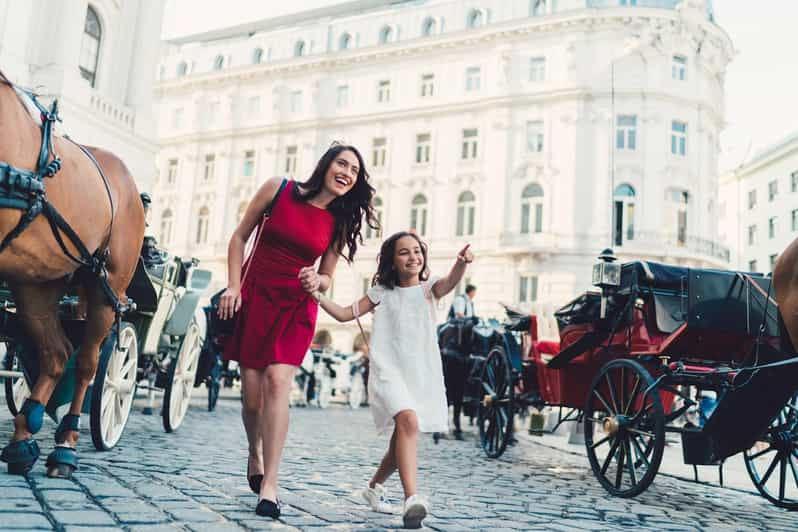
A private guide changes the feel of this kind of city walk. You can stop to ask why a building matters, request more detail about Empress Sissi, or spend less time on a subject that does not interest you. Aida’s pre-tour WhatsApp contact is also practical. It gives you a direct point of communication before meeting at the fountain.
A few more Vienna trips to weigh up
- Vienna: Chocolate Workshop in Chocolate Museum w/ Tasting
★ 4.5 · 1,802 reviews - Vienna Coffee, Cake & Pastries Tour with Local Stories
★ 5.0 · 470 reviews - Chocolate workshop in Chocolate Museum Vienna “BO-YO”
★ 4.5 · 352 reviews
Opera House, Albertinaplatz, and the Augustinian Church
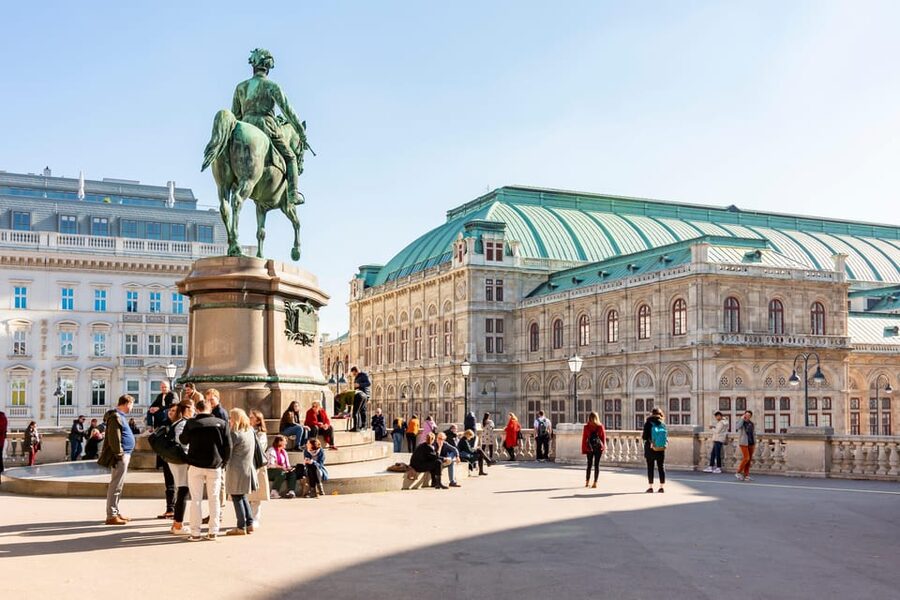
The Vienna State Opera is the first major sight. Your guide spends about ten minutes explaining the building and Vienna’s connection with classical music. The tour does not list an interior performance or backstage visit, so expect an outside orientation rather than an opera-house admission.
From there, you look across Albertinaplatz and its surrounding architecture. This short stop helps you read the city’s central core, where grand façades and open squares connect the old imperial center.
The Augustinian Church follows. Its place in the Habsburg story makes it a useful bridge from Vienna’s public power to its religious and royal life. Again, the scheduled visit is brief, so your guide’s explanation is the main benefit. If you want a long look at the interior, quiet prayer, or detailed art history, you will need to return independently.
Spanish Riding School and Roman Vienna
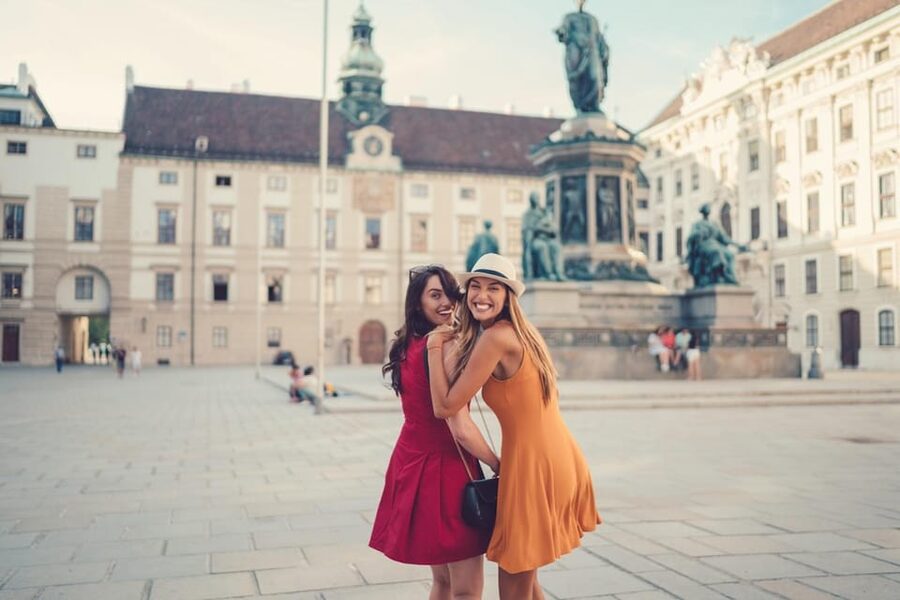
The Spanish Riding School is one of the tour’s most recognizable stops. You learn about Vienna’s equestrian tradition and the institution’s link to the former imperial court. The route does not include a riding performance or stable visit, so do not book this expecting to see the famous white horses in action.
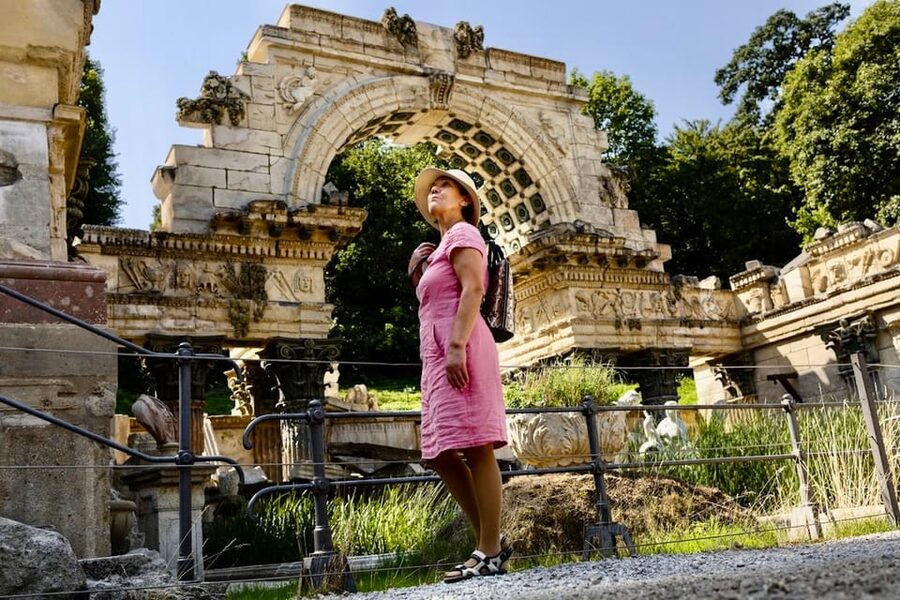
At Michaelerplatz, Roman ruins appear beneath the modern city. These excavations offer a quick visual reminder that Vienna’s story reaches back well before the Habsburg era. I like this part of the route because it keeps the tour from becoming a parade of palace façades. You get a glimpse of the city’s older foundations while standing in one of its most formal squares.
The Roman remains also give your guide a chance to explain how Vienna changed over time. In ten minutes, you will not receive an archaeological lecture, but you will gain a clearer sense of the layers beneath the imperial center.
Hofburg Palace and the world of Empress Sissi
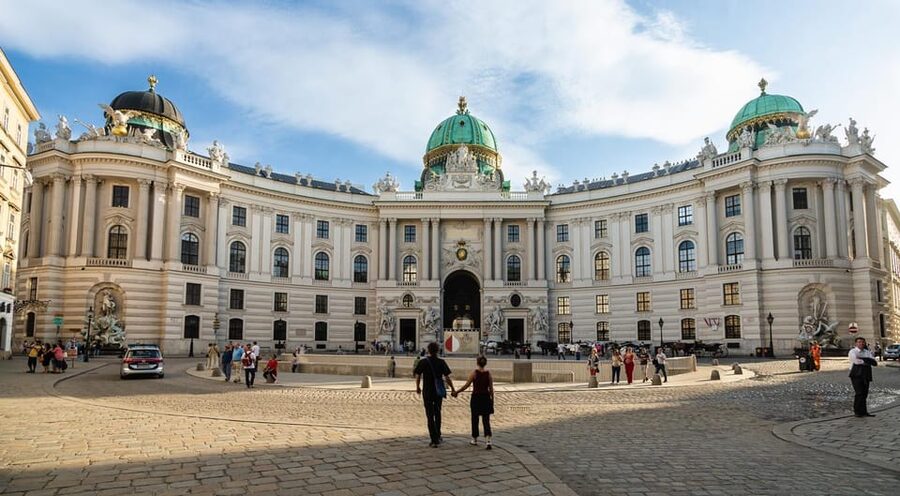
The Hofburg is the tour’s main imperial sight. Your guide discusses the royal family and Empress Sissi, whose public image still shapes much of Vienna’s tourist culture. The palace complex is large, so a short guided stop cannot cover every wing, courtyard, or collection.
That limitation is worth keeping in mind. You will get context and orientation, but the experience does not include a listed entry to the Imperial Apartments, Sissi Museum, or any other Hofburg interior. If those rooms are high on your list, plan a separate visit.
Still, a private explanation can make the palace easier to understand before you return on your own. You can ask about the family, court life, or the difference between the polished public image and the pressures of imperial life. This is where a guide such as Aida adds more value than a standard audio introduction.
Same Alps, a completely different kind of day:
- Vienna: Vivaldi’s Four Seasons Concert in Karlskirche
★ 4.7 · 14,951 reviews - Vienna: Spanish Riding School Training
★ 3.9 · 9,281 reviews - Vienna: Skip-the-cashier-desk-line Giant Ferris Wheel Ride
★ 4.5 · 7,859 reviews - Vienna: Schönbrunn Palace & Gardens Skip-the-Line Tour
★ 4.7 · 7,739 reviews
Demel and the Viennese coffeehouse pause
The route includes a 30-minute stop at Demel, a historic pastry shop and a natural place to discuss Vienna’s café traditions. The experience includes a coffee and a sample of Sacher cake, giving you a taste of the city’s famous pastry culture without turning the tour into a full meal.
Pay attention to the wording here: the allowance described by the operator is two coffees and one cake to share. One guest found this a little tight for a two-person experience and bought another slice. At $134 per person, that is a fair point to consider. The coffee break is a pleasant part of the tour, but it is not a generous dessert course.
You may also see Demel as a chance to rest your feet. The route is packed, and a seated break helps break up the walking. If you have strong opinions about cake, or simply want your own serving, budget for an extra purchase.
Plague Column, St. Peter’s Church, and the Anker Clock
After the coffee stop, the tour continues to the Vienna Plague Column. Your guide explains the monument and its meaning as a memorial connected with resistance to the plague. The column is one of the city’s most elaborate public monuments, and a short explanation helps you look past its ornament to the fear and faith behind it.
St. Peter’s Church comes next, with about eight minutes of guided attention. Its place among Vienna’s central churches makes it a useful stop for understanding the city’s Catholic identity and architectural variety.
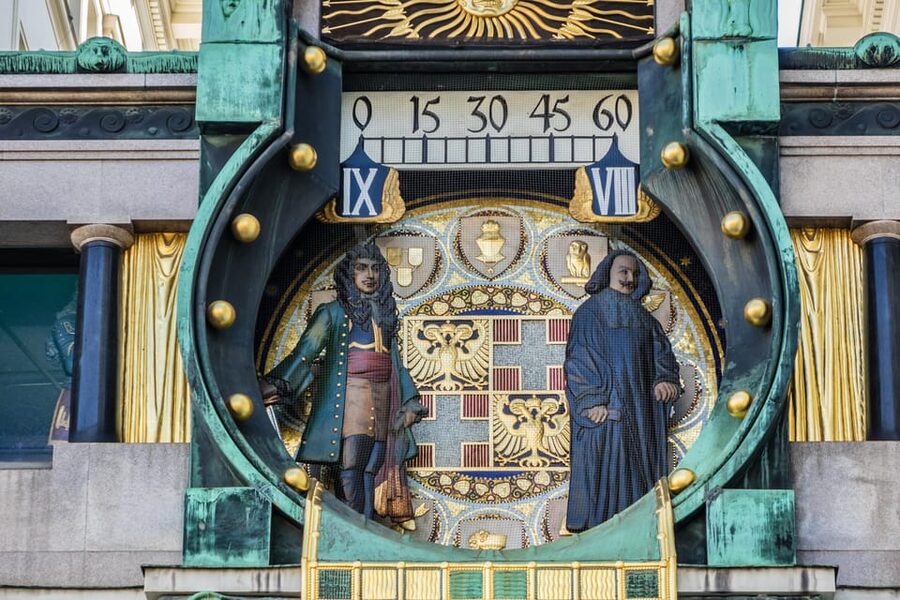
Then comes the Anker Clock, one of the route’s more unusual sights. Its moving figures and historical characters give the clock a theatrical quality that sets it apart from the grand palaces. The supplied description calls it unique in Europe, but the practical point is simpler: your guide helps you understand why this curious clock belongs on a central Vienna walk.
Hoher Markt and the Jewish Quarter
Hoher Markt is a lively historic square with a long civic and commercial role. Your guide uses it to connect the grand imperial center with everyday urban life. The stop lasts about ten minutes, enough for a quick explanation and photographs.
The route then moves toward Ruprechtskirche and Vienna’s Jewish Quarter. This is one of the most valuable parts of the tour because it broadens the story beyond emperors, churches, and court ceremony. You learn about the quarter’s Jewish heritage and the history tied to this part of the city.
Ruprechtskirche receives about twenty minutes, the longest scheduled stop apart from Demel. That extra time suggests a more measured look at the area and its religious and historic setting. The exact interior access is not specified, so plan on guided sightseeing rather than a guaranteed church visit inside.
A private format works well here. The subject can raise questions, and you can ask your guide to explain how the Jewish Quarter fits into Vienna’s wider past. This is also a place where a concise city tour can only introduce the subject. Treat it as a starting point for further reading or a return visit.
Mozart’s House and St. Stephen’s Cathedral
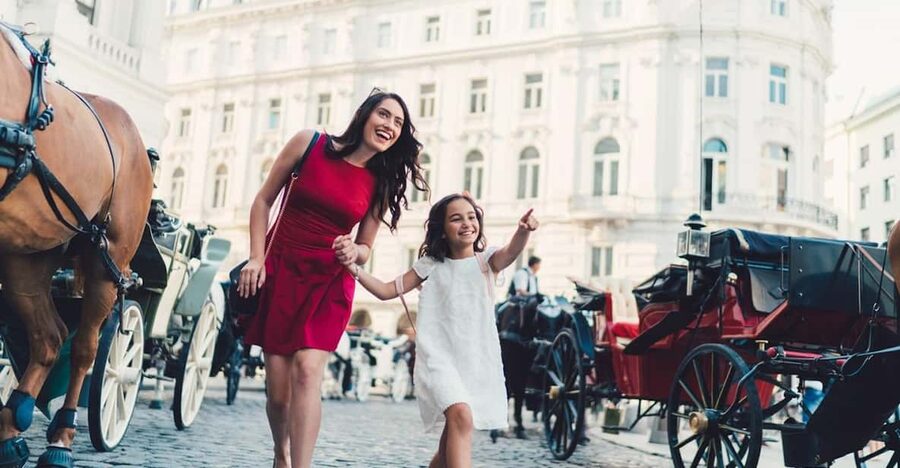
Mozarthaus Vienna is included as a ten-minute stop. The focus is Mozart’s genius and his connection to the city. The tour does not include a listed admission to the museum, so you will likely receive an outside orientation and an explanation of why the address matters.
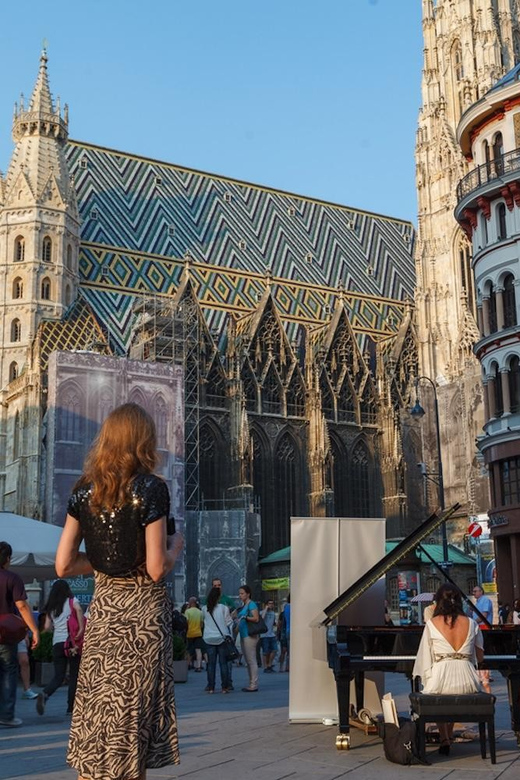
St. Stephen’s Cathedral follows, with another ten-minute guided stop. Its Gothic design and colorful roof are among the clearest visual symbols of Vienna. A brief explanation can help you notice the roof pattern, scale, and role of the cathedral in the city center.
The cathedral deserves more time than the schedule allows if architecture or church interiors matter to you. I would use this tour to learn what to look for, then return later when you can explore at your own pace. That is one of the strengths of a good orientation walk: it shows you where to spend your free hours.
Finishing at Conditorei Sluka
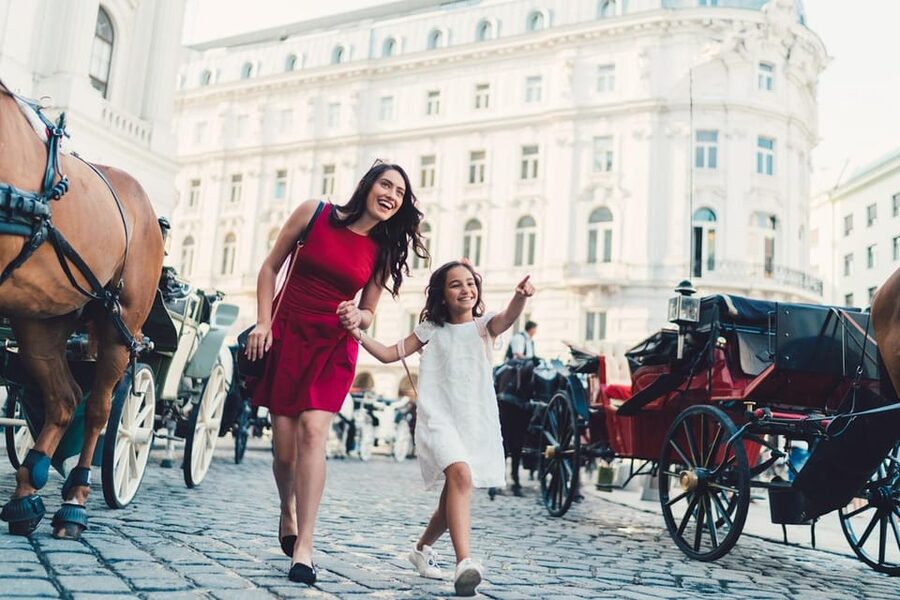
The tour finishes at Conditorei Sluka on Kärntner Straße, where the included coffee and Sacher cake tasting provides a final Viennese note. The route also lists Demel as a 30-minute stop, so the exact timing of the café portions should be confirmed when you book. The important practical detail is that the activity ends back at the meeting point area rather than leaving you across town.
Ending near Kärntner Straße puts you in a useful central location for continuing your day. You can walk from there toward more shops, cafés, churches, or other sights in the historic center. No transport is involved, and the private group format means you do not have to wait for a coach or follow a large party.
What $134 per person really buys
At $134 per person, this is not a budget sightseeing walk. The value comes from the private guide, the ability to ask questions, and the wide range of subjects covered in three hours. The fee also includes coffee and a Sacher cake sample, but not a major set of entry tickets based on the information provided.
For two people, the cost can make sense if you want a personal introduction on your first day. A guide can connect the Opera House, Habsburg court, Roman remains, Jewish Quarter, Mozart, and cathedral in a way that separate guidebook paragraphs may not. The private setting is especially useful if you have a strong interest in history and want the discussion adjusted to you.
The value is weaker if you mainly want interior access. You may prefer to spend the same time and money on a single palace or museum visit if your priority is seeing rooms, collections, or performances. This tour covers breadth and interpretation rather than extensive time inside one attraction.
The modest overall rating, based on only five published reviews, should encourage realistic expectations rather than alarm. The strongest praise centers on Aida’s timing, clear communication, warmth, and ability to tailor the walk. That personal quality is the main reason to choose this experience.
Who will get the most from this private walk
I would recommend it to first-time visitors who want to understand central Vienna quickly. It also suits couples, families, or friends who prefer to ask questions freely and move at a comfortable pace within a fixed three-hour window.
History fans should find plenty to discuss, from Roman Vienna and the Habsburg family to the Jewish Quarter and Mozart. Food-minded visitors get a small but worthwhile taste of café culture.
You should think twice if you want a slow architectural study, a full meal, an opera performance, a Spanish Riding School presentation, or guaranteed interior entry at every church and palace. Seventeen stops require a brisk pace, and some sights receive only eight to ten minutes.
The tour is listed as wheelchair accessible, which is useful, though the route’s historic streets and the exact access at individual sites are not described in detail. Confirm any particular access needs before booking.
Booking details that matter
The experience lasts three hours, with starting times available according to the date you select. It is offered as a private group tour with a live guide in English or Italian.
You can cancel up to 24 hours ahead for a full refund, and the reserve-now, pay-later option keeps your plans flexible. Those policies are helpful if your Vienna schedule is still changing.
Should you book it?
Book this tour if you want a personal introduction to Vienna’s central story, with an emphasis on explanation rather than admissions. Aida’s reported strengths, especially her preparation, clear communication, and ability to follow a guest’s interests, make the private format more than a simple walk between famous buildings.
Skip it if your main goal is to go inside every palace, church, and museum, or if $134 per person feels high for a tour with only a coffee and shared cake allowance. For most suitable guests, the real purchase is time with a local guide who can connect Vienna’s imperial, religious, musical, Roman, and Jewish past in one compact route.
FAQ
How long does the Vienna private tour last?
The tour lasts three hours.
Where does the tour start?
It starts at the fountain attached to the Albertina Museum, at Albertinaplatz 1.
Where does the tour finish?
The activity ends back at the meeting point area, at Conditorei Sluka on Kärntner Straße.
Which languages are available?
The live guide is available in English or Italian.
Is the tour private?
Yes. It is offered for a private group.
Is coffee and Sacher cake included?
Yes. The experience includes a coffee and a sample of traditional Sacher cake. The allowance described is two coffees and one cake to share.
Can I cancel the booking?
Yes. You can cancel up to 24 hours in advance for a full refund. You can also reserve now and pay later.
Just added around Vienna
- World War II History Vienna Old Town Private Walking Tour★ 4.8 · 9 reviews
- From Krems: Wachau Valley River Cruise on the Danube★ 4.6 · 95 reviews
- Vienna: Winery and Wine Tasting Tour with a Wine Expert★ 5.0 · 5 reviews
- Vienna: Wine Tasting E-Bike Tour★ 4.9 · 46 reviews
- Vienna: Wine Tasting at Schönbrunn Palace★ 4.3 · 71 reviews
- Vienna: Wine Tasting Tour★ 4.8 · 61 reviews
- Vienna: Wiener Schnitzel and Strudel Cooking Class★ 4.9 · 126 reviews
- Vienna Urban Art Tour: Explore a different side of Vienna!★ 3.8 · 14 reviews
Dessert Tours, compared.
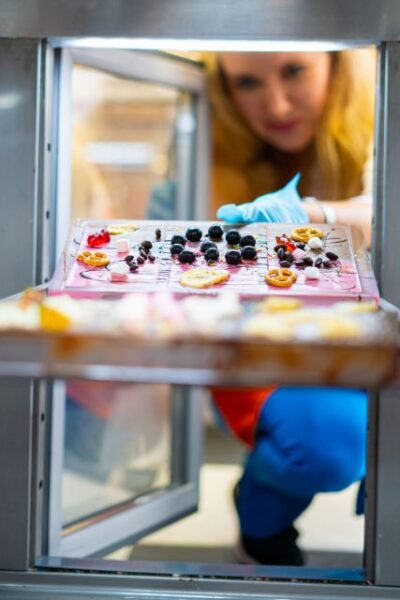
Chocolate Workshop in Chocolate Museum w/ Tasting
Read our review →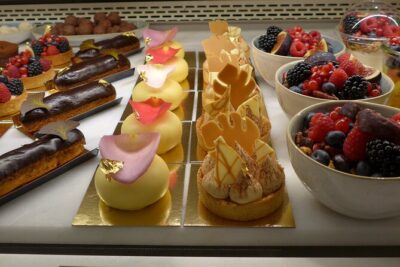
Vienna Coffee, Cake & Pastries Tour with Local Stories
Read our review →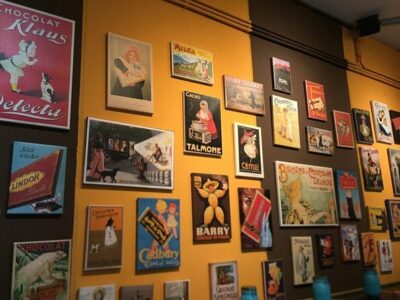
Chocolate workshop in Chocolate Museum Vienna “BO-YO”
Read our review →
2.5-Hour Viennese Coffee, Cake, and Chocolate Tour
Read our review →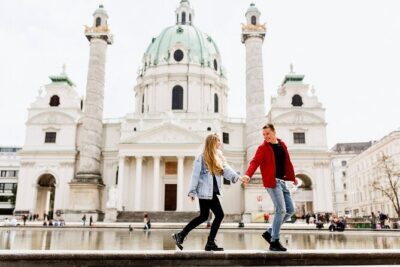
Vienna Private City Tour: Palaces, Churches & Sacher Cake Option
Read our review →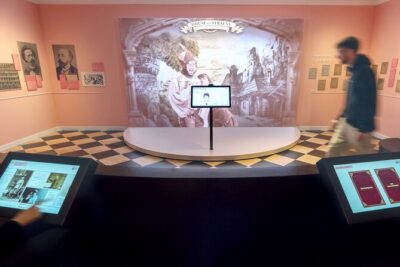
Strauss Exhibition incl. LED Concert Show / Coffee + Strauss Cake
Read our review →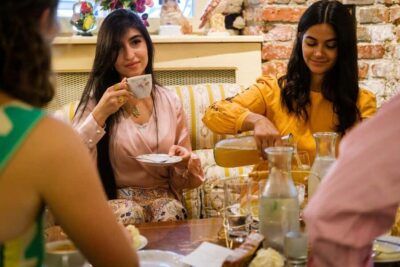
Dessert Tour with Pastries, Cakes & Hidden Cafes
Read our review →
Mozart Kugel Workshop in Chocolate Museum Vienna “BO-YO”
Read our review →Browse the lists this tour appears in