
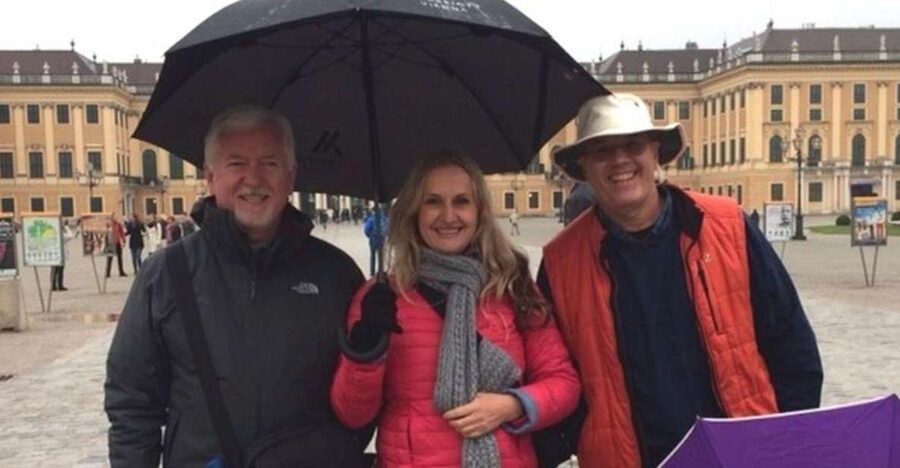
Reviewed · SCHONBRUNN PALACE TOURS
Schönbrunn Palace & Gardens Tour
Schönbrunn’s Millions Room is the kind of palace room that makes you stop and look twice. Its carved rosewood, Indo-Persian miniatures, and Rococo frames show how the Habsburg court used decoration as a display of power, money, and taste. This tour also puts the gardens and palace rooms into a larger story about Maria Theresa, Franz Joseph, Sisi, and Vienna’s Jewish past.
I like the 30-minute garden walk because it gives you the palace’s full setting before you enter. I also like the use of historian guides, with guides such as Katarina and Katharina bringing in family stories and political context rather than simply naming rooms. The main consideration is cost: at $176 per person, the palace and park entrance fee is extra, so this is a premium guided visit.
Key points to know
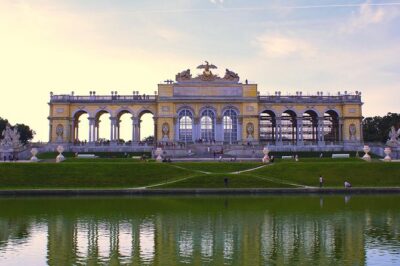
- The Gloriette gives the tour its best wide view, looking over Vienna’s woods and the formal park.
- Maria Theresa’s Porcelain Room served as her office, adding a personal and practical side to the empress’s public image.
- The Millions Room is the palace’s decorative showstopper, combining Oriental-inspired pieces with European Rococo design.
- Franz Joseph and Sisi’s apartments add human drama, especially Sisi’s dislike of court ritual and her private route to the gardens.
- A historian guide makes the difference, with private and small-group formats available in English.
- The $176 price does not include admission, so check the final total before booking.
Schönbrunn’s gardens explain the palace before you enter
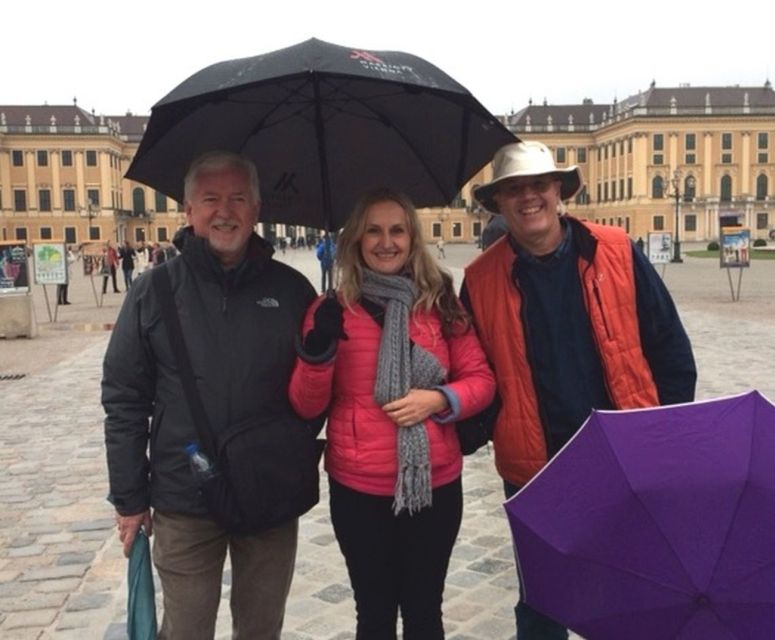
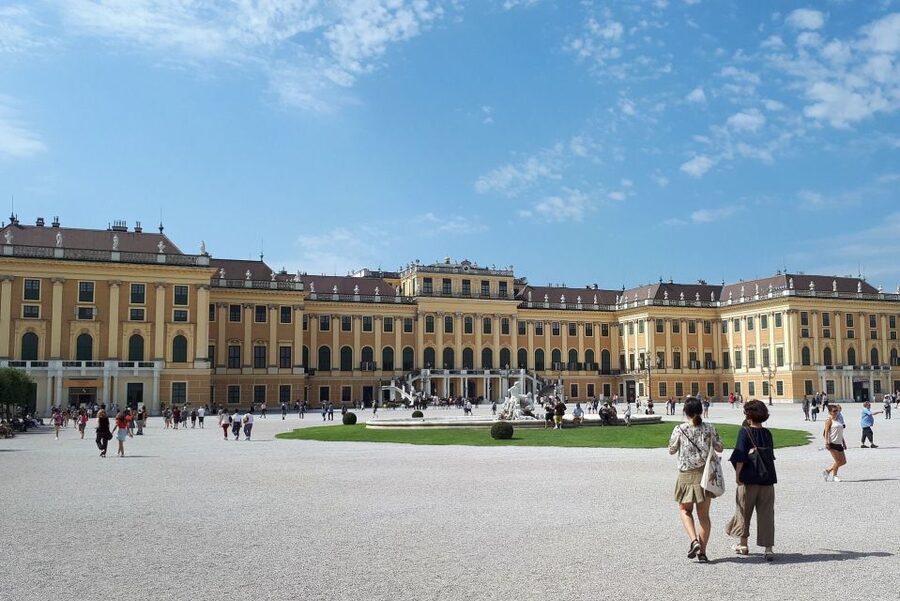
The experience begins with about 30 minutes in Schönbrunn’s formal gardens. That order matters. You first see the palace as a grand imperial project, set within carefully arranged paths, plantings, views, and architecture. Then you enter the rooms and see how the Habsburg family lived inside that public image.
The garden design follows a Baroque idea: nature should appear ordered and connected to architecture. The long approach toward the Gloriette makes this clear. Schönbrunn is not just a large house with a patch of greenery behind it. The garden was planned to frame the palace, guide your eye uphill, and turn the walk itself into part of the royal display.
The Gloriette sits on a hilltop as a huge triumphal arch. From there, you get panoramic views toward Vienna’s woods. Your guide uses this point to explain the military victories linked with Maria Theresa’s reign and the period when Habsburg political and cultural power reached a high point in Europe.
That setting gives the history some scale. Inside, you will see rooms, furniture, portraits, and decoration. Outside, you can understand why Schönbrunn worked as a seat of power. The palace was a summer residence, but it was also a stage for imperial authority.
One useful detail is that Maria Theresa opened the park to the public in 1779. That decision gives the gardens a political angle. It was a public gesture that helped present the empress as approachable, even while she ruled from one of Europe’s most powerful courts. Your guide can connect that public image with her shrewd handling of ceremony and politics.
The garden portion is not a long botanical tour. Thirty minutes is enough to establish the setting and reach the main viewpoints, but not enough for an unhurried walk through every corner of the park. If you want extended garden time, plan to return on your own after the guided visit.
More Schonbrunn Palace Tours in Vienna:
- Vienna: Schönbrunn Palace & Gardens Skip-the-Line Tour
★ 4.7 · 7,739 reviews - Vienna: Skip-the-Line Schönbrunn Palace & Gardens Tour
★ 4.8 · 5,411 reviews - Vienna: Bus & Schönbrunn Palace Skip-the-Line Guided Tour
★ 4.3 · 2,802 reviews
Maria Theresa turned a summer residence into a center of power
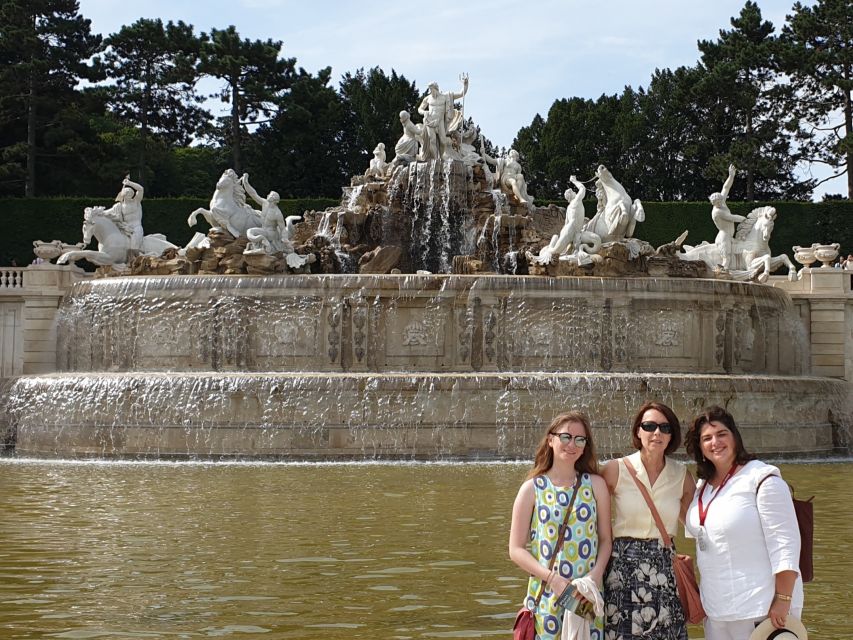
The palace tour lasts about two hours, and its strongest thread is Maria Theresa. Under her direction, Schönbrunn changed from a country residence into the focal point of imperial policy and court life. That is a useful distinction. You are not simply touring the home of a wealthy family. You are seeing the place where domestic life, state business, family strategy, and ceremony overlapped.
Maria Theresa had 16 children, and that fact gives the palace a different feel. The rooms were not only designed for formal receptions. They were also part of a family machine that linked the Habsburgs to courts across Europe. Marriage, succession, diplomacy, and status were all tied together.
The Porcelain Room is especially valuable because it connects Maria Theresa with actual work. It served as her office, not merely as a decorative salon. The room’s name may suggest a collection or a dining setting, but its role tells you more: even the empress’s working environment was shaped by the court’s taste for fine materials and controlled display.
As you move from room to room, pay attention to the contrast between function and decoration. A room might serve a practical purpose, yet its furnishings still announce rank. This is one reason a live guide helps. Without context, the palace can become a procession of ornate interiors. With context, you can ask who used a room, why it looked that way, and what visitors were meant to feel.
The guide format also helps with the crowds. Katarina, who led several of the described visits, is praised for explaining the palace, the Habsburg family, and Vienna’s wider story while keeping the group moving. She also used small corners along the route for conversation, which is useful when the main rooms are full.
That detail points to a practical strength of a small group or private tour. You may not get silence in a famous palace, but you have a better chance to hear the explanation and ask a question. A large group can make palace interiors feel hurried and impersonal. Here, the guide’s ability to stop briefly without blocking the route matters.
The Millions Room is the visual high point
The Millions Room earns its name from its price and its lavish materials. It contains antique Indo-Persian miniatures set in Rococo frames, along with wall coverings made from carved rosewood brought from the Antilles. The effect combines European Rococo taste with decorative ideas and objects from farther east.
This room is worth special attention because it is more than expensive decoration. It shows how the imperial court collected, adapted, and rearranged objects from different cultures to create a particular image of sophistication. The room’s design turns imported materials and artistic traditions into part of a Habsburg interior.
Look at the relationship between the miniatures, frames, and woodwork. The room’s impact comes from the combination, not from one object alone. A guide can point out how the pieces work together and why the room is considered one of the finest combinations of Oriental and European decorative art from the Rococo period.
You should not expect to linger without interruption in every room. Schönbrunn is one of Vienna’s major sights, and the palace route is carefully managed. That makes the guide’s commentary important. You need someone who can give you the key idea quickly, then allow you to keep moving with the flow of the visit.
If the Millions Room is your main reason for booking, tell your guide at the beginning. The available information does not promise extra time in any one room, but a private or small-group format gives you a better setting for focused questions.
Franz Joseph and Sisi bring a more personal story
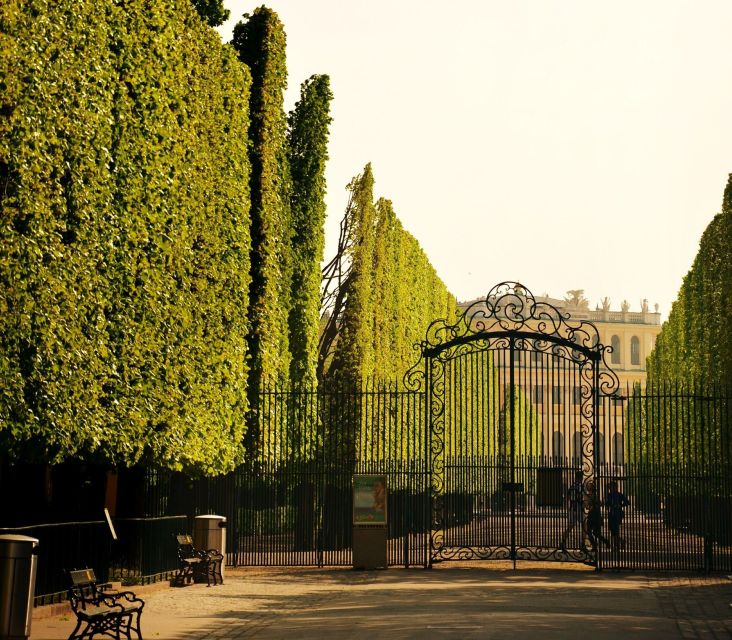
The Franz Joseph and Elisabeth Apartments shift the tone from Maria Theresa’s broad political world to a strained imperial marriage. Emperor Franz Joseph married the Bavarian princess Elisabeth in 1854. She became widely known by the affectionate name Sisi, but life at court did not suit her.
Sisi disliked the rituals of court life and the ornate environment of the summer palace. That tension gives the apartments their interest. These are not simply rooms associated with a famous couple. They help you see how the same luxury that signaled status to the court could feel confining to the person expected to live within it.
One of the most telling details is Sisi’s spiral staircase. She commissioned it to connect her official rooms with a private entry leading to the gardens. The route allowed her to leave the palace more freely, away from the formal entrances and the demands of court ceremony.
That small architectural change says more than a long list of titles. Sisi’s problem was not that she lacked comfort. It was that she lacked privacy and control. The staircase gave her a little of both. I find details like this more useful than simply hearing that she was unhappy, because the building itself shows how she responded.
You will also get a strong sense of the contrast between the palace’s opulence and Sisi’s wish to escape it. Lavish rooms can be impressive, but the story becomes more human when you understand that one of the palace’s most famous residents wanted a way out to the gardens.
The guide’s role is important here. Katarina is praised for using anecdotes and answering questions, while another account describes Katharina as warm and engaging when guiding a private visit. The spelling of the guide’s name varies in the available information, so confirm your assigned guide when booking. The key point is that the experience is built around a person explaining the rooms, not an audio device sending you through alone.
Same Alps, a completely different kind of day:
- Vienna: Vivaldi’s Four Seasons Concert in Karlskirche
★ 4.7 · 14,951 reviews - Vienna: Spanish Riding School Training
★ 3.9 · 9,281 reviews - Vienna: Skip-the-cashier-desk-line Giant Ferris Wheel Ride
★ 4.5 · 7,859 reviews - Vienna: Light of Creation Votive Church Immersive Light Show
★ 4.8 · 6,779 reviews
The Jewish Quarter adds a second chapter to Vienna’s story
The experience also lists the Jewish Quarter and stories from the time of the Jewish ghetto among its highlights. This gives the tour a wider historical frame beyond imperial rooms and royal decoration.
The supplied details do not specify how long this portion lasts, which streets you visit, or exactly where it fits into the 150-minute route. Keep that in mind when planning your expectations. The detailed schedule names 30 minutes for Schönbrunn Gardens and two hours for the palace, so the Jewish Quarter material may be included as historical discussion rather than as a separate extended walking segment.
That uncertainty is worth clearing up before you pay. If Jewish Vienna is a major reason for your booking, ask the provider how this subject is handled on your chosen option. You should not assume that a palace-centered tour offers the same depth as a dedicated Jewish Quarter walk.
Still, the topic belongs in a fuller account of Vienna. Schönbrunn presents the imperial court at the height of its authority. Stories from the Jewish ghetto point to a different part of the city’s past, one shaped by restriction, community, and religious persecution. Putting those subjects side by side can help you avoid seeing Vienna only through palaces and dynasties.
What the guide adds to a $176 experience
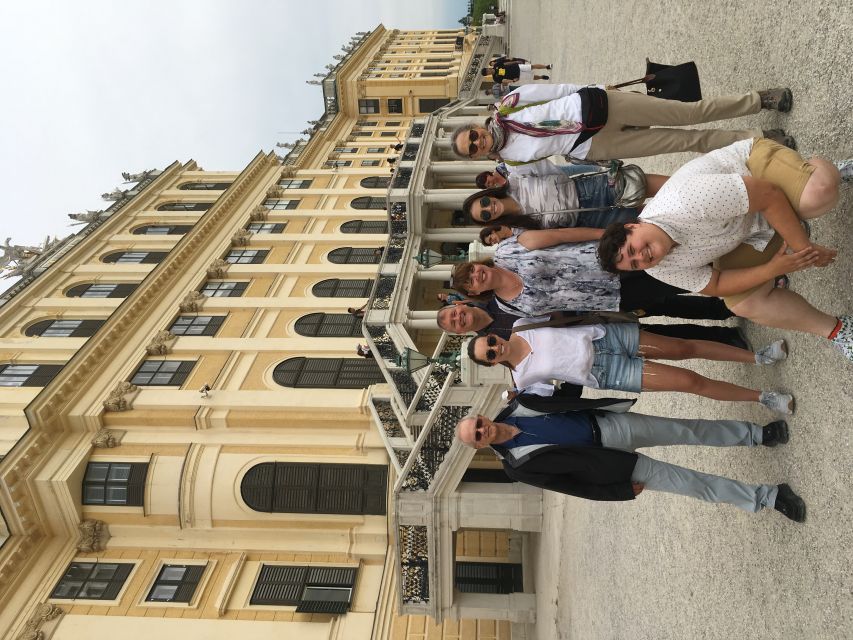
The price is $176 per person, before the Schönbrunn Palace and Park entrance fee. That makes this one of the more expensive ways to see the palace, and you should compare it with the cost of visiting independently.
The value comes from the guide rather than from admission alone. Guides may be professors, doctoral students, historians, journalists, art critics, or published authors. That background suggests a tour built around interpretation and discussion. You are paying for someone to connect Maria Theresa’s office, the Millions Room, Sisi’s staircase, the Gloriette, and Vienna’s broader past.
The price makes more sense for a private tour or for people who care about historical context. If you only want to walk through the rooms and take pictures, a self-guided visit may be better value. If you want to understand why the rooms look as they do, how court life worked, and how the building reflects Habsburg rule, the guide is the main reason to spend more.
Pickup is optional for the private tour. Your guide can meet you at a central hotel, holiday flat, or another agreed location, then travel with you to Schönbrunn on Vienna’s metro. That is useful if you are new to Vienna or want to avoid finding the palace entrance alone, though the included information does not state that transportation costs are covered.
For the standard meeting point, go to the Schönbrunn Arrival Centre at Schönbrunner Schloßstrasse 50. The guide waits in front of the Group Centre Building, directly across from the palace’s main entrance. Arrive with enough time to identify the Group Centre, since the palace complex has several entrances and visitor facilities.
You can choose a private or small-group format. A private visit is the better match if you want to ask many questions, focus on Maria Theresa or Sisi, or discuss the Jewish Quarter material in more depth. A small group may offer a lower cost per person, but the exact group size is not provided, so check the option details.
The tour is conducted in English. Free cancellation is available up to 24 hours before the start, and you can reserve now and pay later. Those terms help if your Vienna schedule is still changing, but they do not reduce the separate admission charge.
Who will get the most from this palace visit
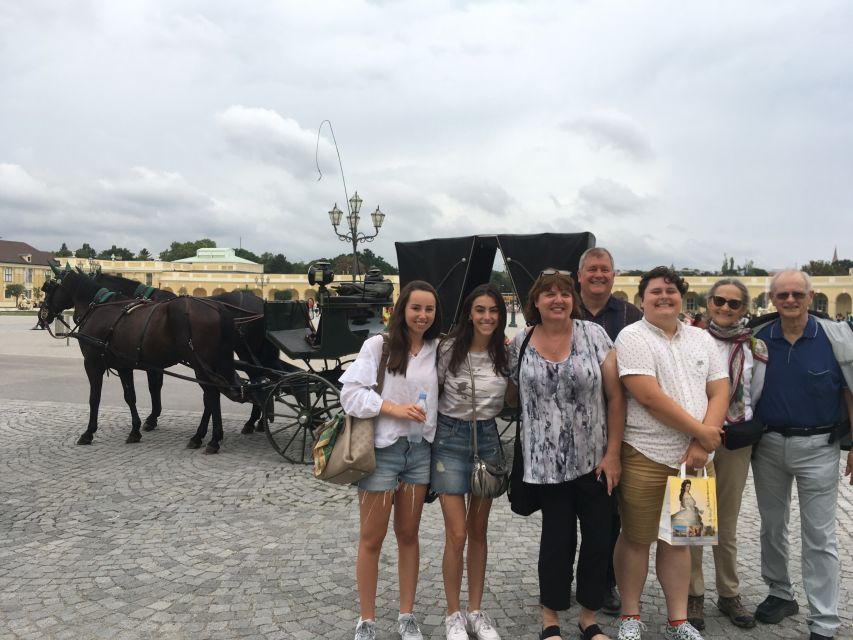
I would recommend this tour to you if Schönbrunn is high on your Vienna list and you want more than a room-by-room walk. It suits people who enjoy political history, court gossip with substance behind it, architecture, and decorative art.
It is also a good fit for first-time visitors who want the palace placed within Vienna’s larger story. The optional central pickup on private tours can make the outing feel easier, and the guide can accompany you on the metro to the palace.
Families and mixed-interest groups may also benefit from the personal storytelling. Sisi’s private staircase, Maria Theresa’s 16 children, and the price of the Millions Room give a guide several clear hooks for keeping the visit moving.
I would hesitate if your main aim is a long, quiet garden stroll. The formal garden visit lasts about 30 minutes, and the remaining two hours focus on the palace. I would also hesitate if you are watching every euro, since admission is extra and the total cost rises quickly.
The 4.2 rating from 42 reviews suggests a generally strong experience, but not a perfect fit for everyone. The most consistent strength in the available feedback is the guide, especially Katarina’s ability to explain the Habsburg family, keep the group moving through crowds, and make room for questions. That is the feature to prioritize when comparing options.
Should you book the Schönbrunn Palace and Gardens Tour?
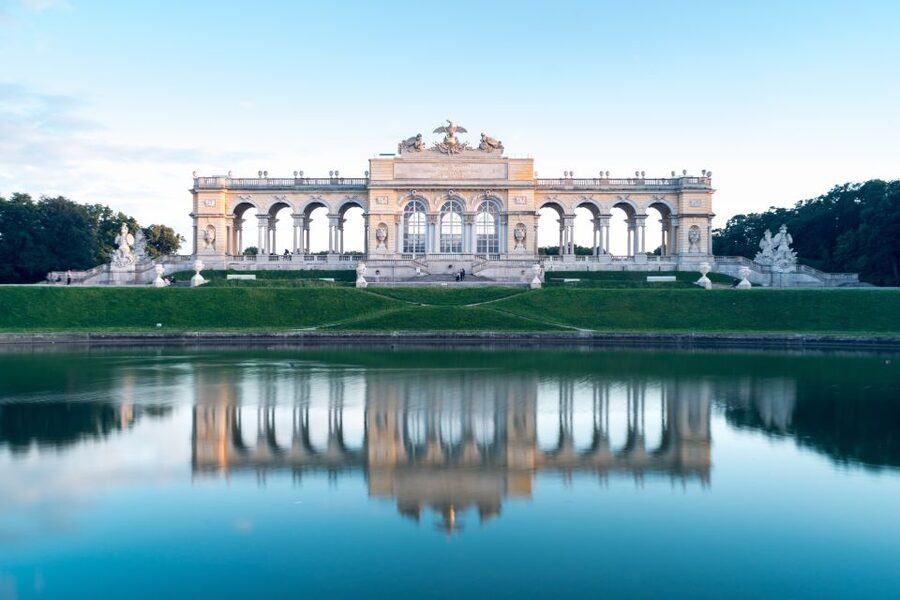
Book it if you want a historian-led visit with strong stories about Maria Theresa, Franz Joseph, Sisi, and the palace’s finest rooms. The Gloriette view, Porcelain Room, and Millions Room give the tour plenty of visual rewards, while Sisi’s staircase adds a human detail you may remember long after the gold and carved wood blur together.
Before booking, confirm the total cost including the entrance fee and ask how much time is devoted to the Jewish Quarter. Choose private or small-group touring if you value questions and conversation. Skip it in favor of an independent visit if you want maximum garden time or need to keep the budget low.
FAQ
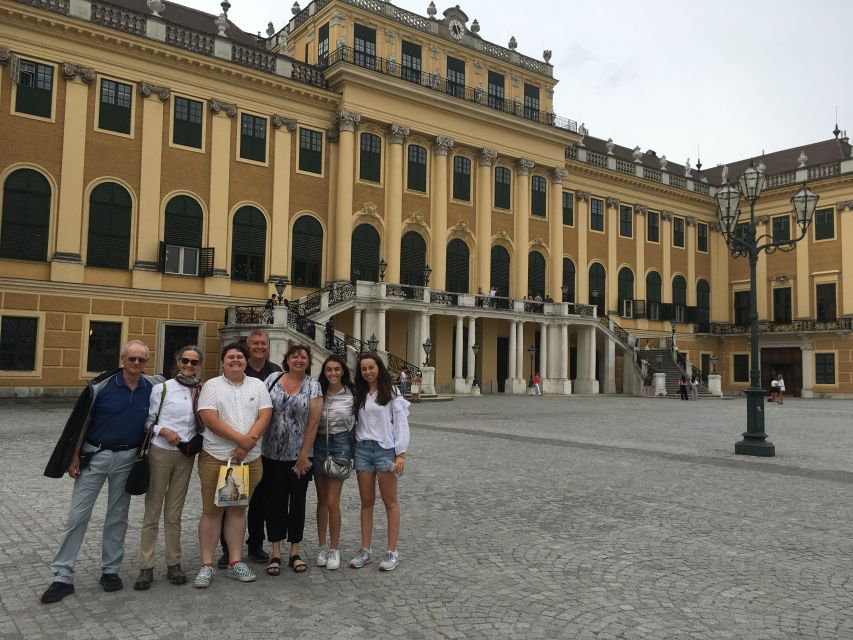
How long does the Schönbrunn Palace and Gardens Tour last?
The tour lasts 150 minutes, or 2.5 hours. The stated schedule includes about 30 minutes in the gardens and two hours for the guided palace tour.
What language is the tour conducted in?
The live tour is conducted in English.
Is the Schönbrunn entrance fee included?
No. The Schönbrunn Palace and Park entrance fee is not included. Your guide will help you purchase the required tickets.
Where is the meeting point?
Meet at the Schönbrunn Arrival Centre at Schönbrunner Schloßstrasse 50. The guide waits in front of the Group Centre Building, directly across from the palace’s main entrance.
Are private tours available?
Yes. Private and small-group options are available. Private tours can also include pickup from a central hotel, holiday flat, or another meeting point, followed by travel to the palace on Vienna’s metro.
Can I cancel the tour for a refund?
You can cancel up to 24 hours in advance for a full refund. The tour also offers a reserve-now, pay-later option.
Just added around Vienna
- Ottakringer Brewery tour★ 4.0 · 6 reviews
- New Hofburg Palace Tour House of Habsburg★ 4.5 · 5 reviews
- Private Van & Walk Tour – One Perfect Day in Vienna★ 5.0 · 21 reviews
- True Crime mobile puzzle rally Vienna★ 4.0 · 3 reviews
- Vienna Naschmarket Food Tasting Tour★ 4.0 · 30 reviews
- Vienna Nightlife Experience: Food, Wine, Cocktails & Vibes★ 5.0 · 119 reviews
- Myth Mozart★ 4.0 · 80 reviews
- ( Night Tour ) With Private Guide + wine or prosecco★ 4.0 · 12 reviews
Schonbrunn Palace Tours, compared.
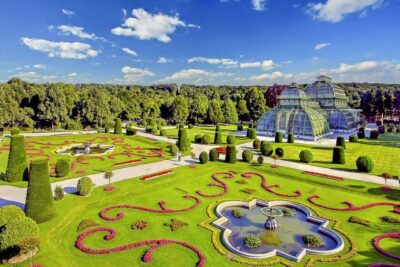
Schönbrunn Palace & Gardens Skip-the-Line Tour
Read our review →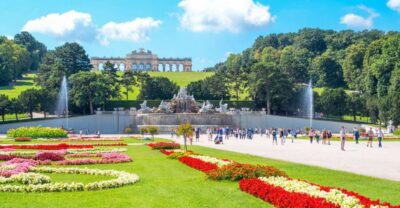
Skip-the-Line Schönbrunn Palace & Gardens Tour
Read our review →
Bus & Schönbrunn Palace Skip-the-Line Guided Tour
Read our review →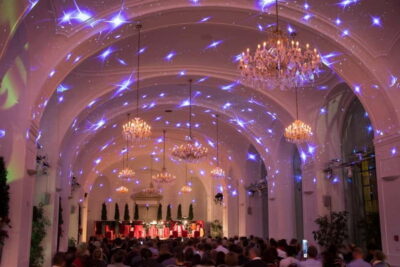
Skip the Line Schönbrunn Palace and Gardens Guided Tour
Read our review →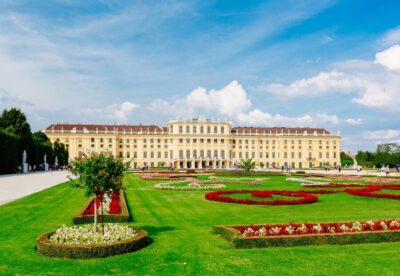
Schönbrunn Palace & Garden Skip-the-Line Guided Tour
Read our review →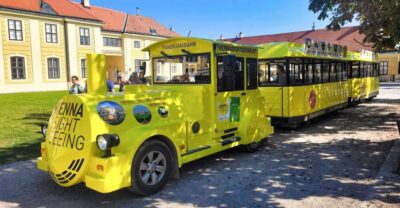
Panorama Train Tickets to explore Schönbrunn Palace
Read our review →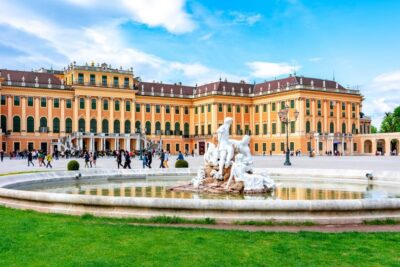
Skip-the-Line Schönbrunn Palace and Gardens Tour
Read our review →Browse the lists this tour appears in