Reviewed · TICKETS
Salzwelten Altaussee: Salt Mine Entrance Ticket
The most gripping part of Salzwelten Altaussee is the link between salt mining and Nazi-looted art. Deep inside the mountain, miners once helped protect priceless European works from destruction, while the mine still produces salt today.
I like the mix of hands-on fun and serious history, especially the miners’ slides and the cool orange-and-red salt walls. I also like that the final cave show turns a working mine into a calm, memorable experience. The main drawback is access: you need a car or must walk about 3 kilometers uphill from Altaussee, and the tour is not suitable for wheelchair users or children under four.
Key points to know before you go
- Austria’s largest active salt mine: See how white gold is extracted today in the Styrian Salzkammergut.
- A remarkable wartime story: Learn how Altaussee miners helped save major artworks from Nazi destruction.
- Two miners’ slides: Expect a playful, fast ride that adds real fun to the history lesson.
- Orange-and-red salt walls: Touch the cool rock salt inside the dark tunnels.
- A five-minute cave show: Light, music, and water create a quiet finale underground.
- Simple but important logistics: Free parking is available, but the mine can only be reached by car or on foot.
Why Altaussee is more than a standard salt mine visit
Many mine tours give you a quick look at old tools, dark tunnels, and a few facts about geology. Altaussee offers more variety. You move through several chapters of the site’s story: medieval salt mining, modern production, wartime art storage, and the miners’ own role in a dangerous rescue effort.
That range is what makes the 90-minute visit worthwhile. You are not only looking at a mine. You are also learning why salt mattered so much, how the mine still functions, and how an underground site became tied to one of Europe’s most troubling periods.
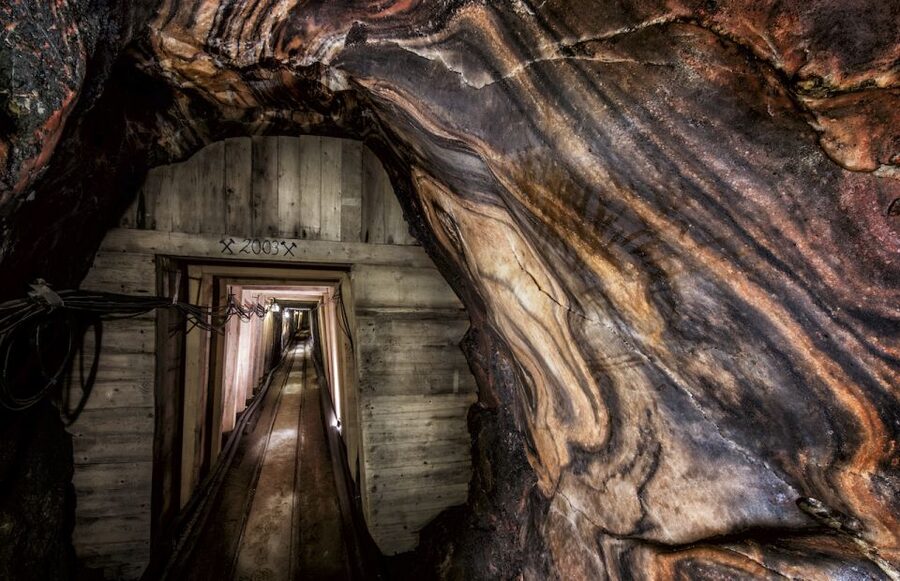
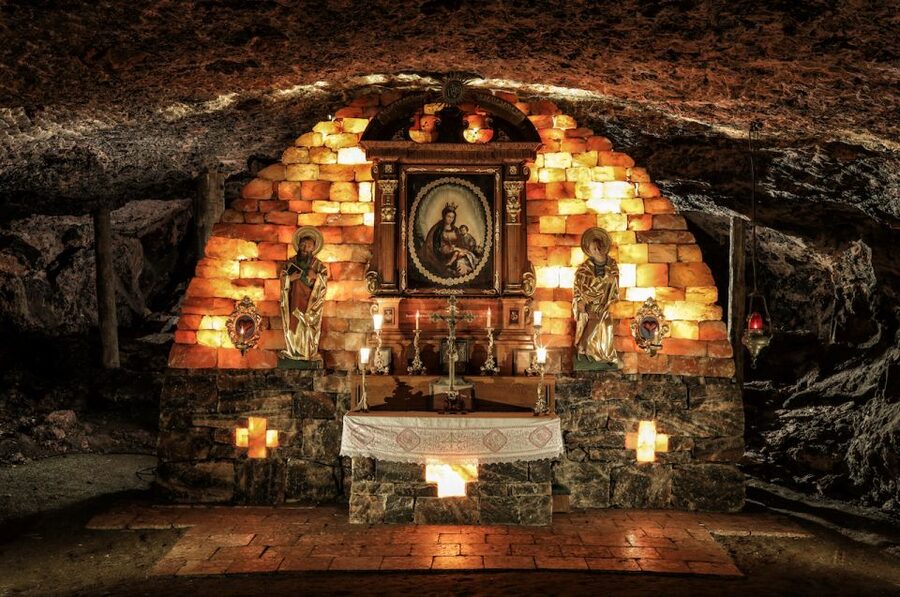
The setting helps. The Styrian part of the Salzkammergut is known for lakes, mountains, and traditional villages, but the most surprising sights can be inside the rock. At Altaussee, the walls themselves become part of the display. Orange and red salt catches the light in the tunnels, giving the mine a more unusual look than a plain gray rock passage.
I would plan this as a focused half-day stop rather than a quick add-on. The tour itself lasts 90 minutes, but you also need time to reach the mine, park, and get ready for the underground conditions.
A few more Austria trips to weigh up
- Vienna: Classic Ensemble Vienna in St. Peter’s Church Ticket
★ 4.7 · 4,819 reviews - Vienna Kunsthistorisches Museum Day Admission Ticket
★ 4.6 · 3,690 reviews - Vienna: Tickets for Mozarthaus Vienna with Audio Guide
★ 4.2 · 2,344 reviews
Reaching the mine above Altaussee
Salzwelten Altaussee sits about 3 kilometers above Altaussee. You can arrive by car or on foot, but there is no simple public transport arrival described for this experience, so plan around driving or walking.
If you are driving, free parking is available at the mine entrance. That keeps the visit straightforward once you reach the site. If you prefer to walk from Altaussee, allow enough time for the uphill approach before your fixed tour start.
This location is worth noting when you plan a day in the region. It is not a town-center attraction where you can casually wander over between shops and cafés. Check your route before leaving, especially if your day includes other stops around the Salzkammergut.
The booking includes skip-the-ticket-line entry, which can save a little time at the entrance. It does not remove the need to arrive prepared for a guided departure, so I would avoid cutting your arrival too close.
Entering the tunnels and seeing the salt
The tour begins inside the mine, where the temperature is cool and the surroundings are dark, enclosed, and clearly different from the world above. Bring warm clothing and wear comfortable clothes. This is not the place for a light summer outfit alone, even if the weather outside is warm.
The orange-and-red rock salt is one of the most memorable visual details. You can brush your fingers across the cool, shimmering walls and see that the salt is not simply a white powder used in a kitchen. Here, it forms part of the mountain itself.
That physical contact gives the visit a useful sense of scale. You are not just being told that salt was valuable. You can see the material, touch it, and follow the routes cut through the rock to reach it.
The mine’s history reaches back to medieval times, then continues into present-day extraction. The tour connects those periods rather than treating the mine as a frozen historic exhibit. Altaussee remains the biggest currently active salt mine in Austria, so the visit shows both an old trade and a modern working industry.
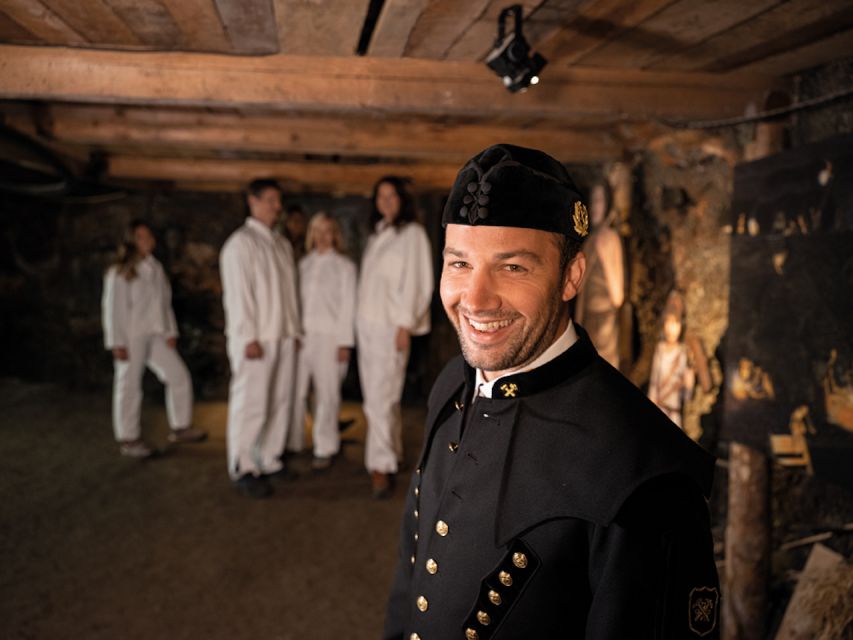
The guide leads the group in English or German. The quality of the explanation matters here because the mine’s story has several layers, from mining methods to wartime events. A good question can add a lot to the visit, and the tour format allows you to ask about what you are seeing.
The wartime story hidden inside the mountain
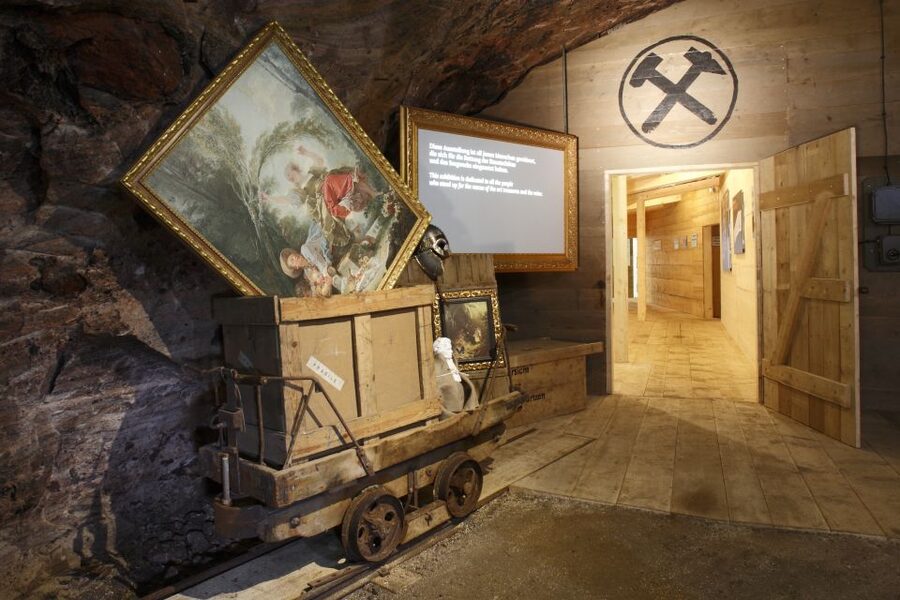
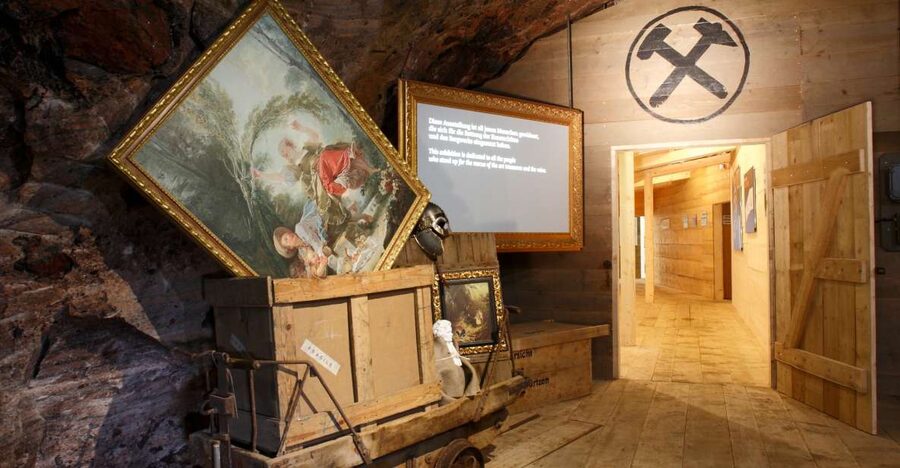
The most serious part of the visit concerns artworks stolen by the Nazis. Altaussee became a storage place for major works taken across Europe, and the miners later helped save them from destruction.
This story gives the mine a weight that a simple industrial tour would not have. The mountain was valuable for its salt, but during the war it also became a place where cultural treasures were hidden away. The miners’ courage is central to the account, since they acted to protect the works when the threat of destruction became real.
You do not need to be an art specialist to understand why this section matters. The issue is not only which paintings or sculptures were involved. It is also about the choices made by local people inside a dangerous system, and about the lasting damage caused by Nazi theft.
The visit presents that history as part of the physical site. You are hearing about the events in the same underground setting where the artworks were stored. That connection between place and story makes the subject easier to grasp than a short paragraph in a museum label.
If you are choosing between several attractions in the region, this is the feature that gives Altaussee its strongest identity. The salt itself is interesting, but the art rescue story makes the mine memorable long after the slides and lights are over.
Same Alps, a completely different kind of day:
- Vienna: Vivaldi’s Four Seasons Concert in Karlskirche
★ 4.7 · 14,951 reviews - Vienna: Spanish Riding School Training
★ 3.9 · 9,281 reviews - Vienna: Skip-the-cashier-desk-line Giant Ferris Wheel Ride
★ 4.5 · 7,859 reviews - Vienna: Schönbrunn Palace & Gardens Skip-the-Line Tour
★ 4.7 · 7,739 reviews
Miners’ slides add a burst of fun
The tour is not solemn from start to finish. The miners’ slides are the clear change of pace. You ride down them in the way miners once used slides to move through the mine, and the experience adds a quick rush to the underground route.
For children old enough to take part, this may be the moment they remember best. The mine’s duck, Sally, is part of the family-friendly presentation and glides down the miners’ slides with children. That playful detail helps keep younger visitors interested when the historical explanation becomes more demanding.
The slides are also useful for adults because they break up the walking and listening. You get a physical sense of moving through the mine rather than simply following a corridor behind a guide.
I would not book this tour only for an amusement-park ride. The slides are brief parts of a larger visit, not the main event. But they make the 90 minutes feel varied and help the tour avoid becoming a long underground lecture.
Children under four are not permitted on the activity. Families with older children should also bring warm, comfortable clothing, since the fun elements do not change the cool conditions inside the mine.
The underground chapel and the cave finale
Altaussee includes a mystical chapel inside the mine. The setting gives the tour a quieter, more reflective pause and shows how underground spaces can take on a meaning beyond work and production.
The final stop is especially atmospheric. A short light and music show takes place in a cave, with reflections appearing in the water. The presentation lasts about five minutes, so it is not a long concert or a full theatrical production. Its value comes from the contrast between the dark mine, the reflective water, and the changing light.
I like this ending because it lets you stop thinking about dates and mining terms for a moment. After the wartime story and the slides, the cave creates a calm finish. It also gives you a final image that is easy to remember: light moving across underground water inside a salt mine.
Keep your expectations in proportion. This is a compact show, not a major performance. Still, it adds atmosphere at very little extra effort, and it helps explain why the tour feels like more than an industrial site visit.
Is $31 a fair price?
At $31 per person, the ticket is not the cheapest short attraction in the Salzkammergut. The value depends on what you want from your time in the region.
You are paying for a 90-minute guided tour, entry to Austria’s largest currently active salt mine, the wartime art story, the miners’ slides, and the cave presentation. If you visited only to see salt walls, the price might feel high. Taken as a complete historical and sensory experience, it is easier to justify.
The guided format is important. You could walk through a tunnel and see salt without much context, but the medieval history, present-day mining, and Nazi art story need explanation. English and German guidance makes the visit practical for many international visitors.
The price also includes admission rather than charging separately for the main parts of the route. Free parking improves the overall value if you are driving. The tour is best suited to someone who wants one substantial attraction, not a quick photo stop.
I would compare the ticket with your other plans rather than judge it in isolation. If you are already spending a day in Altaussee or nearby areas, the mine can fill a strong 90-minute block. If you have very little time and no interest in industrial history or wartime art, another attraction may suit you better.
Who will enjoy this tour most?
I recommend Salzwelten Altaussee for you if you like places where history happened in the actual setting. The mine combines work, danger, art, and local courage in a way that gives the visit real substance.
It is also a good choice for families with children four and older. The slides and Sally the mine duck offer a clear physical payoff, while the salt walls and light show keep the visit visually interesting.
You should consider it if you are curious about how salt is produced today. The attraction is not only a preserved medieval mine. It explains mining of white gold as it is done now, which gives the older history a useful connection to modern life.
I would be more cautious if you dislike enclosed spaces, cool conditions, or guided group visits. The mine is underground, and comfortable warm clothes are essential. Wheelchair users cannot take part, and pets are not allowed.
The language choice is English or German for the live guide. If you need another language, do not assume the guided tour will be offered in it.
Practical planning for your 90 minutes
Reserve a starting time that fits your route, then allow extra time to reach the site above Altaussee. Free parking is available at the entrance, but the mine cannot be reached by simply walking from a nearby town center without planning for the roughly 3-kilometer distance.
Wear warm clothing and comfortable clothes. You do not need to dress formally, and practical layers make more sense than style underground.
The activity offers free cancellation up to 24 hours before the start for a full refund. You can also reserve now and pay later, which helps if your Salzkammergut plans depend on weather or driving conditions.
The tour is guided rather than self-led. The ticket includes entrance and the guided mine tour, with English and German listed as the available guide languages. Check the starting time when booking, since the 90-minute duration does not mean you can arrive at any point during the day.
Should you book Salzwelten Altaussee?
Book it if you want a tour with a genuine story, not just an unusual setting. The rescue of Nazi-looted art gives the mine historical importance, while the orange-and-red salt, slides, chapel, and cave show keep the experience lively.
I would especially recommend it to families with children over four, history fans, and anyone exploring the Altaussee area by car. The $31 price is reasonable when you use the full 90 minutes and value a live guide, free parking, and several different parts to the visit.
Skip it if you need step-free access, dislike underground spaces, or have only a very short stop in the area. For everyone else, Salzwelten Altaussee offers a rare combination: a working salt mine, a serious wartime story, and just enough playful adventure to make the history stick.
FAQ
Where is Salzwelten Altaussee?
The mine is in Upper Austria, in the Styrian part of the Salzkammergut region, about 3 kilometers above Altaussee.
How long does the salt mine tour last?
The tour lasts 90 minutes.
How much does admission cost?
The listed price is $31 per person.
What does the ticket include?
The ticket includes entrance to the salt mine and a guided tour of the mine.
What languages are available?
The live tour guide is available in English or German.
Can I reach the mine by public transport?
The supplied directions state that Salzwelten Altaussee can only be reached by car or on foot.
Is parking available?
Yes. Free parking is available at the entrance to the mine.
What should I wear?
Bring warm clothing and wear comfortable clothes because the mine is cool and underground.
Can children visit the mine?
Children under four are not permitted. Children aged four and older can take part, including the miners’ slide experience.
Is the tour accessible to wheelchair users or pets?
The activity is not suitable for wheelchair users, and pets are not allowed.
Just added around Austria
- Ottakringer Brewery tour★ 4.0 · 6 reviews
- True Crime mobile puzzle rally Vienna★ 4.0 · 3 reviews
- New Hofburg Palace Tour House of Habsburg★ 4.5 · 5 reviews
- Private Van & Walk Tour – One Perfect Day in Vienna★ 5.0 · 21 reviews
- Vienna Naschmarket Food Tasting Tour★ 4.0 · 30 reviews
- Vienna Nightlife Experience: Food, Wine, Cocktails & Vibes★ 5.0 · 119 reviews
- Myth Mozart★ 4.0 · 80 reviews
- ( Night Tour ) With Private Guide + wine or prosecco★ 4.0 · 12 reviews
Tickets, compared.
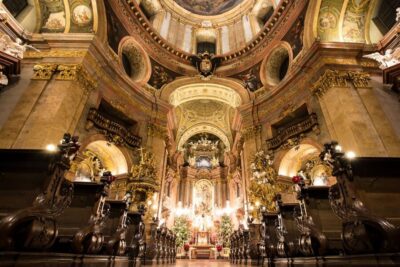
Classic Ensemble Vienna in St. Peter’s Church Ticket
Read our review →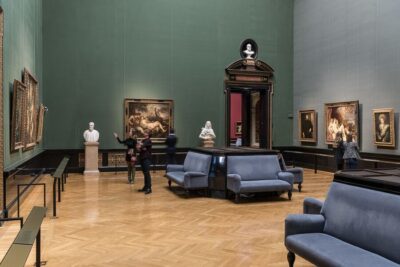
Vienna Kunsthistorisches Museum Day Admission Ticket
Read our review →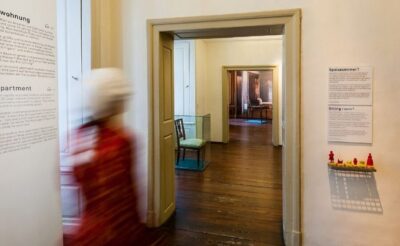
Tickets for Mozarthaus Vienna with Audio Guide
Read our review →
Skip-the-Line Entrance Ticket to the Danube Tower
Read our review →