Reviewed · TOURS
Alternative Tour in Vienna Off the tourist track
Vienna is famous for imperial palaces and polished coffeehouses. This tour takes you somewhere far less expected: the city as Martin knows it from years of homelessness, addiction, and life on the streets. I like the firsthand storytelling and the way the walk connects personal memories to real places, including Alfred-Grünwald-Park and the old squatting scene. I also like that Martin uses humor without losing sight of the subject’s pain.
The main consideration is the topic. Stories about sleeping rough, drug addiction, eviction, and police operations can be upsetting. This is not a light sightseeing walk, and the route includes about 40 minutes of standing or moving between stops, so you should come ready to listen rather than simply collect views.
Key points at a glance
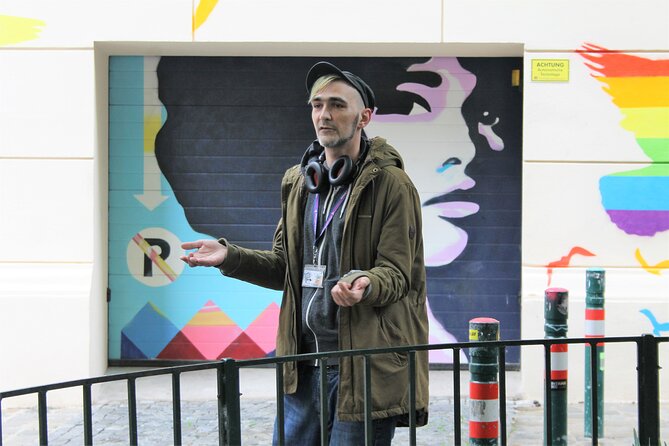
- Martin’s personal story: Hear directly from a guide who once lived on Vienna’s streets and struggled with drug addiction.
- Two meaningful stops: Alfred-Grünwald-Park and Ilse-Pisk-Stiege provide the setting for stories about sleeping rough, squats, punks, and survival.
- A different route through central Vienna: The walk begins at Karlsplatz, passes through the subway passage, and goes by the Secession before leaving the usual sightseeing circuit.
- A strong social focus: The tour asks you to think about homelessness, addiction, tolerance, and the quick judgments people make.
- Short but substantial: The tour lasts about two hours, long enough for a serious conversation without taking up a full day.
- Small-group format: A maximum of 20 people makes it easier to hear Martin and ask questions.
Vienna beyond the palaces
You can spend days in Vienna admiring the Hofburg, Schönbrunn, and grand Ringstrasse buildings. Those sights matter, but they show only the city’s public face. This walk offers a more personal look at how city spaces can serve very different purposes for people living on the margins.
Martin is not simply presenting facts about homelessness from a distance. He talks about places connected to his own past. That changes the tone. A park bench, a subway passage, or a staircase becomes part of a story about where someone slept, rested, met people, or tried to get through another day.
I value that direct link between place and memory. You are not just hearing general statements about poverty in Vienna. You are being asked to look at familiar public spaces through the eyes of someone who once depended on them.
The tour also includes Vienna’s punk and anarchist subculture. That gives the walk a second thread. You hear about people who occupied buildings, built alternative communities, and clashed with the authorities. The result is not a standard social-issues lecture. It is a personal account mixed with local political and cultural history.
Other Vienna days people book alongside this one:
- Vienna: Vivaldi’s Four Seasons Concert in Karlskirche
★ 4.7 · 14,951 reviews - Vienna: Spanish Riding School Training
★ 3.9 · 9,281 reviews - Vienna: Skip-the-cashier-desk-line Giant Ferris Wheel Ride
★ 4.5 · 7,859 reviews
Starting at Karlsplatz and the Secession
The meeting point is the Police Inspectorate Vienna at Kärntnertorpassage, in the Karlsplatz subway area. This is a practical starting point because Karlsplatz is easy to reach by public transportation, though the passage can be busy and confusing if you have never used the station.
The route begins through the subway passage at Karlsplatz. You then leave through the exit beside the Secession, Vienna’s famous white exhibition building topped by its golden laurel-leaf dome. The walk passes the Secession on the way to the next station.
That opening movement is useful in its own way. You begin in one of Vienna’s grand cultural districts, surrounded by major sights, then shift your attention toward places connected to daily survival. The contrast helps explain the purpose of the tour. Vienna can be elegant and secure for one person, yet difficult and unforgiving for another.
Do not expect a long architectural explanation of the Secession. It serves mainly as a recognizable landmark along the route. If you want to visit the building or study its artwork, plan a separate stop before or after the tour.
Alfred-Grünwald-Park and the realities of sleeping outside
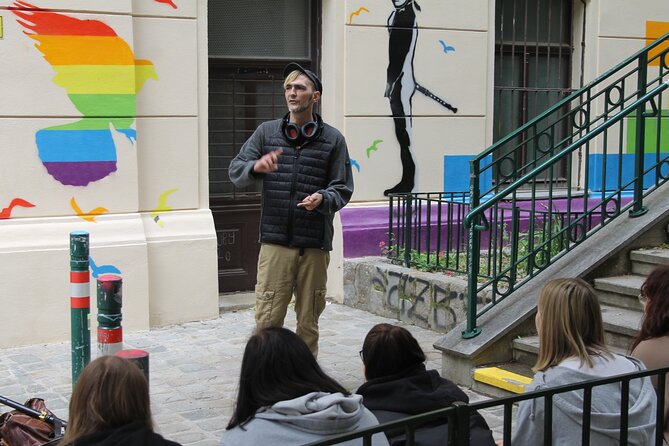
The first named stop is Alfred-Grünwald-Park. The park has seating for the group, which matters because Martin spends about 20 minutes here telling a detailed story about why it became his sleeping place.
The important point is not simply that someone slept in a park. Martin explains how a public green space can look comfortable to a passerby but become a poor choice for sleeping. The meadow may seem inviting, yet the practical risks are different from what you might expect. His advice comes from experience rather than theory.
This is where the tour’s personal approach has the most force. You are not asked to picture homelessness as an abstract problem. You hear about the decisions involved in finding a place to rest, staying unnoticed, and dealing with conditions that most people never have to consider.
The park stop also gives the group a chance to slow down. The experience is mostly outdoors, and the seating makes this part less tiring than a continuous walking tour. Still, you should wear sensible shoes and dress for the weather. The tour lasts about two hours, and not every part of the route is described as having seating.
Martin’s style, based on the supplied information, includes frankness, warmth, and a dose of humor. That balance is useful. The subject is serious, but a completely grim presentation can make it hard to listen. His humor appears to help the group stay engaged while still respecting the people and events he describes.
Ilse-Pisk-Stiege and Vienna’s squatting scene
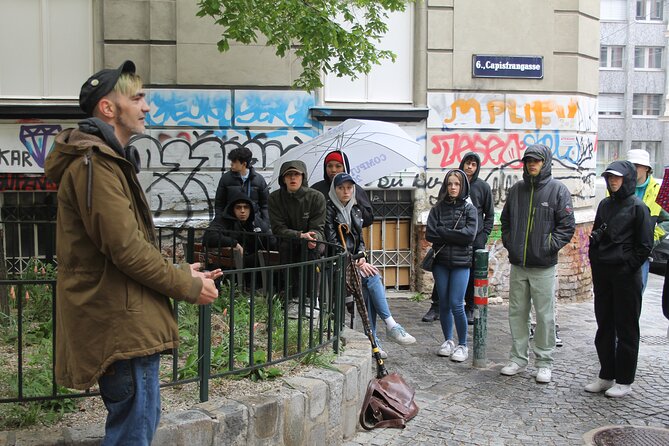
The next major stop is Ilse-Pisk-Stiege, also called the Capistran Ascent. This is the penultimate station, and the stairs provide a place for one last breather. Martin uses the stop to talk about squats, punks, and the political world around occupied buildings.
The most striking story concerns the evacuation of the pizzeria Anarchia. According to the tour information, a house occupied by 19 people was cleared by 1,700 police officers. That enormous imbalance gives you a sense of the scale of the operation and the tension surrounding it.
You should not expect a complete history of Vienna’s anarchist movement in 20 minutes. What you get instead is a focused story told by someone with a personal connection to the city’s street and squat culture. Martin explains the people and circumstances as he encountered them, bringing the subject down from political slogans to actual human choices.
This stop is also where the walk’s social questions become sharper. What makes a person part of an alternative community? When does occupation become a housing issue, a political protest, or a police matter? How quickly do outsiders label people without knowing the circumstances?
The stairs may be a drawback for anyone with mobility concerns. The information says most participants can take part, but the route does include the Capistran Ascent, and the stop is specifically described as being on stairs. If you need step-free access, contact the provider before booking rather than assuming the route can be changed.
Same Alps, a completely different kind of day:
- Vienna: Schönbrunn Palace & Gardens Skip-the-Line Tour
★ 4.7 · 7,739 reviews - Vienna: Light of Creation Votive Church Immersive Light Show
★ 4.8 · 6,779 reviews - Vienna Spanish Riding School Guided Tour
★ 4.7 · 6,765 reviews - Vienna: Classical Concert in the World-Famous Musikverein
★ 4.6 · 6,673 reviews
A personal story, not a performance
Martin’s past includes homelessness and drug addiction. He speaks openly about how he reached that situation and what everyday life was like. That openness is the central reason to book this walk, but it also creates a responsibility for you as a listener.
You are hearing someone share difficult parts of his life in a public setting. The best approach is to listen with respect, ask thoughtful questions, and avoid treating his past as entertainment. The tour can be gripping, funny, sad, and shocking in the same stretch of conversation. Those shifts are part of its character.
Several comments supplied for this experience praise Martin’s warmth, honesty, and ability to answer questions. One person who attended alone said the tour still went ahead, and another specifically noted that Martin’s English was very good. That suggests the conversation can work for international visitors, though the supplied information does not state a guaranteed tour language schedule, so confirm the language when booking.
The format appears especially effective for people who want to ask questions. Students and school groups have used the walk as an educational activity, and participants describe being able to ask about details they would not normally understand from a conventional city tour.
Why the two-hour format works
At about two hours, this is a compact commitment. You get a clear beginning, two substantial stops, time to walk between them, and a finish near Esterhazypark. The route ends beside Haus des Meeres, the aquarium and zoo in Esterhazypark.
That ending is convenient if you want to continue sightseeing in the Mariahilf area. You can also treat it as a natural point to stop and reflect. The tour does not finish back at Karlsplatz, so remember that you will need to make your own way onward from Esterhazypark.
The short length is helpful for teenagers, school classes, and anyone fitting the walk between other plans. At the same time, do not mistake two hours for a quick novelty stop. The subject matter gives the walk weight. You may find yourself thinking about the stories long after the route ends.
A group maximum of 20 people is another advantage. That is large enough to create a shared discussion but small enough for Martin’s voice and answers to remain central. Group discounts are available, which may make this a practical choice for schools, youth groups, or organized clubs.
What the $46 price buys you
At $46, the value depends on what you want from a Vienna tour. You are not paying for entry to a palace, museum, or landmark. The parks, passageways, and streets are public spaces, and admission is free at the two listed stops.
You are paying for Martin’s time, preparation, and personal account. That is a different kind of tour value. If you want a list of monuments and dates, this will not be the best use of your money. If you want a candid conversation about a side of Vienna that standard sightseeing rarely covers, the price is easier to justify.
The tour also avoids the expense and time of a full-day activity. Two hours lets you combine it with major museums or neighborhoods. For a group, the available discount could improve the per-person cost, though the exact discount is not stated.
I would compare it with a typical walking tour by asking what you already know about Vienna. If you have covered the palace circuit and want more human context, this adds something distinct. If this is your first and only activity in the city, you may want to see Vienna’s major sights first, then use this walk to broaden your view.
Who should book this walk
I would recommend it most strongly to adults and older teenagers who can handle frank discussion of homelessness, addiction, and police action. It suits people who prefer lived experience and conversation to a rehearsed presentation.
It can also work well for school groups. The two-hour length is manageable, the route has clear stopping points, and the subject invites discussion about poverty, tolerance, social policy, and personal responsibility. Teachers should prepare students for the drug-related material and make sure the tone fits the group.
This is a good match for you if you:
- Want to see Vienna away from its familiar postcard sights
- Value personal stories over a standard monument-by-monument tour
- Are comfortable discussing homelessness and addiction
- Like asking questions during a walk
- Want an activity that can change how you see public spaces
It may not suit you if you want a relaxed stroll, a major architecture tour, or a family outing with very young children. The subject is adult in tone, even though teenagers have taken part successfully.
Dogs are allowed, and service animals are permitted. The activity is near public transportation, and most people can participate. Because the route includes stairs and outdoor stops, ask about your specific mobility needs before booking.
Practical details before you go
You receive confirmation at the time of booking, and the tour has a maximum of 20 participants. The starting point is at Kärntnertorpassage near Karlsplatz, while the finish is at Esterhazypark G, beside Haus des Meeres.
Give yourself extra time to find the exact Karlsplatz meeting point. The subway passage is large, and the listed address is connected with the passage rather than an obvious street-level plaza. Arriving early also gives you time to locate the Secession exit if you are unfamiliar with the station.
The walk is outdoors, so check the weather and wear comfortable shoes. The park stop has seating, and the Ilse-Pisk-Stiege stop allows a short rest on the stairs, but you should not expect a fully seated activity.
Free cancellation is available if you cancel at least 24 hours before the start time. Cancellations inside 24 hours are not refunded, and changes inside that window are not accepted. The tour also requires a minimum number of participants. If that minimum is not met and the activity is canceled, you are offered another date or experience, or a full refund.
Should you book Wiener Nimmerland?
Book it if you want a serious, personal look at Vienna’s street life and alternative communities. Martin’s story, the Alfred-Grünwald-Park stop, and the account of the pizzeria Anarchia evacuation give the walk material you will not get from a standard city circuit.
Skip it if you are looking for easy entertainment or a broad survey of Vienna’s monuments. This is a focused social-history walk, and its value depends on your willingness to listen carefully.
For many people, the best reason to book is simple: it asks you to reconsider how you see homelessness, addiction, and the people who use public spaces differently from you. At $46 for roughly two hours, that is a fair price for a thoughtful experience, provided the subject fits your interests and comfort level.
FAQ
Where does the tour start?
It starts at the Police Inspectorate Vienna in Kärntnertorpassage near Karlsplatz, at Kärntnertorpassage, 1010 Vienna, Austria.
Where does the tour finish?
The tour ends at Esterhazypark G, 1060 Vienna, beside Haus des Meeres.
How long does the tour last?
The tour lasts approximately two hours.
What places are included?
The route passes through the Karlsplatz subway passage and by the Secession. The listed stops are Alfred-Grünwald-Park and Ilse-Pisk-Stiege, also called the Capistran Ascent.
Who leads the tour?
The guide is Martin, who previously lived on the streets of Vienna and speaks about his experiences with homelessness, addiction, and squatting.
Is the tour suitable for teenagers?
Yes. The activity has been recommended for teenagers and school classes, but the subject includes homelessness, drug addiction, and police operations, so adults should consider the group’s maturity.
How many people can join?
The tour has a maximum of 20 participants.
Are dogs allowed?
Yes. Dogs and service animals are allowed.
Can I cancel for a refund?
You can receive a full refund if you cancel at least 24 hours before the start time. Cancellations made less than 24 hours before the start time are not refunded.
Is public transportation available near the meeting point?
Yes. The starting point is near public transportation at Karlsplatz.
Just added around Vienna
- Ottakringer Brewery tour★ 4.0 · 6 reviews
- New Hofburg Palace Tour House of Habsburg★ 4.5 · 5 reviews
- Private Van & Walk Tour – One Perfect Day in Vienna★ 5.0 · 21 reviews
- True Crime mobile puzzle rally Vienna★ 4.0 · 3 reviews
- Vienna Naschmarket Food Tasting Tour★ 4.0 · 30 reviews
- Vienna Nightlife Experience: Food, Wine, Cocktails & Vibes★ 5.0 · 119 reviews
- Myth Mozart★ 4.0 · 80 reviews
- ( Night Tour ) With Private Guide + wine or prosecco★ 4.0 · 12 reviews
Tours, compared.
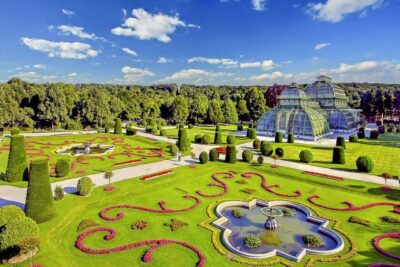
Schönbrunn Palace & Gardens Skip-the-Line Tour
Read our review →

Skip-the-Line Sisi Museum, Hofburg and Gardens Tour
Read our review →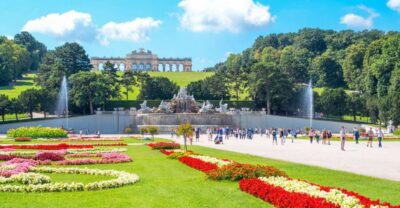
Skip-the-Line Schönbrunn Palace & Gardens Tour
Read our review →
Guided Walking Tour of City Center Highlights
Read our review →