
Reviewed · CONCERTS
Vienna: Classical Concert in the World-Famous Musikverein
Vienna’s Musikverein gives you the chance to hear Vivaldi’s Four Seasons inside one of the world’s best-known concert buildings. The evening begins with Mozart and Haydn, then shifts to Vivaldi’s familiar violin concertos, played by a string ensemble with Austrian soloists. The music is the main event, but the ornate hall is nearly as memorable.
I like the two-hour format, which fits neatly into a sightseeing day, and the chance to choose between the famous Golden Hall and the more intimate Brahms Hall. At $17 per person, the experience can be remarkable value, though your seat matters: some low-cost sections have restricted views, and the wooden seats are not especially soft.
Key points to know before booking
- Two halls, two different moods: The Golden Hall is the grand, famous setting linked with Vienna’s New Year’s Day Concert, while Brahms Hall offers a smaller and warmer chamber-music setting.
- The program has a clear shape: Mozart and Haydn come first, followed by Vivaldi’s Four Seasons after the interval or program break.
- Arrive one hour early: Pick up your ticket in the lobby from the collection point, then enter the hall about 30 minutes before the concert.
- Bring coins or small cash: Coats and backpacks must go to the wardrobe, and card payment may not be accepted at the cloakroom.
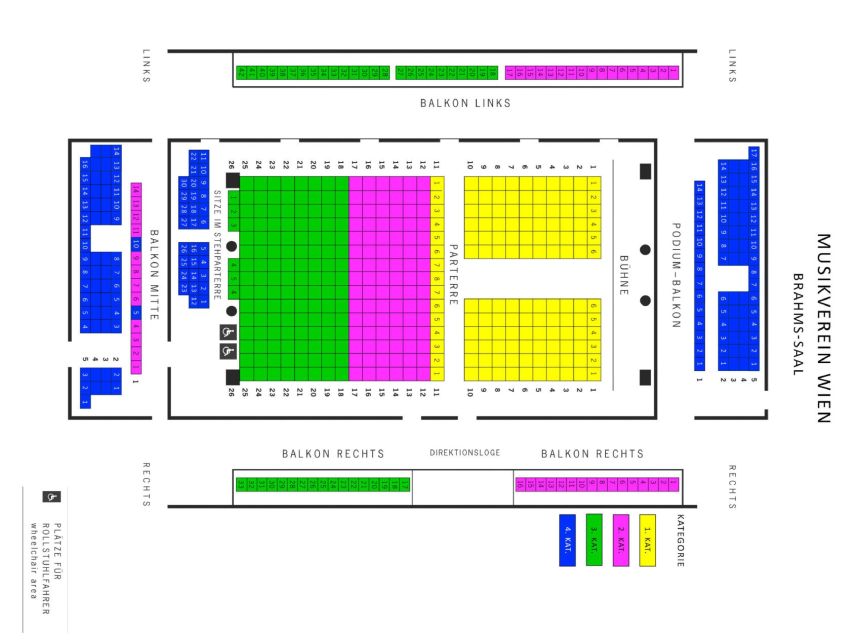
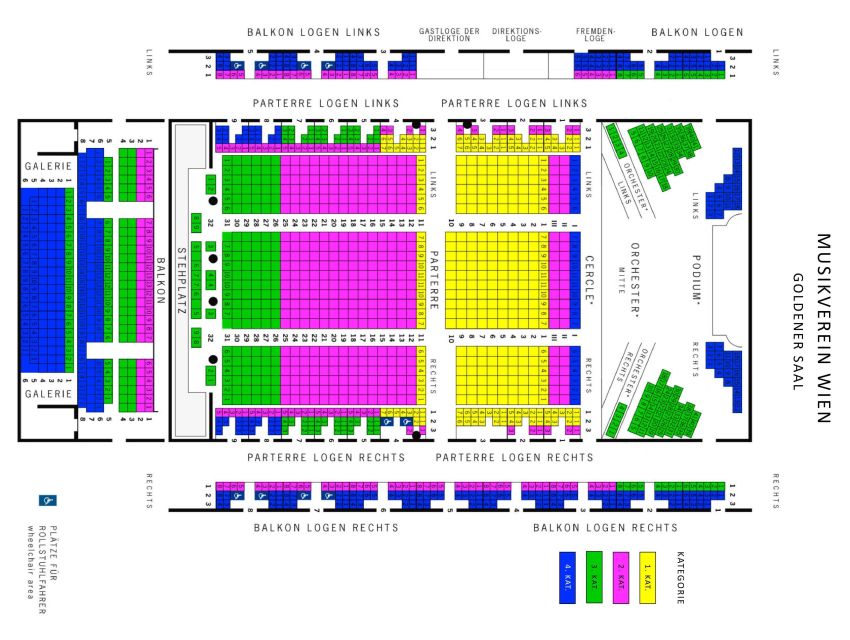
- Seat category affects the view: Some side, balcony, and Section 5 seats have limited sightlines, even when the sound remains enjoyable.
- Concert manners matter: Do not record or photograph the performance, and save your applause for the end of each complete piece.
Why the Musikverein setting matters
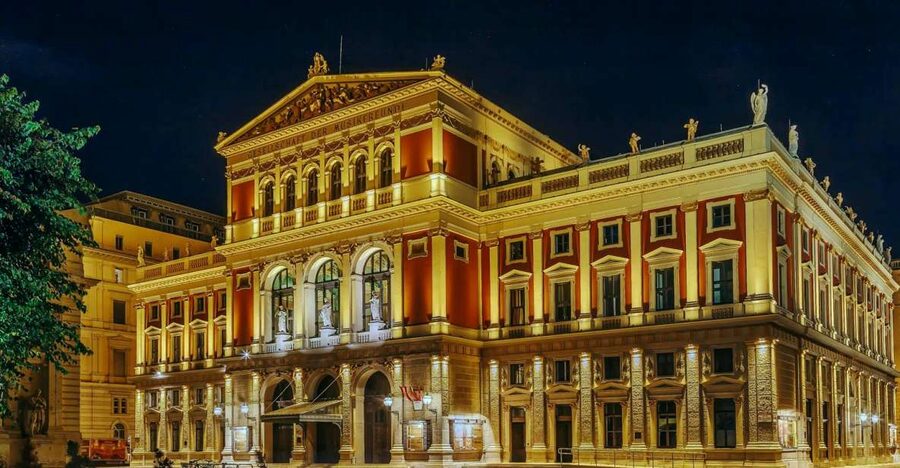
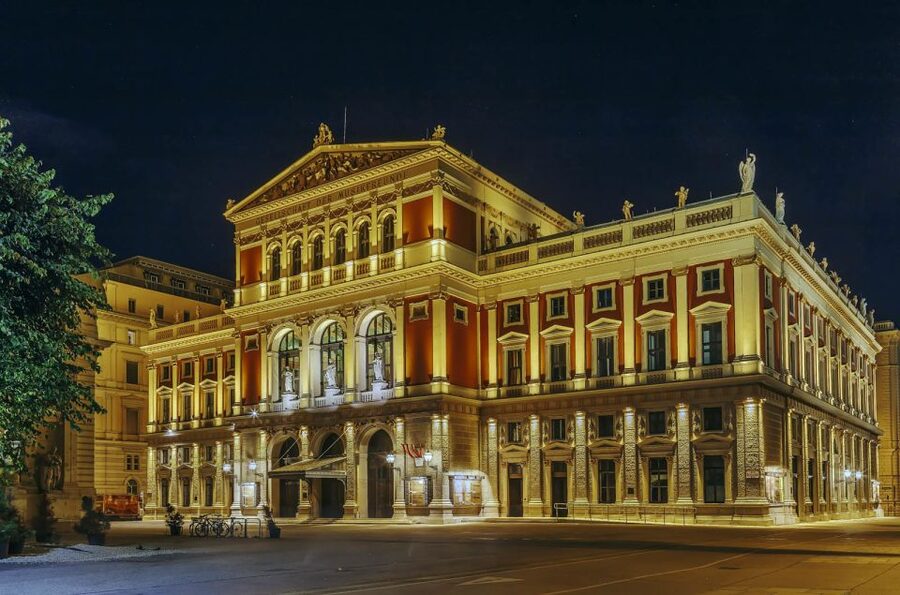
A classical concert can be pleasant in almost any decent hall. At the Musikverein, the room itself is part of the evening. The building’s Neoclassical design and ornate interior give the occasion a sense of ceremony before the musicians play a note.
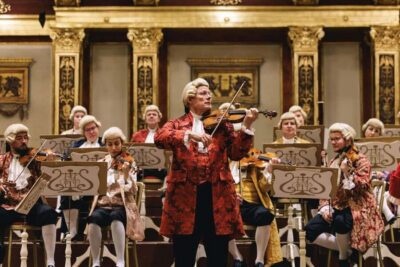
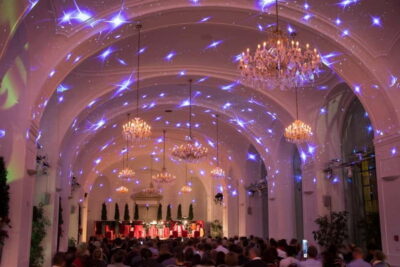
The Golden Hall is the room most people picture when they think of the Musikverein. It is famous for its acoustics and for the televised New Year’s Day Concert. Seeing its decorated interior in person gives a short concert a special sense of place, even if you are not a lifelong classical-music fan.
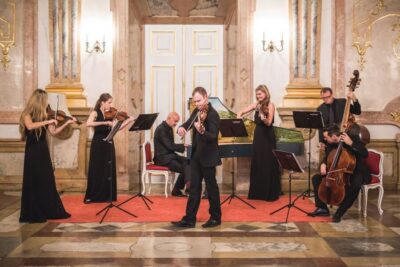
Brahms Hall offers a different experience. It is smaller than the Golden Hall, with a warmer, more intimate feel. That setting can work especially well if this is your first classical concert, since the musicians may feel closer and the room less overwhelming.
The two rooms should not be treated as identical options. The Golden Hall gives you grandeur and ceremony. Brahms Hall gives you intimacy and a chamber-hall atmosphere. If the booking choice clearly identifies the room, think about which mood suits your evening.
Acoustics are another major reason to book here. The Golden Hall is celebrated for its sound, while Brahms Hall is known for excellent acoustics among chamber-music halls. A smaller room does not mean a lesser musical experience. In fact, it can make the strings feel more immediate.
A few more Vienna trips to weigh up
- Vienna: Vivaldi’s Four Seasons Concert in Karlskirche
★ 4.7 · 14,951 reviews - Vienna: Classical Concert at St. Stephen’s Cathedral
★ 4.1 · 4,177 reviews - Vienna: Mozart Concert at the Golden Hall
★ 4.6 · 3,986 reviews
The evening’s musical program
The concert follows a simple and accessible plan. The first part features Viennese classical pieces by Mozart and Haydn. The second part presents Vivaldi’s Four Seasons, performed by the string ensemble and Austrian soloists.
That order works well for a visitor. Mozart and Haydn establish the Viennese setting, then Vivaldi supplies the familiar finale. You do not need a background in music theory to follow the evening. Four Seasons has enough recognizable energy and contrast to hold your attention, from the light spring passages to the more dramatic storm scenes.
The Mozart and Haydn selections can vary according to the date. Check the evening’s program before you go at classical-concert-vienna.com/en/playing-schedule. The schedule is available free online, which is useful because the printed program sold in the hall costs €3.80.
One limitation is that the amount of spoken explanation may be small or nonexistent. You should not expect a tour-style introduction to every composer, piece, or soloist. If you want context, read the free online program before leaving your hotel, or buy the booklet at the venue.
This is a performance rather than a guided lesson. That suits you if you want the music to speak for itself. If you are new to classical concerts and like explanations between pieces, prepare a little in advance.
Hearing Vivaldi’s Four Seasons live
Four Seasons is often used in films, advertisements, and travel videos. Live performance changes your relationship with it. You can hear the push and pull between the solo violin and the ensemble, rather than receiving the music as background sound.
The soloist is the key figure in the Vivaldi portion. One performance was led by violinist Fritz Kircher, and several audience accounts singled out the first violin and solo performances as especially impressive. The quality of the soloist can shape the whole second half, so this is the part to watch closely.
A string ensemble of about 26 musicians performed at one concert, giving you a sense of the scale. It is not a huge symphony orchestra. That smaller group keeps the sound focused and gives the violin a strong presence.
I especially like this program for a first concert in Vienna. Mozart and Haydn connect the evening to the city, while Vivaldi gives you a familiar work with plenty of movement and drama. You get cultural context without committing to a four-hour opera or a more demanding modern composition.
No recording is allowed. That may disappoint you if you want a souvenir video, but it protects the quality of the performance for everyone in the room. Put your phone away and listen to the changes in pace, volume, and mood.
Choosing between the Golden Hall and Brahms Hall
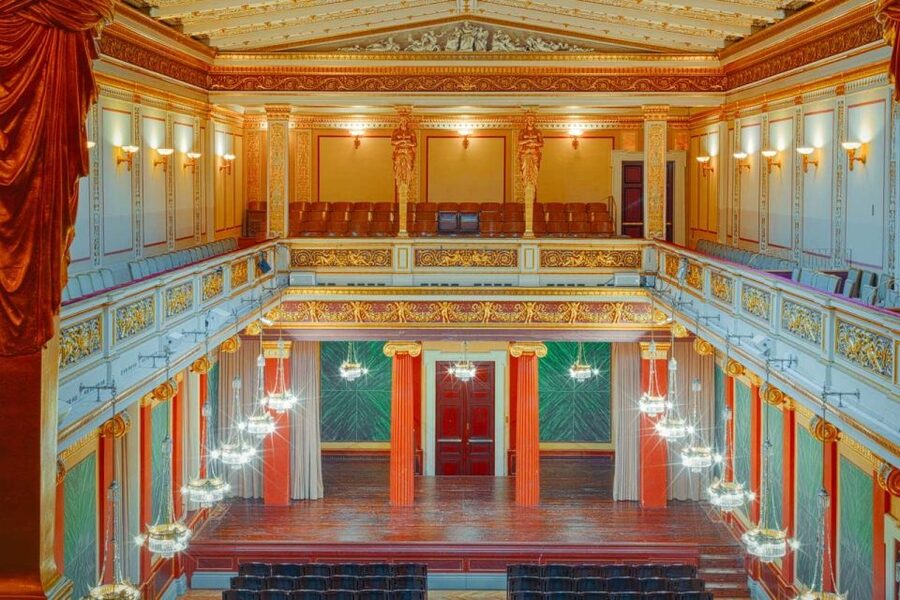
The Golden Hall is the stronger choice if the room itself is high on your Vienna wish list. Its fame, decoration, and association with the New Year’s Day Concert make it feel like a major event. Even a modestly priced seat can put you inside a famous cultural setting.
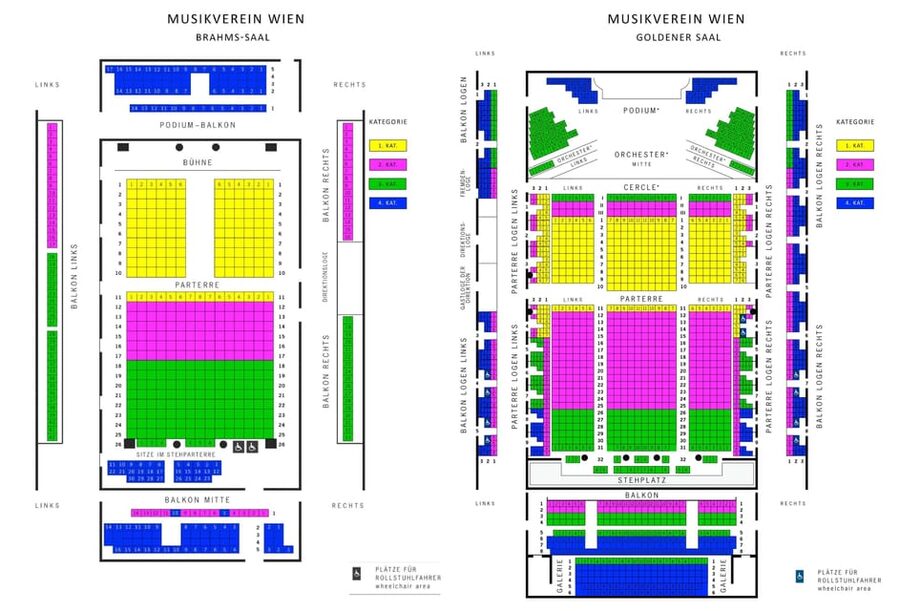
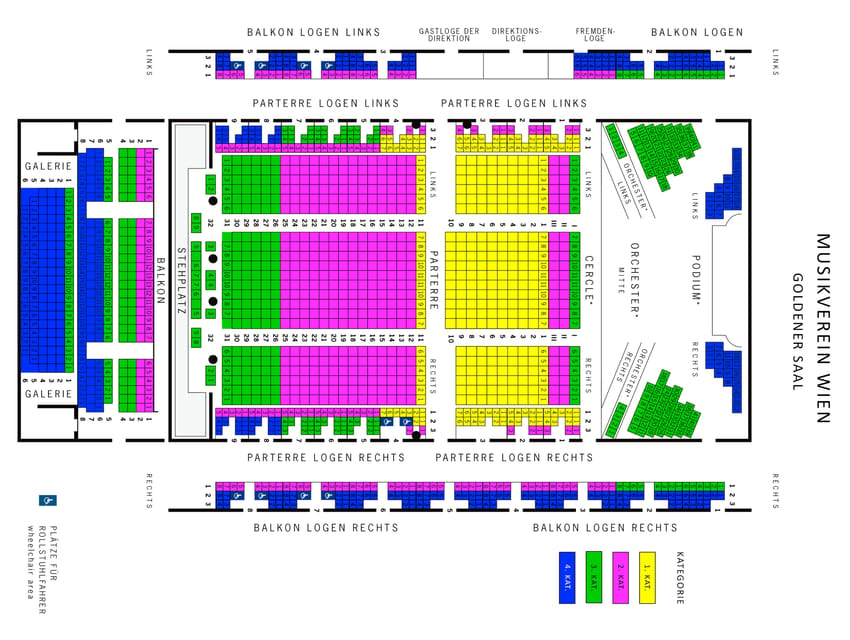
The catch is sightlines. A side or balcony position may give you a fine acoustic experience but a less satisfying view of the musicians. Several ticket categories specifically warn of restricted views, and some people found balcony angles difficult.
Brahms Hall is less grand in scale, but that is part of its appeal. You get an elegant, intimate room where the music can feel close at hand. It is a particularly sensible option for someone who values sound and atmosphere more than a postcard view of a famous interior.
Do not assume that the cheaper seat is automatically poor. A side seat near the back was described as offering a good view at one concert, while other Section 5 seats had very limited views. The exact position matters more than the category label alone.
If you are booking a special occasion and want to watch the soloist clearly, spend more for a better sightline if the options allow it. If your budget is tight, a restricted-view seat can still make sense because you are paying for the hall and the sound as much as the direct view.
Same Alps, a completely different kind of day:
- Vienna: Spanish Riding School Training
★ 3.9 · 9,281 reviews - Vienna: Skip-the-cashier-desk-line Giant Ferris Wheel Ride
★ 4.5 · 7,859 reviews - Vienna: Schönbrunn Palace & Gardens Skip-the-Line Tour
★ 4.7 · 7,739 reviews - Vienna: Light of Creation Votive Church Immersive Light Show
★ 4.8 · 6,779 reviews
Seats, comfort, and sightlines
The seats are a practical weak point. They are wooden with a thin cushion, and several people found them hard during the two-hour performance. If you are sensitive to firm seating, plan for a less luxurious experience than the building’s decoration might suggest.
The view can also vary sharply. Balcony angles may make it hard to see the full ensemble. Side or rear seats can leave you watching partly from an angle, and Section 5 seats are clearly sold with limited views in some cases.
At the same time, an inexpensive seat does not mean you will have a bad night. The sound may remain excellent even when your view is partial. For many people, that is a fair trade at this price.
There is also a useful practical detail about empty seats. One concertgoer moved to a better vacant seat after the performance began, but you should not count on this. In another case, a customer who paid for a relatively expensive section was placed farther back than expected despite open seats closer to the front.
My advice is straightforward: treat seat allocation as an area where expectations should stay modest. Read the seat description carefully, especially words such as restricted view. If seeing the musicians is essential, choose the best category you can afford rather than relying on a later seat change.
Ticket collection and arriving at the Musikverein
Your meeting point can vary by the option you book, so read the instructions carefully. Tickets are collected from a point in the lobby starting one hour before the concert.
Give yourself time to find the building and the correct collection point. The Musikverein is a large venue with several halls, and finding the right entrance or room can take longer than expected. Staff members can help direct you once inside, but arriving at the last minute creates needless stress.
Admission to the hall begins 30 minutes before the concert. That half-hour is useful for finding your seat, checking the view, and settling in before the lights and music begin.
The wardrobe is mandatory for coats and backpacks. Carry cash, preferably small change. The listed guidance specifically warns you to bring cash, and one person paid €0.85 per coat or jacket. Card payment was not accepted at the cloakroom in that case.
The paper program is optional and costs €3.80. The free online program is a better choice if you want the evening’s details without another small expense. Pick it up before the concert so you are not trying to read it after the music starts.
Concert etiquette and the audience experience
Classical concerts ask for a little more quiet discipline than many sightseeing activities. Clapping between movements is frowned upon, so wait until a complete work has finished unless the audience clearly follows another instruction from the hall.
Phones are another issue. Photography, video, and recording are prohibited, but enforcement may not stop every person from using a phone. A bright screen or someone holding up a camera can interrupt your view, especially from a tightly packed or side seat.
You can help keep the room pleasant by switching your phone off or putting it fully away. Do not plan to take photos during the performance. Photograph the hall before the musicians begin, then give the music your full attention.
The audience can shape the evening as much as the acoustics. Most performances are described as well organized, with friendly staff helping people find their seats. Entry and exit can become a little crowded, so remain patient when the concert ends.
Is $17 good value for Vienna?
At $17 per person, this is one of the easier cultural splurges to justify in Vienna. You receive a two-hour live performance in the Musikverein, with music by Mozart, Haydn, and Vivaldi. Even if you choose a lower ticket category, the combination of venue and program gives the evening real value.
Prices can vary by section and option, with one attendee paying less than €35 for a seat six rows from the front. That is a strong price when the sightline is good. The most important question is not simply how cheap the ticket is, but what kind of view comes with it.
Add a little cash for the wardrobe and, if you want one, the €3.80 program. These are small costs, but they are easy to miss if you arrive without coins.
The experience is especially good value for a first visit to Vienna. You get a major concert-hall setting without needing to understand the city’s full classical-music calendar. It also works well as an affordable last-minute plan, provided seats remain available.
I would not book it expecting the polish, seating comfort, or personal service of a top-priced gala performance. The musicians may be excellent, but your view and comfort depend on the category you select. The value is strongest when you care most about hearing good music in a historic hall.
Who should book this concert?
I recommend it to music lovers, first-time classical-concert visitors, couples looking for a formal evening, and anyone who wants a distinctly Viennese activity after a day of museums and palaces.
It also suits families with older children, but children under five are not allowed. Every person needs a ticket, including children.
The format is friendly to newcomers. Four Seasons is recognizable, the total length is manageable, and the rooms offer a clear sense of occasion. You do not need to dress up or know the names of every movement to enjoy the performance, though the provided information does not specify a dress code.
This is less suitable if you need wheelchair access, since the activity is not suitable for wheelchair users. It is also a poor match if you cannot tolerate firm seating, limited views, or a quiet audience setting.
For the best experience, arrive early, bring cash, check the program online, and choose your seat with care. Those four steps address nearly every practical problem connected with the evening.
Should you book the Musikverein concert?
Book it if you want a reasonably priced evening of live classical music in a famous Vienna venue. The strongest reasons are the beautiful rooms, the excellent acoustics, and the lively second half built around Vivaldi’s Four Seasons.
Choose the Golden Hall when grandeur and the famous setting matter most. Choose Brahms Hall when you prefer a smaller, more intimate room. In either case, check the exact hall and seat conditions before paying.
I would book this for a Vienna visit, especially at $17, but I would not ignore the limitations. A restricted-view seat can still sound good, yet a hard chair and obstructed angle may reduce the visual side of the experience. With an early arrival, a little cash, and sensible seat expectations, this is a memorable and well-priced way to hear the city’s classical tradition.
FAQ
How long does the concert last?
The concert lasts two hours.
Which music will be performed?
The first part includes Viennese classical pieces by Mozart and Haydn. The second part features Vivaldi’s violin concerto The Four Seasons.
Which Musikverein hall will host the concert?
The performance takes place in either the Golden Hall or Brahms Hall, depending on the option and date you book.
When should I arrive?
Ticket collection begins in the lobby one hour before the concert. Admission into the hall starts 30 minutes before the performance.
Do I need to bring cash?
Yes. Bring cash for the mandatory wardrobe for coats and backpacks. The paper program is also sold in the hall for €3.80.
Are children allowed to attend?
Children under five are not allowed. Every attendee, including children, must have a ticket.
Just added around Vienna
- Ottakringer Brewery tour★ 4.0 · 6 reviews
- New Hofburg Palace Tour House of Habsburg★ 4.5 · 5 reviews
- Private Van & Walk Tour – One Perfect Day in Vienna★ 5.0 · 21 reviews
- True Crime mobile puzzle rally Vienna★ 4.0 · 3 reviews
- Vienna Naschmarket Food Tasting Tour★ 4.0 · 30 reviews
- Vienna Nightlife Experience: Food, Wine, Cocktails & Vibes★ 5.0 · 119 reviews
- Naschmarkt Food Tour★ 4.0 · 14 reviews
- Myth Mozart★ 4.0 · 80 reviews
Concerts, compared.
Vivaldi’s Four Seasons Concert in Karlskirche
Read our review →
Classical Concert in St. Anne’s Church (Annakirche)
Read our review →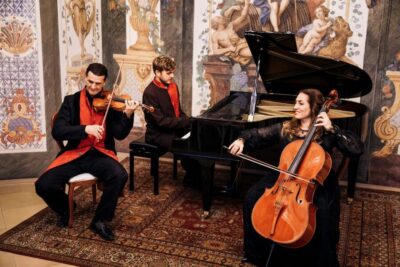
Vienna Classical Concert at St. Peter’s Church
Read our review →Browse the lists this tour appears in