
Reviewed · SELF-GUIDED TOURS
Vienna: Tickets for Mozarthaus Vienna with Audio Guide
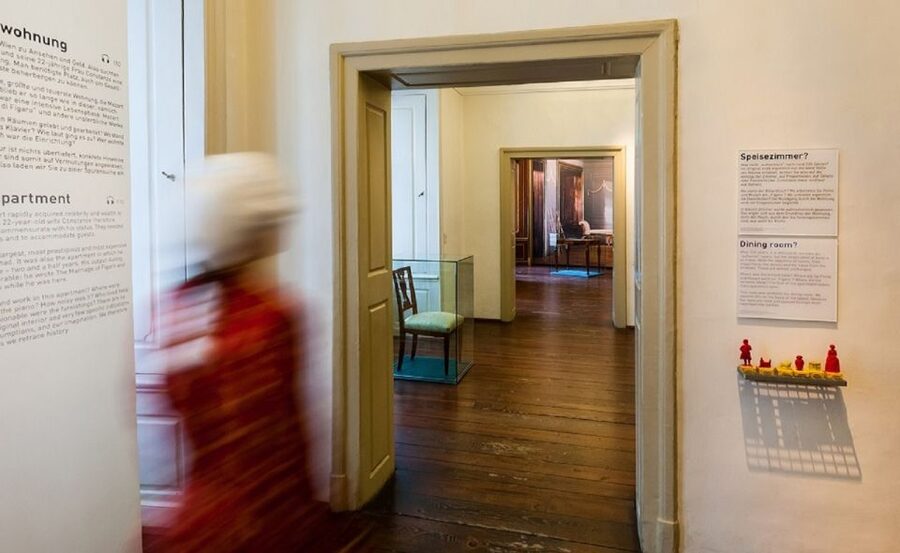
Mozart’s only preserved Vienna apartment is the heart of this visit. He lived here from 1784 to 1787, during his most productive Vienna years, and composed The Marriage of Figaro in these rooms. I like the freedom to move at your own pace, and I like that the audio guide comes in many adult and children’s languages. The main caution is that the apartment is largely empty, with plenty of text panels and fewer original objects than you may expect.
I also like the location in central Vienna and the option to add the interactive Haus der Musik for a full day devoted to sound. Bring your own earphones if you will use your phone for the audio. Photography and video are not allowed inside, and some listening points have limited seating.
Key points
- Mozart’s Vienna home: See the only Mozart apartment in Vienna that has been preserved, dating from his stay between 1784 and 1787.
- The Figaro connection: Learn about the rooms where Mozart composed The Marriage of Figaro and other major works.
- Three exhibition levels: The visit moves beyond the apartment into displays about Mozart’s Vienna years, his music, and his era.
- Audio in 13 languages: Choose English, German, Slovak, Spanish, French, Hungarian, Italian, Polish, Russian, Chinese, Czech, Japanese, or Korean.
- A useful combo option: Add Haus der Musik, an interactive four-floor sound museum in a historic palace.
- Plan for a quiet museum visit: Expect reading, listening, images, and period information rather than a furnished home full of Mozart memorabilia.
Why Mozart’s Vienna apartment matters
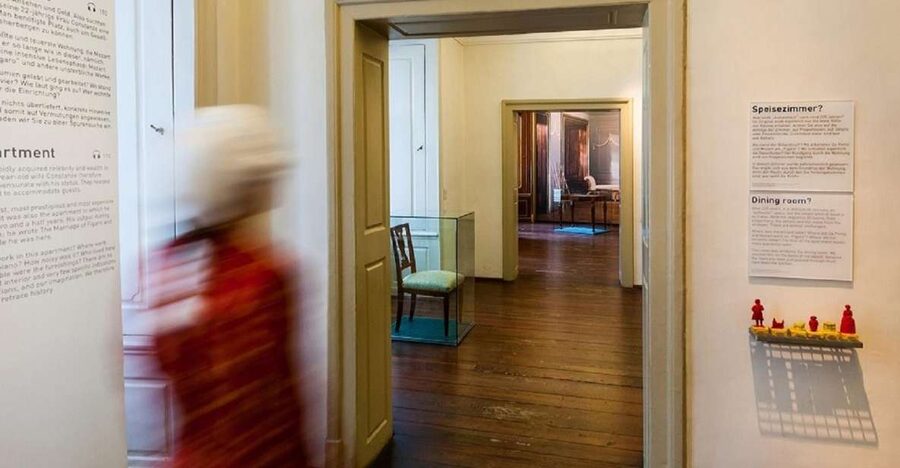
Mozart’s address is the reason to come. The preserved apartment is not simply a room labeled with his name. It is the place where he lived for three important years, from 1784 to 1787, when his work in Vienna reached its peak.
That makes the visit especially useful if you already know a few of his pieces. The rooms give a physical setting to the music. You can think about Mozart not as a distant figure from a concert program, but as a working composer living in central Vienna, writing, performing, and managing daily life during one of the busiest periods of his career.
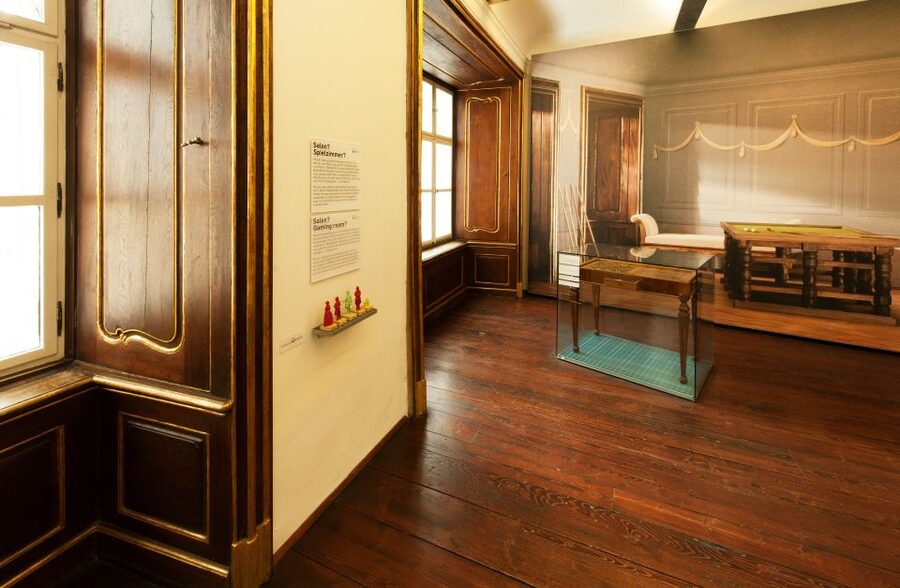
The museum also makes clear that this is not a complete reconstruction of Mozart’s home. The apartment is mostly bare. You will not find every room dressed with period furniture, and there are only a few original objects connected to Mozart. If you expect a furnished composer’s study, you may feel let down.
I see the empty rooms as both a weakness and a strength. They do not create a theatrical version of Mozart’s life, but they also leave room for the building itself and the documented information to lead the visit. The real value is the address, the layout, and the setting within Mozart’s Vienna years.
A few more Vienna trips to weigh up
- Vienna: New Hofburg Palace Audio-Guided Tour & Entry Ticket
★ 4.1 · 566 reviews - Vienna: Schlumberger Wine Cellar Guided or Self-Guided Tour
★ 4.8 · 285 reviews - Vienna’s Old Town and Attractions Self-Guided Tour Booklet
★ 4.3 · 14 reviews
Three floors that put the apartment in context
The exhibition spreads across three levels. The apartment is the anchor, but the museum uses the surrounding rooms to explain the period, Mozart’s life in Vienna, and his most important works.
You begin with the physical home, then move into displays that give the address meaning. The museum is not only about where Mozart slept or composed. It explains the world around him and the stage of his career when he was producing some of his best-known music.
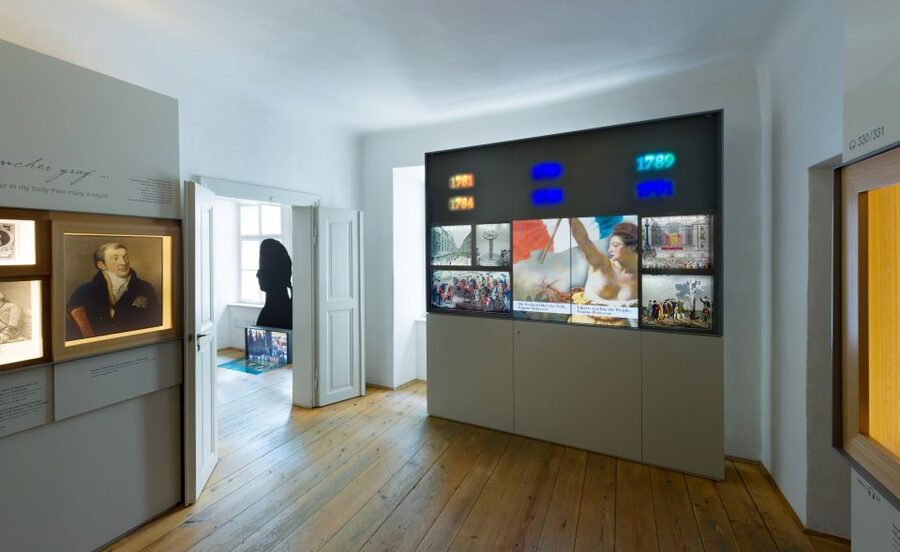
Expect information panels, images, musical references, and displays about Mozart’s time in Vienna. Some original materials are shown, but much of what you see is interpretive material rather than personal belongings. A projected version of one document has replaced an item that was previously displayed in original form, so the presentation can change over time.
The amount of reading is worth noting. If you want every detail, the audio and panels can take time. Some sections feel text-heavy, especially if you are not already interested in classical music. I would not rush through the rooms, but I would also avoid treating every audio stop as compulsory. Use the guide to choose the parts that matter most to you.
Hearing Mozart’s story at your own pace
The audio guide is included and is available in 13 adult languages: English, German, Slovak, Spanish, French, Hungarian, Italian, Polish, Russian, Chinese, Czech, Japanese, and Korean. A children’s audio guide is available in eight languages, which gives families a better way to approach a museum that can otherwise feel heavy on reading.
The self-guided format is one of the strongest parts of the experience. You are not tied to a live guide’s pace or to a fixed group moving from room to room. You can pause, replay sections, or move on when your interest fades.
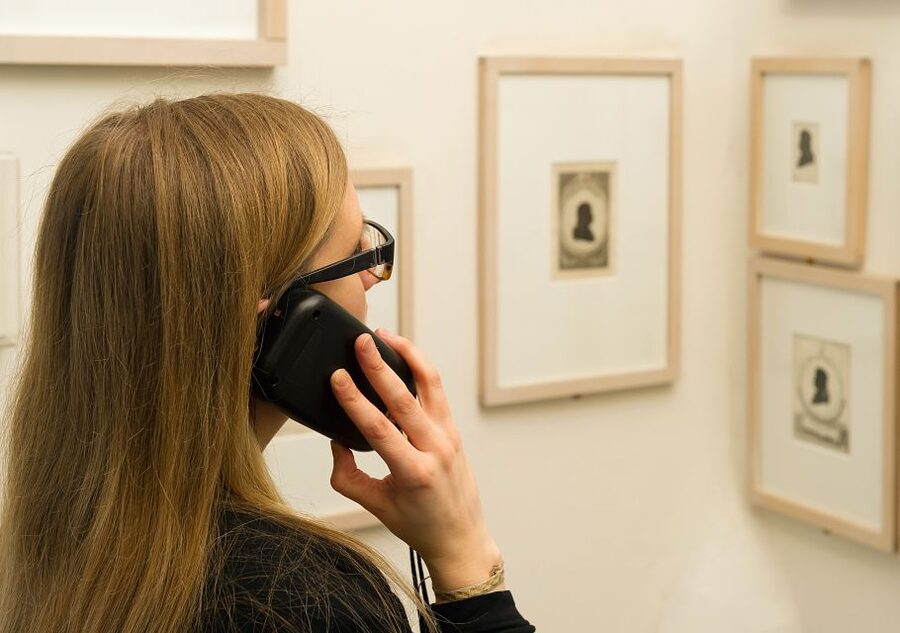
There is one practical wrinkle. Some ticket arrangements now use your own phone for the audio rather than providing a separate device. Bring earphones, ideally wired or otherwise compatible with the setup, so you can keep your hands free and avoid holding your phone to your ear in every room.
You may also need to connect to the museum’s Wi-Fi before the audio works. It is worth sorting that out near the start rather than discovering the problem halfway through the visit.
The audio gives the displays more life, but it does not turn the museum into an interactive concert. You will spend much of your time standing and listening while facing panels or images. Seats are limited in some areas, so older visitors and anyone who likes to take long listening breaks should plan accordingly.
The Marriage of Figaro and Mozart’s working life
The link with The Marriage of Figaro is one of the most appealing details here. Mozart composed the famous opera during his Vienna period, and the museum connects the apartment with that creative work.
For me, this is where the visit becomes more than a famous-person address. You are not simply looking at a room because Mozart once occupied it. You are standing in the place associated with a major piece of music, then using the displays and audio to understand the career behind it.
The museum focuses on Mozart’s Vienna years rather than giving equal weight to every stage of his life. That focus is useful, but it can leave you wanting a short introduction to his earlier years before arriving in Vienna. If you know little about Mozart, pay attention to the basic timeline as you go, or plan to read the introductory material carefully.
Music lovers will likely spend longer here than casual sightseers. Someone who knows little about opera may find the displays less immediate, since they lean toward information and explanation instead of hands-on activities.
Same Alps, a completely different kind of day:
- Vienna: Vivaldi’s Four Seasons Concert in Karlskirche
★ 4.7 · 14,951 reviews - Vienna: Spanish Riding School Training
★ 3.9 · 9,281 reviews - Vienna: Skip-the-cashier-desk-line Giant Ferris Wheel Ride
★ 4.5 · 7,859 reviews - Vienna: Schönbrunn Palace & Gardens Skip-the-Line Tour
★ 4.7 · 7,739 reviews
What you will and will not see
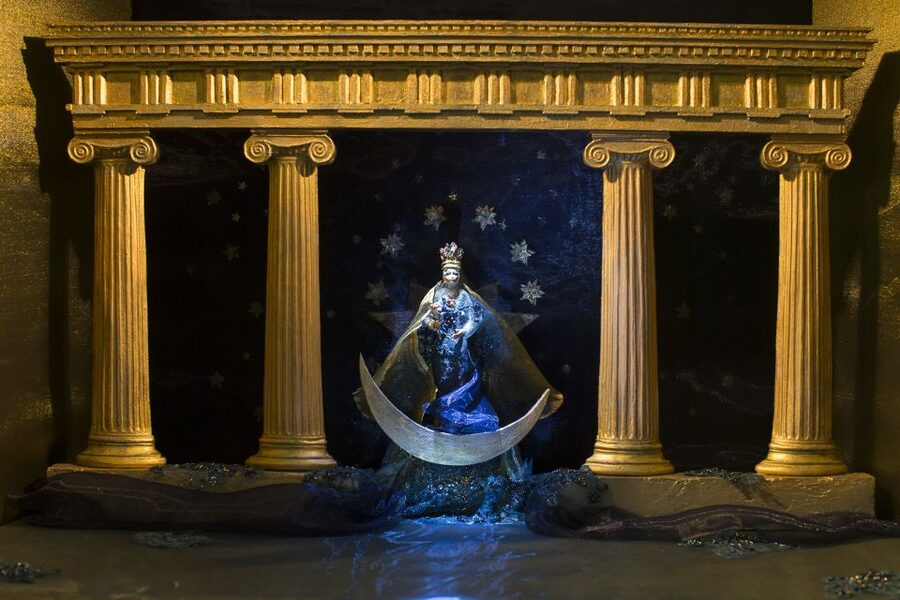
Set your expectations before you enter. This is not Salzburg’s Mozart birthplace, and you should not expect a house full of instruments, clothing, furniture, and personal possessions.
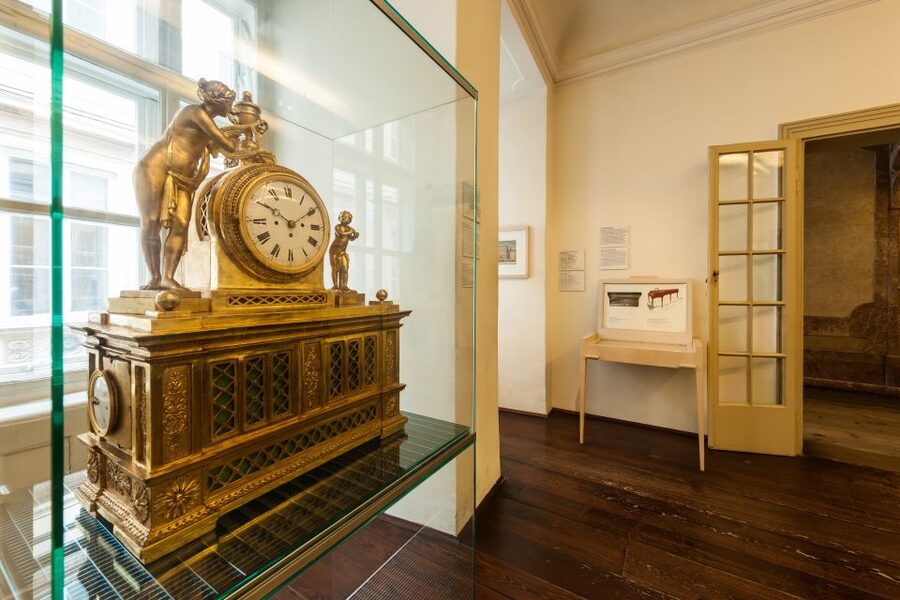
The apartment gives you a sense of the rooms and their arrangement, but it is not decorated as a full period interior. You might see a small number of objects linked to Mozart or his period, along with reproductions, projections, models, images, and written material.
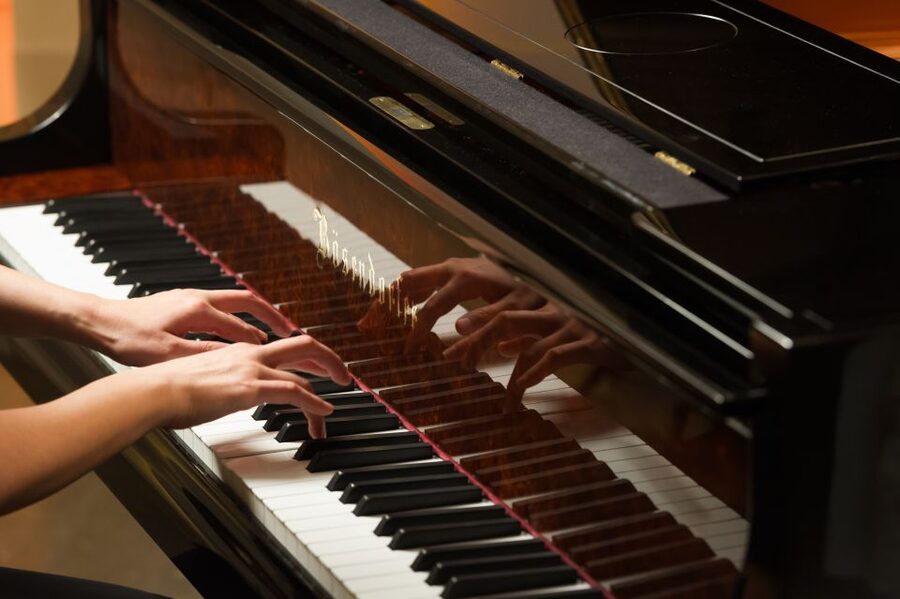
A period piano is among the items that can catch your eye. It is easy to wish you could play it, but the museum’s focus is preservation and interpretation rather than visitor performance.
The lack of original objects is the main reason I would not recommend this as a must-see for every first-time visitor to Vienna. If your main goal is to admire rooms filled with belongings, you may find the experience thin. If your goal is to understand Mozart’s Vienna career and stand inside his surviving address, it makes much more sense.
Photography and video are not allowed inside. That protects the atmosphere and keeps phones from becoming the main event, but it may disappoint you if you like to record details or share images later.
Should you add Haus der Musik?
If you want more sound and less wall text, consider the Mozart & More combo ticket with Haus der Musik. The second museum is an interactive sound museum in Vienna’s historic center, housed across four floors of a historic palace.
Its emphasis is different. Mozarthaus gives you a composer’s address and a guided look at his Vienna career. Haus der Musik lets you try making music and interact with sound in a more hands-on setting. Taken together, the two museums create a fuller music-themed day.
This option suits families particularly well, since the interactive format can balance the quieter, more reading-heavy apartment visit. It also helps if one person in your group is a serious Mozart fan and another prefers activities that involve participation.
Do not assume the combo is necessary for everyone. If you have limited time or want a focused Mozart visit, Mozarthaus alone is enough. If you have several hours and want variety, the additional museum gives the day more range.
The available information does not provide a separate combo price, so compare the options when booking. The key point is to choose based on your interests, not simply because two admissions are offered together.
How long to allow and how the visit feels
The ticket is valid for one day, with entry times depending on availability. That gives you some flexibility, but the activity itself is a self-guided museum visit rather than a full-day escorted tour.
A short visit can cover the apartment and the main displays. A slower visit, with the audio guide and careful reading, takes longer. The exact timing depends on how many audio stops you use and how much background you want.
I would schedule it as one of several central Vienna activities unless you are deeply interested in Mozart. The museum is not huge, which is helpful when planning, but the information can make the visit feel longer than the physical size suggests.
The small-group designation, limited to 10 participants, may reduce crowding at the entry point. Once inside, the self-guided arrangement means you can spread out and follow your own rhythm rather than stay with a guide.
The building is wheelchair accessible. A cloakroom is included, and food, drinks, and transfers are not part of the ticket. Bring a student card if you qualify for a student rate, along with a passport or identity card as requested.
Is $18 a fair price?
At $18 per person, the ticket is reasonably priced for a central Vienna museum, especially if you care about Mozart and will use the audio guide. The cost pays for access to a rare surviving address, three levels of exhibits, and a special exhibition that changes each year and is included with admission.
The value drops if you are expecting a furnished apartment or a large collection of personal items. Much of the visit depends on your willingness to read, listen, and connect the rooms with Mozart’s music.
I would call it good value for a Mozart enthusiast, a classical music fan, or someone building a music-focused Vienna itinerary. For a casual visitor with only an hour to spare, it is a more personal decision. You may find the apartment memorable, but you may also feel that the museum relies too much on text.
The combo with Haus der Musik can improve the value for families and mixed-interest groups. One museum supplies the historical setting; the other offers more direct interaction with sound.
Who will enjoy Mozarthaus most?
You are a strong match for this visit if you:
- Listen to Mozart or want to understand the setting behind his Vienna work.
- Enjoy museums built around documents, rooms, timelines, and audio interpretation.
- Prefer to explore independently rather than follow a live guide.
- Want an indoor stop in central Vienna.
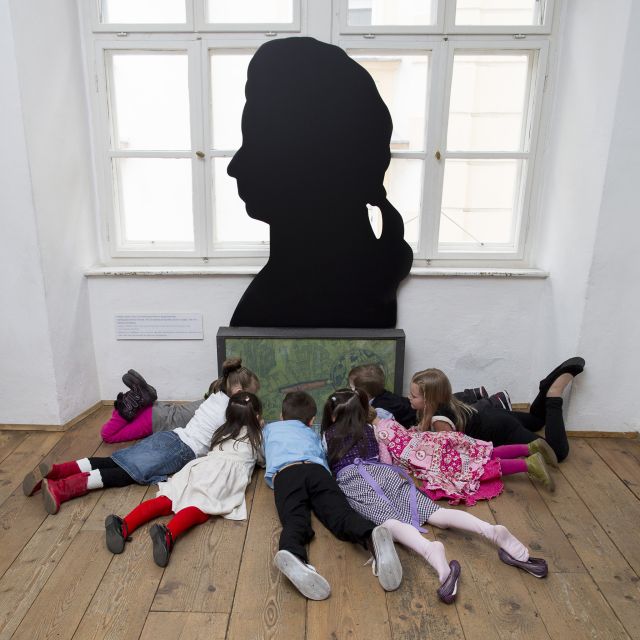
- Are visiting with children who can use the children’s audio guide.
- Plan to pair Mozart with a second music museum.
You may want to skip it if your priority is a fully furnished historic home, a large collection of authentic belongings, or a highly interactive exhibition. You should also allow extra time if standing while listening is difficult, since seating is not plentiful at every point.
Practical tips for a better visit
Bring earphones. This is the single most useful preparation, especially if your audio tour runs through your phone.
Start with the audio guide rather than reading every panel first. It gives you a structure, then you can return to the displays that catch your attention.
Do not expect photography inside. Put your camera away from the start and focus on the rooms, the layout, and the sound.
If you are visiting with children, use the children’s audio guide and keep the visit selective. Three levels of information can be a lot for a young listener, while the Mozart connection and the Figaro story provide clear points of interest.
Students should bring a student card, and all visitors should carry a passport or identity card. If you need a flexible booking, free cancellation is available up to 24 hours before the visit, and a reserve-now, pay-later option is offered.
Should you book Mozarthaus Vienna?
Book it if Mozart’s life and music are part of your reason for coming to Vienna. The chance to enter his only preserved Vienna apartment, linked to the years when he wrote The Marriage of Figaro, gives the museum real purpose.
Book the combo with Haus der Musik if you want a broader music day or need a more active second stop for children. Choose Mozarthaus alone if you prefer a focused museum and already have a full Vienna schedule.
My advice is simple: go for the address, the Vienna-period story, and the audio guide, not for a lavishly furnished home. With that expectation, the $18 ticket offers a thoughtful and manageable look at Mozart’s working life. Without it, the mostly empty rooms and long stretches of text may leave you wishing for more.
FAQ
Where is Mozarthaus Vienna located?
Mozarthaus Vienna is in Vienna’s historic city center. The exact meeting point can vary depending on the option booked.
How long is the ticket valid?
The ticket is valid for one day. Available starting times depend on the date and option selected.
Is an audio guide included?
Yes. Adult audio guides are available in 13 languages, and a children’s audio guide is available in eight languages.
Which languages are available for the adult audio guide?
The adult guide is available in English, German, Slovak, Spanish, French, Hungarian, Italian, Polish, Russian, Chinese, Czech, Japanese, and Korean.
Can I take photographs or record video inside?
No. Photography and video recording are not allowed inside Mozarthaus Vienna.
Is the museum wheelchair accessible?
Yes. Mozarthaus Vienna is wheelchair accessible.
Does admission include Haus der Musik?
Haus der Musik admission is included only if you select the combo option. The combo is called the Mozart & More ticket.
What should I bring?
Bring a student card if applicable, plus a passport or identity card. Earphones are also useful if you will listen to the audio guide on your own phone.
Just added around Vienna
- Ottakringer Brewery tour★ 4.0 · 6 reviews
- New Hofburg Palace Tour House of Habsburg★ 4.5 · 5 reviews
- Private Van & Walk Tour – One Perfect Day in Vienna★ 5.0 · 21 reviews
- True Crime mobile puzzle rally Vienna★ 4.0 · 3 reviews
- Vienna Naschmarket Food Tasting Tour★ 4.0 · 30 reviews
- Vienna Nightlife Experience: Food, Wine, Cocktails & Vibes★ 5.0 · 119 reviews
- Myth Mozart★ 4.0 · 80 reviews
- ( Night Tour ) With Private Guide + wine or prosecco★ 4.0 · 12 reviews
Self-Guided Tours, compared.
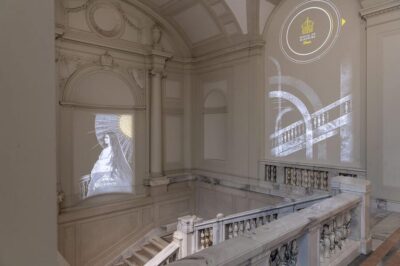
New Hofburg Palace Audio-Guided Tour & Entry Ticket
Read our review →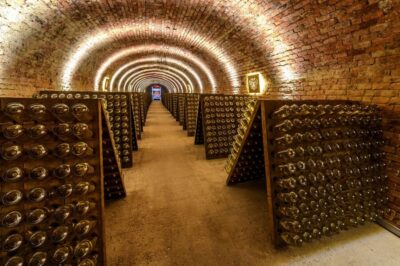
Schlumberger Wine Cellar Guided or Self-Guided Tour
Read our review →

Vienna’s Old Town and Attractions Self-Guided Tour Booklet
Read our review →
Self-Guided 1,5-hour Tour of Innsbruck: Exciting Stories, Photo Spots & Desserts
Read our review →
Salzburg Sound of Music Quest: Self-Guided Escape Game
Read our review →
Self-Guided Tour of Salzburg: Stories, Photo Spots & Desserts
Read our review →Browse the lists this tour appears in