
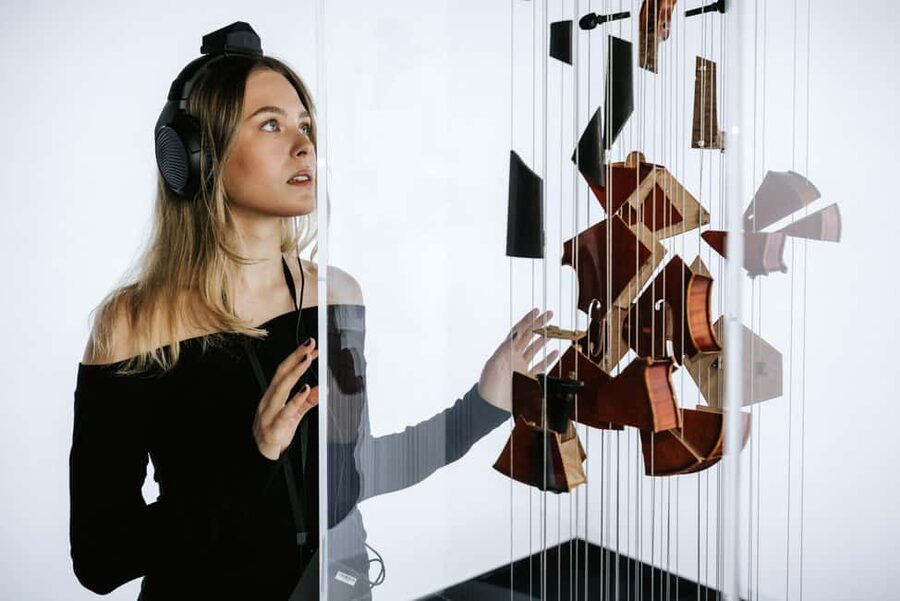
Reviewed · MOZART AND STRAUSS CONCERTS
Vienna: Johann Strauss – Immersive Audiovisual Experience Ticket
Johann Strauss was Vienna’s first true pop star, and this 75-minute museum experience presents him with the tools of a modern concert, film, and interactive exhibit. You’ll follow his music and career through projections, animations, historical scenes, and location-based 3D sound.
I like the freedom to move without losing the audio commentary, and I like the composing machine, which lets you make a personal waltz and take home printed sheet music. The main caution is the large headphone set and frequent audiovisual effects, which may not suit anyone prone to motion sickness.
Key points
- High-precision 3D audio: Move through the exhibition while the sound follows your exact position.
- A personal waltz to take home: Use the composing machine to create music and receive it as sheet music.
- A photo as Johann Strauss: Have your picture printed at the museum’s photo booth.
- A 75-minute format: Long enough for a full presentation, yet easy to fit into a day in Vienna.
- Modern storytelling: Projections, animations, music, and interactive displays replace a traditional case-filled museum visit.
Meeting Johann Strauss, Vienna’s first pop star
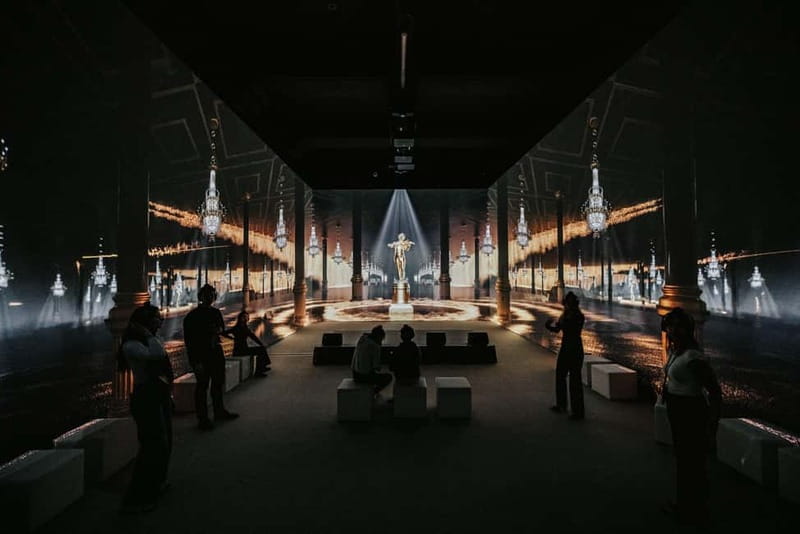
This is not a quiet museum built around rows of portraits and glass cases. The Johann Strauss Museum uses sound, light, moving images, and interactive stations to bring the composer’s world to life.
That approach fits Strauss unusually well. His waltzes were not only concert music. They were public entertainment, dance music, and social currency in nineteenth-century Vienna. Strauss became famous on a scale that feels familiar today, with a public image, devoted audiences, and melodies that traveled far beyond the city.
The experience presents him as the first pop star in history. You’ll learn about important phases of his life and work while his music forms the thread connecting the displays. The result is part biography, part music show, and part hands-on exhibition.
I would choose this museum if you want cultural context without committing to a long academic lecture. It gives you a clear introduction to Strauss, then lets the music do much of the explaining.
More Mozart and Strauss Concerts in Vienna
- Vienna: Mozart Concert at the Golden Hall
★ 4.6 · 3,986 reviews - Vienna: Mozart and Strauss Concert at Schönbrunn
★ 4.5 · 2,364 reviews - Vienna Mozart Concert in Historical Costumes at the Musikverein
★ 4.5 · 888 reviews
How the 75-minute visit unfolds
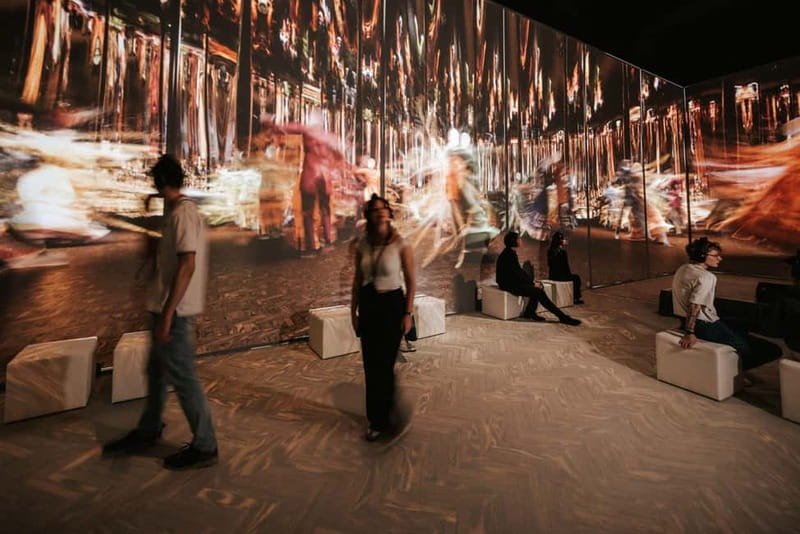
Your visit begins at the Johann Strauss Museum, officially called Johann Strauss Museum, New Dimensions. The admission ticket includes the exhibition, headphones, the composing machine, and access to the souvenir shop and photo booth.
The exact order of the displays may depend on how the museum directs you through the space, but the experience is built around several connected parts:
- Strauss’s life and major career phases
- Multimedia stations with information and animations
- Audiovisual scenes based on his era
- Interactive ways to hear and explore his music
- A composing machine
- A photo opportunity and souvenir shop
The 75-minute length is useful. You have enough time to follow the story and try the interactive features without giving the museum half a day. I would still avoid booking it too close to another fixed appointment, since you’ll want time to experiment with the hands-on parts rather than rush through them.
The headphone system changes how you move
The most unusual feature is the location-based 3D sound system. Your headphones use high-precision real-time positioning, so the audio responds to where you are in the exhibition.
That means you are not tied to one marked spot while a recording plays. You can move through virtual spaces and audiovisual scenes while the sound remains connected to your position. This gives the visit a more active feel than a standard audio tour.
I like this setup because it solves a common museum problem. Audio guides often require you to stand at a numbered display, press a button, and then move on. Here, the system is designed to give you more freedom of movement and a stronger sense of being inside the presentation.
The trade-off is physical. You’ll wear a large headphone set for much of the visit. One review specifically praised the audio guide but warned that the headphones are substantial, so consider your comfort before booking. The museum also lists the experience as unsuitable for people with motion sickness.
The system may be especially helpful if you find ordinary museums hard to follow. The combination of music, motion, and visual material keeps your attention moving. It can also make the visit more appealing for younger visitors and for anyone who prefers doing something rather than reading long labels.
Interactive displays turn biography into a story
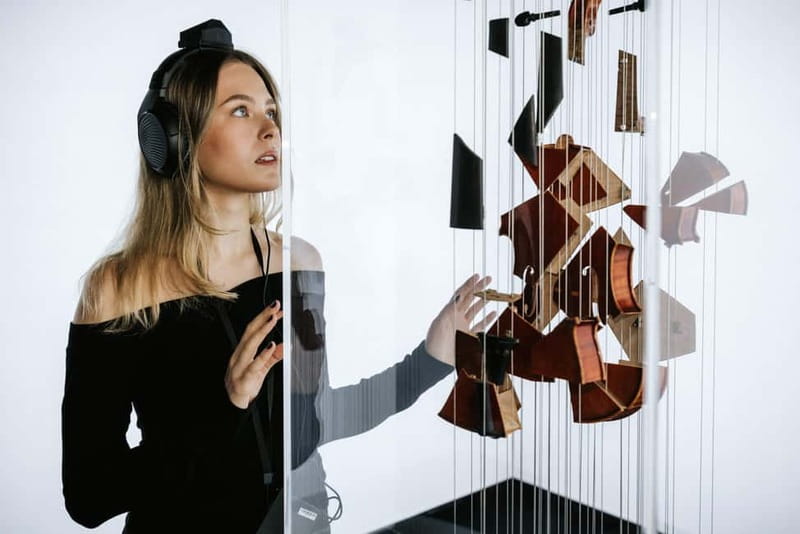
The exhibition covers key stages of Johann Strauss’s life and work through interactive displays. Instead of receiving only dates and names, you’ll encounter his music alongside animations and short information points.
That matters because Strauss’s career is easier to understand when you hear the music connected to the events around it. The exhibition’s format lets you place his melodies within the culture of Vienna’s golden age.
The multimedia stations offer another layer. They provide information and animations that show how Strauss’s music can be represented visually. This is not the same as attending a live orchestra performance, and you should not book it expecting a full concert. It is a museum presentation with music as its main language.
I find that distinction important. If you already know Strauss well and want a detailed scholarly account, the presentation may feel brisk. If you know only the famous waltz melodies, it gives you a more approachable way to understand the man behind them.
The experience also lets you encounter the era through historical scenes. These scenes aim to give you a sense of the world in which Strauss worked, rather than presenting only a modern biography. The historical material is supported by sound and projection, so you are not left alone with text panels.
Same Alps, a completely different kind of day:
- Vienna: Vivaldi’s Four Seasons Concert in Karlskirche
★ 4.7 · 14,951 reviews - Vienna: Spanish Riding School Training
★ 3.9 · 9,281 reviews - Vienna: Skip-the-cashier-desk-line Giant Ferris Wheel Ride
★ 4.5 · 7,859 reviews - Vienna: Schönbrunn Palace & Gardens Skip-the-Line Tour
★ 4.7 · 7,739 reviews
The final rooms bring the biggest payoff
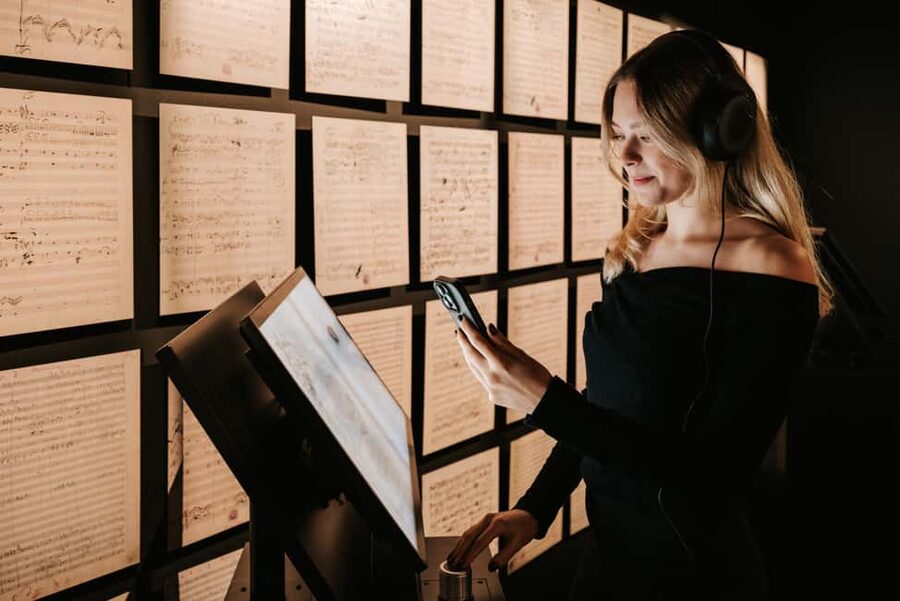
The most memorable part for many people is likely to be the later interactive material, especially the final room. One detailed response singled out that last room as the most engaging part of the visit, particularly for someone who often finds museums boring.
That is useful guidance. The experience builds toward an audiovisual payoff rather than placing all of its energy at the entrance. If you are tempted to hurry through the early biographical displays, slow down enough to follow the story. The later scenes will make more sense once you know who Strauss was and why his music mattered.
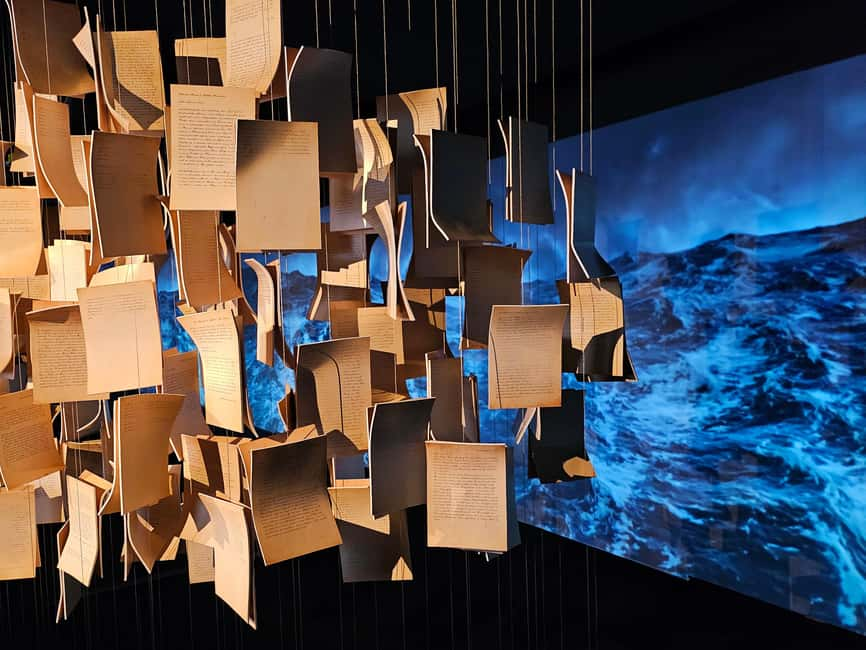
The final sections bring together projections, music, and interactive effects. You may find them more theatrical than the earlier information stations. This is where the museum’s modern approach makes its strongest case.
You should also expect some visual movement and changing environments. The museum warns that the experience is not suitable for people with motion sickness. If that applies to you, a conventional Strauss concert or more traditional museum may be a better choice.
Compose your own waltz
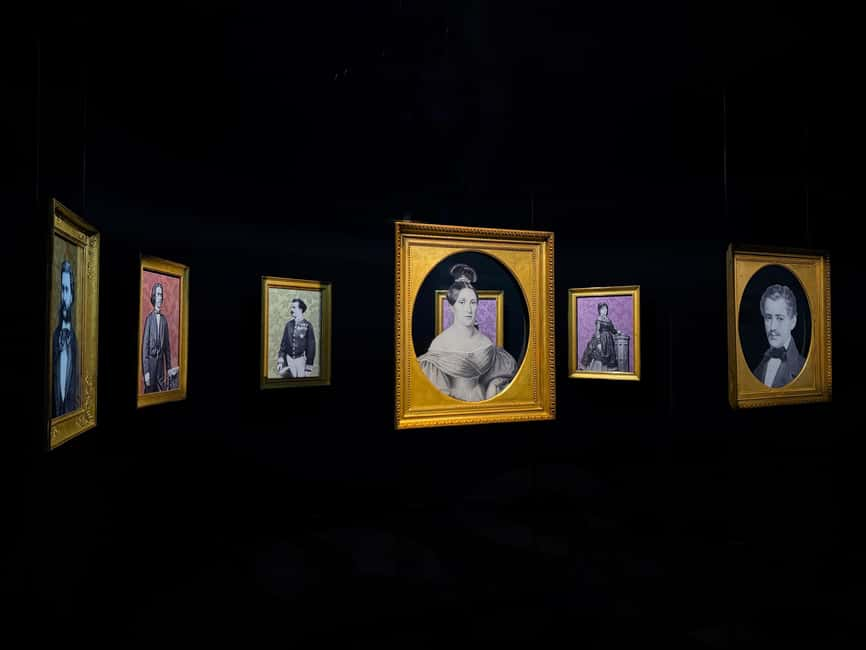
The composing machine is the most personal feature in the museum. It lets you create your own waltz and take the result home as personalized sheet music.
You do not need to be a trained composer to appreciate this. The appeal is in making a small piece of the experience your own. After learning about Strauss’s melodies, you get to experiment with the idea of composing rather than simply listening.
The printed sheet music is also a better souvenir than a standard postcard. It connects directly to the museum’s subject and gives you something that reflects your visit. The information provided does not specify how complex the composing process is, so you should think of it as an interactive keepsake rather than a full music lesson.
I would make time for this station even if you are visiting with a group. It offers a change of pace after the audiovisual scenes and gives you something active to do. For families, it may be one of the easiest ways to turn the visit from a presentation into a shared activity.
Take a photo as the Waltz King
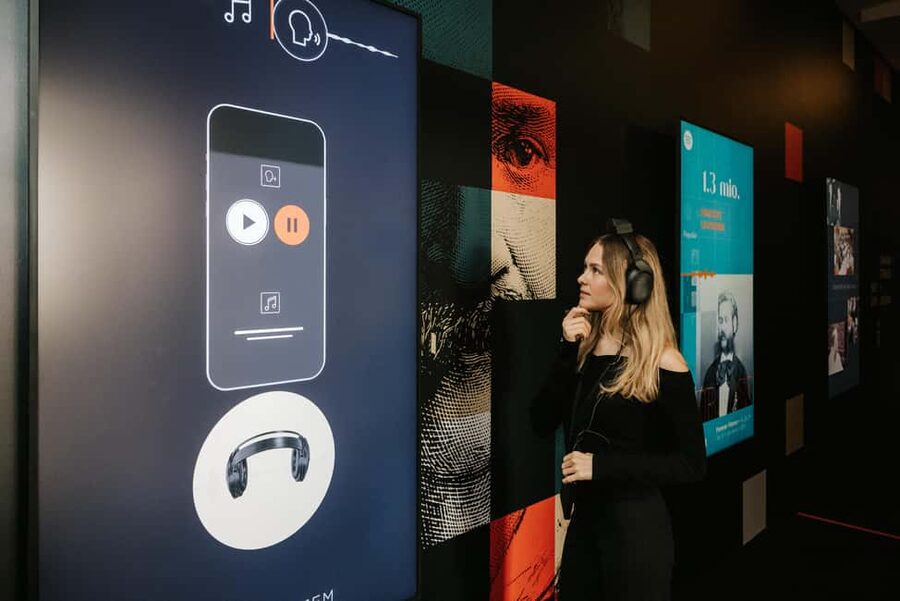
The museum also includes a photo booth where you can have a picture of yourself printed as Johann Strauss. It is a playful extra, but it fits the spirit of the exhibition.
This is not the kind of souvenir you choose for subtlety. It is meant to be lighthearted, and it gives you a physical reminder of the museum’s central idea: Strauss was not only a composer but a public figure with a recognizable persona.
The printed photo is included with the museum experience, along with admission to the souvenir shop. If you are traveling with children or friends, this may become one of the visit’s more amusing moments.
Who will get the most from this museum?
I would recommend the experience to several kinds of visitors:
- Classical music newcomers: You’ll get an accessible introduction to Strauss without needing prior knowledge.
- Fans of Vienna’s culture: The museum links music with the city’s golden age and public life.
- People who dislike static museums: The moving sound and interactive displays keep the visit active.
- Families and mixed-age groups: The composing machine and photo booth give everyone something to try.
- Visitors with limited time: Seventy-five minutes is a manageable cultural stop between other Vienna plans.
- Technology fans: The location-based 3D audio is the feature to watch.
I would be more cautious if you want a traditional museum with original objects, long written explanations, or a quiet atmosphere. The supplied details focus on multimedia, music, and interaction, not on a large collection of physical artifacts.
The same applies if you are sensitive to headphones, projected imagery, or motion effects. You may still find the subject interesting, but the format could be tiring.
Is $28 a fair price?
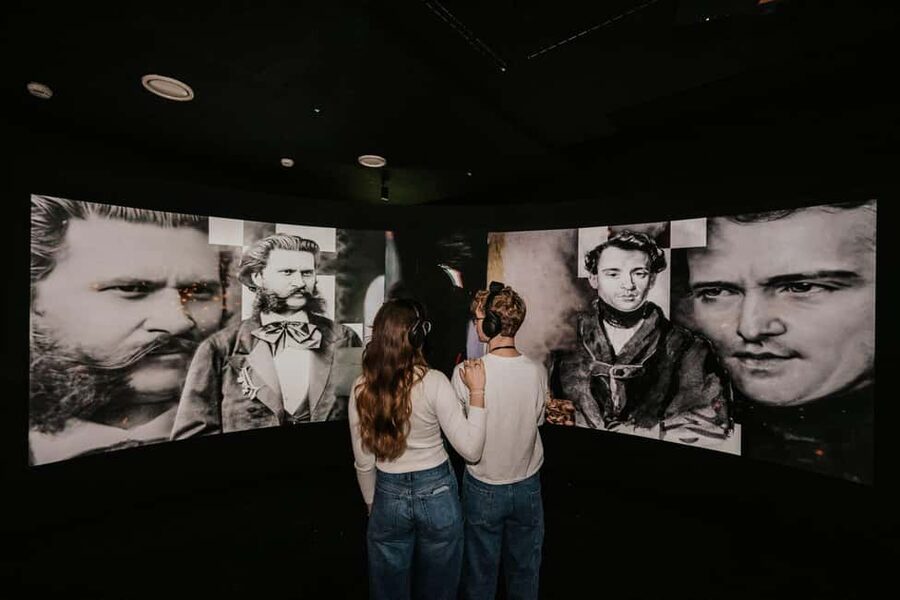
At $28 per person, the museum is priced like a substantial cultural attraction rather than a quick gallery stop. The value depends on how much you enjoy the format.
You receive 75 minutes of admission, an audio guide system in several languages, interactive displays, audiovisual presentations, access to the composing machine, and the photo booth. The personalized sheet music and printed photo give the ticket more tangible value than a basic audio tour.
The audio guide is available in Chinese, English, French, German, Italian, Japanese, Korean, and Spanish. That broad choice makes the experience easier to follow for international visitors. The host or greeter speaks German and English, so you can ask for help in those languages at the entrance.
I consider the ticket a fair buy if you like modern exhibitions and want a focused Johann Strauss experience. It is less convincing if your main goal is to hear a live orchestra. This museum explains and presents Strauss through technology, but it is not a concert ticket.
The high rating of 4.8 from 60 reviews supports the idea that the format works well for its intended audience. The most praised features are the helpful entrance staff, the audio guide, the value for money, and the ability to stay engaged through the interactive presentation.
Timing, language, and practical details
The museum is open Sunday through Thursday from 10:00 a.m. to 6:00 p.m. On Friday and Saturday, it stays open until 7:00 p.m.
You need to pay close attention to the type of ticket you choose. A timeslot ticket requires you to visit on the selected day and time. A weekday flex ticket can be used flexibly on weekdays, while an everyday flex ticket can be used flexibly on any day. Check your voucher carefully so you know which rule applies.
The experience lasts about 75 minutes. Starting times depend on availability, so check before you book. The activity begins and ends at the Johann Strauss Museum, New Dimensions.
The museum is wheelchair accessible. Cancellation is free up to 24 hours before the visit, and a reserve-now, pay-later option is available. Those policies are useful if you are arranging a Vienna schedule around weather, rail connections, or other timed attractions.
My advice for making the most of it
Read the basic information about Johann Strauss before you arrive if you have time. You do not need a music background, but knowing that the visit follows his life and career phases will help you connect the displays.
Plan to use the composing machine rather than treating it as a quick photo stop. The sheet music is one of the few souvenirs here that comes directly from your own participation.
Wear the headphones for as long as the exhibition requires, but pay attention to your comfort. If large headphones bother you, the experience may feel less relaxing than a standard museum visit.
Also, do not expect the entire visit to feel like a conventional historical exhibition. The point is the combination of music, projections, sound positioning, and interaction. Go in ready for a staged presentation, and you’ll have a clearer idea of what you are buying.
Should you book the Johann Strauss Museum?
Book it if you want a lively, technology-led introduction to Vienna’s Waltz King, especially if you enjoy music, visual effects, and hands-on exhibits. The 75-minute format, multilingual audio, composing machine, and printed souvenirs make the $28 price reasonable for the right audience.
Skip it if you are looking for a quiet collection of original objects, a full live performance, or an exhibition without motion and large headphones. For everyone else, this is a smart cultural stop that makes Johann Strauss approachable without asking you to sit through a long lecture.
FAQ
How long does the Johann Strauss Museum experience last?
The experience lasts approximately 75 minutes.
Where does the activity begin and end?
It begins at Johann Strauss Museum, New Dimensions, and ends back at the same meeting point.
What is included with admission?
Your ticket includes museum admission, headphones used as an audio guide, use of the composing machine, and admission to the souvenir shop with photo booth.
Can I create my own music?
Yes. The composing machine lets you compose your own waltz and take it home as personalized sheet music.
Can I have a photo printed at the museum?
Yes. The museum has a photo booth that can print a photo of you as Johann Strauss.
Which languages are available for the audio guide?
The audio guide is available in Chinese, English, French, German, Italian, Japanese, Korean, and Spanish.
What languages are spoken by the host or greeter?
The host or greeter speaks German and English.
Is the museum wheelchair accessible?
Yes. The activity is wheelchair accessible.
Can I cancel my booking?
You can cancel up to 24 hours in advance for a full refund. A reserve-now, pay-later option is also available.
Just added around Vienna
- World War II History Vienna Old Town Private Walking Tour★ 4.8 · 9 reviews
- From Krems: Wachau Valley River Cruise on the Danube★ 4.6 · 95 reviews
- Vienna: Winery and Wine Tasting Tour with a Wine Expert★ 5.0 · 5 reviews
- Vienna: Wine Tasting Tour★ 4.8 · 61 reviews
- Vienna: Wine Tasting E-Bike Tour★ 4.9 · 46 reviews
- Vienna: Wine Tasting at Schönbrunn Palace★ 4.3 · 71 reviews
- Vienna: Wiener Schnitzel and Strudel Cooking Class★ 4.9 · 126 reviews
- Vienna Urban Art Tour: Explore a different side of Vienna!★ 3.8 · 14 reviews
Mozart and Strauss Concerts, compared.
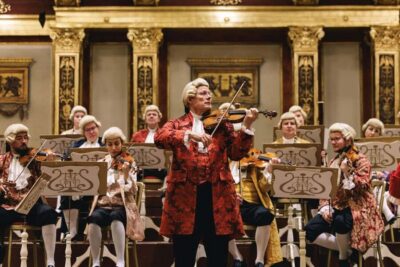
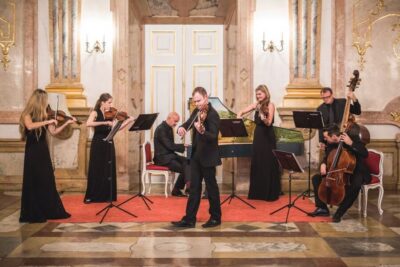
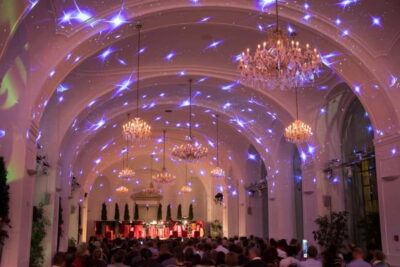
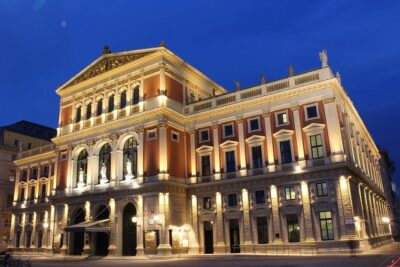
Vienna Mozart Concert in Historical Costumes at the Musikverein
Read our review →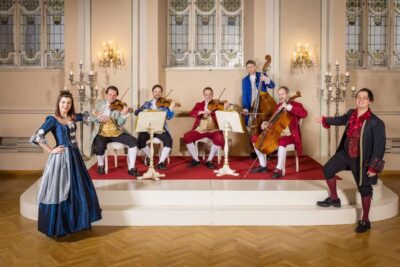
Mozart & Strauss Classical Concert at Börse Palace
Read our review →

Best of Mozart Concert and Dinner or VIP Dinner at Fortress Hohensalzburg
Read our review →Browse the lists this tour appears in