
Reviewed · MOZART AND STRAUSS CONCERTS
Vienna: Johann Strauss 200th birthday anniversary exhibition
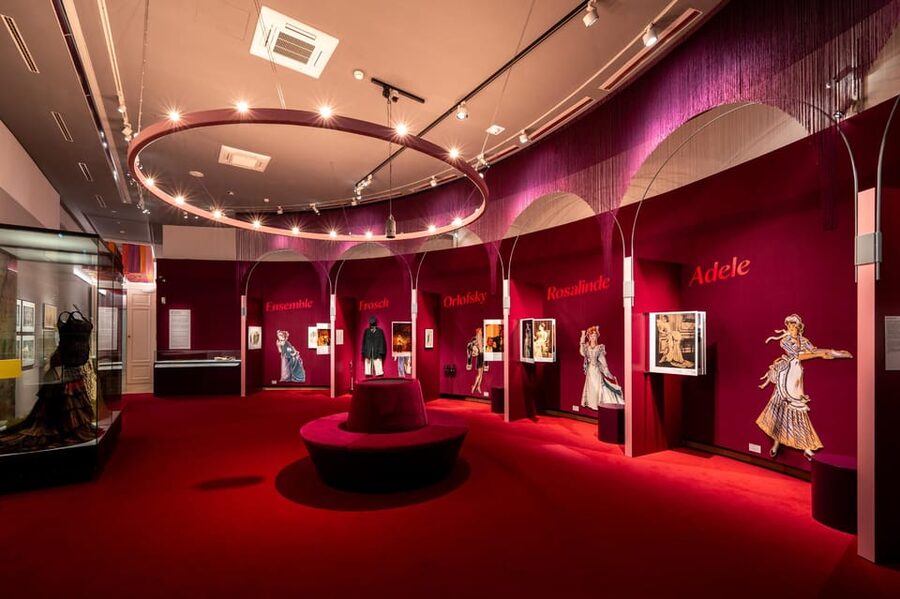
Vienna’s Theatermuseum marks Johann Strauss Sohn’s 200th birthday with an exhibition that gets past the familiar Blue Danube image. You’ll see original objects from his performances, follow his music toward Boston, and come face to face with the original score of Die Fledermaus. I especially like the mix of music, theater, and personal history.
I also like that the exhibition places Strauss inside the Vienna that made him famous, then shows how his music reached far beyond Austria. The main drawback is that the audio is not included, and one presentation has music that does not always match the films on screen.
Key points to know before you go
- The original Die Fledermaus score is one of the exhibition’s most important objects.
- Palais Lobkowitz provides a historic setting for the Theatermuseum and the Strauss display.
- Music and film examples make the exhibition more lively than a room of documents alone.
- The Boston stop shows how Strauss music moved from Vienna into the wider world.
- The focus is artistic: dance music, concert works, operettas, and music theater.
- The $18 admission lasts one day, with free cancellation up to 24 hours before the visit.
Why this Strauss exhibition matters in Vienna
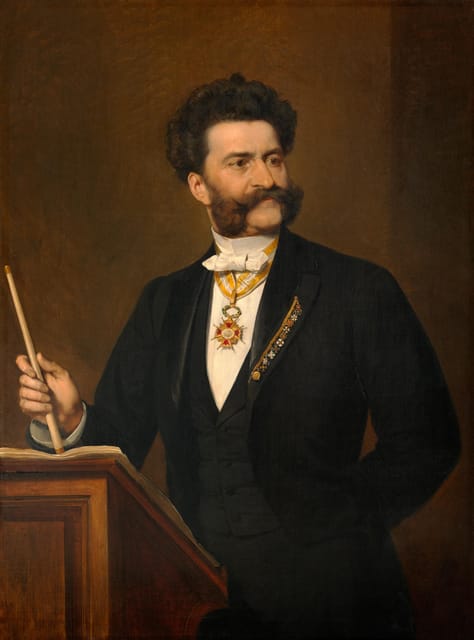
Johann Strauss Sohn is often reduced to waltzes played at elegant balls or to the annual New Year’s concert. This exhibition gives you a wider picture. Strauss was a major maker of popular music, a stage composer, a touring performer, and a public figure whose work traveled well beyond the city where it first became famous.
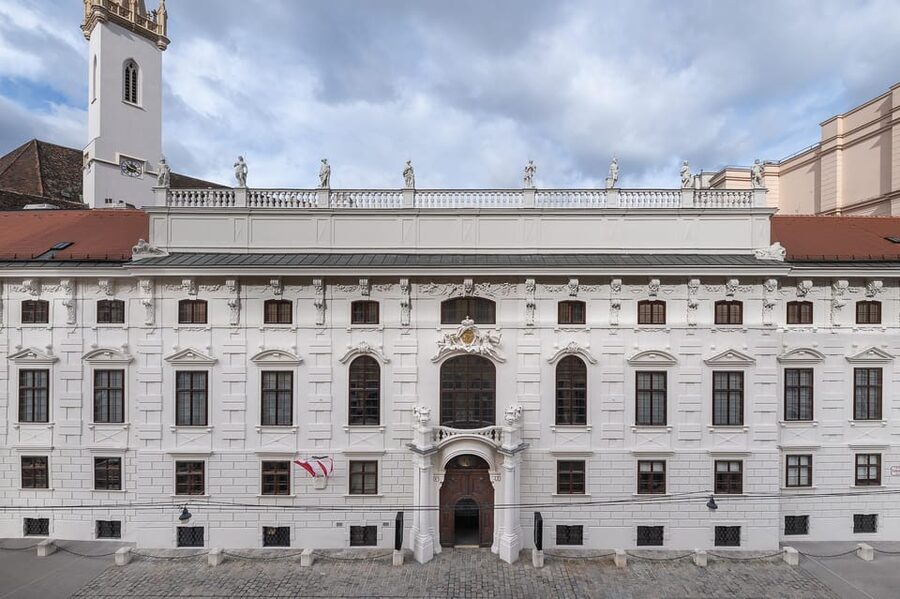
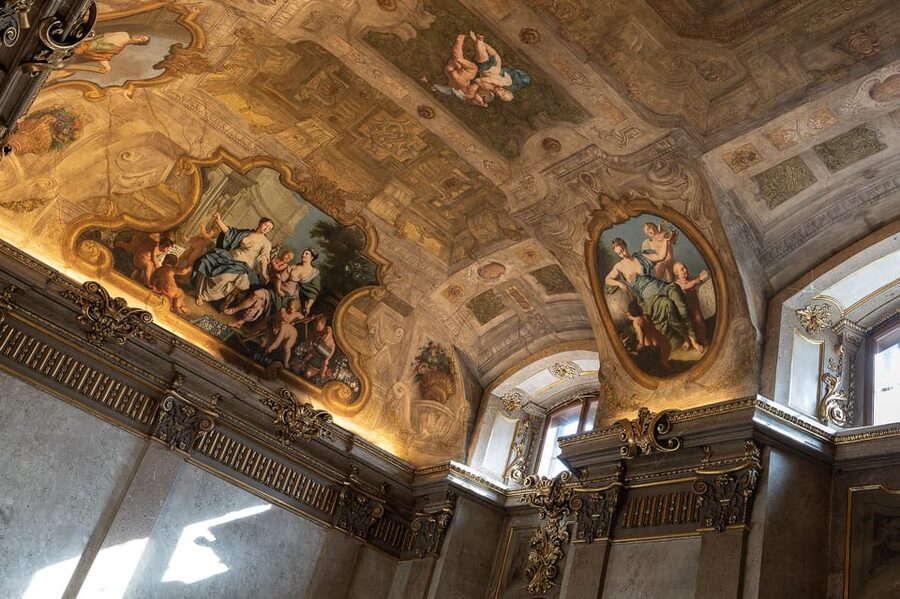
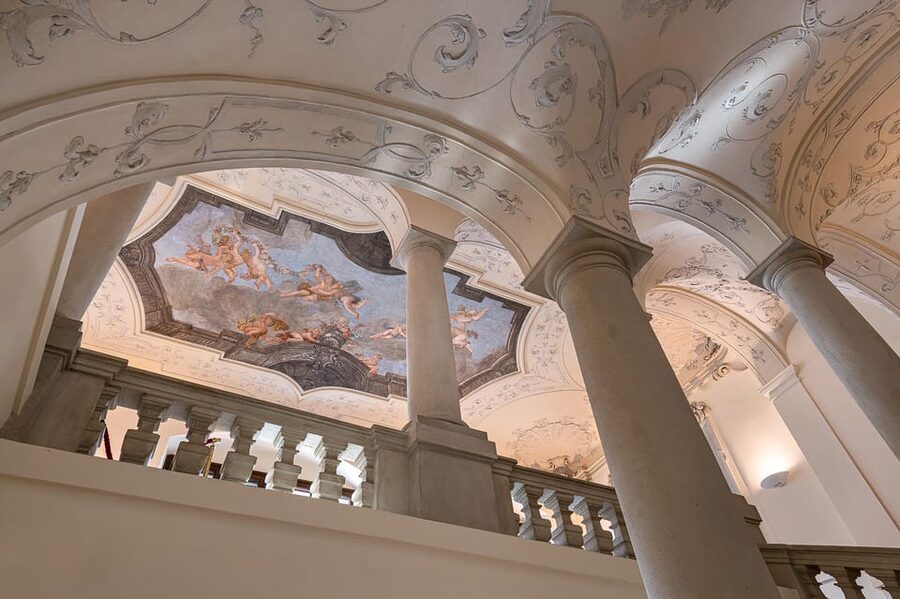
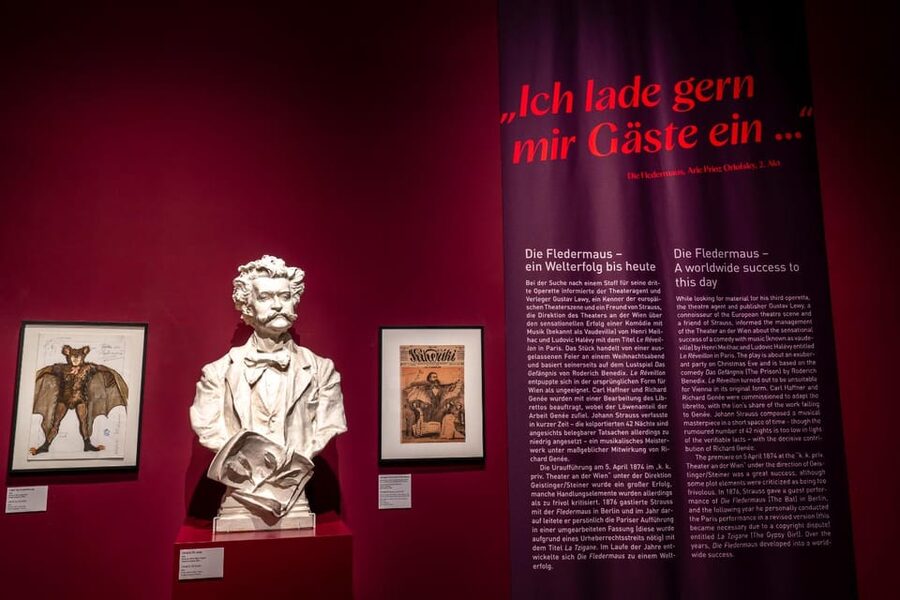
The setting matters. The Theatermuseum occupies Palais Lobkowitz, a historic palace in Vienna. Inside, the exhibition presents Strauss through objects tied to his work and performances, rather than treating him only as a portrait on a wall.
That makes this a useful stop even if you know only the famous titles. You can hear the music, see material connected with its production, and consider how the works functioned as theater and public entertainment. If you already love Strauss, the original documents and performance objects give the familiar music a physical presence.
The show is part of a wider presentation involving the Theatermuseum and the Vienna Library in City Hall. The Theatermuseum portion concentrates on Strauss’s creative output: dance music, concert music, and music theater. It also connects that work to the political and social setting of his time.
More Mozart and Strauss Concerts in Vienna
- Vienna: Mozart Concert at the Golden Hall
★ 4.6 · 3,986 reviews - Vienna: Mozart and Strauss Concert at Schönbrunn
★ 4.5 · 2,364 reviews - Vienna Mozart Concert in Historical Costumes at the Musikverein
★ 4.5 · 888 reviews
Entering Palais Lobkowitz and the Theatermuseum
Your ticket includes admission to the Theatermuseum in Palais Lobkowitz and the Johann Strauss anniversary exhibition. This is not a separate concert ticket, and the core experience is a museum visit rather than a live performance.
I would allow enough time to look carefully at both the building and the display. The palace setting gives the exhibition a formal Vienna atmosphere, but the subject itself is often lively. Strauss’s music was made for movement, crowds, dancing, and theater, so the exhibition works best when you take time with the sound and visual material instead of rushing through the cases.
The ticket is priced at $18 per person. That is a fair price if you have an interest in Strauss, Vienna’s musical identity, or historic theater. It is less convincing if you want a full concert experience, since admission does not include a live performance or an audio guide.
The booking is valid for one day, with starting times shown when you check availability. The experience is wheelchair accessible. You can also reserve now and pay later, and cancellation is free up to 24 hours in advance.
Seeing Strauss through original objects
The exhibition’s strongest feature is its use of original objects. These materials help turn Strauss from a name attached to famous melodies into a working artist with manuscripts, performances, relationships, and professional pressures.
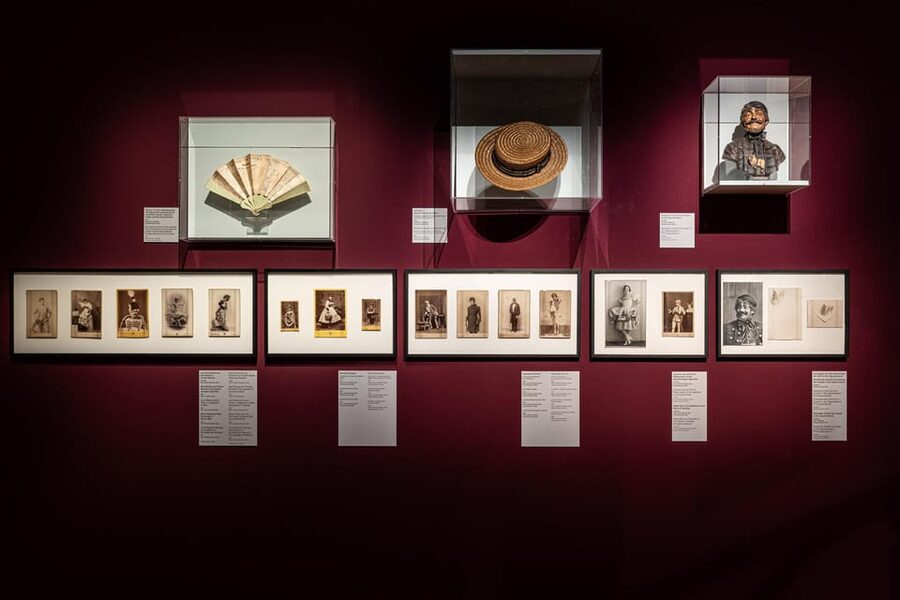
You can expect the display to cover his artistic production rather than presenting a simple birth-to-death timeline. Dance and concert music receive attention, along with his works for music theater. Original items from performances and objects from his written legacy help show how the music was created, presented, and remembered.
This approach has real value. A printed score shows the structure behind a piece that may sound effortless in performance. A performance object points to the visual and theatrical side of Strauss’s work. Written material can suggest the practical business of composition, performance, and public life.
The exhibition also deals with Strauss’s demanding personal life. His relationships with his parents and brothers are part of the story, as are his three wives and love affairs in Russia. These details are not just gossip. They help explain the pressures around a composer whose private life and public image were closely connected.
You should not expect every personal episode to receive equal space. The main emphasis remains his work. The personal material supports the artistic story rather than replacing it.
The original Die Fledermaus score
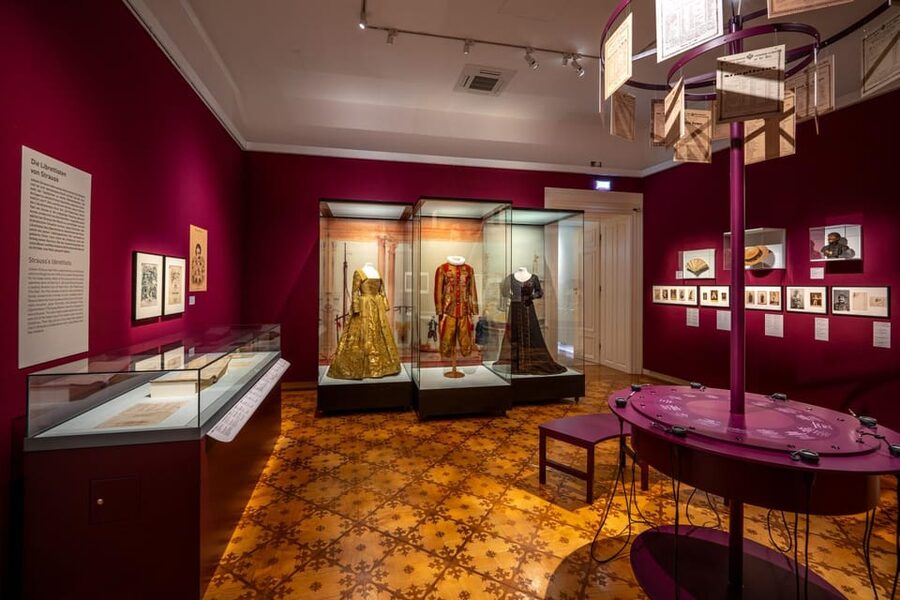
The original score of Die Fledermaus is the exhibition’s clearest prize. Seeing the actual musical document gives you a direct link to one of Strauss’s best-known works for the stage.
For many people, this will be the moment that makes the ticket worthwhile. Die Fledermaus is not simply a title in a catalog. Its score represents Strauss’s ability to combine melody, dance, comedy, and theater. Even if you cannot read musical notation, the manuscript has a different weight from a modern reproduction.
I suggest pairing the score with the sound examples in the exhibition. The score shows the work in its written form, while the audio brings back its performance life. Together, they help explain why Strauss’s music can feel both carefully constructed and immediately accessible.
The display is also a reminder that music theater is more than music alone. Strauss composed for a stage, with characters, action, timing, and audience response. That makes this part of the exhibition especially useful for anyone who knows his waltzes but has never thought much about his operettas.
Same Alps, a completely different kind of day:
- Vienna: Vivaldi’s Four Seasons Concert in Karlskirche
★ 4.7 · 14,951 reviews - Vienna: Spanish Riding School Training
★ 3.9 · 9,281 reviews - Vienna: Skip-the-cashier-desk-line Giant Ferris Wheel Ride
★ 4.5 · 7,859 reviews - Vienna: Schönbrunn Palace & Gardens Skip-the-Line Tour
★ 4.7 · 7,739 reviews
Hearing the music and watching the films
Sound is central here. You are not limited to reading labels and examining objects. Music examples help you connect the historical material with the melodies that made Strauss famous.
One practical warning: the music is not always synchronized with the films. This can be annoying, particularly when you expect the sound to match the action on screen. Keep that in mind so the presentation does not feel confusing or technically polished in every moment.
Still, the audio adds something a silent display cannot. Strauss’s work was made to be heard in motion, and the music examples give you a sense of its energy. The exhibition uses sound to make the subject more immediate, even if the film coordination is imperfect.
The language presentation is another strength. The available material is described as using very good language, and the information is intended to be accessible rather than overly technical. An audio guide is not included, so check the ticket terms if guided interpretation is important to you.
Following Strauss from Vienna to Boston
The exhibition traces Strauss’s world tour to Boston, a useful detail because it shows the scale of his appeal. His music was not confined to Viennese salons, theaters, or local dance halls. It became part of an international entertainment culture.
This section gives the show a wider frame. Vienna remains the starting point, but the story is about how music moved across borders and found new audiences. The Boston connection helps you see Strauss as an international performer and cultural figure, not only as a composer associated with one city.
The exhibition does not treat Vienna as an isolated musical capital. Instead, it shows how Vienna’s style gained strength through travel, performance, and public enthusiasm elsewhere. That makes the display useful for understanding why Strauss still appears in concert programs and popular culture around the world.
If you are comparing this with a Strauss concert, the distinction is important. A concert gives you the sound in real time. This exhibition gives you the objects, context, and international story behind that sound.
Strauss’s family, marriages, and public life
Strauss’s personal story adds a more complicated edge to the exhibition. You’ll encounter his relationships with his parents and brothers, his three wives, and his love affairs in Russia.
The family material matters because Johann Strauss Sohn did not create his career in a vacuum. The Strauss name was tied to a musical family, and professional success came with personal and artistic tensions. Looking at those relationships can help you understand the pressures surrounding a composer who worked in a highly visible family tradition.
The sections on marriage and romance may appeal to anyone who likes biography, but the exhibition does not need scandal to hold your attention. Its greater strength is the way personal events sit beside the music and theater work.
I would approach this part with some patience. The most rewarding details may not be the biggest dramatic claims, but the way the exhibition links private life with public performance. Strauss’s image had to function both as an artist’s identity and as part of Vienna’s wider cultural brand.
How the exhibition handles politics and its era
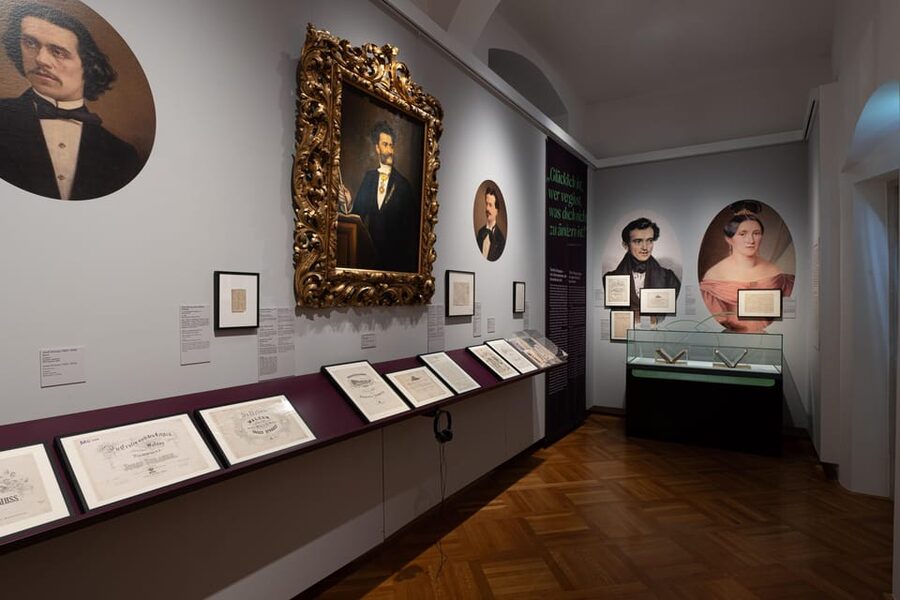
Strauss’s works were produced within a particular historical and political setting. The exhibition uses original objects and written material to point toward those contexts.
That is helpful because waltzes and operettas can seem detached from the world around them. In reality, music theater responds to its audience, its institutions, its fashions, and its political moment. The exhibition encourages you to consider those connections without losing sight of the entertainment value.
Do not expect a full political history of nineteenth-century Vienna. The focus is Strauss and his work. Politics appears as context, helping you understand the environment in which the performances and compositions took shape.
This balance suits the format. You can enjoy the music while also seeing that the Strauss phenomenon had a public meaning. His work became part of how Vienna presented itself, both at home and abroad.
How much time should you allow?
The ticket is valid for one day, and availability may be organized around starting times. The supplied information does not give a fixed visit length, so I would avoid scheduling the exhibition too tightly against another timed attraction.
Your ideal pace depends on your interest. If you want a quick look at the major objects and the Die Fledermaus score, the exhibition can serve as a compact cultural stop. If you plan to read the written material, listen to the music, watch the films, and consider the family and international sections, give yourself a more generous block of time.
The museum setting also rewards a calm visit. You are looking at original material, not simply passing through a set of decorative displays. I would rather see this early or late in a Vienna day than squeeze it between two hurried appointments.
Since the audio guide costs extra, decide in advance how much interpretation you need. The written presentation is designed to be informative, but some people will want an added layer of explanation.
Who will enjoy this most?
I would recommend the exhibition most strongly to:
- People who already enjoy Johann Strauss or Viennese waltzes
- Visitors interested in music manuscripts and theater history
- Fans of operetta, especially Die Fledermaus
- Anyone who wants a quieter cultural stop in central Vienna
- Museumgoers who prefer original objects to a live-only performance
- Visitors curious about how Vienna’s music became international
It may be less satisfying if you expect a grand ballroom event, a live orchestra, or a guided walking tour of Strauss locations around the city. None of those is included.
Families can decide based on interest in music and museum displays. The sound examples make the exhibition more approachable than a document-only show, but the written and biographical material may appeal more to older children and adults.
The wheelchair-accessible museum is also worth noting for anyone who needs step-free access. The supplied information does not give further details about rest areas or facility layout, so contact the museum directly if you need specific access arrangements.
Is $18 a good value?
At $18, the exhibition offers reasonable value if you will engage with the material. The original Die Fledermaus score alone gives the visit a clear focus, while the performance objects, sound examples, films, and Boston section broaden the experience.
The price is harder to justify if you only want to hear Strauss. In that case, a concert may be a better match, though it would offer a very different kind of evening. Here, you pay for access to the Theatermuseum as well as the anniversary exhibition, and the value comes from seeing how music, theater, documents, and biography fit together.
The ability to reserve now and pay later adds flexibility. Free cancellation up to 24 hours before the visit is useful if your Vienna plans are still shifting. These details do not change the exhibition itself, but they make it easier to fit into a short city stay.
Should you book the Johann Strauss exhibition?
Book it if you want to understand more than the famous tunes. The original Die Fledermaus score, the performance objects, and the world tour to Boston give you specific reasons to visit, while the music and films keep the display from feeling too static.
I would skip it only if you are looking for a live concert or a fully guided experience. The audio guide is extra, and the film sound is not always synchronized. For everyone else, especially music lovers and visitors curious about Vienna’s cultural identity, the $18 ticket is a sensible way to spend part of a day at Palais Lobkowitz.
FAQ
Where does the Johann Strauss anniversary exhibition take place?
It takes place at the Theatermuseum in Palais Lobkowitz in Vienna, Austria.
What does the ticket include?
The ticket includes admission to the Theatermuseum in Palais Lobkowitz and a visit to the Johann Strauss anniversary exhibition.
Is an audio guide included?
No. An audio guide is not included in the ticket.
How much does admission cost?
The listed price is $18 per person.
How long is the ticket valid?
The ticket is valid for one day. You should check availability for the available starting times.
Is the exhibition wheelchair accessible?
Yes. The activity is listed as wheelchair accessible.
Can I cancel my booking?
Yes. You can cancel up to 24 hours in advance for a full refund.
More Museums in Vienna
- Vienna: Skip-the-Line Sisi Museum, Hofburg and Gardens Tour
★ 4.8 · 5,918 reviews - Vienna Kunsthistorisches Museum Day Admission Ticket
★ 4.6 · 3,690 reviews - Tickets for the Albertina Exhibitions
★ 4.7 · 2,126 reviews - Vienna: Chocolate Workshop in Chocolate Museum w/ Tasting
★ 4.5 · 1,802 reviews
Just added around Vienna
- World War II History Vienna Old Town Private Walking Tour★ 4.8 · 9 reviews
- From Krems: Wachau Valley River Cruise on the Danube★ 4.6 · 95 reviews
- Vienna: Winery and Wine Tasting Tour with a Wine Expert★ 5.0 · 5 reviews
- Vienna: Wine Tasting E-Bike Tour★ 4.9 · 46 reviews
- Vienna: Wine Tasting at Schönbrunn Palace★ 4.3 · 71 reviews
- Vienna: Wine Tasting Tour★ 4.8 · 61 reviews
- Vienna: Wiener Schnitzel and Strudel Cooking Class★ 4.9 · 126 reviews
- Vienna Urban Art Tour: Explore a different side of Vienna!★ 3.8 · 14 reviews
Mozart and Strauss Concerts, compared.
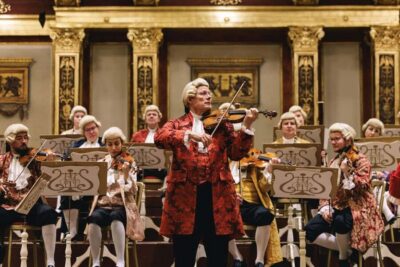
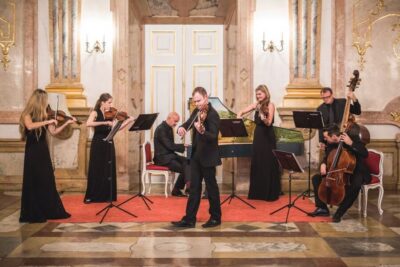
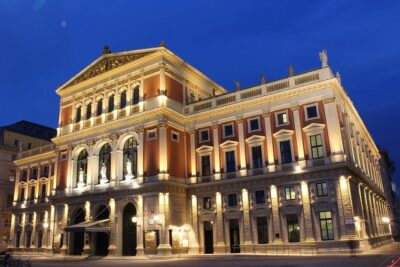
Vienna Mozart Concert in Historical Costumes at the Musikverein
Read our review →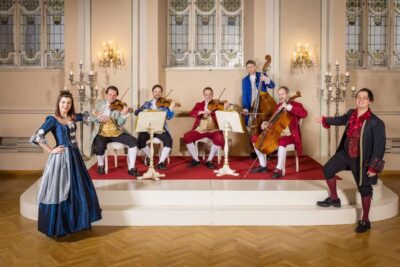
Mozart & Strauss Classical Concert at Börse Palace
Read our review →

Best of Mozart Concert and Dinner or VIP Dinner at Fortress Hohensalzburg
Read our review →Browse the lists this tour appears in