Reviewed · CONCERTS
Vienna: Classical Concert at Mozarthaus with Museum Entry
Mozart’s final surviving Vienna residence doubles as the setting for a small candlelit concert, and that combination gives this evening real character. You first explore the apartment where Mozart lived and worked, then go several floors down to a renovated cellar for a performance by the Wiener Ensemble.
I like the direct link between place and music. I also like the concert’s friendly scale: a piano, violin, and cello can sound remarkably full in the compact room, while introductions and stories help first-time listeners follow the program. The main consideration is that the museum is stronger for context than for original objects, and some visitors find the audio guide dated or the displays in need of better care.
Key points to know
- Mozart’s last surviving Vienna residence: Visit the apartment at Mozarthaus near Stephansplatz before the performance.
- Candlelit chamber music: Hear a trio perform Mozart, Beethoven, Schubert, Strauss, and other Viennese favorites in the cellar.
- A 70-minute evening: The concert begins at 6:30 PM, making it easy to fit around a day of sightseeing.
- Reserved seating options: Your ticket includes a reserved place, though the small room means sightlines can vary.
- Museum ticket choices: Choose the combo for museum entry, or pay less with the concert-only option.
- A good first classical concert: Short introductions and a relaxed host make the program approachable if you do not know classical music well.
Why the setting matters at Mozarthaus
Vienna has no shortage of concert halls, but this experience makes a clear connection between the composer and the room you visit. Mozarthaus Vienna is Mozart’s only surviving residence in the city. It sits near Stephansplatz, in the heart of central Vienna, so you can reach it easily during a walking day around the old town.
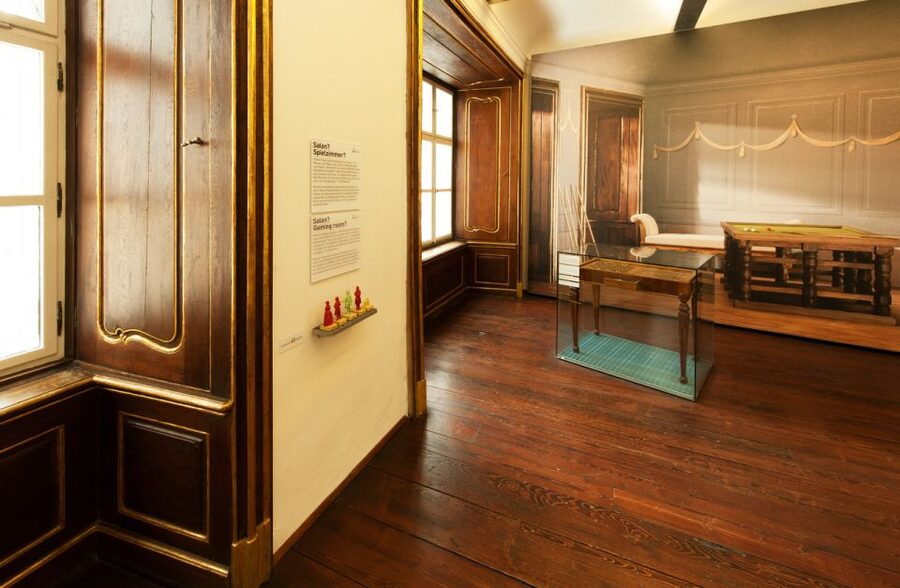
The museum visit takes you through Mozart’s apartment and presents his life, period, work, and some lesser-known personal details. You are not simply looking at a concert venue with Mozart’s name attached. You are entering the one Vienna home connected directly to him that remains.
That said, you should set your expectations correctly. The museum has limited physical material from Mozart’s daily life. You will not find every piece of furniture, tool, or household object he used. Much of the visit depends on written information, interpretation, and the audio guide.
I see this as a place for context rather than a room-by-room recreation. It helps you understand Mozart as a working resident of Vienna, not only as a famous name on a concert program. If you are a serious Mozart fan, or if you enjoyed the film Amadeus, the connection may be especially meaningful.
If you have little interest in biography or museum displays, the concert alone may be enough. The lower-priced budget option does not include museum entry, which gives you a useful way to focus your spending.
A few more Vienna trips to weigh up
- Vienna: Vivaldi’s Four Seasons Concert in Karlskirche
★ 4.7 · 14,951 reviews - Vienna: Classical Concert in the World-Famous Musikverein
★ 4.6 · 6,673 reviews - Vienna: Classical Concert at St. Stephen’s Cathedral
★ 4.1 · 4,177 reviews
The museum visit before the music
With the combo ticket, you may visit the museum at any point during its working hours on the day of your concert. The key cutoff is 4:50 PM for last admission, so do not leave the museum until the last minute. The concert begins at 6:30 PM, giving you time to see the exhibits and wait before the performance.
The apartment explains Mozart’s life in Vienna, the musical world around him, and private details that can make the familiar composer feel more human. The material is presented as an interactive museum, and an audio guide supports the visit.
I would allow enough time to read and listen without rushing, but I would not assume the museum will fill an entire afternoon for every visitor. One practical issue is that some sections can feel long because there are not many surviving objects to examine. The experience relies more on information than on a large collection.
The audio guide works, but it is not especially modern. One account describes the Spanish narration as awkward, with pauses and difficult pronunciations. If you are using a language other than English or German, the audio experience may not be equally polished in every version.
There have also been complaints about cleaning and maintenance in parts of the museum, including dust on displayed clothing and insects in artifact cases. I would treat the museum as worthwhile but not flawless. The concert is the stronger part of the evening for most people, while the museum adds a useful historical frame.
Descending to the cellar concert
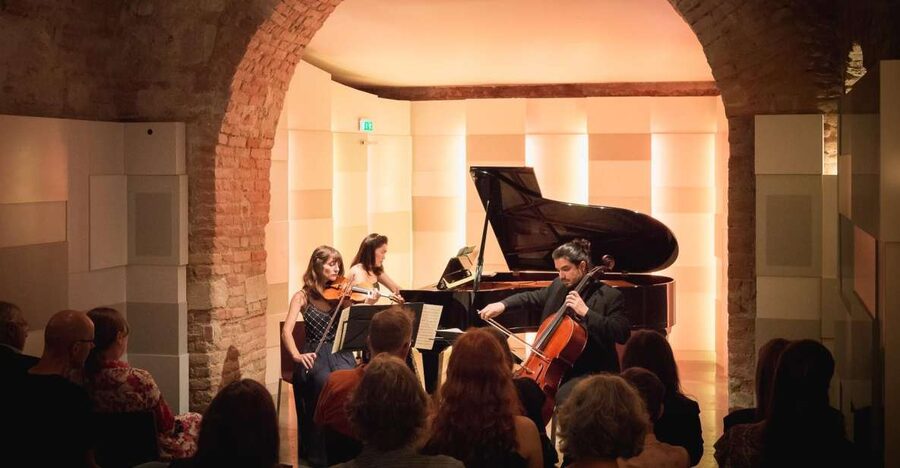
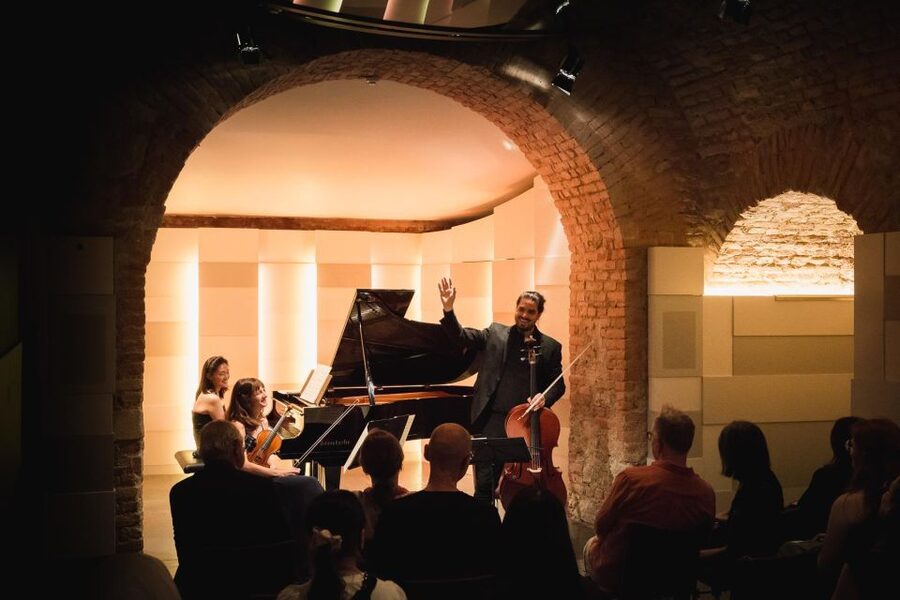
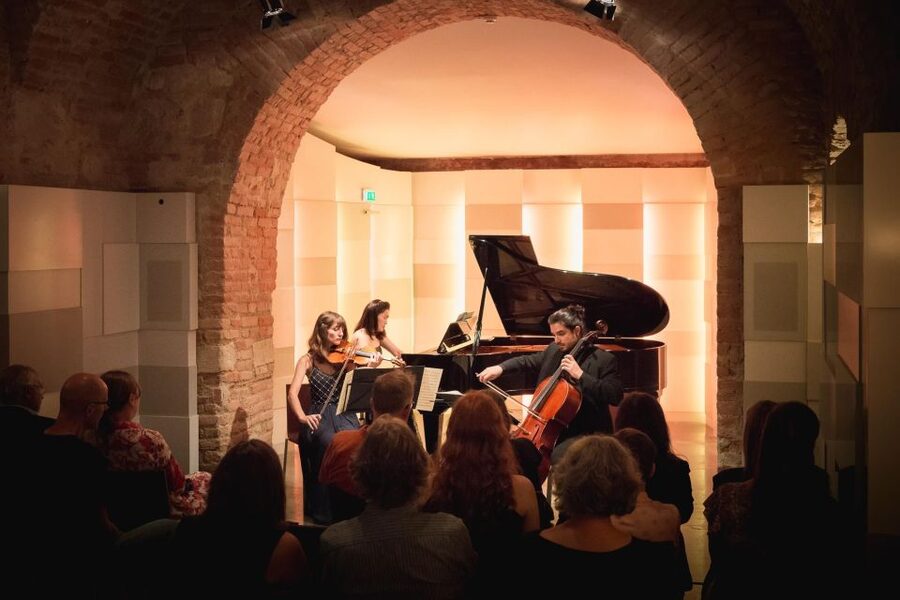
After the museum, you walk several floors down to the renovated cellar. The setting is intimate and candlelit, with the concert held in the building below Mozart’s former apartment. That physical movement from the home to the cellar gives the evening a pleasant sense of progression.
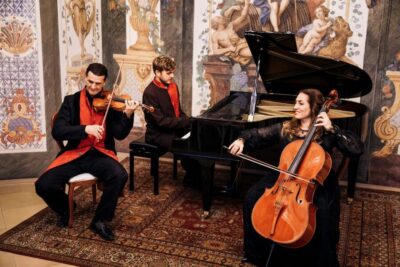
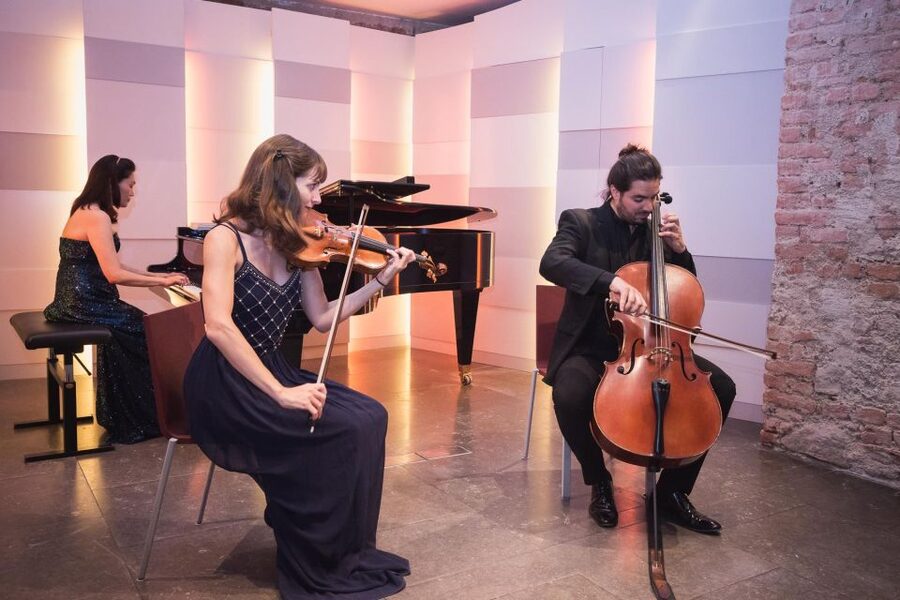
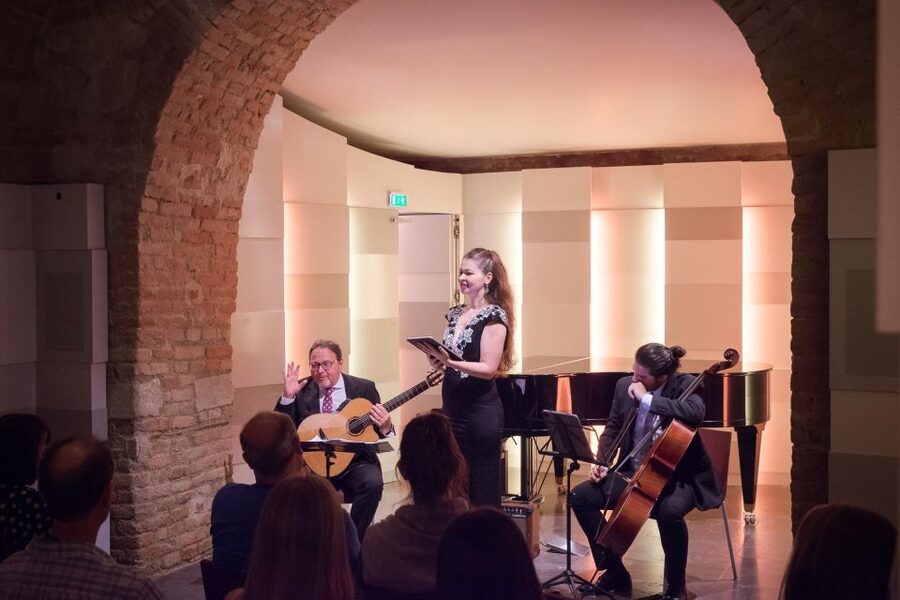
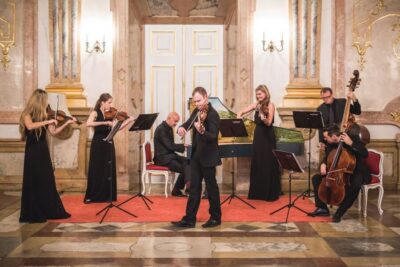
This is not a grand orchestra performance in a vast hall. The Wiener Ensemble is a chamber music group devoted to Mozart and his contemporaries. The listed format is a trio, with piano, violin, and cello featured in the program. Some performances may also include other musical elements, but the core appeal is the close sound of a small ensemble.
The room has been praised for its acoustics. In a space this size, you can hear the musicians’ timing, phrasing, and changes in volume with unusual clarity. A chamber performance also lets you notice how the instruments answer one another. The piano does not simply provide background, while the violin and cello are not lost in a wall of sound.
For many people, this is the first time classical music feels immediate rather than formal or distant. You are close enough to see the players work together. The trio can produce a sound far larger than its numbers suggest, but the performance still feels human and exposed.
The cellar can become warm, so avoid wearing too many layers. Wheelchair access is available, and an elevator is on the premises, which makes the venue more practical for visitors who need step-free access.
What the 70-minute program is like
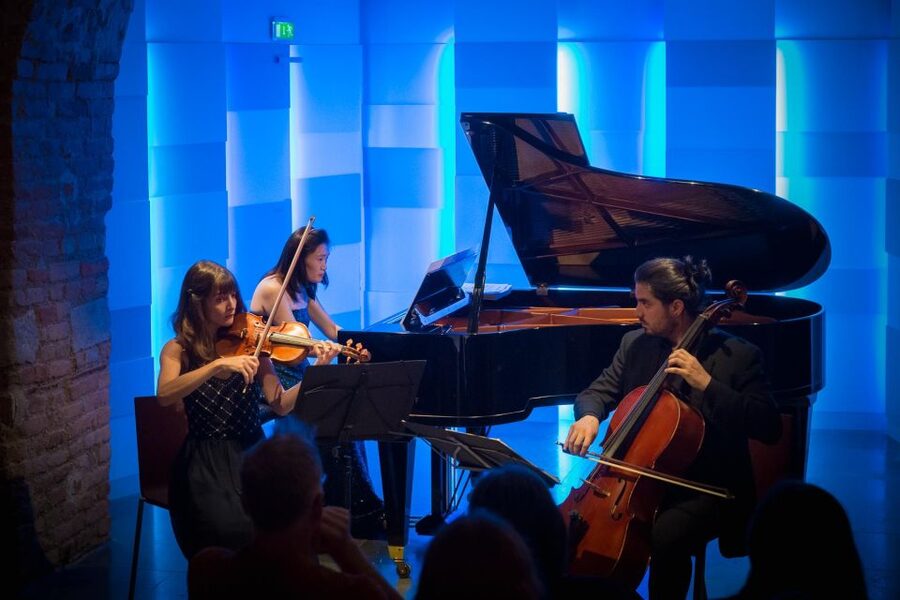
The concert lasts 70 minutes. Mozart is central, but the program can also include music by Beethoven, Schubert, and Johann Strauss, the king of the waltz. That variety keeps the evening from feeling like a single-composer lecture.
The musicians usually introduce the pieces with background information. This is one of the experience’s most useful features. A few spoken details can explain a work’s setting, composer, or mood before you hear it, giving your ears something to listen for.
The introductions also keep the tone relaxed. This is not presented as a stiff recital where you must already understand the music. The host and performers engage the audience with warmth and, at times, humor. One musician may speak about the piece before playing, which helps you connect the music to Vienna’s wider tradition.
The program can move from lively and playful selections to romantic passages and familiar waltz music. A rendition of Czardas has been singled out for especially exciting violin playing, while the Blue Danube has made a strong impression on some audience members. Exact pieces can vary, so you should not book solely to hear one particular work.
The performance style aims at an authentic interpretation of Mozart and his contemporaries. That does not mean a museum-piece reproduction of eighteenth-century concert life. It means careful playing, clear musical detail, and respect for the original works.
Same Alps, a completely different kind of day:
- Vienna: Spanish Riding School Training
★ 3.9 · 9,281 reviews - Vienna: Skip-the-cashier-desk-line Giant Ferris Wheel Ride
★ 4.5 · 7,859 reviews - Vienna: Schönbrunn Palace & Gardens Skip-the-Line Tour
★ 4.7 · 7,739 reviews - Vienna: Light of Creation Votive Church Immersive Light Show
★ 4.8 · 6,779 reviews
Seating, sightlines, and sound
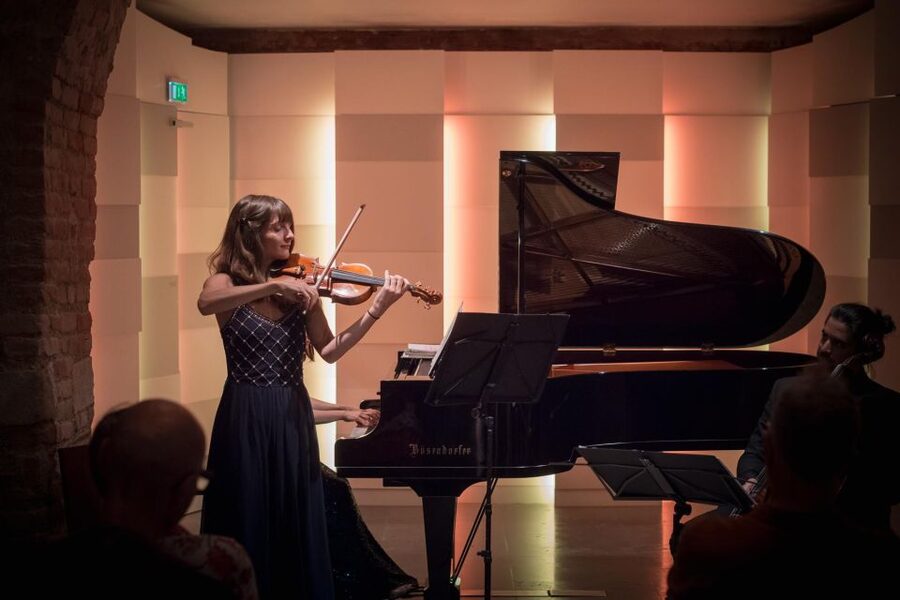
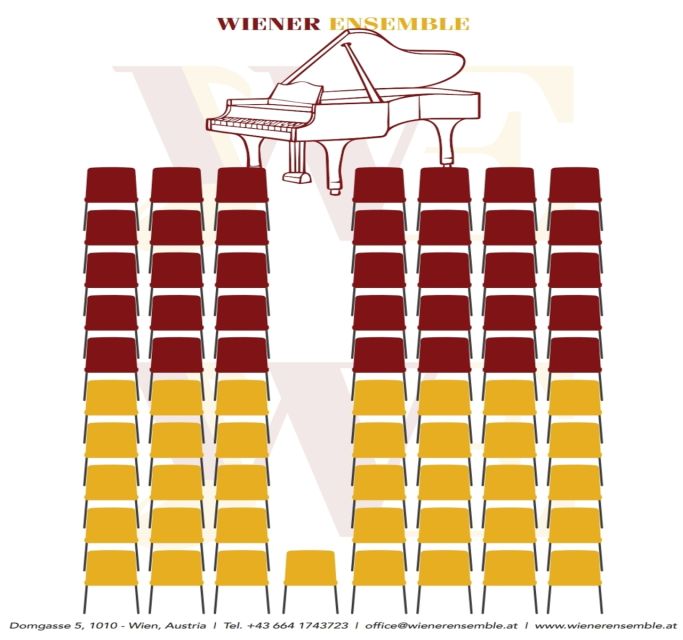
Reserved seating is included, and you can choose among available seating categories when booking. In a compact room, seat location can matter more for your view than for the sound.
Front-row places offer the closest look at the musicians and can make the performance feel almost private. Several accounts describe the front as especially rewarding. On the other hand, a low or crowded arrangement can make it harder for everyone to see equally well. One useful warning is that seating may not give every person the same view, even though the acoustics remain good throughout the room.
I would prioritize the best available seat if watching the musicians is important to you. If your main goal is sound, the room’s compact size works in your favor. You are unlikely to feel detached from the performance.
The candlelight adds atmosphere, but it should not be the sole reason you choose this concert. The real value comes from the combination of close seating, strong acoustics, and a small group playing with precision. The setting supports the music instead of replacing it.
Is $69 a fair price?
At $69 per person, the combo ticket is not the cheapest classical music option in Vienna. You are paying for a reserved concert seat, the special location, and museum admission if you select that version. The concert lasts 70 minutes, so the price works best when you value the setting and the convenience of combining two activities in one evening.
I think the price is easier to justify for a first classical concert or a special night in Vienna. You get a short museum visit, a historic connection to Mozart, and a live chamber performance without committing to a long formal evening.
The value is less clear if you have already visited Mozarthaus or mainly want a full orchestra. This is a small ensemble experience, not a performance designed to deliver the scale of an opera house or symphony hall. The budget option, which excludes the museum, may be the better choice for returning visitors or anyone more interested in music than biography.
You can also compare the experience with other Vienna concerts, but this one has a useful advantage: the venue and subject belong together. You are not hearing Mozart in an unrelated room. You are hearing Mozart and other Viennese composers below a residence tied to his life.
Who will enjoy this most?
I would recommend it most strongly to:
- First-time classical concertgoers who want explanations before the music
- Mozart fans and visitors interested in his Vienna years
- Couples looking for a calm evening activity in the old town
- Families with older children who can sit through a 70-minute performance
- Anyone who prefers a small room to a large concert hall
- Visitors who want one compact cultural activity rather than a full evening at the opera
You do not need a background in classical music. The spoken introductions make the program easier to follow, and the mix of composers gives you several ways into the evening.
It may not suit you if you dislike museums, want a large orchestra, or expect a fully staged theatrical event. The museum can feel text-heavy, and the concert’s cellar setting is warm and close. Those are not dealbreakers, but they are worth knowing before you book.
Planning the evening near Stephansplatz
You present your voucher at Wien Museum Mozarthaus near Stephansplatz. Since the concert starts at 6:30 PM, plan to arrive with enough time for the museum if your ticket includes it. You must enter the museum by 4:50 PM at the latest on the concert day.
The museum can be visited at any time during its working hours on your booked date, so you have flexibility earlier in the day. I would avoid placing it at the end of a tightly packed schedule. Give yourself time to listen to the audio guide, find the concert area, and take a break before the music begins.
The activity is hosted in English and German. If you need a particular language for the museum audio guide, check the available option when booking rather than assuming every narration has the same quality.
The experience offers free cancellation up to 24 hours before the scheduled activity, and you can reserve now and pay later. Those policies help if your Vienna schedule is still changing, but they do not remove the need to check the exact starting time when you book.
The concert is the main event
The museum gives you the address and the backstory. The performance supplies the emotional force.
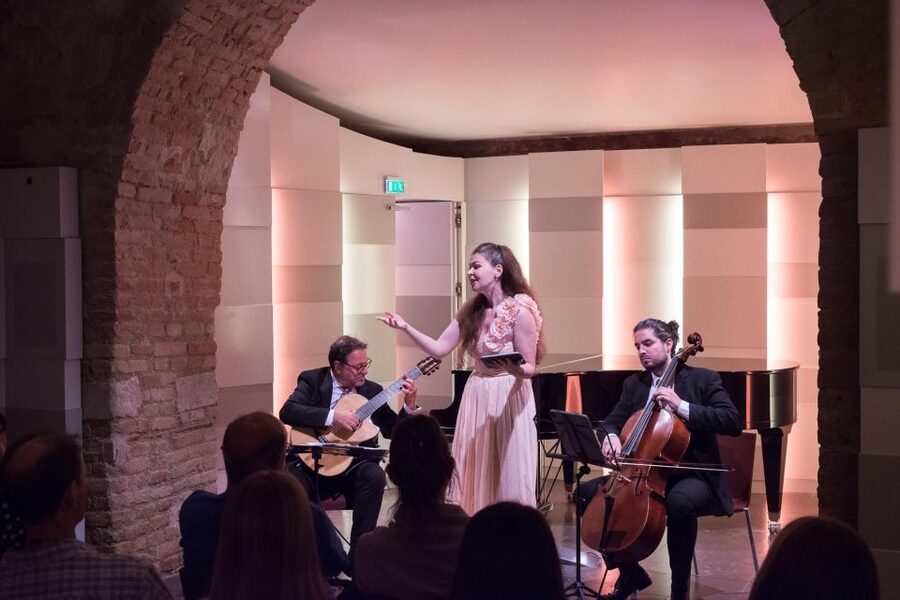
The most consistent strengths are the musicians’ skill, the close acoustics, the welcoming introductions, and the sense of hearing live music in a place linked to Mozart. The trio format is especially effective. You can follow each instrument, hear the coordination between players, and notice details that recordings often flatten.
The concert has also worked well for people attending their first classical performance. The musicians do not leave you alone with unfamiliar titles and technical language. They explain enough to make the music more approachable without turning the evening into a lecture.
I would still keep the museum portion in proportion. The audio guide and displays may not satisfy someone seeking a perfectly preserved historical apartment filled with original objects. The museum’s maintenance has also drawn criticism. If you choose the combo, go for the connection to Mozart and the information, not for a major collection.
Should you book the Mozarthaus concert?
Yes, if you want an intimate and accessible introduction to classical music in Vienna. The candlelit cellar performance is the clear highlight, and the 70-minute length fits neatly into an evening. The musicians are highly accomplished, the program reaches beyond Mozart, and the introductions add welcome context.
Choose the museum combo if this is your first visit to Mozarthaus or you want the full connection between Mozart’s home and the concert below it. Choose the concert-only option if you have already seen the museum, dislike audio-guided exhibits, or want to spend less.
My practical advice is simple: book for the music, treat the museum as an added layer, and arrive early if you have paid for museum entry. For a first concert in Vienna, this is a strong choice because it gives you history, atmosphere, and excellent chamber playing in one manageable package.
FAQ
Where does the concert take place?
The concert takes place in the renovated cellar several floors below Mozart’s former apartment at Mozarthaus Vienna.
Where is Mozarthaus Vienna located?
Mozarthaus Vienna is near Stephansplatz in central Vienna.
How long does the activity last?
The listed duration is 70 minutes for the concert experience.
What time does the concert start?
The concert starts at 6:30 PM.
Can I visit the museum before the concert?
Yes. If you book the option with museum entry, you can visit the museum at any time during its working hours on the booked day.
What is the latest museum admission time?
The last museum admission is at 4:50 PM. If you have museum entry included, you need to arrive before that time on the concert day.
Does every ticket include museum entry?
No. The budget concert option does not include museum admission. Museum entry is included only with the selected combo option.
Is the concert wheelchair accessible?
Yes. The activity is wheelchair accessible, and an elevator is available on the premises.
What languages are available?
The host or greeter languages are English and German. The museum uses an audio guide, with language options available as part of the museum visit.
Just added around Vienna
- Ottakringer Brewery tour★ 4.0 · 6 reviews
- New Hofburg Palace Tour House of Habsburg★ 4.5 · 5 reviews
- Private Van & Walk Tour – One Perfect Day in Vienna★ 5.0 · 21 reviews
- True Crime mobile puzzle rally Vienna★ 4.0 · 3 reviews
- Vienna Naschmarket Food Tasting Tour★ 4.0 · 30 reviews
- Vienna Nightlife Experience: Food, Wine, Cocktails & Vibes★ 5.0 · 119 reviews
- Myth Mozart★ 4.0 · 80 reviews
- ( Night Tour ) With Private Guide + wine or prosecco★ 4.0 · 12 reviews
Concerts, compared.
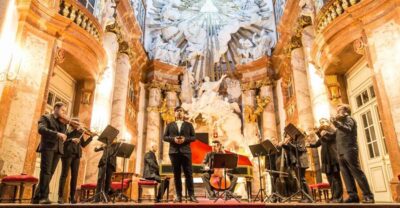
Vivaldi’s Four Seasons Concert in Karlskirche
Read our review →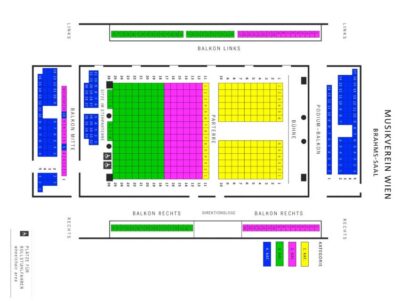
Classical Concert in the World-Famous Musikverein
Read our review →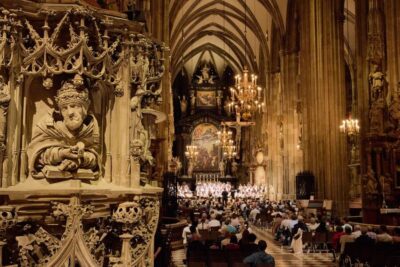
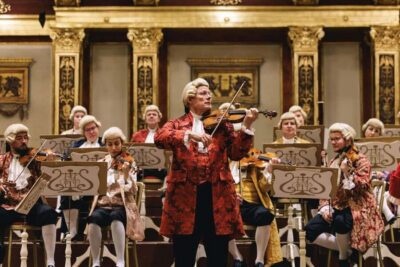
Classical Concert in St. Anne’s Church (Annakirche)
Read our review →