
Reviewed · CONCERTS
Vienna: Classical Concert in St. Anne’s Church (Annakirche)
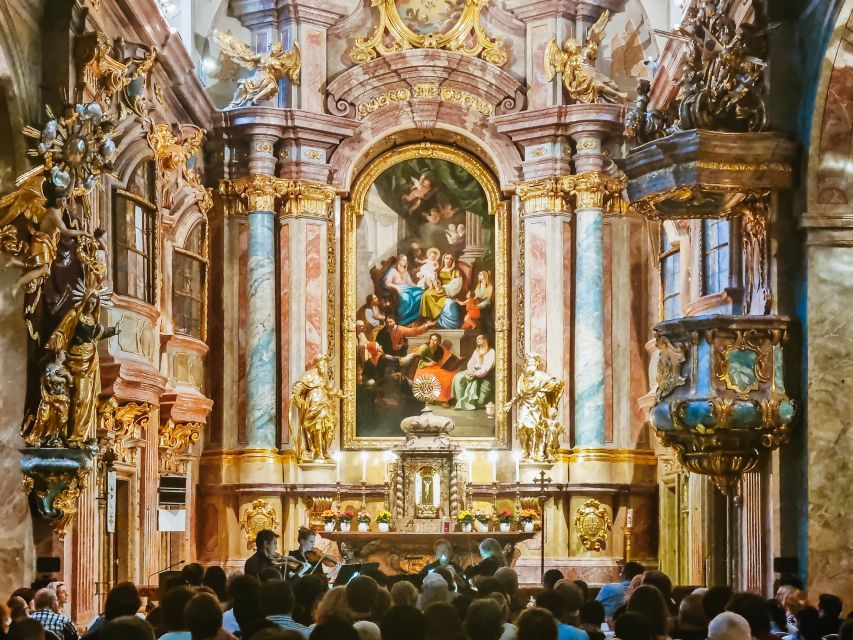
Vienna’s classical music tradition feels most convincing inside St. Anne’s Church, where a small string ensemble plays works by Mozart, Haydn, Beethoven, or Schubert beneath gold decoration and blue marble balconies. The church is only a few minutes from the State Opera, so this makes an easy evening stop in the city center.
I like the period instruments, which give the music a historical flavor, and the close-up setting, where you can watch four musicians work together rather than view them from a distant concert hall. The main drawback is free seating: if you want a front-row view, arrive 30 to 40 minutes early. A few late arrivals or careless phone users can also disturb an otherwise quiet performance.
Key points to know before you book
- Eighteenth-century sound: The ensemble uses instruments modeled on those heard in Mozart’s and Schubert’s time, including period bows and gut strings.
- A compact 70-minute concert: The length fits neatly into an evening without taking over your whole night.
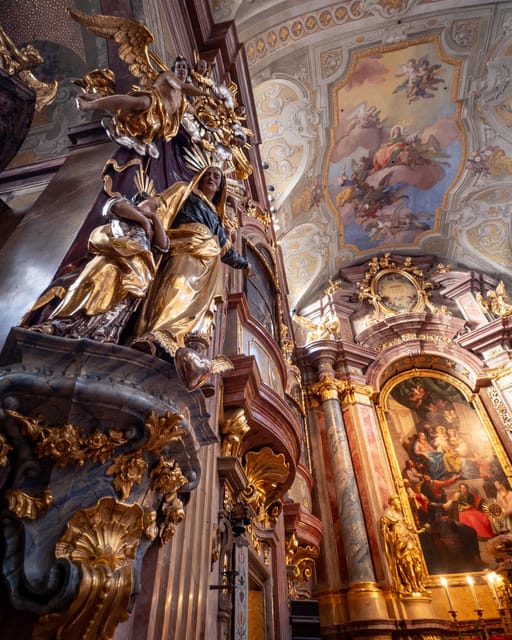
- Baroque Annakirche: St. Anne’s is an ornate church with unusually good acoustics and an intimate interior.
- Central location: The entrance at Annagasse 3b is about three minutes from the Vienna State Opera and roughly five minutes on foot from Karlsplatz and Stephansplatz underground stations.
- Free seating matters: Seats are first come, first served, so early arrival improves your view.
- Good value at $38: You get live music, a beautiful venue, a concert program, and a distinctly Viennese setting for less than many major concert performances.
Why the Annakirche setting makes the evening special
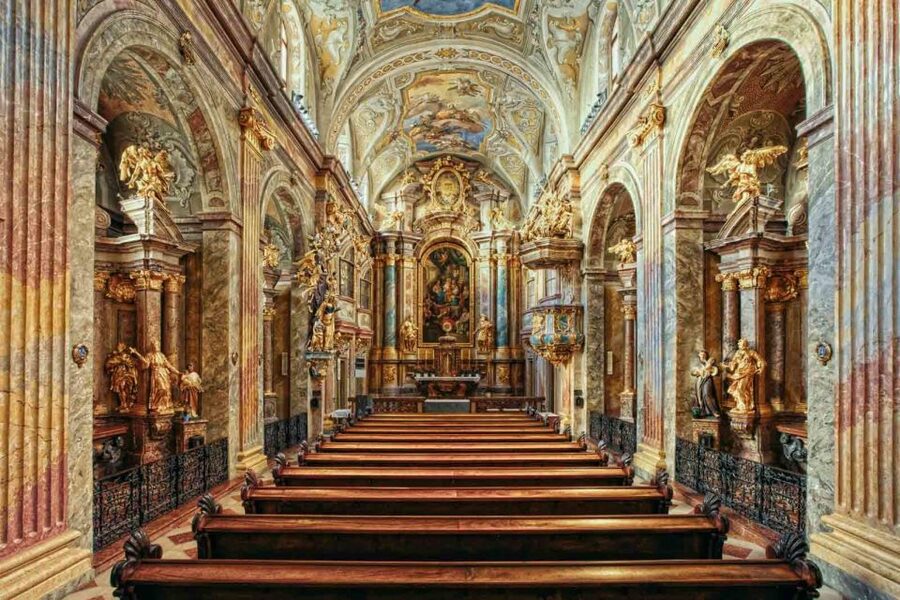
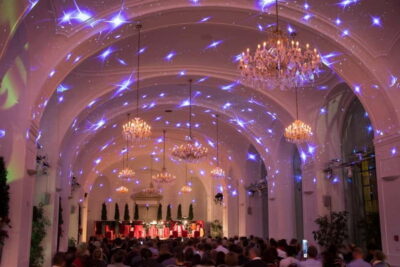
Many classical concerts in Vienna take place in grand halls, palaces, or famous opera houses. Annakirche offers something different. It is smaller, closer, and more atmospheric. You enter through the pedestrian center of Vienna and step into a Baroque church where the decoration becomes part of the evening.
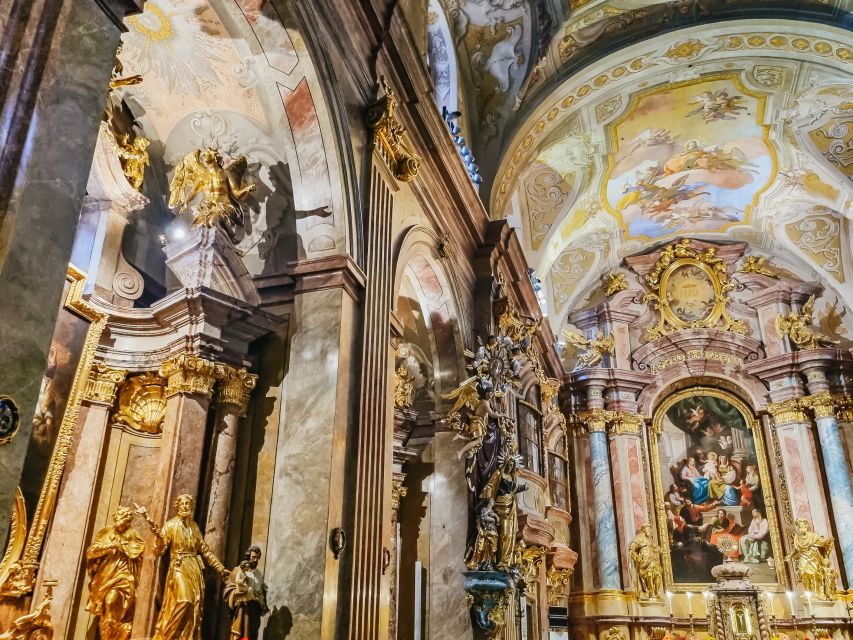
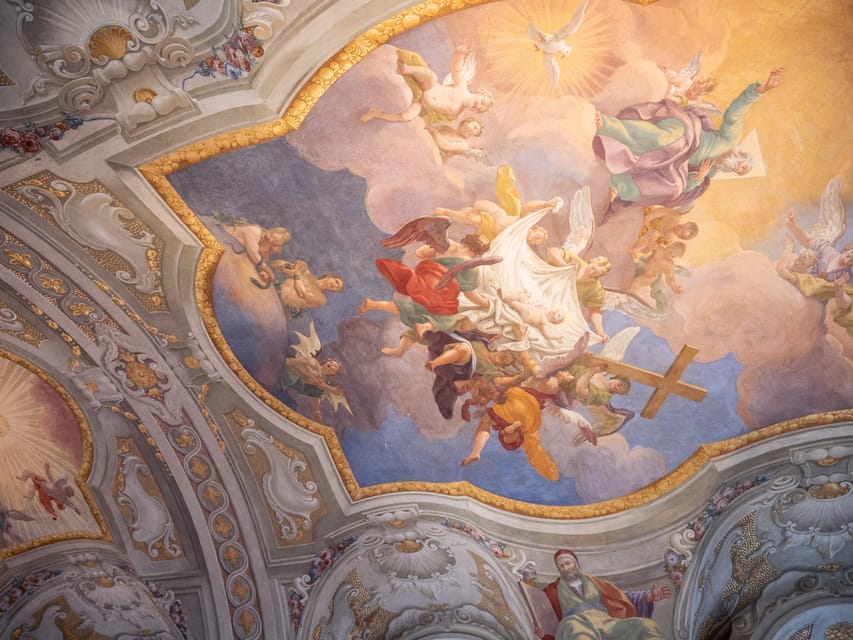
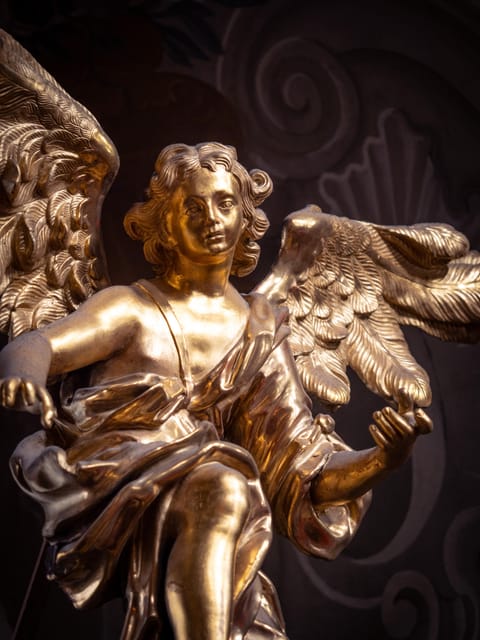
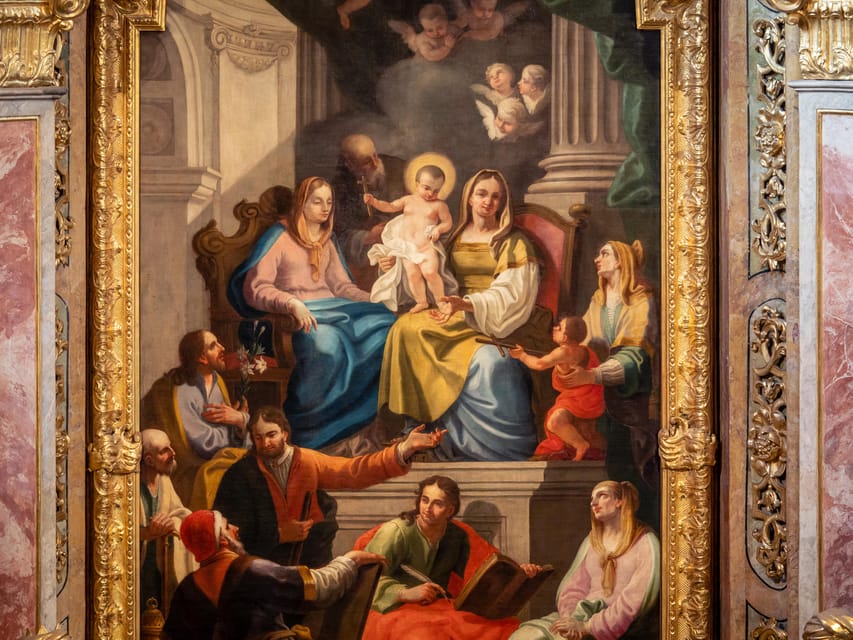
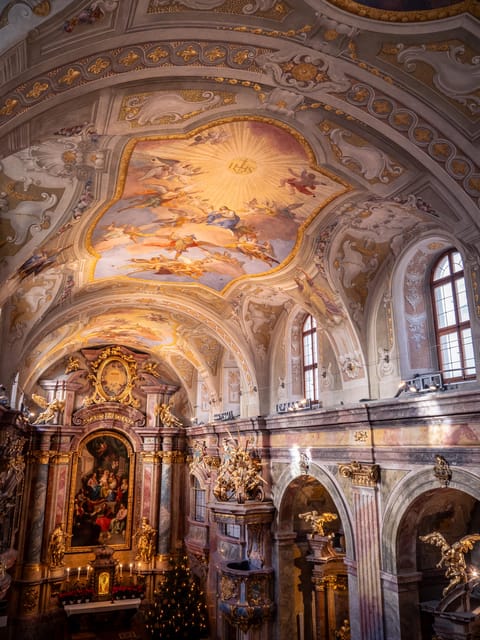
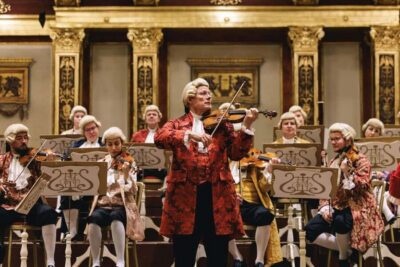
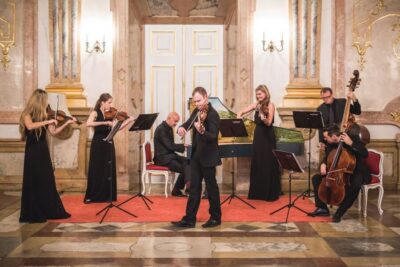
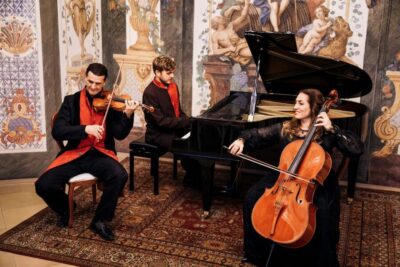
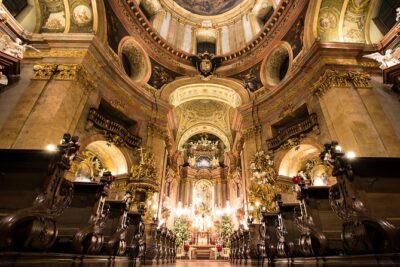
The interior is especially striking once the lighting settles. Gold ornaments, ornate details, and blue marble balconies give the room a jewel-box feel without making the concert seem like a large tourist production. The musicians sit close enough for you to watch their hands, bows, and exchanges of attention.
That closeness changes the way you hear a string quartet. In a big hall, the sound may seem polished but distant. Here, you can follow the conversation between the instruments. One violin carries a melody, another answers, and the lower strings give the music shape. The church’s acoustics add warmth and resonance, though the sound may linger slightly longer than it would in a modern concert hall.
The setting also gives the evening a strong sense of place. You are not simply attending a concert in Vienna. You are hearing Viennese classical music in an old church at the center of Vienna, within a short walk of the State Opera and the city’s grandest streets.
A few more Vienna trips to weigh up
- Vienna: Vivaldi’s Four Seasons Concert in Karlskirche
★ 4.7 · 14,951 reviews - Vienna: Classical Concert in the World-Famous Musikverein
★ 4.6 · 6,673 reviews - Vienna: Classical Concert at St. Stephen’s Cathedral
★ 4.1 · 4,177 reviews
The 8:00 PM concert and its 70-minute format
The concert begins at 8:00 PM and lasts about 70 minutes. That timing works well after a day of sightseeing. You can spend the afternoon around the Hofburg, walk through the historic center, have dinner nearby, and reach Annagasse without needing a complicated transfer across the city.
The short format is one of the experience’s strengths. Seventy minutes gives you enough time for several complete works, but it does not demand the concentration of a long symphony concert. If you know little about classical music, this is a friendly way to start. You get a real performance rather than a string of famous fragments, yet the evening remains manageable.
Programs can include music by Mozart, Haydn, Beethoven, or Schubert. The selections are centered on the Viennese Classical Era, the period that made this city one of Europe’s great music centers. The music is performed as complete works, not merely as a collection of popular melodies. That matters if you want something more substantial than a quick tourist sampler.
The program can vary, so you should not book this expecting one fixed list of pieces unless the date-specific details confirm it. The free concert program helps you follow the composers and works as the performance develops.
What period instruments add to the music
The ensemble plays on period instruments, or instruments designed to recreate the sound of the eighteenth and early nineteenth centuries. The distinction is not just a marketing detail. Older-style bows and gut strings can produce a different attack and texture from modern equipment.
The sound may feel lighter, more direct, and less heavily polished. Fast passages can have a crisp edge, while slower movements gain a softer, more delicate color. In a small church, those qualities combine with the natural reverberation to create a sound that feels close to the music’s original world.
You do not need technical musical knowledge to notice the difference. Listen for how clearly the individual parts speak. Haydn can sound energetic and playful, while Mozart may feel more balanced and conversational. Schubert often brings a warmer, more lyrical mood. Beethoven can have greater force and tension even when played by only four musicians.
A useful detail is that the program focuses on music actually written for a string quartet or small string ensemble, rather than relying only on familiar pop-style arrangements of classical tunes. That makes the performance a better fit for someone who wants authentic chamber music but does not want to commit to a full opera or symphony evening.
Sitting close to the musicians
All seats are free seating. There is no assigned place, so your arrival time affects the view you receive. If seeing the musicians clearly matters to you, arrive 30 to 40 minutes before the 8:00 PM start.
Front seats let you watch the ensemble’s coordination. You will see the musicians cue one another, adjust their bows, and respond to changes in tempo and volume. This is part of the appeal of a small concert. The performance is not only something you hear; it is something you can observe at close range.
The back of the church still provides clear sound, thanks to the compact room and strong acoustics. It also gives you a fuller view of the Baroque interior. If the front is already occupied, do not assume the evening is lost. Sitting farther back may trade some musical detail for a better view of the architecture.
Some side seats may be softer or more comfortable than the central seating, depending on the arrangement for that evening. The tradeoff is simple: choose the front for the musicians, the center or rear for the church, and a side seat if comfort matters most.
The free seating system is practical but not perfect. Early arrivals may be rewarded with the best locations, while late arrivals can create movement after the concert has begun. If you dislike seat competition, arrive early and settle in before the room fills.
Same Alps, a completely different kind of day:
- Vienna: Spanish Riding School Training
★ 3.9 · 9,281 reviews - Vienna: Skip-the-cashier-desk-line Giant Ferris Wheel Ride
★ 4.5 · 7,859 reviews - Vienna: Schönbrunn Palace & Gardens Skip-the-Line Tour
★ 4.7 · 7,739 reviews - Vienna: Light of Creation Votive Church Immersive Light Show
★ 4.8 · 6,779 reviews
The acoustics: beautiful, with one small caveat
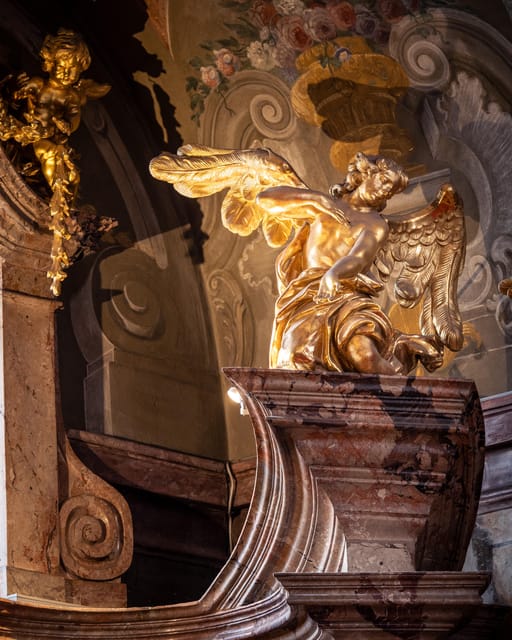
Annakirche has the kind of acoustic character that makes a string performance work well. The church gives the instruments a natural echo, helping four players fill the space without amplification. Soft passages can carry, and sustained notes may seem to hang in the air.
The effect is especially appealing in slow movements. The sound has room to breathe, and the church’s surfaces add a sense of depth. The result is more atmospheric than a dry rehearsal room and more personal than a large concert venue.
There is a small tradeoff. Reverberation can blur very rapid passages, particularly if you sit far back or near a reflective side wall. The acoustic character is part of the point, but it is not the same as the precise, controlled sound of a modern auditorium.
The room is also intimate enough that audience behavior matters. Silence is important. A snoring listener, a conversation, or a bright phone screen can affect the people nearby. Recording is not allowed, and you should keep your phone away throughout the performance.
Getting there from Vienna’s central sights
St. Anne’s Church is at Annagasse 3b, in Vienna’s pedestrian zone. From the Vienna State Opera, the walk takes about three minutes. From the Karlsplatz or Stephansplatz underground stations, allow about five minutes on foot.
This is one of the easiest concert venues to fit into a central Vienna itinerary. You do not need a taxi or a long ride after dinner. The surrounding streets are attractive in the evening, with cafés and restaurants nearby, so you can pair the concert with a meal before or after the music.
The pedestrian setting is pleasant, but it also means you should pay attention to the exact entrance and address. Annagasse is close to major sights, yet the church can be easy to pass if you are walking quickly through the center. Give yourself extra time to find the door, collect your ticket arrangements, and choose a seat.
The venue is heated during the cold months. That makes this a sensible winter activity, particularly after walking around Vienna in January or February. In summer, the church can feel warm, so carry water and dress with the indoor temperature in mind.
Is this suitable for someone new to classical music?
Yes. You do not need to recognize Mozart or know the difference between a first and second violin. The program, setting, and 70-minute length make this an approachable first concert.
The musicians play complete pieces, so you hear how a work develops rather than only its most famous tune. At the same time, the quartet format keeps the sound easy to follow. You can focus on the changing melodies and the way the four instruments pass musical ideas around the group.
I would suggest arriving with one simple goal: listen for contrast. Notice when the music becomes quiet, when the rhythm grows lively, and when one instrument takes the lead. You will get more from the concert this way than by trying to identify every composer or movement.
It also suits experienced classical listeners who prefer a small room and period performance. The quality of the musicians is a major part of the value. The ensemble is made up of players from renowned Viennese orchestras, and the performance style is serious rather than designed only around tourist favorites.
Still, you should know what you are booking. This is not an opera, and it is not a full orchestral concert. There are no elaborate costumes, scenery, or large chorus. The focus is four musicians, their instruments, and the church around them.
How the $38 price compares
At $38 per person, this concert offers good value for an evening activity in central Vienna. The price includes entry, free seating, and a concert program. You are also paying for the venue, period instruments, and live performance by professional musicians.
The value is strongest if you care about atmosphere as much as music. You could visit many churches during the day, but a concert lets you experience the building after dark while the acoustics are active. You are combining sightseeing and entertainment in one 70-minute stop.
It is also less expensive than many formal performances at Vienna’s major opera and concert venues. Those places can offer larger productions and more elaborate staging, but they usually require more planning and a higher budget. Annakirche gives you a concentrated version of Vienna’s music culture without turning the evening into a major event.
The price may feel less attractive if you want a long program, assigned premium seating, or a full orchestra. In that case, you may prefer a larger concert hall. For a short, central, atmospheric introduction to classical music, the cost is reasonable.
The activity also offers free cancellation up to 24 hours before the concert and a reserve-now, pay-later option. Those terms are useful if your Vienna schedule is still changing, but check the conditions attached to your booking before relying on them.
A practical plan for the evening
I would build the night around the 8:00 PM start rather than treat the concert as a last-minute add-on. Finish sightseeing in the central district, eat early enough to avoid rushing, and aim to reach the church by 7:20 PM or 7:30 PM.
Arriving early gives you a better choice of seats and time to appreciate the church before the music begins. The interior is worth looking at carefully, especially the gold ornament and blue marble details that can disappear if you arrive just as the lights dim.
Take the program and read through the composer names before the first piece. Even a quick look gives your ears a frame for the evening. During the concert, resist the urge to photograph the interior once the performance begins. Recording is not permitted, and a phone flash can distract both musicians and audience members.
Afterward, you are already in one of Vienna’s best areas for an evening walk. The short distance to the State Opera and nearby underground stations makes the return journey simple. You can also continue to a café or restaurant in the surrounding pedestrian streets.
Who should book this concert?
I would recommend it to you if you want classical music in a small, beautiful room, especially if this is your first concert in Vienna. It works well for couples, solo visitors, and families with older children who can sit quietly for 70 minutes.
It is a particularly good choice for:
- First-time classical concertgoers
- Visitors who cannot obtain or afford opera-house tickets
- Anyone interested in Mozart, Haydn, Beethoven, or Schubert
- People who value historic interiors and close-up performances
- Visitors planning a central Vienna evening without complicated transport
You may want another option if you need guaranteed front-row seating, dislike church acoustics, or want a large-scale orchestral experience. The venue is intimate, and that means the room can feel less formal and less spacious than a major concert hall.
Should you book St. Anne’s Church?
Yes, if you want an accessible and well-priced taste of Vienna’s classical tradition. The strongest reasons are the ornate Baroque church, the period instruments, the central location, and the chance to watch a professional quartet at close range.
Book it with realistic expectations. You are getting 70 minutes of chamber music, not an opera production or symphony. Arrive early, choose your seat with care, keep your phone off, and let the church’s acoustics do their work. At $38, this is an easy evening to recommend for anyone who wants music, history, and a memorable Vienna setting in one compact experience.
FAQ
Where is the classical concert held?
The concert takes place at St. Anne’s Church, also called Annakirche, at Annagasse 3b in central Vienna.
How long does the concert last?
The concert lasts 70 minutes.
What time does the concert begin?
Concerts begin at 8:00 PM.
How does seating work?
Seating is free and unassigned. Seats are available on a first come, first served basis, so arriving 30 to 40 minutes early gives you a better chance of sitting near the front.
What music will be performed?
The program includes complete works by Mozart, Haydn, Beethoven, or Schubert. The precise selection can vary by concert.
Is the church heated in winter?
Yes. St. Anne’s Church is heated during the cold months of the year.
Just added around Vienna
- Ottakringer Brewery tour★ 4.0 · 6 reviews
- New Hofburg Palace Tour House of Habsburg★ 4.5 · 5 reviews
- Private Van & Walk Tour – One Perfect Day in Vienna★ 5.0 · 21 reviews
- True Crime mobile puzzle rally Vienna★ 4.0 · 3 reviews
- Vienna Naschmarket Food Tasting Tour★ 4.0 · 30 reviews
- Vienna Nightlife Experience: Food, Wine, Cocktails & Vibes★ 5.0 · 119 reviews
- Myth Mozart★ 4.0 · 80 reviews
- ( Night Tour ) With Private Guide + wine or prosecco★ 4.0 · 12 reviews
Concerts, compared.
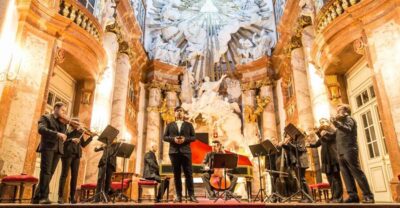
Vivaldi’s Four Seasons Concert in Karlskirche
Read our review →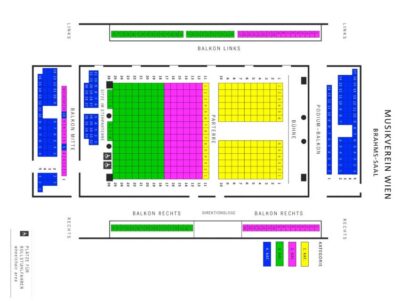
Classical Concert in the World-Famous Musikverein
Read our review →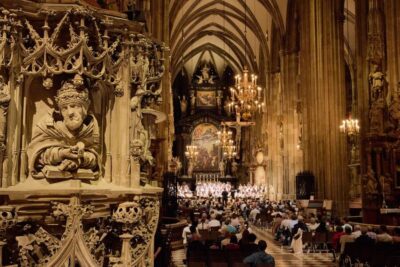
Vienna Classical Concert at St. Peter’s Church
Read our review →Browse the lists this tour appears in