Reviewed · TOURS
Vienna: Big Bus Hop-On, Hop-Off Tour by Open-Top Bus
Vienna’s grandest sights are spread across a wide city, and this open-top bus gives you a quick, useful look at the whole picture. In about 90 minutes, you can roll from St. Stephen’s Cathedral and the State Opera to Schönbrunn, Belvedere, the Museum Quarter, and modern Danube Island.
I like the clear audio commentary, available in eight languages, and the freedom to hop off when a palace or museum catches your eye. I also like the live bus tracking in the Big Bus app, which helps you plan instead of standing at a stop and guessing.
The main drawback is timing. Buses run roughly every 30 to 45 minutes, with the last departure at 4:00 PM, and city traffic can slow the ride. For a relaxed visit, the 48-hour pass is much better than trying to squeeze every sight into one afternoon.
Key points to know before you book
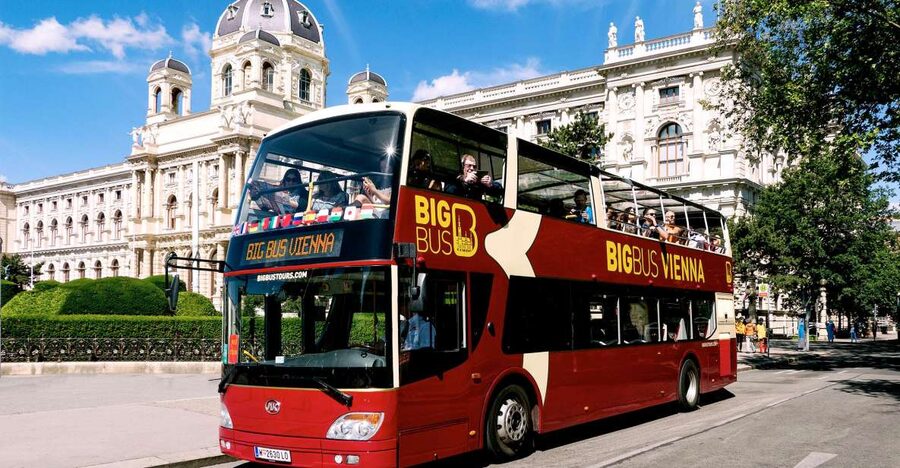
- Two routes cover old and modern Vienna: The City Route focuses on central Vienna, while the Palace Route reaches Belvedere, Schönbrunn, and Hundertwasserhaus.
- The first bus leaves Opera at 9:30 AM: Stop 1 is at Walfischgasse 2, with the final departure listed at 4:00 PM.
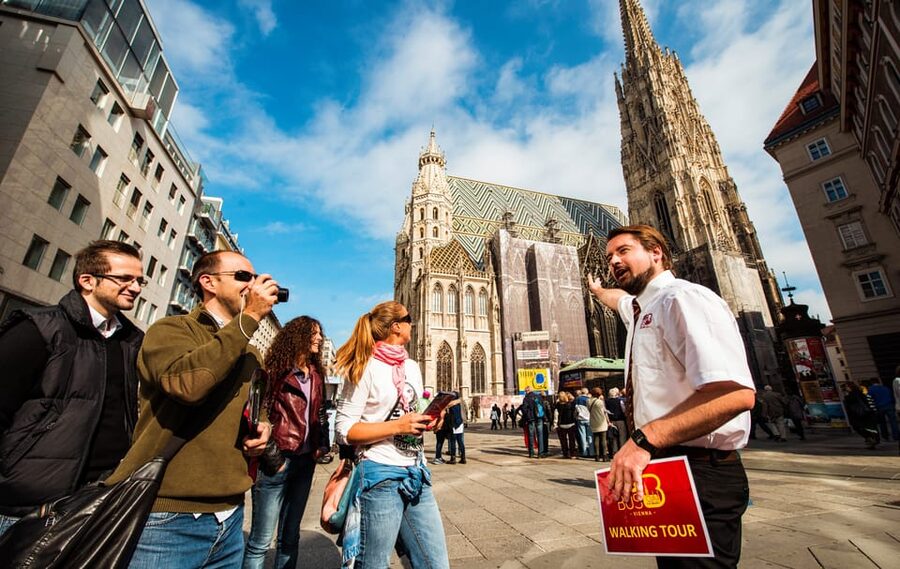
- The 48-hour ticket adds real value: You get a licensed walking tour at 11:30 AM, plus two self-guided Vox tours in six languages.
- Audio commentary is practical and clear: Headphones are provided, with Spanish, English, French, German, Italian, Portuguese, Russian, and Arabic available.
- A mobile voucher is enough: Activate your QR code at any Big Bus stop, then use the bus app for live tracking and service updates.
- Weather affects comfort: The open upper deck gives the best views, but the lower level is warmer in cold weather and can feel hot in summer.
Why the bus works well in spread-out Vienna
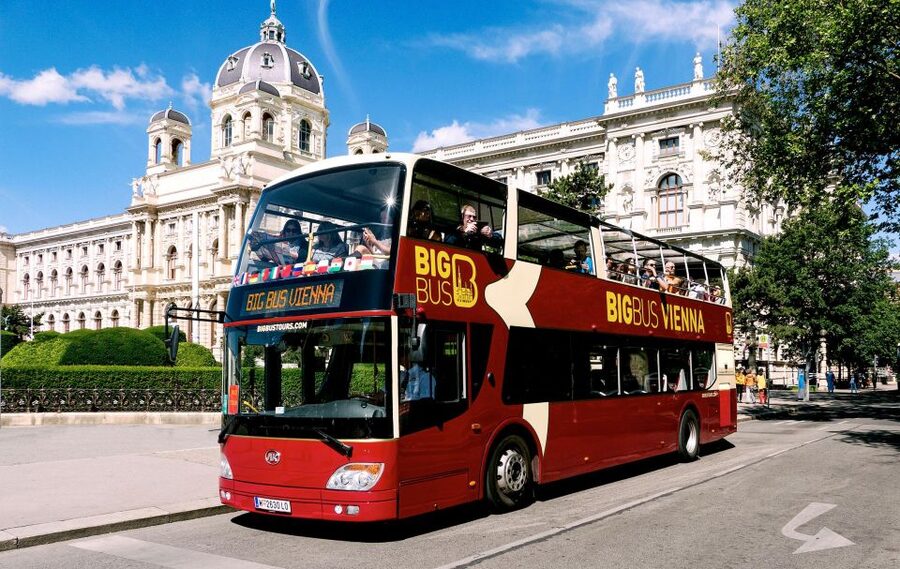
Vienna is easy to walk in its central districts, but the city’s famous palaces are not all close together. Schönbrunn lies well beyond the old center, Belvedere is south of the Ringstrasse, and the UNO City and Danube Island area gives you a very different view of Vienna.
That is where this tour earns its keep. I would use it first as a city orientation, not as a replacement for exploring on foot. Sit upstairs for the full circuit, listen to the commentary, and note the places you want to return to. Then use the bus as a practical link between selected sights.
The regular tour lasts about 90 minutes if you stay on board. That makes the 24-hour ticket useful for a short visit, a day trip from Budapest, or your first morning in Vienna. You can see the main sights without spending the whole day trying to work out public transport connections.
The 48-hour option gives you breathing room. You can ride one route on the first day, visit a palace or museum, and use the second day for the other route and the walking tour. That slower pace matters in Vienna, where many grand buildings deserve more than a quick photograph from a bus window.
Other Vienna days people book alongside this one:
- Vienna: Vivaldi’s Four Seasons Concert in Karlskirche
★ 4.7 · 14,951 reviews - Vienna: Spanish Riding School Training
★ 3.9 · 9,281 reviews - Vienna: Skip-the-cashier-desk-line Giant Ferris Wheel Ride
★ 4.5 · 7,859 reviews
The City Route, from the Opera to Danube Island
The City Route brings you into Vienna’s historic center and then out toward its modern districts. Start at Stop 1, Opera, a convenient base beside the Vienna State Opera and close to the Ringstrasse.
The State Opera is one of Vienna’s great music landmarks, but the bus gives you only an outside view. Get off here if you want to explore the surrounding central streets, or stay aboard and let the commentary introduce the city before choosing your stops.
The route passes near St. Stephen’s Cathedral, Vienna’s best-known Gothic church. Its patterned roof and tall tower make it easy to spot, but the real reward comes from getting off and walking through the surrounding old town. The bus is useful for getting close, but this is a place to continue on foot.
You also pass Hofburg Palace, the former center of the Habsburg court. The complex is large, with several museums and grand facades. A bus tour helps you understand its scale, but you should allow separate time if you want to go inside.
The Museum Quarter and nearby cultural buildings show another side of Vienna. This part of the route is less about one single monument and more about how the imperial center meets the city’s art scene. The recorded commentary adds background as you pass, and the large windows give you a better sense of how the districts connect.
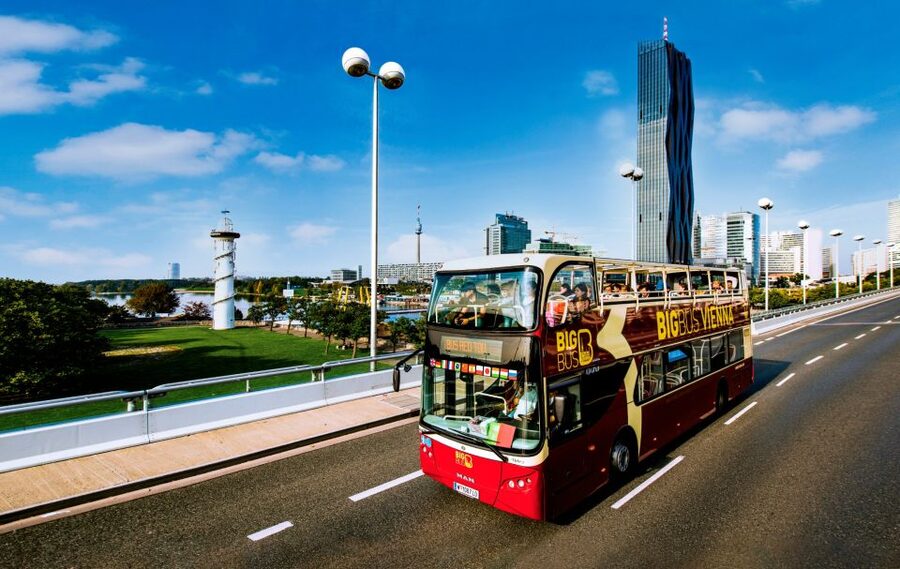
Farther along, the route reaches modern Vienna, including UNO City and Danube Island. These sights may not be first on your list, but they prevent the tour from becoming a parade of palaces. You see Vienna as a working capital, not only as an imperial stage set.
The City Route is also the best choice if you have limited time. Stay on board for the full circuit first, then decide which central stop deserves your attention. The main weakness is traffic. The Ringstrasse and central roads can slow the bus, so do not plan a tight museum reservation immediately after boarding.
The Palace Route to Schönbrunn and Belvedere
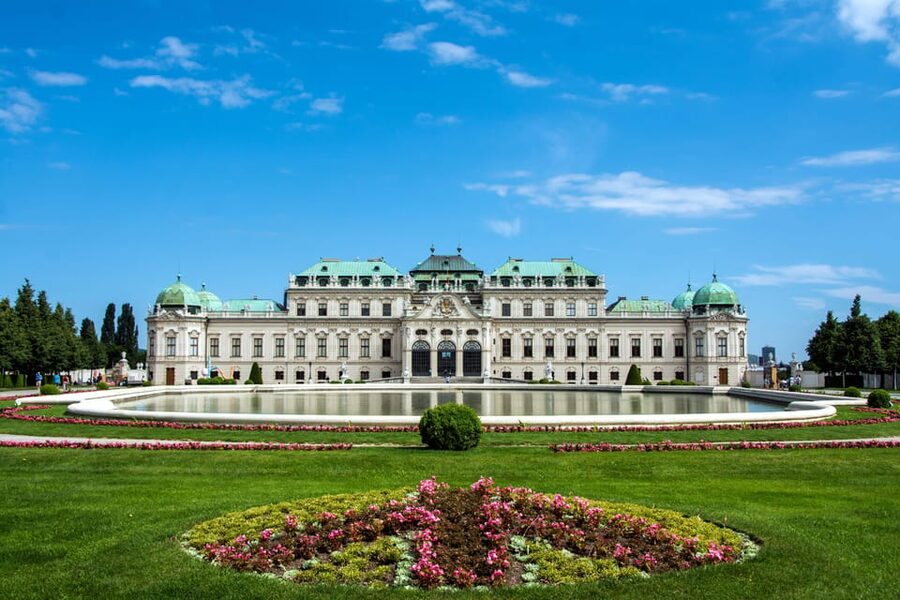
The Palace Route is the reason many people choose this tour. It reaches Vienna’s major royal residences and gives you a useful way to connect sights that would otherwise require separate transport planning.
Schönbrunn Palace is the headline stop. It was the Habsburgs’ summer residence and is closely linked with Empress Elisabeth, better known as Sisi. The grounds and palace interiors require their own admission and time, so treat the bus as transportation and an introduction, not the whole visit.
I would allow several hours here if you plan to explore properly. If your time is short, even getting off for a walk around the palace grounds gives you more than viewing it from the upper deck. The bus ride helps place Schönbrunn outside the central city, which is useful when planning the rest of your day.
Belvedere offers a different architectural experience. The palace complex is known for its formal setting and art collections, and its position south of the center makes the Palace Route handy. As with Schönbrunn, check your schedule before hopping off. The bus can take you there, but it cannot shorten the time needed inside.
The route also passes Hundertwasserhaus, one of Vienna’s most playful modern landmarks. Its uneven lines, bright colors, and unusual design make a welcome change from imperial facades. You may find this stop especially worthwhile if you have already seen the main palace interiors and want something less formal.
The Palace Route is not simply a second version of the City Route. It shows how far Vienna reaches beyond the Ringstrasse. Take it for the contrast: imperial residences, expressive modern architecture, and the city’s outer districts in one ride.
What the commentary adds to the ride
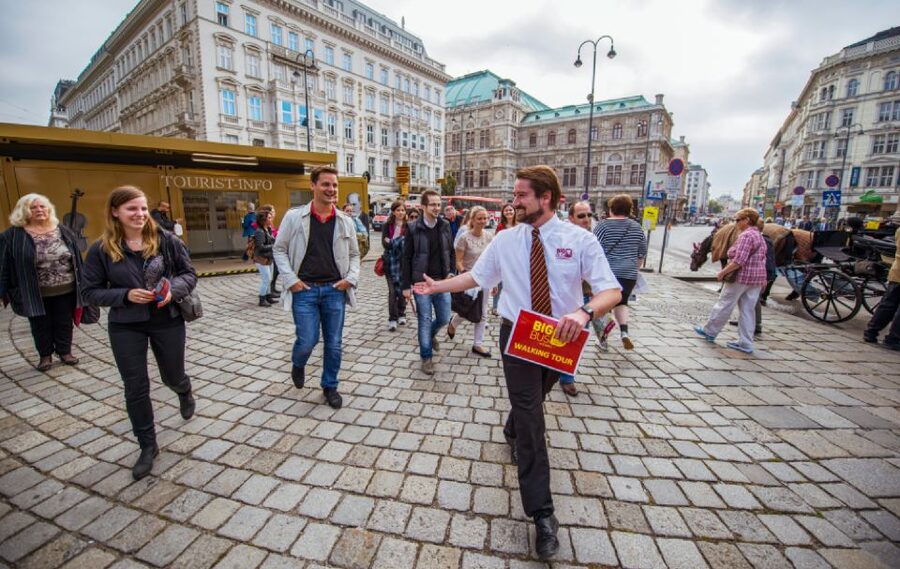
The onboard audio guide is one of the strongest parts of the experience. It is offered in eight languages: English, Spanish, French, German, Italian, Portuguese, Russian, and Arabic. Headphones are supplied, though you can bring your own.
The commentary provides historical facts, music, and explanations for the sights along the way. I would not expect the same depth as a private guide, but it does a good job of turning a simple bus ride into a useful introduction.
A helpful detail is that the audio keeps working while you remain on the bus. You can listen closely when a major building appears, then relax and watch the streets when the information becomes less relevant. The system is also simple enough for families and older visitors who may not want to read a guidebook while moving.
The 48-hour pass includes a code for the Vox POPGuide app. This gives you two self-guided walks, called Secrets of Vienna and Vienna in the 19th Century, in six languages. These are useful if you want information while walking instead of hearing everything from a bus seat.
For a stronger personal explanation of central Vienna, select the ticket that includes the licensed walking tour. It leaves daily at 11:30 AM from Stop 1, Opera, lasts about 90 minutes, and is conducted in English. Plan around that fixed start time, since it is not as flexible as the bus.
One small practical point: activate your mobile voucher or QR code with Big Bus staff at a stop. The Vox code appears on the ticket receipt after activation, so do not expect to use that extra immediately without completing this step.
Same Alps, a completely different kind of day:
- Vienna: Schönbrunn Palace & Gardens Skip-the-Line Tour
★ 4.7 · 7,739 reviews - Vienna: Light of Creation Votive Church Immersive Light Show
★ 4.8 · 6,779 reviews - Vienna Spanish Riding School Guided Tour
★ 4.7 · 6,765 reviews - Vienna: Classical Concert in the World-Famous Musikverein
★ 4.6 · 6,673 reviews
Choosing between 24 and 48 hours
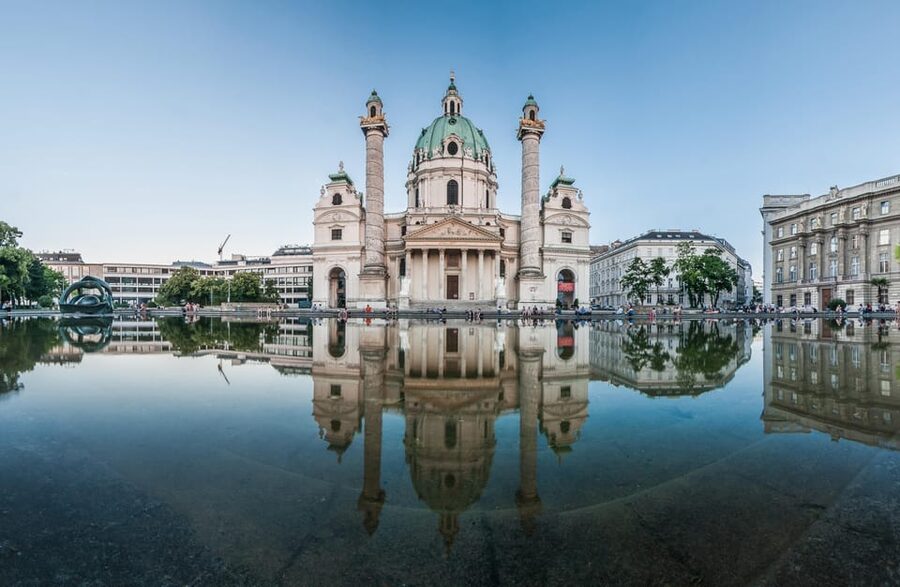
At $36 per person, the tour is easiest to justify when you use it for transportation as well as sightseeing. A single 90-minute circuit gives you an overview, but it may not deliver full value if you never hop off.
The 24-hour pass suits a focused first look. Use it when you have one day, want to see the main routes, or need an easy ride to Schönbrunn and Belvedere. Start early at 9:30 AM, complete one route, and get off at one or two places rather than attempting every palace and museum.
The 48-hour pass is the better pick for most full city breaks. It spreads the routes across two days and adds the guided walk and Vox tours. The second day also protects you from delays caused by traffic, long palace visits, or a slow lunch.
If you are visiting in winter, the lower deck is more comfortable. A December ride can be chilly upstairs, while summer rides can feel hot below. The open upper deck gives you the best photographs, but keep your clothing and the weather in mind.
The app is worth downloading before you set out. It shows bus locations, stop positions, and service updates. Several useful experiences with hop-on bus tours come down to one simple habit: check the next bus before you leave a sight.
Optional extras: walking tour, sausage plate, and night ride
The guided walking tour is available with the relevant 48-hour ticket. It leaves at 11:30 AM from Opera and focuses on Vienna’s imperial past. This is the best add-on if you want a human guide to explain the center rather than relying only on recorded audio.
The 48-hour ticket with walking tour also includes a Viennese sausage plate at Zum Kaiser Sausage Stand, about a one-minute walk from Stop 1. This is a modest extra, but it is convenient if you want a quick local-style meal near the bus base.
Some ticket choices also include a panoramic night tour by open-top bus. Select it only if the timing works with your evening plans. The normal service finishes with the last listed departure at 4:00 PM, so the night ride is a separate option rather than something to assume comes with every pass.
The supplied information also lists different options, so read the exact ticket name before paying. The sausage plate, night tour, and walking tour are not all included in the basic 24-hour or 48-hour ride automatically.
Timing, stops, and the small snags
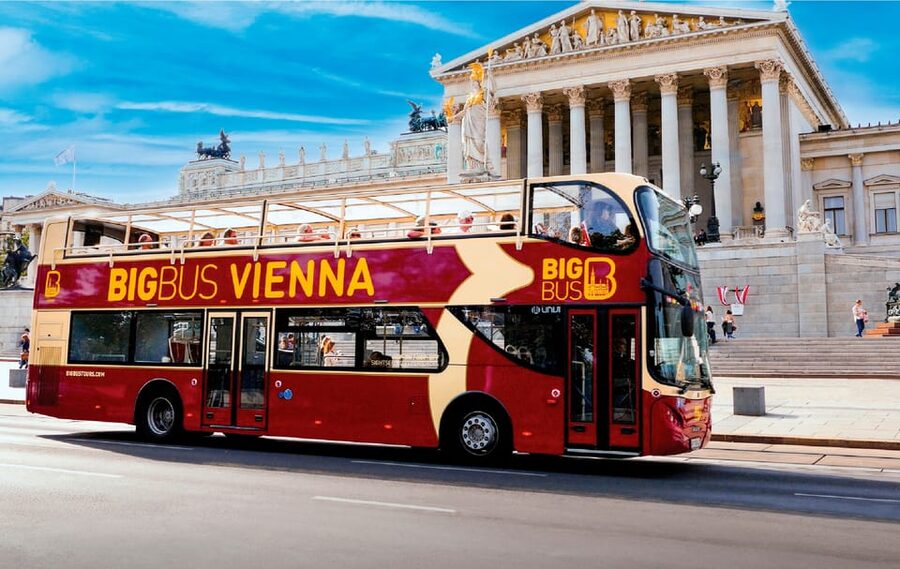
The first departure is at 9:30 AM from Big Bus Stop 1, Opera. Buses are scheduled about every 30 to 45 minutes, though some departure details describe service at closer intervals on certain days. Use the app for the current timing rather than treating the schedule as exact.
The final listed departure is 4:00 PM. That is an important limitation if you hoped to use the bus for dinner or late museum visits. The optional night tour may help, but only if you book the appropriate package.
Staff are present at major stops and can help with boarding and route questions. Drivers have also been helpful, including a driver named Richard who assisted passengers with planning their day. Still, the recorded audio remains the main source of commentary during the ride.
Traffic is the other factor to respect. Central Vienna can slow the journey between stops, and a route that looks quick on the map may take longer at busy times. Build in a cushion if you have a timed palace entry.
The buses are wheelchair accessible, and infants aged four and under ride free without a ticket. Hotel pickup and drop-off are not included, so you need to reach a Big Bus stop on your own.
Who will get the most from this tour
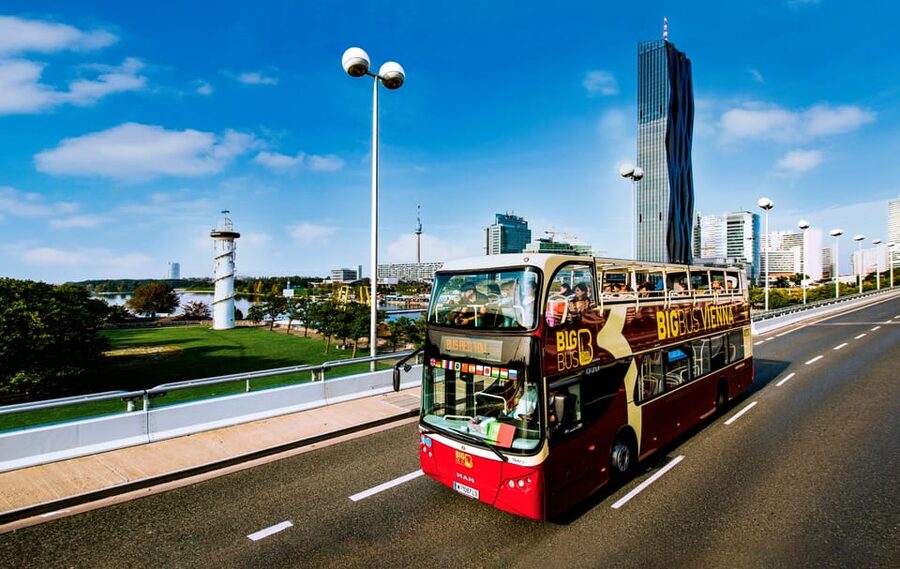
I recommend this for first-time visitors, families, older visitors, and anyone with only one or two days in Vienna. It is also useful if walking long distances is difficult or if you want to see Schönbrunn without sorting out every transport connection yourself.
It works well for a solo visitor who wants a low-effort introduction, too. Put on the headphones, sit upstairs when the weather allows, and use the first circuit to mark places for later.
I would be less eager to recommend it if you already know Vienna well and plan to spend your time inside museums. The bus cannot take you inside St. Stephen’s Cathedral, Hofburg, Schönbrunn, Belvedere, or the State Opera. You still need separate admission and time for those experiences.
It is also not ideal for a visitor who wants a late-night sightseeing service or a tightly timed itinerary. The early final departure and possible traffic delays make it better for flexible plans.
Should you book the Vienna Big Bus tour?
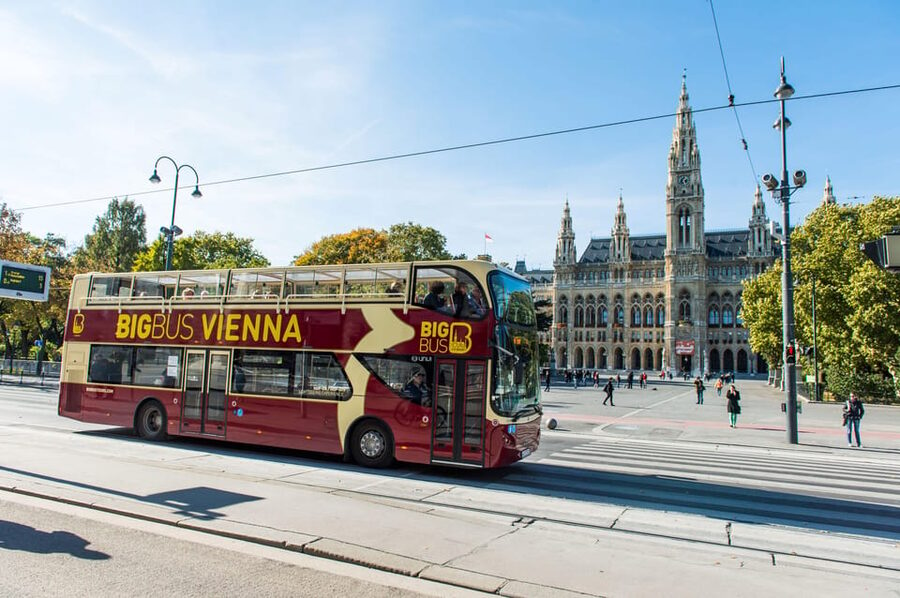
Book it if you want a broad first look at Vienna, easy access to the palaces, and the option to use the bus between sights. The clear audio, friendly staff, live tracking, and two distinct routes make it more useful than a simple ride around the center.
For one day, choose 24 hours and focus on one route plus one major stop. For two days, I would pay for the 48-hour option, especially if you want the 11:30 AM walking tour, Vox self-guided walks, and extra time at Schönbrunn or Belvedere.
At $36, the value depends on how actively you use the pass. Stay aboard once and it is a basic orientation. Hop off, return to the bus, use the app, and add the walking tour, and it becomes a practical way to organize a large city.
FAQ
Where does the Vienna Big Bus tour begin?
The first tour departs from Big Bus Stop 1, Opera, at Walfischgasse 2. You can also board and activate your mobile voucher or QR code at any Big Bus stop.
How often do the buses run?
Buses are scheduled approximately every 30 to 45 minutes. Service details can vary, so use the free Big Bus app for live bus tracking and updates.
What languages are available for the audio guide?
Audio commentary is available in Spanish, English, French, German, Italian, Portuguese, Russian, and Arabic. Headphones are provided, or you can bring your own.
What does the 48-hour ticket add?
The 48-hour options include a free Vox POPGuide app code with two self-guided walks in six languages. The ticket with the guided walk includes a daily English walking tour at 11:30 AM, lasting about 90 minutes.
Is the tour wheelchair accessible?
Yes, the tour is wheelchair accessible. Infants aged four and under travel free and do not need a ticket.
Are hotel pickup and drop-off included?
No. You need to make your own way to a Big Bus stop, and the meeting point can vary according to the ticket option you select.
Just added around Vienna
- Ottakringer Brewery tour★ 4.0 · 6 reviews
- New Hofburg Palace Tour House of Habsburg★ 4.5 · 5 reviews
- Private Van & Walk Tour – One Perfect Day in Vienna★ 5.0 · 21 reviews
- True Crime mobile puzzle rally Vienna★ 4.0 · 3 reviews
- Vienna Naschmarket Food Tasting Tour★ 4.0 · 30 reviews
- Vienna Nightlife Experience: Food, Wine, Cocktails & Vibes★ 5.0 · 119 reviews
- Myth Mozart★ 4.0 · 80 reviews
- ( Night Tour ) With Private Guide + wine or prosecco★ 4.0 · 12 reviews
Tours, compared.

Schönbrunn Palace & Gardens Skip-the-Line Tour
Read our review →


Skip-the-Line Sisi Museum, Hofburg and Gardens Tour
Read our review →
Skip-the-Line Schönbrunn Palace & Gardens Tour
Read our review →
Guided Walking Tour of City Center Highlights
Read our review →