

Reviewed · COFFEE EXPERIENCES
Vienna: 2.5-Hour Viennese Coffee, Cake, and Chocolate Tour
Vienna’s coffee culture is best understood at a table, not from a postcard. This 150-minute tour links Naschmarkt-area cafés, a local coffee roaster, and a chocolate shop, giving you a tasty look at the city’s old café customs and newer food makers. You’ll try three coffee specialties, two Viennese sweets, chocolate samples, and the crisp wafer cookies called Oblaten.
I like the small group of up to eight, which gives guides such as Tina and Monika room to answer questions and adjust the pace. I also like the personal feel of the stops, including a coffeehouse run by retired people where you can try classic Viennese favorites in a setting you might not find on your own. The main consideration is the $82 price, which is fair if you value guidance and several tastings, but high if you only want a coffee and slice of cake.
Key points at a glance
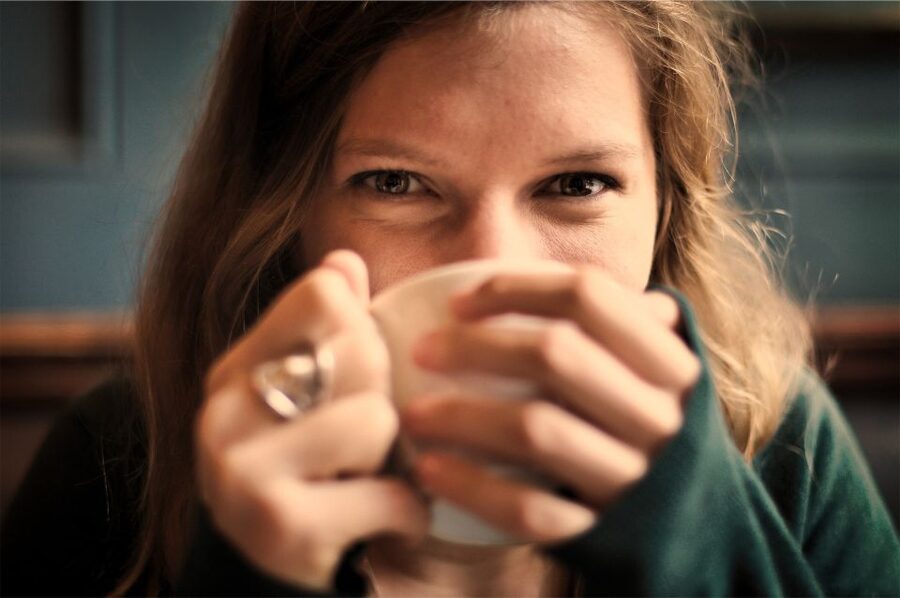
- Three coffee specialties: You can choose tea or hot chocolate instead if coffee is not your thing.
- Naschmarkt food stops: The route includes charming cafés, a coffee roaster, and a specialty chocolate shop.
- A small, personal group: The tour is limited to eight participants, making conversation with the guide easier.
- Viennese sweets with local character: Taste Oblaten, two typical Viennese delicacies, and chocolate samples including Zotter.
- Guides who add context: Tina and Monika are especially praised for their warmth, flexibility, and local pointers.
- A leisurely pace: The experience suits people who want time to sit, taste, and hear stories rather than rush from stop to stop.
Why Vienna’s coffee table matters
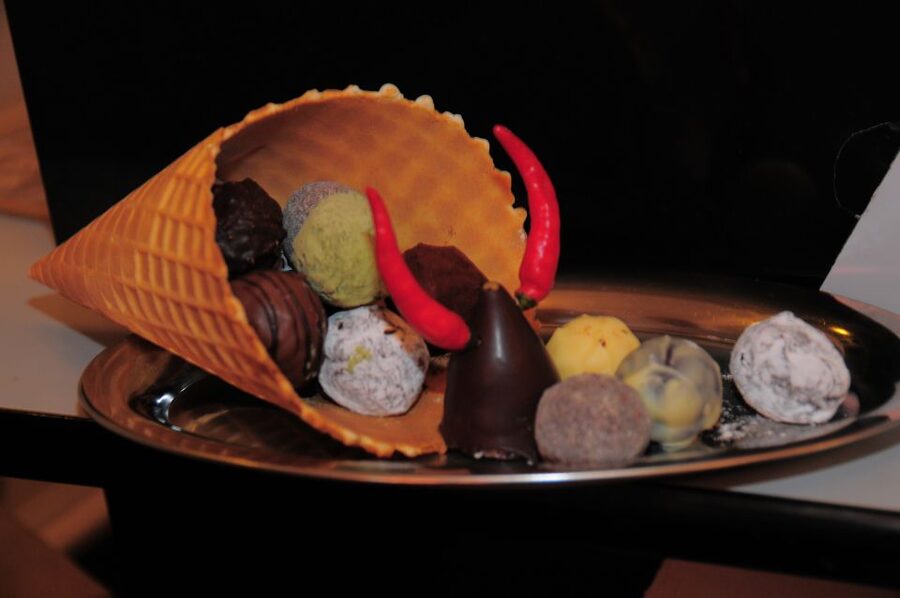
Vienna’s coffeehouse tradition is not simply about caffeine. A proper café visit is a pause in the day, with time for conversation, people-watching, and something sweet beside the cup. The setting matters almost as much as the food.
This tour uses that custom as its main thread. Instead of treating cake and chocolate as quick samples, it places them in cafés with a sense of place and history. Your guide explains how Viennese desserts developed through the city’s imperial past and how established café habits now sit alongside small roasters and modern chocolate makers.
That mix is useful. You get the familiar image of Vienna, coffee served with cake in an elegant café, but you also see the city’s current food scene around Naschmarkt. The result should feel less like a checklist of famous pastries and more like a guided introduction to how locals buy, serve, and enjoy sweet foods.
You should come ready to sit down several times. The tour is not built around a large meal, but the tastings add up. One person who joined in December wished they had arrived hungrier, a practical warning for anyone who eats a full lunch just beforehand.
A few more Vienna trips to weigh up
- Vienna: Chocolate Workshop in Chocolate Museum w/ Tasting
★ 4.5 · 1,802 reviews - Vienna Coffee, Cake & Pastries Tour with Local Stories
★ 5.0 · 470 reviews - Chocolate workshop in Chocolate Museum Vienna “BO-YO”
★ 4.5 · 352 reviews
Starting around Naschmarkt
The meeting point is in front of the entrance to the coffeehouse, where you look for a guide carrying the GTOUR-Guide sign. Hotel pickup and drop-off are not included, so you need to make your own way there.
The Naschmarkt area is a sensible setting for this kind of outing. It brings together cafés, food shops, and small businesses, so the walking between tastings can show you more than Vienna’s grand central sights alone. The tour description does not give a fixed route or name every café, and stops may depend on the day, but the focus is clear: local businesses and specialty food.
Wear comfortable shoes. You will be walking between stops, even though the pace is described as leisurely. Large bags and luggage are not allowed, so this is best done before collecting your bags or heading to a train station.
The route operates rain or shine. That matters in Vienna, where a damp afternoon can quickly change the comfort of a walking tour. Bring suitable clothing, and remember that the experience is not suitable for people with mobility impairments.
The coffeehouse stops and the three drinks

The heart of the experience is the café time. You receive three Viennese coffee specialties, with tea or hot chocolate available if you prefer. That flexibility makes the tour friendlier for children, non-coffee drinkers, and anyone who has already had enough espresso for one day.
The exact drinks are not specified, so you should not book expecting a particular named coffee at each stop. Instead, think of the three servings as a chance to learn how Vienna treats coffee as a full café ritual. Your guide can explain what makes the drinks different and how they fit into local habits.
The café setting gives these tastings their value. A cup in a historic Viennese coffeehouse feels different from a takeaway drink. You have time to look around, listen to stories, and notice the manners of the place. This is also where a good guide can make the difference between simply consuming a drink and understanding why cafés matter in Vienna.
One particularly appealing stop is a coffeehouse run by retired people. It is described as a place for Viennese favorites and an experience that feels outside the usual tourist path. That detail gives the tour a human touch. You are not only being sent to famous addresses; you may also spend time in a place shaped by local people and personal service.
Tina receives especially strong praise for making the café visits warm and personal. Monika is also singled out for her hosting and local information. The tour is delivered in English or German, and the small group should make it easier to ask about coffee customs, desserts, or places to return later.
What the coffee roaster adds
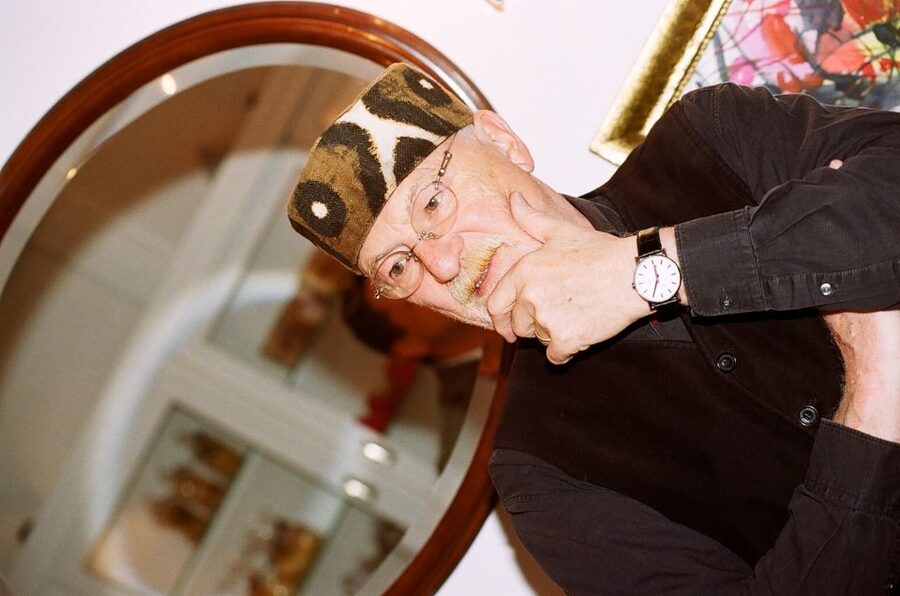
A stop at a local coffee roaster broadens the tour beyond café decoration. You learn about roasting and taste freshly brewed coffee, which gives you a more direct connection to the beans and preparation behind the drink.
The supplied details do not identify the roaster or explain how long the demonstration lasts. You should therefore expect an introduction rather than a full technical workshop. Still, this is a useful part of the route because it connects the polished café experience with the work that comes before the cup reaches your table.
I especially like this kind of stop for visitors who want more than sweet food. The roaster adds a practical food story: coffee changes with roasting, and Vienna’s café tradition depends on both the drink and the way it is served. If you already know a lot about coffee, the short format may feel basic. For most people, it should add enough background to make the tastings more meaningful.
Same Alps, a completely different kind of day:
- Vienna: Vivaldi’s Four Seasons Concert in Karlskirche
★ 4.7 · 14,951 reviews - Vienna: Spanish Riding School Training
★ 3.9 · 9,281 reviews - Vienna: Skip-the-cashier-desk-line Giant Ferris Wheel Ride
★ 4.5 · 7,859 reviews - Vienna: Schönbrunn Palace & Gardens Skip-the-Line Tour
★ 4.7 · 7,739 reviews
Viennese sweets, Oblaten, and chocolate
The dessert portion includes two typically Viennese sweet delicacies, traditional Oblaten, and chocolate tasting samples. Oblaten are delicate wafer cookies with a light, crisp texture. They are less heavy than a large slice of cake, so they give you a chance to try a classic item without filling up immediately.
The two main Viennese sweets are not named in the available details. That lack of a fixed pastry list is worth noting. You can expect traditional flavors, but you should not reserve this tour solely to taste one specific cake.
The chocolate stop brings a different style to the afternoon. You visit a renowned chocolate shop and sample specialties such as Zotter, an Austrian maker known for bold combinations and varied flavors. This creates a useful contrast with the older café customs. Vienna’s food culture is not frozen in the era of palaces and formal coffee service; it also includes modern makers who experiment with chocolate.
Chocolate samples are included, but the information does not promise full-size bars or a shopping allowance. If you find a flavor you like, you may want to buy more, but any purchases beyond the included tasting are your own expense.
The best way to approach the food is with curiosity rather than a demand for a large serving. This is a tasting tour, not a replacement for lunch. Three drinks, two sweets, wafers, and chocolate can be plenty over two and a half hours, especially when you are also walking and listening.
The guides are a major part of the value
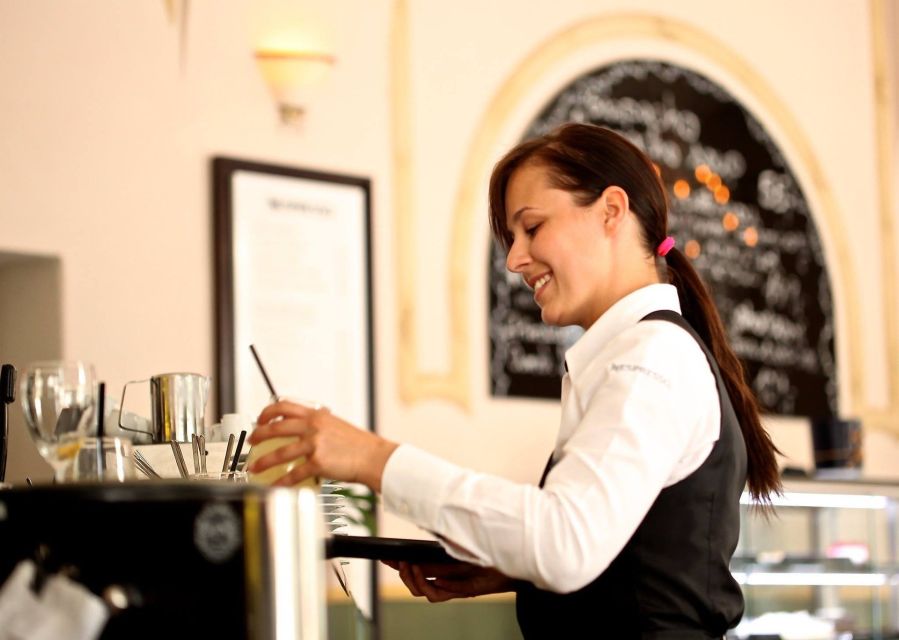
The repeated praise for Tina and Monika points to the main strength of this experience: the person leading it. Tina is described as warm, personal, flexible, and informative. Monika is praised for her hosting, local advice, and ability to make the route feel special. Monica is also named in one account, likely reflecting a variation in spelling.
That personal approach matters in a small group. A guide can slow down when you want to look at a shop, explain an unfamiliar sweet, or suggest returning to a favorite stop. One participant liked the leisurely pace and the amount of local information, while another said the guide showed parts of Vienna they would not have noticed alone.
You should still keep expectations realistic. The tour lasts 150 minutes, so explanations at the roaster, café conversations, and tastings all need to fit into that window. You will receive stories and useful context, not a full course in Austrian culinary history.
The guide’s role also helps bridge the gap between a formal food tour and a private outing. You are not just handed a pastry and sent on your way. You get anecdotes, explanations, and a chance to ask questions in English or German.
Is $82 a fair price?
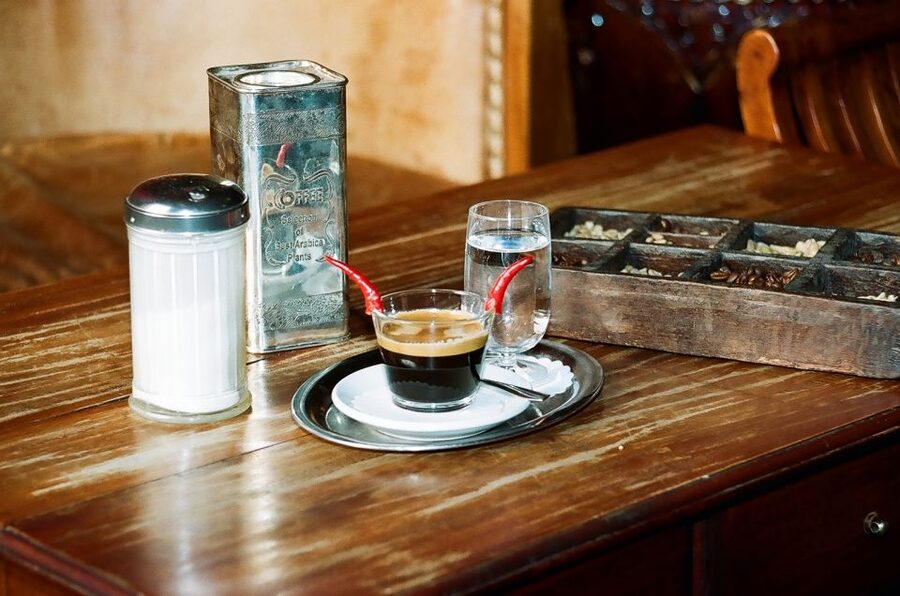
At $82 per person, this is not the cheapest way to eat cake in Vienna. You could order coffee and dessert independently for much less, especially if your main goal is a single famous café and one pastry.
The price becomes easier to justify when you count what is included: three coffee specialties or other hot drinks, two Viennese sweet delicacies, chocolate samples, a local roaster visit, several café stops, and a personal guide. You are paying for access, planning, interpretation, and the chance to visit more than one type of food business without guessing where to go.
The group limit of eight improves the value. A large food tour can feel like a moving queue, while a small group gives you more time to speak with the guide. The personal attention is particularly useful for families and first-time visitors who want help understanding unfamiliar menu items.
I would book it if you enjoy food as a way to understand a city and you prefer a guided introduction to making your own café itinerary. I would skip it if you are on a tight budget, dislike sweet foods, or want a serious coffee course with detailed technical instruction.
The reserve-now-and-pay-later option is useful if your schedule is still changing. You can cancel up to 24 hours before the tour for a full refund, according to the booking terms. Check the available start times before choosing a day, since the duration is fixed at two and a half hours.
Who will enjoy this afternoon most?
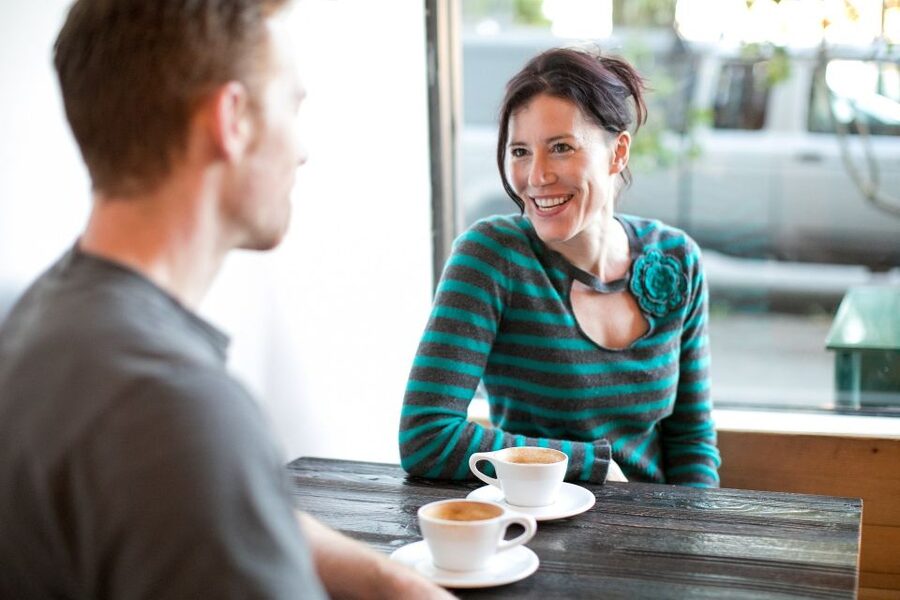
This tour suits first-time visitors who want a gentle introduction to Vienna beyond grand buildings. It also works well near the start of a stay, since your guide may point out cafés and shops worth revisiting later. One participant liked the stops enough to return to all of them the next day, which suggests the route can help you build your own food list.
Families can consider it too. A recent booking described the tour as suitable for children, and the option to choose tea or hot chocolate makes the drink tastings more flexible. Still, the no-large-bags rule and mobility limitation mean you should plan carefully with young children or anyone who needs assistance walking.
It is also a good match for couples, friends, and solo visitors who like conversation. With no more than eight people, it is easier to meet others without losing the personal feel of the guide-led outing.
You may want to choose another activity if you need step-free access, have limited walking ability, or cannot eat much sugar. The route takes place outdoors between stops and continues in poor weather.
How to make the most of the 150 minutes
Eat lightly before you arrive, but do not come on an empty stomach if sugary foods make you feel unwell. The tour includes several tastings, and a little preparation will help you enjoy the full range without rushing.
Wear shoes you can walk in for a couple of hours. Keep your belongings light because luggage and large bags are not permitted. Since there is no hotel transfer, allow enough time to reach the coffeehouse entrance and find the GTOUR-Guide sign.
Tell the guide early if you prefer tea or hot chocolate instead of coffee. The tour can accommodate that choice, but it is easier for the guide to plan when you mention it at the start.
Ask questions. The experience is strongest when you treat it as a conversation about Viennese habits, roasting, chocolate, and sweets. If Tina or Monika is leading your group, you can also ask for suggestions about places to return to after the tour.
Should you book this coffee, cake, and chocolate tour?
Book it if you want a small, friendly food walk with real sitting time, several tastings, and a guide who can explain the customs behind Vienna’s café culture. The stops around Naschmarkt, the local roaster, the retired-people-run coffeehouse, and the Zotter chocolate tasting give the afternoon more variety than a simple café crawl.
The $82 cost is easiest to defend for visitors who value planning and personal guidance. It is less compelling for budget-minded eaters who only want one coffee and cake, or for anyone expecting a named list of famous pastries.
For most people who enjoy sweets, coffee, and local stories, this is a pleasant way to spend two and a half hours. Arrive in comfortable shoes, leave room for dessert, and choose it for the company and context as much as for the food.
FAQ
How long does the Viennese coffee, cake, and chocolate tour last?
The tour lasts 150 minutes, or two and a half hours.
How many people are in the group?
The group is limited to eight participants.
What drinks are included?
You receive three Viennese coffee specialties. Tea or hot chocolate can be requested instead.
What food tastings are included?
The tour includes two typically Viennese sweet delicacies, Oblaten wafer cookies, and chocolate tasting samples.
Is a guide included?
Yes. A personal live guide leads the tour in English or German. Guides named in the experience details include Tina and Monika.
Is hotel pickup included?
No. You meet the guide in front of the coffeehouse entrance and look for the GTOUR-Guide sign.
Can I cancel the tour for a refund?
You can cancel up to 24 hours in advance for a full refund. Reserve-now-and-pay-later booking is also available.
What should I bring?
Bring comfortable shoes. Luggage and large bags are not allowed, and the tour runs rain or shine.
Just added around Vienna
- World War II History Vienna Old Town Private Walking Tour★ 4.8 · 9 reviews
- From Krems: Wachau Valley River Cruise on the Danube★ 4.6 · 95 reviews
- Vienna: Winery and Wine Tasting Tour with a Wine Expert★ 5.0 · 5 reviews
- Vienna: Wine Tasting E-Bike Tour★ 4.9 · 46 reviews
- Vienna: Wine Tasting at Schönbrunn Palace★ 4.3 · 71 reviews
- Vienna: Wine Tasting Tour★ 4.8 · 61 reviews
- Vienna: Wiener Schnitzel and Strudel Cooking Class★ 4.9 · 126 reviews
- Vienna: Concert by the Vienna Baroque Orchestra★ 4.6 · 56 reviews
Coffee Experiences, compared.
Vienna Coffee, Cake & Pastries Tour with Local Stories
Read our review →
Guided Foodie Walking Tour with Tastings and Coffee
Read our review →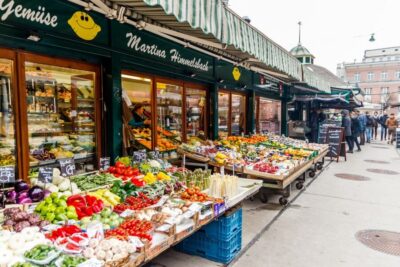
Typical Austrian Food Tour with Coffee House Visit
Read our review →
Vienna Eats: Private Foodie Walk with Coffee & Markets
Read our review →
Strauss Exhibition incl. LED Concert Show / Coffee + Strauss Cake
Read our review →
Browse the lists this tour appears in