
Reviewed · WINE TOURS
Private Vienna Woods Wine Tour
A short train ride carries you from central Vienna into the Vienna Woods wine country, where a day of forest paths, vineyard views, village lanes, and Austrian wine awaits. In summer, the 9km hike runs from Baden to Gumpoldskirchen. In winter, the route shifts indoors, with wine history and tastings taking center stage.
I like the mix of active walking and serious wine tasting, rather than a day spent sitting in a vehicle. I also like the private format: your guide can set the pace, answer detailed questions, and give your group personal attention. The main caution is simple: the summer version is a real hike, and lunch is not included.
Key points to know
- A 30-minute train ride reaches the Vienna Woods: You leave the city without the cost or hassle of arranging a separate countryside trip.
- The summer route covers about 9km: Expect forest trails, a high viewpoint over the Vienna basin, vineyard walking, and regular rest breaks.
- Baden adds a cultural stop: You pass through the spa town once favored as a country retreat by Beethoven.
- Wine tastings are included: The tasting may take place among the vines and later with a local winemaker in Gumpoldskirchen.
- Winter is a different experience: You spend most of the day indoors, learning about Austria’s wine traditions, with a gentle 20-minute walk between villages.
- The private group size is capped at six: This works well for friends or family who want flexibility, but the $960.07 group price is best shared by several people.
From Wien Mitte to the Vienna Woods
The morning begins at Wien Mitte, also called Wien Mitte-Landstraße, Vienna’s central railway station. The listed departure is 9:10 a.m. from April through October and 9:40 a.m. from November through March. The general meeting information also gives 9:40 a.m., so I would confirm the exact seasonal time when booking.
Once you meet your English-speaking guide, you take a train south for about 30 minutes. That short ride is one of the tour’s practical strengths. You do not spend half the morning in a minibus, and you do not need to work out regional train connections on your own.
The train also gives the day a pleasant change of rhythm. Vienna’s grand center quickly gives way to the wooded hills and vineyards south of the city. By the time you arrive, the outing feels separate from a standard city tour, yet you remain close enough to return for an evening concert, theater performance, opera, or dinner.
The private format matters here. A group of up to six can move more easily than a large coach party, and you can ask questions as they come up. The guide provides live commentary in English, and the tour is led by a native English speaker. James is named as one guide associated with this experience, and the personal style suits anyone who prefers conversation over a rehearsed speech.
A few more Vienna trips to weigh up
- Wachau Valley Wine Tasting Bike Tour from Vienna
★ 5.0 · 829 reviews - Vienna: Swarovski House Tour with Champagne and Gift
★ 4.7 · 787 reviews - Countryside Half Day Wine Tour near Vienna
★ 5.0 · 545 reviews
Baden, Beethoven, and the summer forest walk
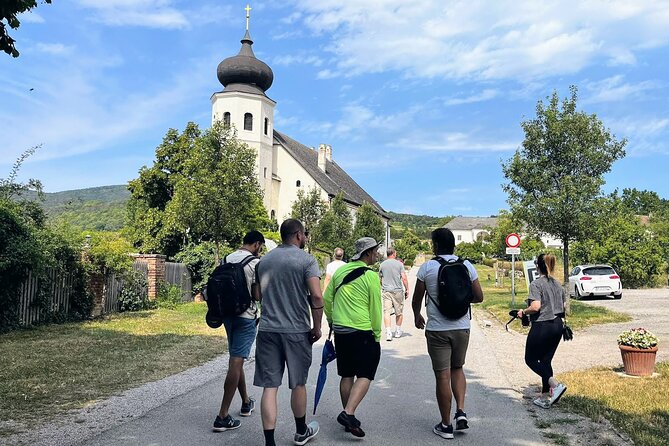
In summer, the day begins in Baden, a spa town with a pleasant center and handsome parks. Baden was once a country retreat for Beethoven, which gives the first part of the route a useful link to Vienna’s musical past without turning the morning into a formal Beethoven tour.
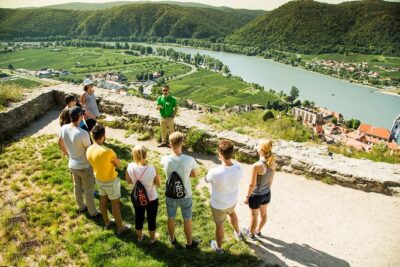
You first walk through the town and its parks, then follow forest trails toward a high viewpoint. From there, you can look across the Vienna basin and the Wienerwald. Bring a camera, because this is the sort of open view that gives the day its visual payoff. The setting changes from town streets to wooded paths and then to broad views across the surrounding area.
The hike covers about 9km. That distance is manageable for many people who are comfortable walking for several hours, but it should not be confused with a gentle stroll. The route includes forest trails and vineyard paths, and comfortable trainers or sturdier hiking shoes are important.
Regular breaks are built into the walk, which helps. You should still bring water, a hat, sun cream, and a small rucksack. An extra layer or light rain jacket is sensible because conditions can change, even in summer.
The tour information says the hike works for most people but is not suitable for those with mobility issues. That is useful, clear advice. If hills, uneven trails, or a full day on your feet sound tiring, the summer version may not be your best choice.
Wine among the vines
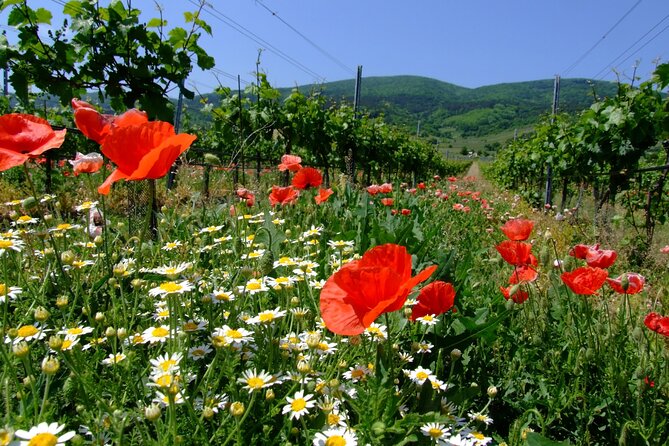
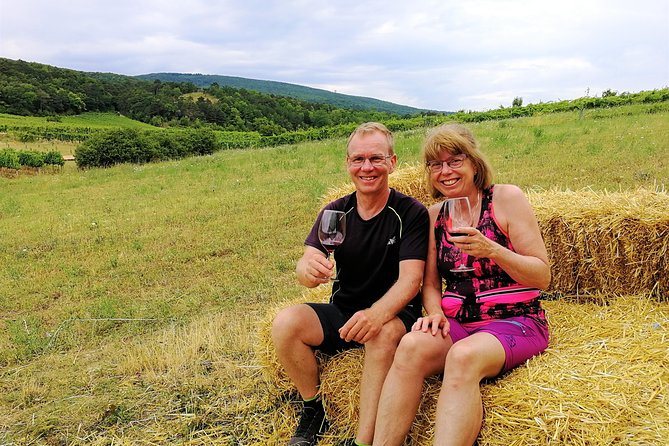
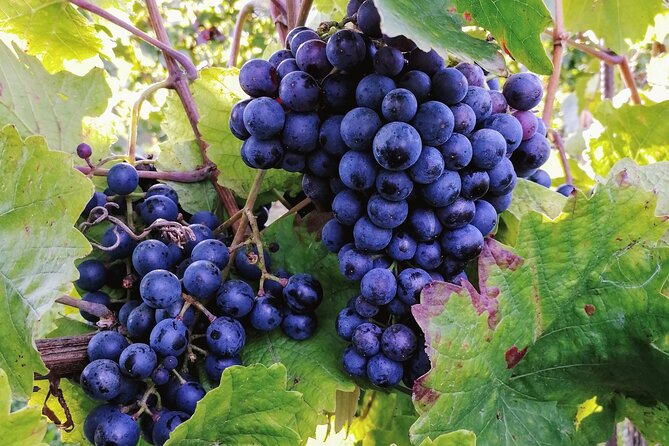
After the forest section, the route enters the vineyards. You walk through rows of vines before stopping for an open-air tasting among them. I like this order. You first see the setting where the grapes grow, then taste the wine in the same countryside rather than treating the wine as an isolated product.
All tastings are included in the tour price. The exact wines can vary, but the purpose is clear: to connect the local setting with Austrian wine production. You may want to ask about the effect of weather, growing conditions, and vineyard work, especially if you have more than a passing interest in wine.
The outdoor tasting is also one of the parts most dependent on weather. On a warm, clear day, sitting among the vines can be the most memorable moment of the outing. If conditions turn poor, the provider may cancel the experience and offer another date or a full refund, so keep your plans flexible.
Cash is listed among the suggested items to bring. Since lunch is not included and gratuities are also separate, carrying some cash is practical. You should also bring a fully charged camera. The views, village streets, and vineyard rows give you plenty to photograph.
Gumpoldskirchen and a local winemaker
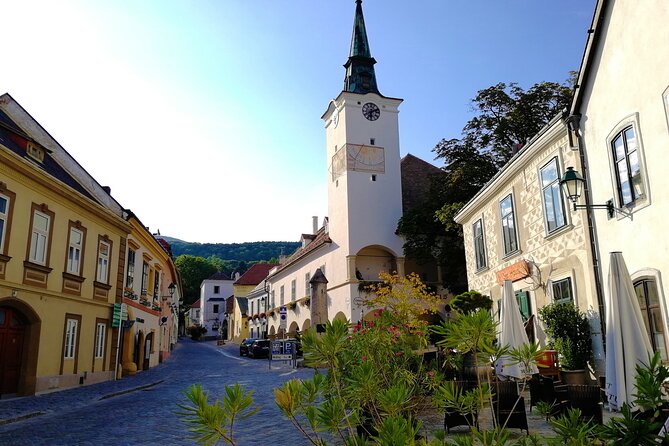
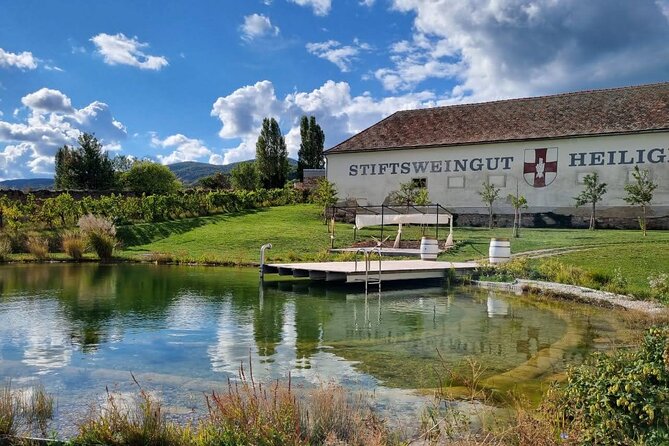
The second major stop is Gumpoldskirchen, one of the picturesque wine villages in the Thermal Region. The village setting gives the day a more intimate feel than a large commercial winery visit. You have time to see how wine fits into local life, rather than only hearing a technical presentation.
In summer, lunch comes first at a traditional Austrian wine tavern, followed by the second wine tasting. In winter, the order is reversed, with tasting before lunch. Lunch is not included, so budget separately for the meal. The tavern setting is part of the experience, but you should not assume the tour price covers food.
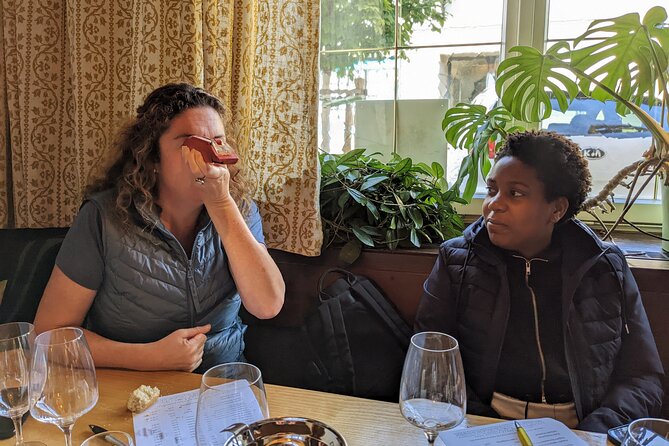
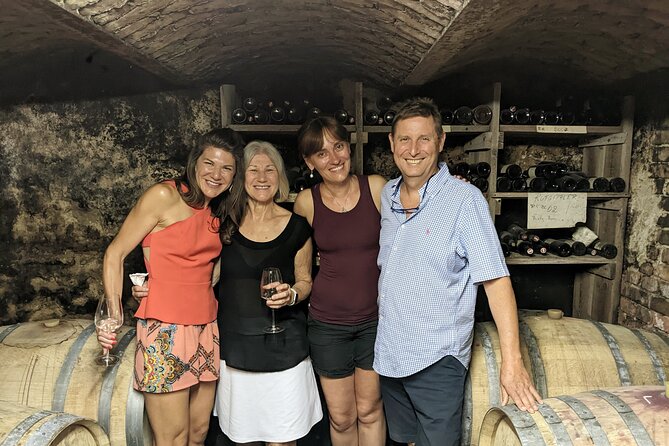
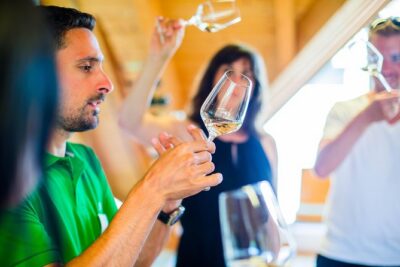
The tasting is led by one of the region’s winemakers. This is an important difference from a general sightseeing guide explaining wine from a distance. You can ask about family background, local traditions, organic production, and the effects of climate change. Those questions bring the subject down to earth: how a working vintner handles changing conditions, changing methods, and the demands of modern production.
The tour’s strongest feature may be this direct contact. Wine tasting can easily become a procession of glasses and adjectives. Here, the conversation with a winemaker gives you a clearer sense of the people behind the bottles and the decisions involved in making them.
The tour summary also points to the area’s long connection with monastic wine production, especially in the winter program. That background helps explain why the Thermal Region has such an established wine culture. You learn how monastic orders helped shape local wine making and then consider where Austrian wine may be headed.
Same Alps, a completely different kind of day:
- Vienna: Vivaldi’s Four Seasons Concert in Karlskirche
★ 4.7 · 14,951 reviews - Vienna: Spanish Riding School Training
★ 3.9 · 9,281 reviews - Vienna: Skip-the-cashier-desk-line Giant Ferris Wheel Ride
★ 4.5 · 7,859 reviews - Vienna: Schönbrunn Palace & Gardens Skip-the-Line Tour
★ 4.7 · 7,739 reviews
The winter route: wine history instead of a long hike
The winter itinerary is not simply a shorter version of the summer day. It has a different focus and may suit you better if you want wine, history, and conversation without spending hours outdoors.
The train takes you directly to the vineyards of the Thermal Region and to one of Austria’s oldest wine-making institutions. Much of the program is indoors, with a welcome glass of sekt while you learn about medieval wine traditions and the role of monastic orders.
This version gives you more time for historical context. You consider how Austria’s wine regions developed and how the industry may change in the future. The subject is especially useful for anyone who wants more than a scenic tasting and would like to understand the forces that shaped local production.
There is still some outdoor walking. You make a gentle 20-minute walk through flat vineyards between villages, so warm clothing is important. Check the day’s forecast and dress for the conditions. An umbrella may also be useful.
The winter route could be the better choice for a cooler-weather visit, for people who prefer a lower level of physical effort, or for anyone more interested in wine traditions than hiking. It is not fully indoors, though, so do not arrive dressed as if you will spend the whole day inside a heated room.
What the private price gives you
The cost is $960.07 per group of up to six people. That looks high beside a standard half-day tasting, but the comparison is not quite fair. This is a private, 7 to 9-hour outing with train travel, an English-speaking guide, all wine tastings, a summer hike, and access to a local winemaker.
For six people, the base price works out to about $160 per person before lunch and gratuity. For four people, it is about $240 per person. For only two people, the cost becomes much harder to justify unless privacy and personal attention are especially important to you.
I see the best value for a small group of friends or family. You are paying for a full day and a guide who can adapt the pace and discussion to your interests. A solo traveler or couple may find a shared tour more economical, if one is available, but this particular experience is built around exclusivity.
The price also includes something that is difficult to arrange smoothly on your own: a day that combines public transport, a countryside walk, two wine-focused stops, and a return to central Vienna. You avoid the need to drive after tastings, which is a real benefit.
Do remember the extras. Lunch is not included, and you should plan to tip your guide. The final cost will therefore be higher than the advertised group price.
Timing, fitness, and what to pack
The full day lasts roughly 7 to 9 hours. The route finishes back at the original meeting point in central Vienna, with enough time to freshen up before an evening event. That makes the tour easy to pair with a concert or opera, though I would avoid booking anything that begins unusually early.
For summer, wear trainers or hiking shoes, light trousers or shorts, a T-shirt, and a hat. Add a light rain jacket or extra layer. Bring drinking water, sun cream, cash, and a charged camera.
For winter, check the forecast before leaving and dress warmly. You will spend much of the day indoors, but the 20-minute walk through the vineyards still requires proper outdoor clothing.
The minimum age is 16 on the day of the tour. Service animals are allowed, and the meeting point is near public transport. Vienna’s public transport mask requirement is specifically noted, so bring a mask for the train.
Most people can take part in the general program, but the summer hike is not suitable for people with mobility issues. If you need a gentler day, the winter itinerary has much less walking, though it still includes the flat vineyard walk between villages.
Who will enjoy this tour most
I would choose this outing if you want to get beyond Vienna’s center without giving up the ease of a guided day. It suits people who enjoy scenery, local food and wine, and a little physical activity.
The summer tour is especially good for:
- Couples who want a countryside day with a strong sense of place
- Friends who enjoy walking and tasting wine
- Photographers looking for forest, village, and vineyard views
- Wine lovers who want to speak with a working producer
- Visitors with an evening concert or theater booking
The winter version suits people who prefer indoor history and tasting sessions, or who do not want a 9km walk. It still offers village scenery and outdoor time, but at a much easier pace.
I would not choose it for young children because the minimum age is 16. I would also avoid it if you dislike walking, have mobility limits, or want a quick two-hour tasting close to Vienna.
Should you book the Vienna Woods Wine Tour?
Book it if you want a full countryside day that feels personal and active. The train ride, Baden’s Beethoven connection, the viewpoint, the vineyard tasting, and the winemaker-led session in Gumpoldskirchen form a well-balanced day.
For me, the strongest reasons to book are the private group size and the chance to talk directly with a local vintner. The summer hike adds real value, but it also sets the physical demands. If you prefer less walking, select the winter version and prepare for the cooler weather.
The price makes the most sense when divided among five or six people. Add lunch and a tip to your budget, and confirm the start time for your travel month. If the group size, walking level, and cost fit your plans, this is a useful way to see Vienna’s nearby wine country without renting a car or spending the day on a coach.
FAQ
Where does the Vienna Woods wine tour start?
The tour starts at Wien Mitte-Landstraße railway station in Vienna. The listed seasonal departure times are 9:10 a.m. from April through October and 9:40 a.m. from November through March, so confirm the exact time for your date.
How long does the tour last?
The experience lasts approximately 7 to 9 hours. It ends back at the original meeting point in central Vienna.
Is the summer hike difficult?
The summer program includes a guided hike of about 9km through forest and vineyard paths. Regular breaks are included, but the tour is not suitable for people with mobility issues.
What happens on the winter itinerary?
The winter route focuses mainly on indoor wine history and tastings in the Thermal Region. It includes a gentle 20-minute walk through flat vineyards between villages, so warm clothing is recommended.
Is lunch included?
No. Lunch is not included in the tour price. In summer, lunch takes place at a traditional Austrian wine tavern in Gumpoldskirchen before the second tasting. In winter, the tasting comes before lunch.
What is included in the price?
The price includes wine tastings, live English commentary from a native English-speaking guide, and the 9km guided hike during the summer itinerary. The tour is private for your group, with a maximum of six people.
Just added around Vienna
- World War II History Vienna Old Town Private Walking Tour★ 4.8 · 9 reviews
- From Krems: Wachau Valley River Cruise on the Danube★ 4.6 · 95 reviews
- Vienna: Winery and Wine Tasting Tour with a Wine Expert★ 5.0 · 5 reviews
- Vienna: Wine Tasting E-Bike Tour★ 4.9 · 46 reviews
- Vienna: Wine Tasting at Schönbrunn Palace★ 4.3 · 71 reviews
- Vienna: Wine Tasting Tour★ 4.8 · 61 reviews
- Vienna: Wiener Schnitzel and Strudel Cooking Class★ 4.9 · 126 reviews
- Vienna: Concert by the Vienna Baroque Orchestra★ 4.6 · 56 reviews
Wine Tours, compared.
Wachau Valley Wine Tasting Bike Tour from Vienna
Read our review →
Wachau Valley Small-Group Tour and Wine Tasting from Vienna
Read our review →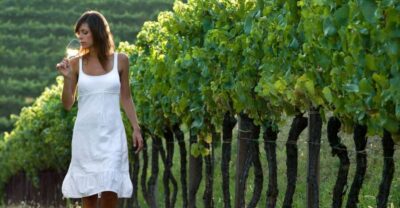
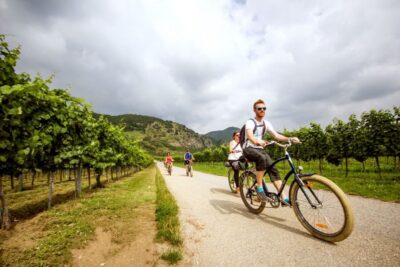
Grape Grazing: Wachau Valley Winery Biking Tour
Read our review →
Wine Tasting Experience in a Private Wine Cellar
Read our review →
Browse the lists this tour appears in