
Reviewed · WINE TOURS
Viennese Wine Tasting in a Private Hidden Wine Cellar
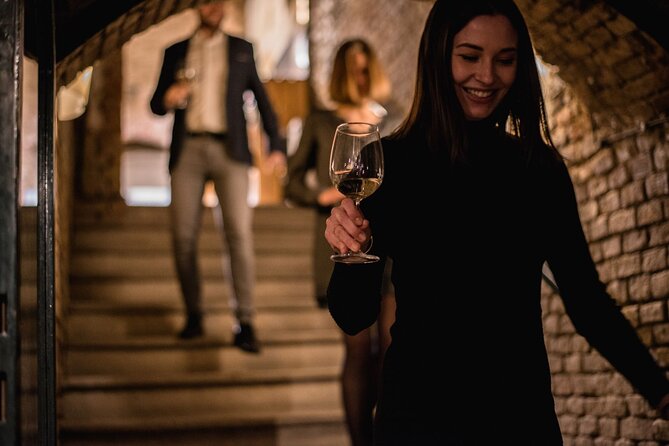
Vienna’s wine story begins below street level, in a cellar beneath Haas & Haas wine and delicatessen. You’ll walk several floors underground, hear how wine growing survived from Roman times to modern Vienna, then taste three Austrian wines at a long table in the old cellar. It’s a neat change of pace from palaces and museums.
I like the small-group setup, which gives the guide room to explain the grapes and answer questions. I also like the snack pairing, with bread, cheese, meats, and local spreads that make the tasting feel like part of Austrian food culture rather than three isolated sips.
The main limitation is simple: this is a short tasting, not a full vineyard visit. The pours are tasting-size, and some people may find the $22.93 price a little high if they want a full glass or a longer cellar tour.
Key points to know before booking
- Several floors underground: The cellar reaches about three levels below the shop and includes sections dating back roughly 300 to 400 years.
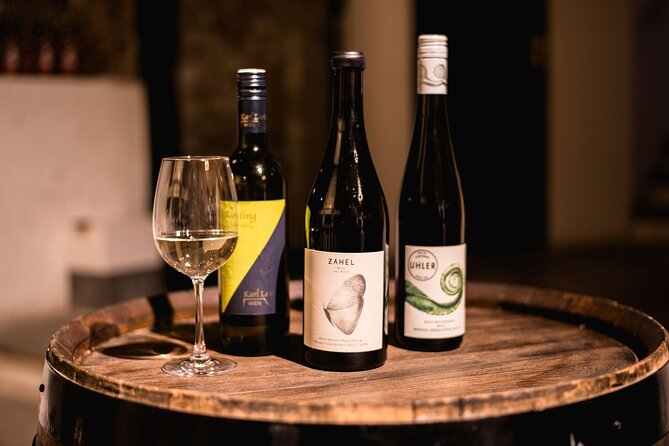
- Three Austrian wines: Expect a guided comparison, often including two whites and one red, with Viennese and other Austrian styles represented.
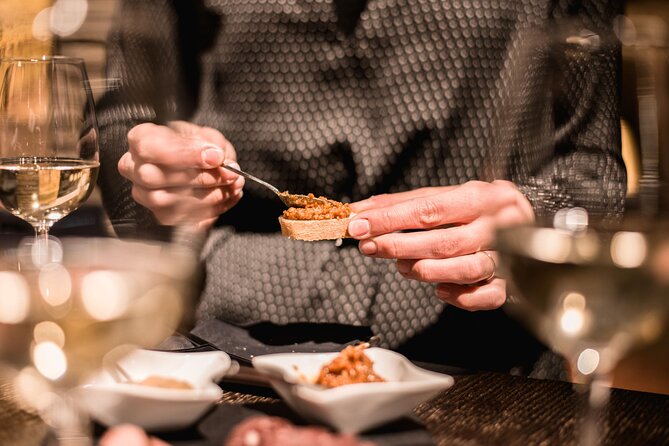
- Food comes with the tasting option: The snack plate can include bread, cheese, beef salami, meat, dips, and Viennese spreads.
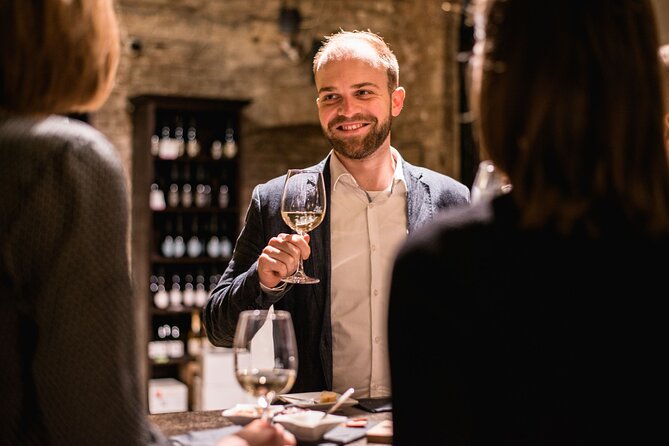
- Guides set the tone: Cornelius and Bernie are noted for clear explanations, friendly service, and a good feel for mixed groups.
- Short and central: The tasting lasts about 45 minutes and begins and ends at Haas & Haas, Ertlgasse 4, in Vienna’s first district.
- Not step-free: You’ll climb a few floors, so this is not suitable for people with mobility issues.
A wine cellar beneath central Vienna
The clever part of this outing is its setting. You begin at Haas & Haas, a wine and delicatessen shop in central Vienna, then leave the polished street level behind and head below the building.
Vienna has cultivated vineyards within its city limits for centuries. Around 700 hectares are still planted in the urban area, and local wine is not just a tourist theme. It is part of the city’s food and drinking culture. The cellar gives that story a physical setting, with old stone, narrow passages, and the sense that Vienna has been built in layers.
The cellar is several floors down. One description places it about three levels underground, while the wider presentation connects the site with older underground spaces dating back hundreds of years. The Roman connection is part of the historical explanation, since viticulture in Vienna reaches back to the period when the Romans occupied the area.
You are not visiting a working vineyard or a modern winery here. That distinction matters. The attraction is the combination of an old urban cellar, a short history lesson, and a tasting of Austrian wines. If you want rows of vines, production equipment, and a countryside setting, choose a wine outing beyond the city instead.
A few more Vienna trips to weigh up
- Wachau Valley Wine Tasting Bike Tour from Vienna
★ 5.0 · 829 reviews - Vienna: Swarovski House Tour with Champagne and Gift
★ 4.7 · 787 reviews - Countryside Half Day Wine Tour near Vienna
★ 5.0 · 545 reviews
What happens when you arrive
The meeting point is Haas & Haas wine and delicatessen at Ertlgasse 4, 1010 Vienna. The activity ends at the same place, so you do not need to arrange a separate return transfer.
The shop itself adds a little interest before and after the tasting. You might find wines and food products to browse, and one person enjoyed staying afterward for another glass. The tour is also near public transportation, making it an easy addition to a day in central Vienna.
Once the group gathers, the guide takes you downstairs. Group size can reach 12 people, though smaller groups are possible. One particularly fortunate booking had only a single party, creating a genuinely private visit. At full capacity, expect a social tasting rather than a one-on-one lesson.
Cornelius and Bernie are the guide names associated with this experience. Cornelius is especially good at bringing first-time tasters into the discussion without making the session feel like a wine exam. Bernie is also described as enthusiastic and clear. Since the exact guide may vary, expect a professional English-speaking host rather than a guaranteed particular person.
Walking through the old cellar
The cellar tour is more than a quick stroll to the tasting table. You’ll see the underground rooms and hear how the old spaces relate to Vienna’s past. One account describes an authentic cellar three floors down, with the feeling of an underground settlement once used by shop owners.
The atmosphere is plain and historic rather than dressed up for tourism. The tasting table sits in a cellar room, and the surrounding space may be largely empty apart from the setup. That can be a plus if you like old places without theatrical displays. It can also feel brief if you expect a full guided tour through every tunnel and chamber.
Not every part of the deepest cellar is necessarily open during the visit. The available information specifically notes that some of the lowest or most ominous sections may not be included. Keep your expectations sensible: you are seeing a real old cellar, but this is not an exploration of every underground passage.
You should also be comfortable with stairs. There are a few floors to climb, and the activity is not suited to people with mobility limitations. Service animals are allowed, and most people can take part, but the stair access is the practical issue to consider.
Three wines, not three full glasses
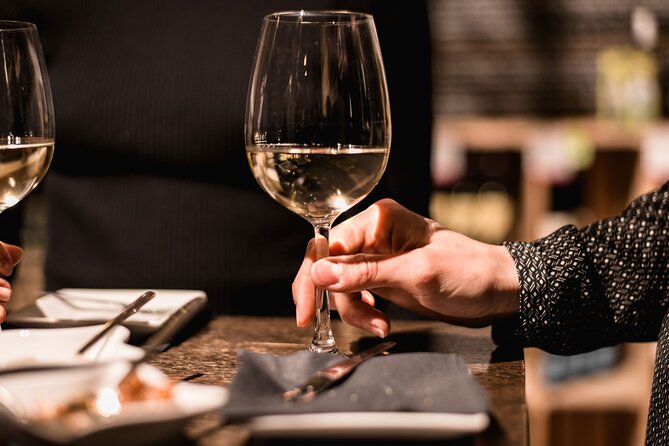
At the table, the guide pours three Austrian wines. The selection can range from classic Viennese wines to bottles from other Austrian regions. A typical lineup described for the tasting includes two whites and one red, though the exact wines can change.
This format works well for a first introduction. Austria’s wines can differ sharply in grape, region, sweetness, body, and acidity, and three contrasting pours give you enough range to notice those differences. You may find a new favorite without spending an afternoon in a formal wine course.
The guide explains the grapes, regions, winemaking, and characteristics of each wine. Cornelius is described as particularly good at explaining what he notices in the glass while keeping the discussion open to both beginners and experienced tasters. You do not need prior wine knowledge. If this is your first tasting, the structure should help you understand what you are drinking without drowning you in technical terms.
The pour size is the one point to weigh carefully. It is enough for a proper tasting, but not enough to equal three restaurant glasses. A few tasters wanted a heavier pour or a second glass, and there is no stated option to buy an additional glass of the wines during the session. If you are looking for an evening of drinking, this is not the right format. If you want a measured sample of local wines, the amount makes sense.
The wines themselves receive strong praise, though taste is personal. Examples discussed include white wines and a Cabernet Franc red. The point is not to promise a particular bottle, but to give you a chance to compare styles and decide what you might want to order or buy later.
Same Alps, a completely different kind of day:
- Vienna: Vivaldi’s Four Seasons Concert in Karlskirche
★ 4.7 · 14,951 reviews - Vienna: Spanish Riding School Training
★ 3.9 · 9,281 reviews - Vienna: Skip-the-cashier-desk-line Giant Ferris Wheel Ride
★ 4.5 · 7,859 reviews - Vienna: Schönbrunn Palace & Gardens Skip-the-Line Tour
★ 4.7 · 7,739 reviews
Bread, cheese, meats, and Viennese spreads
The food pairing makes the short tasting more satisfying. Depending on the selected option, you may receive a small platter with bread, cheese, meats, dip, and local spreads from the family-owned delicatessen.
Beef salami is specifically mentioned, along with bread, cheese, and spreads. These are modest portions, designed to support the wine rather than replace lunch. Some people wished for a larger serving, so plan to eat beforehand or afterward if you are hungry.
I like this part because the snacks connect the wines to everyday Austrian eating. A crisp white wine with a salty spread or cheese tells you more than a tasting room speech alone. The food also gives your palate a reset between wines.
Check the option you select when booking. Snacks and alcoholic beverages are included only if that option is chosen. Food and drinks are otherwise not included. If you choose the self-guided version, the included features differ as well, so read the description before paying.
The 30-minute self-guided alternative
For a quicker visit, there is a 30-minute self-guided cellar tour with a glass of local wine. This is a different proposition from the guided tasting.
The self-guided option suits you if you want to see the cellar and have one local wine but do not need a host to compare three bottles. It may also work better when your Vienna schedule is packed. Bring your smartphone for the audio guide, and bring your own headphones for the best sound. Headphones are not provided.
The guided option is the better choice if you want context about Austrian grapes, regions, and wine production. The self-guided version gives you more independence but less conversation and less chance to ask questions. Do not select it by accident if the three-wine lesson is the main reason you are booking.
Is $22.93 good value?
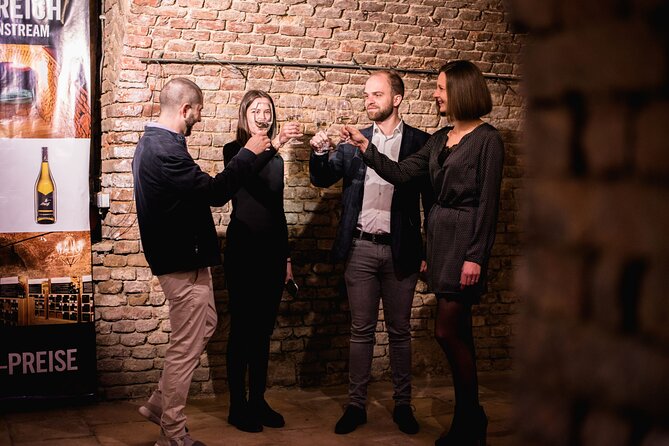
At $22.93 per person, the price is reasonable for a central Vienna activity that combines entry to an old cellar, a guide, three wine tastings, and snacks when included. You are paying partly for the setting and instruction, not simply for the liquid in the glass.
The value is strongest if you enjoy history, food, and local drinks but have only a short opening in your schedule. The tasting can break up a day of sightseeing without taking half a day. It is also a useful way to learn what Austrian wine tastes like before ordering bottles at a restaurant.
The value is weaker if you judge the outing by volume alone. Three small pours and a modest snack plate may feel expensive beside the price of a full glass at a wine bar. One practical advantage is the guide’s help in explaining unfamiliar wines, especially for beginners who would otherwise choose at random.
This activity is often booked about 33 days ahead. That suggests you should reserve early if it fits a fixed Vienna itinerary, particularly if you want a certain day or a small group. Confirmation arrives when you book, and free cancellation is available up to 24 hours before the start time. Changes or cancellations inside that final 24-hour window are not refunded.
Who will enjoy this tasting most?
I would choose this for a first visit to Vienna when you want one local experience that does not require a trip out to the vineyards. It suits couples, solo visitors, and small groups who like a little history with their food and drink.
It is also good for wine beginners. The guide explains the basics, and the three-wine format lets you compare rather than simply accept a lecture. Experienced wine drinkers may enjoy the Austrian focus, but should book with the right expectations. This is an introduction, not an advanced tasting or a producer-led master class.
The activity works especially well for people who enjoy unusual interiors. The old cellar is the memorable feature, and the tasting becomes more meaningful because it takes place below the shop. If underground spaces or stairs are uncomfortable for you, skip it.
Families and non-drinkers should check the selected option carefully. The experience centers on alcoholic beverages, and the provided information does not describe a separate nonalcoholic tasting. Service animals are allowed, and most participants can take part, but mobility access is limited.
A few practical tips for a better visit
Arrive at the Haas & Haas address with enough time to find the shop. Since the activity begins and ends there, it is easy to pair with nearby sightseeing, but a late arrival could matter during a short 45-minute session.
Choose the guided tasting if you want the full value of the history and wine explanations. Choose the 30-minute audio-guided version only if speed and independence matter more. For the audio option, bring your smartphone and headphones.
Do not expect a full meal. Have lunch before the tasting if needed, then treat the bread, spreads, cheese, and meats as pairings. If you like one of the wines, ask about buying a bottle in the shop afterward, though the included information does not promise extra glasses during the activity.
Finally, listen closely when the guide is speaking. A loud group can make the explanations hard to follow, and the session is short enough that every minute counts.
Should you book the Viennese Wine Tasting?
Book it if you want three Austrian wines in an atmospheric central Vienna cellar, with a friendly guide and a small food pairing. The history of the underground rooms gives the tasting a character you would not get at an ordinary wine bar.
Skip it if you want vineyard views, generous pours, a full meal, or a long wine tour. At 45 minutes, this is a compact introduction. For the right visitor, that is the appeal: you can learn the basics, taste local styles, and get back to Vienna’s streets before the afternoon disappears.
FAQ
Where does the wine tasting begin?
It begins at Haas & Haas wine and delicatessen, Ertlgasse 4, 1010 Vienna, Austria.
Where does the activity end?
The activity ends back at the meeting point at Haas & Haas.
How long does the guided tasting last?
The guided experience lasts approximately 45 minutes.
Is there a shorter self-guided option?
Yes. A 30-minute self-guided cellar tour is available with a glass of local wine.
How many wines do you taste?
The guided tasting includes three different Viennese or Austrian wines when the tasting option is selected.
Are snacks included?
Snacks are included only if you choose an option that includes them. The pairing can include Viennese spreads, bread, cheese, meats, and delicacies.
Is the tour offered in English?
Yes. The experience is offered in English.
Is the cellar suitable for people with mobility issues?
No. The cellar requires climbing a few floors and is not suitable for people with mobility issues.
Just added around Vienna
- World War II History Vienna Old Town Private Walking Tour★ 4.8 · 9 reviews
- From Krems: Wachau Valley River Cruise on the Danube★ 4.6 · 95 reviews
- Vienna: Winery and Wine Tasting Tour with a Wine Expert★ 5.0 · 5 reviews
- Vienna: Wine Tasting at Schönbrunn Palace★ 4.3 · 71 reviews
- Vienna: Wine Tasting Tour★ 4.8 · 61 reviews
- Vienna: Wine Tasting E-Bike Tour★ 4.9 · 46 reviews
- Vienna: Wiener Schnitzel and Strudel Cooking Class★ 4.9 · 126 reviews
- Vienna Urban Art Tour: Explore a different side of Vienna!★ 3.8 · 14 reviews
Wine Tours, compared.
Wachau Valley Wine Tasting Bike Tour from Vienna
Read our review →
Wachau Valley Small-Group Tour and Wine Tasting from Vienna
Read our review →
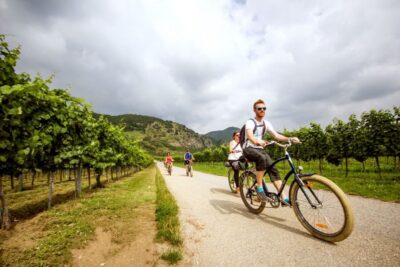
Grape Grazing: Wachau Valley Winery Biking Tour
Read our review →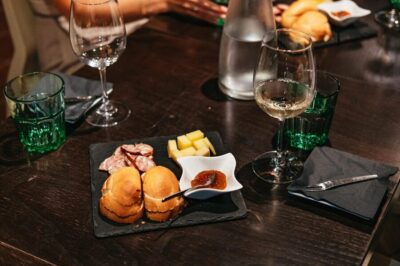
Wine Tasting Experience in a Private Wine Cellar
Read our review →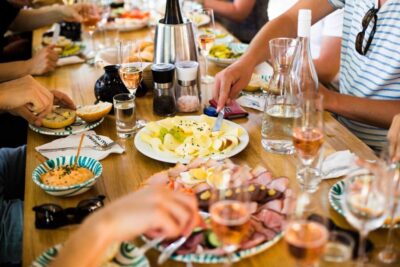
Browse the lists this tour appears in