Reviewed · PRIVATE
Private Spooky Vienna Ghost Tour
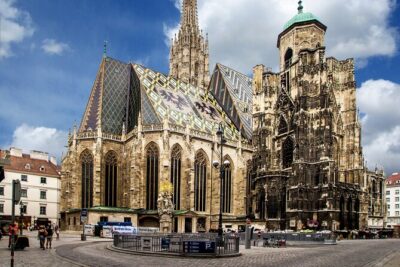
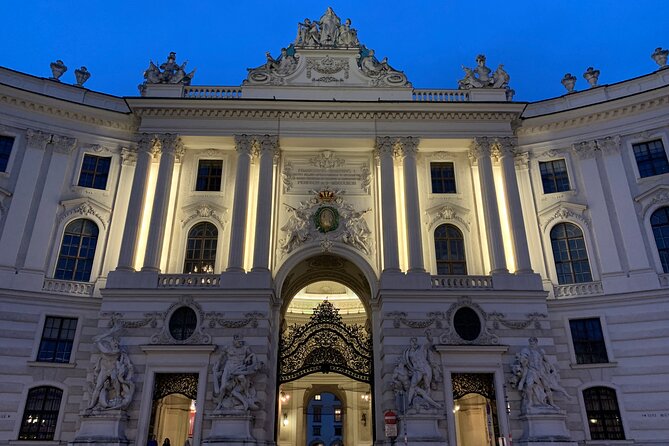
Vienna’s polished imperial center has a darker side, and this private ghost tour brings it out after sunset. In 90 minutes, you’ll walk from Helmut-Zilk-Platz through the old center, hearing about Habsburg burial customs, plague years, executions, grim legends, and the eerie stories tied to St. Stephen’s Cathedral.
I like two things right away: the route uses major sights with unusual stories, and your group gets a guide to itself, with up to 15 people. Guides such as Lisa bring a lot of energy and answer questions along the way. The main drawback is the price: $396.48 is reasonable for a full private group, but costly for only one or two people.
Key points to know before booking
- Habsburg burial customs: Learn about the unusual burial rituals of one of Europe’s most powerful royal families.
- Central Vienna route: Visit St. Michael’s Church, the Plague Column, Blood Alley, medieval lanes, and St. Stephen’s Cathedral.
- Private format: Only your group takes part, with space for up to 15 people.
- Strong storytelling: Lisa is praised for her warmth, humor, energy, and ability to make grim history engaging.
- Family-friendly mood: Children can take part, though some stories are genuinely frightening.
- Simple evening timing: The tour begins at 7:30 pm, lasts about 90 minutes, and ends at Stephansplatz.
Vienna after dark, with the polish rubbed off
The best feature of this walk is its change of viewpoint. You still see central Vienna’s famous churches, columns, lanes, and cathedral, but the guide asks you to notice what happened there before the grand facades were cleaned up for modern city life.
This is not presented as a serious paranormal investigation. It is a storytelling walk built around unsettling legends, public suffering, royal customs, disease, crime, and medieval punishment. You can enjoy the tales as folklore, history, or theatrical fun. The guide makes room for all three.
The tone is family-friendly, but that does not mean every story is gentle. One child may find the tales thrilling, while another may find them too intense. If your group includes younger children, consider how they handle stories about plague, death, and executions.
A few more Vienna trips to weigh up
- Vienna: Private Walking Tour with a Local Guide
★ 4.6 · 1,420 reviews - Vienna: Private Walking Tour with a Guide
★ 4.7 · 962 reviews - Vienna: Wine Tasting Experience in a Private Wine Cellar
★ 4.8 · 413 reviews
A private walk that works best with a group
The price is $396.48 per group of up to 15 people. That makes the arithmetic important. With 15 people, the cost is about $26.43 per person. With six people, it is about $66.08 each. For a couple, the total is much harder to justify unless you place a high value on a private guide and a custom pace.
The private setup has real benefits. You can ask questions without holding up a large public group, keep the walk at a comfortable speed, and focus on the topics that interest you most. A family can keep together, and a small group of friends can enjoy the evening without strangers joining in.
The tour lasts roughly an hour and a half, long enough to connect several parts of central Vienna without turning into an exhausting night walk. It is also short enough to fit before dinner or after an earlier sightseeing day.
Helmut-Zilk-Platz to the old center
The meeting point is Helmut-Zilk-Platz in Vienna’s 1010 district, and the start time is 7:30 pm. Check the exact location before setting out, especially if you are arriving from another part of the city. The tour is near public transportation, which helps, but the route itself is on foot.
Starting in the evening gives the experience its proper mood. Vienna’s center can feel stately by day, with its grand buildings and formal squares. After dark, the same streets invite a different reading. The guide’s job is to connect the place in front of you with the event or legend that gives it a darker edge.
Wear practical walking shoes. The tour is not long, but you will be moving through streets and lanes rather than sitting in one location. Since the experience is outdoors as you move between stops, dress for Vienna’s evening weather.
St. Michael’s Church and the aristocratic catacombs
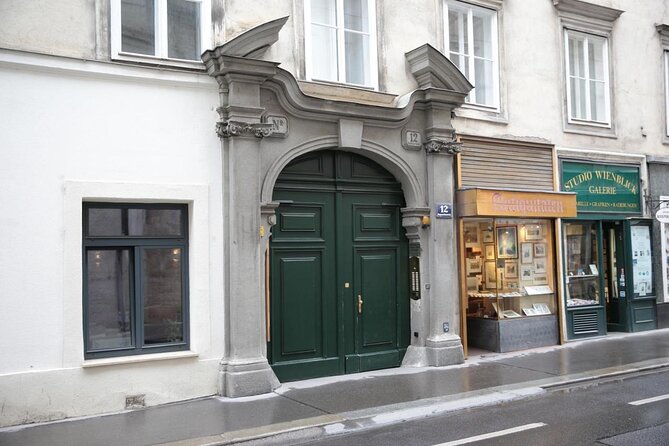
One of the early subjects is St. Michael’s Church, associated with aristocratic catacombs. This gives the tour a useful start because it links Vienna’s grand public image with the private burial world beneath it.
The Habsburg story is not treated only as palace history. You learn about the family’s unusual burial customs and the way one of Europe’s most powerful royal houses handled death. That detail helps you see the dynasty as a human institution, with rituals and remains, rather than only as portraits, crowns, and imperial rooms.
The church stop should appeal to anyone who likes history with a physical sense of place. You are not simply hearing about a distant custom in a classroom. You are standing near a site tied to Vienna’s aristocratic dead. The spooky effect comes from the subject itself, not from manufactured special effects.
Same Alps, a completely different kind of day:
- Vienna: Vivaldi’s Four Seasons Concert in Karlskirche
★ 4.7 · 14,951 reviews - Vienna: Spanish Riding School Training
★ 3.9 · 9,281 reviews - Vienna: Skip-the-cashier-desk-line Giant Ferris Wheel Ride
★ 4.5 · 7,859 reviews - Vienna: Schönbrunn Palace & Gardens Skip-the-Line Tour
★ 4.7 · 7,739 reviews
The Habsburgs and Vienna’s rituals of death
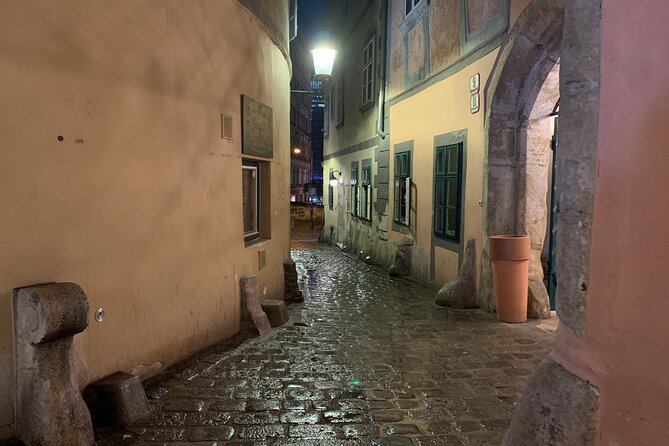
The Habsburg burial material is one of the tour’s strongest historical elements. It offers a glimpse of how royal power shaped even the handling of the body after death. The guide explains the ritual in a way that connects the custom to the wider story of Vienna.
I especially like this kind of stop because it gives you something to remember beyond a ghost story. You leave with a strange, specific fact about the Habsburgs, one that can change how you look at the dynasty’s churches, palaces, and monuments later in your trip.
The subject may be too morbid for some people, but that is part of the point. This tour does not present Vienna as only elegant and refined. It shows how death, ceremony, and power have always been part of the city’s public life.
The Plague Column and the sound of Augustin
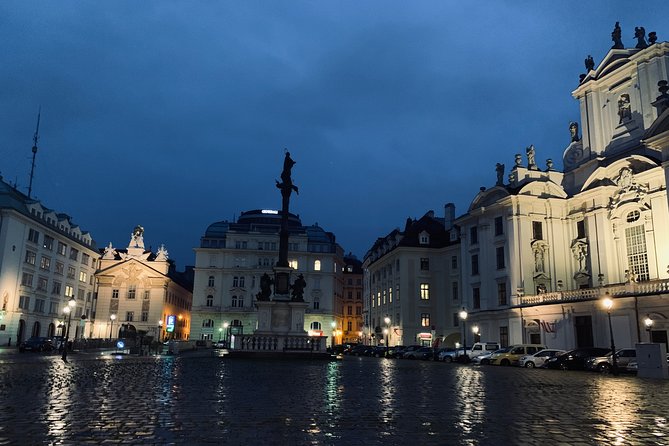
The route includes Vienna’s Plague Column, one of the city’s most recognizable monuments. Here, the focus shifts from royal death to mass illness and the fear that disease brought to ordinary people.
You also hear about Augustin, the famous bubonic plague musician. His story adds a more personal and memorable character to the plague material. Instead of discussing disease only in broad numbers, the guide brings the period into the realm of legend, music, and one sharply drawn figure.
This is the sort of stop that works well for families. Children may remember Augustin more easily than a date or a list of historical facts. At the same time, adults get a sobering reminder that Vienna’s monuments were shaped by outbreaks that affected the whole city.
The guide’s delivery matters here. A flat recital of plague facts would quickly become grim. Lisa, the guide most often associated with this experience, is praised for making the material lively and easy to follow. If she leads your group, expect an animated storyteller rather than a solemn lecture.
Blood Alley and Vienna’s criminal past
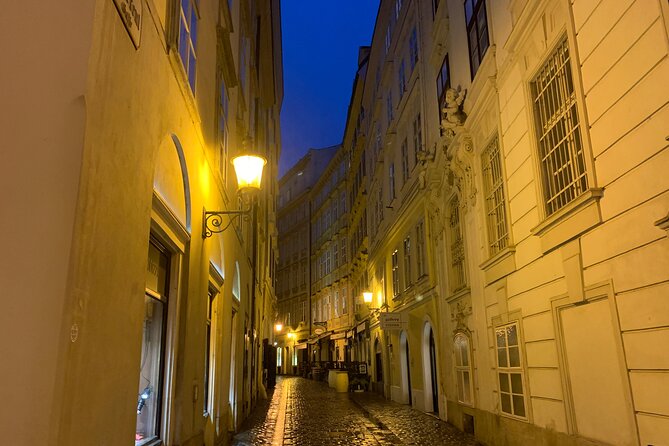
Blood Alley brings the tour into a more sinister part of the old city. The name alone sets the tone, but the value of the stop comes from the story attached to the place. You hear about Vienna’s seedy past and the darker events that took place in its central streets.
This is a useful counterpoint to the city’s grand avenues. Vienna’s center is full of imperial buildings and carefully presented history, yet the narrow lanes also preserve memories of violence, fear, and ordinary wrongdoing. A ghost tour gives those less polished stories room.
Do not expect every location to look frightening in a modern sense. Some stops are simply streets, monuments, or churches in a busy historic district. The atmosphere comes from knowing what the guide says happened there. That means the quality of the storytelling has more impact than spooky decoration.
Medieval executions and a legendary alley
The walk also visits a former place of execution from the Middle Ages. This is likely to be one of the more confronting sections for anyone interested in how public punishment worked in earlier Europe.
The guide uses the setting to explain the city’s medieval character, when punishment could be public, dramatic, and intended to frighten the wider population. The stop gives the tour historical weight, but it may not suit every child or every adult. If your group prefers light folklore, this part could feel darker than expected.
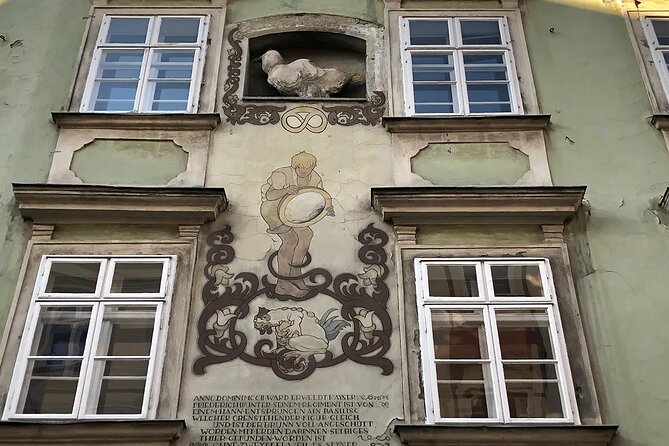
A medieval alley and the home of a famous legend add a different flavor. Here the experience moves away from institutional death and toward the stories that cling to old streets. You get the pleasure of wondering how much is fact, how much is folklore, and why a particular tale lasted long enough to become part of Vienna’s identity.
That mix keeps the walk from becoming repetitive. The tour moves between documented customs, historical events, local characters, and legends. You are not hearing the same ghost story in six different forms.
St. Stephen’s Cathedral and the final legends
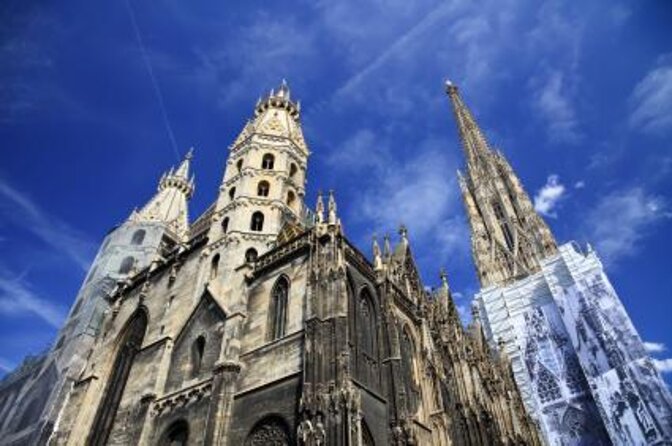
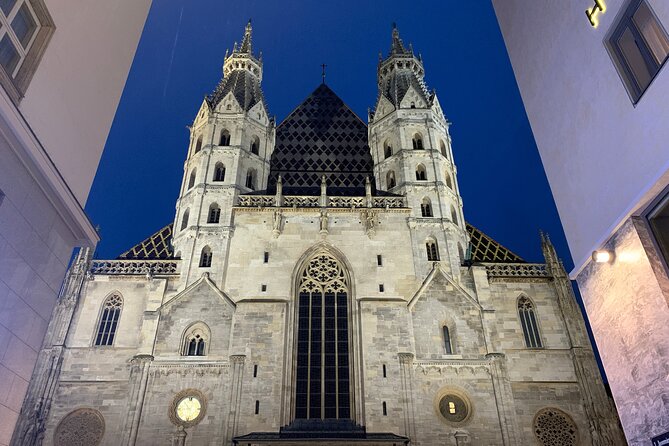
The tour ends at St. Stephen’s Cathedral, Vienna’s main landmark, in Stephansplatz. The cathedral is a fitting final stop because it carries centuries of religious, political, and local memory within one enormous city symbol.
The guide explains the spooky legends surrounding the cathedral and gives the building a different mood from the one you may experience during a daytime visit. Even if you have already photographed its roof and facade, you may look at it differently after hearing the stories connected with it.
The end point is practical. Stephansplatz is central, near public transportation, and surrounded by places where you can continue your evening. You can arrange dinner afterward, walk back toward your hotel, or use the cathedral as a clear meeting point for the next part of your night.
Lisa’s storytelling makes the difference
The strongest praise for this experience centers on Lisa. She is described as warm, funny, energetic, and highly prepared. Her style seems to combine spooky tales with useful background about Vienna, so the walk is not limited to ghosts and grim events.
That matters because a private tour depends heavily on the person holding the group’s attention. Lisa is praised for answering questions, keeping a comfortable pace, and making the 90 minutes pass quickly. Families also appreciate that she can keep children listening without turning the experience into a children’s show.
You should understand that the guide is the heart of the evening. The exact mood can vary depending on who leads your tour. Lisa has received especially strong praise, but a specific guide is not guaranteed in the supplied tour details. If her presence matters to you, ask the operator when booking.
The tour has a 4.9 rating from 41 reviews, with 98 percent of people recommending it. Those figures suggest a reliable experience, but the one serious complaint is worth noting: a booking communication error once left a group waiting without a guide. The operator apologized and arranged reimbursement. It appears to have been an isolated booking problem, but it is sensible to keep your confirmation and verify the meeting details.
Who will enjoy this Vienna ghost tour?
I would choose this walk if you want a different introduction to the historic center. It works especially well for:
- Families with children who enjoy spooky tales
- Adults who like folklore, crime, plague history, and unusual royal customs
- Repeat visitors who have already seen Vienna’s main sights in daylight
- Private groups that want to ask questions and set their own pace
- Visitors looking for a compact evening activity
It is less suitable if you want a formal architectural tour, a museum visit, or a serious account of documented paranormal activity. The experience blends history and legend. You should enjoy the uncertainty rather than demand a firm answer about every ghost.
The walk is also not ideal for someone who dislikes morbid subjects. The material includes burial rituals, bubonic plague, executions, and frightening legends. The family-friendly label means most groups can participate, not that every story is mild.
Price, timing, and practical details
The tour is offered in English and includes a guide. It uses a mobile ticket, and confirmation is provided when you book. Service animals are allowed, and the activity is near public transportation.
The start time is fixed at 7:30 pm. Plan to arrive early enough to find Helmut-Zilk-Platz without rushing. The finish at St. Stephen’s Cathedral makes the route easy to understand, but you should not assume the walk returns to the starting point.
Most people can participate, and the tour is private for your group alone. The operator allows up to 15 people, so this can be a useful choice for a larger family or a group of friends. If your party is small, compare the total cost with a public walking tour before booking.
Free cancellation is available if you cancel at least 24 hours before the local start time. Cancellations or changes made less than 24 hours before the tour are not accepted for a refund.
Should you book the Private Spooky Vienna Ghost Tour?
Book it if you want Vienna’s center presented through strange customs, plague tales, medieval punishment, and local legends rather than standard palace facts. The private format, central route, short duration, and strong storytelling make it an easy evening addition to a Vienna itinerary.
I would be most enthusiastic for a group of six to 15 people, where the fixed price becomes easier to share. Families should prepare children for some dark material, and couples should consider the total cost carefully.
If Lisa is available, her lively style appears to be a major reason this tour works so well. If you like history with a creepy twist and do not need every tale to be proven fact, this is a fun, unusual way to see central Vienna after dark.
FAQ
Where does the ghost tour begin?
The tour begins at Helmut-Zilk-Platz, 1010 Wien, Austria.
What time does the tour start?
The scheduled start time is 7:30 pm.
Where does the tour end?
The tour ends at St. Stephen’s Cathedral, Stephansplatz 3, 1010 Wien, Austria.
How long does the tour last?
The experience lasts approximately one hour and 30 minutes.
Is the tour private?
Yes. Only your group participates in the private activity.
How many people can join the group?
The tour can accommodate up to 15 people per group.
Is the tour offered in English?
Yes. The tour is offered in English.
Is the tour suitable for children?
The tour is described as family-friendly, and most travelers can participate. Some stories involve death, plague, executions, and frightening legends, so parents should consider their children’s comfort with spooky material.
Can I cancel for a full refund?
Yes, if you cancel at least 24 hours before the experience’s local start time. Cancellations or changes made less than 24 hours in advance are not accepted for a refund.
Just added around Vienna
- World War II History Vienna Old Town Private Walking Tour★ 4.8 · 9 reviews
- From Krems: Wachau Valley River Cruise on the Danube★ 4.6 · 95 reviews
- Vienna: Winery and Wine Tasting Tour with a Wine Expert★ 5.0 · 5 reviews
- Vienna: Wine Tasting E-Bike Tour★ 4.9 · 46 reviews
- Vienna: Wine Tasting at Schönbrunn Palace★ 4.3 · 71 reviews
- Vienna: Wine Tasting Tour★ 4.8 · 61 reviews
- Vienna: Wiener Schnitzel and Strudel Cooking Class★ 4.9 · 126 reviews
- Vienna Urban Art Tour: Explore a different side of Vienna!★ 3.8 · 14 reviews
Private, compared.

Wine Tasting Experience in a Private Wine Cellar
Read our review →
Private Day Tour Trip Salzburg Hallstatt and Melk from Vienna
Read our review →
Private Hidden Vienna Walk — Stories Behind Quiet Corners
Read our review →