Reviewed · VIENNA TOURS
‘Armenia In The Heart Of Vienna
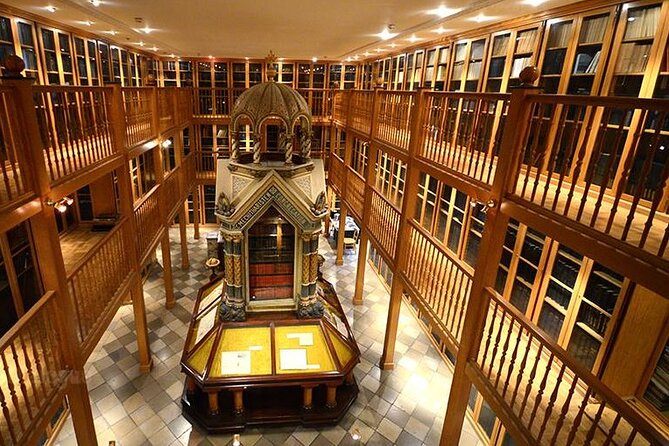
Vienna’s Mekhitarist Congregation offers something rare: a close look at Armenian culture inside a working religious and scholarly setting in the center of Austria. In about 90 minutes, you move from ancient coins and manuscripts to folk costumes, rugs, books, and the story of Chatherine liquor.
I like two things right away. First, the small maximum of 15 people should make it easier to hear the guide and ask questions. Second, the tasting adds a personal, family-made touch to what could otherwise feel like a museum visit. The main consideration is focus: this is a compact cultural tour, not a broad introduction to all of Vienna.
Key points at a glance
- Three centuries of Armenian scholarship in Vienna: Learn how the Mekhitarist Order helped preserve and renew Armenian culture.
- A real collection of historic objects: See manuscripts, coins, rugs, costumes, books, and periodicals.
- The Militarist Museum adds visual interest: Art and historical displays give the visit more than a simple monastery walk.
- Chatherine liquor is part of the experience: Hear about its taste, history, and family background, with liquor included.
- Small English-language group: The tour accepts no more than 15 people and lasts roughly 90 minutes.
- Easy central meeting point: Start and finish at Mechitaristengasse 4 in Vienna’s 1070 district.
Why an Armenian monastery belongs on your Vienna list
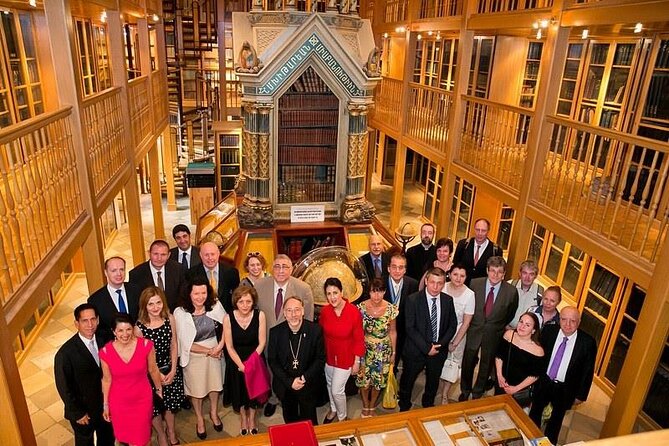
Vienna is famous for imperial palaces, grand churches, classical music, and coffeehouses. This tour points you toward a less obvious part of the city’s story: the Armenian presence connected to the Mekhitarist Order.
The order has been active for nearly three centuries and is linked to major intellectual and scholarly work. Its role was not limited to religious life. It helped preserve Armenian language, literature, historical records, and cultural memory at a time when such work mattered greatly to the survival of Armenian identity.
That gives the visit a useful Austrian connection. You are not simply looking at Armenian objects in isolation. You are learning how an Armenian institution became part of Vienna’s cultural life and how its members were described as early pioneers of Austrian culture in the Orient.
I find that context more valuable than a quick parade of dates. A coin or manuscript becomes easier to understand when you know why it was preserved and how an order based in Vienna could influence Armenian culture far beyond Austria.
Other Vienna days people book alongside this one:
- Vienna: Vivaldi’s Four Seasons Concert in Karlskirche
★ 4.7 · 14,951 reviews - Vienna: Spanish Riding School Training
★ 3.9 · 9,281 reviews - Vienna: Skip-the-cashier-desk-line Giant Ferris Wheel Ride
★ 4.5 · 7,859 reviews
Mechitaristengasse 4: a focused beginning
The tour begins at Mechitaristengasse 4, 1070 Vienna, and returns to that same meeting point. That simple arrangement helps. You do not need to work out a separate finishing point or rush across the city after the visit.
The experience is offered in English. The published information does not provide the guide’s name, so you should book this for the subject and collection rather than for a particular named guide. Confirmation is sent when you book, and the location is near public transportation.
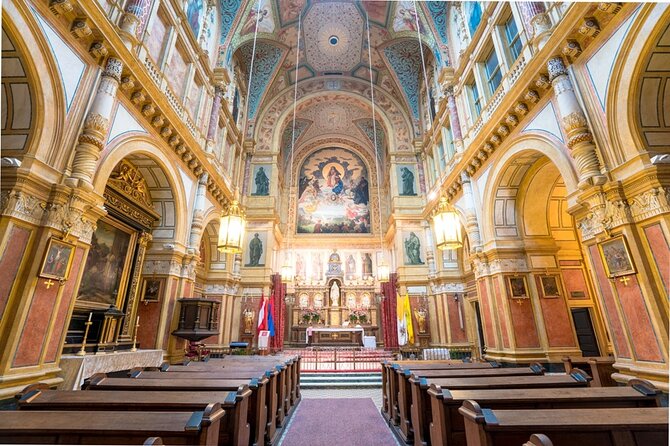
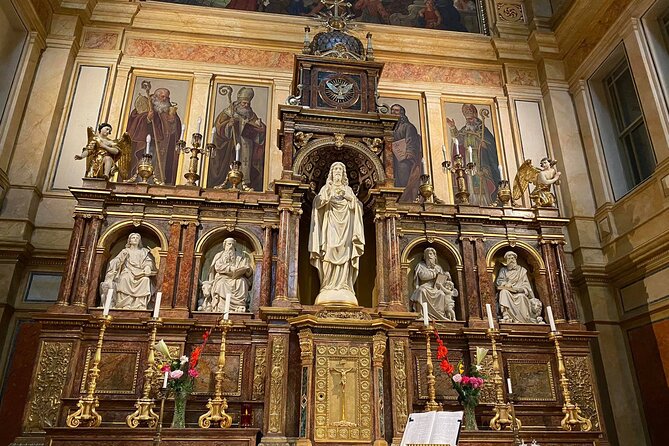
The first part centers on the Mekhitarist Congregation itself. Expect an explanation of the order’s place in Armenian and Austrian life, including its intellectual work and its role in the renewal of Armenian culture during the nineteenth century.
This is the heart of the visit. If you enjoy religious institutions, libraries, historical collections, or the way minority communities shape a city, you will have plenty to think about. If you prefer a fast-moving sightseeing tour with exterior views and several major landmarks, the pace and subject may feel more specialized.
Manuscripts, coins, rugs, and books
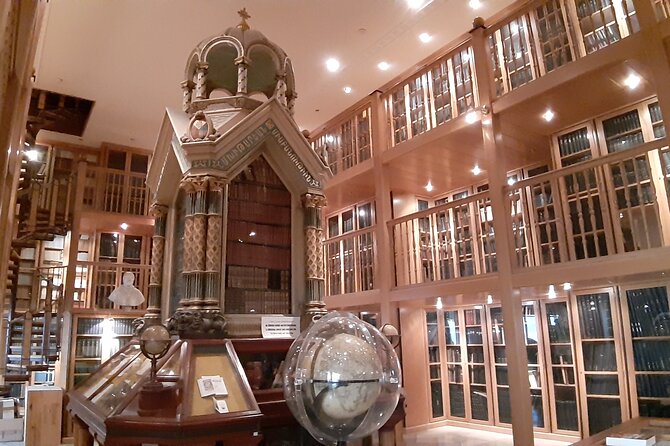
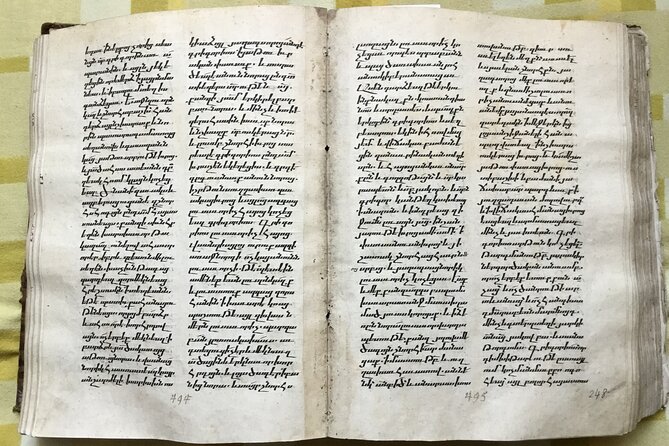
The collection brings together objects from several parts of Armenian life. You can see ancient and medieval coins, manuscripts, folk costumes, rugs, books, periodicals, and other historical items.
That range matters because it keeps the visit from resting on one display type. Manuscripts point toward scholarship and written memory. Coins offer clues about government, trade, and daily life. Rugs and costumes show artistic habits and practical culture. Books and periodicals connect the older material to more recent efforts to record and renew Armenian identity.
You should not expect the scale of a major national museum. The value here is the setting and the concentration of material. A smaller collection can reward careful attention because the objects remain tied to the institution that preserved them.
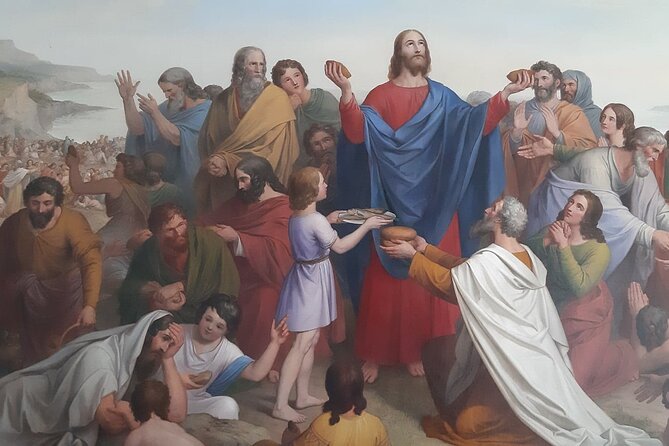
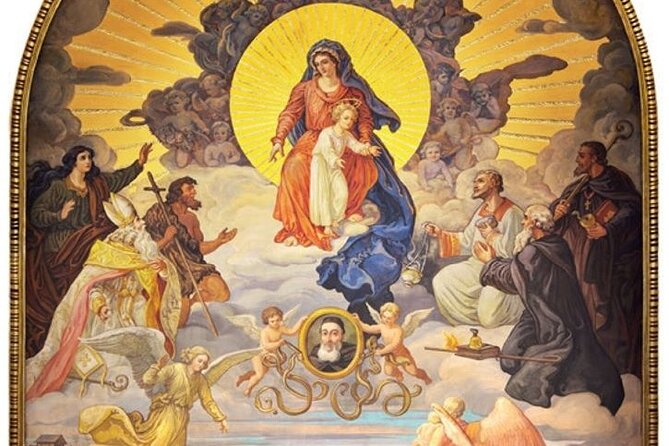
The tour description also includes art exhibitions in the Militarist Museum. This adds another visual layer to the visit. You may find that the art helps make the historical explanation easier to grasp, especially if you are less familiar with Armenian names, periods, or religious traditions.
Give yourself permission to look closely. A 90-minute visit is long enough for a guided introduction, but not so long that every item can receive a full scholarly explanation. Listen for the objects that catch your attention, then ask about them while the group is still in the collection.
The Chatherine liquor story
The Chatherine liquor portion gives the tour a more informal finish. You learn about its taste, history, and family background, and liquor is included in the experience.
This is one of the most distinctive features. Many historic tours end with one more explanation and a polite goodbye. Here, the drink connects the cultural story to a family tradition and to the senses. You are not only looking at the past. You are also hearing how Armenian heritage continues through a product made and shared in the present.
The available information does not list the exact ingredients, alcohol strength, or serving size, so you should not book this expecting a formal spirits tasting with technical notes. Think of it as a cultural tasting linked to the family and the story of Chatherine liquor.
One review praised the liquor as among the best in the world and singled out the combination of free liquor and stories. I would treat that as a sign of what makes the visit memorable, not as a promise about your personal taste. You may enjoy the drink, or you may find the background more interesting than the flavor.
If you do not drink alcohol, check with the provider before booking about alternatives. The supplied details confirm that liquor is part of the experience, but they do not state whether a nonalcoholic option is available.
Same Alps, a completely different kind of day:
- Vienna: Schönbrunn Palace & Gardens Skip-the-Line Tour
★ 4.7 · 7,739 reviews - Vienna: Light of Creation Votive Church Immersive Light Show
★ 4.8 · 6,779 reviews - Vienna Spanish Riding School Guided Tour
★ 4.7 · 6,765 reviews - Vienna: Classical Concert in the World-Famous Musikverein
★ 4.6 · 6,673 reviews
What 90 minutes can and cannot cover
An hour and a half is a sensible length for this subject. It gives you time to understand the order, view the collection, and hear the Chatherine story without turning the visit into an all-day commitment.
The tradeoff is depth. Nearly three centuries of activity, ancient and medieval objects, art, Armenian cultural renewal, and the Austrian connection could easily fill several hours. This tour gives you a strong outline and selected details, not a complete academic study.
I like short specialty tours when they open a door to a subject you might otherwise miss. You can fit this into a morning or afternoon of sightseeing, then decide if you want to return to the institution or explore Armenian history elsewhere. The fixed 90-minute format also helps you plan around other Vienna reservations.
Keep your expectations practical. The tour does not list music, food beyond the liquor, a meal, hotel pickup, or additional city sights. Its purpose is clear and narrow: the Mekhitarist Congregation, its collection, and Chatherine liquor.
Is the $89.36 price fair?
At $89.36 per person, this is not a bargain-priced museum entry. The value depends on how much you want a guided look at a specialized collection that you might not understand as well on your own.
The price includes admission and the English-language experience, along with the liquor component. It also buys a small-group format, capped at 15 people. For someone already interested in Armenian culture, religious orders, manuscripts, or Vienna’s lesser-known institutions, that combination can make the cost reasonable.
For a casual sightseeing day, the price deserves more thought. You could spend less on a standard museum ticket or use the money for a larger Vienna attraction. The difference is that those choices are easier to find and usually cover a broader subject. This tour offers access to a specific Armenian story that is not part of the usual Vienna circuit.
I would compare it with your interests, not with the price of a general museum. If the order’s cultural role and the collection appeal to you, the specialized nature is the point. If you mainly want a drink tasting, $89.36 may feel high because the liquor is only one part of a much wider historical visit.
Who will enjoy this experience most
I would recommend the tour to you if you like places that reveal how cultures meet and continue over time. It suits visitors who enjoy:
- Religious and scholarly institutions
- Manuscripts, coins, books, and decorative arts
- Armenian culture and history
- Small-group museum visits
- Family food or drink traditions
- Less familiar sides of Vienna
It can also work well for repeat visitors who have already seen the Hofburg, Schönbrunn Palace, and the major art museums. A first-time visitor could enjoy it too, provided you are willing to spend part of your limited Vienna schedule on a specialized subject.
Families may need to judge the fit carefully. The tour allows most people to participate, but the subject involves history, collections, and scholarship rather than hands-on activities. Younger children may be more interested in the liquor story than in the manuscripts and periodicals.
Because the tour is offered in English, it is a practical choice for English-speaking visitors. The small group should help with questions, though the group size is still large enough that the guide will need to balance individual interests.
Practical planning for your visit
Start at Mechitaristengasse 4 in Vienna’s 1070 district. The activity ends back at the same meeting point, and the location is near public transportation.
Arrive with enough time to find the address and settle in. The supplied details do not provide a recommended arrival time, exact public transit route, or instructions for locating the guide, so keep your booking confirmation handy.
The tour uses a mobile ticket. That is convenient, but make sure your phone is charged and that you can open the confirmation when you arrive. Since the group is limited to 15 people, late arrival could be more disruptive than it would be on a large bus tour.
Most people can participate, and the activity is described as suitable for most visitors. Still, the available information does not spell out step-free access, seating, restroom arrangements, or any specific accommodation details. If you need those services, contact MAGELLINE before booking.
Free cancellation is available when you cancel at least 24 hours before the start time. A cancellation inside that window is not refunded, and late changes are not accepted. The experience also requires a minimum number of people, so if the provider cancels for that reason, you receive a different date or experience, or a full refund.
The biggest strengths and the one real limitation
The strongest part is the pairing of institutional history and personal tradition. You begin with an order known for scholarship and cultural preservation, then finish with Chatherine liquor and its family story. That movement from manuscripts to a shared drink gives the visit a human scale.
The collection is another major strength. Ancient and medieval coins, manuscripts, folk costumes, rugs, books, and periodicals offer several ways into the subject. You do not need to arrive as an Armenian history specialist to find an entry point.
The small group is useful, too. A maximum of 15 people is not private touring, but it is far more manageable than a crowded coach group. You should have a better chance to hear the explanation and ask a question about an object that interests you.
The limitation is the narrow scope. The tour will not give you a full survey of Vienna, Austria, or Armenia. It also does not provide enough published detail to know exactly how many rooms you will enter, how long the tasting lasts, or which exhibitions will be on view on your date.
That uncertainty is not a reason to reject it. It simply means you should book it for the broad experience described, not for a guaranteed list of individual displays.
Should you book Armenia in the Heart of Vienna?
Book this tour if you want a compact, personal introduction to Armenian culture through a Vienna-based religious and scholarly order. The collection, the Austrian connection, the small group, and the Chatherine liquor story make it more distinctive than a standard museum visit.
Skip it if your Vienna plans are already packed with major sights or if you want a long, technical museum tour. At $89.36, the experience needs to match a real interest in its subject.
My practical call is simple: Armenian culture enthusiasts and repeat Vienna visitors should give it serious consideration. For everyone else, book only if the idea of ancient manuscripts, historic coins, and a family liquor tradition sounds more appealing than another famous palace.
FAQ
Where does the tour begin?
It begins at Mechitaristengasse 4, 1070 Wien, Austria.
Where does the activity end?
The activity ends back at the meeting point.
How long does the tour last?
The tour lasts approximately 1 hour and 30 minutes.
What language is the tour offered in?
The tour is offered in English.
What can I see during the visit?
You can see art exhibitions in the Militarist Museum, ancient and medieval coins, manuscripts, folk costumes, rugs, books, periodicals, and other items connected with Armenian culture.
Is liquor included?
Yes. Chatherine liquor is part of the experience, including its taste, history, and family background.
How many people can join the tour?
The maximum group size is 15 people.
Just added around Vienna
- World War II History Vienna Old Town Private Walking Tour★ 4.8 · 9 reviews
- From Krems: Wachau Valley River Cruise on the Danube★ 4.6 · 95 reviews
- Vienna: Winery and Wine Tasting Tour with a Wine Expert★ 5.0 · 5 reviews
- Vienna: Wine Tasting E-Bike Tour★ 4.9 · 46 reviews
- Vienna: Wine Tasting at Schönbrunn Palace★ 4.3 · 71 reviews
- Vienna: Wine Tasting Tour★ 4.8 · 61 reviews
- Vienna: Wiener Schnitzel and Strudel Cooking Class★ 4.9 · 126 reviews
- Vienna Urban Art Tour: Explore a different side of Vienna!★ 3.8 · 14 reviews
Vienna Tours, compared.
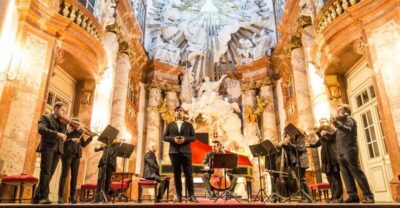
Vivaldi’s Four Seasons Concert in Karlskirche
Read our review →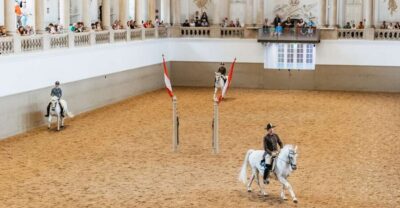
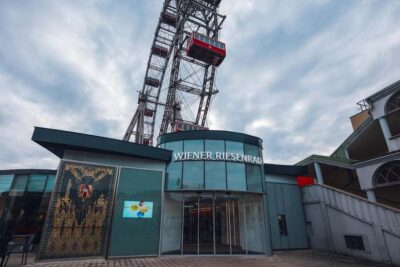
Skip-the-cashier-desk-line Giant Ferris Wheel Ride
Read our review →
Schönbrunn Palace & Gardens Skip-the-Line Tour
Read our review →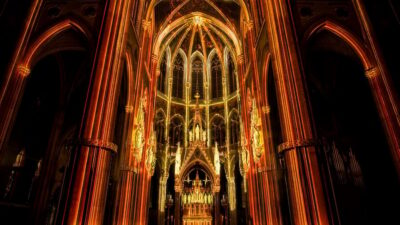
Light of Creation Votive Church Immersive Light Show
Read our review →
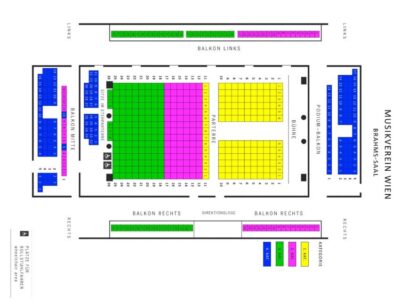
Classical Concert in the World-Famous Musikverein
Read our review →