
Reviewed · FOOD & DRINK
Classic Food Tour of Vienna
Vienna’s food culture is far broader than schnitzel, and this four-hour walk gives you a useful taste of the city’s everyday pleasures: coffee-house traditions, fine chocolate, cheese, butcher-shop specialties, bread, and Austrian wine. Former chef Lukas has led many departures, with Harry also serving as a guide, and the small group can have no more than 12 people.
I like the wide range of stops, especially the contrast between a historic coffee house, a cheesemonger, a butcher, a chocolatier, and a wine cellar. I also like that the route can point you toward places you might return to later, and that the guide gives out a map with restaurant and coffee-house suggestions. The main drawback is the price: at $181.02 per person, you need to value the guide’s local knowledge and the amount of food, not just count the individual samples.
Key points to know before you book
- Eight food stops: The walk covers coffee, cake, cheese, ham, Leberkäse, chocolate, sweets, and other local specialties.
- Austrian wine in a historic cellar: Wine is part of the experience, not an optional extra.
- Former-chef guidance: Lukas brings professional food knowledge, while Harry has also led highly praised departures.
- A real half-day commitment: The tour runs about four hours and includes a fair amount of walking.
- Small groups: The maximum is 12 people, which gives the guide room to answer questions and adjust the pace somewhat.
- A useful first-day activity: The end-of-tour map and restaurant advice can help shape the rest of your stay.
Why this food walk works well on your first morning
I like food tours early in a city visit because they teach you how to read a place. Vienna’s dining customs can seem formal at first, especially its coffee-house rituals and traditional butcher-shop foods. A guide can explain what you are eating, how locals use it, and where you might find it again.
This tour begins at 9:15 am on Gumpendorfer Strasse in the 1060 district. That early start matters. You can make the walk a proper breakfast and lunch rolled into one, then use the afternoon to revisit a favorite café or explore central Vienna with a better sense of the city’s food habits.
You should arrive hungry. The tastings range from sweet to savory, hot to cold, and the sample menu includes Leberkäse, bone-in ham, coffee and cake, and a praline. The tour also includes snacks, bottled water, coffee or tea, and alcoholic drinks, so it is not a quick nibble between sights.
A few more Vienna trips to weigh up
- Vienna: Chocolate Workshop in Chocolate Museum w/ Tasting
★ 4.5 · 1,802 reviews - Vienna for Food Lovers: Cafés, Markets & Austrian Cuisine
★ 5.0 · 1,063 reviews - Wachau Valley Wine Tasting Bike Tour from Vienna
★ 5.0 · 829 reviews
Eight stops that show Vienna beyond schnitzel
The exact order can vary, but the advertised route has eight stops at different local food businesses and specialty counters. That variety is the heart of the experience. Instead of sitting in one restaurant, you walk through the city and sample small pieces of several food traditions.
Coffee and cake at a Viennese café
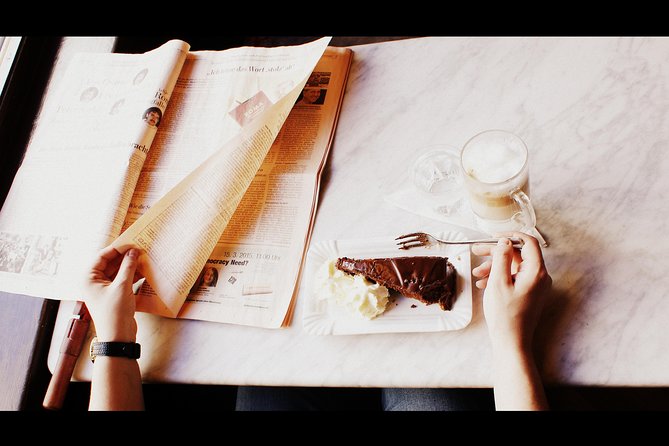
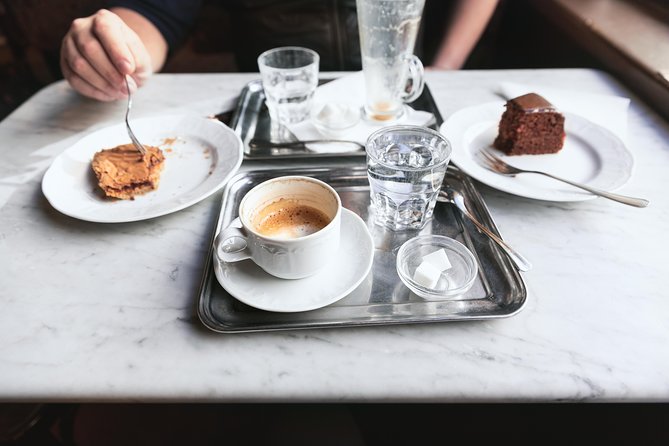
Coffee-house culture is one of the clearest ways to understand Vienna. The café is not simply a place to grab caffeine and leave. It is tied to lingering, conversation, newspapers, pastries, and a particular style of city life.
The tour includes coffee and cake, with one stop described as a historic coffee shop. You may also learn which coffee styles are common in Vienna, an especially useful detail because the names and serving customs can differ from what you know at home. One guide has specifically used Sperl Café as a place to explain Viennese coffee choices.
This stop gives the day a gentle start, but it may be less exciting if you are expecting a large meal right away. Think of it as cultural orientation with something sweet, not a full breakfast plate.
Cheese and products from the Naschmarkt area
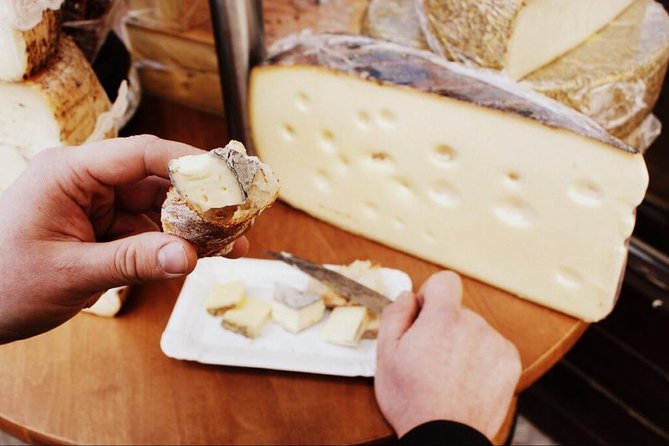
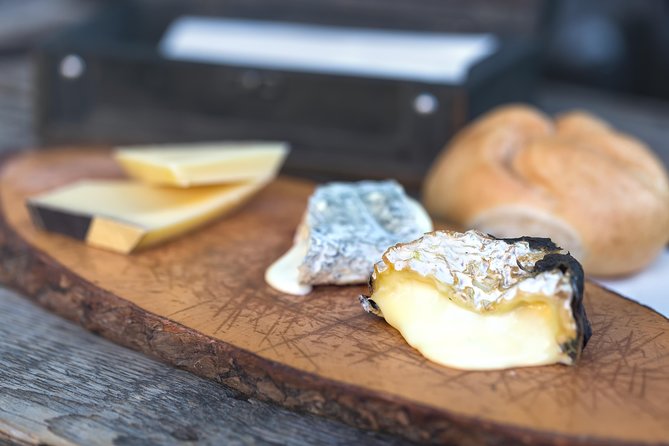
Cheese provides a different look at Austrian food. At a cheesemonger, you can focus on the ingredients, production, and regional character of what you taste rather than simply eating a finished dish.
The route has included cheese at or near the Naschmarkt, one of Vienna’s best-known food areas. You may find the stop especially useful if you want to return later for your own browsing. The guide can help separate everyday Austrian choices from items aimed mainly at sightseers.
This is also where the walking format earns its keep. You are not just told that Vienna has a food market. You are shown how specialty shops fit into the city’s daily eating habits.
Same Alps, a completely different kind of day:
- Vienna: Vivaldi’s Four Seasons Concert in Karlskirche
★ 4.7 · 14,951 reviews - Vienna: Spanish Riding School Training
★ 3.9 · 9,281 reviews - Vienna: Skip-the-cashier-desk-line Giant Ferris Wheel Ride
★ 4.5 · 7,859 reviews - Vienna: Schönbrunn Palace & Gardens Skip-the-Line Tour
★ 4.7 · 7,739 reviews
Bread, Leberkäse, and a butcher’s counter
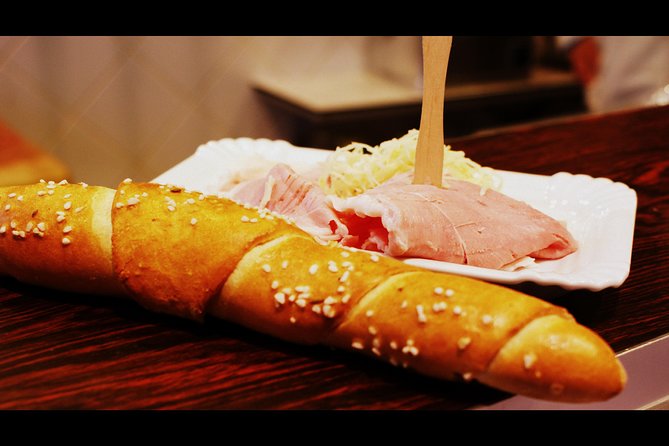
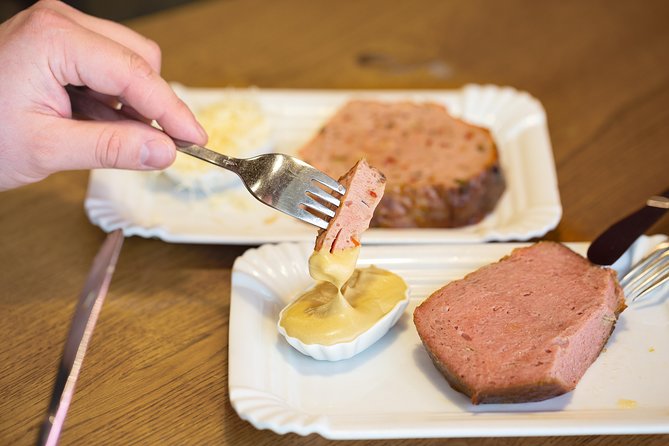
Leberkäse is a classic example of a food that can confuse visitors. Despite its name, it is a smooth baked meat loaf, usually served in a slice, often with bread or a simple accompaniment. It is filling, direct, and tied to casual Austrian eating.
The sample menu also includes bone-in ham, and the route visits a butcher or luncheonette serving pork specialties. These tastings give you a better sense of the food Viennese people eat outside formal restaurant meals. You get to compare textures and preparation methods instead of treating Austrian cuisine as one famous dish.
This part of the tour may be the most substantial. If you do not eat meat, tell the operator about your dietary needs when booking. Specific alternatives are not listed, so you should not assume every stop can be replaced.
Chocolate, candy, and pralines
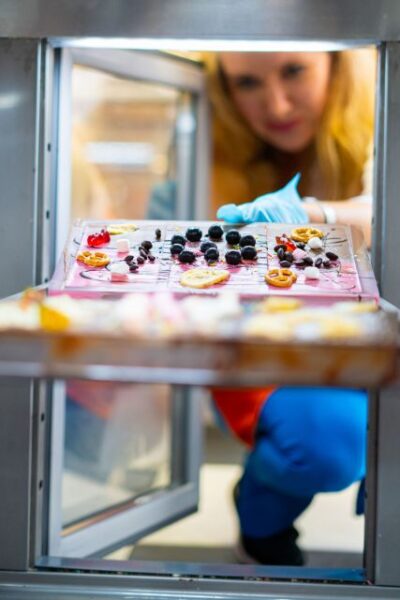
The sweet stops add a welcome change after the meat and cheese. The tour includes chocolate and praline tastings, and time is allowed for shopping at a candy and chocolate shop.
That shopping time is valuable because it lets you choose gifts or treats based on what you have just learned. You are not rushed through a single bite and pushed out the door. Still, remember that a shop visit can tempt you into spending more, especially when you are already full and enthusiastic.
The chocolate stop also gives the guide a chance to discuss Austrian confectionery traditions and the difference between a quick candy purchase and a carefully made praline. It is a small stop, but one that many people find easy to carry into the rest of the trip.
Oil, vinegar, and other specialty tastes
One unusual detail from the route is the chance to taste rare oils and vinegars. This is not the sort of food experience most visitors would arrange alone, and it broadens the tour beyond the expected coffee, sausage, and pastry circuit.
These samples work best as a lesson in flavor. A good oil or vinegar can change the way you understand a simple piece of bread, cheese, or meat. The stop may not appeal as much if you want only substantial portions, but it is useful for anyone interested in ingredients and shopping.
Austrian wine in a historic cellar
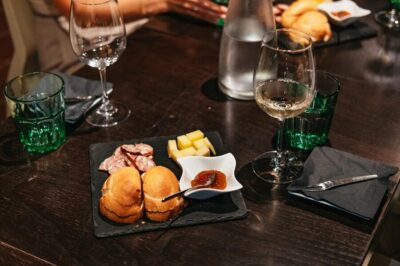
Wine is one of the strongest reasons to choose this tour over a basic market walk. The tastings take place in a historic cellar, and the guide explains Austrian grape varieties and local wine growing.
You must be at least 18 to drink, and alcoholic beverages are included in the price. The cellar setting gives the tasting a sense of place that a generic bar would not provide. It also breaks up the food with a slower, more focused stop.
The wine portion is not just a chance to sip. It helps connect Vienna with the wine country around it and shows that Austrian drinking culture is not limited to beer or schnapps. If you do not drink, check your needs at booking. The tour includes water, coffee or tea, and food, but the wine tasting is a central feature.
What the guide adds to the meal
A food tour is only as good as its explanation. Here, the guides are a major part of the value. Lukas, also spelled Lucas in some references, is a former chef and owns a deli, so he can speak about food from a professional and local point of view. Harry has also led departures and is described as amusing, personable, and well informed.
The strongest part of the guiding style is the connection between food and custom. You are not simply handed a piece of ham or chocolate. You hear about Viennese traditions, local products, wine varieties, and the odd habits of the city’s residents.
Several stops are in narrow streets, courtyards, and places you might not locate on your own. That does not mean every stop is secret or inaccessible, but the route is designed to get you away from the most obvious sightseeing path. For me, that makes the four-hour walk more valuable than a meal in a single famous restaurant.
The experience is not perfectly uniform. One account describes a guide making disparaging comments about tourists, which would understandably spoil the mood. That appears to be an isolated criticism among otherwise strong feedback, but it is worth keeping in mind. A good guide should welcome curious visitors, since asking questions is the point of the tour.
How much food do you really get?
You get enough tasting to make this feel like a substantial half-day meal. The listed samples include coffee and cake, Leberkäse, bone-in ham, and praline, with additional cheese, chocolate, snacks, and wine along the way.
Do not expect eight full restaurant courses. This is a progressive tasting walk, with portions suited to sampling several kinds of food. Even so, the mix can add up quickly. A light breakfast beforehand is sensible, but arriving after a large meal would defeat the purpose.
The range is more important than the size of any one serving. You move from pastry to meat, from cheese to chocolate, and from coffee to wine. That lets you decide what deserves a second visit during your stay.
Dietary restrictions need advance notice. The operator asks you to provide specific requirements at booking, but the available details do not promise substitutions. For strict allergies, ask before paying rather than hoping the guide can solve the problem on the morning.
The walking route from Mariahilf to the city center
The meeting point is Gumpendorfer Strasse 16 in 1060 Vienna, and the walk ends at Doktor-Karl-Lueger-Platz in the 1010 district. In practical terms, you begin outside the central historic core and finish closer to the main sights.
That point-to-point design is useful. You see more of Vienna than you would on a seated food experience, and you can continue sightseeing from the end rather than returning to the start. The route passes through central streets, narrow lanes, and food areas, though the precise sequence is not fixed in the supplied details.
Plan for moderate physical effort. The tour lasts about four hours, includes walking between eight stops, and operates in all weather. Wear shoes that can handle pavement and bring clothing suited to the forecast. Rain does not automatically cancel the experience, so a weatherproof layer is more useful than an umbrella you must keep managing in crowded streets.
The start is near public transportation, which makes the early meeting time manageable. Give yourself extra time to reach Gumpendorfer Strasse, especially if you are unfamiliar with Vienna’s transit system.
Is $181.02 a fair price?
At $181.02 per person, this is not a budget food crawl. You are paying for more than the cost of samples. The fee covers a local guide, eight tasting stops, wine, coffee or tea, snacks, water, and four hours of route planning and explanation.
The value is strongest if you want a well-organized introduction to Vienna and would otherwise spend your first day guessing where to eat. The guide’s recommendations can also save you from poor meals later. At the end, you receive a map with suggested restaurants and coffee houses, and several people have used those tips during the rest of their stay.
The price is harder to justify if you mainly want a cheap lunch or already have a detailed food itinerary. You could spend less by visiting the Naschmarkt and a café on your own, though you would lose the professional context, coordinated tastings, cellar visit, and access to a guide who knows the independent food shops.
The small-group limit helps support the cost. With no more than 12 people, the guide can keep the group together and answer questions without addressing a crowd. A full group of 11 or 12 will still feel social rather than private, so do not book this expecting an intimate one-on-one tour.
Who will enjoy this most?
I would choose this for your first full day in Vienna, especially if food is one of your main ways to understand a city. It suits curious eaters, couples, solo visitors, and families with older children who can manage four hours of walking and several tastings.
It is also a good fit if you want local direction for the rest of your stay. The closing restaurant and café map is practical, and a guide can point you toward places you might not notice from a standard sightseeing route.
You should think twice if you dislike meat, avoid alcohol, have severe dietary restrictions, or prefer to move at your own pace. Children must be accompanied by an adult, and the minimum drinking age is 18. The tour can still include non-drinking participants, but wine is an important part of the program.
Booking timing and cancellation
This experience is usually booked about 25 days ahead, so planning early is sensible if your Vienna dates are fixed. Confirmation arrives when you book, and free cancellation is available if you cancel at least 24 hours before the 9:15 am start.
Changes or cancellations made inside that 24-hour window are not accepted for a refund. Since the tour runs in all weather, plan to attend in suitable clothing rather than assuming rain will cancel it.
Should you book the Classic Food Tour of Vienna?
Book it if you want a guided introduction to Vienna’s food culture, not just a list of dishes. The mix of coffee-house customs, butcher-shop food, cheese, chocolate, specialty ingredients, and Austrian wine gives you a wider picture of the city than a single restaurant meal can.
I would especially recommend it at the start of a trip. You will leave full, better oriented, and equipped with food suggestions for later. The cost is high, and the occasional uneven guide manner is a fair caution, but the former-chef expertise, small group, historic cellar, and range of stops make this a strong choice for people who put real value on eating locally.
FAQ
How long does the Classic Food Tour of Vienna last?
The tour lasts approximately four hours.
Where does the tour begin and end?
It begins at Gumpendorfer Strasse 16, 1060 Vienna, and ends at Doktor-Karl-Lueger-Platz in the 1010 district.
What time does the tour start?
The scheduled start time is 9:15 am.
How many people can join the tour?
The maximum group size is 12 people.
Is wine included, and what is the minimum drinking age?
Wine tasting and alcoholic beverages are included. The minimum drinking age is 18.
Can I cancel for a full refund?
Yes. You can cancel for a full refund up to 24 hours before the experience starts. Cancellations or changes made less than 24 hours before the start are not refunded.
Just added around Vienna
- Ottakringer Brewery tour★ 4.0 · 6 reviews
- New Hofburg Palace Tour House of Habsburg★ 4.5 · 5 reviews
- Private Van & Walk Tour – One Perfect Day in Vienna★ 5.0 · 21 reviews
- True Crime mobile puzzle rally Vienna★ 4.0 · 3 reviews
- Vienna Naschmarket Food Tasting Tour★ 4.0 · 30 reviews
- Vienna Nightlife Experience: Food, Wine, Cocktails & Vibes★ 5.0 · 119 reviews
- Myth Mozart★ 4.0 · 80 reviews
- ( Night Tour ) With Private Guide + wine or prosecco★ 4.0 · 12 reviews
Food & Drink, compared.
Chocolate Workshop in Chocolate Museum w/ Tasting
Read our review →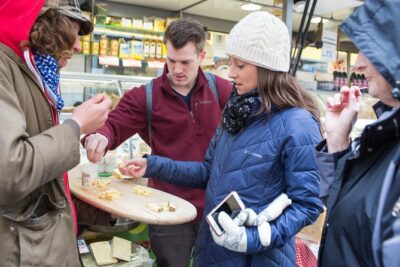
Vienna for Food Lovers: Cafés, Markets & Austrian Cuisine
Read our review →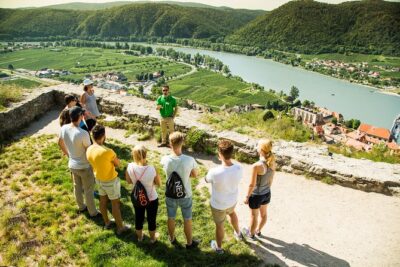
Wachau Valley Wine Tasting Bike Tour from Vienna
Read our review →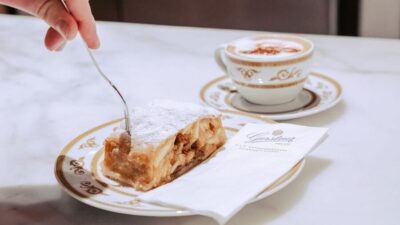
Gerstner KuK Hofzuckerbäcker Baking Show & Tasting
Read our review →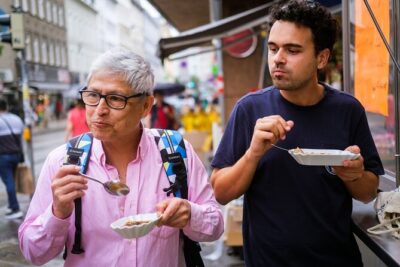
Authentic Vienna Food Tour inc. lunch, street food, 3 drinks
Read our review →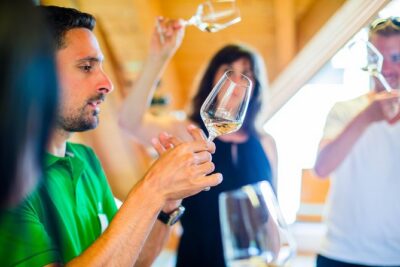
Wachau Valley Small-Group Tour and Wine Tasting from Vienna
Read our review →
Wine Tasting Experience in a Private Wine Cellar
Read our review →Browse the lists this tour appears in