Reviewed · TICKETS
Forchtenstein Castle Admission Ticket & Optional Guided Tour
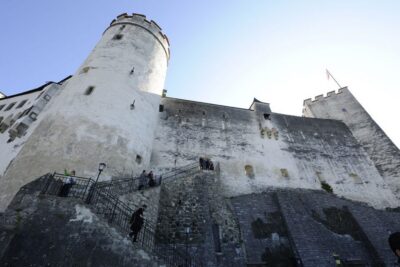
Forchtenstein Castle keeps its best surprises behind thick stone walls. Start in the inner courtyard, where vast secco wall paintings cover the surfaces in a display said to be the largest north of the Alps. Then move inside to rooms filled with weapons, silver furniture, portraits, flags, and curious objects gathered by the Esterházy family.
I like the mix of military power and personal collecting here. I also like the chance to see original objects such as a 400-year-old Ottoman tent and the only known full-length portrait of Vlad the Impaler. The main caution is practical: one level may be closed, and the castle is not suitable for people with mobility impairments.
Key points to know before you go
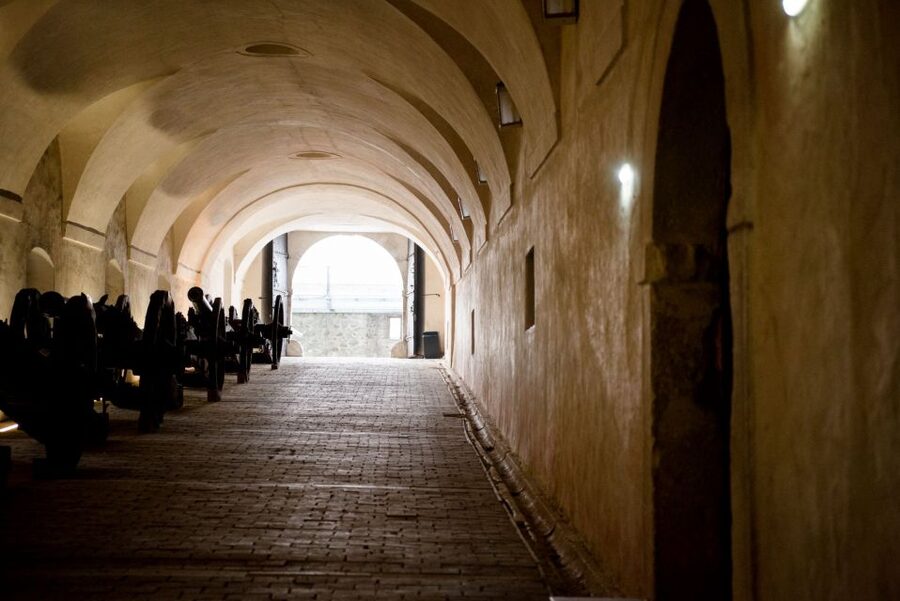
- The courtyard murals set the tone: Begin with the largest display of secco wall paintings north of the Alps.
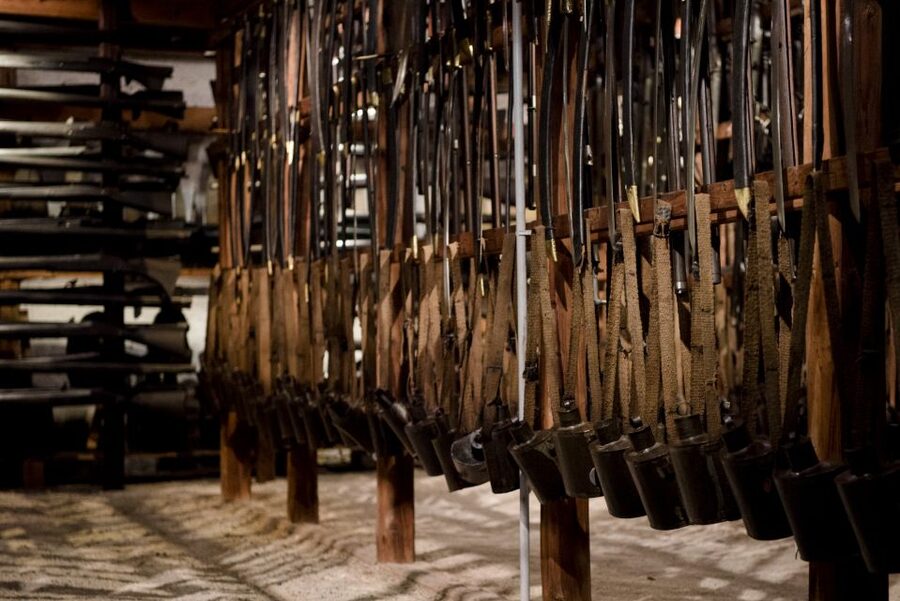
- The armory is a major stop: The castle holds one of Europe’s largest private collections of weapons.
- The portraits are not all literal family records: The Gallery of Ancestors includes imagined forebears such as Attila the Hun and Vlad the Impaler.
- The unusual objects are the real payoff: Look for the Ottoman tent, silver furniture, Kunstkammer pieces, and old coronation flags.
- The visit is compact: Plan on about one hour, making it easy to fit into a Burgenland day.
- Check the language details: The supplied information lists German audio commentary and also gives a €2 audio guide charge, so confirm what applies when booking.
Why Forchtenstein Castle is more than a fortress visit
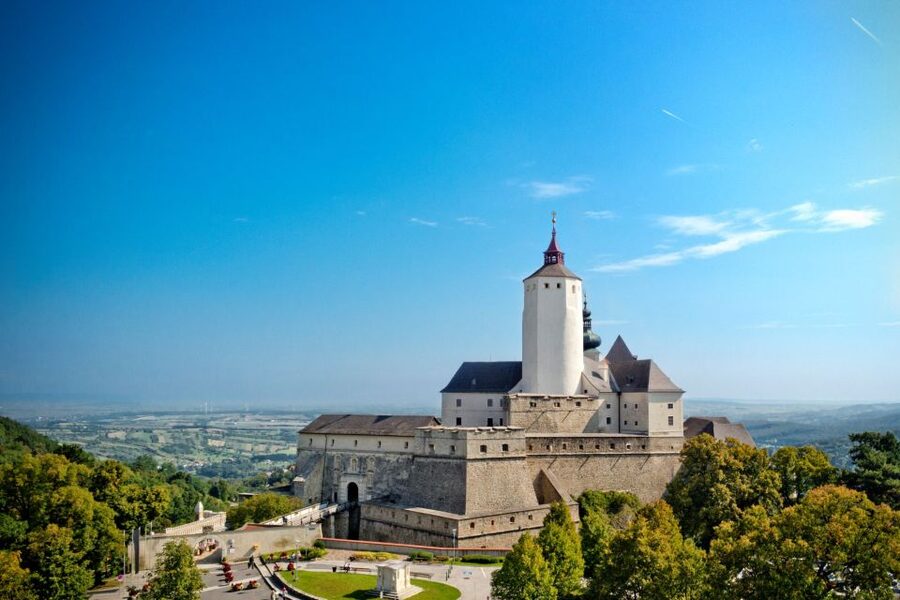
Forchtenstein Castle works best when you see it as both a stronghold and a family storehouse. The Esterházy collection is not limited to swords and armor. It also includes portraits, ceremonial objects, furniture, art, and unusual pieces gathered over several centuries.
That range gives you a better sense of how powerful families presented themselves. Weapons suggested military strength. Coronation flags linked the family to royal ceremony. Portraits created a grand ancestry, even when the figures shown were legendary or fictional.
I like that the castle does not offer only one kind of historical interest. If you care about architecture, the inner courtyard matters. If you prefer objects, the armory and Kunstkammer give you plenty to study. If portraits and political symbolism catch your eye, the Gallery of Ancestors is likely to be your favorite section.
The experience is also short enough to suit a busy day. The stated duration is one hour, so you will not need to set aside half a day. At the same time, the collection is dense enough that you could spend longer examining the displays if access and opening arrangements allow.
A few more Austria trips to weigh up
- Vienna: Classic Ensemble Vienna in St. Peter’s Church Ticket
★ 4.7 · 4,819 reviews - Vienna Kunsthistorisches Museum Day Admission Ticket
★ 4.6 · 3,690 reviews - Vienna: Tickets for Mozarthaus Vienna with Audio Guide
★ 4.2 · 2,344 reviews
The courtyard murals: begin beneath Forchtenstein’s painted walls
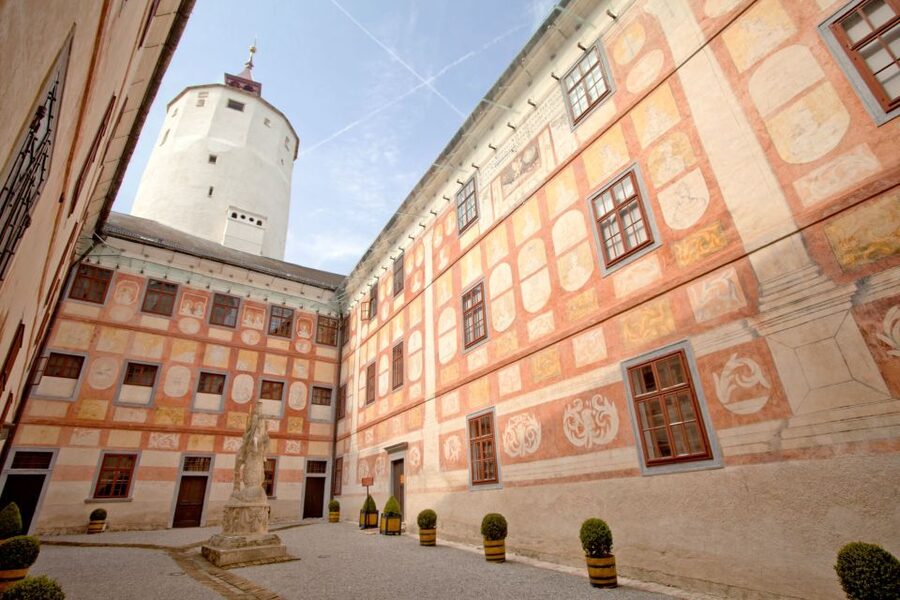
Your visit starts in the inner courtyard, one of the castle’s most memorable spaces. The secco murals are the immediate attraction. Unlike frescoes, which are painted into wet plaster, secco paintings are made on dry plaster. The technique gives the walls a different character and helps explain why these paintings deserve close attention.
The scale is important. This is presented as the largest display of secco wall paintings north of the Alps, so the courtyard is not just a pleasant place to pass through before reaching the exhibits. It is one of the principal sights.
I would take a moment here before rushing indoors. Look upward and across the walls. The courtyard gives you a sense of how the castle was meant to be experienced, with decoration and family image-making built into the setting itself.
The murals also prepare you for the rest of the visit. Forchtenstein is not a bare military shell. Its owners wanted visitors to see authority, status, and cultural ambition. The painted courtyard makes that message clear before you encounter a single weapon or portrait.
The chapel and oratory add a quieter side
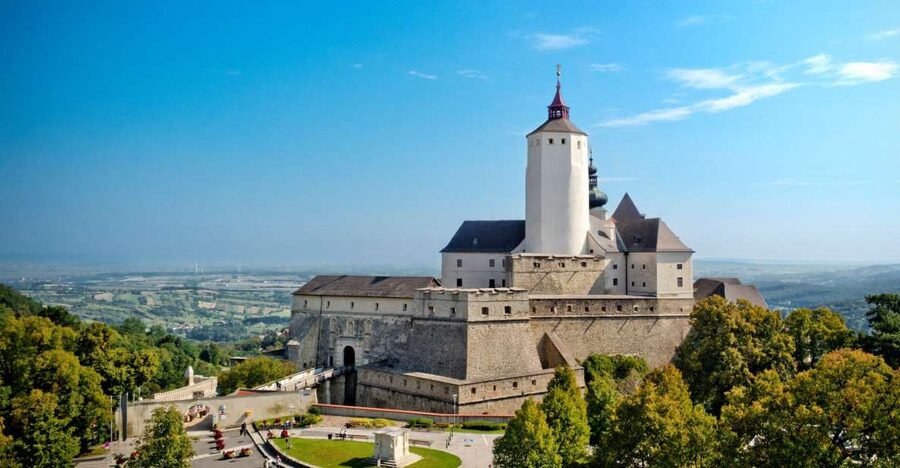
The first floor includes the oratory and chapel. These spaces shift the mood from public display to private and religious life. I like this change because it prevents the visit from becoming a simple parade of armor and royal-looking objects.
The chapel and oratory help explain the castle as a lived-in place. They are part of the building’s original function, not just containers for museum pieces. As you move through them, you get a better idea of how ceremony and devotion fit into aristocratic life.
The available information does not provide extensive details about the decoration in these rooms, so I would not plan the whole visit around them. Still, they are worth seeing as part of the route, especially if you appreciate historic interiors more than isolated objects.
One point deserves attention here. Access to every level can vary. A recent visit found the first level unavailable, so you should be prepared for a changed route or a smaller portion of the displays on the day you arrive. That is the main reason I would treat the castle as a worthwhile stop, but not assume that every room is guaranteed to be open.
The armory: weapons on a grand private scale
The armory is one of the strongest reasons to choose this castle. Forchtenstein holds one of Europe’s largest private collections of weapons, and the collection gives the visit a clear sense of scale.
You can expect more than a few decorative swords on a wall. The armory represents the military side of the Esterházy family and shows how weapons could function as both practical tools and symbols of rank. Even if you are not an arms specialist, the quantity and setting help make the collection easy to appreciate.
I find armories most interesting when they show more than combat. They reveal the concerns of the people who assembled them: defense, prestige, ceremony, and family memory all overlap. In this castle, the weapons belong to a broader presentation of power, rather than appearing as an isolated museum subject.
A guided visit may add useful context here. One guided experience was praised for explaining the history vividly, and that makes sense in an armory, where a little background can help you understand why particular weapons or groups of objects matter. If the guided option is available in a language you understand, it could be worth choosing over a quick self-guided walk.
Same Alps, a completely different kind of day:
- Vienna: Vivaldi’s Four Seasons Concert in Karlskirche
★ 4.7 · 14,951 reviews - Vienna: Spanish Riding School Training
★ 3.9 · 9,281 reviews - Vienna: Skip-the-cashier-desk-line Giant Ferris Wheel Ride
★ 4.5 · 7,859 reviews - Vienna: Schönbrunn Palace & Gardens Skip-the-Line Tour
★ 4.7 · 7,739 reviews
The second floor brings together the grand collections
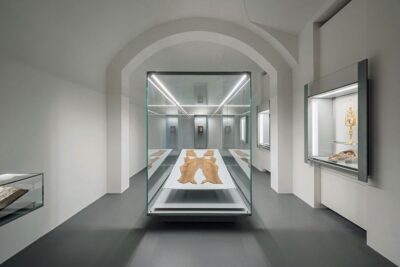
The second floor is where the visit becomes especially varied. Here you encounter the major historic collections, including the silver furniture, the Ottoman tent, the coronation flags, the portraits, and the Kunstkammer.
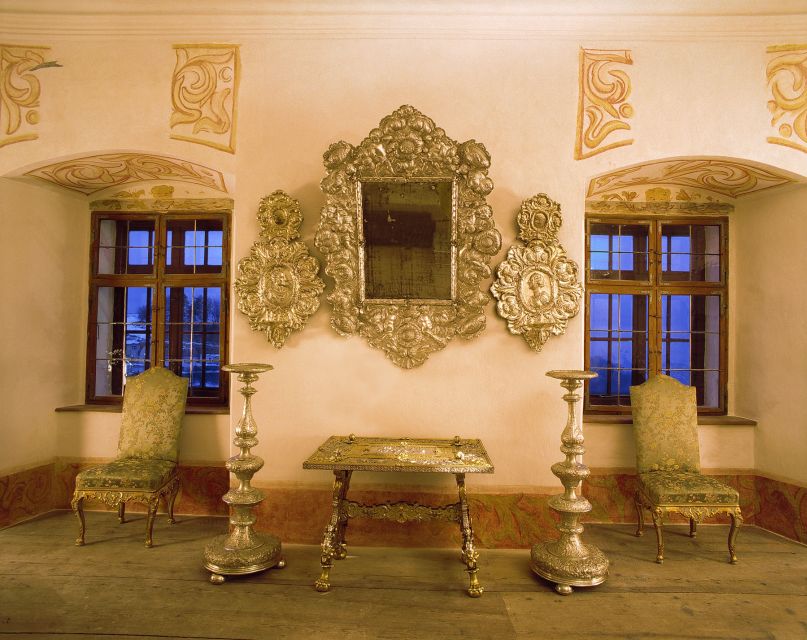
The silver furniture deserves special attention. The collection is described as Europe’s largest and earliest collection of silver furniture. That is a striking claim, but the real value for you is the chance to see how an expensive material was turned into household and display objects. Silver was not simply useful. It announced wealth and status every time it appeared.
The 400-year-old Ottoman tent is another memorable object. A tent can seem less familiar than a painting or suit of armor, which is exactly why it adds variety. It points to contact, conflict, and the movement of objects across borders. I would make a note of it before entering the room, since unusual large-scale objects can be easy to miss when surrounded by more traditional exhibits.
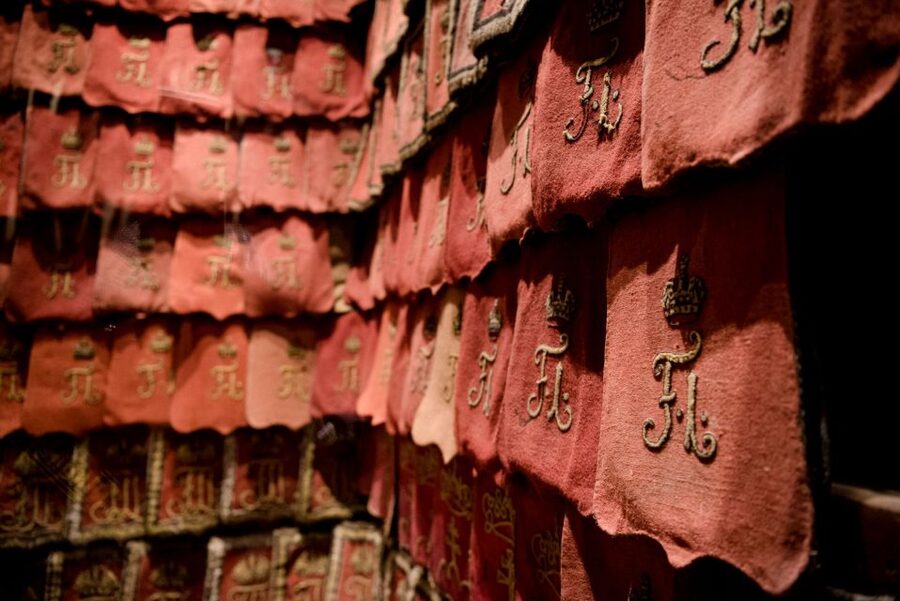
You will also see three coronation flags dating from the 17th century. They are identified as the oldest known coronation flags from Hungary, Croatia, and Serbia. These are not just colorful pieces of fabric. Flags carry political meaning, and coronation objects connect the castle’s collection to royal ceremony and regional power.
The combination of silver furniture, Ottoman material, and coronation flags gives the second floor a strong sense of contrast. You move from domestic luxury to military and diplomatic history, then into the world of dynastic image-making.
The Gallery of Ancestors and the portrait of Vlad the Impaler
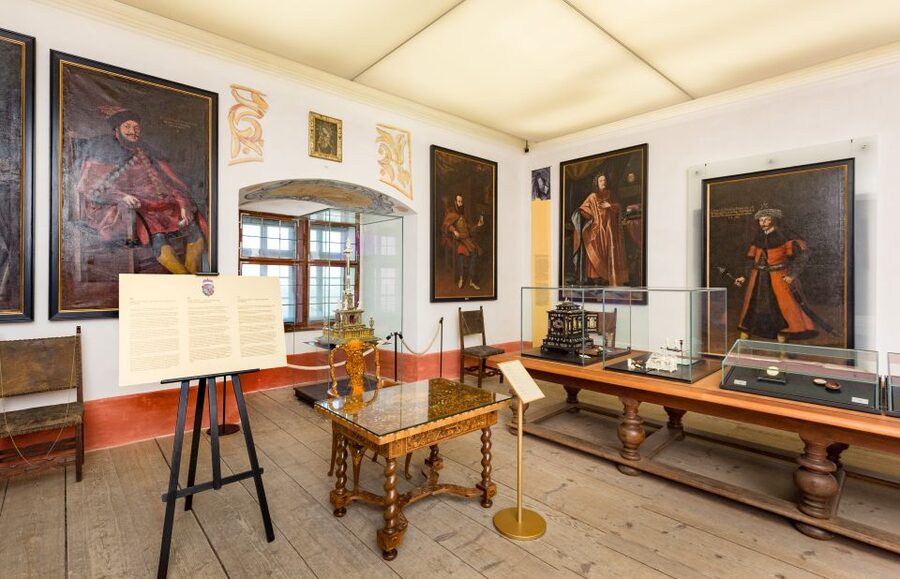
The Gallery of Ancestors is one of the castle’s most distinctive rooms. It contains numerous Esterházy family portraits, but not every figure represents a documented family member. Some portraits show fictional ancestors, including Attila the Hun and Vlad the Impaler.
The portrait of Vlad the Impaler is especially unusual because it is described as the only known full-length portrait of him. That makes it a key object for the visit, even for people who normally pass quickly through portrait galleries.
I would look at these paintings as political storytelling rather than as a straightforward family album. Claiming links to famous or legendary figures helped an aristocratic family present itself as ancient, powerful, and connected to major events. The fictional portraits are valuable precisely because they show how families shaped their public identity.
You do not need to recognize every face to enjoy the gallery. Instead, pay attention to the choices behind the portraits. Who was included? How are the figures dressed? What kind of authority does each image try to project? Those questions make the room more interesting than a long row of names.
The Kunstkammer reveals a collector’s personality
The Kunstkammer, or cabinet of curiosities, covers the late 16th through the early 18th century. This section offers a glimpse into Prince Paul Esterházy’s passion for collecting, and it may be the part of the castle that feels most personal.
A cabinet of curiosities was not arranged like a modern specialist museum. It brought together art, unusual natural or man-made objects, and items valued for their rarity or story. The point was often wonder, conversation, and the pleasure of owning something difficult to find.
That makes this collection useful for understanding the collector, not just the objects. You can see how curiosity itself became a sign of education and status. The Kunstkammer also breaks up the military and dynastic displays with objects chosen for their strangeness or appeal.
I would allow extra attention here if you enjoy small details. The one-hour schedule is enough for a clear visit, but a quick walk through could leave you with only the broad outline. If you want to read every label, study each object, and compare the collections, you may need to move at a measured pace.
What the one-hour visit feels like
The route has a natural progression. You begin with the courtyard murals, move through the oratory and chapel, see the armory, and then reach the second-floor collections. The sequence moves from architecture to religious space, military display, and family collecting.
That structure makes the visit easy to follow, even without a guide. You are not simply entering a series of unrelated rooms. Each section adds another part of the Esterházy story.
At $22 per person, the ticket is not a throwaway attraction, but I consider it fair for a castle visit with this level of original material. The value depends on your interests. If you want only a quick view and a photo from outside, the price may feel high. If you enjoy historic objects and want to see unusual collections in their original setting, the admission makes more sense.
An optional guided tour can improve the value by connecting the objects to the people and politics behind them. The tour lasts about one hour, so it is also a manageable choice for families and day visitors who do not want an all-day museum commitment.
The experience has an average rating of 4.7 from 16 ratings, with especially strong praise for the antique collection, original interiors, armory, views, and clear historical explanations. I would give the most weight to the repeated appreciation for authentic original pieces. That is the castle’s strongest asset.
Practical advice for choosing your visit
Arrive 15 minutes before your scheduled start. That small margin matters because the activity has a set duration and you will want time to orient yourself before entering the collection.
The experience is in Burgenland, Austria. The provided details do not specify transport arrangements, parking, or public transit, so you should check those points separately if you are building a day around the castle.
Language is another point to settle before payment. The information gives German as the available language and says a German audio guide is included, but it also lists an audio guide at €2 under what is not included. I would confirm the exact audio arrangement before booking, especially if you do not speak German.
The castle is not suitable for people with mobility impairments. Since some rooms or levels may also be unavailable on a particular day, ask ahead if access is important to you.
Free cancellation is available up to 24 hours before the activity for a full refund. You can also reserve now and pay later, which helps if your Burgenland plans are still shifting.
Who should book Forchtenstein Castle
I would recommend this visit to anyone who likes castles as places of display, not just defensive walls. It is particularly good for you if you enjoy armor, family portraits, ceremonial objects, or collections with an unusual personal touch.
History-minded families may like the variety. Children who lose interest in portraits can look for weapons and the Ottoman tent, while adults can spend more time with the flags and Kunstkammer.
Art and architecture fans should begin with the courtyard murals and historic interiors. Those are not minor extras. They give the castle a strong visual identity before the collection rooms take over.
I would be more cautious if you need step-free access, want a fully predictable route, or require commentary in a language other than German. The one-hour length is convenient, but it also means you may need to choose what deserves your closest attention.
Should you book this castle visit?
Book it if you want an authentic castle collection with more variety than the usual armor-and-dungeons route. The combination of secco murals, a major private armory, silver furniture, coronation flags, an Ottoman tent, and the Vlad the Impaler portrait gives you plenty to remember after a compact visit.
Before you commit, confirm which floors are open and how the German audio guide is handled. If those points work for you, the $22 admission offers solid value, especially with the optional guidance that can bring the family stories and political symbols into sharper focus.
FAQ
Where is Forchtenstein Castle?
Forchtenstein Castle is in Burgenland, Austria.
How long does the visit last?
The stated duration is one hour.
How much does admission cost?
Admission costs $22 per person.
Is a guided tour included?
The admission ticket is included. The guided tour is described as optional, so check the available booking choice and starting time.
What language is available?
The activity information lists German as the available language. It also says the audio guide is in German.
Does the audio guide cost extra?
The supplied details are inconsistent. One section says the German audio guide is included, while another lists an audio guide for €2. Confirm this point when booking.
What should I see first?
Start in the inner courtyard to see the large secco wall paintings, then continue to the oratory, chapel, armory, and second-floor collections.
Is the castle suitable for people with mobility impairments?
No. The activity is marked as unsuitable for people with mobility impairments.
Can I cancel for a refund?
Yes. You can cancel up to 24 hours before the activity for a full refund. You can also reserve now and pay later.
Just added around Austria
- Ottakringer Brewery tour★ 4.0 · 6 reviews
- New Hofburg Palace Tour House of Habsburg★ 4.5 · 5 reviews
- Private Van & Walk Tour – One Perfect Day in Vienna★ 5.0 · 21 reviews
- True Crime mobile puzzle rally Vienna★ 4.0 · 3 reviews
- Vienna Naschmarket Food Tasting Tour★ 4.0 · 30 reviews
- Vienna Nightlife Experience: Food, Wine, Cocktails & Vibes★ 5.0 · 119 reviews
- Myth Mozart★ 4.0 · 80 reviews
- ( Night Tour ) With Private Guide + wine or prosecco★ 4.0 · 12 reviews
Tickets, compared.
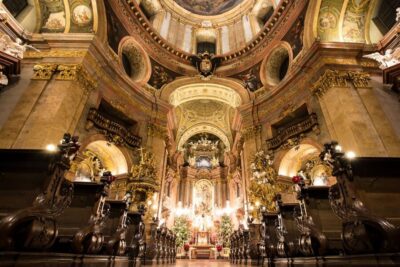
Classic Ensemble Vienna in St. Peter’s Church Ticket
Read our review →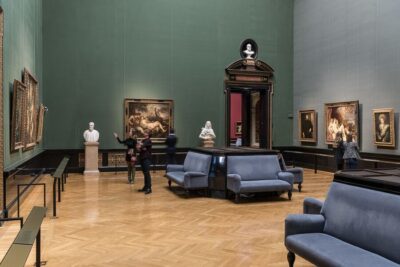
Vienna Kunsthistorisches Museum Day Admission Ticket
Read our review →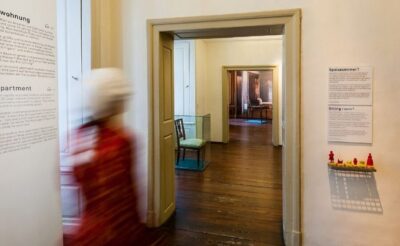
Tickets for Mozarthaus Vienna with Audio Guide
Read our review →
Skip-the-Line Entrance Ticket to the Danube Tower
Read our review →