
Reviewed · AUSTRIA
From La Paz: Austria Peak One-Day Climbing Trip
Austria Peak gives you a serious taste of Bolivia’s high mountains in one long day. From Laguna Chira Khota, you climb toward a 17,388-foot summit with views of the Cordillera Real, glaciers, and Lake Titicaca. I like the quiet setting around the Condoriri lakes, and I like that the trip can help prepare you for a later Huayna Potosí climb. The main catch is altitude: this is a hard physical day, not a casual mountain walk.
I also like the practical setup. Hotel pickup, transport, warm clothing, trekking poles, a guide, lunch, and a first-aid kit are included, which makes the $188 price easier to justify. Guides such as Patricia and Andrés have set a calm pace and helped climbers keep moving when the going got rough. But you need two to three days of acclimatization at roughly 9,840 to 16,400 feet before attempting the summit, and bad weather does not qualify for a refund.
Key points to know before climbing Austria Peak
- 17,388-foot summit: Austria Peak is a true high-altitude climb, even though it requires no technical climbing skills.
- Condoriri setting: The route begins at Laguna Chira Khota, with mountain lakes, glaciers, icy peaks, llamas, and sheep along the way.
- Useful training day: This works well as preparation for a later Huayna Potosí climb, provided you are already acclimatized.
- Six to eight hours on foot: The trek is long and demanding, with the descent often feeling harder than the climb.
- Equipment included: Jacket, pants, trekking poles when needed, transport, lunch, and a first-aid kit are provided.
- A sensible backup: If altitude stops you near 16,400 feet, you may be able to take a lower hike around the lake instead.
Why Austria Peak is a smart first high mountain
Austria Peak, also called Pico Austria, is a useful middle ground in La Paz. You are not signing up for a technical ice climb, but you are still walking above 17,000 feet. That makes the day valuable for testing your lungs, legs, cold-weather clothing, and response to altitude.
You do not need technical climbing skill. You do need a good level of fitness and enough time at altitude before the trip. The route asks you to keep walking for six to eight hours, then descend under your own power. The summit itself is only part of the challenge.
I would look at this outing in two ways. It can be the main mountain day of a La Paz visit, or it can serve as a trial run before Huayna Potosí. One booking was used specifically to prepare for a Huayna Potosí climb three days later. That is a sensible plan, as long as you treat the Austria Peak day as a hard test rather than an easy warm-up.
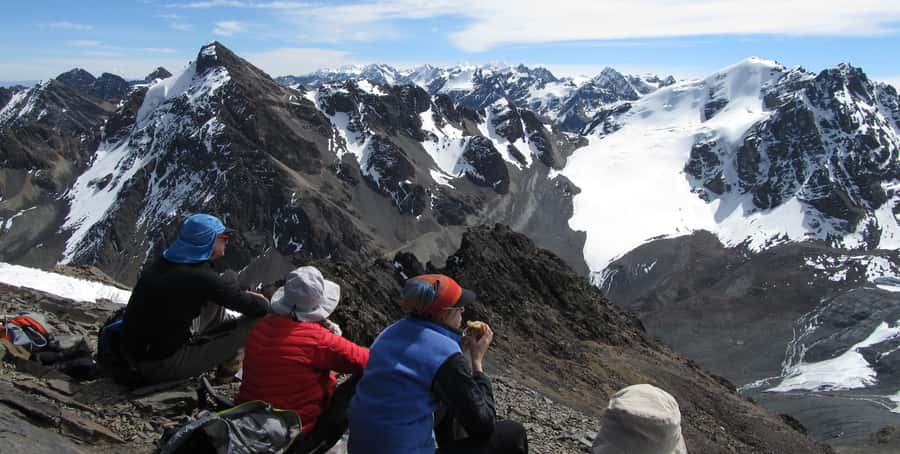
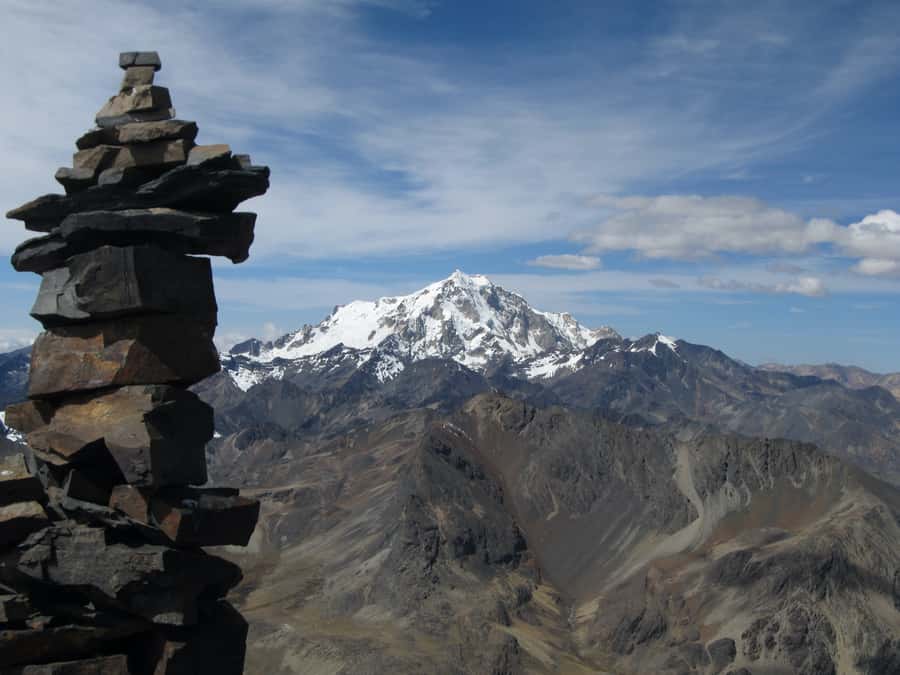
The mountain reward is big. From the upper route and summit, you can look across the Cordillera Real, see glaciers and other high peaks, and possibly catch distant Lake Titicaca views. The Condoriri range gives the day a strong sense of place, with several lakes and jagged summits packed into one high valley.
Other Austria days people book alongside this one:
- Vienna: Vivaldi’s Four Seasons Concert in Karlskirche
★ 4.7 · 14,951 reviews - Vienna: Spanish Riding School Training
★ 3.9 · 9,281 reviews - Vienna: Skip-the-cashier-desk-line Giant Ferris Wheel Ride
★ 4.5 · 7,859 reviews
Leaving La Paz for the Condoriri mountains
The day starts with pickup at your hotel in or near central La Paz. You are asked to wait in the lobby 10 minutes before pickup, and the guide or driver will look for you there. Pickups outside the city center are available as an extra service, so check that point before booking if your hotel sits farther out.
The road first takes you through La Paz and toward El Alto. This part is not just a transfer to forget. El Alto is described as the fastest-growing city in South America, and its edges show a great deal of new, unfinished construction. You will see half-built brick structures and fresh development spreading across the high plain.
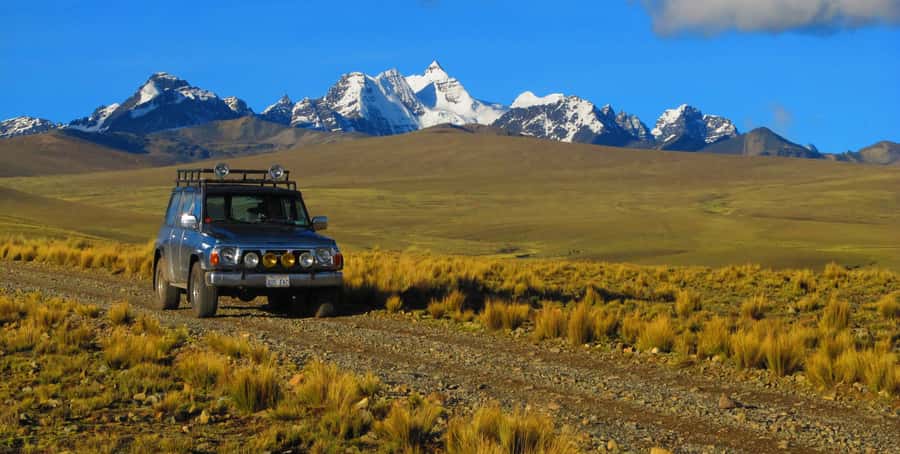
Soon the city gives way to broad views of the Cordillera Real. After the village of Palcoco, the vehicle leaves the main road and follows dirt tracks up the valley. This is where the day changes character. The urban sprawl falls behind, and the high mountains begin to dominate the view.
Allow plenty of patience for the transport. The stated plan includes a two to three-hour drive, followed by the hike and the return ride. One account describes about three hours each way, so I would keep the entire day open and expect a very early start and a late return. The exact road time can affect how much energy you have left for the descent.
Laguna Chira Khota and the first climb
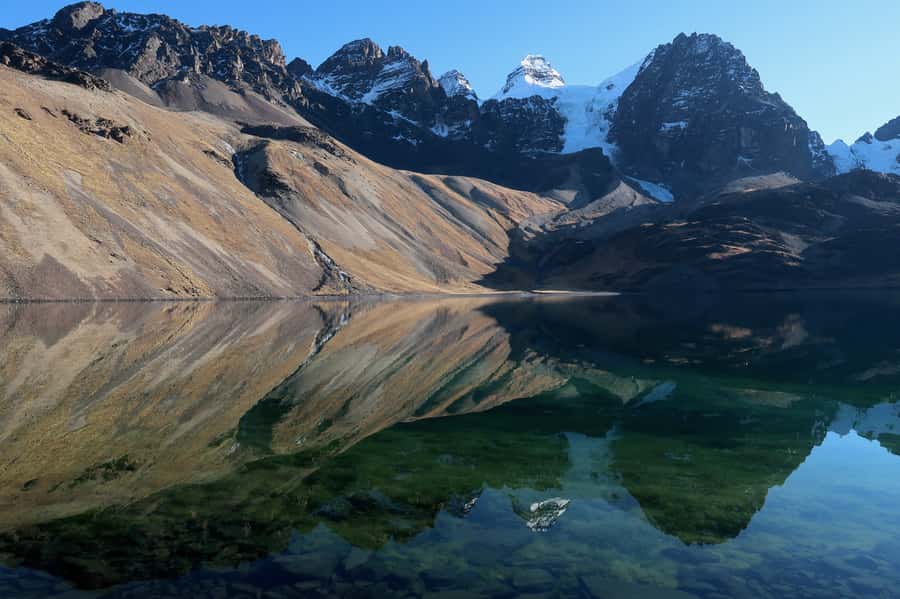
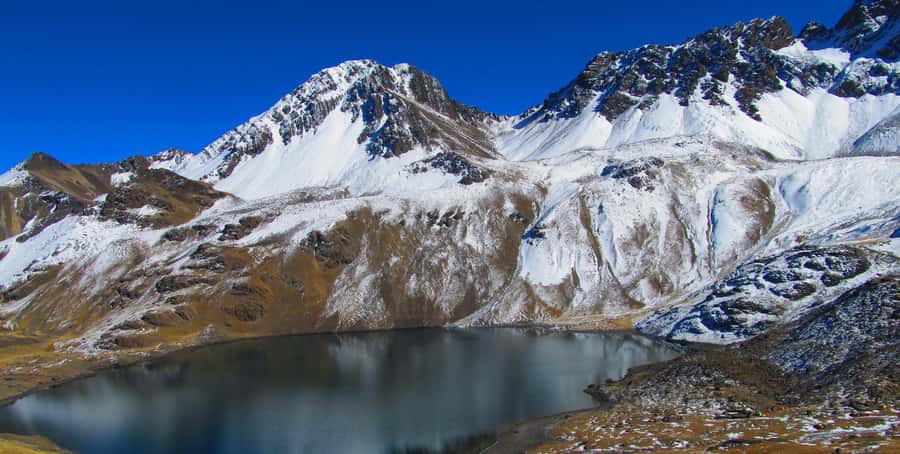
The walking route begins at Laguna Chira Khota. The lake is an important part of the experience, not merely a place to stop before the real climb. You get your first close look at the Condoriri mountain group, and the water, surrounding peaks, and high-altitude openness make a striking setting for the start.
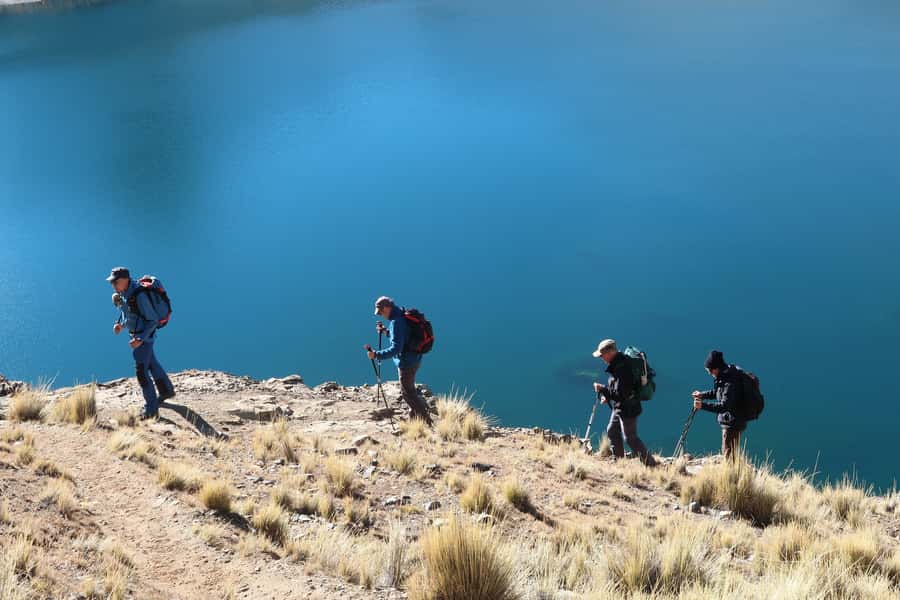
From the lake, the trail turns left and rises toward Austria Peak. The route is a hike rather than a technical ascent, but the altitude quickly becomes the deciding factor. At these heights, a pace that feels embarrassingly slow at home may be exactly right.
A good guide makes a real difference here. Patricia has been praised for choosing a steady pace and explaining the route well. Andrés was described as patient and calm when a climber began to struggle. Those traits matter more than a fast start. At high altitude, rushing early can leave you with little strength for the upper slopes and the walk back down.
The scenery changes as you gain height. You may see icy ridges, glacier-covered peaks, waterfalls, llamas, sheep, and lakes that shift color with the weather. The route is visually busy in the best sense, but your body may feel the opposite. It is common for the scenery to look close while each step takes effort.
The final push to 17,388 feet
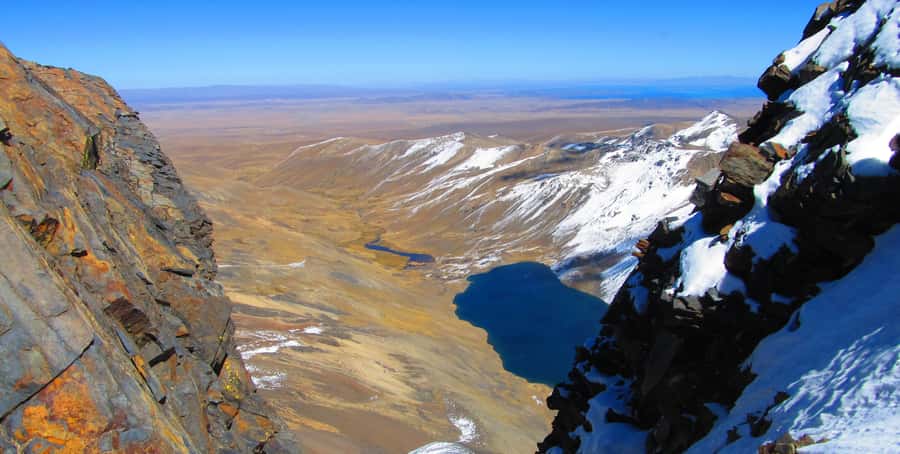
The Austria Peak summit reaches 17,388 feet. That number tells you why acclimatization is not a minor footnote. Spending two or three days between roughly 9,840 and 16,400 feet is described as sufficient preparation, but people respond to altitude differently. One fit couple had already spent five nights between 3,600 and 4,100 meters, yet one person still became too nauseated to continue near 5,000 meters.
That is an important lesson. Fitness helps, but it cannot guarantee a summit. If you develop serious nausea, a headache, or other altitude symptoms, telling your guide early is the smart choice. You may be offered a lower walk around the lake at about 14,100 feet instead of pushing higher. That alternative still gives you a full day in the Condoriri area and can turn a failed summit attempt into a worthwhile mountain outing.
For those who reach the top, the payoff is a broad 360-degree view. You look across the Cordillera Real and over neighboring peaks, with glacier scenery close at hand and Lake Titicaca visible from the wider mountain views. The high summit feels earned because the route has required steady effort for hours.
The final section may involve loose or difficult footing, but the supplied information does not describe technical climbing. Follow your guide’s pace and instructions. The goal is not to prove that you can suffer fastest. The goal is to reach the summit with enough strength and safety margin to return.
Same Alps, a completely different kind of day:
- Vienna: Schönbrunn Palace & Gardens Skip-the-Line Tour
★ 4.7 · 7,739 reviews - Vienna: Light of Creation Votive Church Immersive Light Show
★ 4.8 · 6,779 reviews - Vienna Spanish Riding School Guided Tour
★ 4.7 · 6,765 reviews - Vienna: Classical Concert in the World-Famous Musikverein
★ 4.6 · 6,673 reviews
Why the descent can be the hardest part
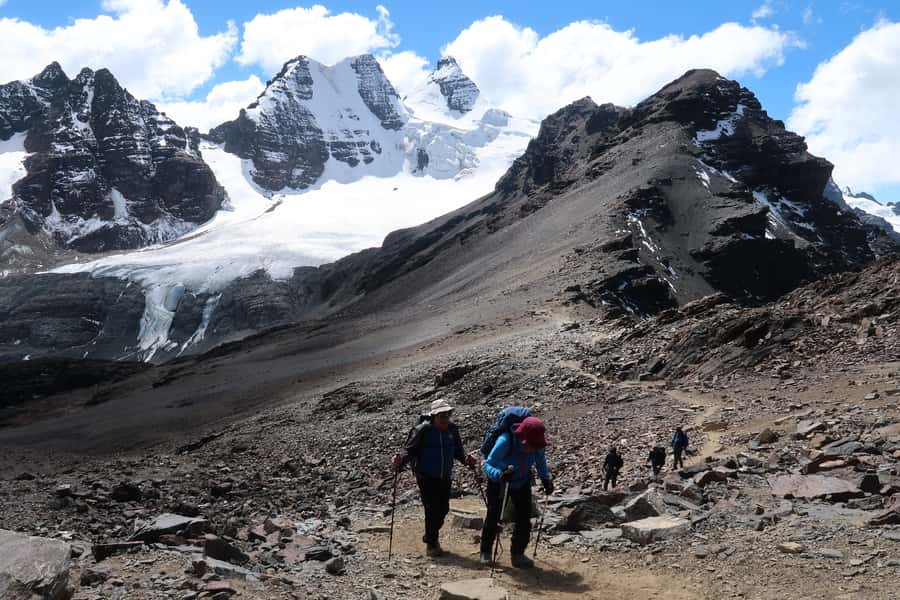
The return is not a quick stroll. After reaching the summit, you retrace the route down the valley to the vehicle. One climber found the descent harder than the ascent after spending nearly all their strength on the way up, and described a nine-hour walking day in total.
That experience is worth keeping in mind when you judge your fitness. You need endurance for a full day, not only enough power to reach the top. Descending tired can also bring headaches and poor concentration, especially if you have not eaten or drunk enough.
The boxed lunch and drinks are included, which is helpful, but you still need to bring your own water if the operator does not specify an amount. A passport or ID card is required, along with a visa if your nationality needs one. A backpack is not included, though one can be rented as an add-on.
Once you reach the vehicle, the drive back to La Paz gives you a chance to rest, but it does not make the day short. Plan for a quiet evening afterward. This is not the best activity to place before a late-night bus or an important morning flight.
What the $188 price really covers
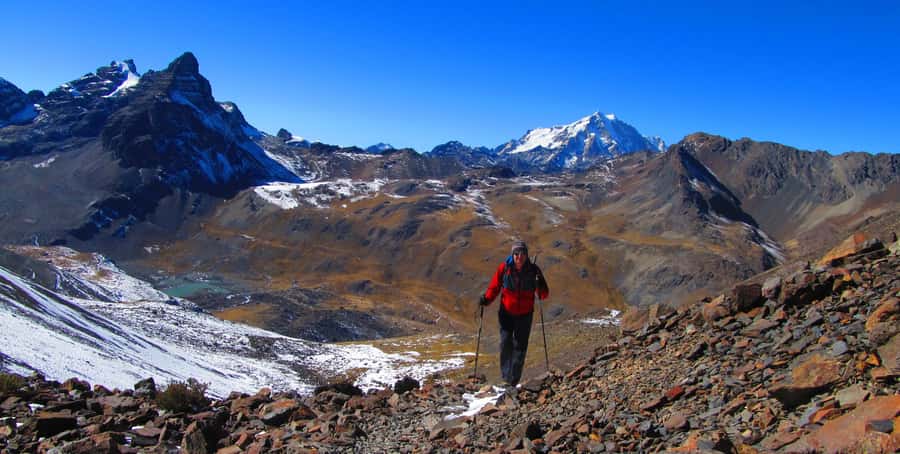
At $188 per person, this is not the cheapest way to spend a day around La Paz. It is also more than a simple guided walk because the price includes all transport, hotel pickup and drop-off in the central area, a professional guide, boxed lunch with drinks, a first-aid kit, and mountain clothing.
The clothing package includes a jacket and pants, and trekking poles are available if needed. That matters because cold and wind can turn a manageable climb into a miserable one, and renting every item separately can add up. You still need to confirm fit and condition before leaving La Paz, especially if you have a small or large frame.
The group format also affects value. Private or small-group trips are available. A small group can make it easier for the guide to set a pace that fits the people on the trail, while a private trip may offer more flexibility if one person needs a slower rhythm or an early retreat.
The price does not include personal insurance, a backpack, extra services, or pickup outside the city center. I would arrange insurance before booking, since the climb reaches extreme altitude and the operator does not cover that cost.
Who should book this mountain day
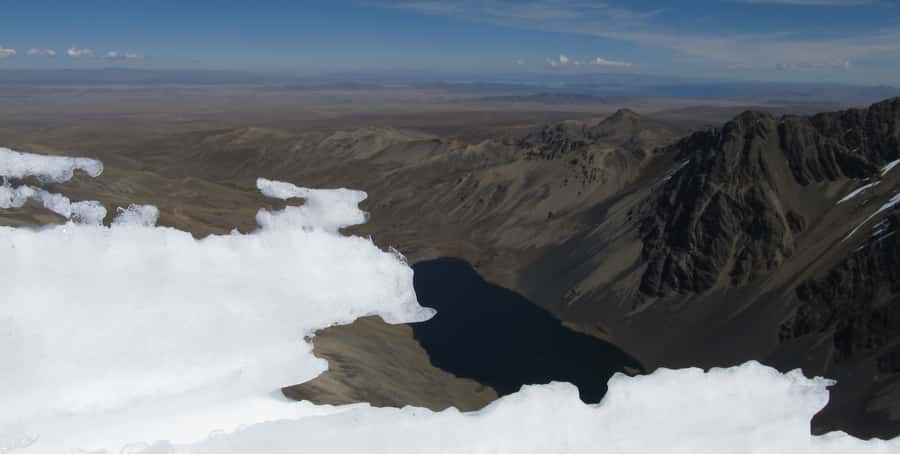
This trip suits you if you are already comfortable with long hikes and have spent several days acclimatizing in the Andes. It is especially useful if you are preparing for Huayna Potosí and want a demanding day to see how your body handles higher ground.
It also suits a fit visitor who wants one major mountain experience without technical equipment or a multi-day camp. The route gives you glaciers, lakes, high peaks, and a summit in a single day.
I would not recommend it as your first activity after landing in La Paz. The required acclimatization is real, and the altitude can overwhelm people who are otherwise young and fit. Pregnant women, people with heart problems, high blood pressure, or mobility impairments should not book this activity.
The information provided also mentions acetazolamide, commonly known as Diamox, at 125 mg in the morning and 125 mg in the evening before the climb. Medication decisions belong with your doctor, so do not treat that note as a substitute for medical advice.
Guides, pace, and group style
The strongest part of the guiding service is the emphasis on pace and patience. Patricia has been praised for keeping a good rhythm, while Andrés helped one exhausted climber reach the finish through calm encouragement. Those details matter because the best guide on a high mountain is not the one who races ahead. It is the one who watches how you are coping.
English and Spanish guiding are available. Private and small-group options are offered, so ask about the group size when comparing departures. A smaller group is likely to feel more personal, but the supplied price does not specify a different cost for each format.
The guide also provides practical support through the day. Transport, warm clothing, trekking poles when required, lunch, and a first-aid kit reduce the amount of planning you need to do. The guide cannot remove the altitude, though. You still have to judge your condition honestly.
Weather, cancellation, and practical limits
Weather can change quickly in the high mountains. The key booking condition is blunt: no refund is issued because of bad weather. That makes flexible planning and travel insurance more important, particularly if you have only one free day in La Paz.
Free cancellation is available up to 24 hours before the scheduled activity for a full refund. You can also reserve now and pay later, which helps if you are arranging a longer Bolivia itinerary and want to wait before making the payment.
Bring your passport or ID card and a visa if required. Pets are not allowed. Hotel pickup and drop-off are included in or near the city center, but outside-city pickup costs extra.
You should also bring clothing layers suitable for severe cold, personal medication, and a daypack if you do not rent the available backpack. The operator supplies a jacket and pants, but personal comfort items and any preferred snacks remain your responsibility.
Should you book Austria Peak?
Book this trip if you want a demanding, high-altitude day with a real summit, excellent Condoriri scenery, and a useful test before Huayna Potosí. The combination of included equipment, transport, lunch, and experienced pacing makes $188 reasonable for a private or small-group mountain day.
Skip it if you have not acclimatized, dislike long descents, or need a weather-based refund guarantee. The lower lake hike can provide a good backup, but the summit is never automatic.
For the right person, Austria Peak is a memorable first 5,000-meter experience. Just respect the mountain. Arrive acclimatized, start slowly, listen to your guide, and save some strength for the walk back.
FAQ
How high is Austria Peak?
Austria Peak reaches 17,388 feet.
How long is the walking portion?
The trek takes approximately six to eight hours.
How much driving is involved?
The experience includes a two to three-hour drive as part of the transfer to and from the Condoriri area. The full day can be very long.
Do I need technical climbing skills?
No technical skill is required, but you need a good level of physical fitness and prior acclimatization.
How should I prepare for the altitude?
Two to three days between approximately 9,840 and 16,400 feet is described as sufficient acclimatization before the climb.
What equipment and food are included?
The tour includes a jacket, pants, trekking poles if needed, a boxed lunch with drinks, all transport, and a first-aid kit. A backpack is available to rent separately.
What happens if I cannot reach the summit?
A lower hike around the lake at approximately 14,100 feet may be possible if altitude prevents you from continuing toward the summit. No refund is issued in the case of bad weather.
Just added around Austria
- Ottakringer Brewery tour★ 4.0 · 6 reviews
- New Hofburg Palace Tour House of Habsburg★ 4.5 · 5 reviews
- Private Van & Walk Tour – One Perfect Day in Vienna★ 5.0 · 21 reviews
- True Crime mobile puzzle rally Vienna★ 4.0 · 3 reviews
- Vienna Naschmarket Food Tasting Tour★ 4.0 · 30 reviews
- Vienna Nightlife Experience: Food, Wine, Cocktails & Vibes★ 5.0 · 119 reviews
- Myth Mozart★ 4.0 · 80 reviews
- ( Night Tour ) With Private Guide + wine or prosecco★ 4.0 · 12 reviews