
Reviewed · WINE TOURS
Guided Wine Tasting in a Hidden Wine Bar
Salzburg’s De Gustibus wine shop offers a quick way to taste Austria beyond beer and schnapps. In about 45 minutes, you sample three wines with small regional snacks while learning about Austrian grapes, producers, and wine traditions that reach back to Roman times. The setting is informal, right in the city center, rather than a grand cellar.
I like the small group size, capped at 10 people, and the chance to meet locals or other wine drinkers at the bar. I also like the simple pairing of sparkling, white, and red wines when that selection is offered. The main caution is consistency: some visits have included clear explanations and warm hosting, while others have felt like three glasses poured with little instruction.
Key points to know before booking
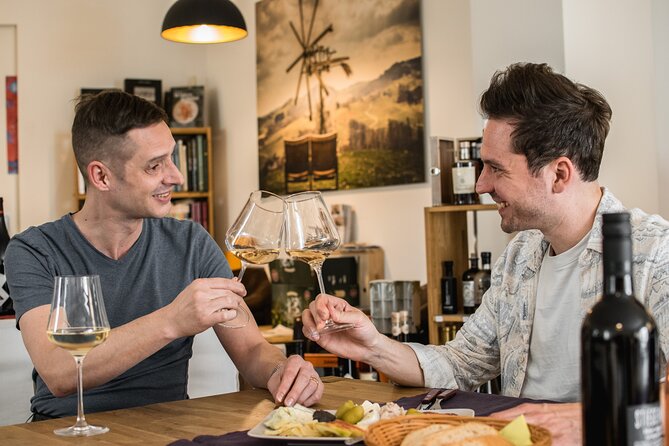
- Three Austrian wines: The standard experience includes a sparkling, white, and red selection when available, paired with small local snacks.
- A central starting point: Meet at De Gustibus, Bergstraße 14, 5020 Salzburg, and finish at the same place.
- A compact 45-minute format: This works well before dinner, a concert, or an evening walk through Salzburg.
- Premium option available: Pay for the upgraded version to add three more wines, more snacks, and visits to additional wine bars.
- A very small group: No more than 10 people can join, though the feel may vary if only one or two people attend.
- Mixed educational value: The wine can be good, but the depth of the explanation depends heavily on the host and the session.
Starting at De Gustibus on Bergstraße
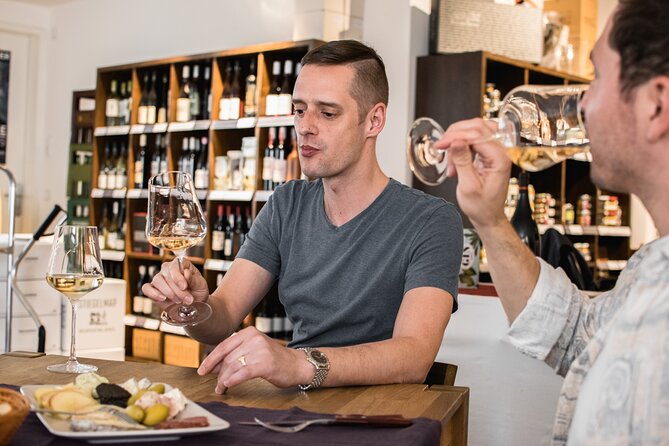
The experience begins at De Gustibus, a wine shop at Bergstraße 14 in central Salzburg. You do not need to travel out to a vineyard or arrange a taxi across the region. That makes this a practical city activity, especially if you have only a short stay or want to fit wine tasting between sightseeing stops.
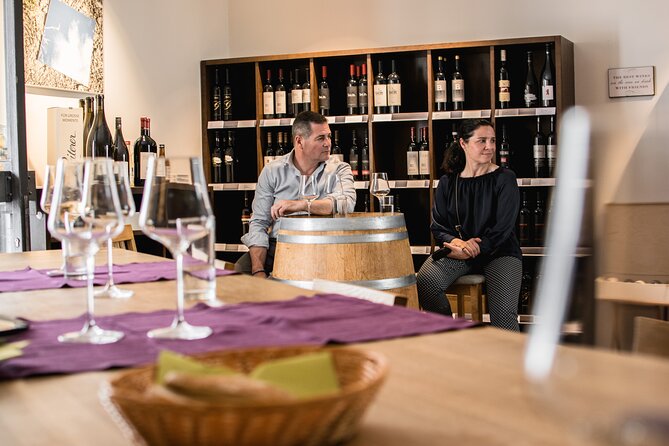
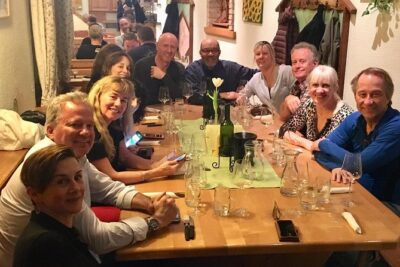
The setting is part shop and part wine bar. That has a useful advantage: you are surrounded by bottles and can see the kind of Austrian wine available for purchase. It also means the atmosphere may feel more like a neighborhood drinking spot than a formal tasting room.
The phrase hidden wine bar sets a certain expectation. You may picture a quiet back room, a candlelit cellar, or a place tucked far from the main streets. In practice, the bar is on a central street and the decor may be fairly plain. I would book this for the wine and social setting, not for theatrical interiors.
The meeting point is easy to use for a short city outing. It is near public transportation, and the activity returns there at the end. Confirmation comes when you book, and the mobile ticket means you do not need to print anything.
A few more Salzburg trips to weigh up
- Salzburg: Guided Wine Tasting in a Hidden Wine Bar
★ 4.4 · 58 reviews - Private Austrian Wine & Charcuterie Tasting Class with a Pro-Sommelière
★ 5.0 · 4 reviews - Wachau Valley Wine Tasting Bike Tour from Vienna
★ 5.0 · 829 reviews
Three wines and small Austrian pairings
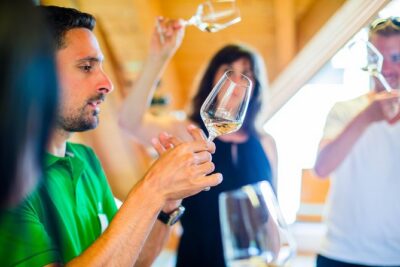
The standard tasting includes three wines. The exact lineup can vary, but sessions have included one sparkling wine, one white, and one red. That is a sensible introduction because it lets you compare several styles instead of drinking three similar bottles.
Austria is best known internationally for its white wines, especially those made from Grüner Veltliner, though the supplied details do not promise a particular grape or producer. You may therefore find that the tasting leans toward whites. One session served only white wines, which was disappointing for anyone expecting a broad comparison.
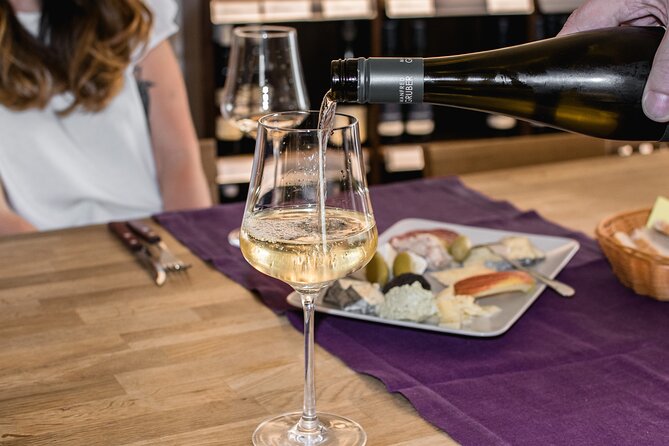
The food is served in small portions alongside the wine. Expect regional spreads and local delicacies rather than a full meal. The snacks have included nicely prepared appetizer plates and unfamiliar local foods that added something beyond the usual bread and cheese routine.
I like this pairing because a bite of food can change how a wine tastes. It also helps keep a short tasting comfortable. Still, do not arrive expecting dinner. If you are hungry, eat beforehand or plan a meal afterward.
The best version of the standard tasting moves in a clear order. The host pours a wine, explains its character and background, offers a snack, and gives you time to taste. Then the group moves to the next bottle. When this happens, you get more than a quick drink and a chance to understand why Austrian wine deserves space on your Salzburg plans.
The weaker version is much less structured. You may receive three pours while the owner handles other business or leaves you to chat. That is the most important uncertainty to understand before paying.
Austrian wine in a short historical setting
The experience places Austrian wine in a broad historical frame. Vine growing in Austria goes back to the Roman period, roughly two thousand years ago, and around 45,000 hectares of wine have been cultivated in the country over time. That context gives the tasting more meaning than a list of bottle labels.
You are not taking a vineyard tour, so the history remains an introduction rather than a full lesson in wine regions. A strong host can connect each bottle to its region, style, or producer and explain what you should notice in the glass. A less engaged host may offer little more than the information printed on the label.
If you care about wine education, this is where you should set your expectations carefully. Several sessions have provided interesting explanations and clear introductions. Others have offered very little information about Austrian regions or producers. The experience is therefore better suited to casual learning than to anyone seeking a serious wine seminar.
I would use the tasting as a starting point. If a wine catches your attention, ask where it comes from, which grape it uses, and whether the shop sells it. The informal setting may make questions easier than a highly scripted class, but you may need to prompt the host.
The social side of a local wine bar
The most praised feature is often the atmosphere. The owner has been described as warm, fun, and welcoming, and the small setting can lead to easy conversation. You might find yourself chatting with local people who came in for an afternoon drink or with other visitors who are also exploring Salzburg.
That social element is not a minor detail. If you want a polished, private tasting with constant expert attention, the shop-bar format may disappoint. If you enjoy sitting at a counter, meeting people, and letting the afternoon unfold, it can be a pleasant break from Salzburg’s formal sights.
One especially useful benefit is the local conversation that can happen around the bar. People may share ideas about places to visit, though the experience does not promise a separate city orientation. Think of this as casual contact, not a guided tour of Salzburg.
The mood can change with group size. A full group of up to 10 should feel more lively, while a session with only two people may feel awkward or unusually quiet. One small-group visit felt uncomfortable because the pair did not find the setting natural. That is hard to predict in advance.
Same Alps, a completely different kind of day:
- The Original Sound of Music Tour in Salzburg
★ 4.5 · 6,129 reviews - Salzburg: Original Sound of Music Tour
★ 4.8 · 5,059 reviews - From Salzburg: Half-Day Tour to Hallstatt
★ 4.6 · 3,596 reviews - Salzburg: Mozart Concert at Mirabell Palace
★ 4.8 · 3,498 reviews
Standard or premium: which option makes sense?
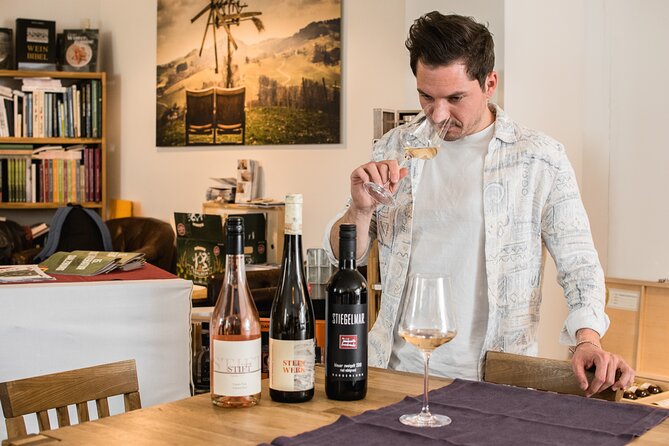
The standard experience costs $45.27 per person and lasts about 45 minutes. That price is reasonable if you receive three good pours, useful explanations, and well-matched snacks in a pleasant setting. It is harder to justify if the host simply pours wine without teaching you much.
The premium option adds three more wines, more snacks, and wine-bar hopping. In other words, you get six wines in total and a longer social outing, although the exact timing is not provided. The upgrade makes more sense for people who want wine to be a main part of the afternoon rather than a quick introduction.
I would choose the standard option if you are curious about Austrian wine but have a busy Salzburg schedule. It gives you a compact taste and leaves your evening open. I would consider premium if you already enjoy wine, like moving between informal bars, and want more time for conversation.
Do not choose premium solely to fix a weak educational experience. More glasses do not automatically mean better explanations. The extra option is valuable when the hosting is engaged and the atmosphere suits you.
What the strongest sessions get right
The best sessions have several things in common. You receive a thoughtful lineup, such as sparkling, white, and red wines. The host explains what is in the glass and connects it to Austria’s wine culture. The snacks feel fresh and local rather than an afterthought.
A well-run tasting can also feel personal because the group is small. You can ask questions, compare impressions, and talk with the people nearby. One particularly successful style included historical storytelling, songs about wine, a festive mood, gracious hospitality, and a selection of five wines. That is more entertainment than the basic format promises, but it shows how much personality can shape the outing.
The strongest experiences also leave you with a favorite bottle or style to look for during the rest of your Austria trip. A wine from the Weinviertel region, including a Weinviertel DAC Reserve, has been singled out as a standout choice during one expanded tasting. That does not guarantee the same bottle will be served, but it shows the sort of regional discovery the experience can provide.
Where the experience can fall short
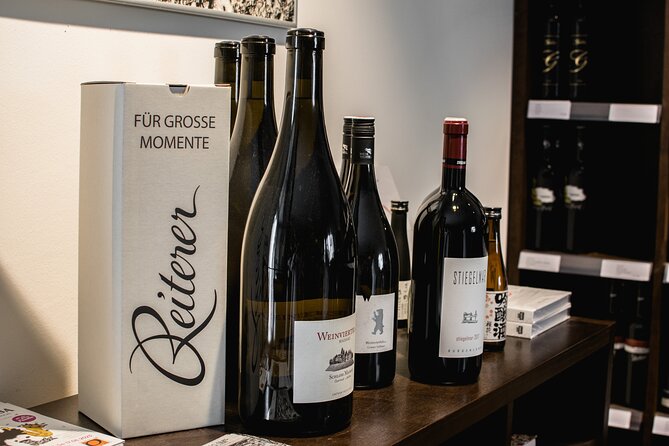
The biggest weakness is uneven hosting. You may get a genuine introduction to Austrian wine, or you may get three glasses and little else. One poor session involved the host stepping away halfway through, with no useful map of Austrian regions and no explanation of producers or tasting notes.
Another concern is wine variety. The advertised concept suggests classic regional wines and other Austrian bottles, but a session serving only whites will not satisfy you if you want to compare styles. Ask at the start what is being poured if the range matters to you.
The setting may also feel less special than the name suggests. De Gustibus is on a main street, and the decor has not impressed everyone. I would not pay this price for the room alone. The value rests on the bottles, snacks, and host.
There has also been a complaint about the host drinking more than the people attending. That is not how a professional tasting should feel. A response to one such problem stated that the guide had been spoken to, so the issue was recognized, but you should still understand that the standard of service has not been perfectly even.
Timing, age rules, and practical details
The tasting takes approximately 45 minutes, which makes it easy to place in a Salzburg itinerary. You can schedule it before dinner or after a morning of sightseeing without giving up half a day.
The minimum drinking age is 18. Service animals are allowed, and most people can participate. The group maximum is 10, which keeps the basic format personal when the session fills normally.
You meet and finish at De Gustibus, Bergstraße 14, 5020 Salzburg. The location is near public transportation. Since the activity ends where it starts, you do not need to arrange a separate pickup or find your way back from another bar.
Free cancellation is available if you cancel at least 24 hours before the starting time. Cancellations or changes made less than 24 hours ahead are not accepted for a refund, and the cut-off uses Salzburg local time.
Who should book this Salzburg tasting?
I would recommend it to you if you want a short introduction to Austrian wine without leaving the city. It suits couples, small groups, and solo visitors who like the chance to meet people over a drink. The small snacks, central location, and mobile ticket make it easy to add to a day of sightseeing.
It is also a good fit if you value atmosphere as much as instruction. The friendliest sessions have included local conversation, a warm welcome, tasty plates, and good wine. You may enjoy it even if the educational side is light.
I would hesitate if you are a serious wine student or expect a formal class. You may want detailed maps, producer notes, regional comparisons, and a dependable tasting sequence. This experience does not guarantee that level of teaching.
Should you book it?
Book the standard tasting if you want a convenient, social sample of Austrian wine and can accept some variation in the hosting. At $45.27, it offers fair value when the three wines come with real explanation and good snacks, but it feels expensive when the session is little more than pouring.
Choose the premium version only if you want six wines, extra food, and more bar time. Before the first pour, ask what styles are included and whether the host will explain the regions and producers. That small question can help you decide if the session matches what you came to learn.
FAQ
Where does the wine tasting start?
It starts at Wine shop De Gustibus, Bergstraße 14, 5020 Salzburg, Austria.
Where does the activity finish?
The activity ends back at the meeting point at De Gustibus.
How long does the tasting last?
The standard experience lasts approximately 45 minutes.
How many wines are included?
The standard option includes three wines. The premium option adds three more wines, for a total of six.
What food is served?
The wines are paired with regional spreads and small local delicacies. The premium option includes additional snacks.
Is the tasting offered in English?
Yes. The experience is offered in English.
What is the minimum drinking age?
The minimum drinking age is 18 years old.
Can I cancel for a full refund?
Yes, if you cancel at least 24 hours before the experience start time. Cancellations or changes made less than 24 hours before the start time are not refunded.
More Food & Drink in Salzburg
- Salzburg: Stiegl Brewery Tour with Beer Tasting
★ 4.7 · 278 reviews - Salzburg: Stiegl Brewery Museum Entry Ticket & Beer Tasting
★ 4.0 · 35 reviews - Salzburg Food Tasting Tour: delicious & fun
★ 4.5 · 29 reviews - Private Austrian Food Tasting Tour in Salzburg’s Old Town
★ 4.5 · 3 reviews
Just added around Salzburg
- Private Werfen Ice Cave and Golling Waterfall from Salzburg★ 5.0 · 15 reviews
- Zell am See Alpine Village Private Day Trip from Salzburg★ 5.0 · 3 reviews
- Viator Exclusive: ‘The Sound of Music’ Private Tour★ 5.0 · 28 reviews
- Private transfer from Salzburg to Vienna, 2 hours for sightseeing★ 4.5 · 7 reviews
- Werfen World’s Largest Ice Caves and Golling Waterfalls Tour★ 4.5 · 7 reviews
- Musical Salzburg: Follow the Trail of the Beloved Movie★ 5.0 · 5 reviews
- Private Transfer from Salzburg to Munich with 2 hours for sightseeing★ 5.0 · 8 reviews
- Private Austrian Food Tasting Tour in Salzburg’s Old Town★ 4.5 · 3 reviews
Wine Tours, compared.
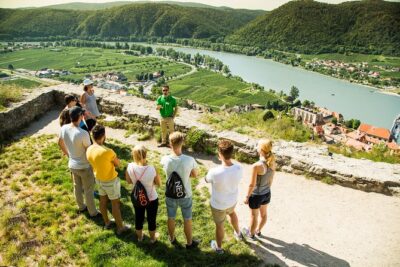
Wachau Valley Wine Tasting Bike Tour from Vienna
Read our review →
Wachau Valley Small-Group Tour and Wine Tasting from Vienna
Read our review →
Grape Grazing: Wachau Valley Winery Biking Tour
Read our review →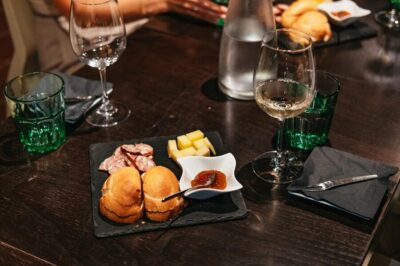
Wine Tasting Experience in a Private Wine Cellar
Read our review →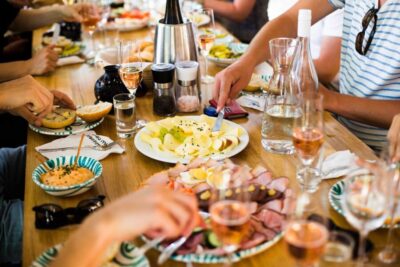
Browse the lists this tour appears in