Reviewed · TOURS
Taste and Tour Small Organic Wineries with a Winemaker
The best part of this Lower Austria wine outing is the personal access. Chris, a vineyard owner and winemaking student, takes you beyond standard tasting rooms to his own vines and small cellars where the people pouring your wine also grow the grapes. You see wine at ground level, from soil and pruning to bottles and cheese on the table.
I like the mix of hands-on vineyard time and small-producer tastings. I also like the private format: Chris can shape the afternoon around your interests, answer questions in clear English, and adjust the starting time when possible. The main catch is that this is not a gentle, sit-in-one-room tasting. You may walk on sloping vineyard paths, so hiking shoes and a reasonable level of fitness matter.
Key points to know before you book
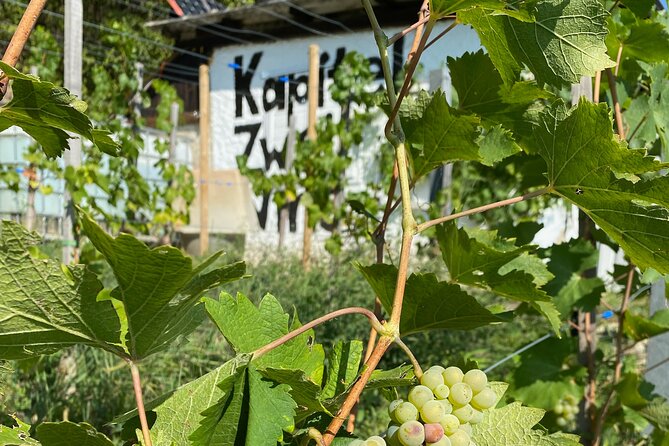
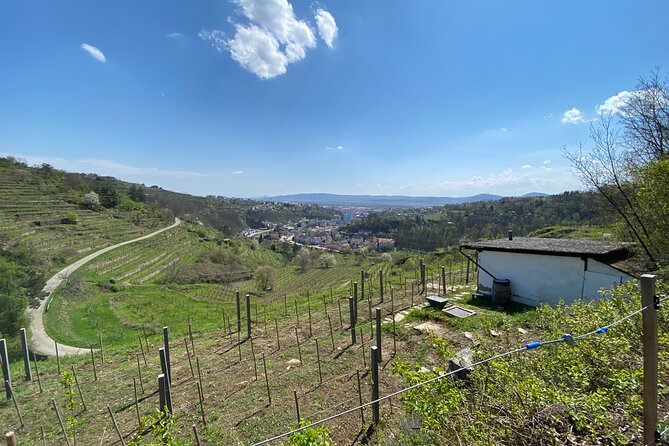
- Meet Chris at his own vineyard: See the early stages of Kapitel Zwei Wine and take in broad views over the countryside around Krems.
- Visit two additional small wineries: Meet local winemakers in their cellars and taste bottles rarely found in supermarkets.
- Taste across Austria’s wine spectrum: The program can include red, white, sparkling, and sweet wines, with local bread and cheese.
- Learn from a working winemaker: Chris studied viticulture and wine business while building his own small vineyard with Chenin Blanc, Roussanne, and Sémillon.
- Plan for a three-and-a-half-hour private outing: Transport between stops is included, but walking in the vines can be affected by weather and fitness.
Why this is different from a standard wine tasting
Many wine tastings give you a glass, a short explanation, and a sales counter. This experience gives you a person who is still making decisions in the vineyard. Chris left a 25-year corporate communications career, returned to school in 2021 for a three-year viticulture and wine business degree, and bought a small Austrian plot for his second career in wine.
That background shapes the afternoon. You are not simply hearing polished facts about winemaking. You can ask why a vine is pruned in a certain way, how a grower thinks about grape varieties, or what must happen between harvest and bottling. Depending on the season, Chris may show you how to prune the vines, which makes the work behind every bottle easier to understand.
His own vineyard grows white grape varieties including Chenin Blanc, Roussanne, and Sémillon. At the time described for this experience, his first vintage was planned for bottling in late 2024. That gives you an unusual view of a young wine business taking shape, rather than only seeing established estates with finished products.
The private format matters here. A large group can make it hard to ask basic questions or spend time with a winemaker. With Chris, you can set the pace around your wine experience and preferences. If you care more about farming than tasting notes, say so. If you want to compare styles and grape varieties, say that instead.
Other Austria days people book alongside this one:
- Vienna: Vivaldi’s Four Seasons Concert in Karlskirche
★ 4.7 · 14,951 reviews - Vienna: Spanish Riding School Training
★ 3.9 · 9,281 reviews - Vienna: Skip-the-cashier-desk-line Giant Ferris Wheel Ride
★ 4.5 · 7,859 reviews
Starting at Bahnhofplatz in Krems
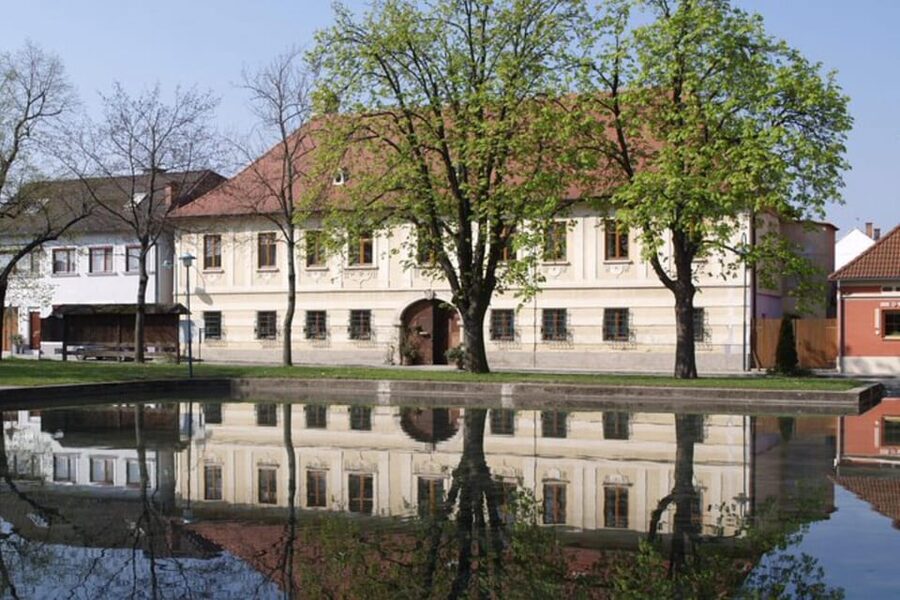
The meeting point is in front of the train station at Bahnhofplatz 3, with some flexibility. This is useful if you are arriving by rail or connecting the wine outing with time in Krems. Chris has also provided a short walking tour of the town for some visitors, but that is not presented as a fixed part of every outing, so ask about it when arranging your day.
The included air-conditioned vehicle takes you between the vineyard and wineries. That is a real advantage in wine country. You do not need to organize several taxi rides, designate a driver, or try to connect rural cellars by public transport. It also lets you taste without worrying about driving afterward.
The activity lasts 210 minutes, or three and a half hours. That is long enough for three tasting stops without turning the day into an all-day wine marathon. The exact starting time depends on availability, and Chris asks you to share your preferred start time when booking.
Stop one: Chris’s vineyard and the view over the valley
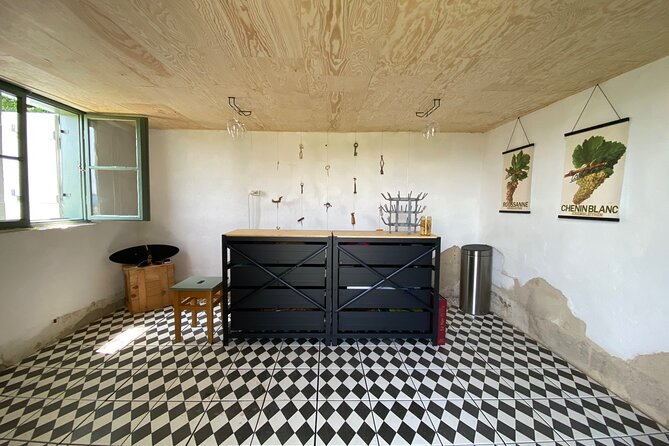
The first stop is the most personal one. At Chris’s plot, you see the vines he is building into Kapitel Zwei Wine. The vineyard sits at a high point with views over the valley below, giving you both a working introduction to grape growing and a good photo stop.
This is where the activity earns its practical edge. You can look closely at the vines, discuss the choices involved in growing grapes, and learn how seasonal work affects the final bottle. If your visit falls during a pruning period, you may get an explanation or hands-on lesson in that task. Weather and time of year control what is possible, so do not expect the same vineyard work in every month.
The plot is not described as a polished visitor center, and that is part of its appeal. You are seeing a small operation in progress. You might find uneven ground, exposed paths, and a more informal setup than at a major estate. Bring hiking shoes, especially if the weather has been wet or if you are not comfortable walking on vineyard slopes.
There may also be a tasting connected with this stop, but the main value is meeting Chris and seeing his own work. His vineyard gives the rest of the afternoon a useful frame. Afterward, when you taste someone else’s wine, you have a clearer idea of the labor and choices behind it.
Stops two and three: small cellars with real human contact
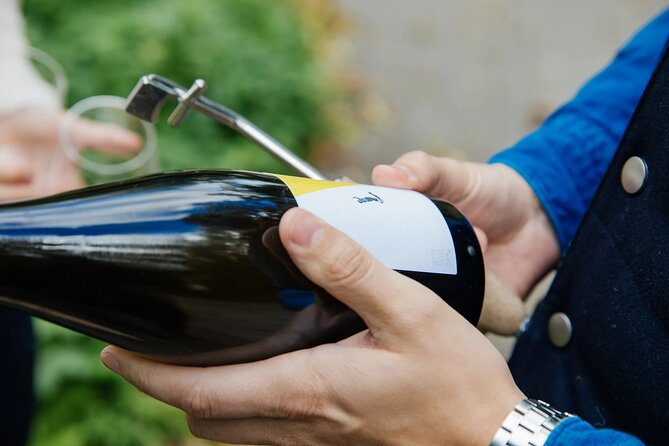
The remaining stops are at two local wineries. Chris arranges visits with small organic producers and drives you there himself. The exact wineries can vary, which is an advantage if the plan is matched to your taste, but it also means you should not expect a fixed list of estates.
At each cellar, you can meet the people making the wine and hear about their methods, history, and connection to the region. The visits are designed around conversation rather than a quick pour at a busy counter. That gives you a chance to ask about organic farming, cellar equipment, fermentation, bottling, and the daily work of running a small wine business.
The two wineries may offer different views of the trade. One might feel like a newer or smaller operation, while another may be further along. Seeing different stages of development is one of the strongest parts of the experience because it shows that there is no single way to run a winery.
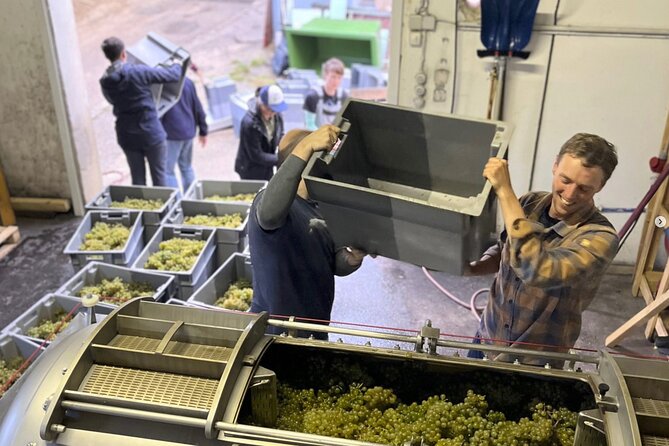
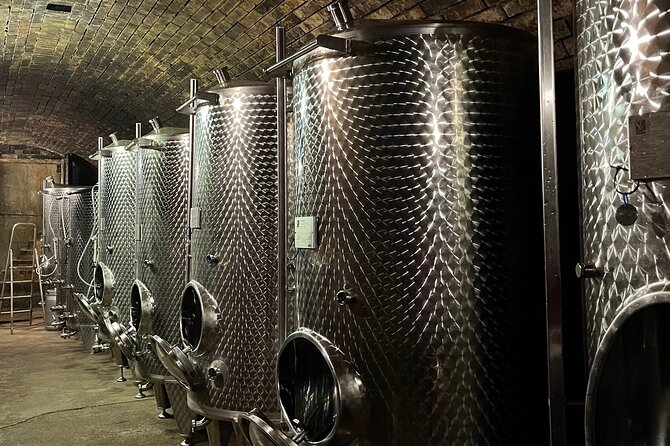
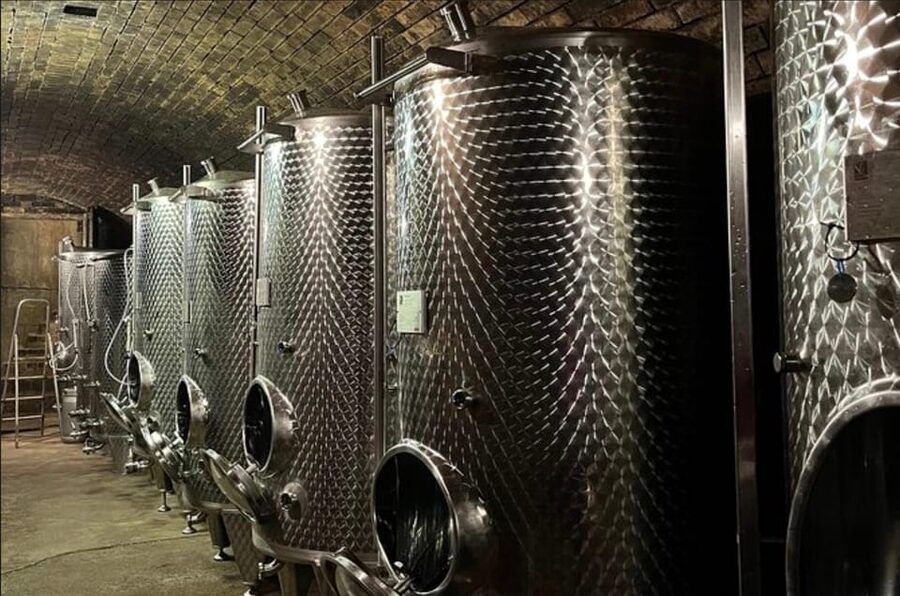
The cellars are especially worth your attention. Instead of tasting only the finished product, you can see the equipment and spaces used to make it. The experience connects the practical work in the vines with what happens after the grapes are picked. If you have visited large wine estates before, these smaller rooms may feel more direct and less formal.
The organic focus is important, but you should understand what it means here. The experience centers on small producers making wine naturally and organically. It does not promise that every bottle at every stop follows one identical certification or production method. Ask the winemaker to explain the farming and cellar choices for each wine you taste.
Same Alps, a completely different kind of day:
- Vienna: Schönbrunn Palace & Gardens Skip-the-Line Tour
★ 4.7 · 7,739 reviews - Vienna: Light of Creation Votive Church Immersive Light Show
★ 4.8 · 6,779 reviews - Vienna Spanish Riding School Guided Tour
★ 4.7 · 6,765 reviews - Vienna: Classical Concert in the World-Famous Musikverein
★ 4.6 · 6,673 reviews
What you will taste, and why the food helps
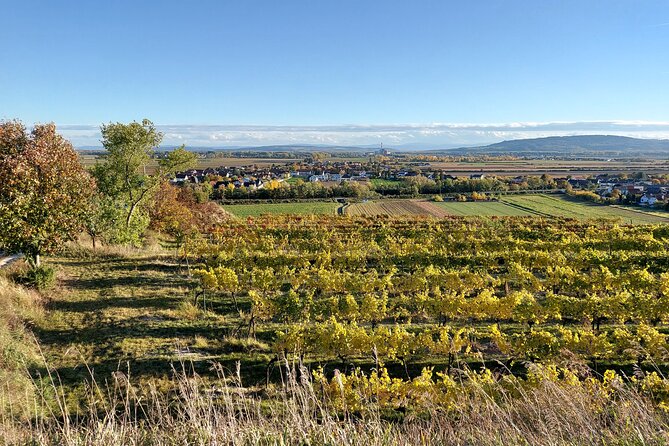
The tasting selection can include red, white, sparkling, and sweet wines. That range is useful if you want more than a single grape or style, and it gives Chris room to match the afternoon to your preferences.
The wine comes from small producers whose bottles are not generally found in supermarkets. That does not automatically mean every bottle will suit your palate, but it does mean the tasting has a sense of place and discovery. You are trying wines that are less likely to appear in a standard international lineup.
Chris provides snacks and can pair the wines with local cheese, bread, and other simple bites. This is not a full meal, so eat beforehand if you need lunch. The food is there to refresh your palate, soften the effect of several tastings, and show how the wines work with local products.
You can also buy bottles from the producers. Since these are small wineries, availability may be limited, and shipping rules vary by country. If you find something you want, ask about transport and customs before filling your suitcase.
The value of $111 for a private afternoon
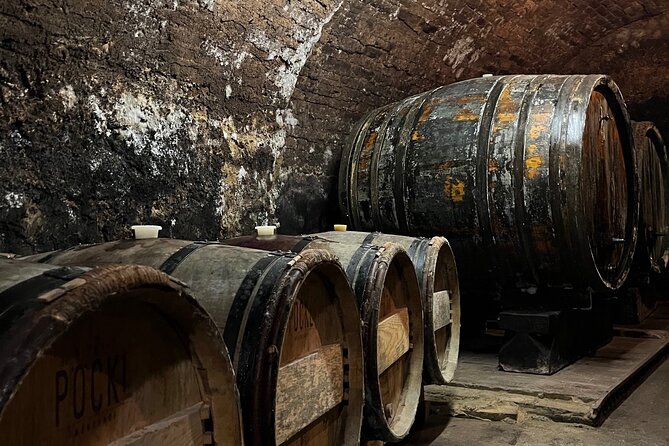
At $111 per person, the price is higher than a basic tasting at one winery, but the comparison is not quite fair. You are paying for 210 minutes, private transportation, three wine-focused stops, an English-speaking host, snacks, alcoholic drinks, and access to small producers.
The guide is also the owner of a vineyard and an active wine student. That gives you a level of context that a general sightseeing driver may not provide. Chris can explain what he is learning and applying in his own vines, then connect those ideas with the work at the other wineries.
For two people, the cost buys a private experience rather than a seat in a large bus group. That is particularly good value if you want to ask many questions, need a flexible start, or have clear preferences about wine styles. It is less compelling if you only want a cheap way to sample Austrian wine and do not care about vineyards or production.
The price also includes the driving, which removes the practical problem of tasting several wines in rural areas. You are not paying only for glasses of wine. You are paying for access, local connections, transport, and time with people who make the product.
Who will enjoy this, and who should think twice
I would recommend this for couples, friends, and small private groups who want to understand Austrian wine rather than simply drink it. It suits beginners because Chris can explain the basics, but it also works for experienced wine drinkers who want lesser-known bottles and direct contact with producers.
It is a particularly good fit if you are staying in Krems or visiting the Wachau and Lower Austria wine country. It can also work as a day trip from Vienna, with the area described as roughly an hour away. Check your wider schedule carefully if you have a fixed train, cruise, or boat departure. One visitor nearly missed a boat after enjoying the afternoon, which is a useful reminder not to schedule a tight connection.
You should be comfortable with a flexible plan. The start time can be arranged around availability, and the wineries may vary according to your interests, season, and local schedules. That flexibility is a strength, but it is not ideal if you want a rigid list of named estates and exact tasting menus.
This is not suitable for children under 18. The activity also lists limits for people over 200 centimeters or 150 kilograms, and it is not recommended for people with a low level of fitness or those over 95. Those limits may relate to the vehicle and vineyard walking, so contact the provider if you have questions about your own situation.
Practical tips for a better afternoon
Wear hiking shoes, not smooth-soled city shoes. You may walk among vines, and the ground can be uneven even when the weather is pleasant.
Bring a light layer for the cellars and outdoor stops. The supplied information does not promise a particular cellar temperature, but wine cellars are often cooler than the road or vineyard. Dress for movement rather than a formal tasting room.
Tell Chris your preferences before the day begins. Mention favorite grape varieties, sweetness levels, red or white wine preferences, and how much you already know. The route can be adjusted to suit your group, and specific questions will help him make better choices.
Do not plan a large meal during the 210 minutes. Snacks and local cheese are included, but the focus is on tasting and conversation. A proper meal before or after the activity will make the afternoon more comfortable.
Remember that the vineyards are working farms. Seasonal tasks, weather, and the stage of the vines shape what you see. Pruning may be possible at one time of year and irrelevant at another. The changing program is part of seeing real wine production rather than a staged show.
Should you book this wine experience?
Book it if you want small organic wineries, personal introductions, and a guide who is building his own wine business from the ground up. The strongest reasons are the vineyard visit, the valley views, the two cellar meetings, and Chris’s ability to explain wine in plain English.
Skip it if you want a formal grand-estate tour, a guaranteed list of famous wineries, or a fully seated experience with no walking. For everyone else, $111 is a fair price for a private afternoon that combines transport, tastings, food, scenery, and access to people you would be unlikely to meet on your own.
The best way to approach it is with curiosity and comfortable shoes. You will come away with more than a favorite bottle. You will understand how much work, judgment, and patience sit behind it.
FAQ
Where does the wine tour meet?
The usual meeting point is in front of the train station at Bahnhofplatz 3. The meeting location is flexible, so confirm the details with Chris before the activity.
How long does the experience last?
The activity lasts 210 minutes, or three and a half hours.
Is transportation between the wineries included?
Yes. Chris organizes the schedule and drives you to each vineyard and winery in an air-conditioned vehicle.
What wines can I taste?
The tasting may include red, white, sparkling, and sweet wines. The exact selection can be shaped around your group’s interests and preferences.
Are the wineries organic?
The experience focuses on organic wines from small producers who make wine naturally. The specific wineries and bottles may vary.
Will I meet the winemakers?
Yes. The experience is arranged so you can meet vignerons in their vineyards and cellars and learn about their work.
Can I walk in the vineyards?
Depending on the weather, your interests, and your fitness level, the activity may include walking in vineyards. Hiking shoes are required or strongly advised.
Is food included?
Yes. Snacks, alcoholic beverages, and the chance to pair wine with local cheese are included. Bread and cheese may also be provided during the tastings.
Is the tour suitable for children?
No. The experience is not suitable for children under 18. It also lists restrictions for people over 200 centimeters or 150 kilograms, people with a low level of fitness, and people over 95.
Just added around Austria
- Ottakringer Brewery tour★ 4.0 · 6 reviews
- New Hofburg Palace Tour House of Habsburg★ 4.5 · 5 reviews
- Private Van & Walk Tour – One Perfect Day in Vienna★ 5.0 · 21 reviews
- True Crime mobile puzzle rally Vienna★ 4.0 · 3 reviews
- Vienna Naschmarket Food Tasting Tour★ 4.0 · 30 reviews
- Vienna Nightlife Experience: Food, Wine, Cocktails & Vibes★ 5.0 · 119 reviews
- Myth Mozart★ 4.0 · 80 reviews
- ( Night Tour ) With Private Guide + wine or prosecco★ 4.0 · 12 reviews
Tours, compared.
Schönbrunn Palace & Gardens Skip-the-Line Tour
Read our review →

Skip-the-Line Sisi Museum, Hofburg and Gardens Tour
Read our review →
Skip-the-Line Schönbrunn Palace & Gardens Tour
Read our review →
Guided Walking Tour of City Center Highlights
Read our review →