
Reviewed · INNSBRUCK TOURS
Innsbruck: Tickets for Schloss Ambras
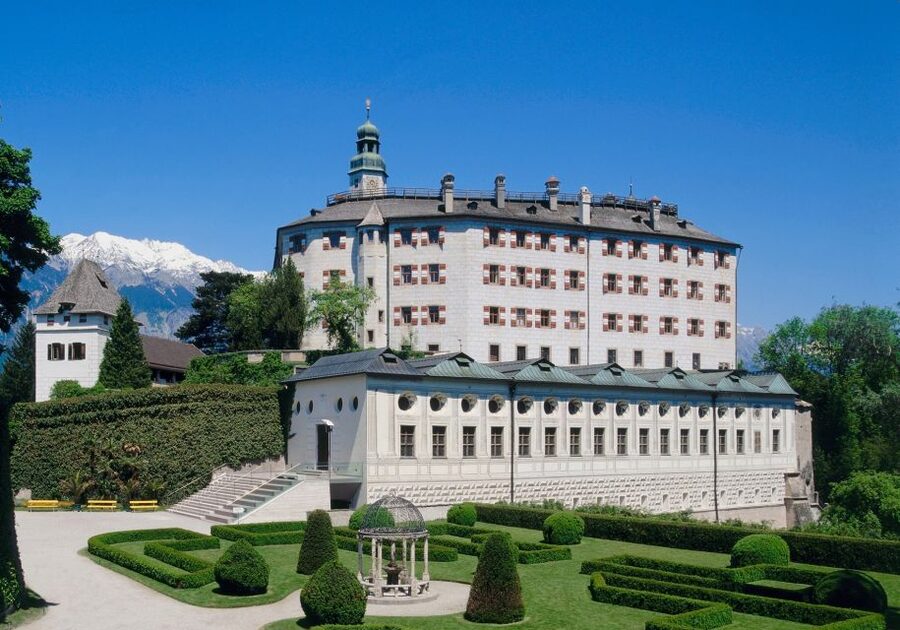
Schloss Ambras packs the strange, grand, and wonderfully nosy side of the Renaissance into one visit. You can inspect coral, ivory, scientific instruments, unusual musical tools, portraits of people once considered miracles, and armor made for war and court ceremony.
I like the freedom of a one-day ticket, which lets you set your own pace, and I like the range of the collection: the oddities in the Chamber of Art and Wonders feel very different from the formal Habsburg portraits. The main drawback is that admission does not include an audio guide or guided tour, so you will need to bring your own context or pay extra for help.
- Renaissance curiosities: See objects from distant places, rare natural materials, scientific devices, games, and unusual instruments.
- Ferdinand II’s armories: Examine tournament armor, ceremonial suits, famous generals’ armor, and the Turkish Chamber.
- More than 200 portraits: Follow the Habsburg family through several centuries of European history.
- Great masters on display: Look for works linked to Lukas Cranach, Giuseppe Arcimboldo, Peter Paul Rubens, Anton van Dyck, and Diego Velázquez.
- Flexible one-day admission: Visit Schloss Ambras on your own schedule during the selected date.
- Easy family appeal: The mix of unusual objects and armor gives children something concrete to spot and discuss.
Why Schloss Ambras feels different from a standard palace visit
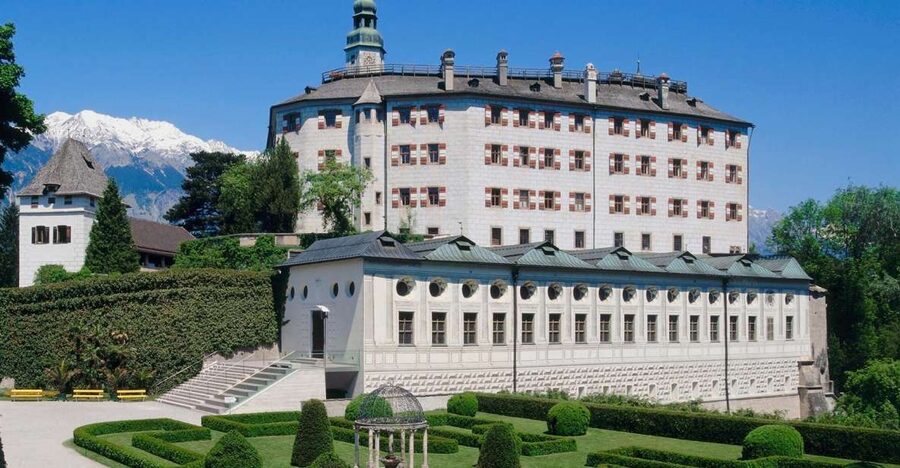
Many palace museums ask you to admire rooms, furniture, and royal decoration. Schloss Ambras offers that, but its real character comes from Ferdinand II’s collecting habit. He did not gather only beautiful things. He wanted objects that showed the full scope of the world as people understood it in the Renaissance.
That makes the visit feel part palace, part museum, and part cabinet of curiosities. One room may present a finely made work of art. The next may show a natural oddity, a scientific object, or something brought from far beyond the Alps. I like this change of mood because it keeps the visit from becoming a long march past portraits and gilt frames.
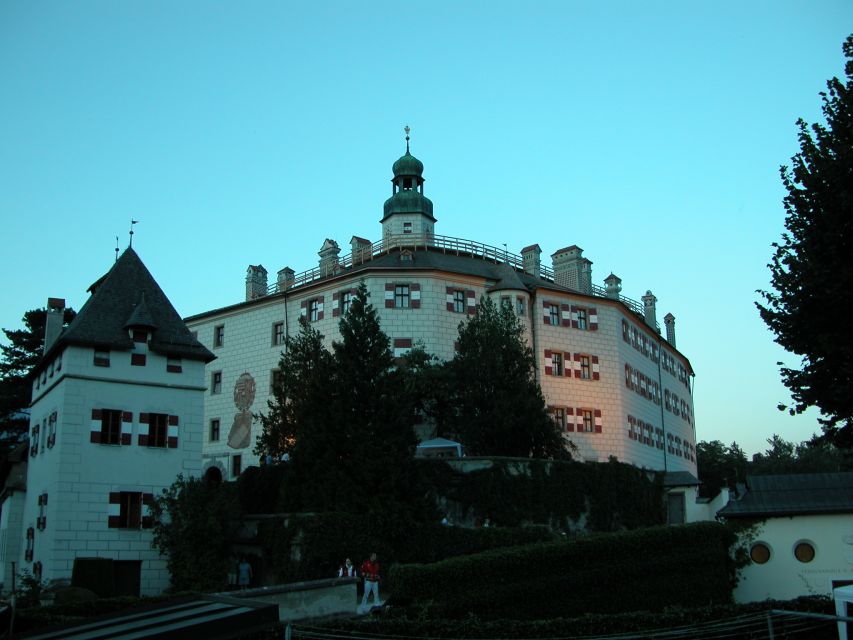
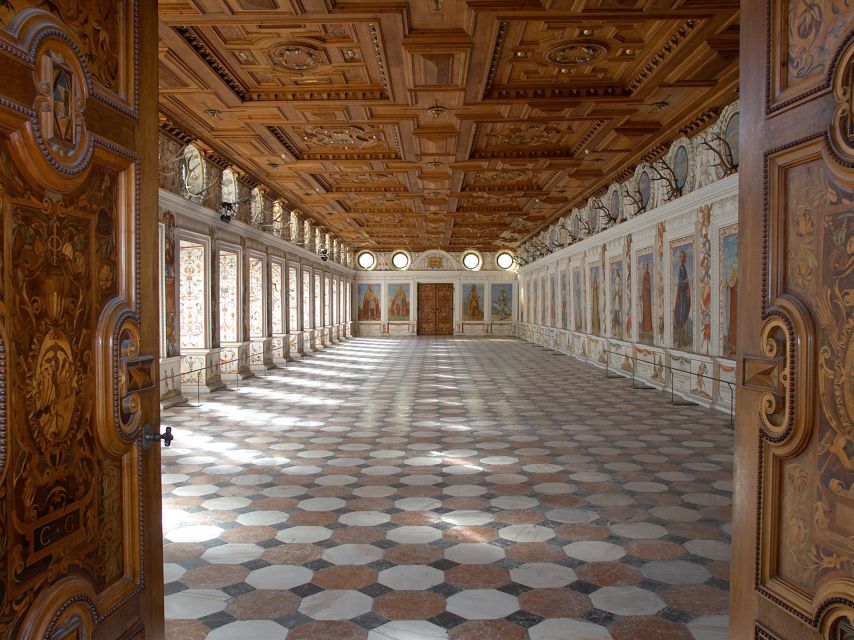
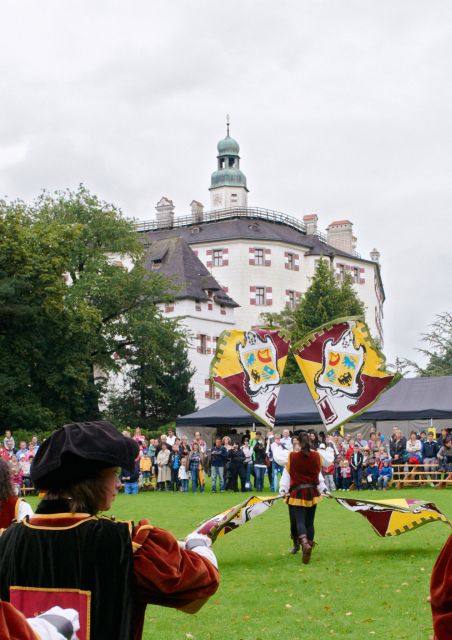
The setting is in Innsbruck, at Schlossstrasse 20, 6020 Innsbruck. The ticket covers admission to Schloss Ambras itself. You are not joining a timed sightseeing tour with a guide, and no transport is included in the admission. Plan your route to the castle separately and allow enough time to explore at a relaxed pace.
Entering Ferdinand II’s Renaissance collection
The central figure behind the collection is Archduke Ferdinand II, who lived from 1529 to 1595. Schloss Ambras gives you a direct look at his interests, especially his desire to arrange objects that represented art, nature, science, distant cultures, and human achievement.
This matters because the collection is more than a pile of old objects. It shows how a Renaissance prince tried to organize knowledge. You can see the period’s fascination with things that were rare, unfamiliar, technically clever, or hard to explain.
The visit works best if you resist the urge to rush toward the most famous paintings. The small objects can be just as memorable as the large works. A bowl from the Ryukyu Islands, a compass attachment, a coral object, or an unusual musical instrument can tell you as much about sixteenth-century curiosity as a grand portrait tells you about court life.
A few more Innsbruck trips to weigh up
- Wattens: Swarovski Crystal Worlds Entrance Ticket
★ 4.5 · 1,386 reviews - Swarovski Crystal Worlds Admission Ticket in Wattens
★ 4.0 · 859 reviews - Top of Innsbruck: Roundtrip Cable Car Ticket
★ 4.8 · 701 reviews
The Chamber of Art and Wonders
The Kunst- und Wunderkammer, or Chamber of Art and Wonders, is likely to be the most distinctive part of your visit. This was an encyclopedic collection, designed to bring many forms of knowledge together in one place.
Expect a mix of art, science, natural materials, distant objects, games, and human curiosities. The collection includes ivory and coral work, scientific objects, portraits of people considered miracles, and items from faraway places. Its purpose was not simply to decorate a room. It was meant to make the owner think, question, and marvel.
A few objects deserve special attention. The Tödlein is an important work of art with a macabre theme. The attachment with compass shows the practical and scientific side of the collection. The Ryukyu bowl points to contact with places far outside the immediate European world.
The portrait of the hairy man, known as the Haarmensch, reflects the Renaissance interest in people whose appearance was considered unusual. Today, the object may prompt a more thoughtful reaction than it did in Ferdinand’s time. It is worth considering how museums present these historical ideas, rather than treating every curiosity as a simple joke.
You may also find games and unusual musical instruments here. These details help keep the collection human. Renaissance collecting was not only about power and scholarship. It also involved play, entertainment, craftsmanship, and conversation.
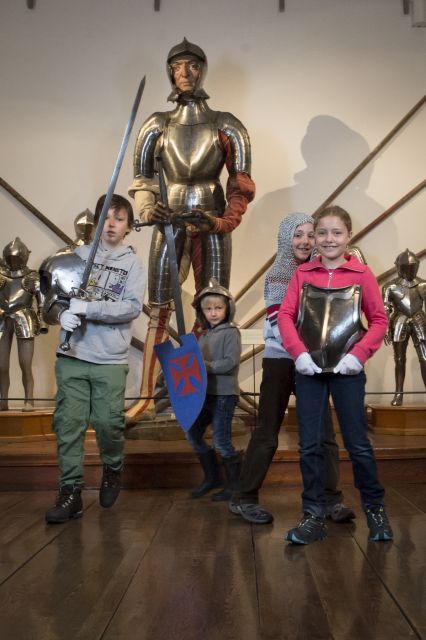
For children, this section can work especially well. Armor is an obvious draw, but strange objects and unusual portraits often hold attention longer than a formal gallery. You can make a simple game of finding the most unexpected object, the most delicate material, or the item that seems hardest to explain.
The armories, from tournament suits to the Turkish Chamber
The armories provide a strong change of pace. Here, the focus shifts from curiosities and small objects to protection, ceremony, military skill, and court display.
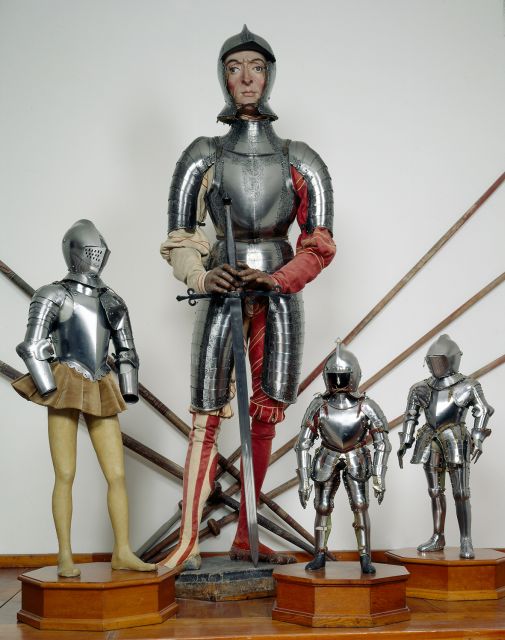
Look for rare tournament armor. Tournament armor was built for controlled contests, not simply for ordinary battlefield use. Its design tells you that armor could be both practical equipment and a public statement about rank, wealth, and athletic skill.
The ceremonial armor is another highlight. Armor made for courtly festivals was part of a performance. It helped transform a public event into a display of status. Fine construction mattered, but so did the impression made on everyone watching.
You will also see armor linked to famous generals. These pieces connect the display to particular military reputations, though the supplied information does not identify every individual suit. Even without a guide, the difference between tournament armor, ceremonial armor, and military armor gives you a useful way to read the room.
The Turkish Chamber adds another layer. It documents both fear of the Ottoman Turks and European fascination with the Orient during the sixteenth century. That combination is important. The display is not just a record of military conflict. It also shows how the Ottoman world shaped European imagination, fashion, collecting, and court culture.
I find this section valuable because it puts the Renaissance prince’s curiosity beside his concerns about power and danger. In the Chamber of Art and Wonders, Ferdinand collected the unusual. In the armories, he displayed the tools and symbols of authority.
The Habsburg portrait gallery across four centuries
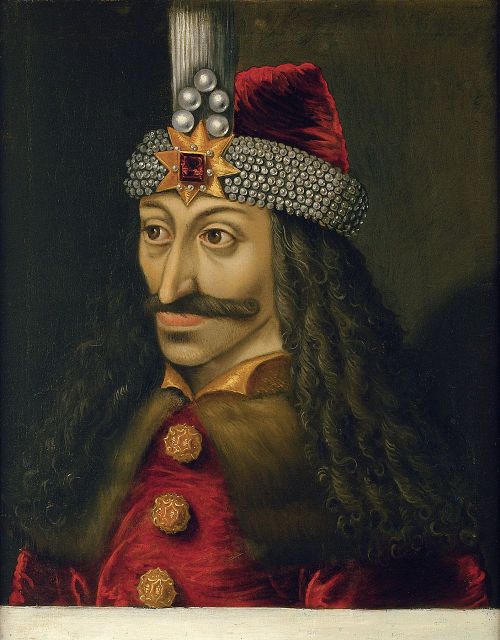
The Habsburg portrait gallery contains more than 200 paintings, covering a long span from the time of Albrecht III, who lived from 1349 to 1395, through the reign of Emperor Franz II, also known as Franz I, who lived from 1768 to 1835.
This is not a quick handful of royal portraits. It is a large family and political record. You can watch styles change over time, along with clothing, poses, facial expressions, and the way rulers wanted to be seen.
The gallery includes major names such as Lukas Cranach, Giuseppe Arcimboldo, Peter Paul Rubens, Anton van Dyck, and Diego Velázquez. You do not need to know every artist to enjoy the display. Instead, compare how each painter handles status, personality, costume, and symbolism.
Arcimboldo is especially worth seeking out because his portraits can use plants, objects, or unusual arrangements to create a human face. Rubens, Van Dyck, and Velázquez offer very different approaches to power and personality. Cranach connects the gallery to an earlier period of northern European painting.
The size of the gallery can be both a strength and a challenge. More than 200 paintings give you a broad view, but you may tire if you try to inspect every canvas equally. I suggest choosing a few works by the better-known artists, then stepping back to notice the wider pattern of Habsburg image-making.
This is also the section most likely to reward an audio guide or private guide. The paintings become more meaningful when you know who is pictured, why the portrait was made, and how the person fits into the family line. Since neither an audio guide nor a guided tour is included, decide in advance if you want a quiet independent visit or extra explanation.
Same Alps, a completely different kind of day:
- Tyrolean Evenings Family Gundolf in Innsbruck
★ 4.7 · 975 reviews - Innsbruck Swarovski Crystal Worlds Ticket and Transfer
★ 4.6 · 658 reviews - Combi Entrance Ticket to Alpine Zoo and Hungerburg
★ 4.5 · 637 reviews - Innsbruck: City Card Including Public Transport
★ 4.7 · 437 reviews
How to plan a self-guided visit
Your admission is valid for one day, so you are not locked into a short, fixed itinerary. The practical advantage is simple: you can spend more time in the chamber that interests you and less time in the one that does not.
At the entrance, keep the main sections in mind:
- Start with the Chamber of Art and Wonders if unusual objects are your priority.
- Give the armories enough time to compare tournament, ceremonial, and military armor.
- Save the portrait gallery for a slower look at the Habsburg family and the major painters.
- Return to objects that caught your attention, since the one-day format gives you room to set your own rhythm.
The ticket information says to check availability for starting times. That means you should confirm the available date and time before planning the rest of your day in Innsbruck.
The meeting point is Schloss Ambras, Schlossstrasse 20, 6020 Innsbruck. The ticket is for admission only, so it does not cover a guide, audio guide, or transportation. If you want a private guide, that can be arranged separately.
Is the $16 price good value?
At $16 per person, the ticket offers solid value if you enjoy museums, dynastic history, arms and armor, or unusual objects. You are paying for access to several distinct collections rather than one room or a brief exhibit.
The value is strongest for people who take their time. A quick visit focused only on the famous paintings may make the ticket feel less worthwhile. A fuller visit that includes the Chamber of Art and Wonders, the armories, the Turkish Chamber, and the portrait gallery gives you much more for the price.
The admission also suits mixed-interest groups. One person can focus on the paintings while another studies armor or scientific objects. Families can look for strange objects and dramatic suits of armor. Couples or solo visitors can move quietly through the galleries without keeping up with a tour group.
The main extra cost to consider is interpretation. An audio guide or guided tour is not included. If you want the story behind each room, the additional help may be worth it. If you prefer reading labels and setting your own pace, the basic ticket is enough to get started.
Who will enjoy Schloss Ambras most?
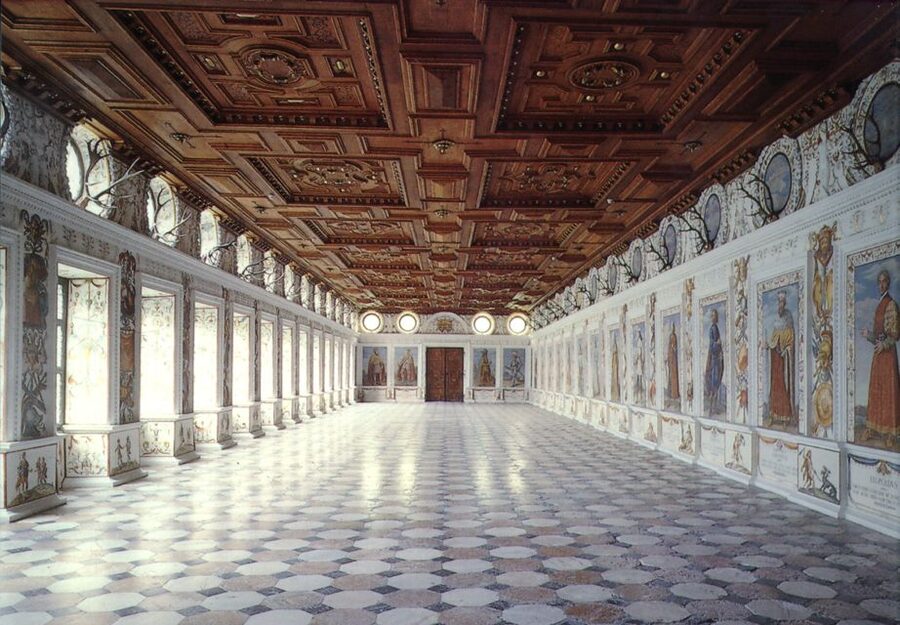
I would put this visit high on the list for anyone who likes collections with a surprise around the next corner. The Chamber of Art and Wonders has more variety than a standard art gallery, and the armories provide a clear visual draw.
It is also a good choice for families. The supplied booking feedback describes the visit as interesting for children, and I can see why: armor, unusual portraits, coral, ivory, games, and strange instruments give young visitors specific things to notice.
Art lovers will find plenty to study in the Habsburg portrait gallery, especially if the names Cranach, Arcimboldo, Rubens, Van Dyck, or Velázquez mean something to you. History-minded visitors will appreciate the link between collecting, court life, military power, and the Habsburg family.
You may want to choose another activity if you need a fully guided experience with a fixed story and someone explaining every room. This ticket gives you entry, not a personal interpreter. It is best for independent exploration.
Practical booking details before you go
The ticket costs $16 per person and is valid for one day. Free cancellation is available up to 24 hours in advance, and you can reserve now and pay later, which helps if your Innsbruck plans are still changing.
If you are traveling with a guide, the admission rules matter. One guide per booked group can enter free when accompanying the group to the museum, but the group must have at least 10 people. For groups of fewer than 10, the guide does not receive free admission under this arrangement.
State-certified tourist guides always receive free admission. An additional guide and an accompanying person are charged as regular paying visitors. Confirm the details when booking if your party includes professional guides.
The experience is supplied by the Kunsthistorisches Museum. The listed language information does not provide a specific guided-tour language schedule, so do not assume that a guide or audio guide in your preferred language is included.
Should you book this Schloss Ambras ticket?
Book it if you want a flexible museum visit with real variety. The strongest reasons are the unusual Chamber of Art and Wonders, the excellent range of armor, and the long Habsburg portrait gallery. At $16, it is a sensible choice for a half-day style cultural stop, especially if you enjoy choosing your own pace.
Think twice if you want transport, a guide, or a fully narrated tour built into the price. You will need to reach Schloss Ambras yourself and decide if you want to add interpretation.
For families, art lovers, museum fans, and anyone curious about how a Renaissance prince viewed the world, this ticket is an easy recommendation. Go for the odd objects as much as the grand paintings. They are what give Schloss Ambras its personality.
FAQ
Where is Schloss Ambras?
Schloss Ambras is at Schlossstrasse 20, 6020 Innsbruck, in Tyrol, Austria.
How much does admission cost?
The listed price is $16 per person.
How long is the ticket valid?
The ticket is valid for one day.
What does the ticket include?
It includes admission to Schloss Ambras in Innsbruck.
Is an audio guide included?
No. The audio guide is not included.
Is a guided tour included?
No. A guided tour is not included, though you can come with a private tour guide.
What can I see in the Chamber of Art and Wonders?
You can see art objects, scientific objects, items from distant countries, coral, ivory, unusual musical instruments, games, and portraits of people once considered miracles.
What can I see in the armories?
The armories include rare tournament armor, ceremonial armor for courtly festivals, armor connected with famous generals, and Ferdinand II’s Turkish Chamber.
How many paintings are in the Habsburg portrait gallery?
The gallery contains more than 200 paintings.
Can a tour guide enter for free?
One guide per group can receive free admission when accompanying a group of at least 10 people. State-certified tourist guides always receive free admission. For groups of fewer than 10, a guide does not receive free admission under the stated group arrangement.
Just added around Innsbruck
- Innsbruck – capital city of tyrol, privat tour – local guide★ 5.0 · 31 reviews
- UP STREAM SURFING – The new way of surfing a river★ 5.0 · 5 reviews
- Private Tour of Swarovski Crystal World from Innsbruck★ 4.5 · 10 reviews
- Private tour of Tyrol’s beer history★ 5.0 · 4 reviews
- Paragliding in the morning★ 5.0 · 10 reviews
- CITY QUEST INNSBRUCK: uncover the secrets of this city!★ 5.0 · 3 reviews
- Dolomites Private Tour from Innsbruck: “Taste” of other Italy.★ 5.0 · 12 reviews
- Innsbruck Scenic eBike Tours★ 5.0 · 117 reviews
Innsbruck Tours, compared.


Swarovski Crystal Worlds Admission Ticket in Wattens
Read our review →

Innsbruck Swarovski Crystal Worlds Ticket and Transfer
Read our review →
Combi Entrance Ticket to Alpine Zoo and Hungerburg
Read our review →


Browse the lists this tour appears in